

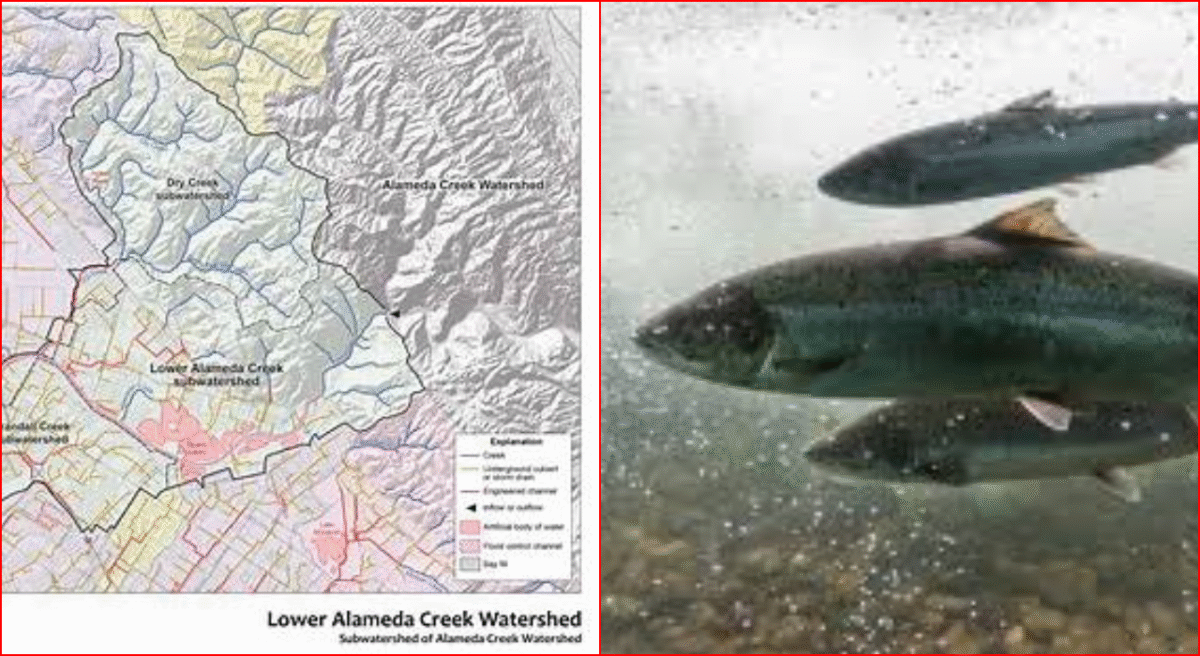
In a heartening turn for conservationists, Chinook salmon have been spotted in a California creek for the first time in roughly 70 years — a sign that decades of restoration work are finally paying off. The sighting marks a rare and exciting moment for wildlife lovers and scientists alike, as these iconic fish swim up Alameda Creek, a major tributary feeding into San Francisco Bay. This remarkable return is rooted in years of effort to undo the effects of habitat fragmentation and reconnect waterways that were once blocked to migratory fish.
A Historic Return to Alameda Creek
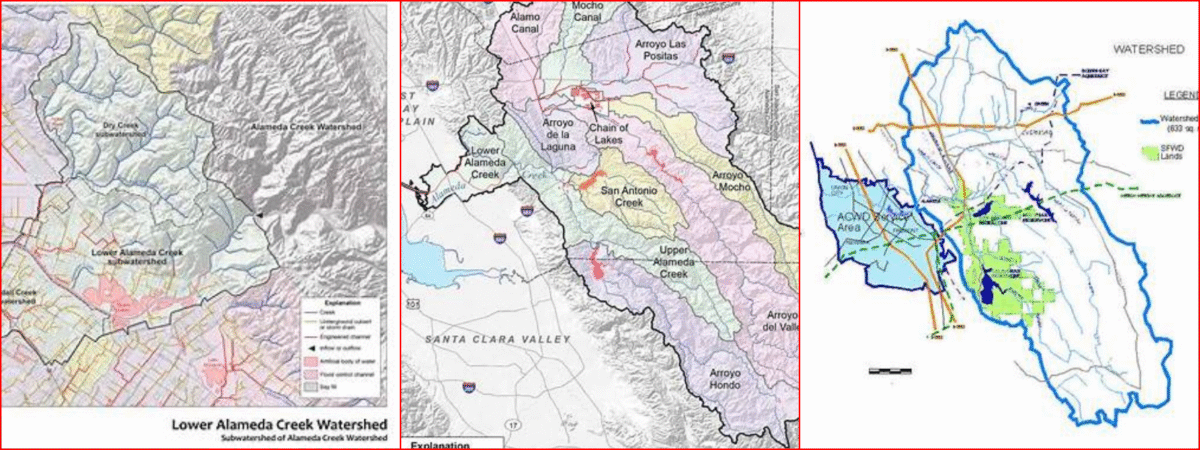
On Nov. 19, 2025, biologists documented Chinook salmon — each about 12 to 24 inches long — in the upper reaches of Alameda Creek in California. According to a press release from California Trout (CalTrout), this is the first time Chinook salmon have “volitionally accessed” this part of the watershed since the **1950s,” meaning without being flushed there by unusually strong winter storm flows.
The creek’s upper watershed had been inaccessible for generations because of man-made infrastructure — especially a buried gas pipeline covered by a concrete erosion-control mat that blocked the path except in very wet years.
How Restoration Made This Possible
The salmon’s return isn’t an accident — it’s the result of years of coordinated restoration efforts. CalTrout partnered with Pacific Gas & Electric (PG&E) to remove the final significant barrier to fish passage in the watershed. That involved:
Relocating a gas pipeline downstream and burying it beneath the creekbed, so fish could swim freely where they couldn’t before.
Removing a concrete mat that had impeded passage except in rainy conditions. Replanting native vegetation and regrading the channel to restore natural stream conditions.
This project reconnected more than 20 miles of stream, including key habitat areas historically used for spawning and rearing. CalTrout officials celebrated the milestone, saying the fish are “already finding their way home.”
Decades of Collaboration and Care
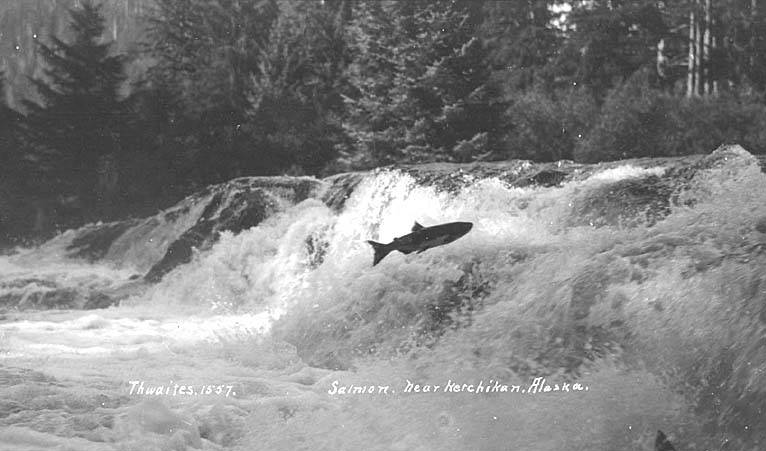
The success in Alameda Creek builds on decades of collaboration involving local nonprofits, agencies, and utility partners. The San Francisco Public Utilities Commission (SFPUC) had removed other barriers earlier, including the Sunol and Niles dams in 2006, and completed a diversion dam fish ladder in 2018. Other fish ladders and small dam removals over the years have gradually reopened stretches of the creek.
Claire Buchanan, CalTrout’s Central California regional director, pointed out that this result reflects “decades of advocacy and planning” by organizations like the Alameda Creek Alliance, Applied River Sciences, and others. The collective effort demonstrates how sustained restoration actions can help reconnect ecosystems fractured by past development.
What This Means for the Future
Seeing Chinook salmon in Alameda Creek again isn’t just a local win — it’s a hopeful sign for broader watershed recovery efforts across California and beyond. Salmon are anadromous fish, meaning they migrate from the ocean back up rivers to spawn — so their return deep into inland creeks shows that migratory routes are reopening and habitats are healing. Experts caution that this sighting is just the beginning, not the end, of restoration goals. Continued monitoring, habitat protection, and climate resilience will be vital to ensure salmon and other species not only return but thrive in years ahead. For now, though, this moment stands as a powerful example of what sustained conservation action can accomplish
