
Picture this: a world where elephants roam freely, where big cats prowl their ancestral territories, and where whales breach in oceans teeming with life. For decades, this vision seemed to be slipping away, fading into memory as habitat loss, poaching, and climate change pushed countless species toward the edge of oblivion. The news has often felt relentless, a drumbeat of extinction warnings and disappearing wildlife.
Yet amid the gloom, something remarkable is happening. Across every continent, conservationists, local communities, and dedicated scientists are pulling off what once seemed impossible: bringing animals back from the very brink of extinction. These aren’t just small victories. They’re monumental comebacks that prove when we commit resources, political will, and human ingenuity to protecting nature, incredible things can happen. So let’s dive into these inspiring stories that remind us hope isn’t just wishful thinking, it’s grounded in real, tangible results.
The Iberian Lynx: From Near Extinction to Thriving Populations
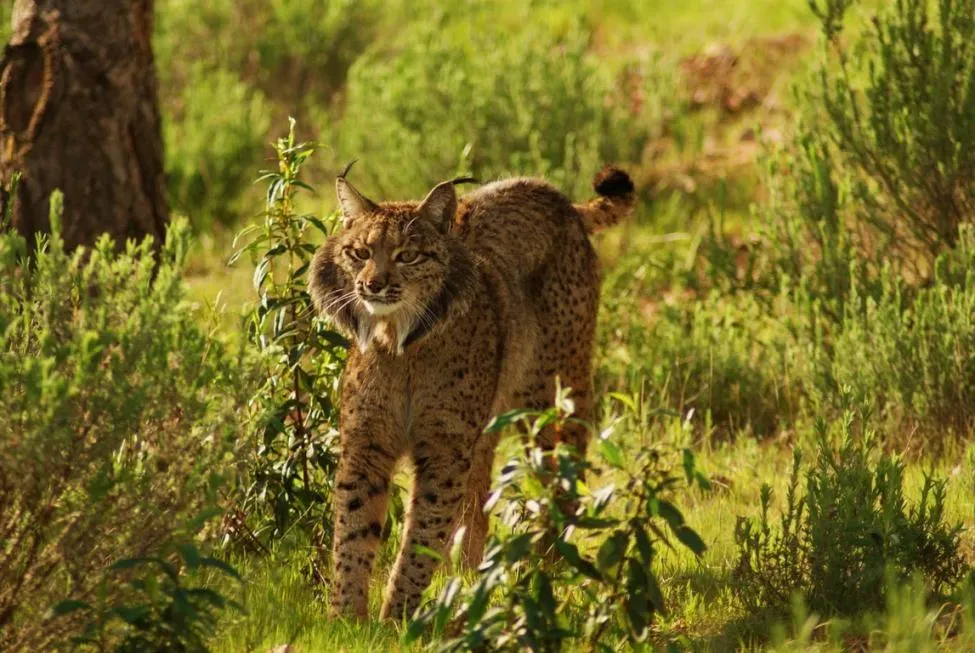
The Iberian Lynx’s recovery is being hailed as the greatest recovery of a cat species ever achieved. This tufted-eared carnivore, native to Spain and Portugal, faced a grim future at the turn of the millennium when only a few dozen individuals remained scattered across fragmented habitats. Habitat loss, road accidents, and a catastrophic decline in their main prey, the European rabbit, had driven them to the precipice.
What turned things around? Conservation efforts focused on increasing the availability of the European rabbit, Portugal introduced a National Breeding Centre for Iberian lynxes, and captive breeding programs released hundreds of lynxes back into the wild alongside habitat restoration. The results speak for themselves. The species was recently assessed in 2024 as vulnerable, with an increasing population of 648 mature individuals. That’s a stunning turnaround for a species that was once the world’s most endangered cat.
Giant Pandas: A Symbol of Conservation Success

China joined the Convention on the International Trade in Endangered Species, making trade in panda skins illegal, established reserves to protect panda habitats, and undertook substantial research and breeding programs. These intensive efforts paid off spectacularly. The giant panda became a global icon not just of conservation need, but of conservation success.
The giant panda was reclassified as vulnerable by the IUCN in 2016, with an increasing population of 500 to 1,000 mature individuals. Today, wild panda populations exceeding 1,800 have led Chinese conservation authorities to announce that giant pandas are no longer endangered in the wild. China approved plans for a giant panda reserve spanning 27,134 square kilometers that will connect 67 existing panda reserves across multiple provinces. This connectivity matters tremendously, allowing pandas to find mates beyond isolated pockets and strengthening genetic diversity for generations to come.
Humpback Whales: Reclaiming the Oceans
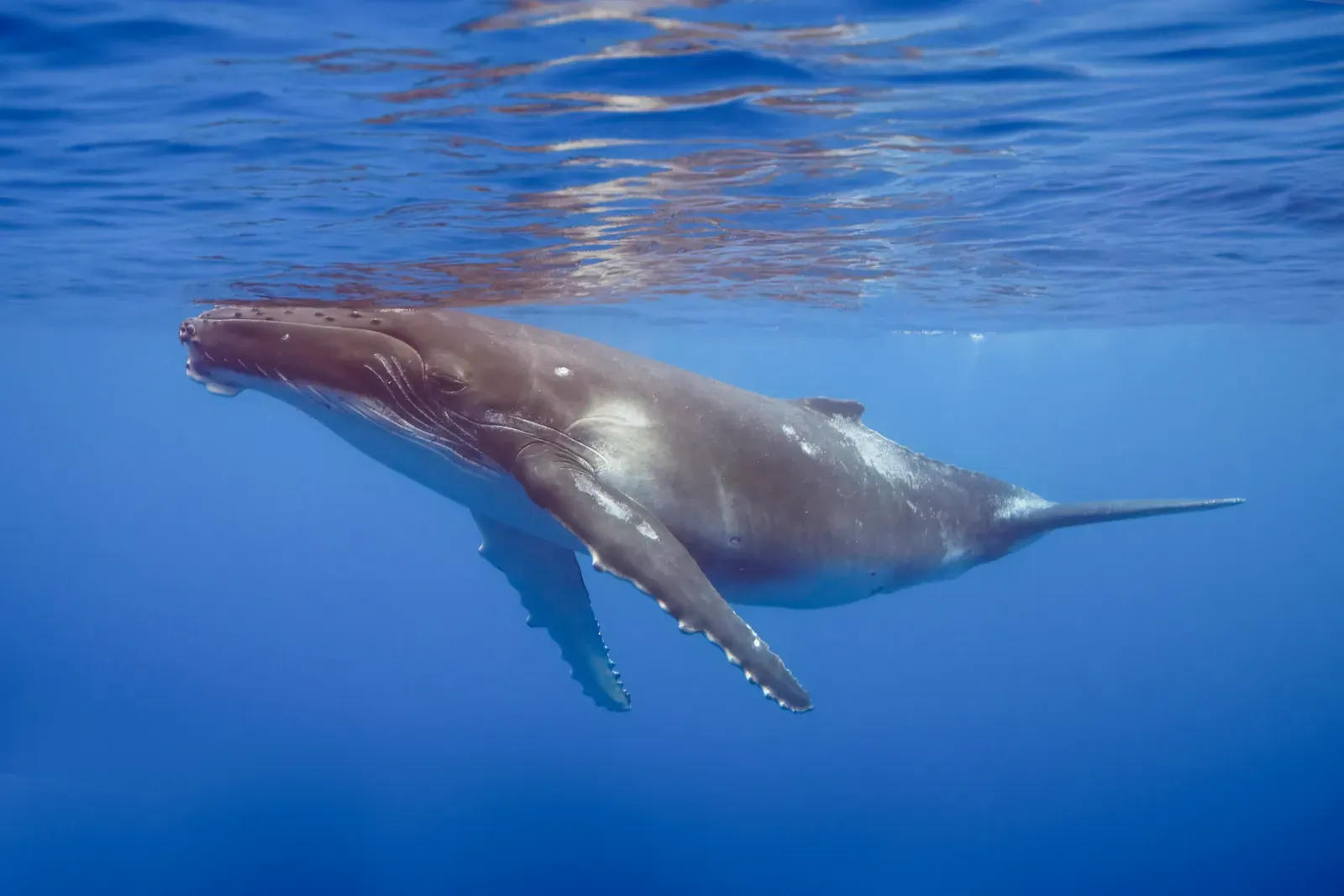
Humpback whales were hunted almost to extinction for their oil, meat, and blubber, and by the 1960s only a few thousand remained worldwide. Commercial whaling decimated populations across every ocean basin, pushing these majestic marine mammals toward the point of no return. Honestly, it’s hard to fathom the scale of slaughter that nearly wiped them out entirely.
The turnaround began when international protections kicked in. Thanks to protections afforded by the International Whaling Commission, the Endangered Species Act, and the Marine Mammal Protection Act, humpback whales have recovered dramatically to more than 21,000 today. After significant efforts to reduce fisheries bycatch and ship collisions, humpback whales have been on a steady road to recovery, with Australia’s populations now 50% larger than their pre-whaling numbers. That’s not just recovery, that’s restoration on a scale that should inspire awe.
Mountain Gorillas: Rising Numbers in the Mist
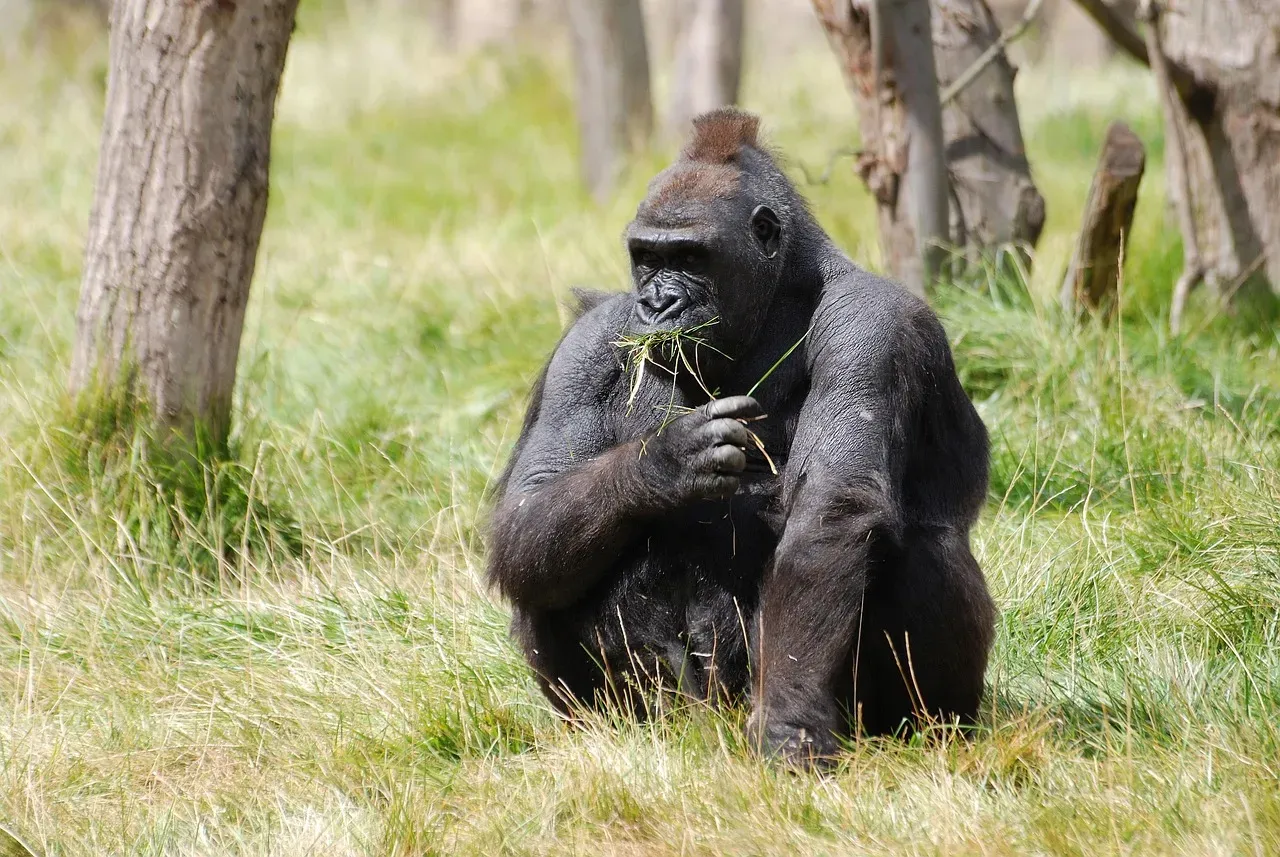
Cross-border conservation efforts have led to a 73% increase in the global population of mountain gorillas since 1989, and the subspecies has been reclassified from critically endangered to endangered by the IUCN. Confined to two misty forests in central Africa, there are only about 1,000 mountain gorillas in the wild. While that number might sound small, it represents a victory against tremendous odds in a region plagued by conflict and instability.
The success stems from remarkable international cooperation. Protection arises from intense collaboration between state actors, civil society, and the private sector across the Democratic Republic of Congo, Uganda, and Rwanda, with more than a thousand park Rangers enabling close daily monitoring of the species for 40 years. Since conservation work began, mountain gorilla numbers have increased from just a few hundred to over 1,000 today. These gentle giants, once thought doomed to disappear by the end of the 20th century, now represent one of conservation’s most inspiring success stories.
California Condor: Back from 22 Birds to Soaring Hundreds
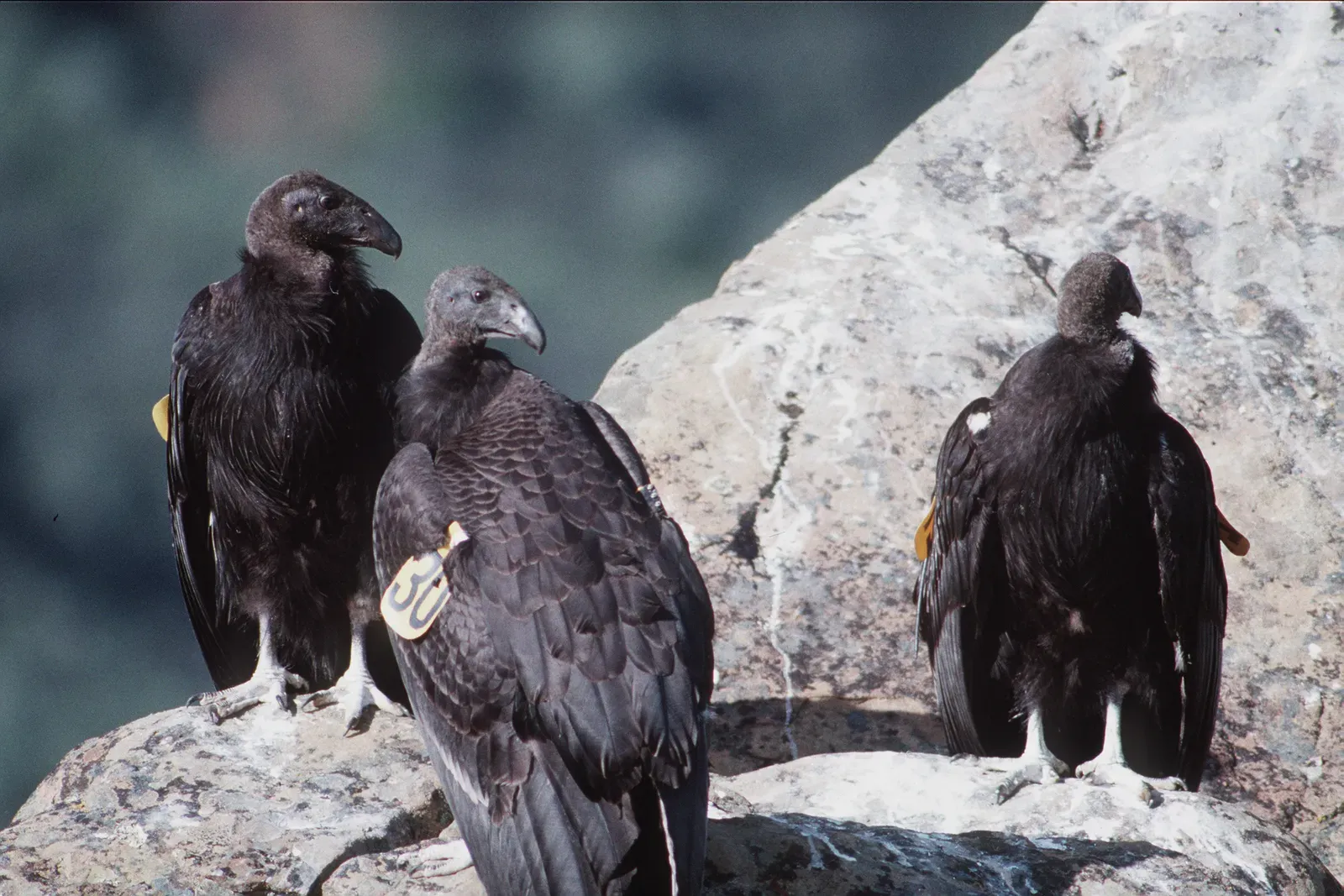
Let’s be real, the California condor’s story is almost too dramatic to believe. Poaching, lead poisoning, and habitat destruction nearly drove the California condor to extinction, and in 1987 the U.S. Fish and Wildlife Service captured all remaining California condors in the wild, which numbered only 27, and focused on breeding them at captive facilities. Imagine the audacity and risk of that decision: capturing every last wild bird, gambling everything on captive breeding.
The gamble paid off beyond anyone’s expectations. The world population of California Condors continues to grow slowly, with more than 400 now in existence, and more than half live in the wilderness. Through captive breeding programs, habitat restoration, and other conservation efforts, the California condor population has made a remarkable recovery, and today there are over 400 California condors in the world. These magnificent birds, with their nine-foot wingspans, now soar over landscapes from California to Arizona and even into Mexico, a testament to what’s possible when we refuse to give up.
Bald Eagles: America’s Symbol Reclaims the Skies
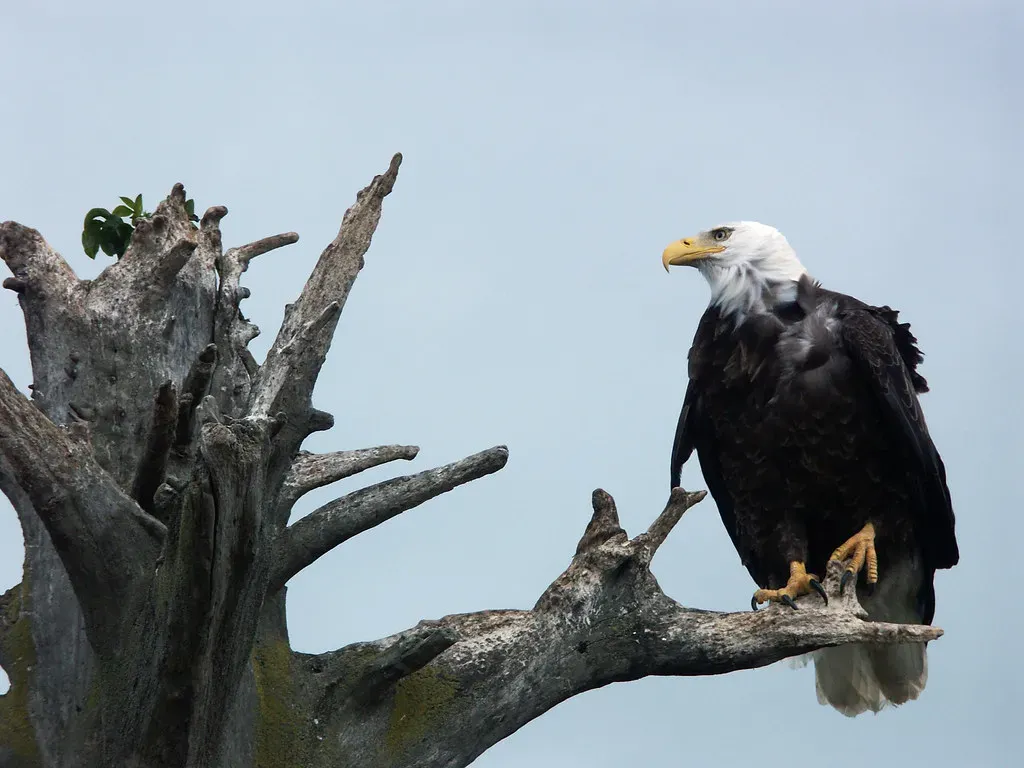
In the 1960s, a mere 500 bald eagles could be found soaring across America’s lower 48 states, as dangerous pesticides and chemicals released into their habitats thinned the shells of their eggs and killed their young. At the lowest recorded point, slightly more than 400 breeding pairs of bald eagles were found in the lower 48 states in 1963. The national symbol of the United States teetered on the edge, a bitter irony that galvanized action.
The ban on DDT, protections from the Endangered Species Act, and captive breeding and reintroduction efforts all helped reverse the bald eagle’s decline, and in 2007 the Interior Department officially declared the bald eagle fully recovered and removed it from the endangered species list. As of 2021, the bald eagle population climbed to an estimated 316,700 individuals. From roughly 400 pairs to hundreds of thousands: that’s the power of decisive environmental policy and unwavering commitment.
Black-Footed Ferrets: Prairie Ghosts Return
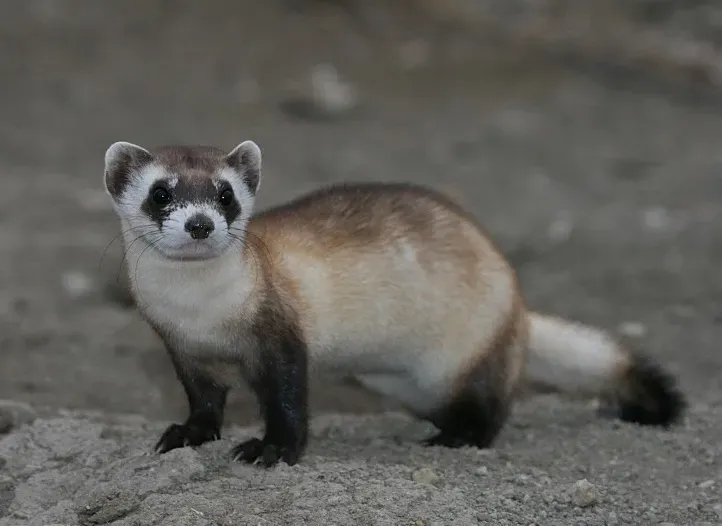
For the last 30 years, concerted efforts from many organizations have given black-footed ferrets, one of North America’s most endangered mammals, a second chance for survival after declines in prairie dog habitat and non-native disease led to their extinction in the wild. These masked carnivores, once declared extinct in the wild, depended entirely on prairie dog colonies for survival. When prairie dogs declined, so did the ferrets.
The recovery journey has been anything but straightforward. Recovery efforts have helped restore black-footed ferrets to around 300 animals across North America, with a goal to reach 3,000, and their recovery signifies the health of the grassland ecosystem they depend on. Teams working to improve black-footed ferret genetic diversity through cloning announced that the clone Antonia gave birth to two healthy kits, and breeding, cloning and reintroduction programs have brought them back to the western prairie. The use of cutting-edge genetic technology to bolster this species shows how conservation is evolving to meet modern challenges.
Red-Cockaded Woodpecker: A Southeast Success Story
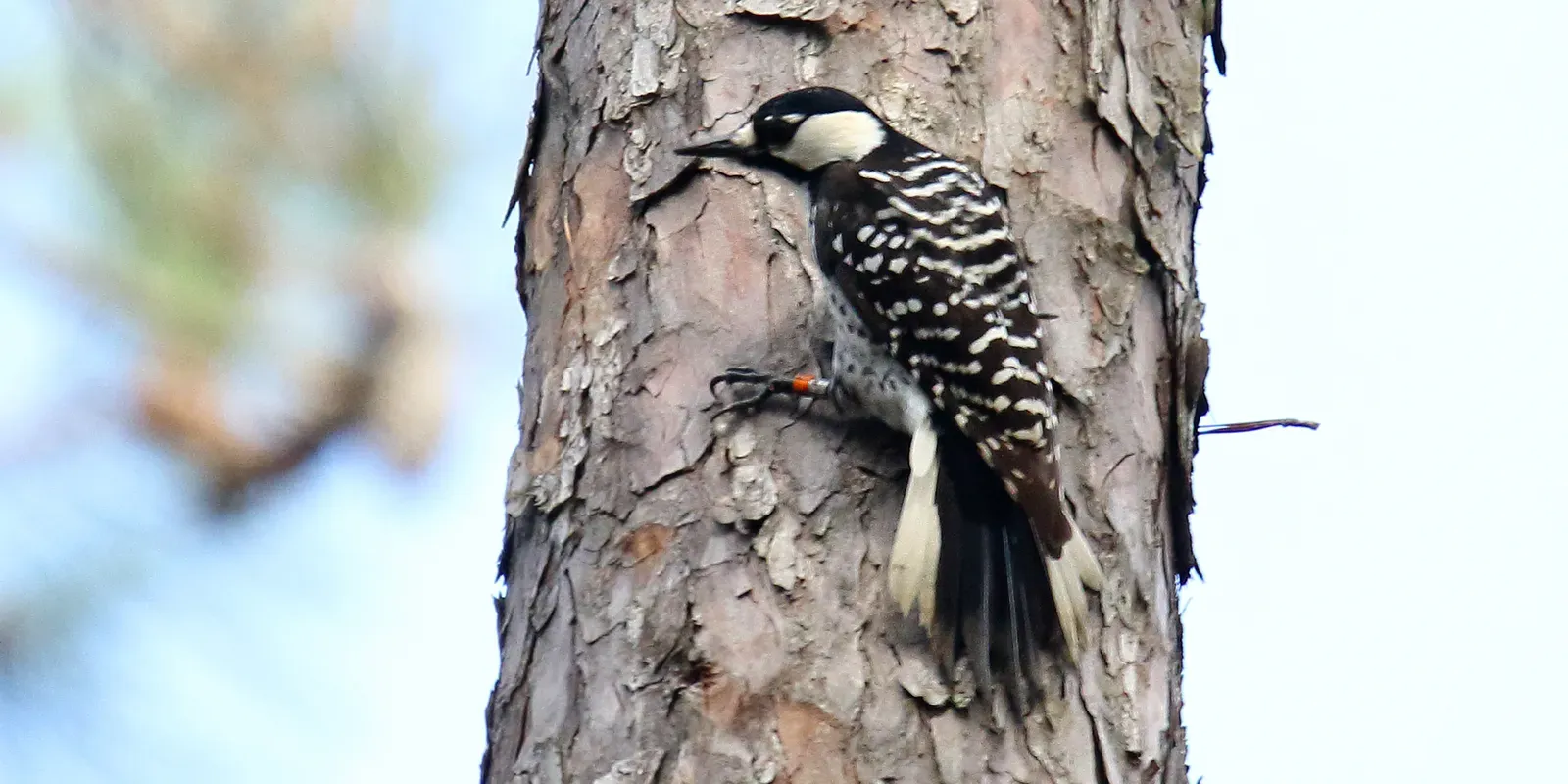
The red-cockaded woodpecker, an iconic species native to southeastern U.S. pine forests, recently passed a major recovery milestone, rebounding from as low as 1,470 nest clusters in the 1970s to over 7,800 today, a recovery big enough to justify removing the bird from the U.S. endangered species list. These small woodpeckers require very specific habitat: old-growth longleaf pine forests, which were decimated by logging across the American South.
In the 1960s, a study predicted that red-cockaded woodpeckers would become extinct due to logging, deforestation and fire suppression, with fewer than 15,000 surviving in about one percent of their former range, but restrictions on habitat destruction and enrollment of more than 2.5 million acres of private lands in conservation programs have led the woodpecker toward recovery. Red-cockaded woodpeckers, now present from Virginia to Texas, were downlisted from endangered to threatened. This species’ comeback demonstrates that protecting habitat and engaging private landowners can yield extraordinary results.
Saiga Antelope: Bouncing Back from Catastrophe
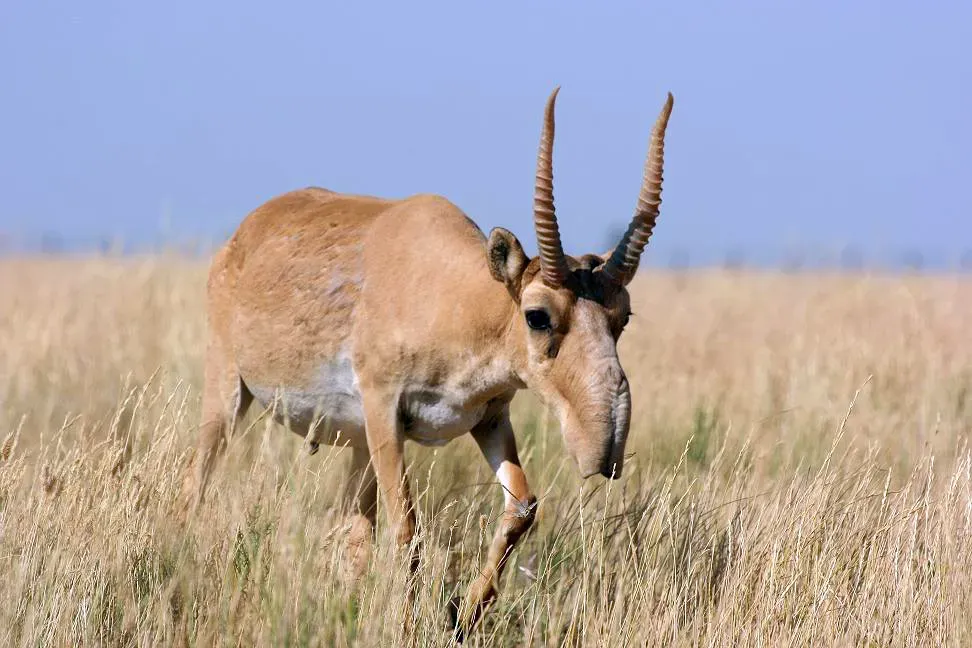
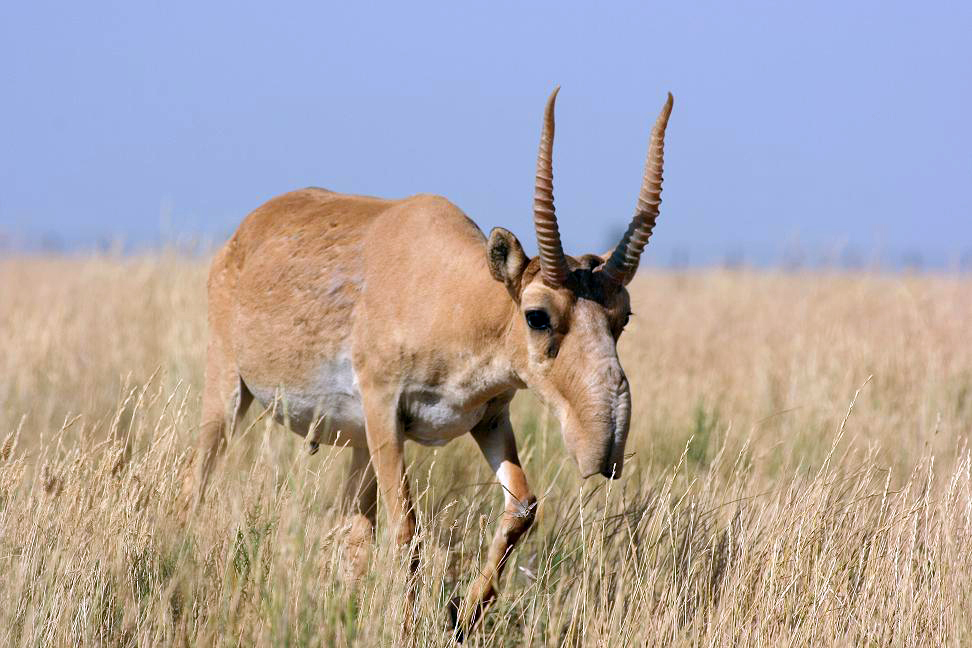
Saiga antelopes, a goat-sized antelope with a comically big nose, once roamed in the millions across grasslands from Europe to China, but overhunting, loss of habitat and migration routes, and disease outbreaks cut them down to remnant populations. In 2015, disaster struck when a mysterious mass die-off killed roughly 200,000 saigas in Kazakhstan alone, shocking the conservation world and threatening to erase decades of recovery efforts.
Yet the species proved resilient. Restoration efforts, including the Altyn Dala Conservation Initiative in Kazakhstan protecting and revitalizing 7.5 million hectares of steppe and desert, have already seen results, with the Kazakh population bouncing back from fewer than 50,000 animals in 2006 to over 1.3 million today. That’s a twentyfold increase in less than two decades. The saiga’s recovery shows how protecting migration corridors and vast landscapes can allow wildlife to rebound at breathtaking speed when given the chance.
Wild Tigers: Clawing Back from the Brink
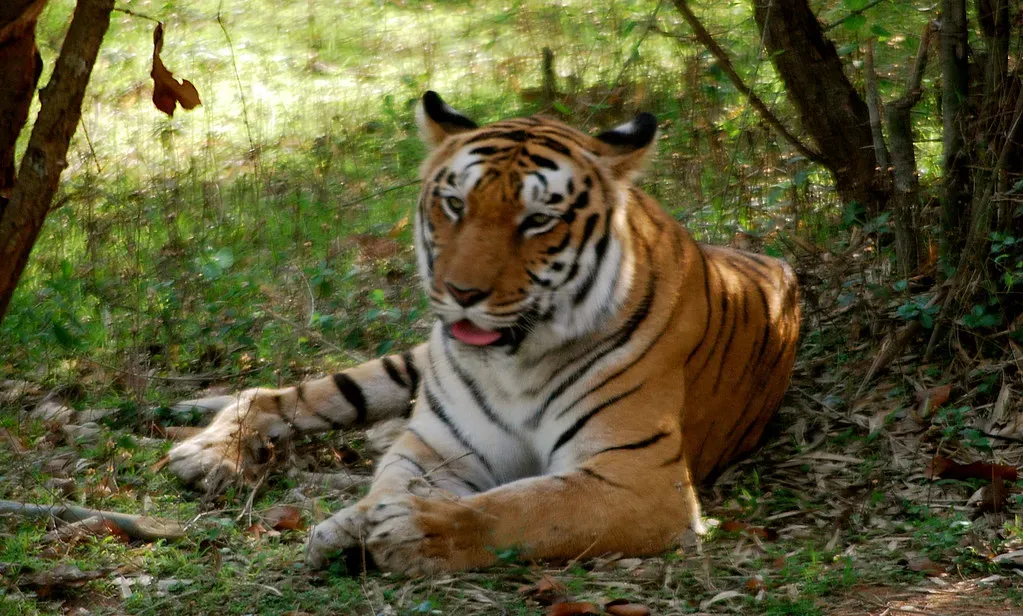
Over the last 12 years, wild tiger populations have rebounded thanks to the TX2 campaign and collaborations, and after years of concerted conservation efforts, Thailand’s wild tiger populations are increasing, with a new estimate of 179 to 223 tigers. Tigers, those striped icons of Asian forests, faced relentless pressure from poaching, habitat fragmentation, and prey depletion. At one point, tiger numbers had plummeted to as few as 3,200 individuals across their entire range.
The international TX2 goal aimed to double tiger numbers by 2022, an ambitious target that seemed almost impossible when announced. On Earth Day 2024, the Royal Government of Bhutan hosted a conference to discuss innovative solutions for tiger landscape conservation, with participants committing to catalyze an additional $1 billion to conserve tigers and their landscapes over the next ten years. While challenges remain, particularly in Southeast Asia, the overall trajectory is encouraging. Tigers are proving that even large, wide-ranging predators can recover when we protect their habitats and stop illegal wildlife trade.
The stories you’ve just read aren’t fairy tales or wishful thinking. They’re documented, verifiable conservation victories achieved through science, dedication, international cooperation, and sometimes just sheer stubbornness in refusing to let a species disappear. From the skies where condors soar to the oceans where whales sing, from the misty mountains where gorillas thrive to the grasslands where ferrets hunt, life is reclaiming space we once thought lost forever.
These wins remind us that the arc of conservation can bend toward hope. The challenges facing our planet’s biodiversity remain enormous, no question about it. Climate change, habitat destruction, and human population pressures aren’t going away. Yet these ten success stories prove that when we invest in conservation, when we protect habitats, when we enforce laws against poaching, and when we bring communities into the solution rather than excluding them, wildlife responds. Nature is resilient. Species want to survive.
The next chapter of conservation is being written right now, in places you might never visit but which matter immensely to the web of life we all depend on. What do you think it will take to turn these ten victories into a hundred, or a thousand more? The answer might surprise you: it starts with believing that conservation can work, because as these stories prove beyond doubt, it absolutely does.

- American Crocodiles Are Expanding Their Range in Florida’s Warm Waters - July 18, 2026
- 9 Common Myths About Wild Animals That Are Simply Not True - July 18, 2026
- 15 Signs Your Pet Is Secretly a Genius (And How to Spot Them) - July 18, 2026