
Every state across America has chosen a special flower to symbolize its character, values, and natural beauty. These aren’t just random picks from a garden catalog. Each bloom carries stories that stretch back generations, whispers of frontier hardships, political debates, and even schoolchildren casting their votes long before they could imagine the legacy they were creating.
Some flowers represent resilience through drought and disaster. Others commemorate painful histories or celebrate agricultural triumphs. The symbolism runs deeper than you might think when you pass these blooms along the highway or spot them on state flags. Let’s dive into the fascinating stories behind twelve remarkable state flowers and uncover what they truly represent.
California Poppy: Golden Dreams and Resilient Spirit
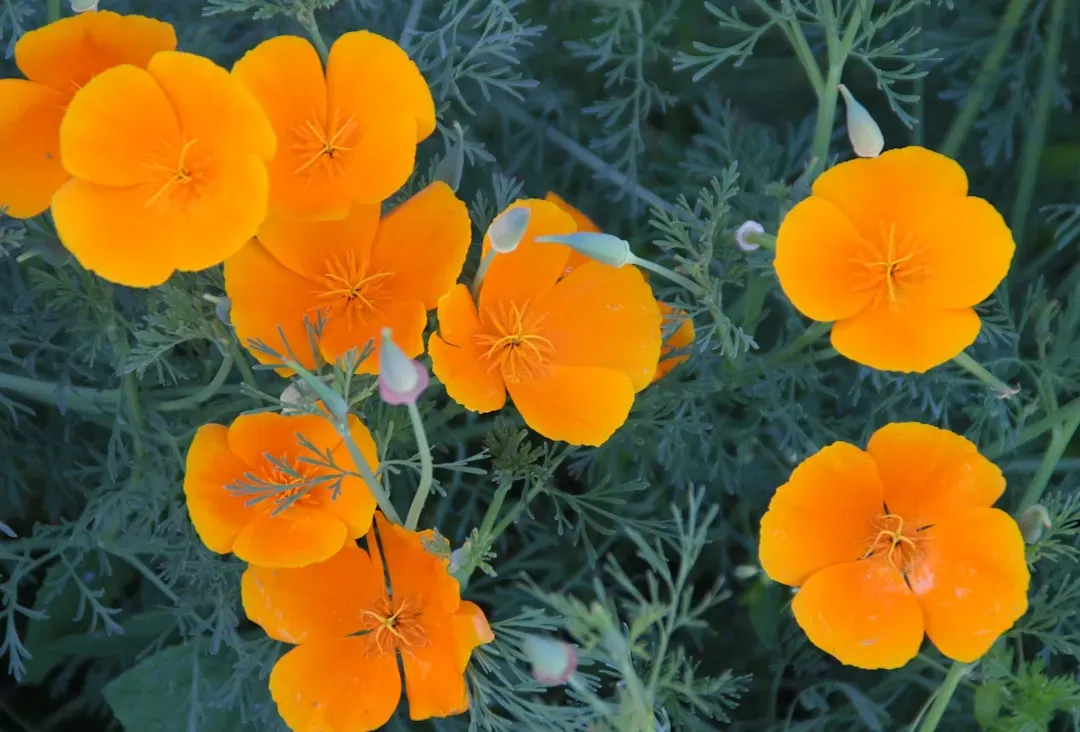
The California poppy was chosen as the state’s official flower in 1903. This vibrant golden-orange bloom blankets hillsides each spring, creating breathtaking displays that early Spanish explorers could spot from their ships. The Spanish called them “Dormidera,” meaning the drowsy one, because the petals close at night.
What most people don’t realize is the deeper symbolism here. It’s a symbol of California dreaming, resilience, and natural abundance. The California poppy is a hardy flower that can grow in harsh conditions, including droughts and wildfires. It is often seen as a symbol of resilience and adaptability, qualities that are highly valued in the state.
The flower embodies California’s golden promise from the Gold Rush era. California poppies cover certain hillsides and fields during the spring and summer, especially when ideal weather conditions lead to superblooms. These rare superblooms attract tourists from around the world, turning the landscape into a sea of gold.
Despite sharing a family with opium poppies, California poppies contain no narcotic properties. They’re simply beautiful survivors that thrive where others struggle. A 1925 law prohibits the digging and collection of this columbine due to its rare status.
Texas Bluebonnet: Pride Written in Cerulean Blue
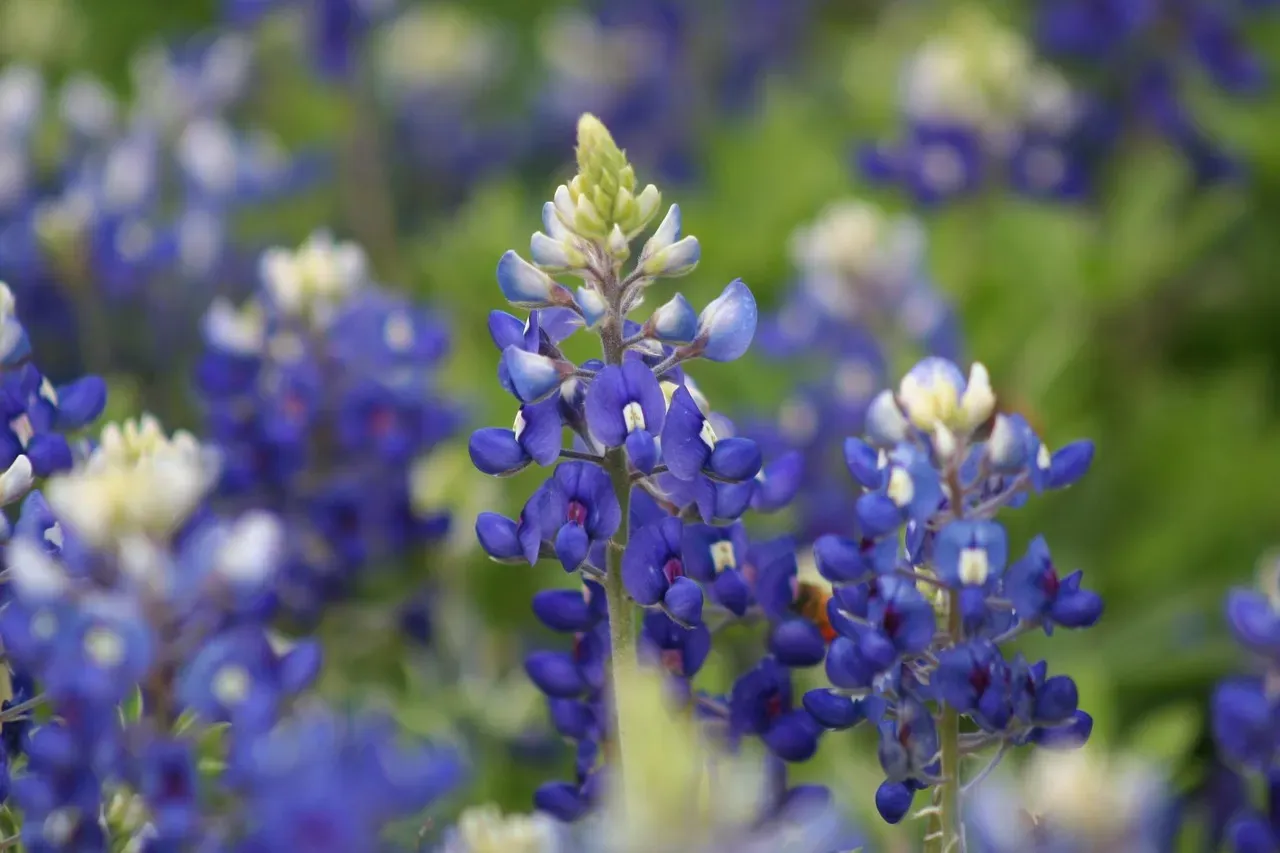
Bluebonnet became the state flower of Texas in 1901, and in the 1930s, the Texas highway department undertook an effort to spread bluebonnets throughout the state. The flower wasn’t chosen casually. The flower was chosen by the National Society of Colonial Dames of America in 1901 as a means of honoring pioneer women from the state.
The Texas Bluebonnet isn’t just a flower; it’s a Texan emblem. Adopted in 1901, this bloom is a testament to the state’s unyielding spirit and natural splendor. Every spring, Texans flock to fields to photograph their children sitting among the blue blooms, continuing a tradition that spans generations.
Everything in Texas comes with a whopping big story or myth, and bluebonnets are no exception. One legend tells of the Comanche suffering from food scarcity after a harsh winter. Community members discussed sacrificing their most prized possessions to fire to appease angry gods. A young girl from the tribe threw her cornhusk doll trimmed with a blue feather into the flames; the next day the landscape was covered in blue flowers.
Beyond the mythology, bluebonnets serve practical purposes. Their dense foliage protects against erosion long after the blooms fade. As legumes, they’re soil enrichers, grabbing nitrogen from the air and fixing it into the dirt, giving a leg-up to plants that follow. They’re not just pretty faces in the landscape.
Alaska Forget-Me-Not: Remembrance Before Statehood
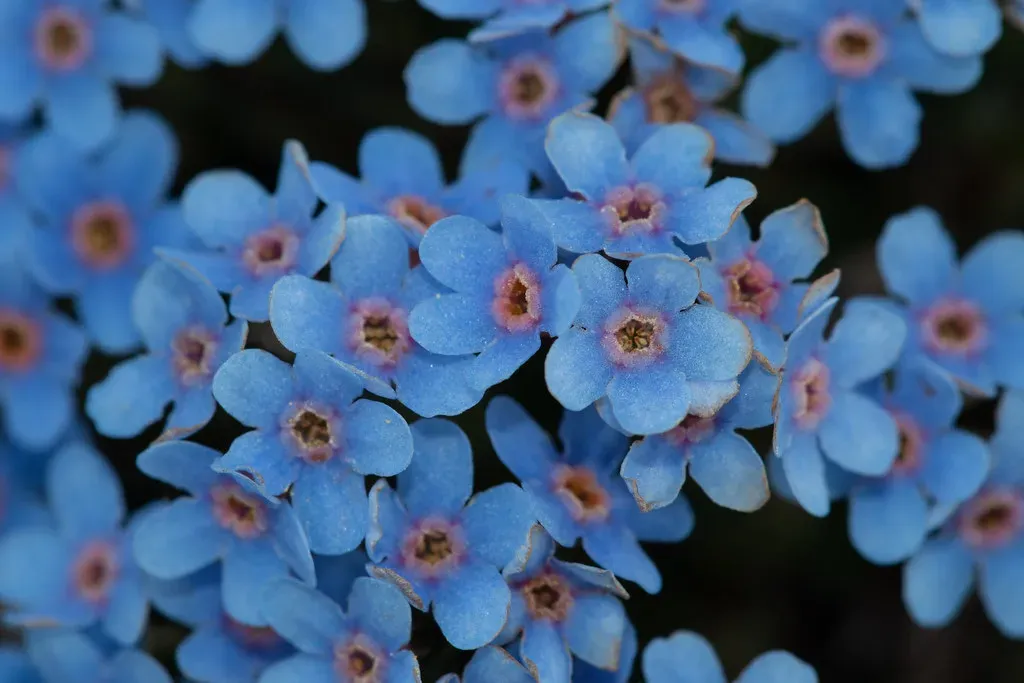
The forget-me-not was chosen as the official flower in 1917, even before Alaska became a U.S. state in 1959. Think about that for a moment. Alaskan pioneers selected this delicate blue wildflower more than forty years before statehood was even granted. That’s commitment to identity.
In flower meanings, forget-me-nots are known for fidelity and remembrance. The tiny blue petals with white centers seem almost fragile, yet they thrive in Alaska’s challenging climate. Alaska’s state flower is the Forget-Me-Not, chosen in 1917. These small, delicate blue flowers are often seen growing in meadows and along streams.
This delicate blue flower was designated as the state flower in 1917, symbolizing the lasting memory of Alaska’s breathtaking landscapes and the indomitable spirit of its people. The flower represents the loyalty and determination required to survive and flourish in America’s last frontier.
The forget-me-not wasn’t just pretty. It spoke to something deeper about remembering where you came from and staying true to your roots. For early Alaskans far from home, this symbolism mattered profoundly.
Arizona Saguaro Cactus Blossom: Desert Majesty and Endurance
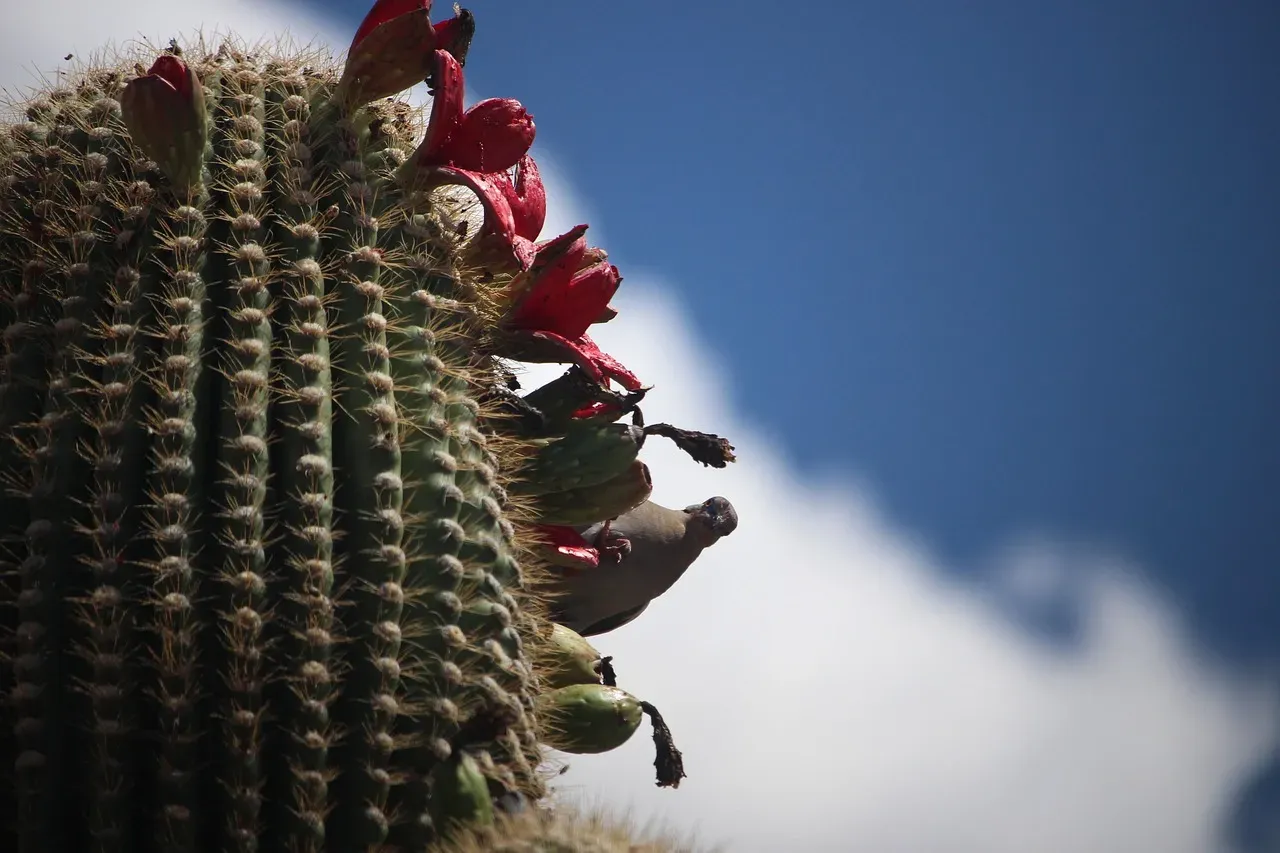
The Saguaro Cactus Blossom became Arizona’s state flower in 1931 and is considered an iconic symbol of the American Southwest. Their strong presence amidst the harsh desert environment makes them a symbol of resilience, adaptability, and longevity.
Here’s something fascinating: The saguaro cactus is the largest cactus in the United States; these plants can grow over 40 feet tall! The white waxy blossoms appear only on mature cacti, sometimes taking decades to produce their first flowers.
The saguaro cactus typically blooms in May and June. It is one of the most unique state flowers, and is characterized by having a waxy feel, but fragrant aroma. There may be hundreds of flowers on a saguaro cactus that bloom just several at a time over a period of more than a month. The saguaro flowers have a short life; they open at night and close permanently during the next day.
The choice makes perfect sense for Arizona’s desert landscape. These blooms represent survival against impossible odds. They thrive where almost nothing else can, embodying the pioneering spirit that settled the Southwest.
The saguaro isn’t just surviving either. Many of the blossoms will become pollinated and, later in the summer, the flowers become red-fleshed fruits that are enjoyed by the local bird population. Life persists even in the harshest environments.
Colorado Rocky Mountain Columbine: Elevated Beauty and Protection
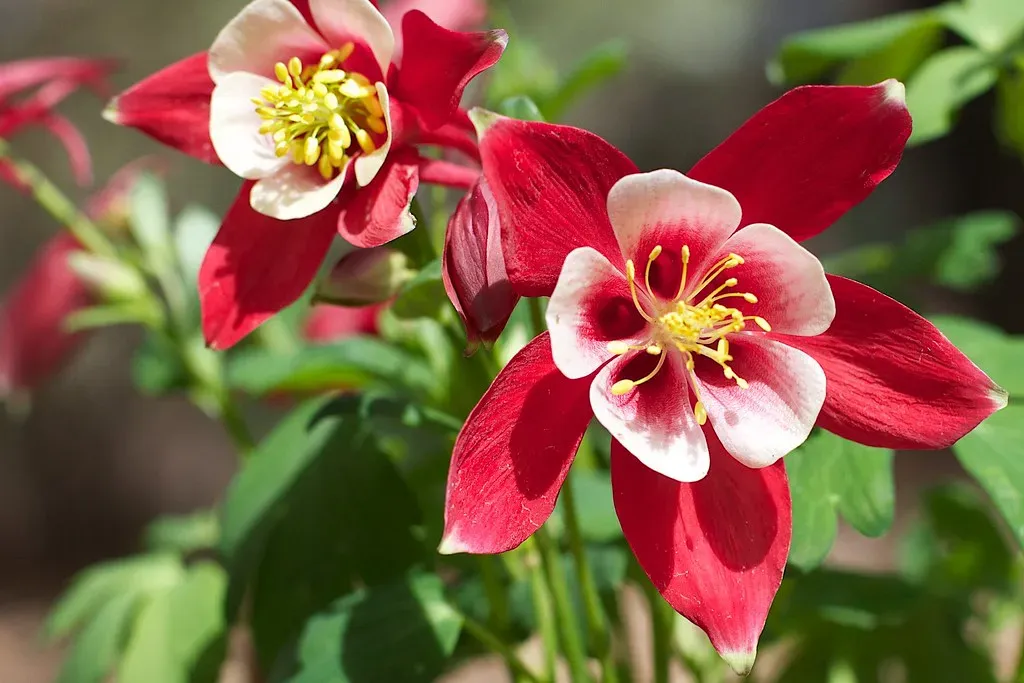
This charming wildflower is native to the Rocky Mountains and was chosen as Colorado’s official flower in 1899. The name “columbine” itself comes from the Latin word for “dove,” referencing its delicate and graceful form. In flower meanings, columbines symbolize innocence and purity.
School children chose this wildflower, which blooms in several pastel shades, in 1899. The students recognized something special about this high-altitude bloom with its distinctive blue and white petals. Some say the colors of its blue outer petals represent the sky, the white central cup depicts snow, and the yellow anthers symbolize sunshine and gold mines!
What’s remarkable is how seriously Colorado takes protecting this flower. A 1925 law prohibits the digging and collection of this columbine due to its rare status. The state recognized early that this beauty needed legal protection.
The columbine grows at elevations where the air thins and most flowers give up. It represents not just Colorado’s mountain majesty but the rarity and fragility of alpine ecosystems. Beauty needs defending sometimes, and Colorado understood that lesson decades ago.
Delaware Peach Blossom: Agricultural Heritage and New Beginnings
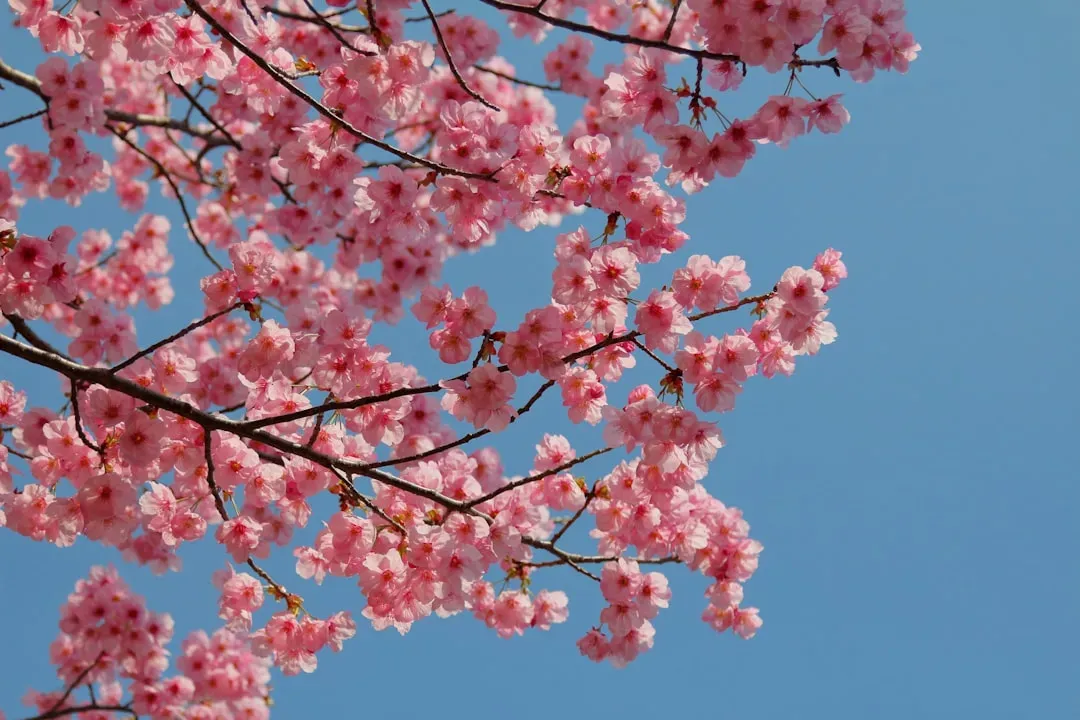
Peach Blossom was chosen in 1895 as a reflection of Delaware’s nickname, “The Peach State,” due to the abundance of peach orchards that once flourished there. It represents the state’s agricultural heritage, springtime beauty, and new beginnings.
Delaware’s choice reveals how economic identity shapes state symbols. The peach orchards that once dominated the landscape made Delaware prosperous. Though the industry has declined, the flower remains as a reminder of what once was.
The delicate pink and white blossoms appear each spring for only a brief window. They’re ephemeral, lasting just days before falling away. Yet in that short time, they promise the sweet fruit to come.
Their delicate blooms represent springtime, love and fertility, new beginnings and hope, and renewal and transformation. The peach blossom embodies optimism about the future even while honoring the past.
Florida Orange Blossom: Purity, Prosperity, and Sunshine State Pride
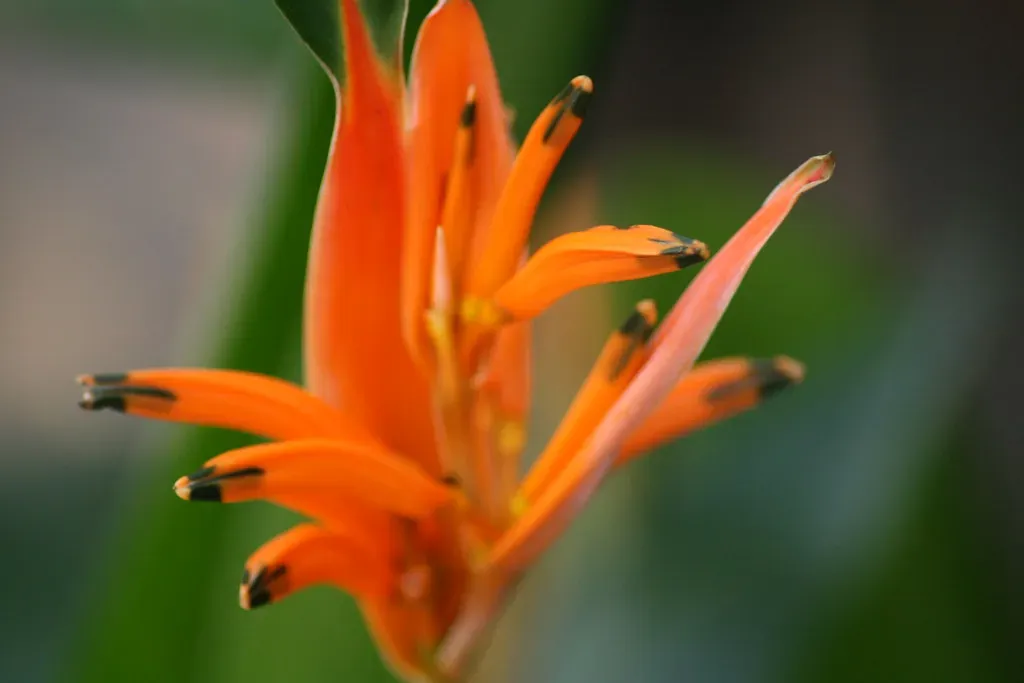
Orange blossoms were declared Florida’s official state flower in 1909. They have been celebrated as symbols of good fortune and happiness for centuries. In some cultures, they are incorporated into celebrations to usher in prosperity.
The Orange Blossom is the fragrant flower of the orange tree and is particularly associated with the state due to Florida’s historical prominence in citrus agriculture, especially orange cultivation. The Orange Blossom was designated as the state flower in 1909. Its delicate white petals and sweet fragrance make it a symbol of Florida’s natural beauty and agricultural heritage.
Additionally, the Orange Blossom holds cultural significance, often used in weddings and celebrations as a symbol of purity and new beginnings. Brides have carried orange blossoms for generations, drawn to both the symbolism and the intoxicating fragrance.
Florida’s economy was built on citrus. The orange blossom represents not just an industry but an entire way of life. When you smell that sweet scent drifting through Florida groves, you’re experiencing the essence of what made the Sunshine State prosper.
Georgia Cherokee Rose: Beauty Born from Sorrow
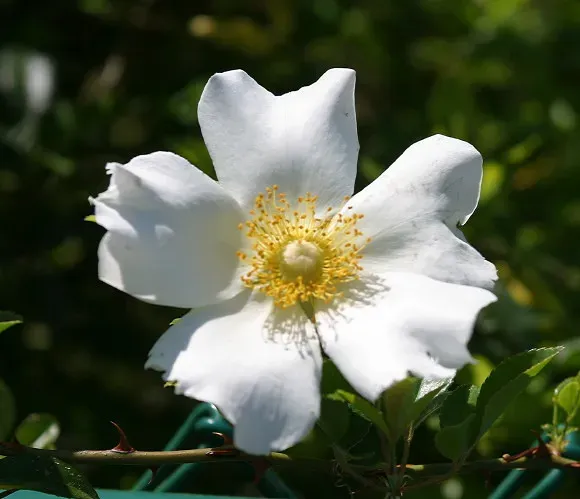
Georgia’s state flower is the Cherokee Rose, chosen in 1916. Legend has it that the rose grew along the Trail of Tears, the route taken by Native Americans forced to relocate to Oklahoma. It represents the state’s history and resilience.
Here’s where things get complicated. The flower is native to eastern Asia, though it is historically often associated with the Trail of Tears ethnic cleansing of Native Americans. The golden center of the flowers is said to represent the gold stolen from the Cherokee people.
The Cherokee Rose has a rich history with the state of Georgia. This rose is native to China but was brought over to the United States in the 1700s. Within 50 years, the rose showed up in gardens all over the state, and was also planted by the Native American Cherokee!
The symbolism is heavy with unresolved history. A flower not native to the land, adopted by a displaced people, now represents a state built partly on that displacement. It’s beautiful and tragic simultaneously, which perhaps makes it more honest than many state symbols dare to be.
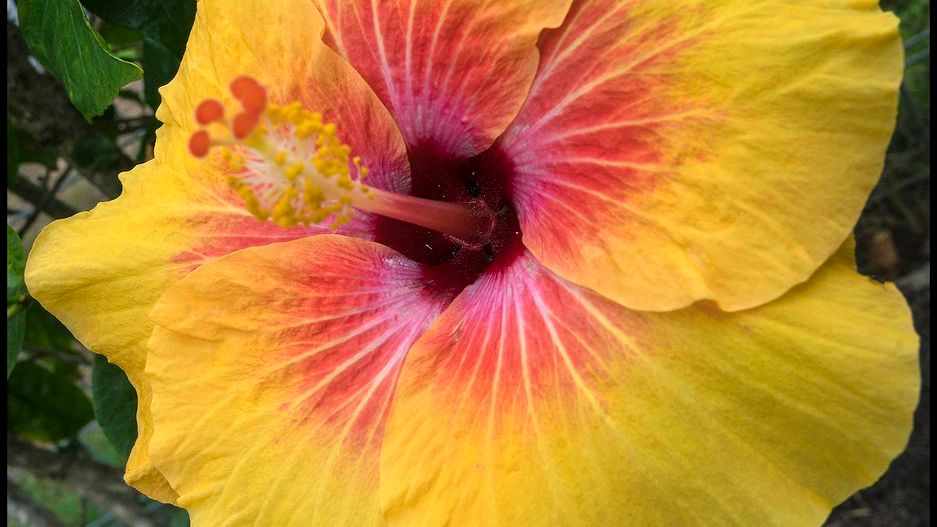
Hawaii Yellow Hibiscus: Rare Royalty in Paradise
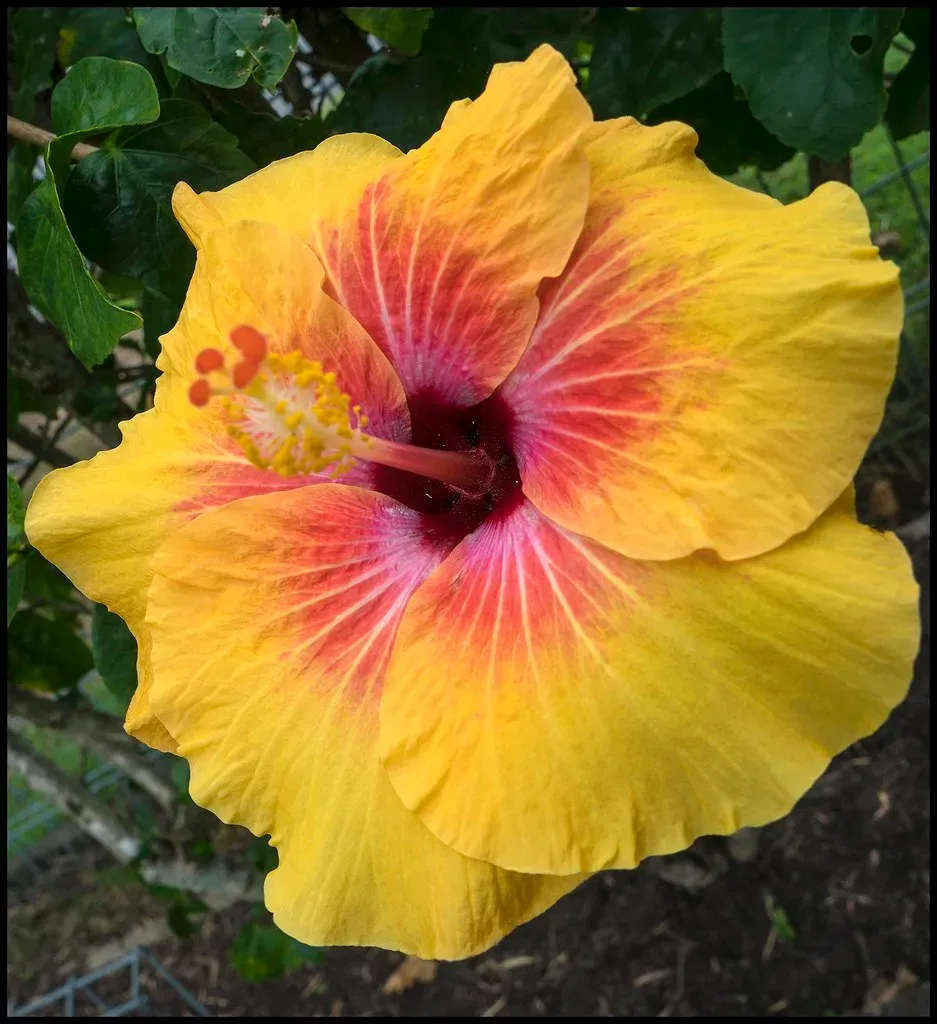
Yellow Hibiscus was named the official state flower in 1988. Rare and endangered, this native species blooms from May to July and is considered a symbol of royalty. In 1923, before Hawaii became a state, any color hibiscus, many of which are non-native, were used to represent the territory.
The refinement to specify yellow hibiscus came from ecological awareness. The yellow hibiscus is a rare and endangered species that grows natively only in the Hawaiian islands. Hawaii wanted a flower that was truly theirs, not an introduced species that anyone could grow anywhere.
The yellow hibiscus represents Hawaii’s unique biodiversity and the fragility of island ecosystems. It’s a reminder that paradise requires protection. The royal symbolism connects to Hawaii’s monarchical past, honoring indigenous heritage before American annexation.
Each island has its own flower too, showing how Hawaii’s identity remains complex and layered. The yellow hibiscus unites them all while acknowledging each island’s distinctiveness.
Illinois Violet: Modesty in the Prairie State
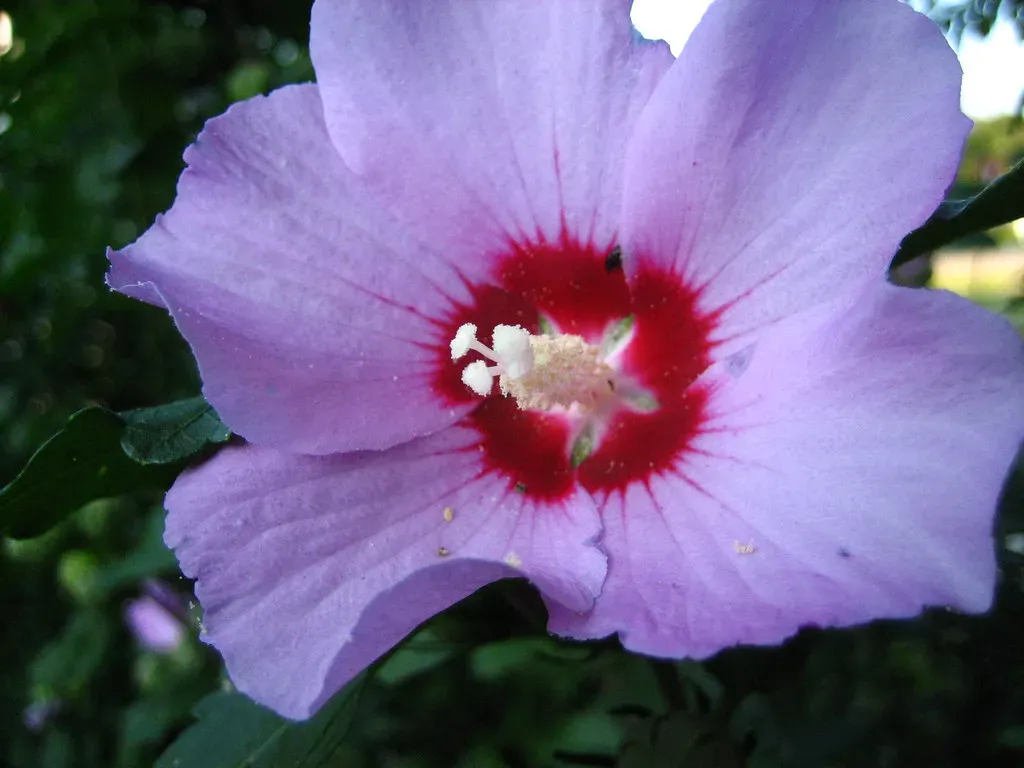
Violet is the official state flower of Illinois. Known for its small size and preference for shaded areas, it is linked to modesty and humility flower meanings. Violets are a popular state emblem, but Illinois was the first to make them their official state flower.
The Illinois state flower is the violet, chosen by schoolchildren in 1908. The kids picked something understated and unassuming. Violets hide beneath leaves, blooming quietly without demanding attention.
The 1893 World’s Fair in Chicago spurred states’ commitment to naming a flower when presented with the idea of a national garland. Illinois made the violet its official selection in 1908. The World’s Fair sparked a national movement, and Illinois chose humility over showiness.
Several states share the violet, but Illinois claimed it first. There’s something distinctly Midwestern about choosing a modest, reliable flower that grows almost anywhere rather than something exotic or rare. The violet doesn’t scream for attention but enriches any space it occupies.
Indiana Peony: Joyful Marriage and Settled Hearts
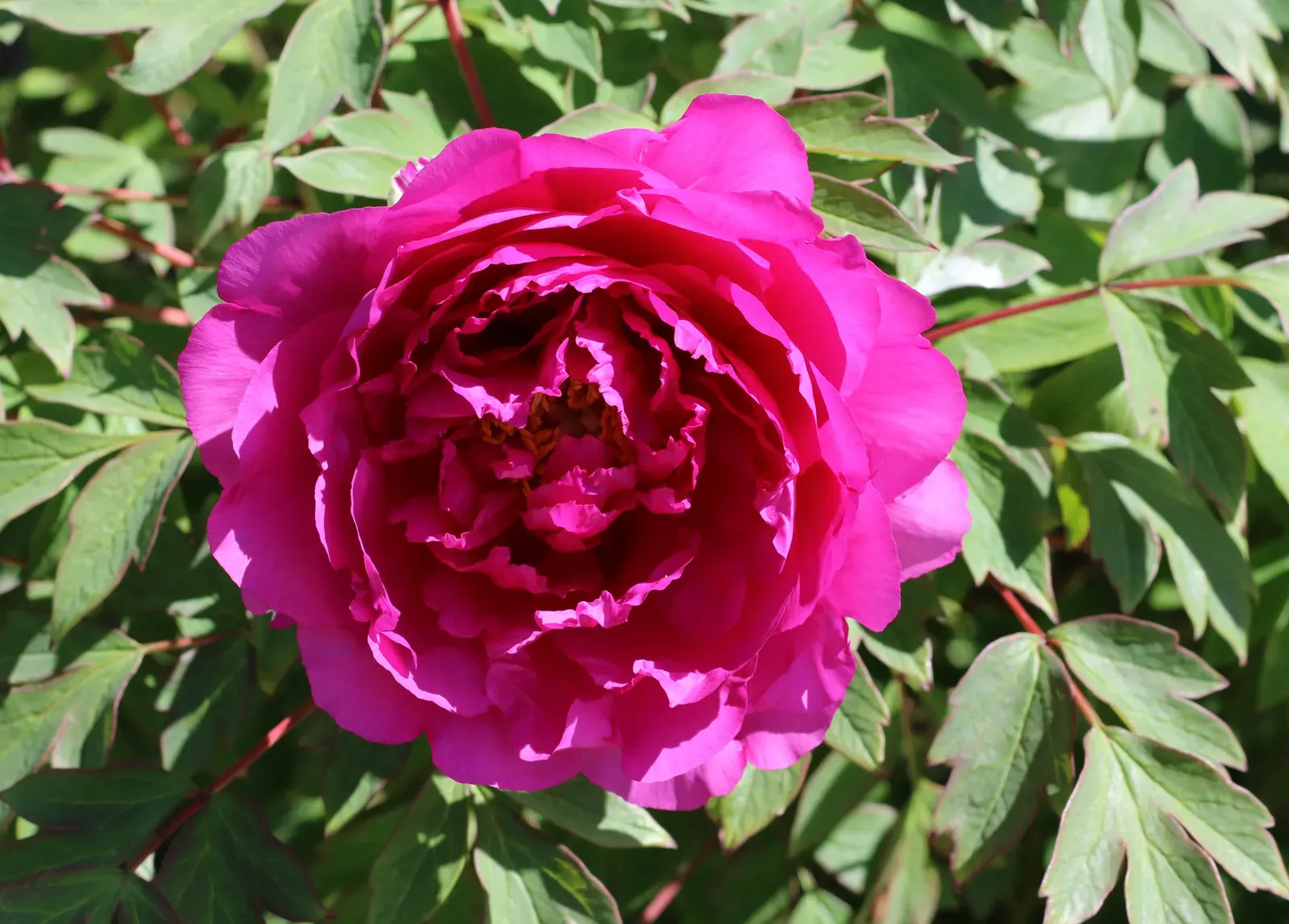
Indiana has actually had three different state flowers throughout its history; the peony ultimately won the hearts and votes of Indiana residents in 1957. Peonies are brides’ favorites in wedding bouquets because they represent a happy marriage and a full and joyful life together.
Indiana took its time finding the right flower, trying out three different options before settling on the peony. That indecision itself tells a story about democracy and changing values. What seems perfect in one era might not resonate with the next generation.
The peony’s lush, abundant blooms represent prosperity and good fortune. They’re showy without being ostentatious, beautiful without being delicate. They can survive harsh winters and return faithfully each spring with even more blooms.
The wedding symbolism particularly resonated with Indiana. The idea of commitment, of building something lasting and joyful together, matched the state’s values. Peonies require patience too. They take years to establish but then bloom reliably for decades. That long-term thinking fits Indiana’s character.
Kentucky Goldenrod: Success Against the Odds
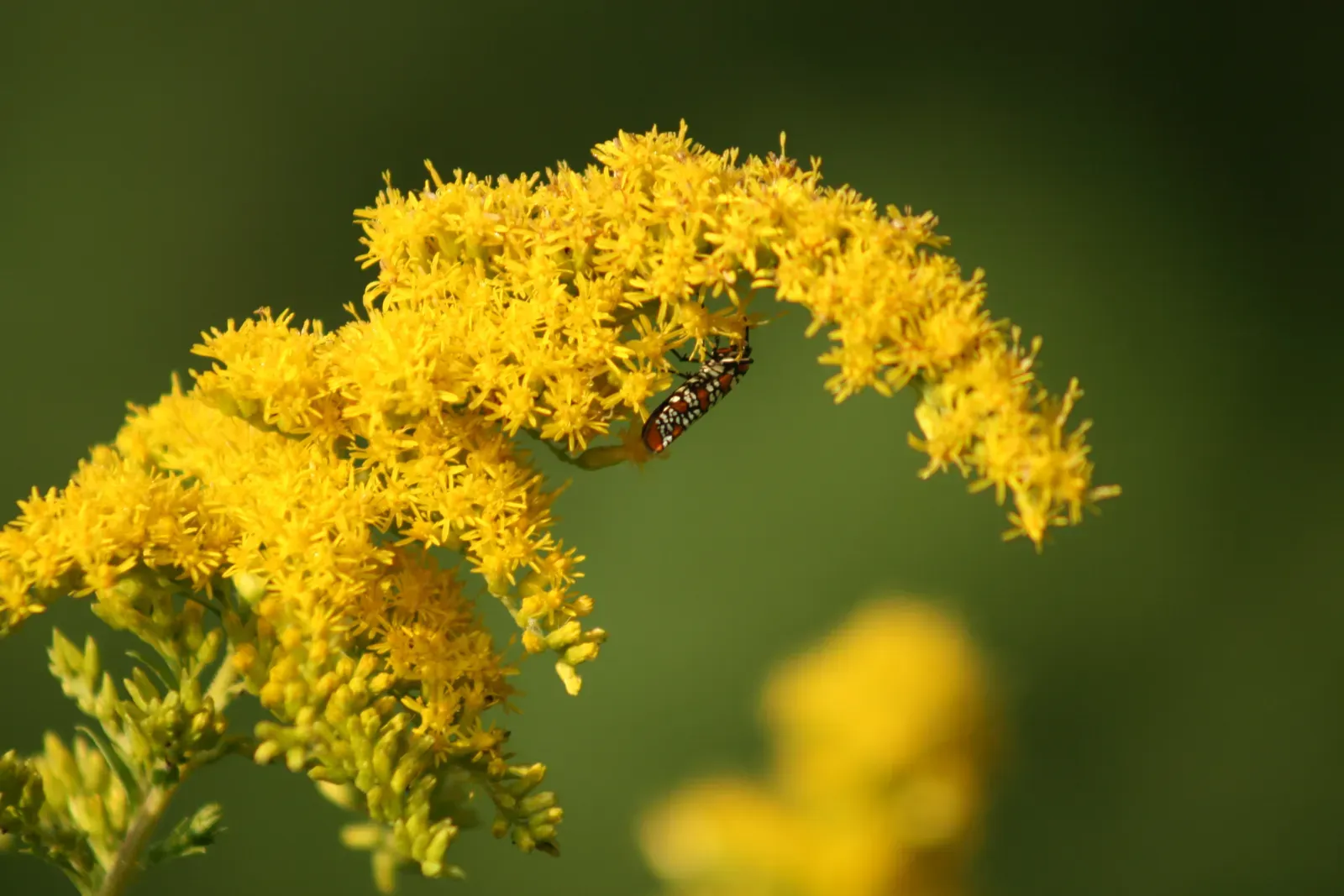
Kentucky’s official state flower is the goldenrod. Its bright yellow flowers symbolize good fortune, success, and prosperity. The official state flower of Kentucky is the Goldenrod. Goldenrod is a newer official flower for the state of Kentucky, replacing Bluegrass in 1926 – mainly because Bluegrass is only grass, and gardeners around the state complained that the grass did not represent the state as a whole. They specifically chose the Solidago Gigantea species, which grows up to twice as tall as other Goldenrod variations!
Here’s the thing that makes Kentucky’s choice fascinating: It replaced the goldenrod on Aug. 26, 1959, as many considered the goldenrod a weed at the time. Wait, that’s about Alabama. For Kentucky, the goldenrod replaced bluegrass because grass seemed inadequate.
The Kentucky state flower is the goldenrod. It’s a member of the sunflower family and is considered a keystone species, meaning it has a huge impact on the environment where it grows. It’s crucial in many areas to biodiversity because it attracts pollinators like bees, butterflies and moths.
Many people wrongly blame goldenrod for hay fever, but it’s actually ragweed that causes allergies. Goldenrod blooms bright and bold, attracting pollinators by the thousands. Kentucky chose a flower that works hard, supports entire ecosystems, and brings golden beauty to late summer when many other flowers have faded.
Louisiana Magnolia: Southern Grandeur and Fragrant Memories
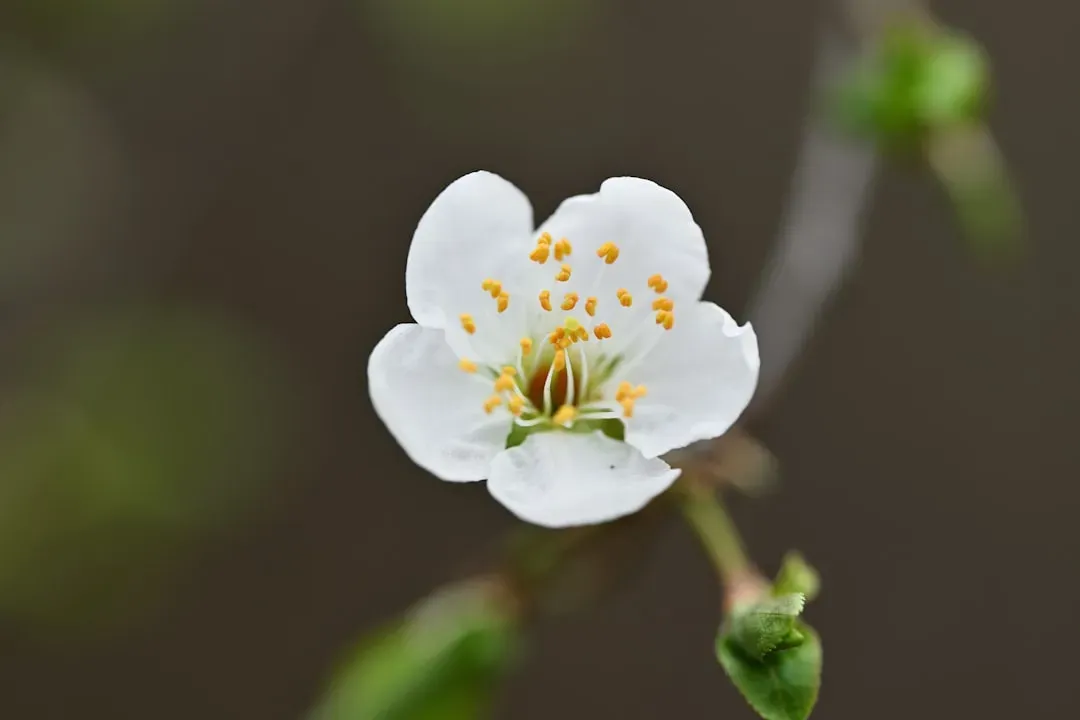
The Magnolia tree, with its fragrant, large white flowers, is common throughout the state. While magnolias have in recent years been associated with Texas thanks to Chip and Joanna Gaines, the magnolia is actually the Louisiana state flower. It was designated as such in 1900 for the soaring number of magnolia trees in the state.
Residents of Louisiana are very proud of their beautiful state flower with Southern charm; they’ve added the Magnolia name to several streets, historical houses, and schools across the state. Magnolias have a very long and rich history – for example, President Andrew Jackson transplanted a Magnolia tree from his home to the White House in memory of his wife!
The magnolia represents old money and established roots. These trees live for over a century, becoming landmarks that anchor neighborhoods and communities. Their enormous white blossoms carry an intensely sweet fragrance that defines Southern summers.
Magnolias bloom before their leaves emerge, creating an almost surreal display of floating white flowers against bare branches. They’re dramatic and uncompromising, much like Louisiana itself. The magnolia refuses to be background scenery.
Conclusion
State flowers tell America’s story through petals and leaves. They commemorate industries that rose and fell, honor displaced peoples, celebrate agricultural triumphs, and embody regional values from modesty to grandeur. These aren’t just decorative choices but deliberate symbols carrying weight beyond their beauty.
Some represent resilience in hostile environments. Others symbolize painful histories we’re still processing. Several honor schoolchildren’s votes from over a century ago, their choices outlasting anyone’s predictions. Each flower connects present communities to their specific past.
Next time you see a state flower, look closer. That bloom beside the highway or on the state quarter carries stories of democratic debates, economic shifts, ecological awareness, and cultural identity. These flowers root us to place in ways flags and seals never quite manage. What hidden meanings does your state flower hold? Did any of these surprise you?
