
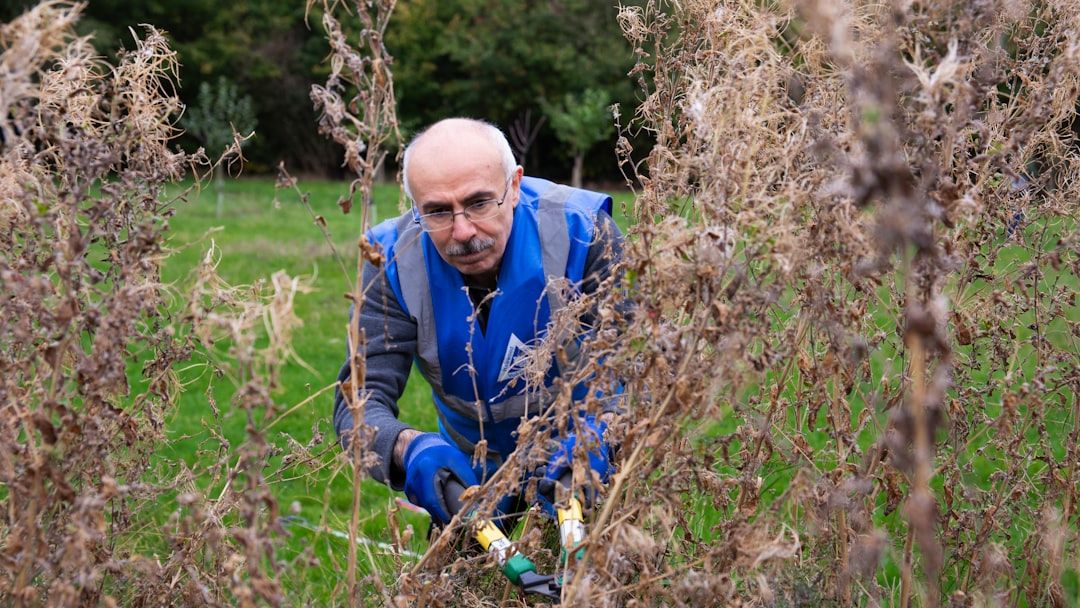
You walk outside, hoping to see your garden exploding with color. Instead, you’re met with green leaves and no flowers. It’s frustrating. You’ve watered, you’ve fed, you’ve waited. Still nothing blooms.
Here’s the thing: Texas gardening isn’t like gardening anywhere else. The intense heat, unpredictable rainfall, and wild temperature swings create conditions that can confuse even your most reliable plants. And honestly, sometimes it’s not about what you’re doing but what you’re unknowingly doing wrong that’s keeping those blooms away.
Let’s be real, most gardening mistakes are small things that add up over time. A little too much of this, not quite enough of that. The good news? Once you know what’s holding your plants back, fixing it becomes surprisingly straightforward. So let’s dive in.
Overfeeding With Nitrogen
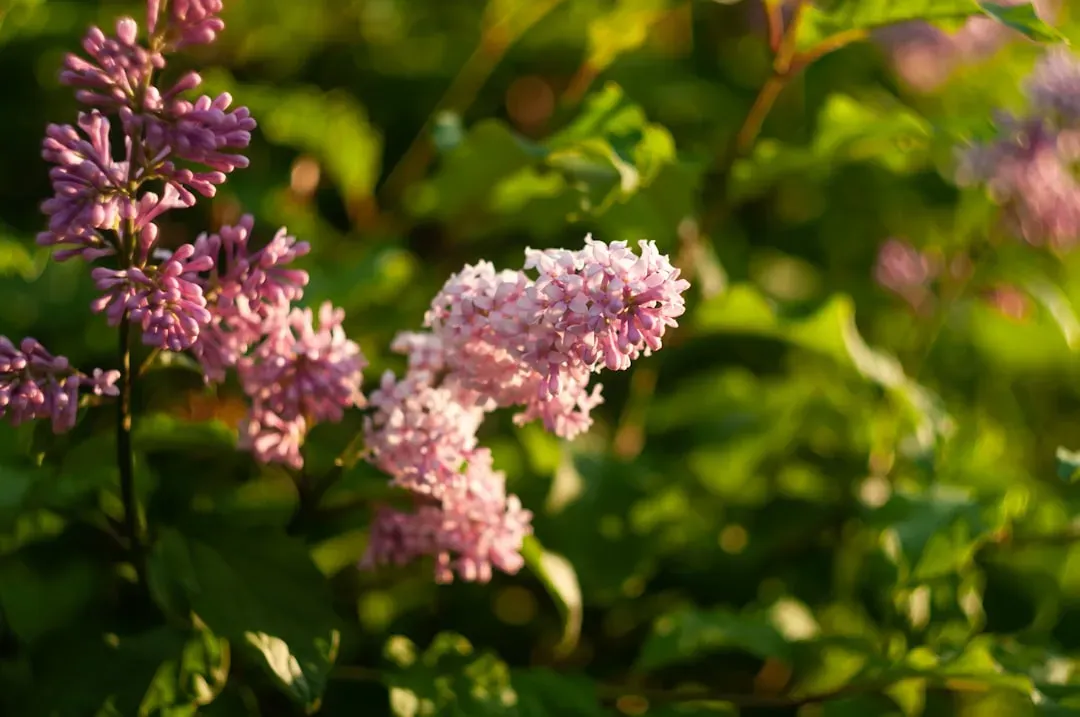
This one catches a lot of gardeners off guard. You want lush, healthy plants, so you reach for fertilizer. Makes sense, right? The problem is that overfeeding plants with nitrogen can encourage them to produce lush foliage at the expense of blossoms. Think about it like this: nitrogen is basically plant caffeine for leaf growth. Your plants get all jazzed up growing bigger and greener, but they forget to make flowers.
Lawn fertilizers contain too much nitrogen, and many have chemicals for lawn weed control that can injure or kill vegetables. I’ve seen gardeners accidentally grab their lawn food and wonder why their roses suddenly stopped blooming. It’s not unusual.
What you actually need is phosphorus. Phosphorus is needed for cell division and to help form roots, flowers and fruit, and phosphorus deficiency causes stunted growth and poor flowering and fruiting. Look for a balanced fertilizer where the middle number (that’s phosphorus) is higher than the first (nitrogen).
Most perennials do not require large amounts of fertilizing, and many will respond to over-fertilization by becoming excessively tall and produce minimal or no flowers. Less really is more when it comes to feeding your flowering plants. If you’ve been piling on the fertilizer thinking it’ll help, you might actually be sabotaging your blooms.
Try stepping back on the feeding schedule. Let your plants focus their energy on flowers instead of leaves. You’d be surprised how quickly they respond once they’re not drowning in nitrogen.
Pruning at the Wrong Time
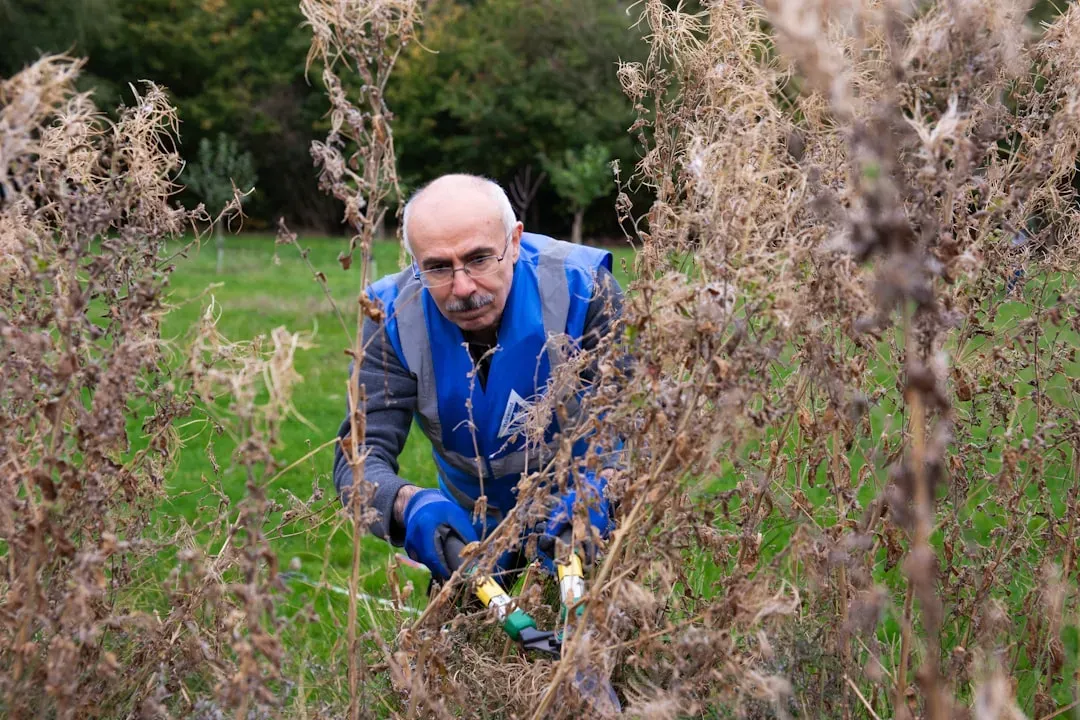
Timing is everything with pruning. I know it sounds crazy, but cutting back your plants at the wrong moment can literally remove all your potential blooms before they even have a chance. Cutting back plants at the wrong time can remove flower buds, stress the plant, or invite disease, and many spring-blooming shrubs form buds the previous year.
Picture this: you’re cleaning up your garden in late winter, feeling productive, trimming back everything that looks scraggly. Landscape plants that bloom in early spring set their flower buds in autumn on last year’s growth, and if you prune these plants in late winter, you’ll also be removing many or all of the flower buds. You’ve just accidentally chopped off all your spring flowers.
Here’s what most people don’t realize. If you want to shape up your hydrangeas, clip now after they bloom, because flower buds form in later summer or early fall, so if you prune after that, you won’t have flowers next year. Each plant has its own schedule, its own internal clock for when it sets buds.
The rule is pretty simple once you get it. Spring bloomers get pruned after they flower. Summer bloomers can handle a trim in late winter or early spring. One factor in preventing blooms is pruning off the flower buds that form almost immediately after bloom.
Pay attention to when your plants naturally bloom. If you’re not sure, wait and watch for a season. Take notes. Then you’ll know exactly when to prune without accidentally sabotaging next year’s flower show.
Ignoring Texas Soil and Water Needs
Let’s talk about something that trips up even experienced gardeners. North Texas soil often presents a hidden challenge: heavy, compacted clay with poor drainage and high alkalinity. Your plants might be genetically programmed to bloom like crazy, but if they’re struggling in terrible soil, flowers are the last thing on their priority list.
The two most common watering mistakes are applying too little, too often, and keeping the soil too wet, and shallow, frequent wetting of the lawn or a landscape bed promotes shallow rooting. I think this is where most Texas gardeners get tripped up. They water every day for five minutes when what plants really need is a deep soak once or twice a week.
Texas soil often contains alkaline minerals that leach into potting mix through tap water, gradually changing pH levels and reducing nutrient availability over time. Your water itself might be working against you. Wild, right?
Roots need oxygen, so keeping the soil soggy wet can kill roots and promote root-rot diseases, and the best irrigation run times and frequencies depend on factors such as soil type, temperature, plant species and sun exposure. There’s no one-size-fits-all answer here. Sandy soil in West Texas needs different treatment than clay in Dallas.
Get a soil test done. Seriously. Gardeners should have their soil tested about every two years, especially beginning gardeners who are unfamiliar with growing plants, because a soil test clearly indicates the levels of nutrients in the soil and recommends the amounts of each nutrient to add. It’s cheap, easy, and it takes the guesswork out of what your garden actually needs. You might discover your pH is way off, or you’re missing key nutrients that would unlock those blooms.
Conclusion
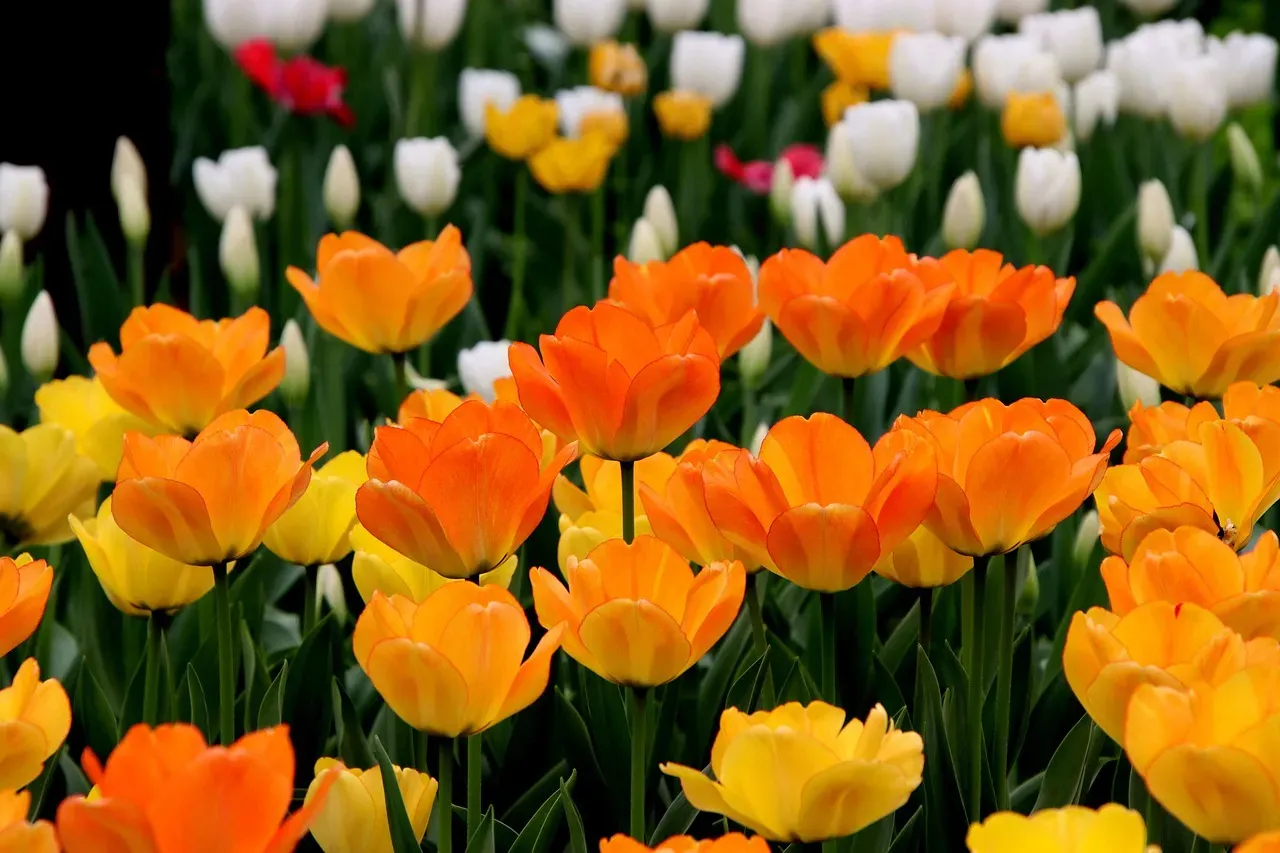
Getting your Texas garden to bloom isn’t rocket science, but it does require paying attention to these critical details. Too much nitrogen sends your plants into leaf-growing overdrive instead of flower production. Pruning at the wrong time removes buds before they ever open. Poor soil and improper watering leave plants too stressed to even think about flowering.
The beauty of understanding these mistakes is that they’re all fixable. Switch to a phosphorus-rich fertilizer. Learn when your specific plants set their flower buds and prune accordingly. Test your soil and adjust your watering schedule to give deep, infrequent drinks instead of shallow sprinkles.
Your garden wants to bloom. Sometimes it just needs you to stop accidentally getting in its way. What do you think about these common pitfalls? Have you made any of these mistakes in your own garden?
