


The jaguar, an apex predator with a powerful bite and distinctive rosette markings, once roamed extensively throughout the Americas. However, habitat loss, poaching, and human-wildlife conflict have significantly reduced their range and numbers. In recent decades, conservation biologists have begun to understand that removing top predators from ecosystems creates ripple effects that can transform entire landscapes. Reintroducing jaguars to forests where they’ve been extirpated isn’t just about saving a charismatic species—it’s about restoring ecological balance and function to complex forest ecosystems. The return of these magnificent cats could trigger cascading effects that reshape forest composition, influence prey populations, and even affect carbon storage capacity. This phenomenon, known as trophic cascades, demonstrates how a single species can become an ecological architect, fundamentally altering the environment around it.
The Historical Range and Decline of Jaguars

Jaguars (Panthera onca) historically ranged from the southwestern United States through Central America and into South America as far south as northern Argentina. As the largest cat in the Americas, these powerful predators once thrived across diverse landscapes including tropical rainforests, wetlands, grasslands, and deciduous forests. Archaeological evidence and historical accounts suggest jaguars were culturally significant to many indigenous societies throughout their range, often symbolizing power and featuring prominently in traditional belief systems. However, European colonization brought widespread habitat conversion and systematic hunting campaigns that dramatically reduced jaguar populations.
By the mid-20th century, jaguars had been eliminated from over 50% of their historical range, with the most dramatic losses occurring in North and Central America. Today, their stronghold remains in the Amazon Basin, though fragmented populations persist in parts of Mexico, Central America, and isolated pockets of South America. In the United States, occasional individuals are spotted in Arizona and New Mexico, representing the northern frontier of their current distribution and offering hope for natural recolonization.
Understanding Trophic Cascades

Trophic cascades represent one of ecology’s most fascinating phenomena, where changes at the top of the food web ripple downward through multiple levels of an ecosystem. The concept gained widespread attention through studies of wolf reintroduction in Yellowstone National Park, where returning wolves altered elk behavior, which in turn affected vegetation patterns, eventually reshaping rivers and supporting beaver populations. Similarly, jaguars function as keystone species—organisms that have disproportionately large effects on their environment relative to their abundance.
As apex predators, jaguars directly influence the abundance and behavior of their prey through predation and the “landscape of fear” they create. This fear effect causes prey species to alter their feeding patterns and habitat use to avoid predation risk. These behavioral changes can subsequently affect plant communities, as certain areas receive less browsing pressure. The result is a complex web of interactions that can transform forest composition and structure. Unlike many other conservation interventions that address symptoms, reintroducing apex predators like jaguars targets the underlying ecological processes that maintain healthy, resilient forest ecosystems.
Regulating Prey Populations

One of the most direct impacts of jaguar reintroduction would be the regulation of prey populations through predation. Jaguars are opportunistic hunters with remarkably broad diets, known to consume over 85 different species across their range. Their prey includes medium to large mammals such as capybaras, peccaries, deer, and tapirs, along with reptiles like caimans and turtles. Without predation pressure from jaguars, these prey species can become overabundant, leading to overgrazing and overbrowsing of vegetation. For example, studies in areas where jaguars have been extirpated show increased densities of peccaries, which can devastate seedling recruitment of certain tree species through intensive foraging.
By controlling these herbivore populations, jaguars help prevent the overconsumption of plant resources. Additionally, jaguars often target weak, sick, or old individuals, potentially improving the genetic health of prey populations over time. This selective predation can increase resistance to disease among prey species, reducing the likelihood of population crashes due to pathogens. The resulting equilibrium between predator and prey creates a more stable ecosystem where no single species dominates at the expense of others.
Altering Prey Behavior and Distribution

Beyond direct predation, the mere presence of jaguars fundamentally changes how prey animals behave and use their environment—a phenomenon ecologists call “behaviorally mediated trophic cascades.” Prey species alter their movement patterns, habitat selection, and feeding behavior to minimize predation risk when jaguars are present. For instance, peccaries and deer become more vigilant and spend less time foraging in any single location. They may avoid certain areas entirely, creating predation refugia where plant communities can flourish without browsing pressure.
These spatial and temporal shifts in herbivore activity create a mosaic of vegetation disturbance across the landscape, increasing habitat heterogeneity. Research in the Brazilian Pantanal has documented how capybaras and peccaries change their activity patterns and habitat use in areas with jaguar presence compared to areas where jaguars have been eliminated. The prey become more nocturnal and less likely to forage in open areas, particularly during times when jaguars are most active. This behavioral adaptation reduces their impact on certain plant communities and creates opportunities for less competitive plant species to establish themselves, ultimately enhancing biodiversity in the forest understory.
Enhancing Forest Biodiversity

The cascading effects of jaguar reintroduction can significantly enhance biodiversity throughout forest ecosystems. When jaguars regulate herbivore populations and alter their behavior, plant communities respond with increased diversity and structural complexity. Areas that might otherwise be dominated by herbivore-resistant species become more diverse as browsing-sensitive plants gain opportunities to establish and thrive. This vegetation diversity, in turn, creates more niches for insects, birds, and other small animals. For example, increased structural complexity in the understory provides more nesting sites for understory birds and creates microhabitats for amphibians and reptiles.
Research in Costa Rica’s tropical forests has shown that areas with intact predator populations maintain higher biodiversity at multiple trophic levels compared to similar forests where predators have been removed. Additionally, jaguars help control mesopredator populations—medium-sized predators like ocelots and foxes—preventing them from becoming overabundant and overharvesting smaller prey species. This “mesopredator release effect” can devastate bird and small mammal populations when apex predators like jaguars are absent. By restoring this natural balance, jaguar reintroduction creates conditions where species at all levels can coexist in more natural proportions.
Influencing Forest Structure and Composition

The influence of jaguars on forest structure and composition operates through multiple ecological pathways. When herbivore populations are regulated and their browsing behavior is altered, certain plant species that might otherwise be eliminated through selective feeding gain opportunities to establish and grow. This is particularly important for many slow-growing hardwood species that are preferentially browsed by ungulates like deer. These hardwoods often represent keystone species within forest ecosystems, providing food and habitat for numerous animals and contributing to the forest’s structural complexity.
In areas of Central and South America where jaguars have been extirpated, researchers have documented shifts in forest composition toward more herbivore-resistant species, ultimately reducing the diversity of tree species. Additionally, altered movement patterns of seed-dispersing animals in response to predation risk can change seed dispersal patterns across the landscape. For example, tapirs and peccaries, important seed dispersers for many forest trees, may distribute seeds differently when moving through landscapes with predation risk from jaguars. This redistribution of seeds can influence forest regeneration patterns and the spatial arrangement of tree species, potentially accelerating forest succession in some areas while allowing pioneer species to persist longer in others.
Carbon Storage and Climate Benefits

Emerging research suggests that predator reintroduction can have surprising implications for carbon storage and climate change mitigation. When jaguars regulate herbivore populations, they indirectly protect carbon-rich vegetation from overconsumption. This protection allows for greater biomass accumulation and carbon sequestration in forest ecosystems. Studies in tropical forests have estimated that the extirpation of large predators can reduce carbon storage by 20-40% due to cascading effects on plant communities. Large-bodied herbivores like tapirs and deer preferentially consume saplings of hardwood tree species, which typically store more carbon than faster-growing softwoods.
By controlling these herbivores, jaguars help maintain the growth and recruitment of these carbon-dense tree species. Additionally, the behavior changes induced in prey species can alter forest succession patterns toward more carbon-rich mature forests. A 2022 study published in the Proceedings of the National Academy of Sciences suggested that restoring predator populations worldwide could enhance carbon storage capabilities of natural ecosystems and represent a natural climate solution. Though difficult to quantify precisely, these indirect effects of jaguar conservation could contribute meaningfully to climate change mitigation strategies while simultaneously providing biodiversity benefits.
Controlling Disease Transmission

Jaguars may play an important role in limiting disease transmission among prey populations, with potential benefits extending to domestic animals and humans. By targeting sick or weakened individuals, predators like jaguars can remove disease reservoirs from wildlife populations before pathogens spread widely. This selective predation can reduce the prevalence of various diseases in prey species, potentially including zoonotic diseases that can transmit to humans. For example, white-tailed deer populations without predators often reach unnaturally high densities, facilitating the spread of diseases like chronic wasting disease. Additionally, when mesopredator populations (like foxes and raccoons) are kept in check by apex predators like jaguars, the transmission of certain diseases can be reduced.
Research from multiple ecosystems has shown that intact predator communities correlate with lower disease prevalence in wildlife populations. In agricultural landscapes adjacent to forests, this disease control function can benefit livestock by reducing pathogen spillover from wildlife. While more research is needed to fully understand these dynamics in tropical and subtropical forests where jaguars live, the evidence from other predator-prey systems suggests that restoring jaguar populations could contribute to healthier wildlife populations with reduced disease burden—an ecosystem service with potential benefits for human communities living near jaguar habitat.
Challenges of Jaguar Reintroduction

Despite the ecological benefits, reintroducing jaguars to their former range presents significant challenges. Human-wildlife conflict represents perhaps the most formidable obstacle, as jaguars occasionally prey on livestock, creating economic losses for ranchers and farmers. Successful reintroduction programs must incorporate compensation schemes, improved livestock management practices, and community education to mitigate these conflicts. Habitat fragmentation presents another major challenge, as jaguars require large, connected territories—individual males may use territories exceeding 100 square kilometers.
Reintroduction efforts must therefore be coupled with habitat corridor conservation to allow for natural movement and genetic exchange between populations. Additionally, source populations for reintroduction must be carefully selected to ensure genetic diversity and adaptability to local conditions. Public perception and political support vary widely across the jaguar’s range, with some communities embracing their return while others remain skeptical or hostile. Intensive community engagement and education are essential components of any reintroduction strategy. Finally, climate change introduces uncertainty into habitat suitability projections, potentially altering prey availability and vegetation in current and historical jaguar habitats. Despite these challenges, successful predator reintroduction programs with wolves and other large carnivores provide valuable lessons and models that can be adapted for jaguar conservation.
Successful Models of Predator Reintroduction
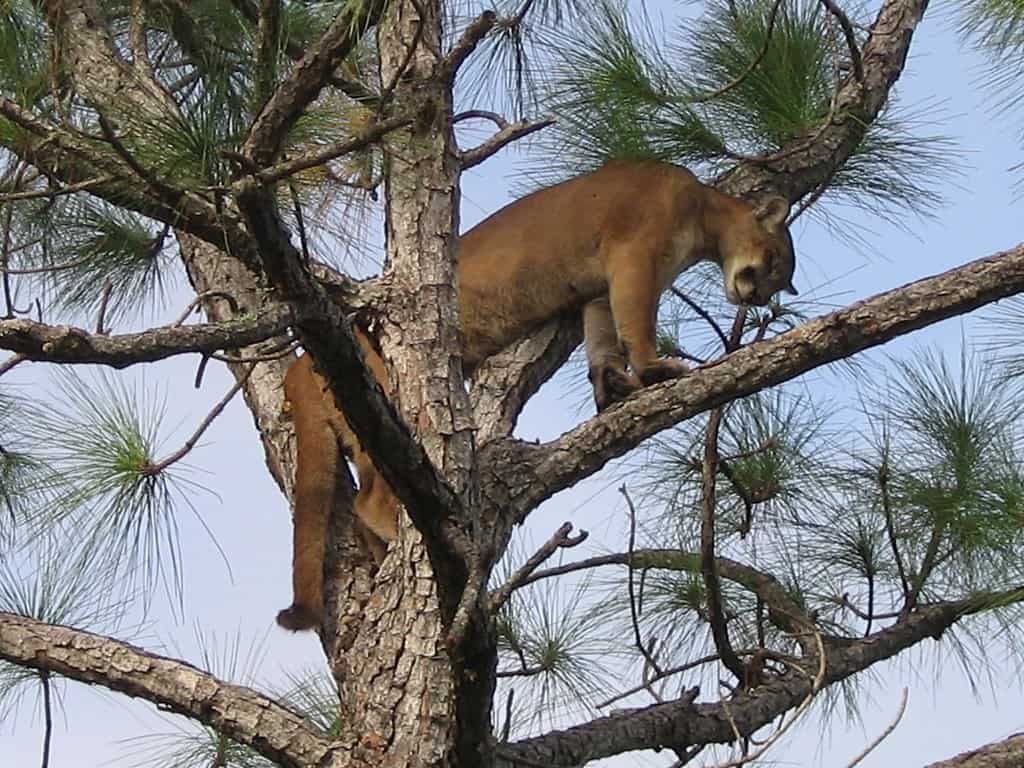
Several successful predator reintroduction programs around the world offer valuable lessons for potential jaguar reintroduction efforts. The reintroduction of wolves to Yellowstone National Park represents perhaps the most famous and well-studied example, demonstrating how returning an apex predator can trigger widespread ecological restoration. Key to this success was extensive scientific planning, public education, and ongoing monitoring to document and adapt to emerging ecological changes. In Europe, the reintroduction of Eurasian lynx to parts of their former range has shown that large cats can coexist with human activities when proper management and community engagement are prioritized.
The Florida panther recovery program demonstrates how conservation breeding and genetic management can help restore a critically endangered big cat population. In Brazil, the Onçafari Jaguar Project has successfully habituated wild jaguars to vehicle presence for ecotourism while monitoring their ecological impacts, creating economic incentives for local communities to protect rather than persecute these cats. These examples highlight common elements of successful predator reintroduction: thorough scientific planning, community involvement, economic incentives, conflict mitigation strategies, and adaptive management approaches. By synthesizing lessons from these programs, conservation biologists can develop more effective strategies for restoring jaguar populations to forests where they’ve been extirpated.
Current Jaguar Conservation Initiatives
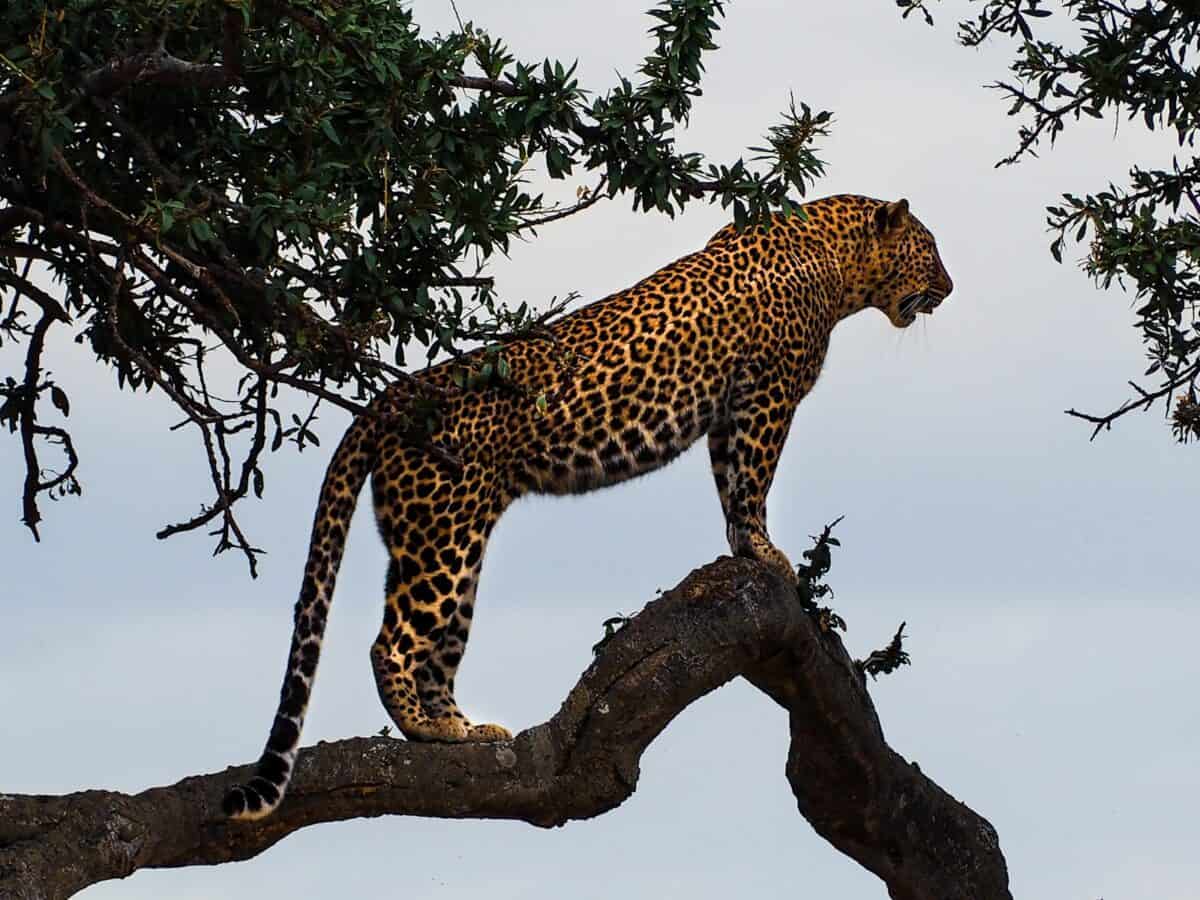
Several ambitious initiatives are currently working to protect existing jaguar populations and restore them to parts of their former range. The Jaguar Corridor Initiative, spearheaded by Panthera, aims to conserve and connect jaguar populations from Mexico to Argentina, creating the world’s largest wildlife corridor. This landscape-scale conservation approach recognizes that isolated jaguar populations face genetic and demographic challenges without connectivity. In Mexico, the Northern Jaguar Project maintains a 50,000-acre reserve near the U.S. border that supports the northernmost breeding population of jaguars, potentially serving as a source population for natural recolonization of the southwestern United States.
The Jaguar Conservation Program of the Wildlife Conservation Society works throughout Latin America to reduce hunting pressure on jaguars and their prey while mitigating human-jaguar conflict. In Brazil, the Instituto Onça-Pintada (Jaguar Conservation Fund) conducts research and monitoring while implementing conflict reduction strategies with ranchers. At the international level, the Convention on International Trade in Endangered Species (CITES) provides protection from international trade, while the Convention on Migratory Species (CMS) recently added jaguars to its appendices, recognizing their transboundary movements and need for coordinated conservation. These diverse initiatives demonstrate growing recognition of jaguars’ ecological importance and the need for collaborative, cross-border approaches to their conservation.
Indigenous Perspectives on Jaguar Reintroduction

Indigenous communities across the Americas have maintained deep cultural connections with jaguars for millennia, and their perspectives are essential to any reintroduction efforts. For many indigenous groups, jaguars hold profound spiritual significance as symbols of power, leadership, and the interconnectedness of life. The Kuna people of Panama and Colombia believe the jaguar spirit offers protection against evil forces, while many Amazonian groups consider jaguars to be transformed shamans with special powers. Archaeological evidence throughout Mesoamerica reveals the jaguar’s prominence in ancient Maya, Aztec, and Olmec cultures. Today, many indigenous communities view jaguar conservation as aligned with their traditional values of environmental stewardship and balance.
The Kayapo people of Brazil’s Amazon, for instance, maintain extensive territories where jaguars thrive, seeing their protection as integral to cultural identity and forest health. However, perspectives vary among and within indigenous communities, especially where livestock predation creates economic hardship. Successful reintroduction programs must engage indigenous communities as equal partners, incorporating traditional ecological knowledge and cultural values into conservation planning. Several promising initiatives, such as the Indigenous Jaguar Management Program in Bolivia, demonstrate how combining scientific approaches with traditional knowledge can create more effective and culturally appropriate conservation strategies. By respecting indigenous sovereignty and embracing diverse knowledge systems, jaguar reintroduction efforts can become more equitable and effective.
The Future of Forests with Jaguars
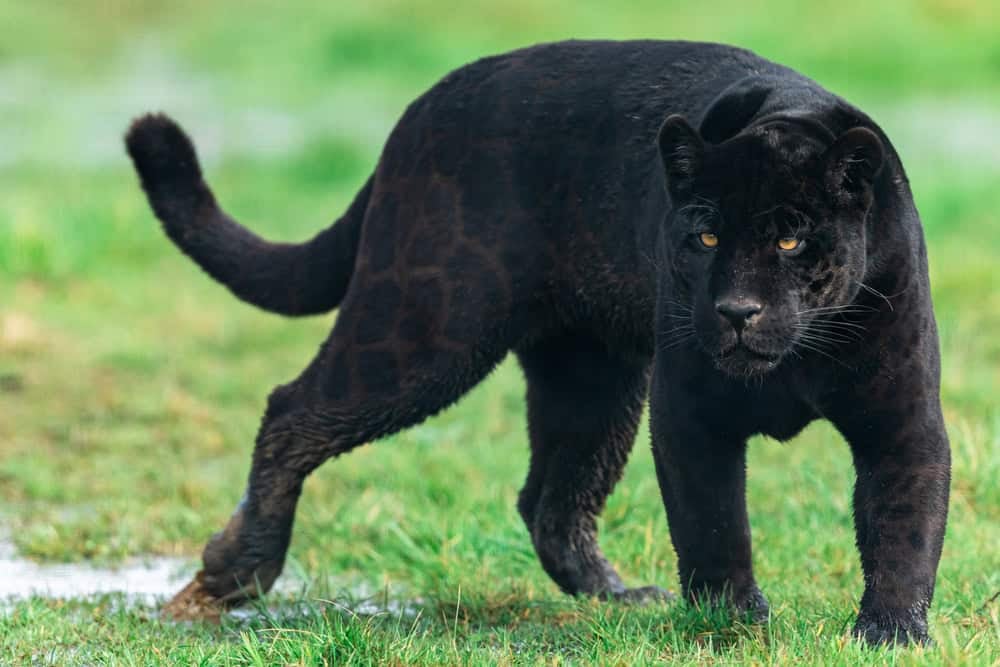
Reintroducing jaguars to forests where they’ve been extirpated represents a profound opportunity to restore ecological processes that have been disrupted for generations. The return of these apex predators could initiate a cascade of positive changes throughout forest ecosystems, from regulating herbivore populations to enhancing biodiversity, improving forest structure, and potentially increasing carbon sequestration. While challenges remain—particularly regarding human-wildlife conflict and habitat connectivity—successful predator reintroduction programs around the world demonstrate that these obstacles can be overcome with careful planning, community engagement, and adaptive management.
The future of jaguar conservation likely lies in a combination of approaches: protecting existing populations, restoring habitat corridors, mitigating conflicts, and, where appropriate, reintroducing jaguars to suitable habitat. Emerging technologies like GPS tracking, camera traps, and genomic analysis provide conservation biologists with increasingly sophisticated tools to monitor populations and measure ecosystem responses to jaguar presence. As our understanding of trophic cascades and ecosystem functioning continues to deepen, the ecological case for jaguar reintroduction grows stronger.

From exploring the marine wonders in the Azores and witnessing the vast savannas of Kenya, to delving deep into the rich biodiversity of South Africa and traversing iconic landscapes in Australia and the US like Yellowstone, Chris's experiences are vast.
With a penchant for diving alongside sharks, the ocean holds a special place in his heart.
Through his academic insights, he champions wildlife conservation, striving with 'Animals Around The Globe' to cultivate a profound connection between humans and animals, enhancing our mutual appreciation.
Connect with him at Feedback@animalsaroundtheglobe.com.
- The Largest Wolf Pack Ever Tracked in the Wild - July 19, 2026
- Saving Manatees in Florida’s Warming Waters - July 19, 2026
- 10 Intelligent Dog Breeds Born to Hunt - July 19, 2026