

There’s something irresistible about flipping through gardening catalogs filled with exotic specimens from distant continents. Those roses from China, those lavenders from France. We’ve been trained to think beauty comes from elsewhere, from faraway places with names we can barely pronounce. The truth is, some of the most spectacular flowers on the planet have been growing right under our noses this entire time.
What if I told you that ditching those high maintenance imports could actually give you a more vibrant, resilient, and effortlessly stunning garden? Native plants and native hybrids are adaptable and low maintenance, and they are more likely to survive temperature, rainfall, and humidity swings than cultivated ornamental and non-native plants. Let’s dive into the native beauties that truly deserve a spot in your yard.
Black-Eyed Susan: The Golden Girl of American Gardens
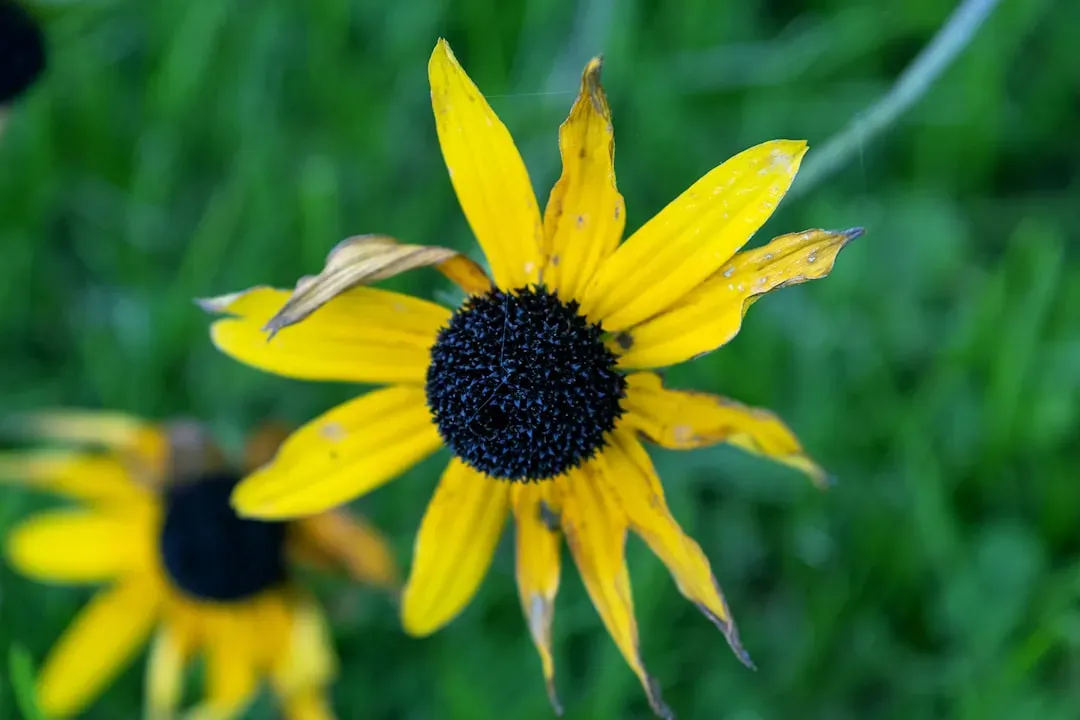
Black-eyed Susans make a cheery appearance in the garden with their large, daisy-like yellow flowers with brown centers, and in the wild this plant grows in prairies and is native to the eastern two-thirds of North America. They’re ridiculously easy to grow, which makes them perfect for beginners who want that instant gratification of color without the fuss.
Here’s the thing about these sunny beauties: they’re not just pretty faces. Black-eyed Susan serves as a larval host for bordered patch butterflies and gorgone checkerspot butterflies. Plus, they bloom from summer straight through to the first frost, giving you months of reliable color when other plants have already called it quits.
Milkweed: The Monarch’s Lifeline
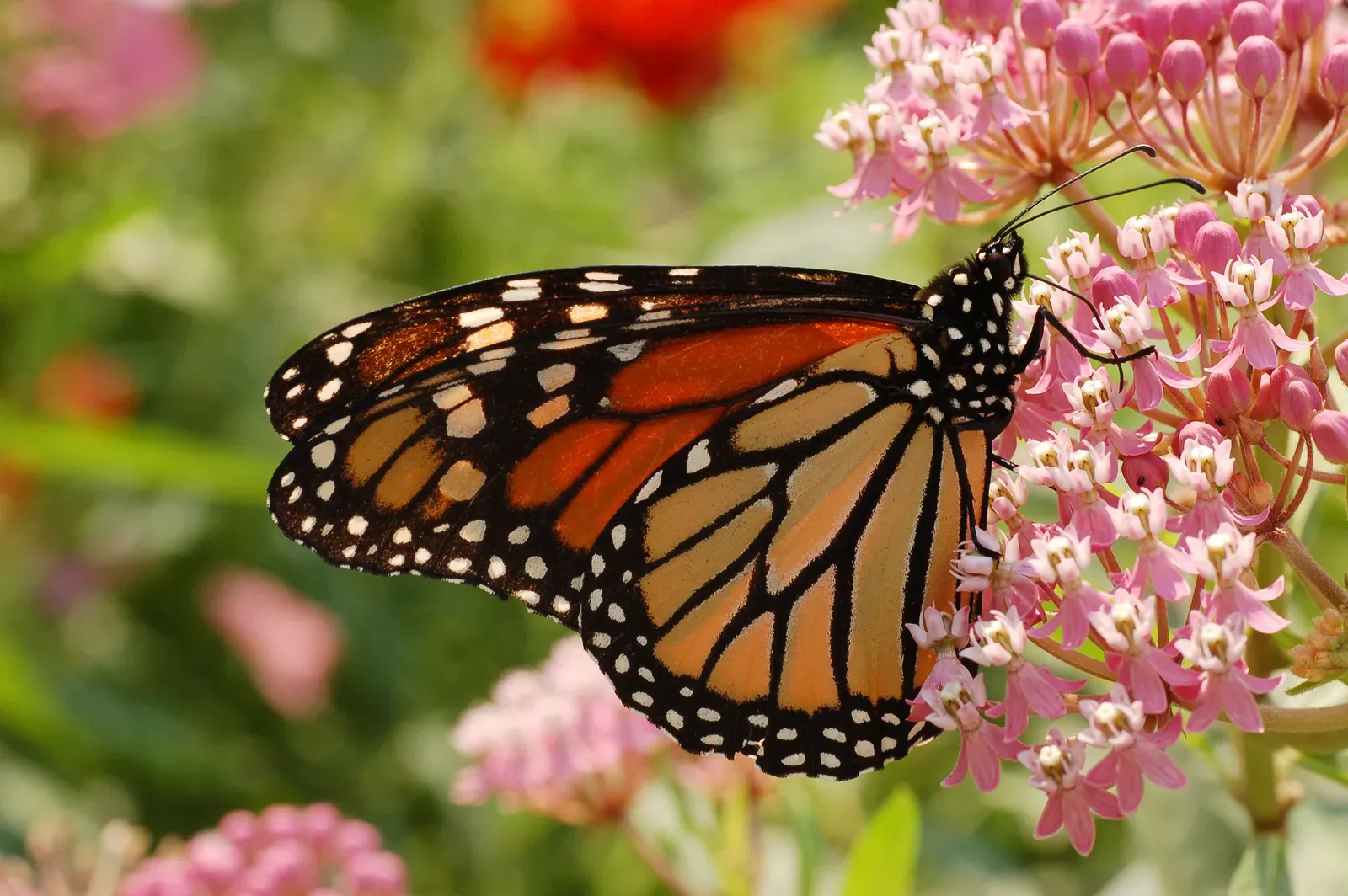
Let’s be real, milkweed has gotten a massive glow-up in recent years. Milkweed is an amazing choice for your garden because it is the only host plant for monarch caterpillars, and with recent numbers showing that monarch butterflies are continuing to decline, planting milkweed is more important than ever. It’s not just about helping butterflies either.
Milkweed’s nectar not only attracts bees and butterflies but also natural garden predators like ladybugs and wasps, which act as organic pest control for your garden. With over a hundred varieties to choose from, you can find a milkweed that fits your space whether you’ve got a sprawling backyard or just a tiny corner plot.
Purple Coneflower: Drought-Proof and Drop-Dead Gorgeous
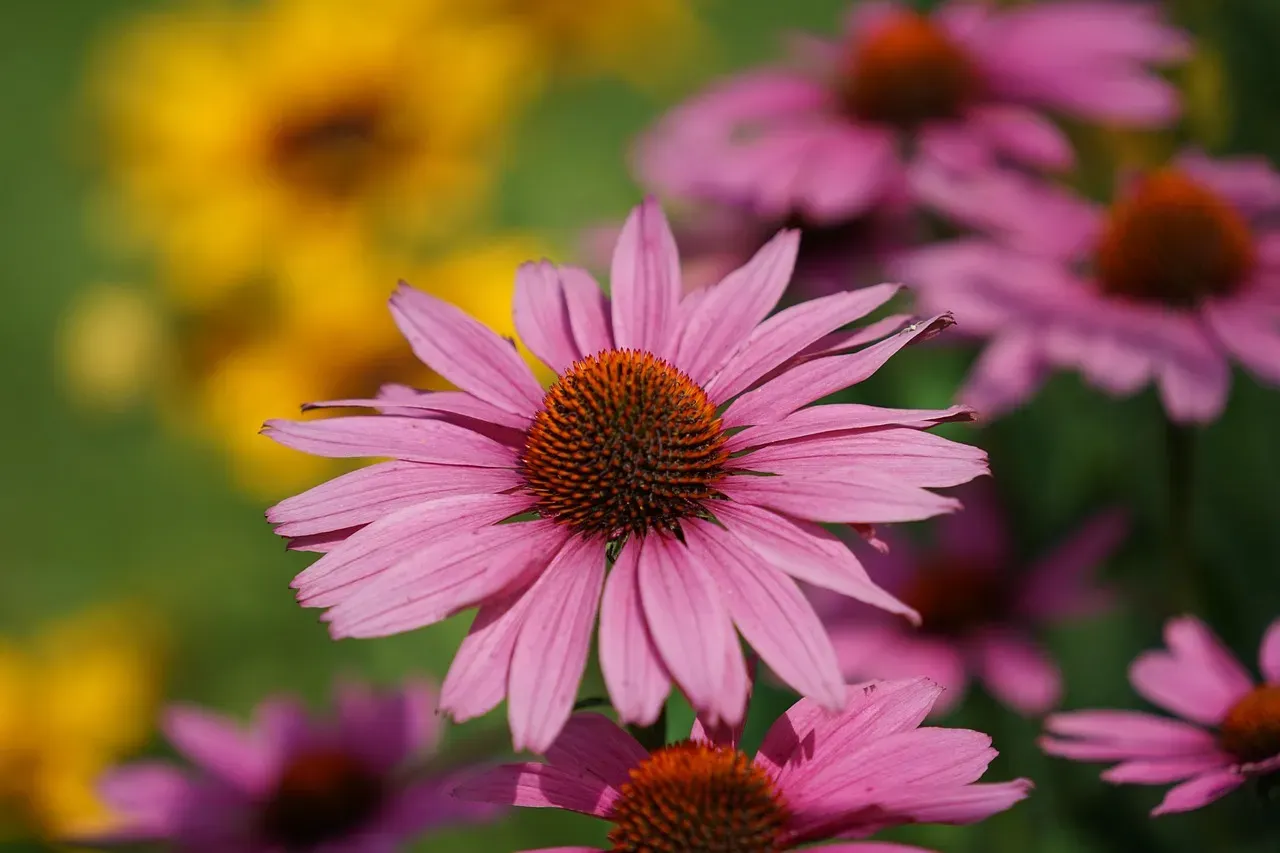
Echinacea purpurea is currently a darling in the flower farming world because of all the new and fun hybrids that have come to the market in recent years, and it’s great that they are available in such a wide range of colors. Honestly, though, the classic purple variety still steals the show.
These plants are tough as nails. Drought-tolerant and unfussy plants, it’s easy to love them. Even if bugs decide to nibble on the petals, you can pluck them off and use the bare cones as textural accents in arrangements. That’s garden ingenuity right there.
Cardinal Flower: A Hummingbird Magnet
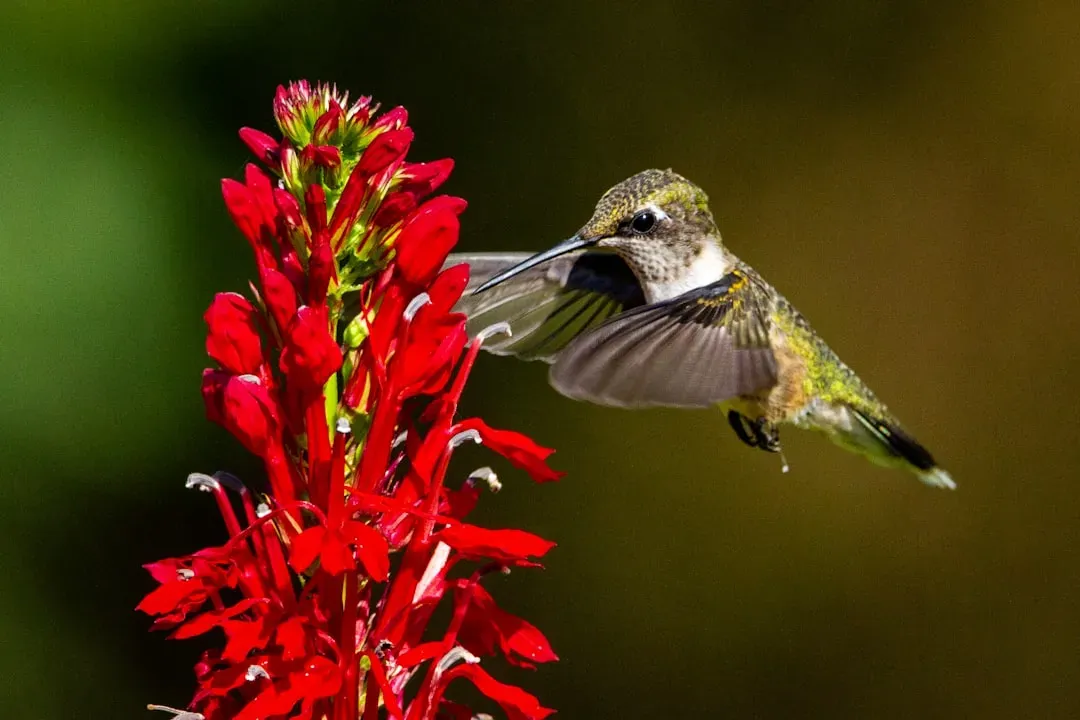
Want to see hummingbirds practically choreograph a dance routine in your garden? Plant some cardinal flowers. A mid-summer showstopper with intensely red blooms, cardinal flower’s nectar is a favorite of hummingbirds who pollinate the flowers while probing for food. The color is so vivid it almost looks artificial.
Cardinal flower’s nectar is a favorite of hummingbirds who pollinate the flowers. They prefer moist soil, making them ideal candidates for rain gardens or spots near water features. If you’ve got a damp area in your yard that’s been driving you crazy, this might be your perfect solution.
Blue Vervain: The Underrated Pollinator Powerhouse
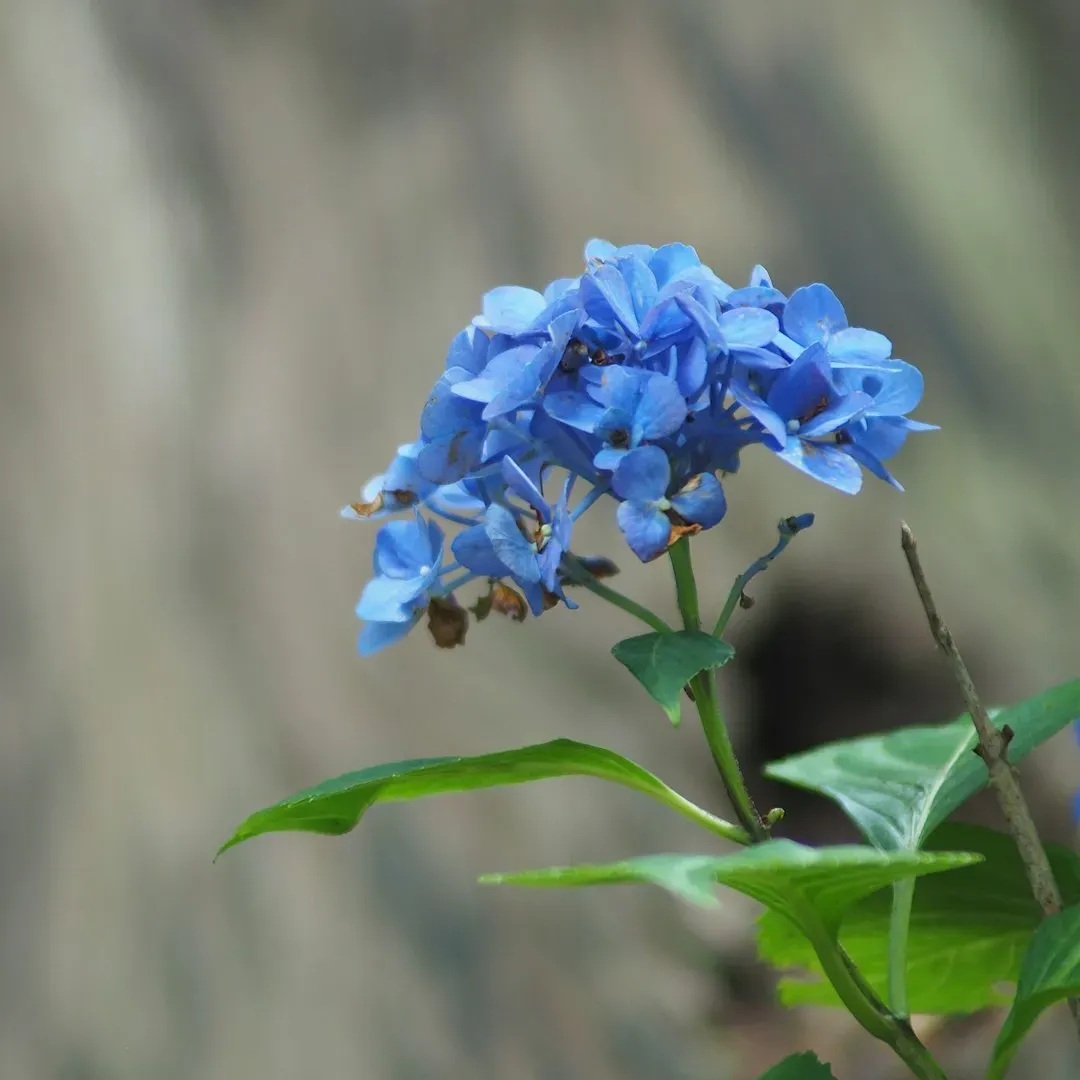
Blue vervain is a short-lived herbaceous perennial that is native to eastern and central North America, and it is typically found in moist prairies, fields and thickets in both full sun or partial shade. It might not have the flashiest flowers, but what it lacks in drama, it makes up for in utility.
The tubular flowers are a pollinator attractant mainly for bees and butterflies, and it has a special value to native bees who specialize on gathering pollen and nectar from these flowers. Sometimes the most valuable players in your garden aren’t the showstoppers but the reliable workhorses that keep the ecosystem humming along.
Blazing Star: The Prairie’s Purple Feather
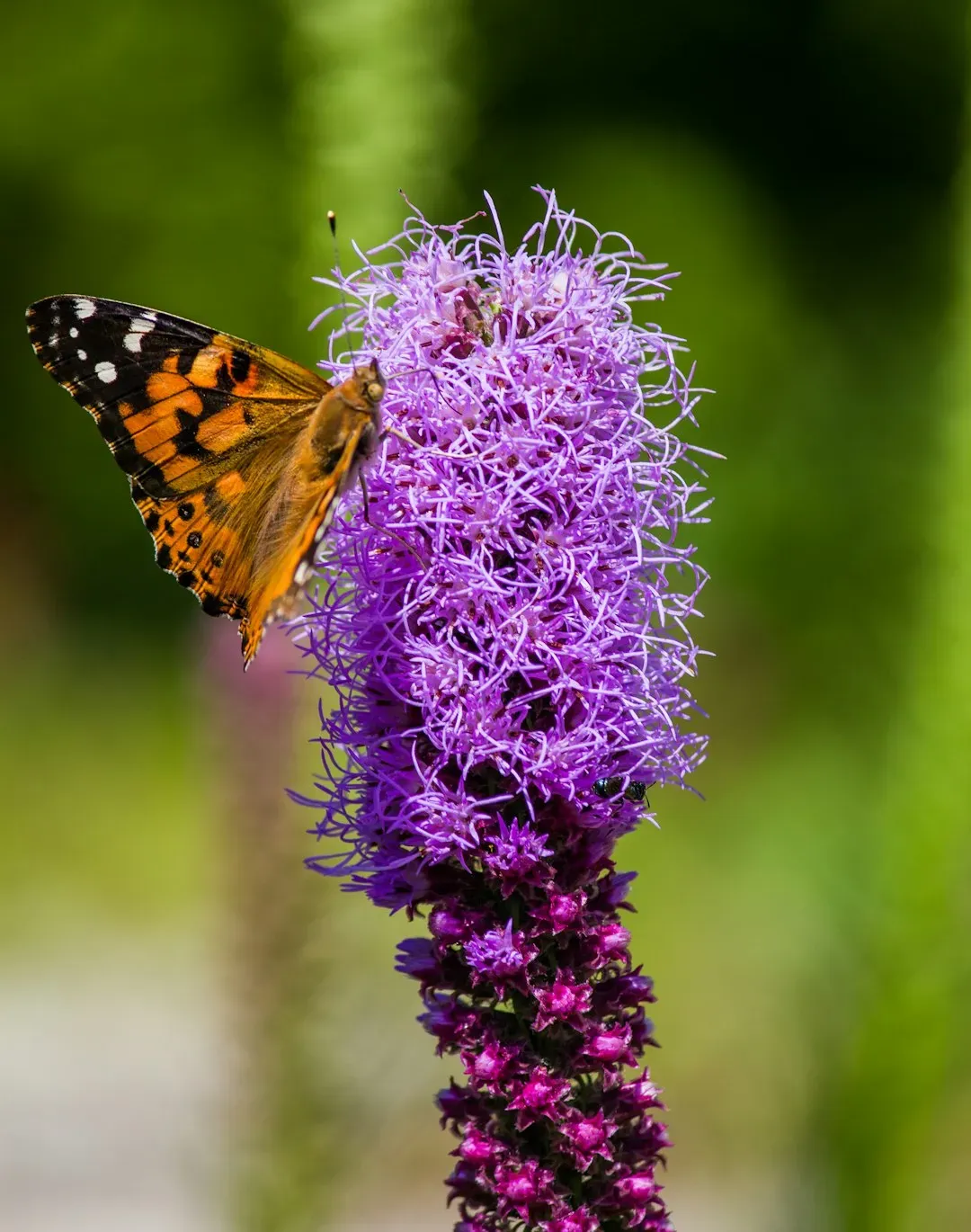
The dense blazing star’s unique flowers and sturdy stalks create a feathery appearance that has given rise to its alternate name, the prairie gay feather. These durable plants laugh in the face of drought and heat, making them perfect for those brutal summer months when everything else looks exhausted.
Blazing star’s purple and white blooms create a special appeal to avian pollinators, including hummingbirds and certain songbirds. They bloom from July through August, adding vertical interest to your garden when most plants are sprawling horizontally. It’s hard to say for sure, but I think their architectural quality is one of their most underrated features.
Wild Hydrangea: Shade-Loving Native Royalty
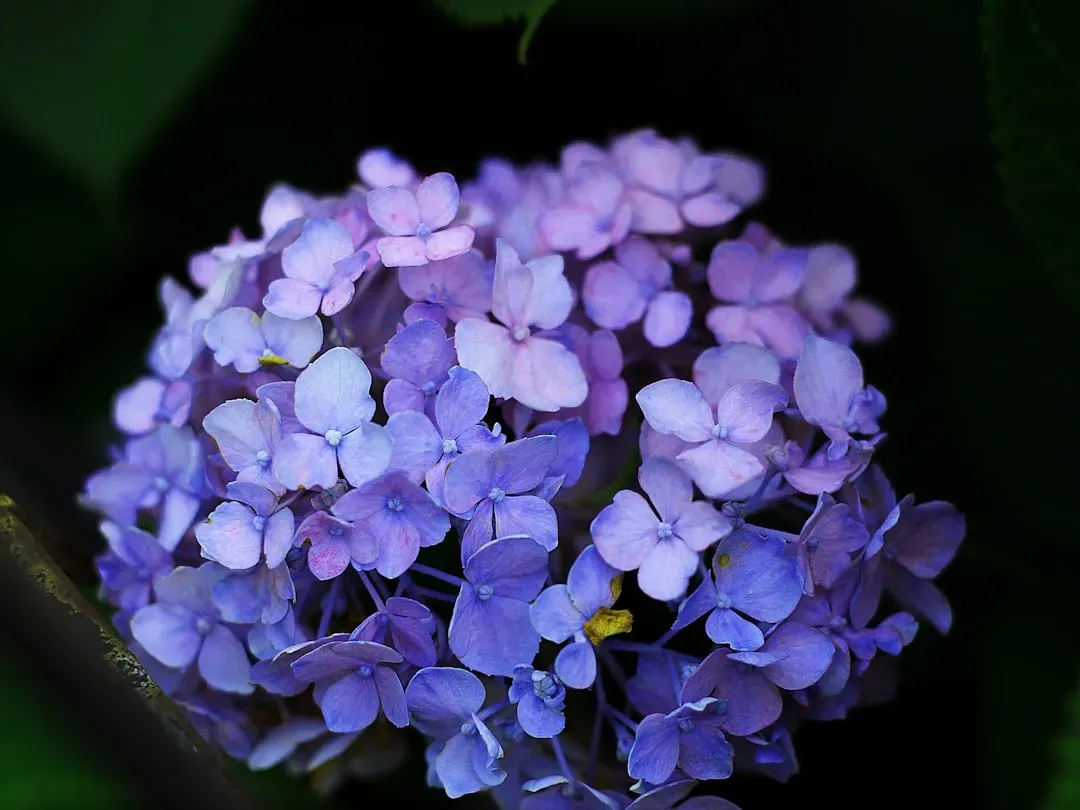
Most people associate hydrangeas with those mophead varieties from Japan, but we’ve got our own spectacular versions. Hydrangea arborescens thrives in the dappled shade, and the shrub blooms from mid- to late summer, when most other perennial plants have finished flowering. That timing is crucial for late-season pollinators.
Unlike the mopheads, which have mostly sterile flowers, H. arborescens provides food for a variety of bees, ants, beetles, flies and butterflies. They’re proving that native plants can absolutely hold their own against the imported competition when it comes to sheer visual impact.
California Wild Lilac: The Western Wonder
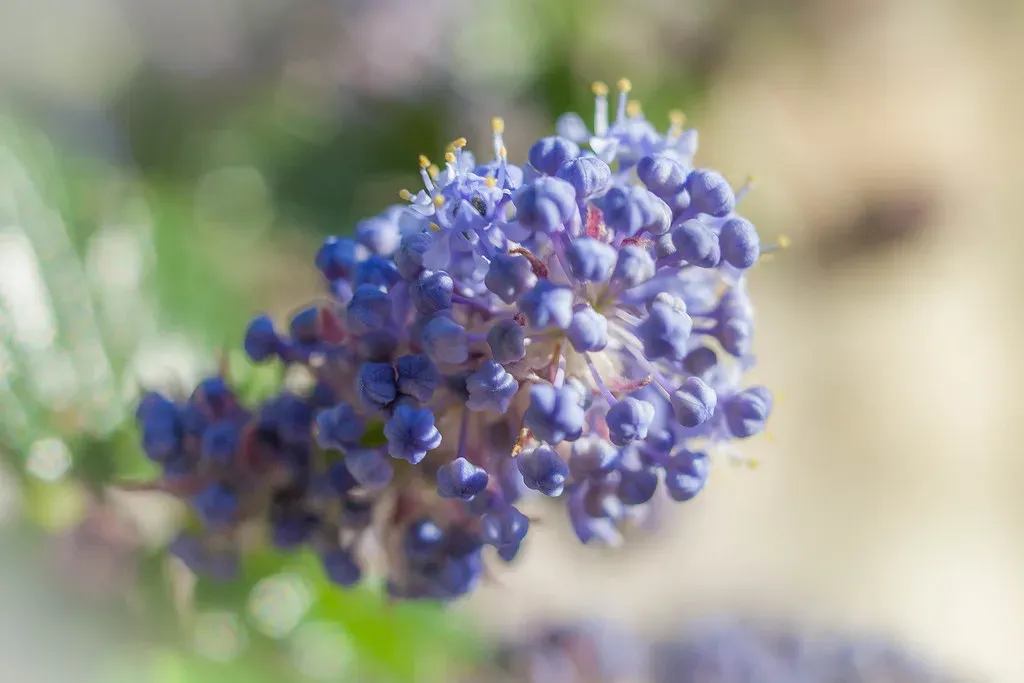
Native to North America, from southern Canada to Guatemala, California wild lilac is a garden showstopper with pale to deep blue, pink or white flowers covering the plant in late winter through spring, drawing bees and other pollinators. If you live in the right climate zone, this plant is an absolute game changer.
Plants thrive with limited summer water in quick-draining soils and on slopes. That’s music to the ears of gardeners in drought-prone regions who are tired of constantly watering demanding ornamentals. Sometimes going native isn’t just about ecology; it’s about sanity.
Blanketflower: The Daisy That Keeps on Giving
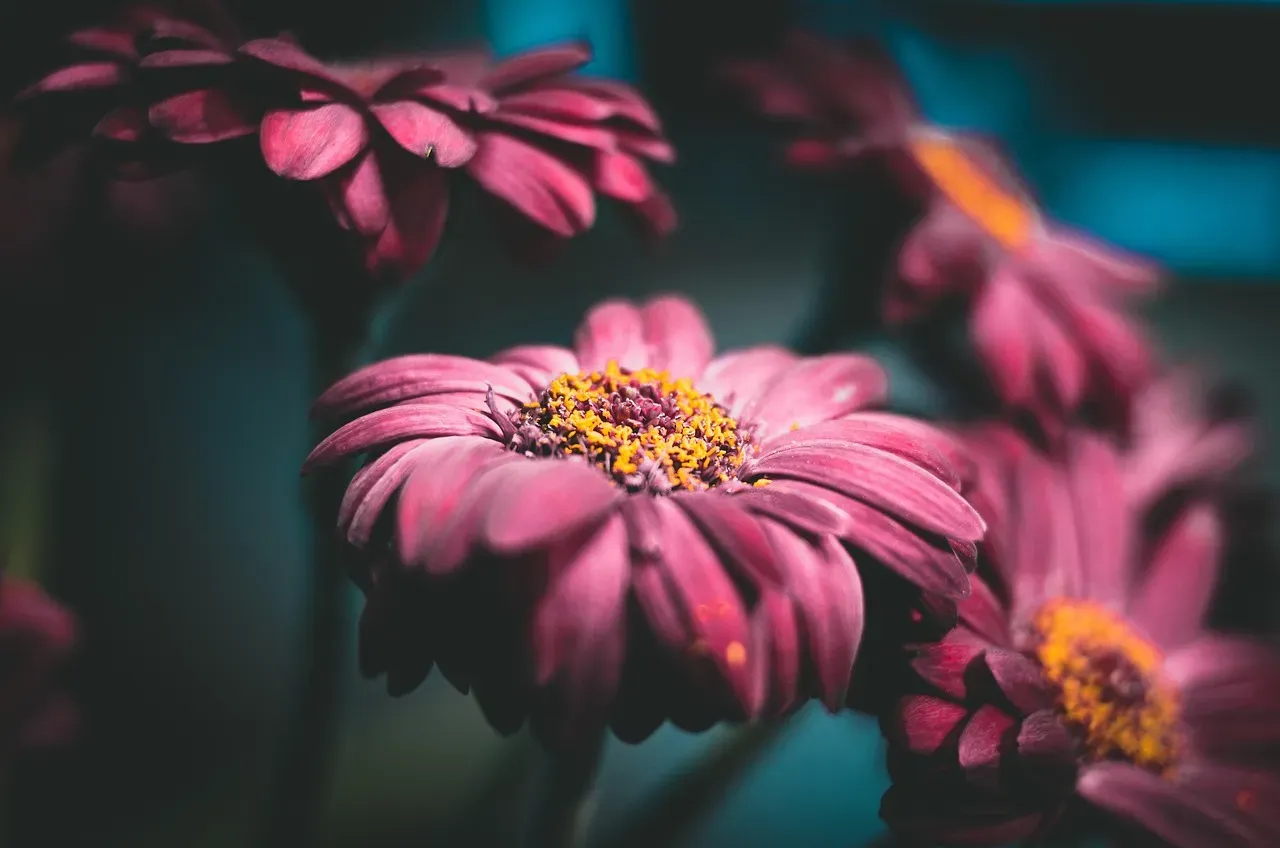
Native to both sides of the Rocky Mountains, blanketflower brings those cheerful, daisy-like blooms in warm tones of red, yellow, and orange. They’re perfect for adding pops of color throughout the growing season without requiring much from you in return.
The beauty of blanketflower is its resilience. It handles heat, it handles poor soil, and it keeps blooming even when you forget about it for weeks. That’s the kind of plant relationship we all need in our lives.
Why Native Plants Actually Make You a Better Gardener
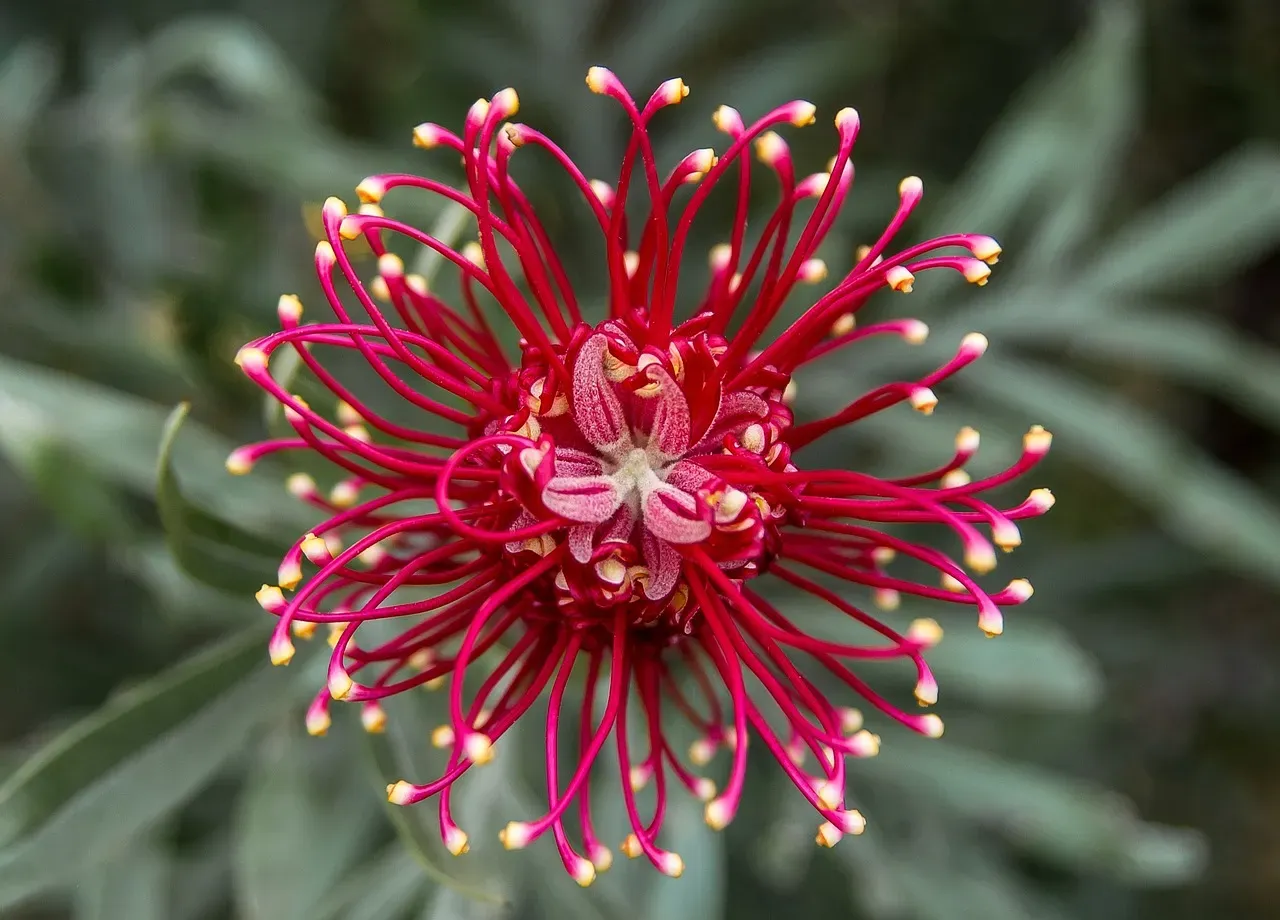
Here’s what nobody tells you when you’re starting out: working with nature instead of against it makes everything easier. Native plants do not require fertilizers and require fewer pesticides than lawns, and native plants require less water than lawns and help prevent erosion. You’re essentially letting millions of years of evolution do the heavy lifting for you.
Native plants have long-established relationships with pollinators and wildlife, making them the best choice for habitat-friendly gardens that support a healthy web of life. When you plant natives, you’re not just creating a pretty space. You’re creating an ecosystem, a living network that supports everything from soil microbes to migrating birds. The garden becomes less about control and more about collaboration.
Conclusion
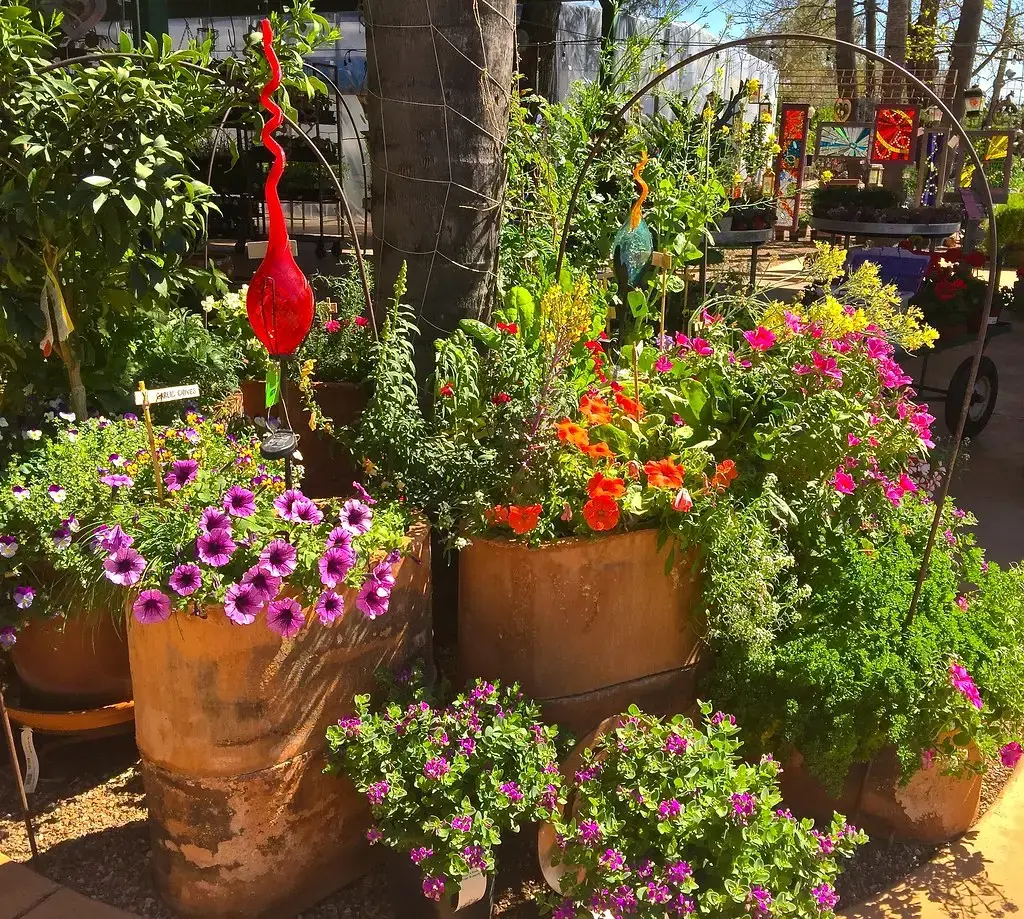
The shift toward native plants isn’t just a trend, it’s a fundamental rethinking of what gardens should be. Native plants grow naturally in a given area and are therefore best adapted to that region’s typical weather patterns, meaning they’ll survive with minimal maintenance and will not require excessive watering or care. They give you beauty without the battle, color without the constant intervention.
So why are we still importing plants that need coddling when we’ve got tough, gorgeous natives that practically plant themselves? The exotic blooms might have their allure, but there’s something deeply satisfying about growing flowers that belong exactly where they are. Your garden will thank you, the pollinators will thank you, and honestly, your water bill will thank you too.
What native plants are you most excited to try in your own space? Have you already made the switch and seen the difference?

- 16 Things a Dog Only Ever Does Around the One Human It Has Truly Chosen for Life - July 31, 2026
- 19 Dog Breeds Disappearing From Family Homes Faster Than Almost Anyone Has Realised - July 31, 2026
- What Hummingbirds Do in a Storm Will Surprise You: 14 Behaviours Researchers Rarely Get to Film - July 31, 2026