
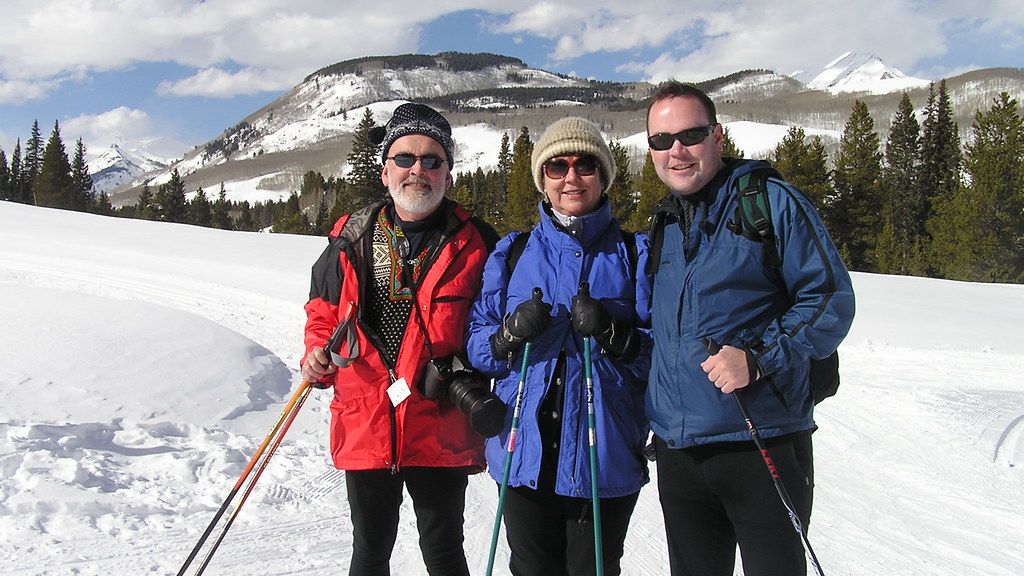
Winter is coming, and for snow lovers across America, there’s always that burning question: will this be the year we get buried in powder, or will we be stuck scraping by with barely enough to build a snowman? Well, the Farmer’s Almanac has weighed in with its predictions, and let’s just say this winter season promises to be anything but boring. While some regions might want to stock up on extra firewood and rock salt, others could be in for a surprisingly mild ride. So which states should brace for the most snowfall?
Here’s the thing about winter forecasts. They’re part science, part folklore, and part educated guessing. Yet millions of Americans still turn to the Farmer’s Almanac each year for guidance, hoping to get a glimpse of what Mother Nature has in store. This year’s outlook paints a picture that’s equal parts fascinating and unpredictable. Let’s dive in.
The Pacific Northwest Mountains: A Snowboarder’s Dream
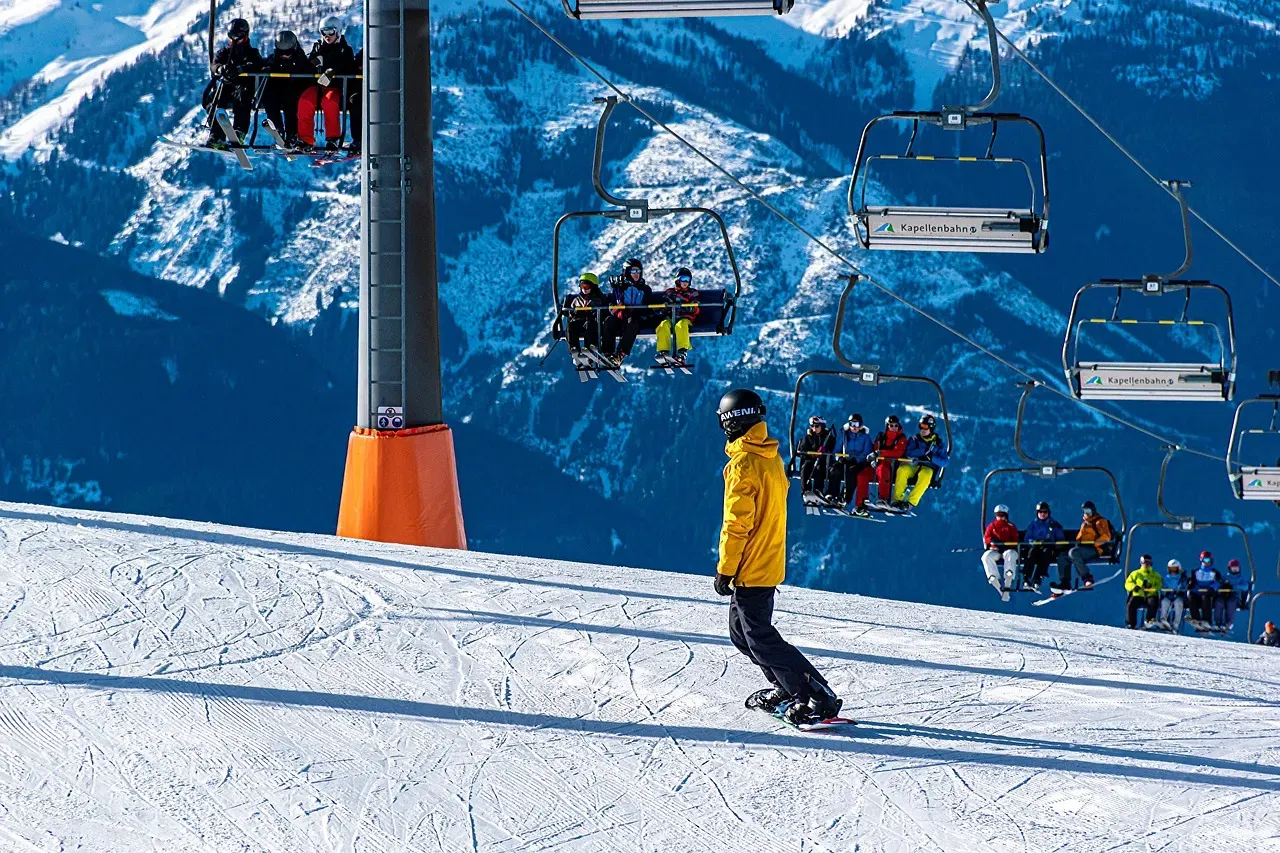
The Pacific Northwest mountains are gearing up for some impressive snowfall totals, making this region one of the prime destinations for anyone craving serious winter conditions. Think about those towering peaks in Washington and Oregon, where ski resorts depend on consistent snowpack to keep their lifts running all season long.
Frequent snowstorms are predicted for the Pacific Northwest, which should delight anyone planning a winter getaway to the Cascades. The mountains in this region often benefit from moisture-laden storm systems rolling in from the Pacific Ocean, and when temperatures drop just right, that moisture turns into the white gold we all love.
For residents and visitors alike, this forecast means planning ahead. Mountain passes could see frequent closures, and avalanche conditions will require extra caution for backcountry enthusiasts. Still, if you’re a powder hound, this could be your year to chase those epic runs.
What’s interesting is how this prediction aligns with broader weather patterns. The combination of cooler air masses and increased precipitation creates the perfect recipe for accumulation at higher elevations.
The Great Lakes and Ohio Valley: Classic Winter Wonderland Territory
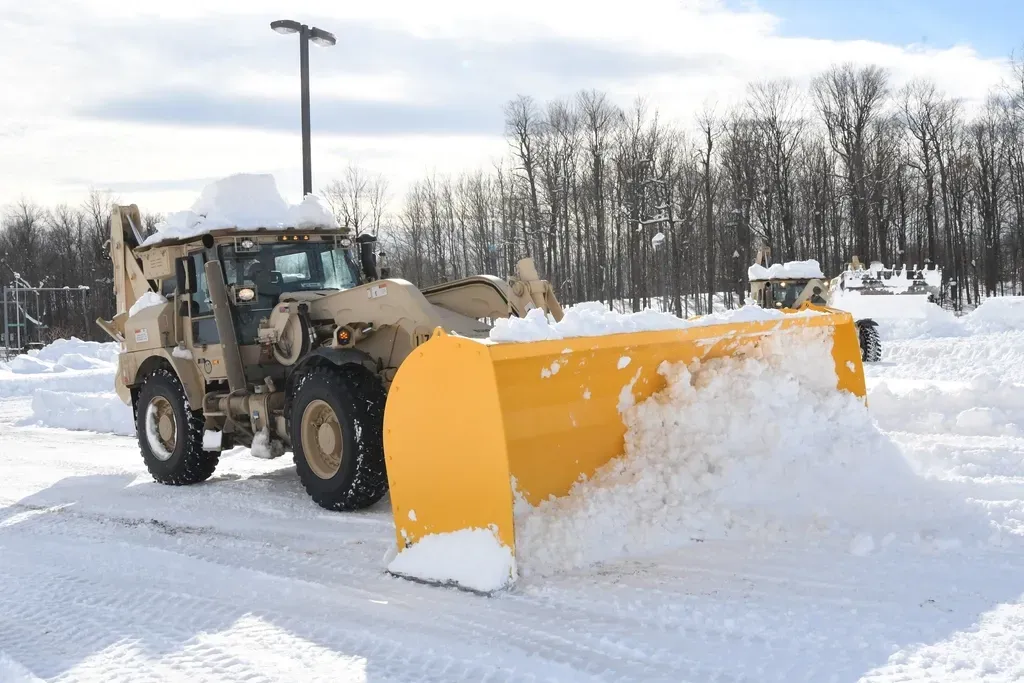
The Great Lakes, Ohio Valley, and North Central states are set for a classic winter wonderland, according to the Farmer’s Almanac. This is music to the ears of anyone who grew up making snow angels and sledding down neighborhood hills. Ohio, Wisconsin, Michigan, and surrounding areas should prepare for a legitimately cold and snowy season.
The Ohio winter forecast points toward colder-than-normal winter temperatures, with heavier snowfall, particularly in the snowbelt regions that already see their fair share of winter weather. If you live near Lake Erie or Lake Michigan, you know what lake-effect snow can do. Those bands of heavy snow can dump several inches in just a few hours, creating white-out conditions that turn commutes into adventures.
For those in Wisconsin, this suggests the season may feel more “classic winter” than recent years, with more opportunities for outdoor winter activities. Ski resorts in the region are probably already celebrating, knowing they’ll have the natural snowfall to complement their snowmaking operations.
Honestly, there’s something nostalgic about a proper Midwest winter. The kind where you actually need your heavy coat, where snow days are a real possibility, and where hot chocolate tastes even better after shoveling the driveway for the third time in a week. This winter might just deliver that experience.
New England: Frequent Flurries and Festive Conditions
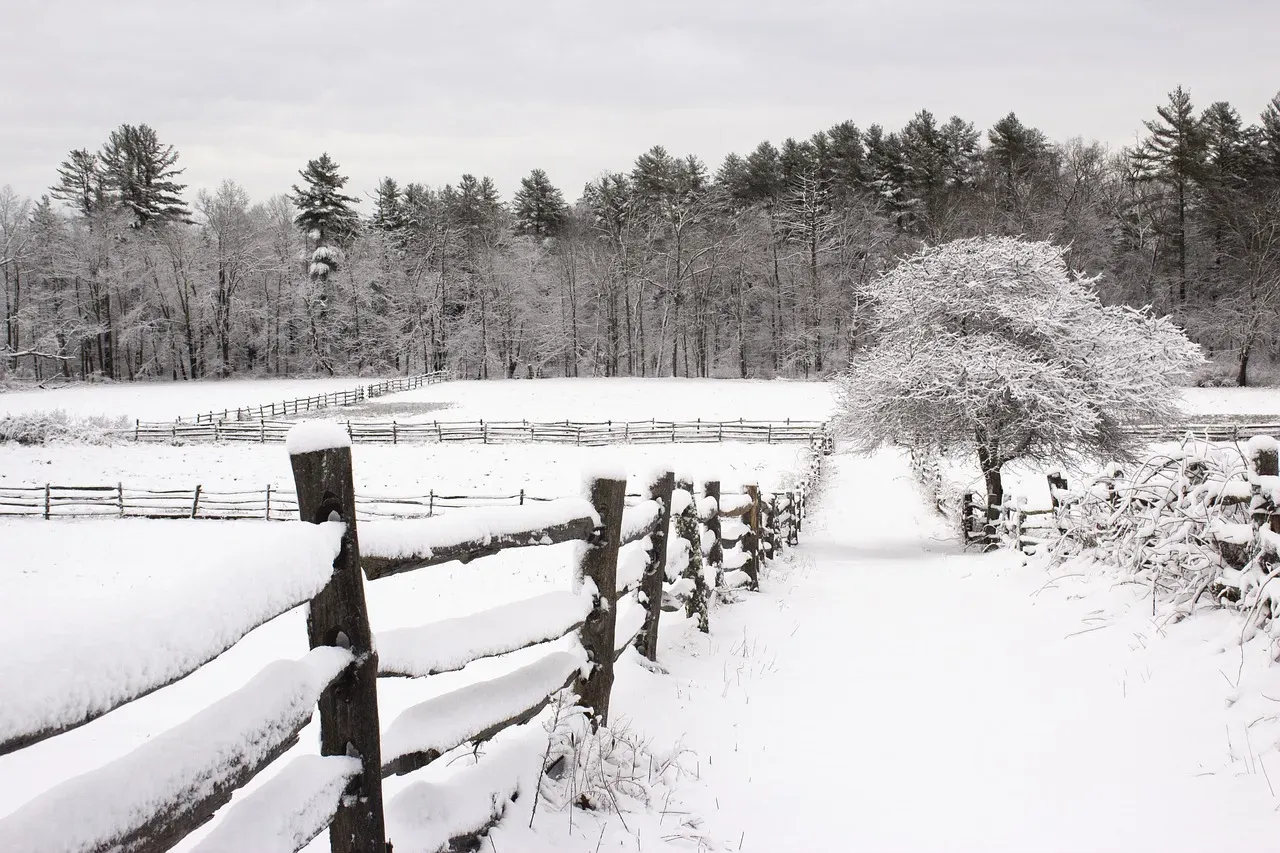
Frequent snowstorms in New England should keep snow lovers happy, creating postcard-perfect scenes throughout Vermont, New Hampshire, Maine, and the rest of the region. There’s something magical about a New England winter when done right, with snow-covered town squares and smoke curling from chimneys.
The Farmer’s Almanac suggests this won’t be one of those disappointing winters where coastal areas see mostly rain while inland regions get all the good stuff. Instead, expect regular snowfall events that build up over time, creating that consistent base layer that makes everything from skiing to snowshoeing more enjoyable.
Forecasters single out several windows for colder weather and potential storms: mid to late December, parts of January, and early February. These timing windows are crucial for holiday travelers and anyone planning winter activities. Getting caught in a major snowstorm right around Christmas or New Year’s can be either magical or miserable, depending on your perspective.
New England’s charm during winter is undeniable. The region’s infrastructure is built to handle snow, unlike areas farther south that panic at the first flake. Still, even seasoned New Englanders should prepare for what could be an active season.
The Mid-Atlantic and Appalachian Mountains: A Tale of Two Regions
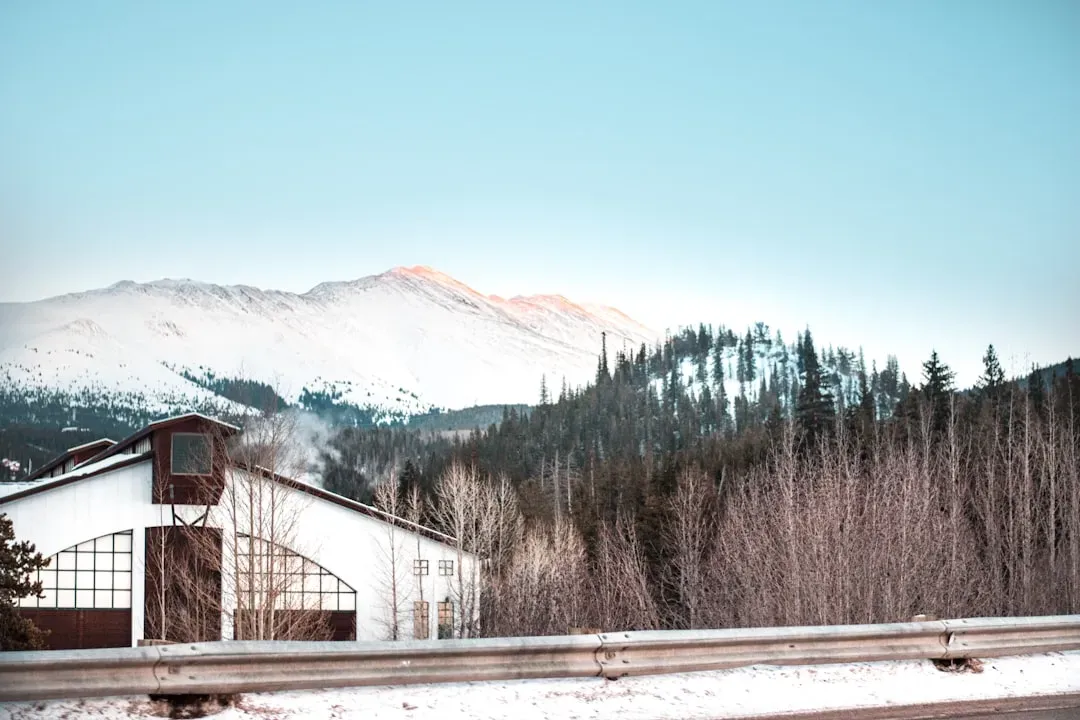
The Mid-Atlantic presents an interesting forecast this year. The Mid-Atlantic region is forecast to see some decent snow, especially for areas in the mountains. This creates a split personality for the region, where Philadelphia and Baltimore might see occasional storms while the higher elevations of Pennsylvania and West Virginia get hammered.
In Pennsylvania, the Almanac’s predictions lean toward a season with above-average snowfall and colder periods, particularly in the mountains and higher elevations. The Poconos and other mountain destinations could see significant accumulation, making them prime destinations for winter sports enthusiasts looking to avoid the crowds at more famous resorts.
The southern and higher-elevation Appalachian counties are likely to see colder conditions and a split snow pattern: lighter snow in the northern highlands and heavier amounts in the southern mountains. This geographic quirk means your winter experience could vary dramatically based on exactly where you’re located.
What I find fascinating is how elevation plays such a critical role. Drive just thirty miles up into the mountains, and you could encounter completely different conditions than what’s happening in the valleys below. This winter, that difference could be especially pronounced.
Colorado and the Central Rockies: Powder Paradise Potential
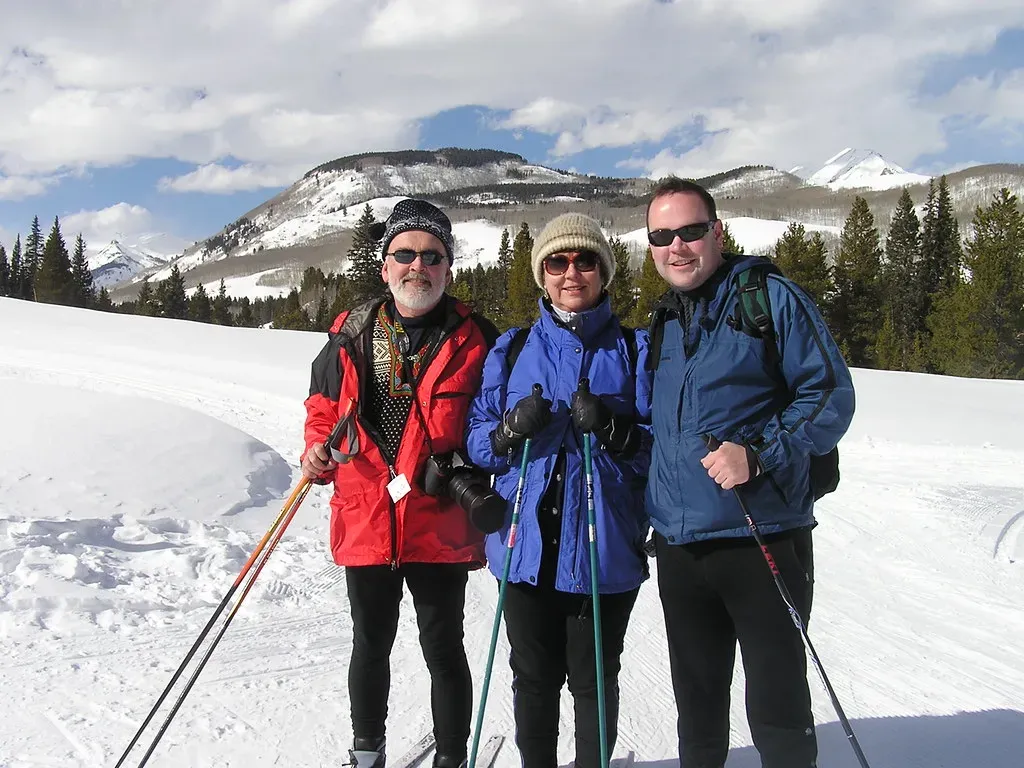
The Farmers’ Almanac said much of the United States, including Colorado, will see a “very cold and snowy” winter. For Colorado and the central Rockies, this is exactly what residents and resort operators want to hear. The state’s economy depends heavily on winter tourism, and a good snow year can make or break the season.
The Rockies have always been synonymous with world-class skiing, but recent years have seen some disappointing seasons with late-starting snow and inconsistent coverage. This winter could be different. When the Farmer’s Almanac predicts cold and snowy conditions for this region, it typically means consistent storms rolling through with regularity.
Mountain towns like Aspen, Vail, Breckenridge, and Telluride are probably preparing for an influx of visitors eager to experience genuine powder days. The local businesses that depend on these tourists will be hoping the forecast holds true.
I know it sounds almost too good to be true for ski country, but the meteorological patterns seem to support these predictions. Cold air settling over the Rockies combined with Pacific moisture can create those legendary storm cycles that bury the mountains in feet of snow rather than inches.
The Desert Southwest: Surprising Snowfall in High Country
You might not immediately think of snow when someone mentions Arizona or New Mexico, but the high country in these states can actually receive impressive accumulation during a good winter. Arizona and parts of New Mexico fall into the “snowy” category on the Old Farmer’s Almanac forecast map, which might surprise people unfamiliar with the region’s geography.
A wet winter is also predicted in the Southwest with near-average temperatures, meaning precipitation will be plentiful, and at higher elevations, that precipitation falls as snow. Flagstaff, for instance, regularly receives significant snowfall despite being in Arizona.
The smaller ski resorts in this region don’t get the attention that Colorado or Utah resorts do, but they offer unique experiences for those willing to venture off the beaten path. When conditions align properly, places like Taos Ski Valley in New Mexico and Arizona Snowbowl can deliver surprisingly good skiing.
What makes this prediction particularly interesting is that the Southwest has been dealing with drought conditions for years. A wet winter, even if much of that moisture falls as snow in the mountains, could provide crucial water resources when that snow melts in spring. It’s not just about recreation; it’s about replenishing reservoirs and aquifers.
Conclusion: Prepare for Variability and Winter Surprises
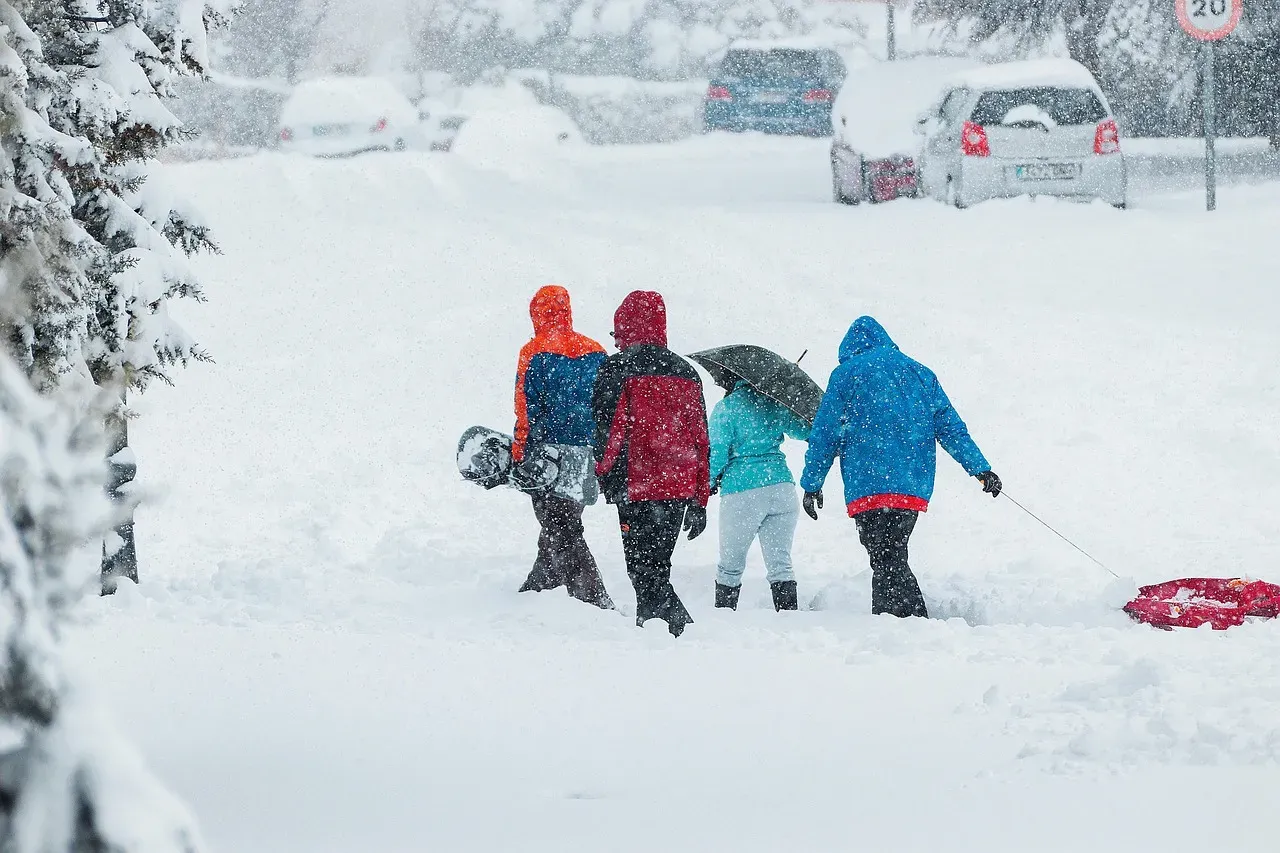
So what’s the bottom line? This winter promises to be one of contrasts and surprises. The 2025–2026 outlook predicts a winter that’s mostly mild – with pockets of wild, which perfectly captures the unpredictable nature of what’s ahead. Some regions will experience classic, snowy winters while others see milder conditions with occasional cold snaps.
The states positioned to receive the most snow are fairly clear: the Pacific Northwest mountains, the Great Lakes region, New England, the Rockies, and higher elevations throughout the Appalachians and Desert Southwest should all see above-average snowfall. These areas should prepare accordingly, ensuring they have adequate supplies of salt, functioning snow removal equipment, and emergency provisions.
For everyone else, winter will still be winter. Even regions predicted to have milder conditions could see surprise storms that disrupt travel and daily life. The Farmer’s Almanac reminds us to stay prepared regardless of the forecast, because Mother Nature has a way of keeping us on our toes. Whether you’re dreaming of fresh powder or hoping for an early spring, this winter will definitely keep things interesting. What are your winter weather hopes for your area? Will you be dusting off the snow shovel or putting it away early this year?

- The 18 Quiet Ways a Dog Marks One Person as Its Own That Most Families Never Notice - August 3, 2026
- 18 Peculiar Things Hummingbirds Do Around a Feeder That Almost Every Gardener Misses Completely Each Season - August 3, 2026
- These 7 Historic US Battlefields Are Sacred Grounds Of Remembrance - August 2, 2026