
Every family has a comforting little myth: “The dog loves all of us the same.” It sounds sweet. It’s also, according to the people who actually study dog behavior, almost never true.
Underneath the shared walks and the same bag of kibble, most dogs have quietly picked one human as theirs – and they’ve been telling you for months, maybe years, in ways so small you filed them under “just personality.” Once you know what to look for, you can’t unsee it. Here are the 18 quiet signs, and what they actually reveal about the bond your dog has already chosen.
#1 – They Always “Check In” With One Person
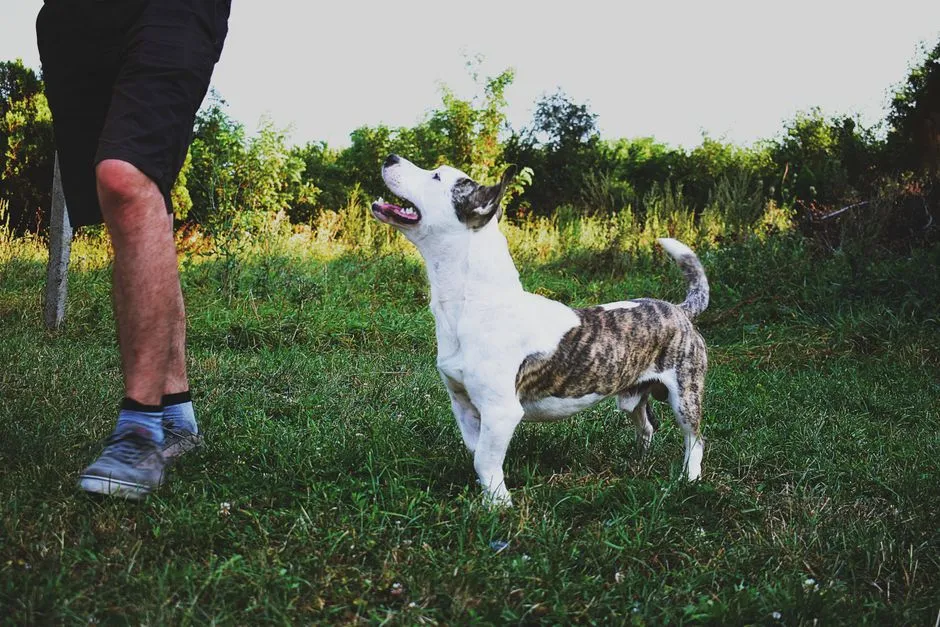
Watch your dog in a new place and their eyes will tell on them instantly. A dog that’s chosen its person will glance back at that human again and again, even while confidently sniffing around a strange yard or a friend’s living room. It’s not random scanning – it’s a specific search for one face.
Behaviorists call this a “secure base effect,” the same instinct that makes a toddler keep peeking back at a parent in a crowded park. Your dog is running a silent check: are you still there, are we still okay? If you’re that person, your dog will read your reaction to decide what’s safe, ignoring everyone else’s cues in the room and waiting only for yours.
#2 – They Sleep Where Your Scent Is Strongest
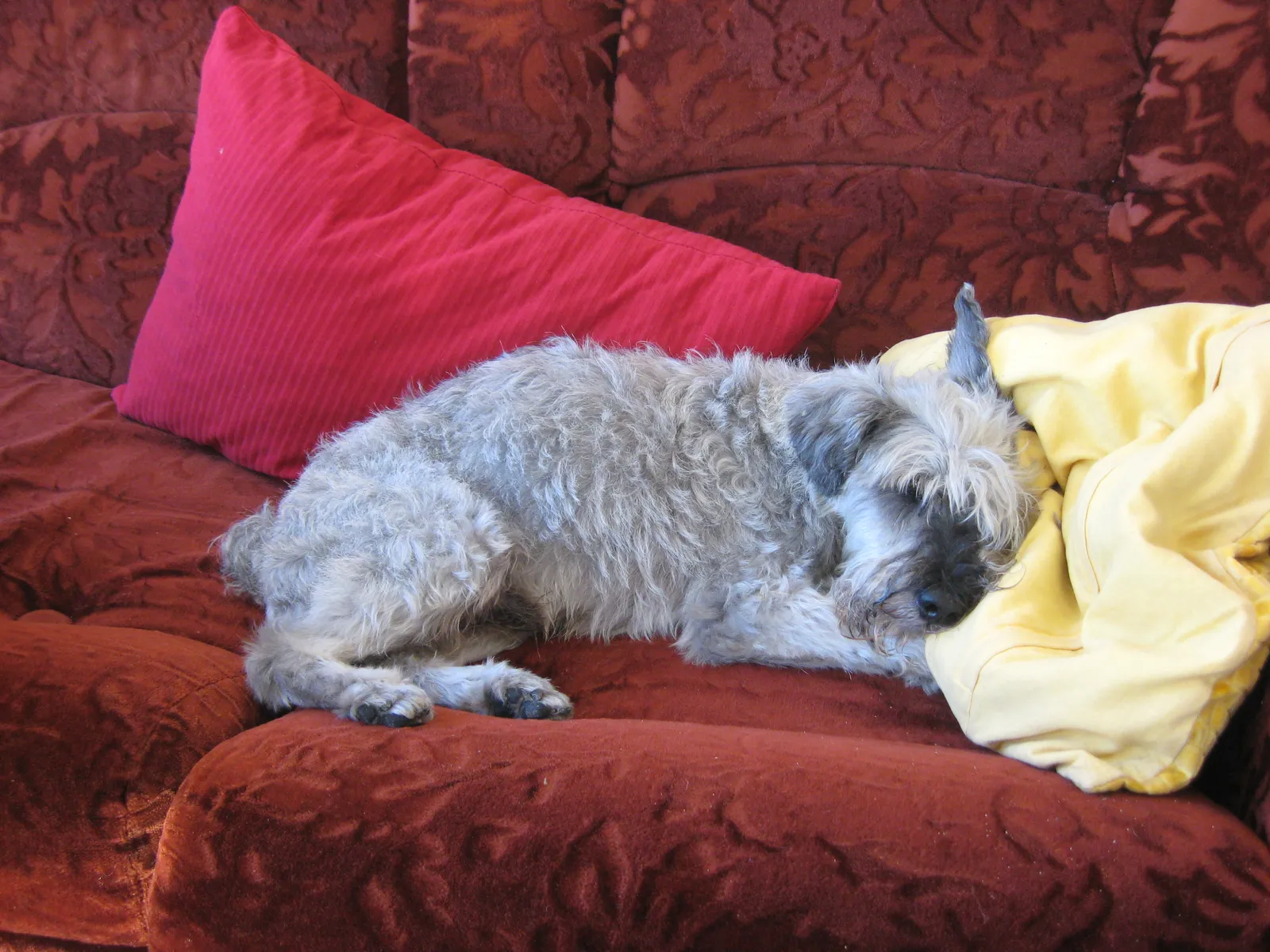
Everyone assumes the dog just loves “the bed.” But look closer at where they actually curl up – your pillow, your side of the couch, that pile of laundry you keep meaning to fold. To a dog, scent isn’t background noise. It’s practically a security blanket they can lie inside of.
Some behaviorists argue this is a stronger proof of attachment than tail wags ever are, because it’s a choice the dog makes when no one’s watching or rewarding them for it. They’ll bypass a brand-new, expensive dog bed if it doesn’t carry your smell. Families often call this “spoiled.” It’s actually the dog quietly staking a claim.
Fast Facts
- Dogs have up to 300 million scent receptors in their noses, compared with roughly 6 million in humans.
- The part of a dog’s brain devoted to interpreting smell is estimated to be about 40 times larger than the equivalent area in the human brain.
- A dog’s nose lets air flow in and out at the same time, so a scent trail can be tracked almost continuously.
- That kind of nose doesn’t get “tricked” by a fresh, unfamiliar dog bed – it simply knows whose scent is missing.
#3 – They Use You as Their “Home Base” in Crowds
In a busy house, at a park, at a barbecue – notice where your dog parks their body the second things get chaotic. A dog that’s chosen you will orbit so that you’re the fixed center of their world, resting a paw on your shoe or leaning just enough to stay in contact while their eyes track everything else.
This isn’t random affection. It’s strategy. From that position they can monitor you and the environment at once, and – whether they mean to or not – quietly announce to every other dog and person nearby that you belong to them. Some trainers describe it as a soft form of resource guarding, except the “resource” being protected is you.
#4 – They Obey You Faster Than Anyone Else
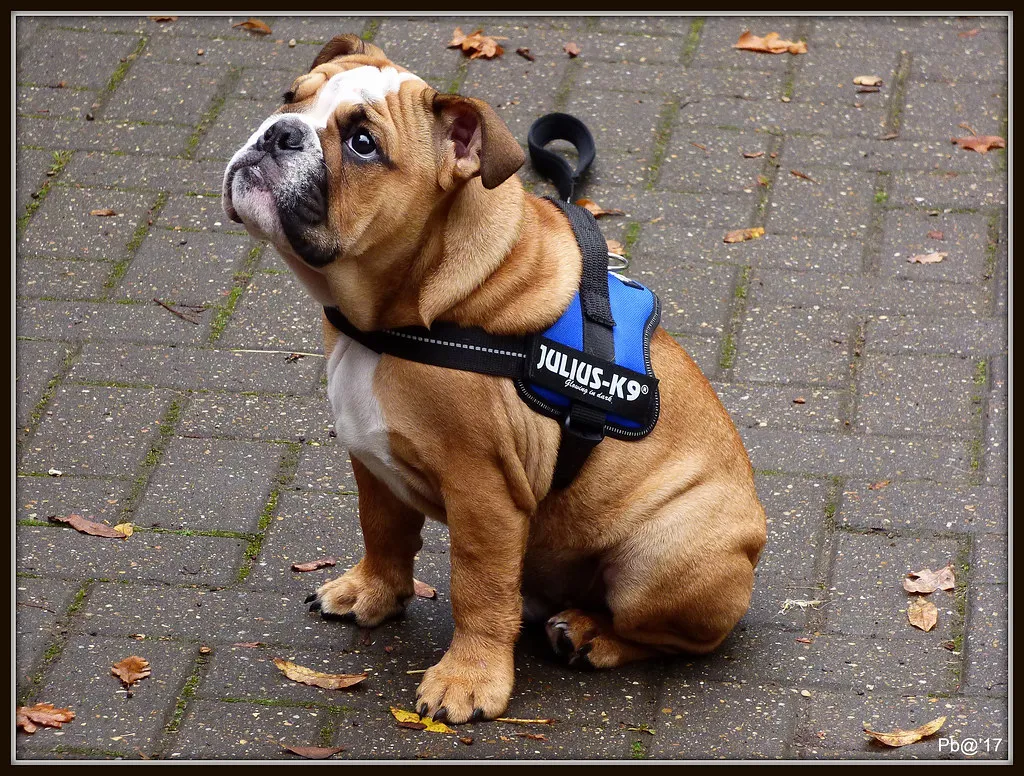
Families love to argue about who the dog “actually listens to,” but the real answer is measurable in split seconds. Dogs that have picked a favorite person respond faster to that person’s voice – sometimes instantly – even when someone else in the house is the more consistent trainer.
Dogs can distinguish individual human voices and build preference based on emotional history, not just who hands out treats. If you’re the chosen one, you’ll get quicker sits and instant eye contact, while the same cue from someone else earns a slower, more distracted response. Your dog has quietly wired priority access to your voice, your tone, even the tiny edge in your breathing when you mean business.
#5 – They Shadow Your Routine, Not the Family’s
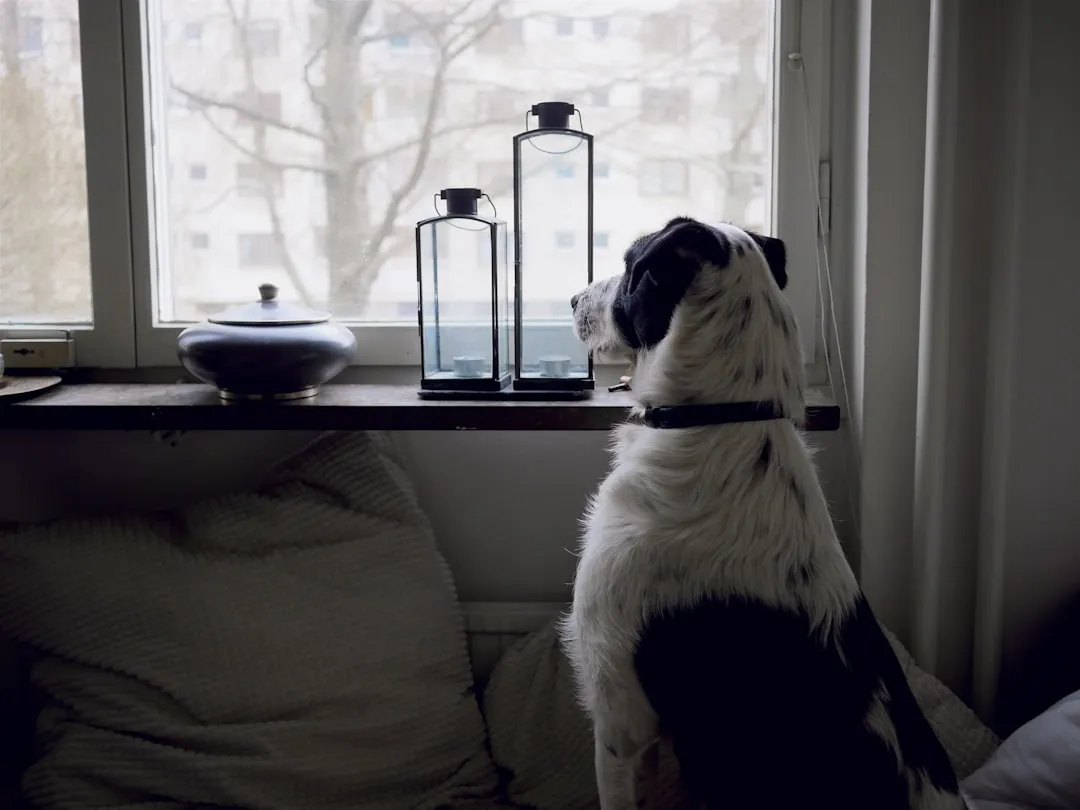
Most people assume their dog “just follows whoever’s moving.” Watch for a full week and you’ll see something stranger: the dog syncs specifically to one person’s rhythm – your wake-up time, your bathroom breaks, even your 11 p.m. fridge raids.
They’re not tracking motion in general. They’re pattern-tracking you. You might notice the dog waiting outside the bathroom only when you’re in there, or pacing right before your usual arrival time, ignoring everyone else’s far more predictable comings and goings. Behaviorists call this human their dog’s “attachment anchor” – everyone else becomes background noise against your rhythm.
#6 – They Bring You Their “Important” Objects
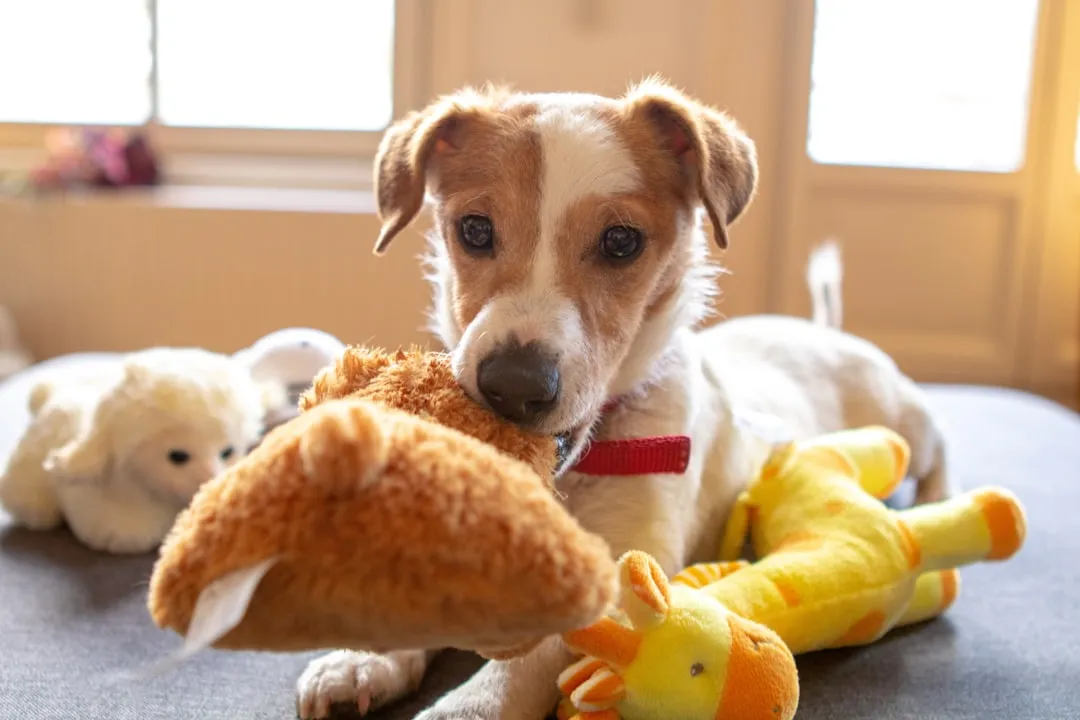
Every dog has a small hoard of treasures – a favorite toy, a stolen sock, a chewed-up trophy no one else understands the appeal of. The quiet tell is who they deliver those treasures to. When a dog has claimed one person, that’s whose lap gets the prized toy dropped on it, whose feet get the shoe “gift.”
In dog language, carrying something to you is part offering and part bonding ritual – it isn’t always about starting a game of fetch. Sometimes they simply want you, specifically, to notice what they’ve got. You might catch them parading a toy past three other family members just to stop in front of you. Many people write this off as “he just likes to play with Mom.” It’s really about who they want to share their small world with.
#7 – Their Panic Response Aims Straight for You
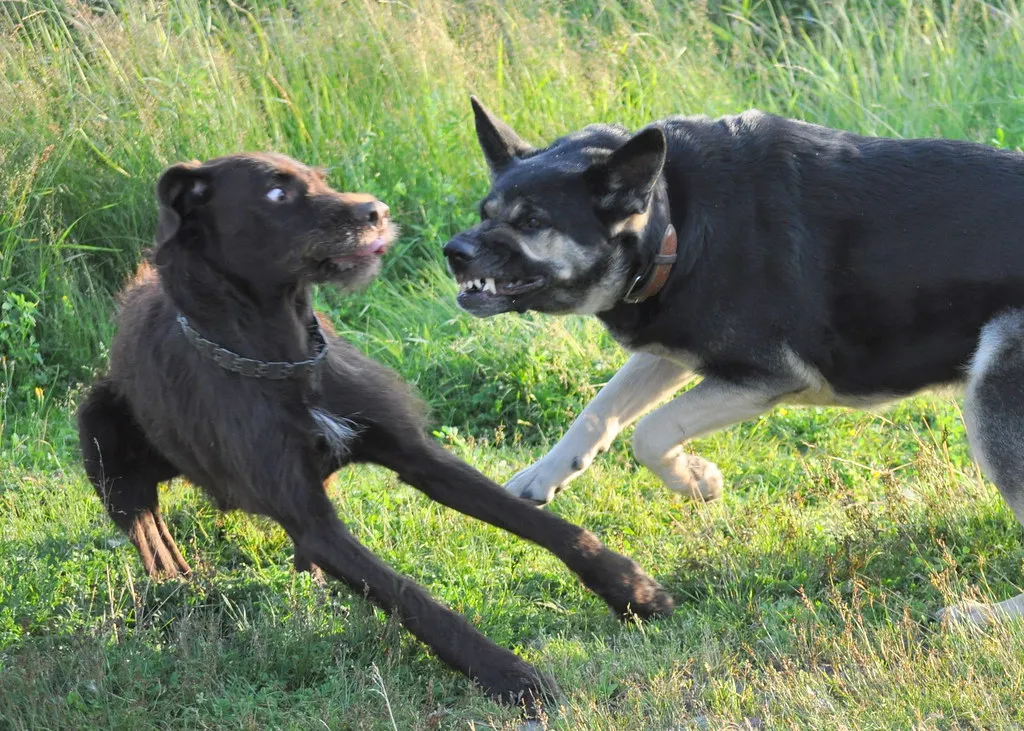
Loud bang, fireworks, a stranger at the door – in that split second of fear, watch where the dog runs. A dog that’s chosen one person doesn’t hesitate, even if someone else is physically closer. They move like they’re magnetized straight to your side.
Vet behaviorists often use exactly this moment to identify a dog’s primary attachment figure, because panic strips away politeness. It’s not about who feeds or walks the dog most; it’s about whose presence the dog’s nervous system actually trusts to calm it down. If you’re the one, you’ll feel them press into your legs and scan your face before deciding how scared to actually be.
#8 – Their Ears and Tail React Differently to Your Voice
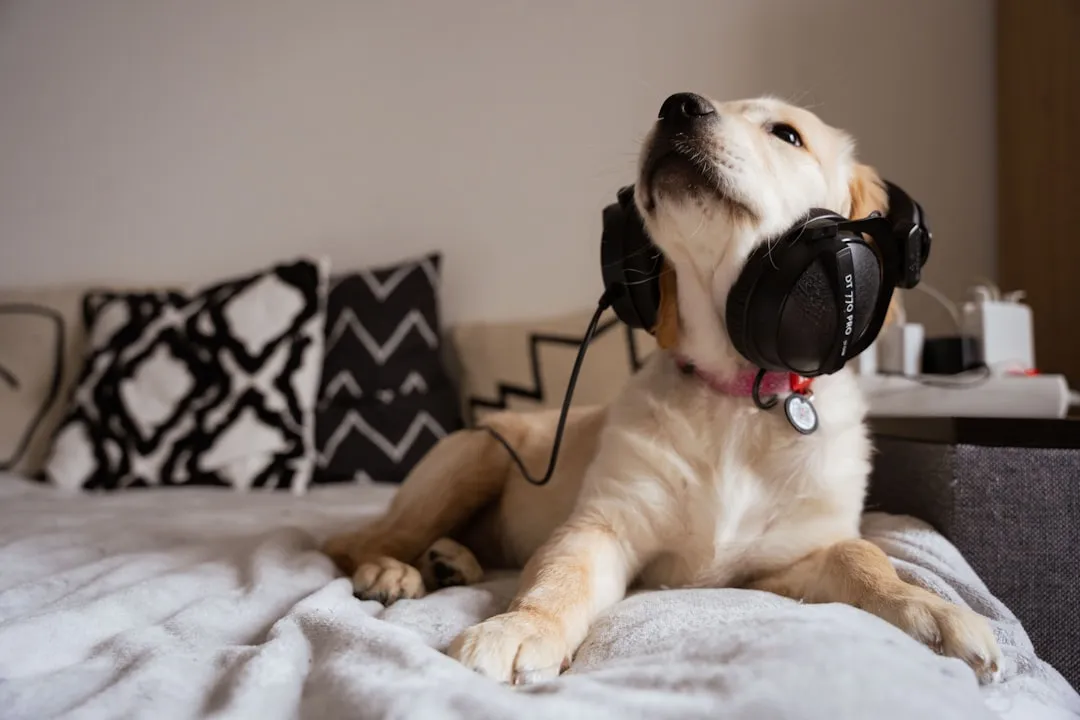
This one is so subtle most families never catch it. Say your dog’s name from another room, then have someone else say it the exact same way. A dog that’s singled out one person will physically respond differently – faster ear pricks, a softer tail wag, a full-body wiggle reserved just for you.
Researchers have found dogs process a beloved, familiar voice with an emotional layer on top of simple recognition – the same way we perk up at a loved one’s voice in a crowd. You might both technically “own” the dog, but their body gives away who they’re actually most thrilled to hear. It’s a detail no amount of training can fake.
#9 – They Gently “Block” Others From Getting Too Close to You
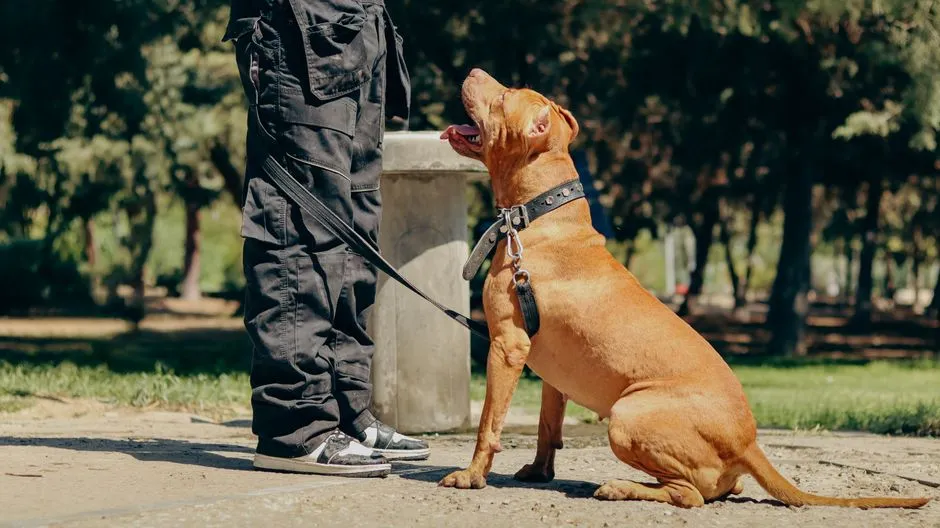
Here’s where it gets a little uncomfortable. Some people call it cute; behaviorists quietly call it guarding. A dog that’s marked you as theirs may start wedging their body between you and other people or dogs – squeezing into a hug, leaning across your lap when a visitor sits too close.
Not all of this is aggressive, but the early signs are worth watching: a subtle stiffening when another dog jumps up next to you, or the dog physically inserting themselves onto the couch between you and a family member. It can feel flattering in the moment. It’s also a sign your dog sees you as something they feel they need to control access to, and left unmanaged, that instinct can escalate.
Worth Knowing
- Loose, wiggly body language with soft eyes usually signals affection, not guarding.
- A stiff posture, a hard stare, or a tucked tail can mean tension is starting to build.
- A low growl aimed at anyone approaching you is a clear cue to step in early.
- Rewarding calm, relaxed behavior near others – rather than punishing the wedging itself – tends to redirect the instinct without shutting down affection.
#10 – They Mirror Your Energy More Than Anyone Else’s
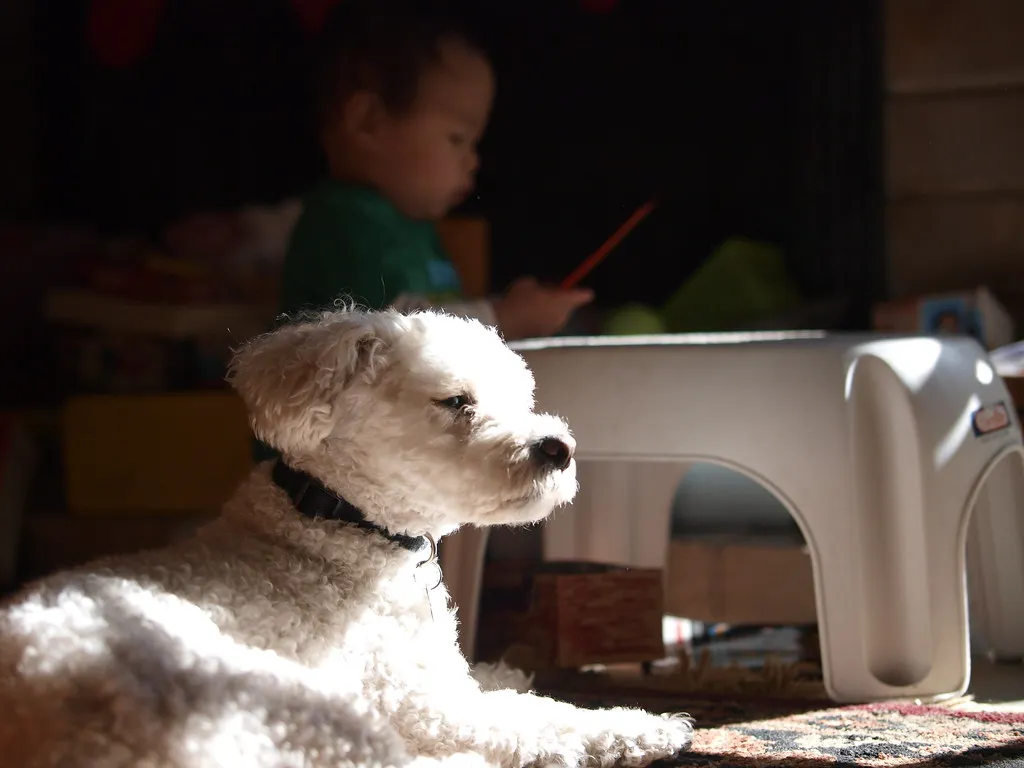
Every household has one person whose mood quietly sets the emotional weather for the dog. If that’s you, your dog becomes a live mirror of your state, largely ignoring everyone else’s energy in the room.
You’re anxious, they pace. You’re calm, they flop over with a sigh. You’re wound up, suddenly they’re zooming laps around the living room. Dogs are expert readers of human micro-expressions, and they prioritize the emotional signals of their primary attachment figure above anyone else’s. Some trainers believe this is exactly why certain dogs seem chronically anxious – they’ve simply bonded with the most emotionally volatile person in the house.
#11 – They Tolerate Your Handling in Ways They Won’t Allow From Others
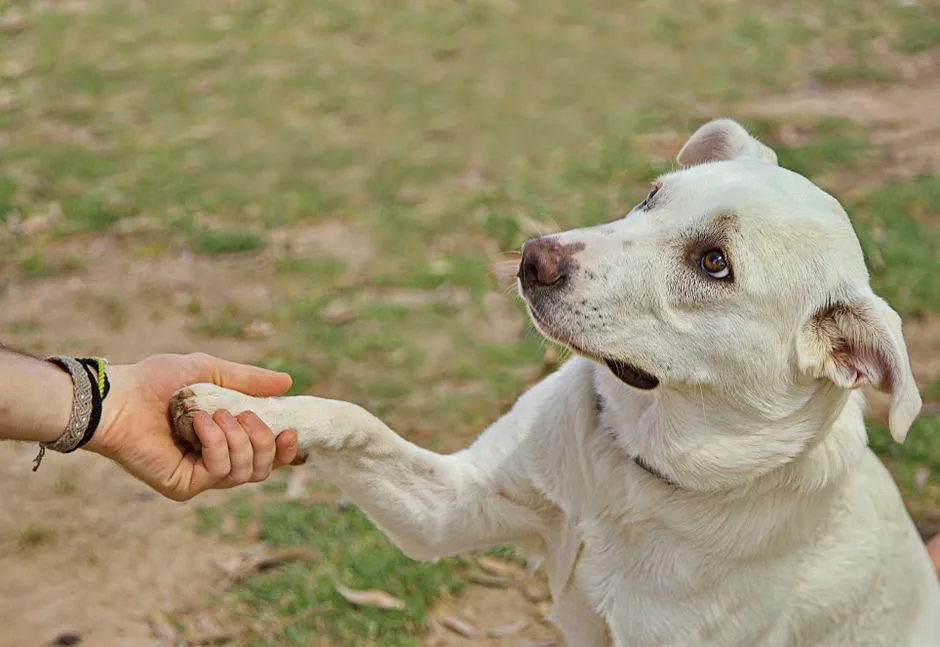
Most dogs have boundaries around touch – paws, tail, ears, belly. The quiet giveaway of a chosen person is whose hands get to cross those lines. A dog may pull away when someone else brushes them, then go completely still for you doing the exact same thing.
Dogs that have marked one person often allow that human to check their teeth, reposition them mid-sleep, or pick them up when they’re clearly not thrilled about it. This isn’t a free pass to ignore a dog’s discomfort – even a favorite person should respect it. But behavior professionals see this tolerance as a genuine trust signal: the dog is betting, without hesitation, that you won’t hurt them even while exposed and uncomfortable.
#12 – They Wait for Your Return, Not Just Anyone’s
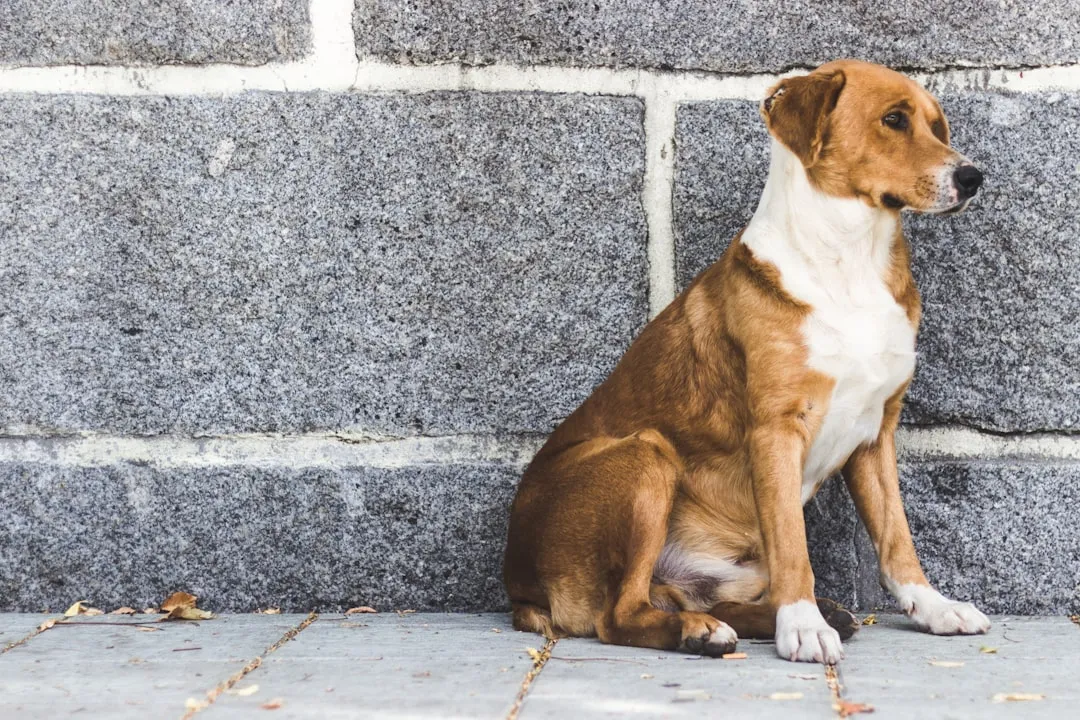
Families love insisting “he gets excited for whoever walks through the door,” but the pattern usually tells a different story. A dog that’s chosen one person shows a distinctly different reaction to that human’s absence – and return.
They might watch the window right around your usual time, give a flat, polite greeting to everyone else, then explode with joy the second you appear. It stings for the person who feeds, walks, and trains the dog the most and still isn’t “the one.” But attachment doesn’t reliably follow effort – dogs, like people, make their own unscientific choices, and that waiting behavior is one of the clearest tells of who they picked.
#13 – They Guard the Spot Next to You Like It’s Contested Ground
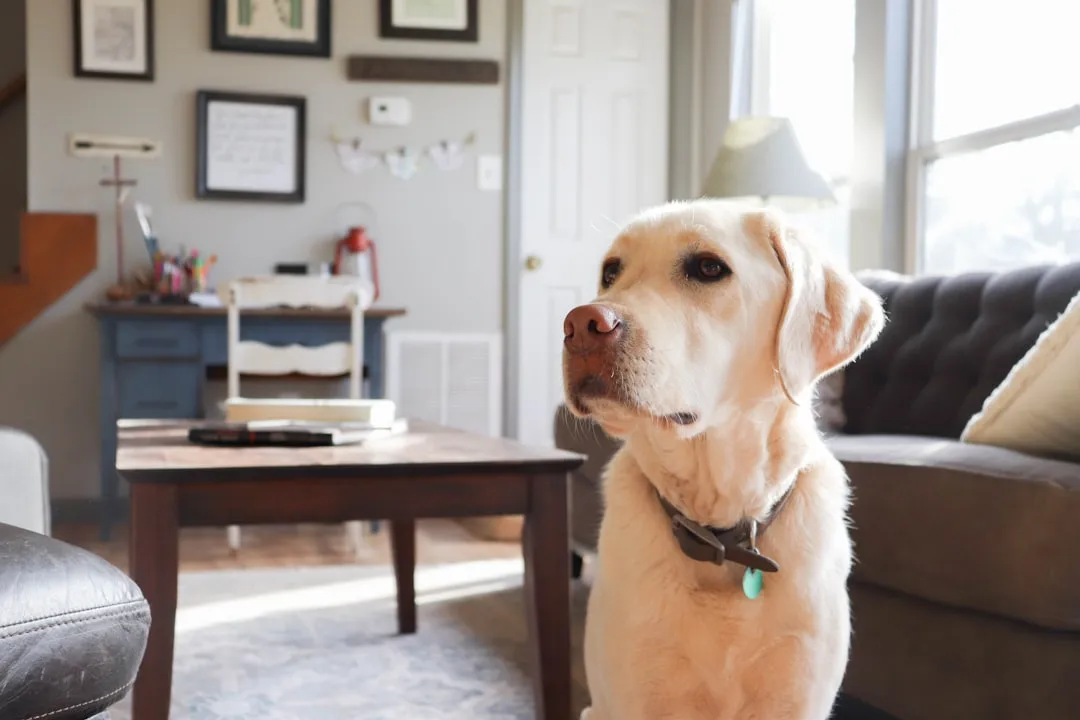
Look at your living room’s unofficial seating chart. Who gets the spot directly beside you? Dogs that have claimed one person often treat that space – your side of the couch, your side of the bed – as territory worth defending.
Watch for the dog sliding in between you and someone else, or a flat, low-key stare aimed at another pet that dares curl up against you. People tend to call this jealousy. It’s more precise to call it proximity defense – the dog protecting access to their chosen human. Experts genuinely disagree on whether owners should allow it, but either way, it’s a quiet, repeated declaration: this person is mine.
Quick Compare
- “Jealousy” framing: Treated as a cute personality quirk, easy to dismiss or laugh off.
- “Proximity defense” framing: Read as a deliberate positioning pattern worth tracking over time.
- Jealousy framing: Encourages owners to ignore repeated wedging or staring.
- Proximity defense framing: Prompts owners to notice if the behavior is intensifying around new people or pets.
#14 – They Use Tiny “Micro-Touches” Only With You
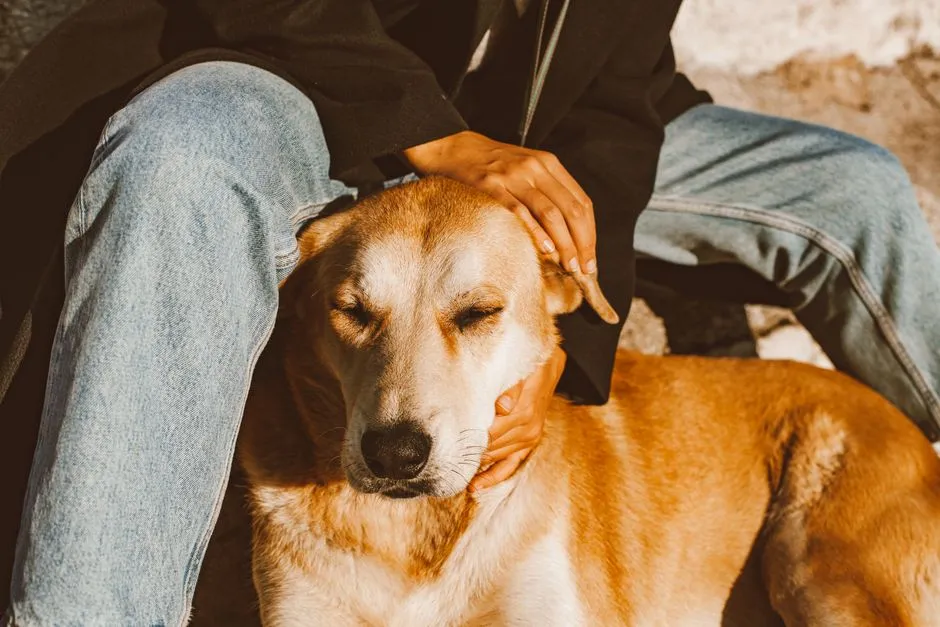
Everyone notices the obvious cuddling. Almost no one notices the half-second touches – a paw resting briefly on your ankle, a nose bump to your calf mid-stride, sitting just close enough that a single whisker brushes your leg.
Dogs that have emotionally claimed one person use these brief contacts like a constant, low-effort ping: are you still there, am I still okay? With other people, even ones they adore, they’ll sit nearby. With you, they seem to need to physically touch you, even in ways barely noticeable. Many owners only notice the difference when the dog briefly stays somewhere else and those tiny touches simply stop happening.
#15 – They “Read” Your Face Before Making Any Decision
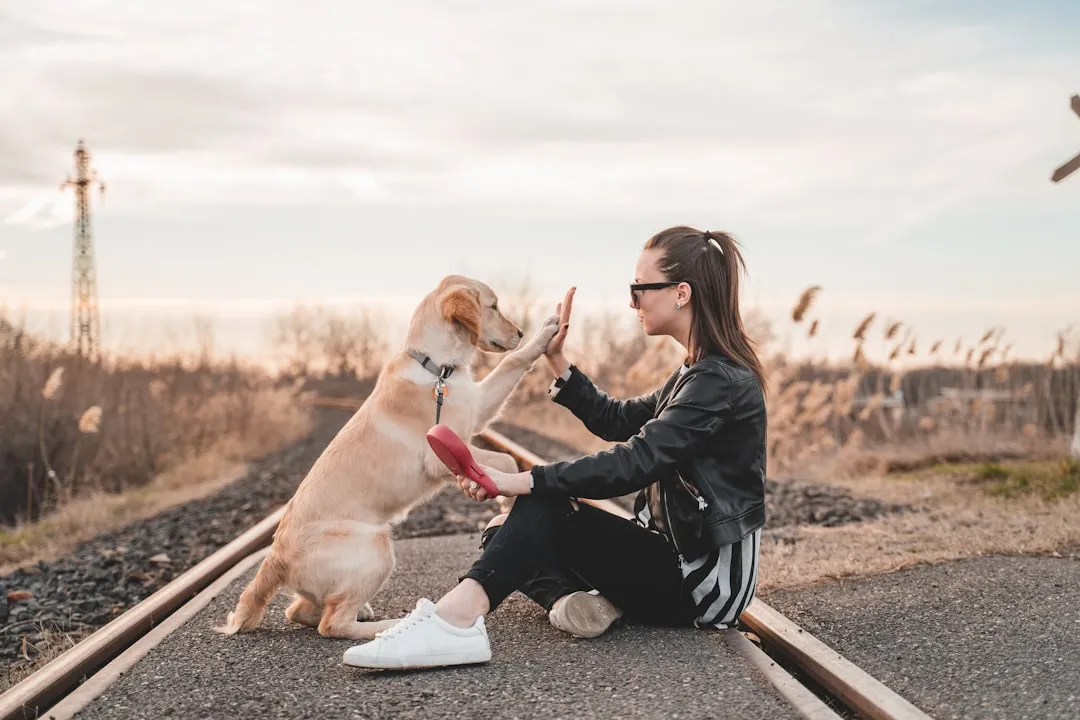
You know that split-second pause before your dog steals food off the counter, approaches a stranger, or jumps on the couch? Watch whose face they check first. A dog that’s chosen one person looks specifically at that human’s expression before committing to anything, even when someone else is standing right there.
It’s more than seeking permission – it’s called social referencing, and it means your dog is using your emotional cues specifically to interpret the world. Partners sometimes get genuinely offended when the dog shrugs off their disapproval and only cares what you think. But in the dog’s mind, the hierarchy is already settled. You’re not just the leader. You’re the reference point.
#16 – They Share Their Most Vulnerable Moments Only With You
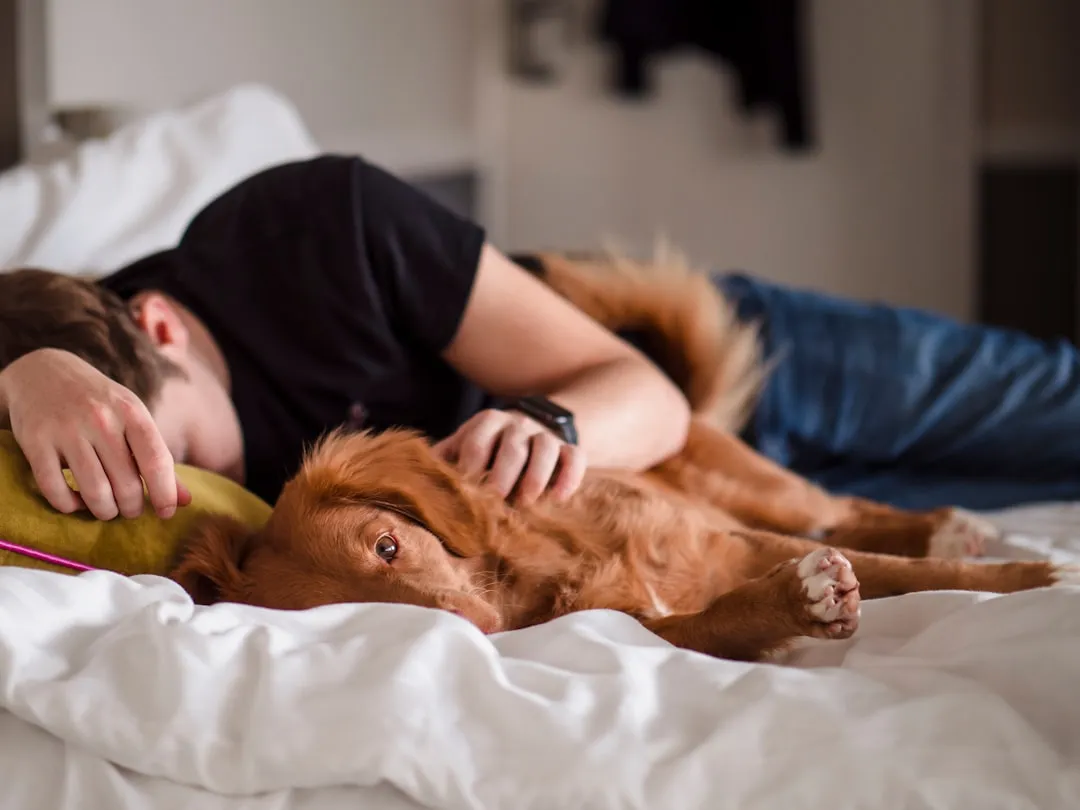
Here’s a sign almost nobody talks about: who your dog chooses to be sick, scared, or exhausted around. Dogs that have picked one person often save their most fragile states exclusively for that human, hiding discomfort from everyone else in the house.
They might act perfectly fine around the rest of the family, then suddenly lean their full weight against you, or only tremble and seek contact during a thunderstorm when you’re the one present. Some behaviorists believe this happens because you’ve become their emotional den – the one place they feel safe enough to stop performing and just be fragile. That’s not just cute. It’s the dog quietly telling you that you’re the safest place they know.
#17 – They Ignore Other People’s Rules If They Conflict With Yours
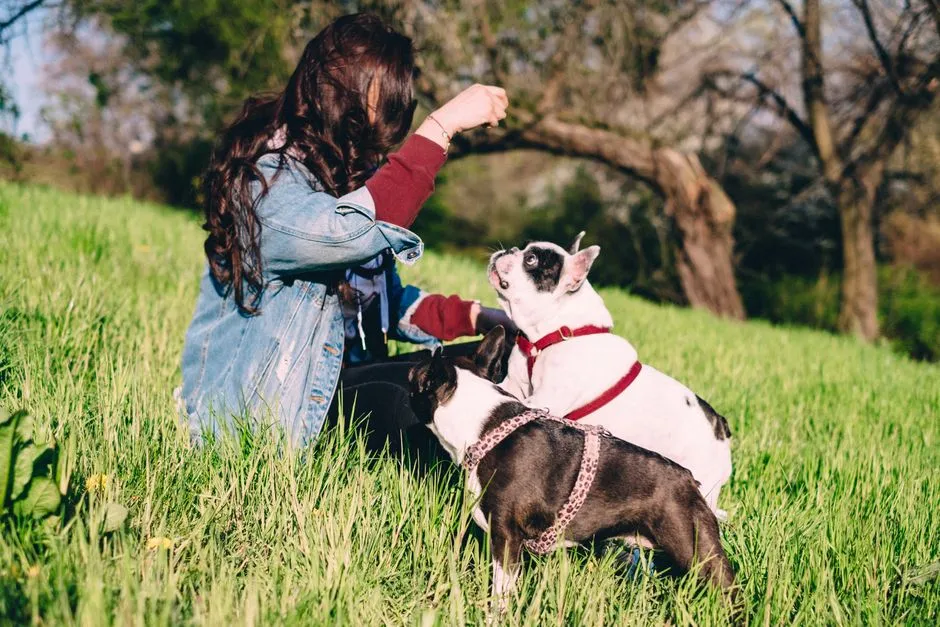
This is where attachment becomes genuinely inconvenient. A dog that’s chosen one person may flatly ignore another family member if that person’s rule contradicts what their chosen human allows.
If you let the dog on the couch and your partner doesn’t, guess whose rule usually wins in the dog’s head. You’ll see the dog only comply once you repeat a cue someone else already gave, glancing at you first as if for final approval. It’s frustrating for everyone else, but from the dog’s perspective it’s simple: their attachment figure is the rulebook, and everyone else is a rough draft. It’s also exactly why behaviorists push families to align on rules instead of letting the dog quietly decide the hierarchy.
At a Glance
- The dog waits for your cue even after another family member has already given the same command.
- Rules you set tend to stick, regardless of who else tries to enforce or override them.
- Mixed messages between family members can leave a dog confused about structure, not just “stubborn.”
- A single, agreed-upon rulebook across the household tends to reduce this tug-of-war fastest.
#18 – Their Whole Body Softens Around You, and Only You
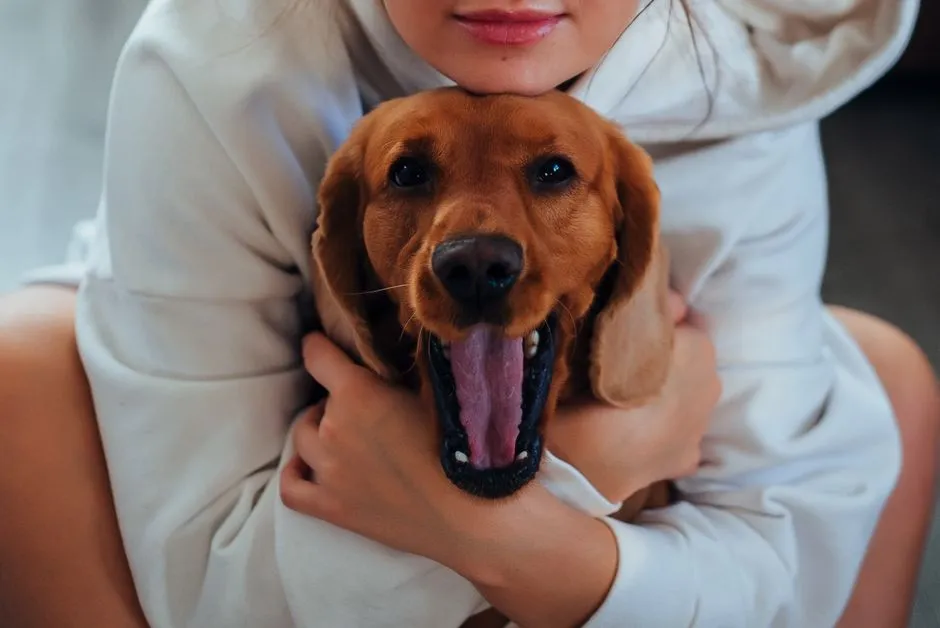
The most powerful sign is also the quietest one: body softness. A dog that has truly marked one person as their own shows a physical relaxation around that human unlike anything they offer anyone else – droopier eyes, loosened muscles, deeper breathing, and those big, satisfied sighs you never see them give to anyone but you.
This isn’t excitement anymore. It’s total safety. Compare how your dog sleeps alone versus pressed against you, or how they merely accept petting from others but genuinely melt under your hand. Many behavior experts consider this the real gold standard of attachment – not who they play hardest with, but who they rest with the deepest. If your dog saves their most peaceful, floppy, defenseless self for you, they’ve already made their choice, and it’s louder than any bark.
The Bottom Line
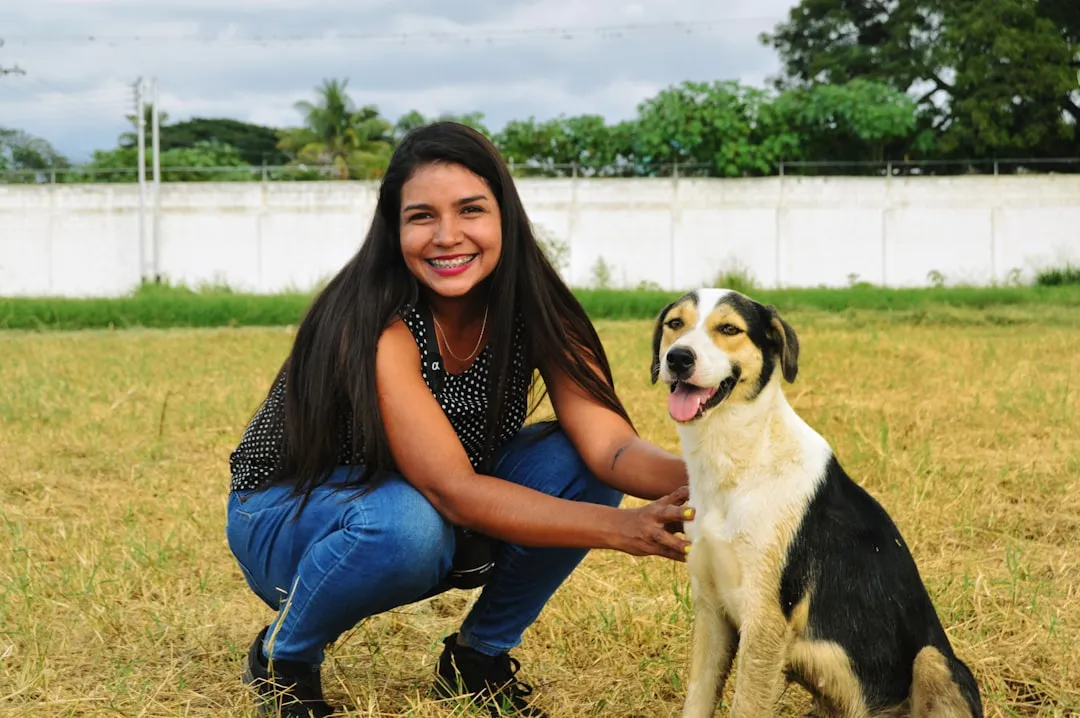
Most families go looking for the flashy signs of love – big greetings, zoomies, dramatic cuddle piles – while the real story is being told in tiny, almost invisible choices: a glance across the room, a sleeping spot, a half-step closer to one person than to everyone else.
Dogs quietly mark one human as their emotional territory long before anyone in the house catches on, and the science backs that up far more than the comforting myth of “equal love.” That bond is beautiful, but it’s also a responsibility – if your dog has chosen you, their sense of safety and confidence is now tied to how you show up for them.
Some people will find that unfair. Others will find it humbling. Either way, the real question isn’t whether your dog loves the whole family. It’s whether you’ve been paying enough attention to notice who they actually chose.

- 14 Things Your Senior Cat Does in Its Final Season That Vets Say Owners Rarely Ever Recognise - August 3, 2026
- 17 Dog Breeds That Get Easier With Every Year and 9 That Get Considerably Harder - August 3, 2026
- 14 Quiet Things a Horse Only Ever Does Around the One Person It Has Truly Bonded With - August 3, 2026