
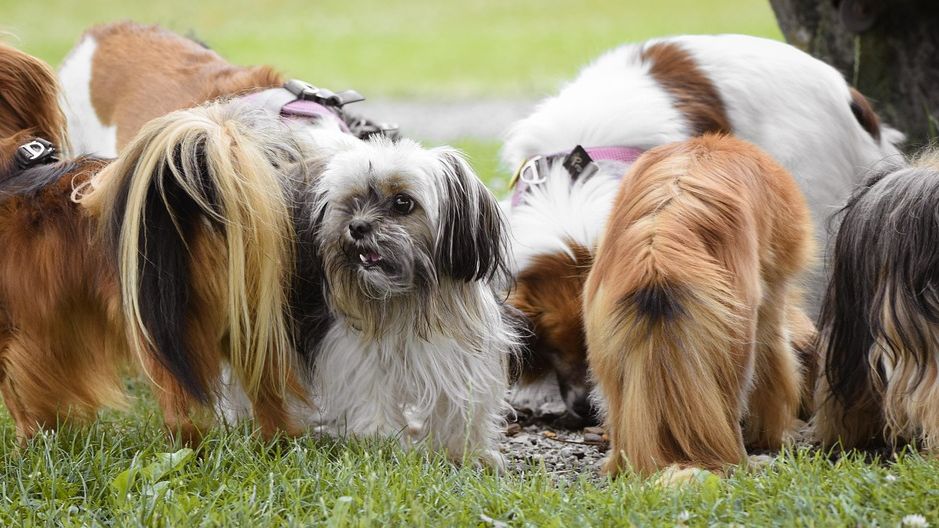
If you’ve ever watched a dog cower at the sight of a harmless bicycle or bark ferociously at every passerby, you’ve witnessed the aftermath of poor socialization. It’s heart-wrenching, honestly. These behaviors don’t just appear out of nowhere.
Think of socialization as your dog’s passport to navigating the world without turning into a nervous wreck or, worse, a potential danger to others. The window for this critical learning phase is shockingly brief, yet many dog owners either miss it entirely or approach it the wrong way. What happens next can shape your dog’s entire life, for better or worse.
So let’s dive in and explore exactly why those early weeks matter so much, and what’s at stake if we get it wrong.
The Critical Window That Closes Forever

The critical social development period for dogs is approximately between 3 and 14 weeks, when they are most accepting, less cautious, and very curious about their environment. Let’s be real here, this is not a long time. During this period, puppies’ brains are neurologically primed to accept new experiences as normal parts of life, and this biological window closes permanently.
Think of it like a sponge that dries up. During these weeks, puppies’ brains produce higher levels of certain neurotransmitters that make them naturally curious and less fearful, but after about 14 weeks, dogs become naturally more cautious and suspicious of unfamiliar things. It’s an evolutionary adaptation that kept wild canines alive, sure, but in our modern world, it creates significant challenges.
Missed opportunities during the critical puppy socialization period put pups at risk of becoming shy, fearful, defensive adult dogs. I know it sounds dramatic, but this isn’t something you can fully make up for later. The Critical Socialization Period is time you will never get back.
The fascinating part is how permanent early learning becomes during this phase. Anything puppies experience once or twice in a positive way during this period will be something your pup is comfortable with for the rest of his life. Conversely, negative experiences or lack of exposure can create lasting fears that require extensive behavior modification as adults.
Learning is permanent at this age. That’s both wonderful and terrifying when you really stop to think about it.
Building Confidence Instead of Fear

Confident dogs know how to navigate the world without fear because they understand that other dogs aren’t out to get them, that strangers aren’t a threat, and that loud noises can’t hurt them. Here’s the thing though: dogs can’t magically develop this understanding. They need exposure.
When your socialized dog faces unfamiliar people, dogs, and places without fear, he will be happier and more confident throughout his life, making your job as a dog owner easier and more enjoyable. It genuinely transforms the entire experience of dog ownership. Instead of dreading walks or visitors, you can actually enjoy them.
Dogs who have been properly socialized feel and act confident when responding to unexpected or unfamiliar situations, and these pups don’t cower or hide behind their parent’s body, which can invite aggression from other dogs. The body language of a confident dog communicates calm to other animals around them.
Honestly, the difference is night and day. A well-socialized dog approaches new situations with curiosity rather than panic. They’re relaxed, adaptable, and genuinely happier creatures because their world isn’t filled with constant perceived threats.
Confident dogs will greet new dogs and people with their tails in a neutral position, and a calm but curious countenance, and their relaxed responses foster similar reactions from other canines around them.
Preventing Aggression and Behavioral Problems
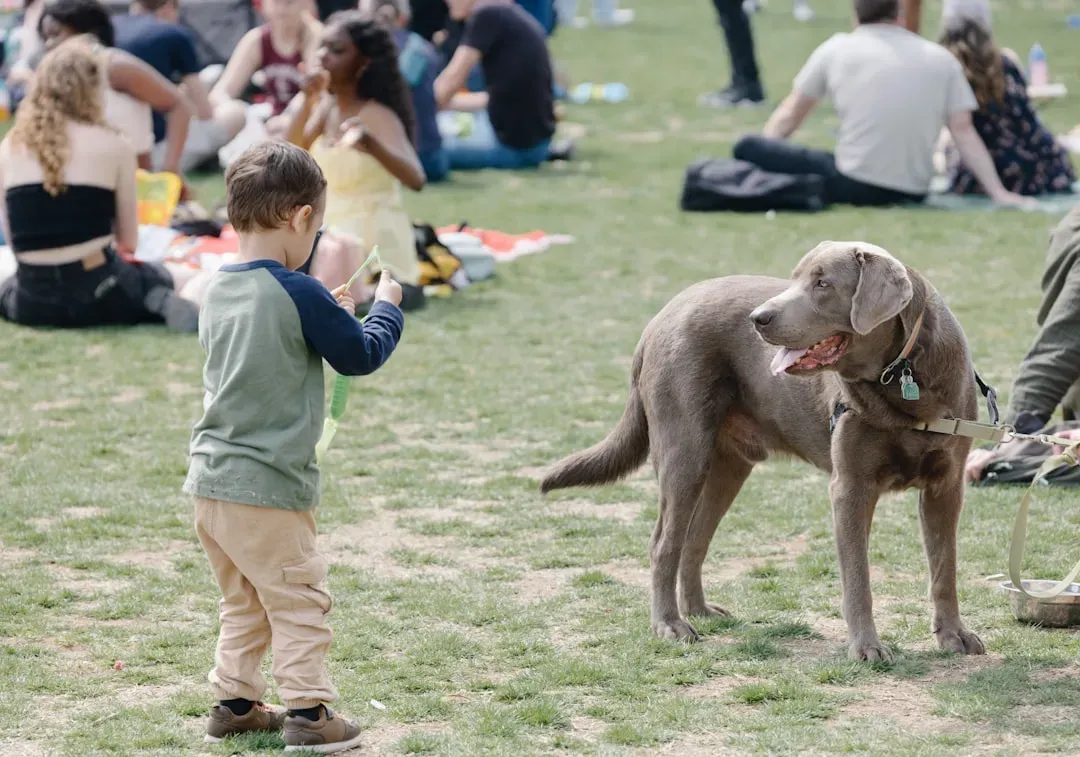
Dogs that are appropriately socialized as puppies are less likely to exhibit behavioral problems as adults, including aggression and fearfulness, and are more likely to engage in positive social behaviors with humans. The link between socialization and adult behavior problems is remarkably strong.
Behavioral problems are the biggest reason for owner relinquishment of dogs, so early socialization and training are essential and can help save the lives of many dogs. That’s a sobering reality. We’re not just talking about inconvenience here. We’re talking about life and death for many dogs who end up in shelters because of preventable behavior issues.
The dog may have received inadequate socialization as a puppy, may have been exposed to early traumatic experiences, or may have a genetic predisposition that makes him more likely to respond fearfully in certain situations. Fear is the driving force behind most aggression. Bullies, like aggressive reactive dogs, are actually afraid, and they use aggression to ease their anxiety.
Dogs who aren’t socialized often engage in unwanted behaviors like barking and nipping at strangers, being impolite at the dog park, or fighting with other dogs over toys, food, and attention. These aren’t just annoying quirks. They’re serious problems that can escalate and potentially result in injury or legal issues.
Reactive dogs are not necessarily aggressive dogs, but reactivity can turn into aggression, so your attention to training becomes extremely important.
The Health Benefits You Didn’t Expect

Mental stress is reduced when fear and anxiety are in check, and dogs who have been socialized properly will be less vulnerable to health conditions shown to arise from constant anxiety and stress, such as Cushing’s Disease, depression, GI upsets, skin ailments, diabetes, or heart disease. I’ll admit, I didn’t realize the connection was this strong until diving into the research.
Chronic stress literally wreaks havoc on a dog’s body, just like it does for humans. When your dog is constantly on edge, fearful of everyday occurrences, their body is flooded with stress hormones. Over time, this takes a serious toll on their physical health.
Socialized dogs handle vet exams more easily. This alone makes socialization worthwhile. Vet visits are stressful enough without your dog being terrified of being handled or examined. The more socialized pets are, the more comfortable they tend to be in grooming situations.
Less stress can also result in a reduction in bad behaviors such as indoor elimination, destroying shoes or furniture, or barking excessively. These destructive behaviors often stem from anxiety, not spite or misbehavior as many people assume.
When you reduce your dog’s overall stress levels through proper socialization, you’re literally giving them a healthier, longer life. That’s not an exaggeration.
Opening Up Your World Together
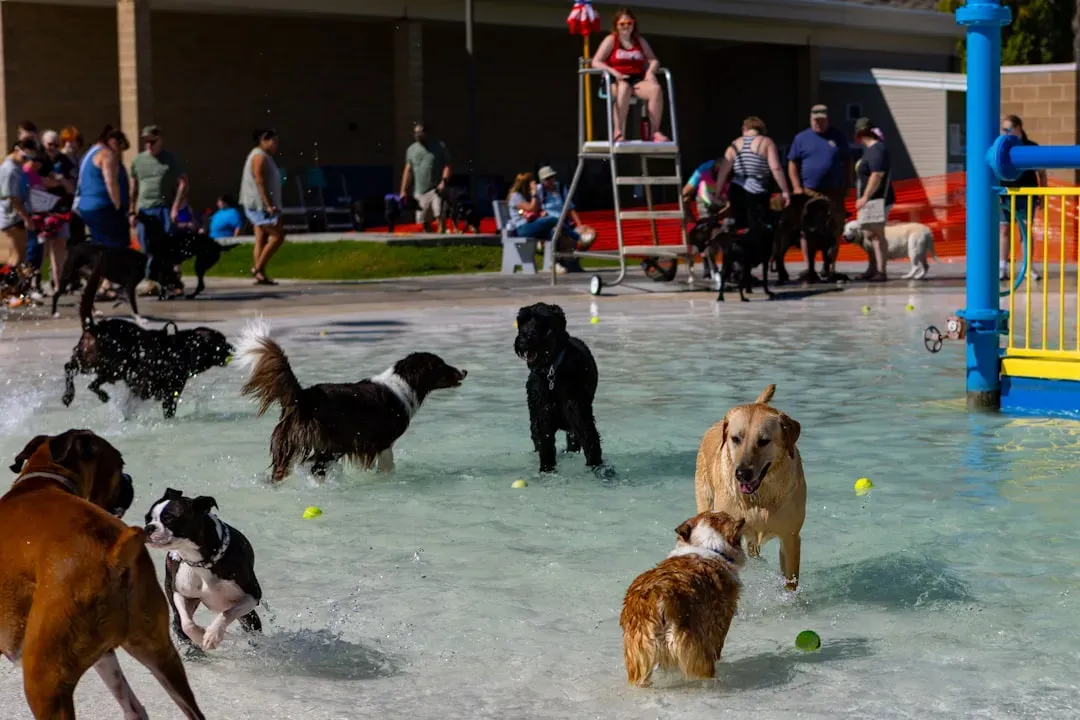
Having an unsocialized dog severely limits where you can go with your pup and what you can do, as dog parks are out, leaving your dog at doggy day care for a weekend getaway becomes impossible, visits from friends may be troublesome, and even walking your dog may require planning to ensure limited encounters with other people and dogs. It’s like living in a prison of your dog’s fears.
An under-socialized dog’s world is very small, because life outside the front door is frightening and unpredictable, and going in the car, stopping by dog-friendly stores and hiking new trails are out of the question because the dog isn’t comfortable in the new environments. Meanwhile, other dog owners are enjoying café visits, beach trips, and social gatherings with their well-adjusted pups.
When your dog is able to handle social settings with ease and poise, he or she gets to enjoy life more, whereas if your dog is anxious, afraid, or exhibits unpredictable behaviors when in new places or around new people, it is much harder for them to join you in all aspects of your life. The difference in quality of life is massive.
Think about all the experiences you want to share with your dog. Road trips, outdoor dining, visiting friends and family, exploring new places. Without proper socialization, these simple pleasures become sources of stress and anxiety for both of you.
Socialized dogs can go almost anywhere, and dogs that have been introduced to a variety of situations as a puppy have learned that just because something is new doesn’t mean it’s scary.
What Happens When You Get It Wrong

Puppies who don’t receive adequate socialization during this period often develop fear-based behaviors, reactivity, and anxiety that require extensive behavior modification as adults. The consequences are real and often heartbreaking. Missing proactive exposure training during the critical socialization window often results in a dog who exhibits fearful, anxious, over-excited, or aggressive behavior.
Because some dogs didn’t get the positive reinforcement they needed until after their puppy socialization period had passed, they will likely always have a few hang-ups, though owners can work to make up for lost puppy socialization time and be there to love and reassure them every step of the way. It’s hard to say for sure, but the damage from missing this critical window can be permanent in some cases.
Poor socialisation will mean that the dog is missing information that will help it to live in a society with human beings and other animals, and aggression most often occurs through fears and anxieties, so with poor socialisation, this fear is from a lack of understanding about what things are and how to be. They’re essentially navigating our complex human world without a map or guidebook.
Dogs who lack early socialization might be reactive towards other dogs, or fearful around unfamiliar people, and some dogs who missed early socialization don’t do well with handling, such as at the groomer or veterinarian’s office, while some may even be anxious anywhere outside of their comfort zone at home or have noise anxiety during fireworks.
The tragic part is that many of these dogs end up abandoned or euthanized because their behavior becomes unmanageable. Yet most of these problems could have been prevented with proper socialization during those critical early weeks.
Conclusion
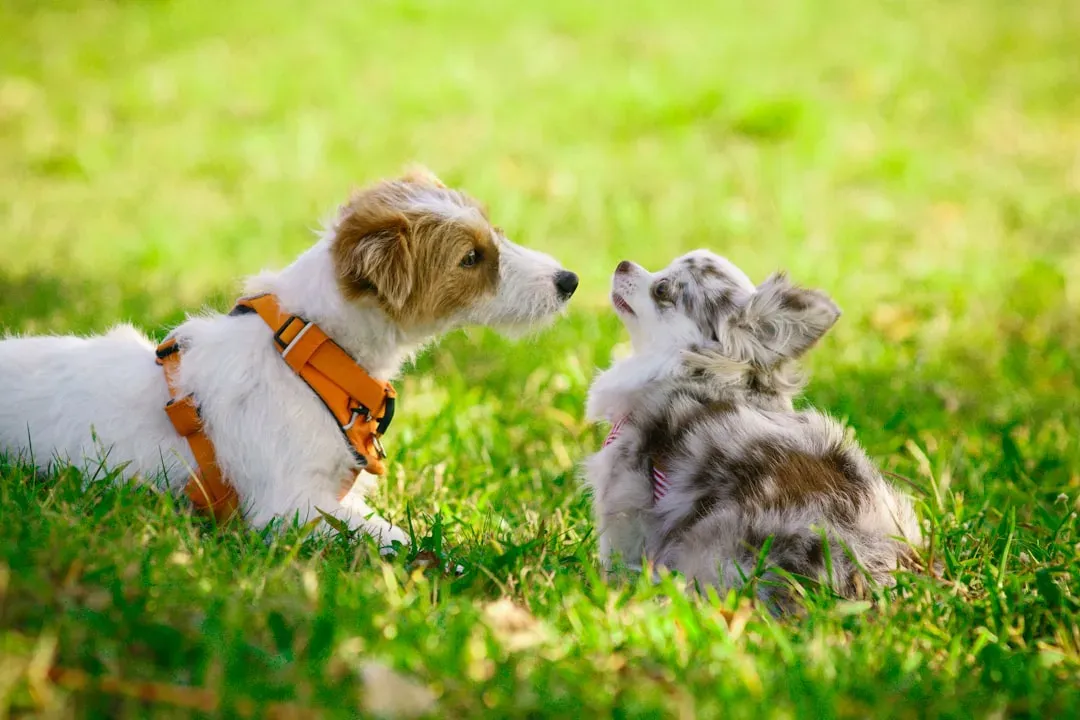
Dog socialization isn’t just about creating a well-mannered pet. It’s about giving your dog the tools to live a happy, confident life without constant fear and anxiety. The window is brief, the stakes are high, and the consequences of getting it wrong can last a lifetime.
The goal is raising a confident, well-adjusted dog who can handle life’s challenges with resilience and joy. When you understand what’s at stake, those early weeks of socialization suddenly seem less like a chore and more like one of the most important investments you’ll ever make in your dog’s wellbeing. The difference between a dog who greets the world with confidence versus one who shrinks from it in fear often comes down to those critical first few months.
Did you realize just how crucial that early socialization window truly was? What’s your experience been with socializing your own dog? Share your thoughts in the comments.

- 14 Signs a Dog Near the Rainbow Bridge Is at Peace With Its Person - July 21, 2026
- 15 Ways a Shelter Animal Tells You It Was Always Meant to Be Yours - July 21, 2026
- 14 Ways a Dog Shows You Are the Center of Its Whole World - July 21, 2026