
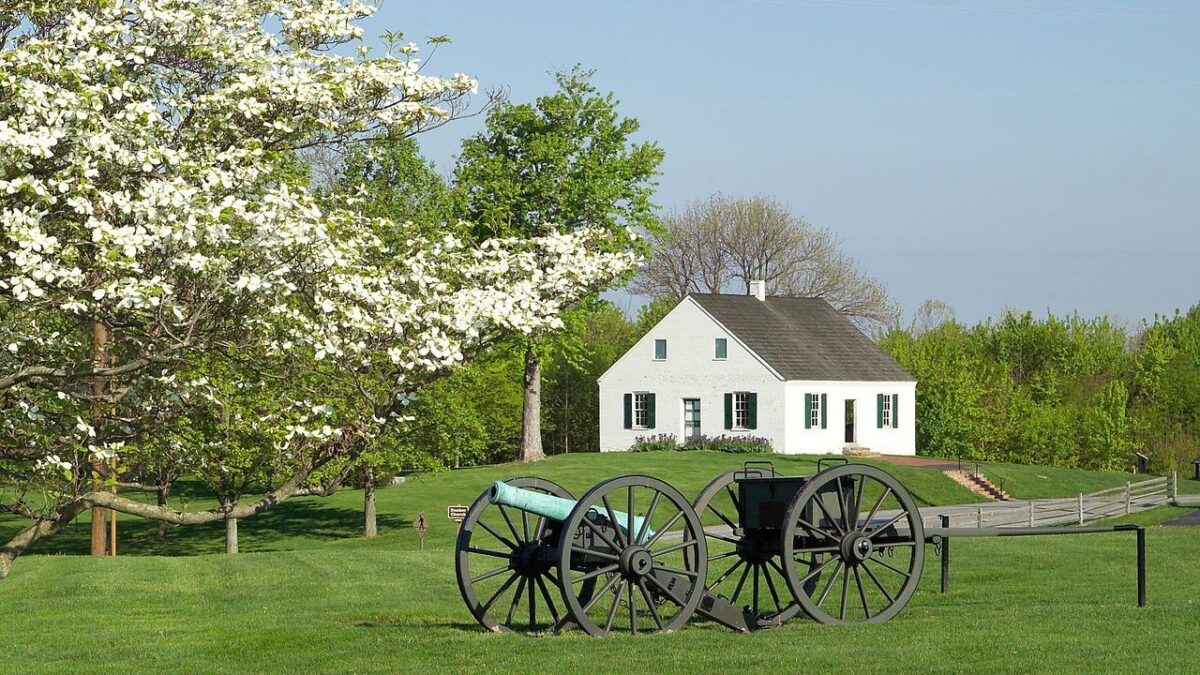
Walking through American battlefields is like stepping into the very pages of history itself. These places hold stories of courage, sacrifice, and moments that reshaped the nation. The ground beneath your feet witnessed some of the most pivotal events in American history, where ordinary people faced extraordinary circumstances.
These hallowed spaces serve as living monuments, places where reflection and remembrance meet, offering windows into our past and lessons that illuminate the path forward. Each battlefield carries its own unique weight, its own haunting beauty. Let’s explore seven of these sacred sites where history still echoes across the landscape.
Gettysburg National Military Park, Pennsylvania
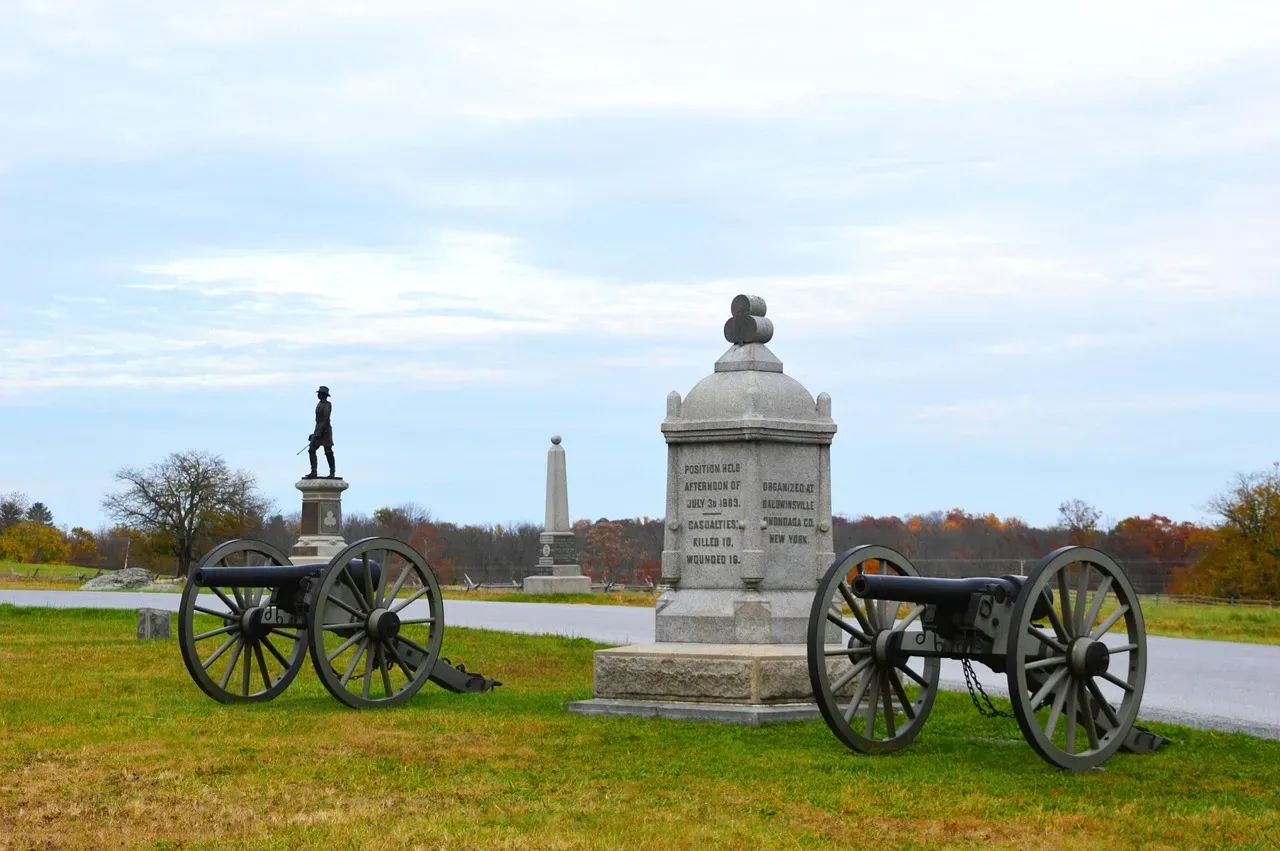
The Battle of Gettysburg marked the turning point of the Civil War, with more than 50,000 estimated casualties making the three-day engagement the bloodiest single battle of the conflict. Picture the summer heat of July 1863, when roughly 165,000 soldiers converged on this small Pennsylvania town. The fields of Little Round Top, Devil’s Den, and Cemetery Ridge became scenes of unimaginable ferocity.
Often called the High Water Mark of the Rebellion, Gettysburg was also the inspiration for President Abraham Lincoln’s immortal Gettysburg Address. Today, visitors walk the same ridges where desperate charges were made and heroic stands were taken. The park preserves fields, ridges, and monuments across more than 6,000 acres where Union and Confederate forces clashed.
Antietam National Battlefield, Maryland
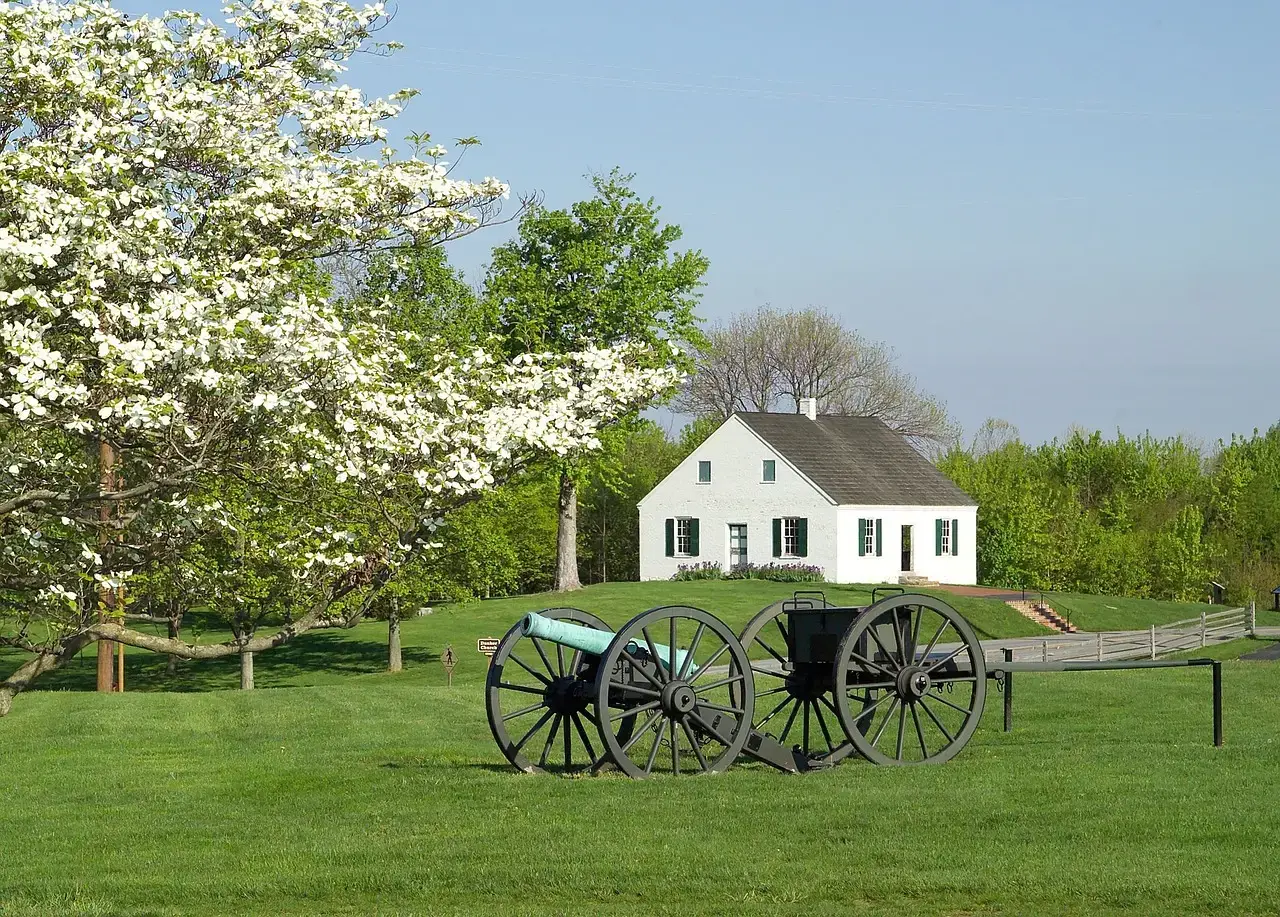
Here’s something that still sends chills down the spine: Antietam remains the bloodiest day in American history, with a combined tally of 22,727 dead, wounded, or missing on both sides. Just twelve hours of savage combat on September 17, 1862 produced casualties that eclipse many entire campaigns. The infamous Sunken Road, now called Bloody Lane, saw some of the most intense fighting imaginable.
While considered a tactical draw, President Lincoln claimed a strategic victory at Antietam, using it as the moment to issue his preliminary Emancipation Proclamation, forever changing the course of the war and nation by marrying the Union cause with an attack on slavery. Conservation work has earned Antietam a reputation as one of the nation’s best preserved Civil War battlefields, letting visitors experience the site nearly as it was in 1862.
Little Bighorn Battlefield National Monument, Montana
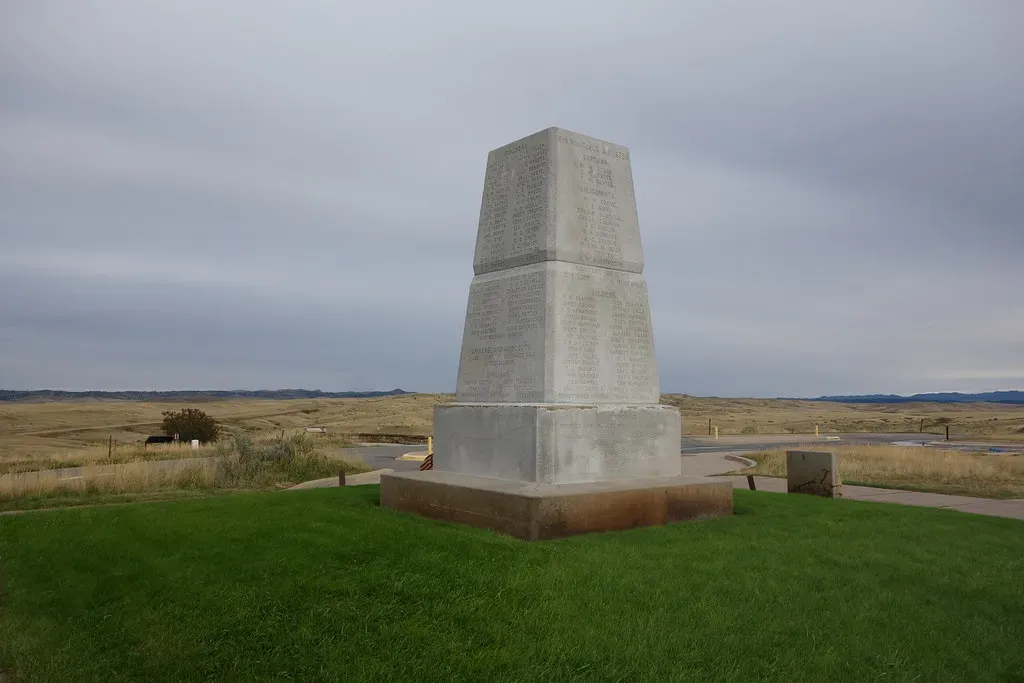
At Montana’s Little Bighorn Battlefield National Monument, we honor all who participated in the 1876 battle where Lakota and Cheyenne warriors defeated the 7th U.S. Cavalry in one of the most famous encounters in American history, representing the high-water mark in the struggle of American Indians against European American encroachment. The rolling Montana prairie witnessed Lieutenant Colonel George Custer’s entire immediate command being slain on June 25 and 26, 1876.
The battlefield’s cultural legacy far transcends its military significance, preserving a near-pristine field of engagement that includes critical combat sites, archaeological artifacts and numerous monuments commemorating the combatants. Looking out over Last Stand Hill, where markers indicate where soldiers fell, visitors experience something profoundly moving. The dedication of the memorial to their fallen held great significance to the tribes involved, with their achievement at arms finally recognized and their battle stories increasingly validated by scholars.
Pearl Harbor National Memorial, Hawaii
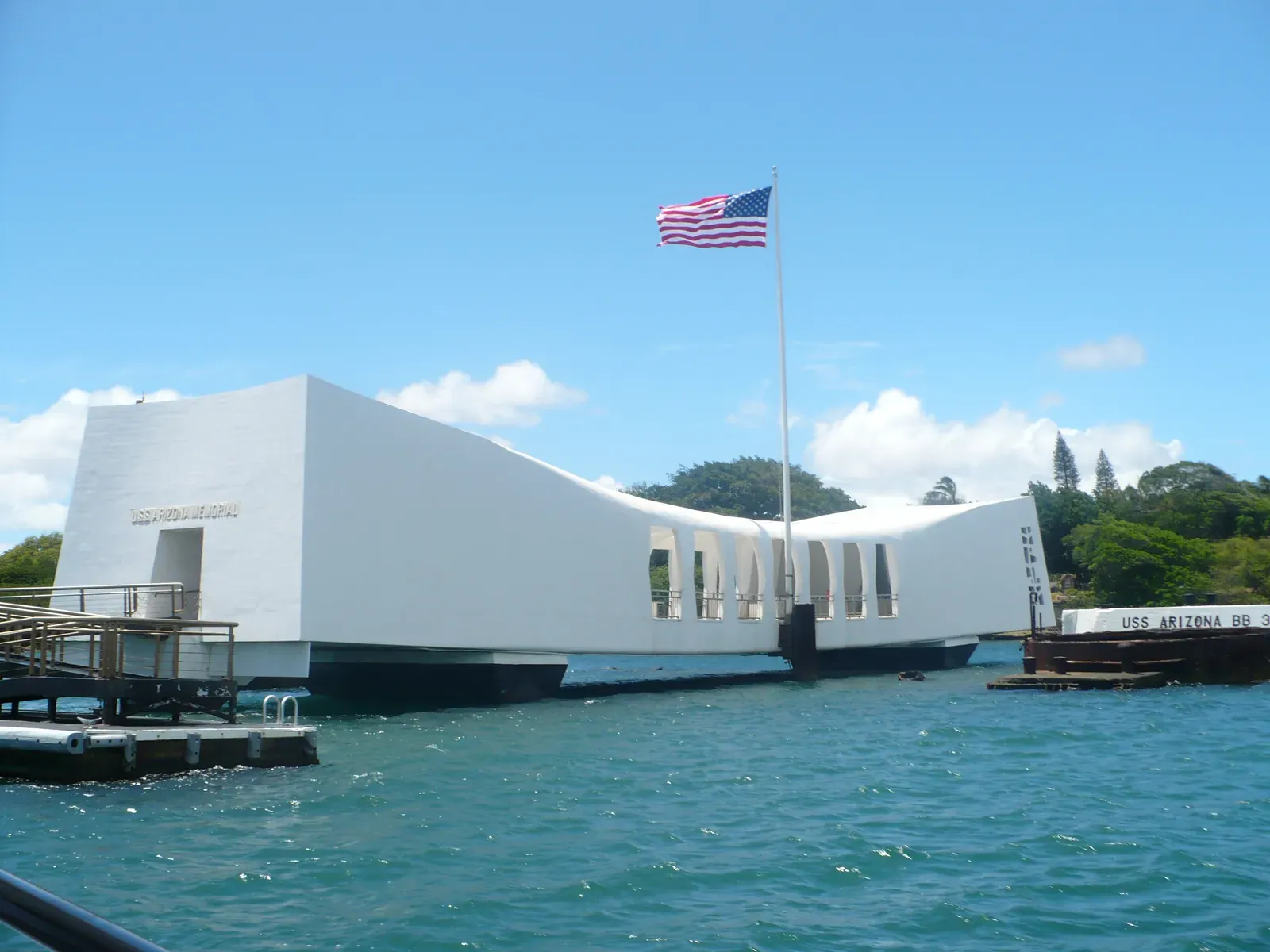
The site commemorates the events of the attack on Pearl Harbor on December 7, 1941, which killed over 2,400 Americans and sank twelve ships. That Sunday morning transformed America overnight, pulling the nation into the Second World War. Ford Island became ground zero when Japanese bombers executed their surprise assault on the Pacific Fleet.
Today, the USS Arizona Memorial is a place of somber beauty and quiet reflection, the final resting place of over 900 sailors and Marines. The memorial floats above the sunken battleship, where oil still rises from the wreckage like dark tears. Visitors stand on the actual battlefield inside authentic WWII hangars that withstood the attack and can ascend the historic Ford Island Control Tower, standing 168 feet above the battlefield, for a bird’s-eye view of attack points across Oahu.
Vicksburg National Military Park, Mississippi
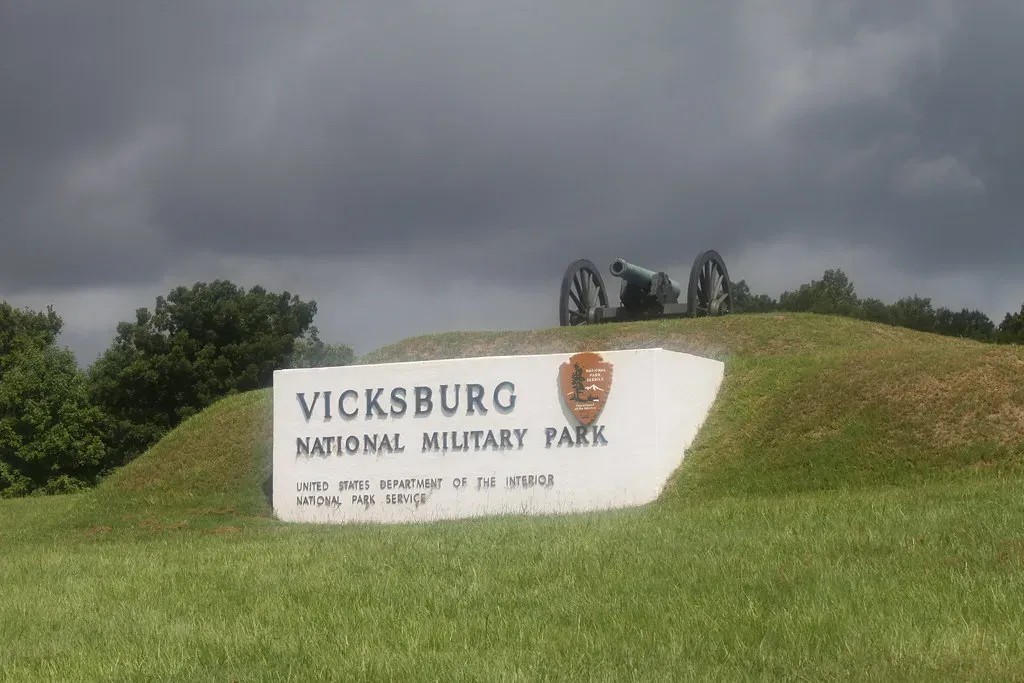
Over three months in the summer of 1863, Grant carried out one of the most brilliantly executed campaigns in military history, ultimately capturing the Gibraltar of the South and severing the Confederacy in two. The siege of Vicksburg was a masterclass in strategy. Ulysses S. Grant’s audacity in this campaign forever changed how people viewed him as a military commander.
Today, visitors to Vicksburg National Military Park can walk the trenches and scenes of battle where Lincoln’s great general changed the course of the Civil War. The preserved earthworks and fortifications remain remarkably intact. The park also features the recovered USS Cairo ironclad warship, pulled from a river bottom and now on display, offering a tangible connection to naval warfare during the conflict.
Yorktown Battlefield, Virginia
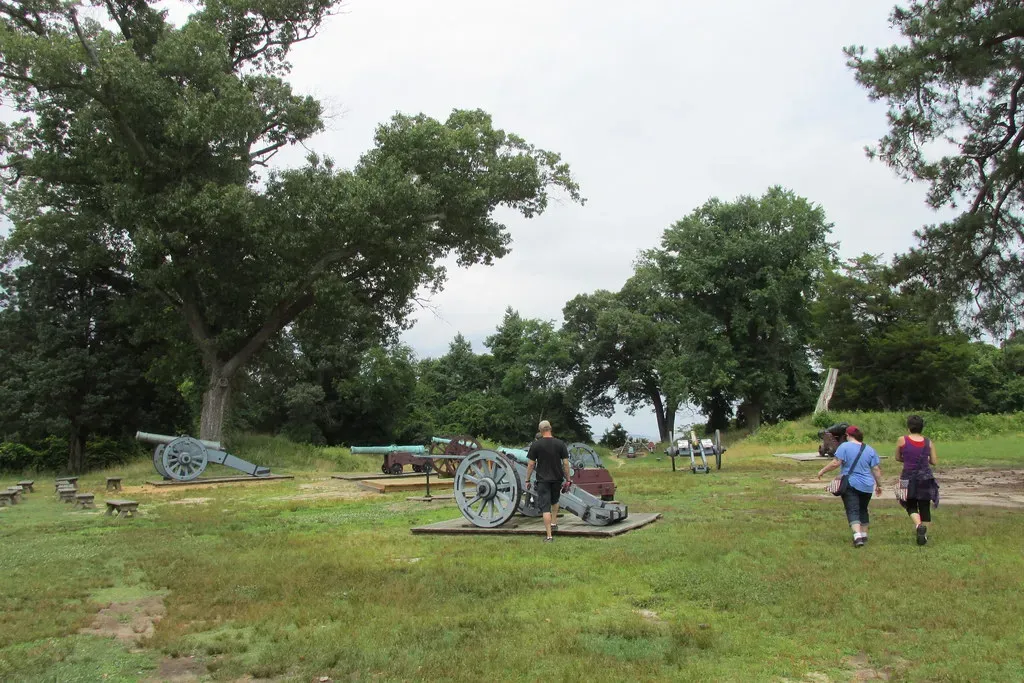
On October 19, 1781 at Yorktown, Virginia, General George Washington shocked the world when he secured the surrender of British General Charles Lord Cornwallis, and while the war would officially continue until the Treaty of Paris in 1783, the decisive victory ensured the success of the United States’ movement for independence. This was the moment American independence became reality rather than desperate hope.
Today, visitors to Colonial National Park can see with their own eyes the site of Washington’s most decisive victory. Walking the earthworks where French and American forces laid siege to the British, you can almost hear the cannons that forced surrender. The very first monument authorized for an American battlefield was endorsed by the Continental Congress in October 1781, calling for an inscribed marble column at Yorktown where the British surrender signaled hostilities were likely to soon end.
Lexington and Concord, Massachusetts
Early on the morning of April 19, 1775 a shot rang out in Lexington, Massachusetts, and while historians do not know who fired that shot, its significance cannot be overstated. That single gunshot ignited a revolution. The tensions between colonists and British troops finally erupted into open warfare on the village green and along the roads between Lexington and Concord.
The battles that followed claimed 122 lives that first day, as British regulars marched to seize colonial military supplies and American militia fought back. These encounters brought into existence a nation unlike any before it. Walking the Battle Road Trail today, where colonial militia harassed retreating British soldiers from behind stone walls and trees, you feel the birth pangs of American independence in every step.
Conclusion
Recognizing that people view these sites as hallowed ground gives us insights into how humans cope with grief and loss, connect with history or family, and make meaning of war, as pilgrims view battlefields as sacred places and have found ways to integrate their experiences at these sites with other fragmented parts of human existence.
These seven battlefields represent more than military history. They’re places where the American story was written in blood, courage, and determination. Each site invites us to remember those who gave everything, to understand the conflicts that shaped the nation, and to reflect on the costs of war and the blessings of peace. Standing on these sacred grounds, history doesn’t feel distant anymore.
Have you visited any of these hallowed battlefields? What would it mean to you to walk where history was made?
