
When you think about America’s wildest places, your mind probably drifts to big national parks or maybe that one time you saw a bear at a campground. Reality is, though, some states harbor creatures so strange, so specialized, that they exist literally nowhere else on Earth. These aren’t your garden-variety deer and squirrels.
We’re talking about places where evolution went rogue. States where isolation, diverse terrain, or sheer geographic luck created living laboratories packed with species that make biologists weak in the knees. Let’s be real, not all states are created equal when it comes to jaw-dropping biodiversity. So which ones actually deserve bragging rights?
Hawaii: The Ultimate Island Laboratory
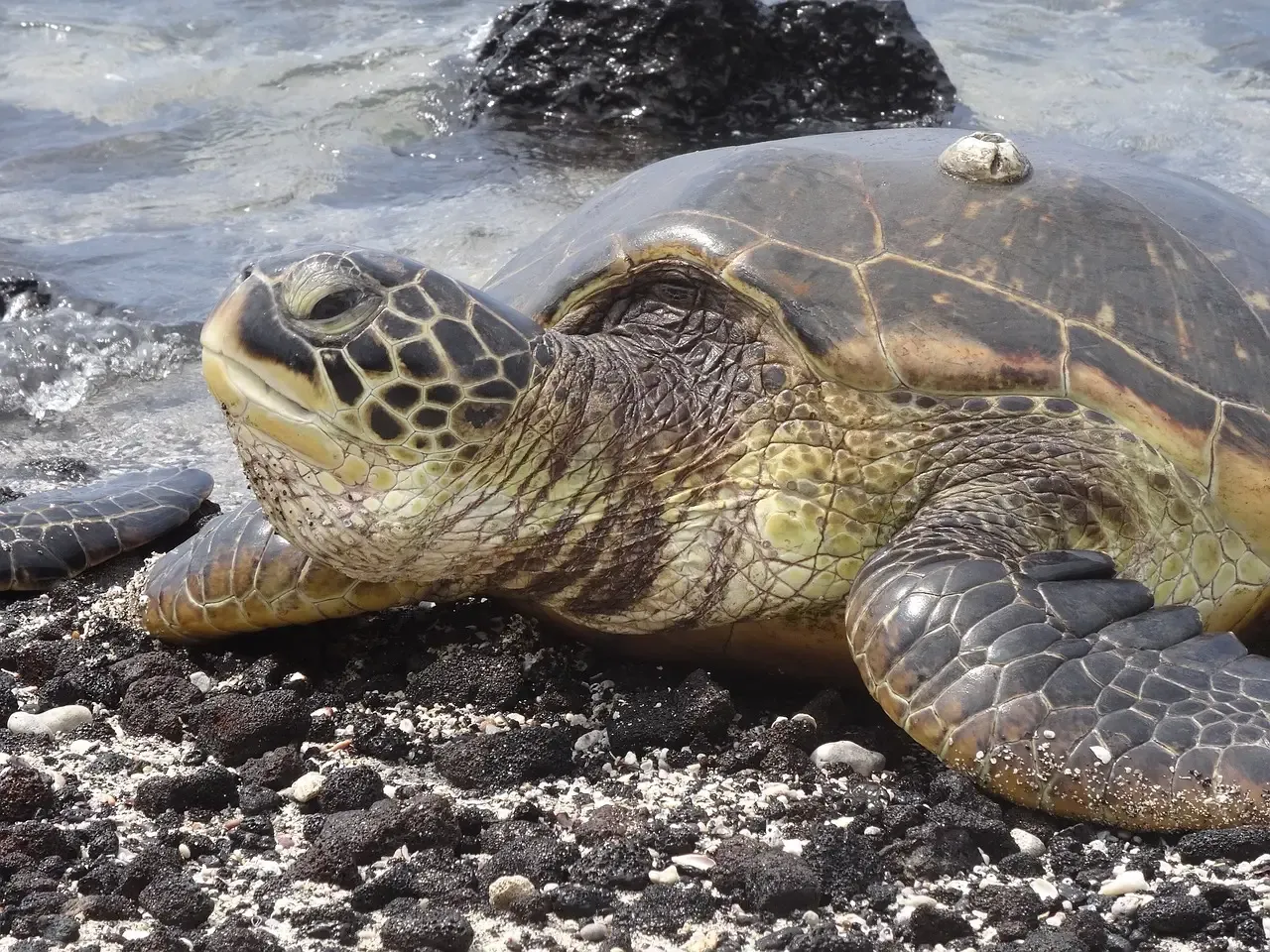
Hawaii holds the world’s highest percentage of endemic species, with roughly about ninety percent of terrestrial and more than a quarter of marine species found nowhere else on Earth. Think about that for a second. Nearly everything you see on land in Hawaii exists only there. That’s not just unique, honestly, it’s mind-blowing.
The islands’ isolation has led to the evolution of unique species found nowhere else, creating what some scientists call an evolutionary hotspot. Every native forest bird species can only be found in Hawaii, from the scarlet iiwi with its curved bill to the nēnē, the state’s endangered goose that nearly vanished in the mid-twentieth century.
Hawaii has over 6,000 species of native invertebrates, all of which are found nowhere else in the world. We’re talking insects, snails, spiders that evolved in total isolation. Hawaii has no native land mammals save for the diminutive Hawaiian Hoary Bat, a reclusive and rarely seen creature. The Hawaiian Monk Seal, endemic to the waters of Hawaii, are listed as endangered with maybe 1,500 individuals left.
Today, nearly ninety percent of the fauna in Hawaii are endemic, meaning that they exist nowhere else in the world. The sheer concentration of species that can’t survive anywhere else makes Hawaii a conservation priority and a stunning example of what happens when nature gets left alone for millions of years.
California: Where Ecosystems Collide
California ranks at the top for biodiversity as measured by multiple factors, ranking highly in each category, and is remarkable biologically. California ranks first in biodiversity and endemism, which means it doesn’t just have a lot of species, it has species you literally can’t find anywhere else.
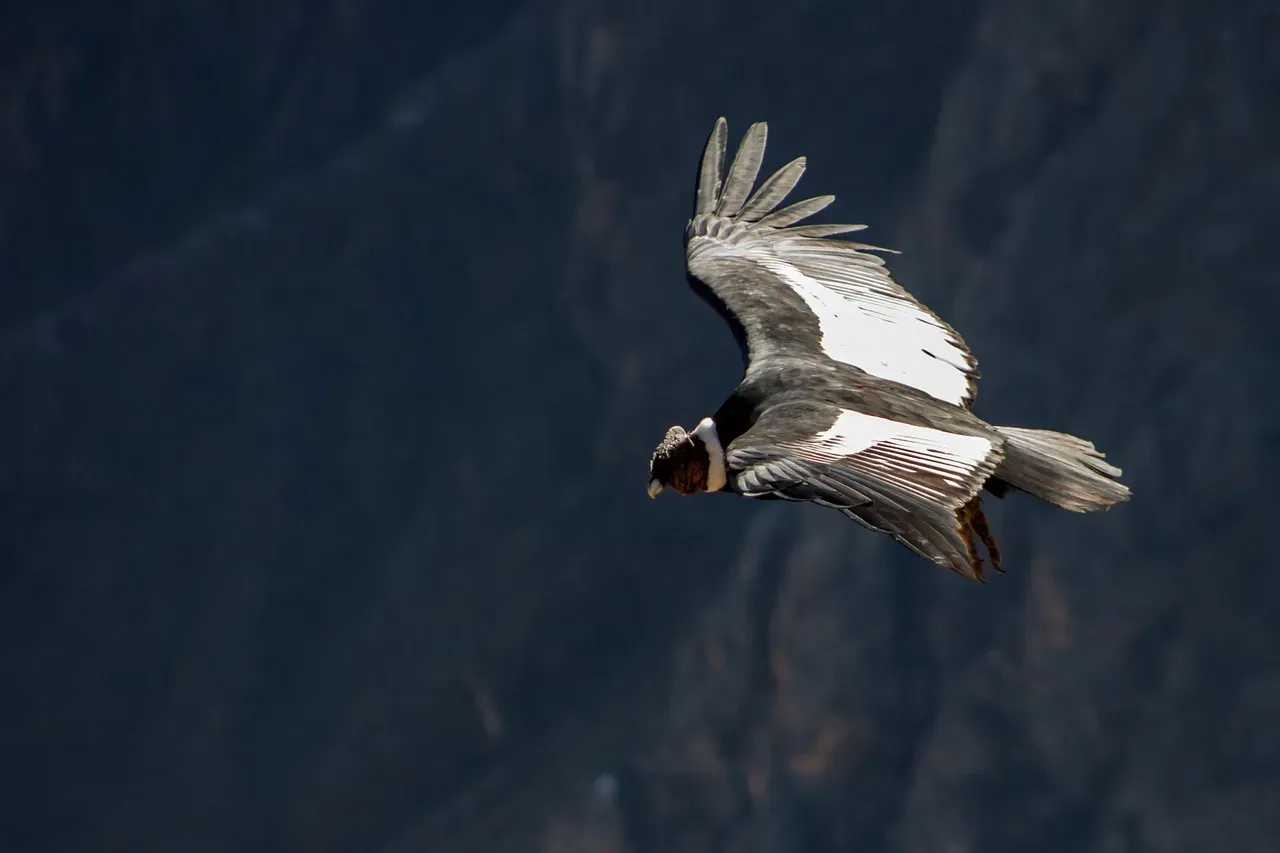
Often referred to as an ecological island, separated by high mountains from the rest of the continent, California’s diversity is the product of the state’s variability of landforms, climate, and soil types, which has fostered development of an array of specialized habitat types. From coastal sea otters bobbing in kelp forests to condors soaring over Death Valley, the range is staggering. California comes in a close second with thirteen ecoregions across four biomes in the same realm.
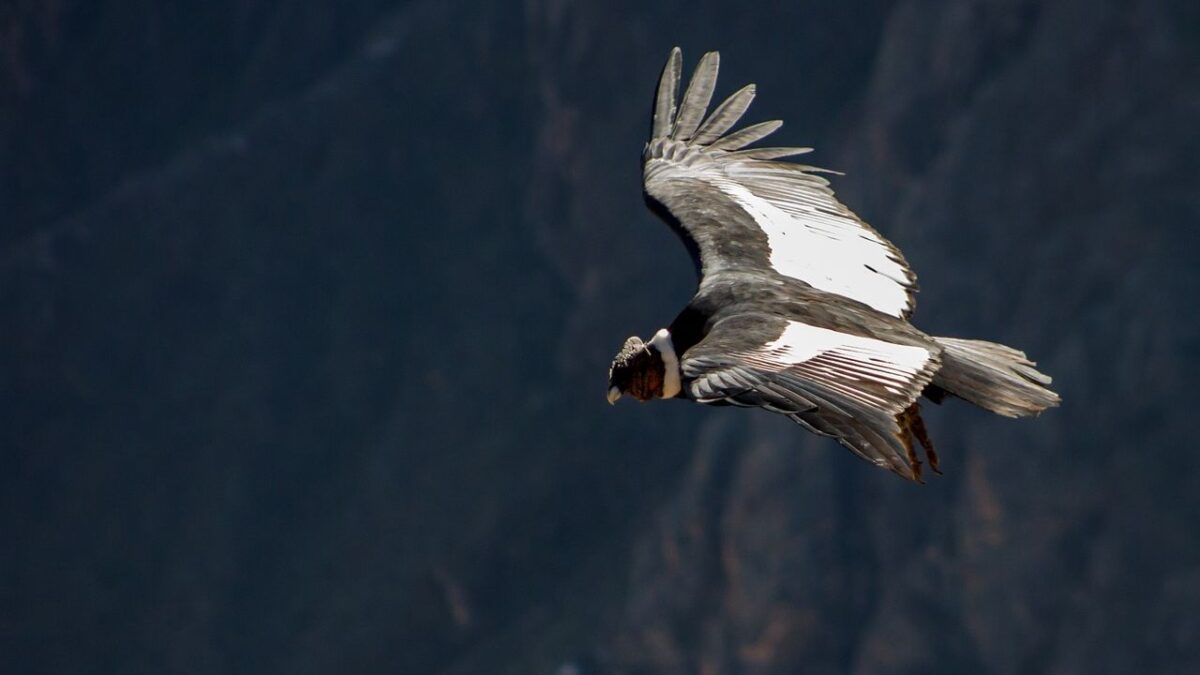
The California condor is a large bird of prey with a wingspan of up to a whopping 9.5 feet, making it the largest land bird on the continent, and it can be found nesting, hunting and gliding in the mountains and foothills of California. Then there’s the island fox on the Channel Islands, roughly the size of a housecat and found absolutely nowhere else. Death Valley has an endemic species of fish called the Devil’s Hole pupfish, a tiny fish that can only be found in the Devil’s Hole Oasis, an extensive warm-water system that creates almost unlivable conditions, and they are an endangered species with declining populations.
California packs deserts, mountains, coasts, and valleys into one state, creating niches for creatures that simply couldn’t exist elsewhere. It’s like nature’s greatest hits album, all in one place.
Florida: Where Tropics Meet Temperate
Florida’s position as a subtropical peninsula creates perfect conditions for exceptional biodiversity, with the Everglades ecosystem hosting American alligators, American crocodiles, making Florida the only place where these species coexist, Florida panthers, and manatees. Let that sink in. This is the only spot on the planet where you can theoretically see both alligator and crocodile species in the same ecosystem.
With over 500 bird species, 200 native tree species, and 300 freshwater fish species, Florida ranks among America’s top biodiversity hotspots despite significant development pressures. The diverse ecosystem in southern Florida is home to more than seventy endangered and threatened species, while the U.S. Fish and Wildlife Service reports that Florida has the fourth highest number of endangered species in the country.
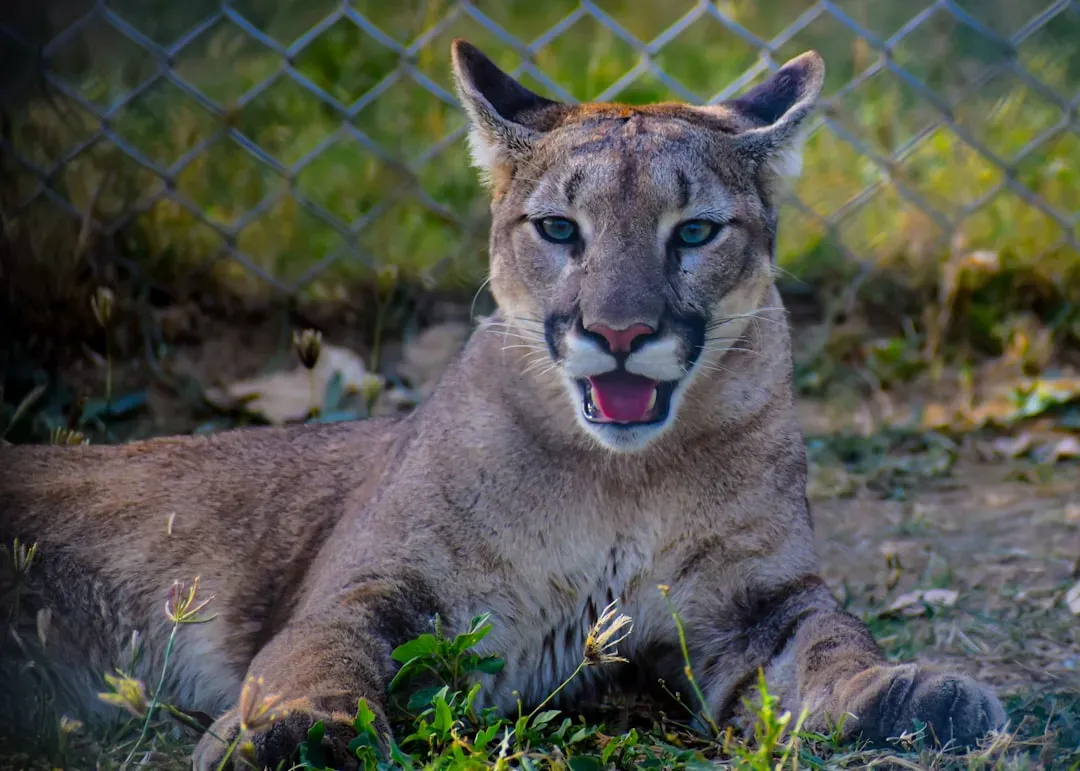
An endangered subspecies of cougar, the Florida panther’s decline is due to deforestation and development, with an estimated 160 panthers left in the wild, up from about twenty in the 1970s. The park’s habitats support dozens of endangered and threatened species, including some that appear nowhere else on earth, such as the Cape Sable seaside sparrow and the Florida leafwing butterfly.
The mix of wetlands, coastal waters, and subtropical climate creates conditions you won’t find in any other US state. It’s basically North America’s experiment with tropical ecosystems, and the results are spectacular.
Alaska: The Last Frontier’s Wild Abundance
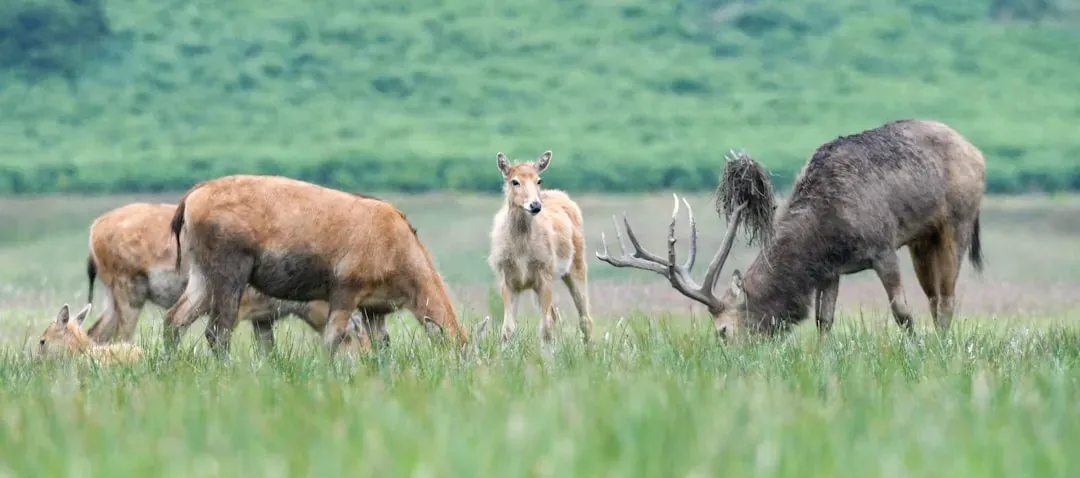
Alaska is the most biodiverse state with fifteen ecoregions across three biomes in the same realm. Sheer size helps, sure, but it’s more than just space. America’s Arctic is the most biodiverse region in the circumpolar arctic, with more species thriving here than anywhere else in the global arctic, representing more than forty-two million acres of the most biodiverse lands in the entire global arctic.
Arctic Refuge is home to all three species of North American bears, black, brown, and polar, and to the Porcupine caribou herd, the Central Arctic caribou herd, Dall sheep, muskox, wolves, and wolverines. More than 200 species of birds from all fifty states and across the world flock to Arctic Refuge to nest, rear their young, and feed. Think about it – birds from six continents migrate to Alaska.
Alaska contains about seventy percent of the total North American brown bear population and the majority of the grizzly bears, with an estimated 30,000 brown bears living in Alaska. Over 1,000 vertebrate species are found in the state, sometimes in huge numbers, with more than 900,000 caribou roaming in thirty-two herds across vast tundra landscapes.
Alaska is what America looked like before we paved it. Vast, untouched, and absolutely teeming with creatures that need serious space to survive.
Texas: The Surprising Biodiversity Giant
Texas ranks at the top for biodiversity as measured by multiple factors, which surprises people who think it’s all desert and oil fields. Texas’ expansive territory hosts diverse ecosystems, from the Gulf Coast wetlands to the desert regions, with each area teeming with unique wildlife.
Texas’ vast size means it encompasses a variety of habitats, from coastal marshes to arid deserts, and is home to animals like the nine-banded armadillo, bobcat, and American alligator, with Big Bend National Park and the Rio Grande Valley being hotspots for birdwatching, attracting species from both the United States and Mexico. This border position creates something special – species from two countries mingle here.
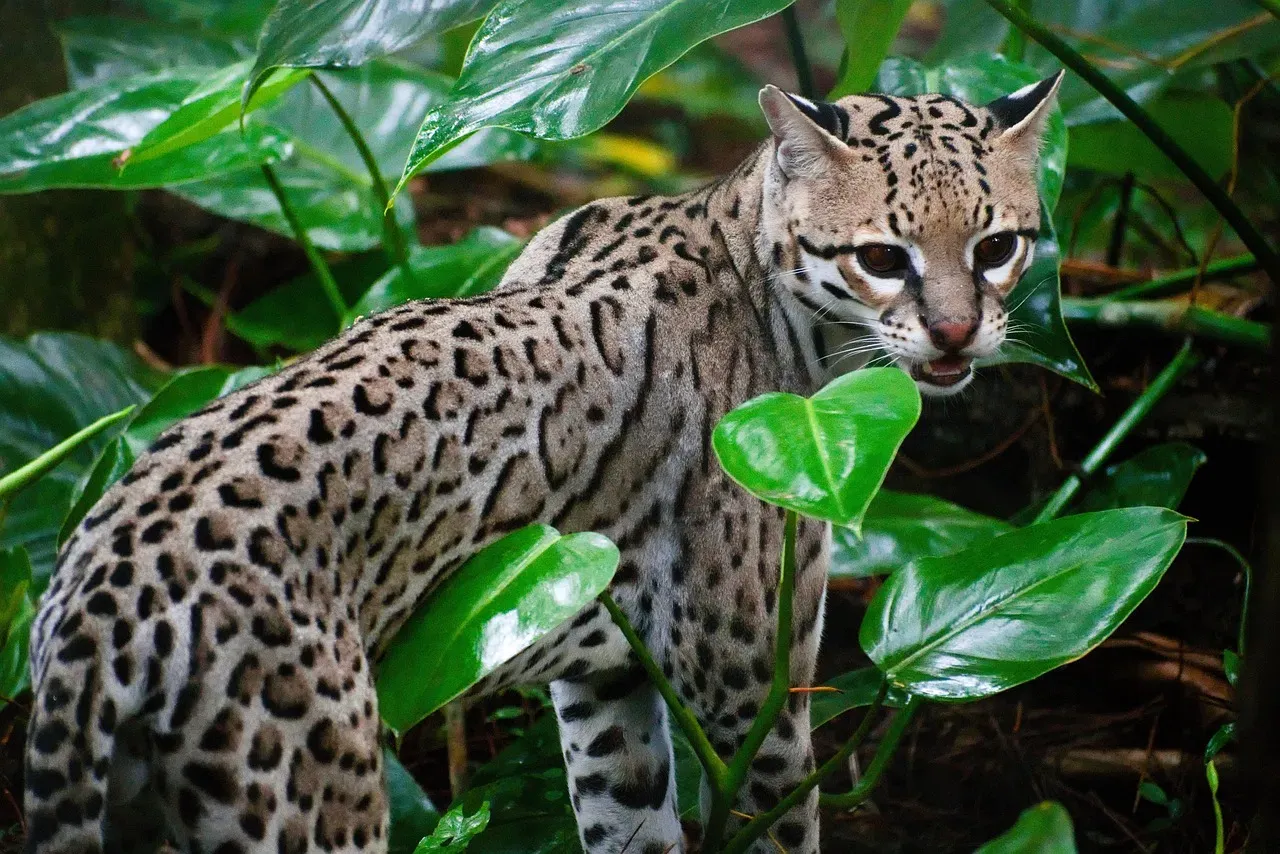
Texas surprises many with its diverse habitats ranging from deserts to coastal marshes, home to unique species like ocelots and alligators. Ocelots, those gorgeous spotted wildcats, survive in tiny pockets of South Texas. Nowhere else in the US can claim them.
The state’s sheer acreage combined with wildly different climate zones means Texas packs more ecological variety than most people realize. It’s not just big. It’s biodiverse in ways that make scientists recalibrate their assumptions about what “unique” really means.
The Wildlife Verdict
Here’s the thing that really strikes me: uniqueness isn’t just about having lots of animals. It’s about having animals that literally can’t exist anywhere else. Hawaii wins that contest hands down with its staggering endemism rate. California brings the diversity crown with its collision of ecosystems. Florida offers that rare subtropical twist. Alaska delivers untamed wilderness on a scale the Lower 48 can’t match. Texas sneaks in with surprising variety that most folks overlook.
These five states represent America’s wildest inheritance. They’re reminders that we share this continent with creatures whose survival depends entirely on specific places remaining wild. Lose the habitat, lose the species forever.
What surprises you most about where America’s unique wildlife actually lives?
