
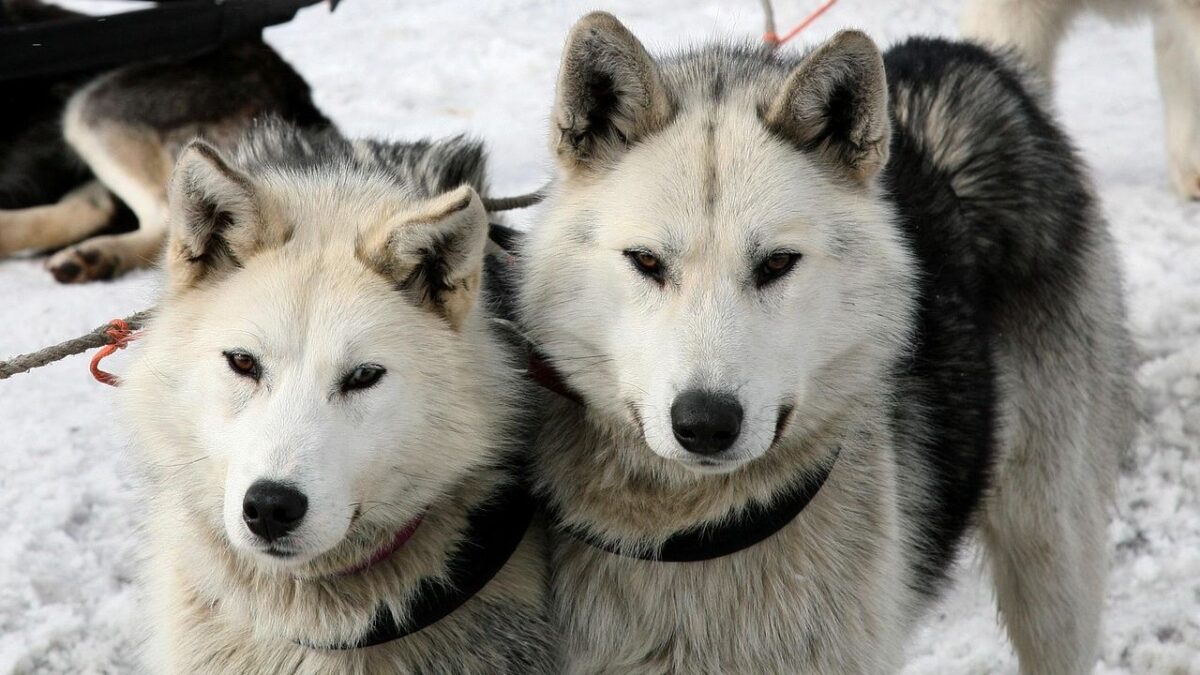
History books love to celebrate the mighty rulers, brave warriors, and brilliant inventors who shaped our world. We’ve heard endless tales of kings and conquerors, of scientists and explorers. Yet there’s a different cast of characters whose contributions often go unnoticed, creatures with fur, feathers, and fins who left pawprints across the timeline of human civilization.
From the battlefield to the laboratory, from ancient Rome to the space race, animals have stood alongside humanity during our most pivotal moments. Some carried messages that saved hundreds of lives, while others unwittingly triggered wars or reshaped scientific understanding. Their stories are unexpected, often heartbreaking, and always fascinating. What would you say if I told you that a single pigeon helped turn the tide of battle, or that a sheep became the pioneer of modern science? Let’s dive in.
The Geese That Saved Rome
Picture this. It’s 390 BC, and Rome is at war with the Senone Celts who had fought and spread through Europe for over two centuries. The exhausted Romans, barricaded on Capitoline Hill, finally succumbed to sleep after days of relentless attacks.
The Celtic commander Brennus sent his bravest warriors to scale the cliffs by the Capitoline under cover of darkness. The watchdogs slept. The guards dozed. Rome’s fate hung by a thread.
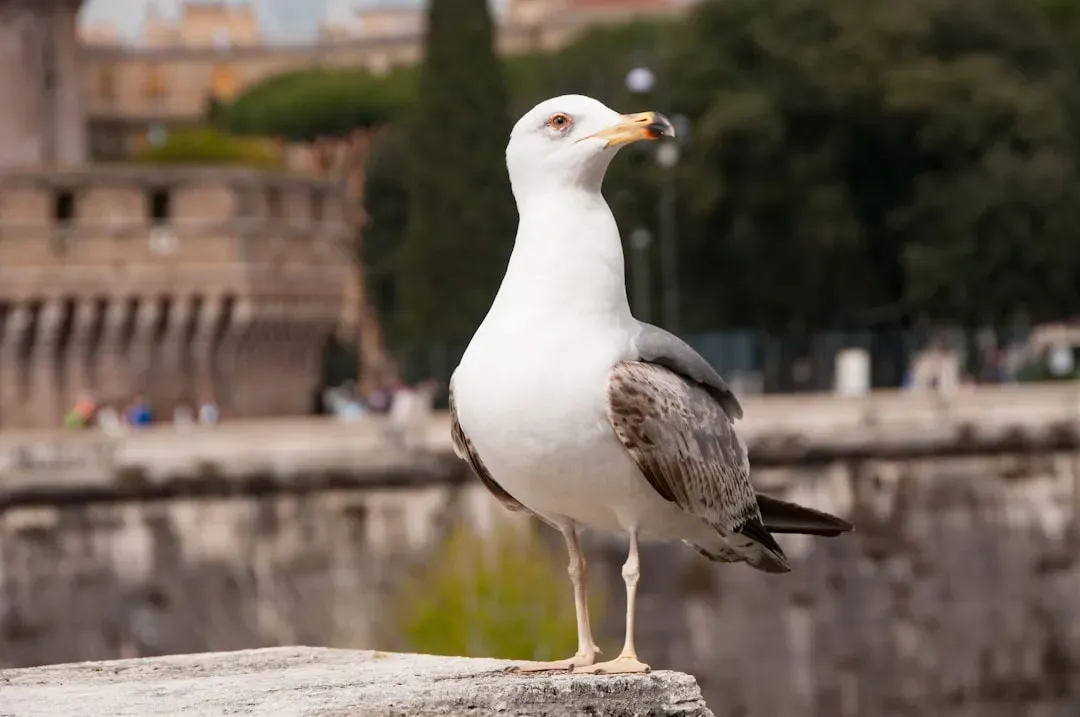
Then the sacred geese of Juno began their furious honking. These birds, kept at the temple and considered holy, raised such a racket that the Romans jolted awake just in time. The soldiers rushed to the walls and pushed the climbing Celts back down the cliffs.
Rome survived that night because of its geese. The grateful Romans later held an annual procession honoring the birds. Honestly, it’s hard to imagine Western civilization as we know it without that moment.
The geese never knew they’d become legends. They just did what geese do best: making noise when something feels wrong.
Laika: The Space Pioneer Who Never Came Home
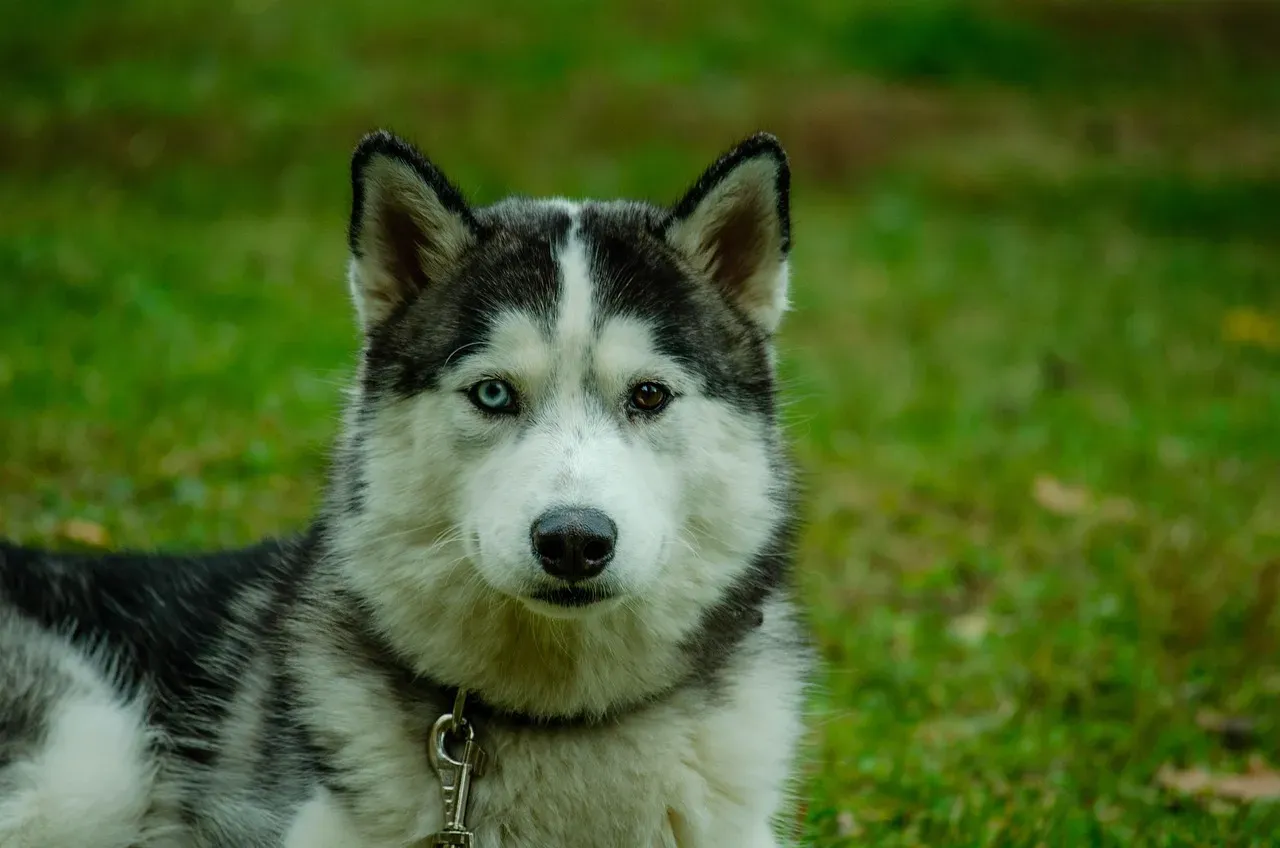
On November 3, 1957, Laika traveled aboard the Soviet spacecraft Sputnik 2, becoming the first animal to orbit Earth and paving the way for human spaceflight. She was just a stray dog from Moscow’s streets, plucked from obscurity to become a cosmic pioneer.
The Soviets preferred to use strays because they tended to be heartier than house-bound hounds. Laika underwent intense training, learning to tolerate cramped spaces and loud noises. Yet nothing could prepare her for what came next.
For years, Soviet officials claimed she survived about a week in orbit. In 2002 it was revealed she died a few hours after blastoff due to overheating and stress. The truth hit hard. Her sacrifice wasn’t just tragic; it was transformative.
In August 1960, Soviet space dogs Belka and Strelka became the first animals to circle Earth and survive, and less than a year later, Soviet pilot Yuri Gagarin became the first human in space. Without Laika’s journey, we might still be earthbound dreamers.
She never asked to be a hero, yet her legacy orbits us still.
Cher Ami: The Pigeon That Refused to Die
Let’s be real, most people don’t think of pigeons as heroes. They’re the birds we shoo away from park benches. During World War I, though, these feathered messengers were lifelines.
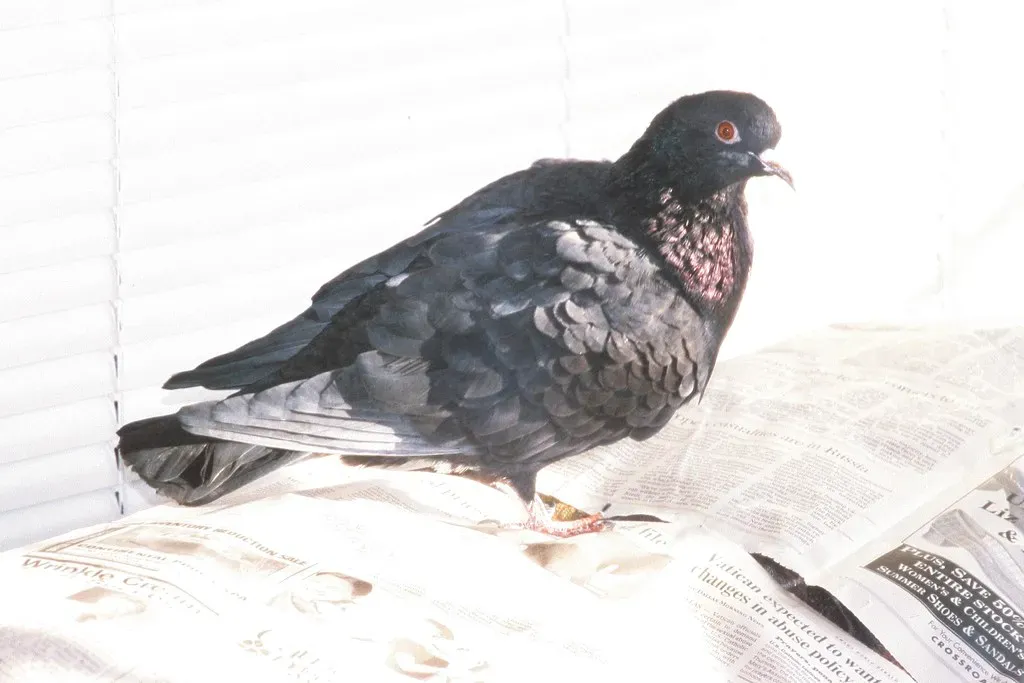
Cher Ami, a Black Check Cock carrier pigeon, was one of hundreds of birds used by the U.S. Army Signal Corps in France to transport important messages from commanders in the battlefield. Major Charles White Whittlesey and roughly 500 soldiers found themselves trapped in France’s Argonne Forest in October 1918, surrounded by enemy forces and worse, receiving friendly fire from their own artillery.
In October 1918, Cher Ami, despite being badly wounded by enemy gunfire, delivered a message to American forces. The bird was shot through the chest, blinded in one eye, with one leg hanging by a single tendon. Most creatures would have fallen from the sky.
Cher Ami kept flying. The message arrived in just 25 minutes. The bombardment stopped. Nearly 200 soldiers lived to see another day because one determined pigeon refused to quit.
Today, his preserved body stands in the Smithsonian, a tiny testament to extraordinary courage. What would you have guessed, that such a small creature could carry such massive consequences?
Rats and Fleas: The Black Death’s Unlikely Architects
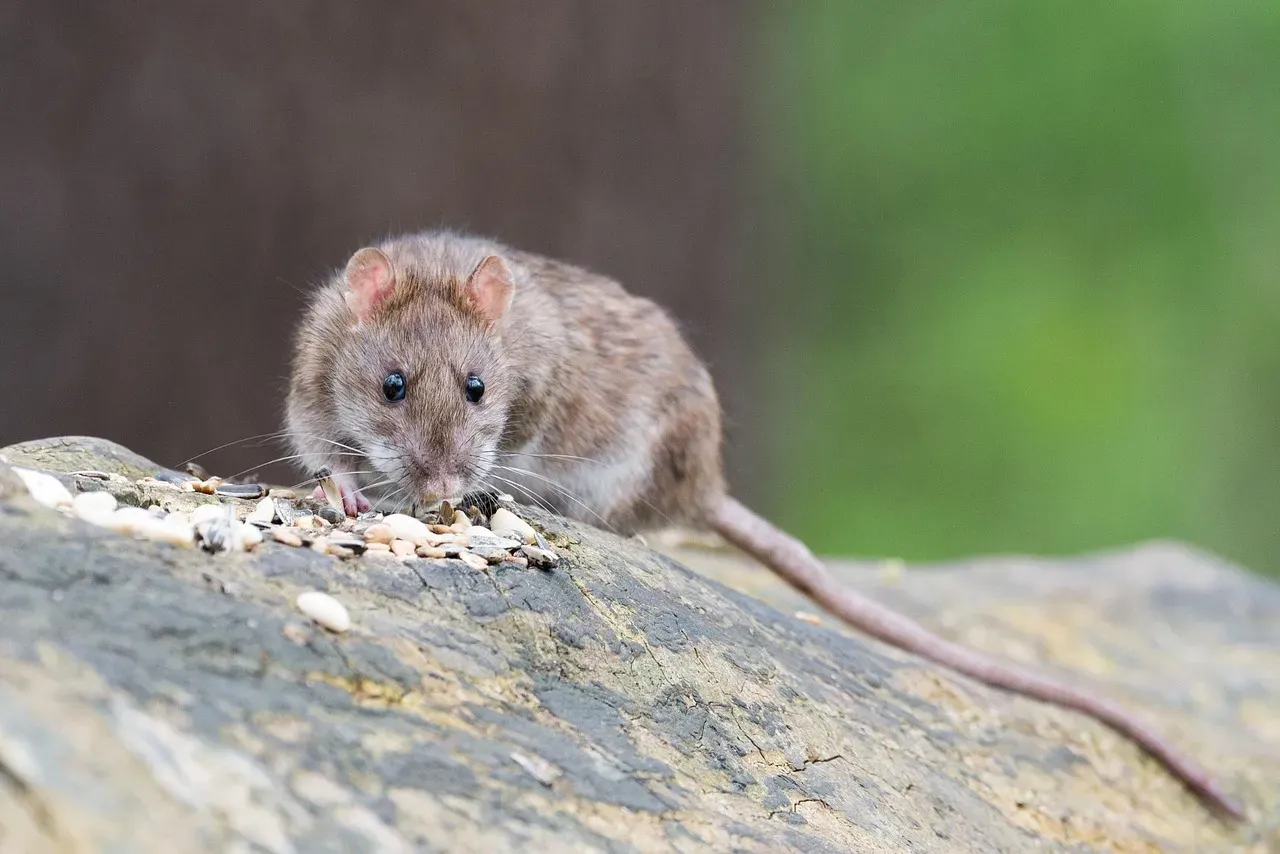
In the mid-14th century, a deadly pandemic dubbed the Black Death wiped out an estimated one-third or more of Europe’s population, or some 25 million people. The devastation reshaped everything: economy, religion, art, politics, the very fabric of medieval society.
At the time, the cause of the Black Death was unknown, though some people believed it was a plot by Jews to kill Christians while others attributed it to such things as an earthquake or punishment from God for sin. Panic and paranoia ruled.
Researchers later identified the culprit as plague, an infectious disease caused by the bacterium Yersinia pestis, which infects rats and other small rodents and is typically transmitted to humans by the bite of infected fleas. The rats themselves weren’t evil villains; they were simply living their lives while carrying deadly passengers.
The plague’s impact echoed for centuries. Labor shortages after the deaths gave surviving peasants unprecedented bargaining power. Feudalism began crumbling. The Renaissance eventually bloomed from the ashes.
It’s strange to think that rats and fleas, creatures we consider pests, inadvertently rewrote the course of Western civilization. Sometimes the smallest things leave the biggest marks.
Balto: The Sled Dog Who Raced Against Death
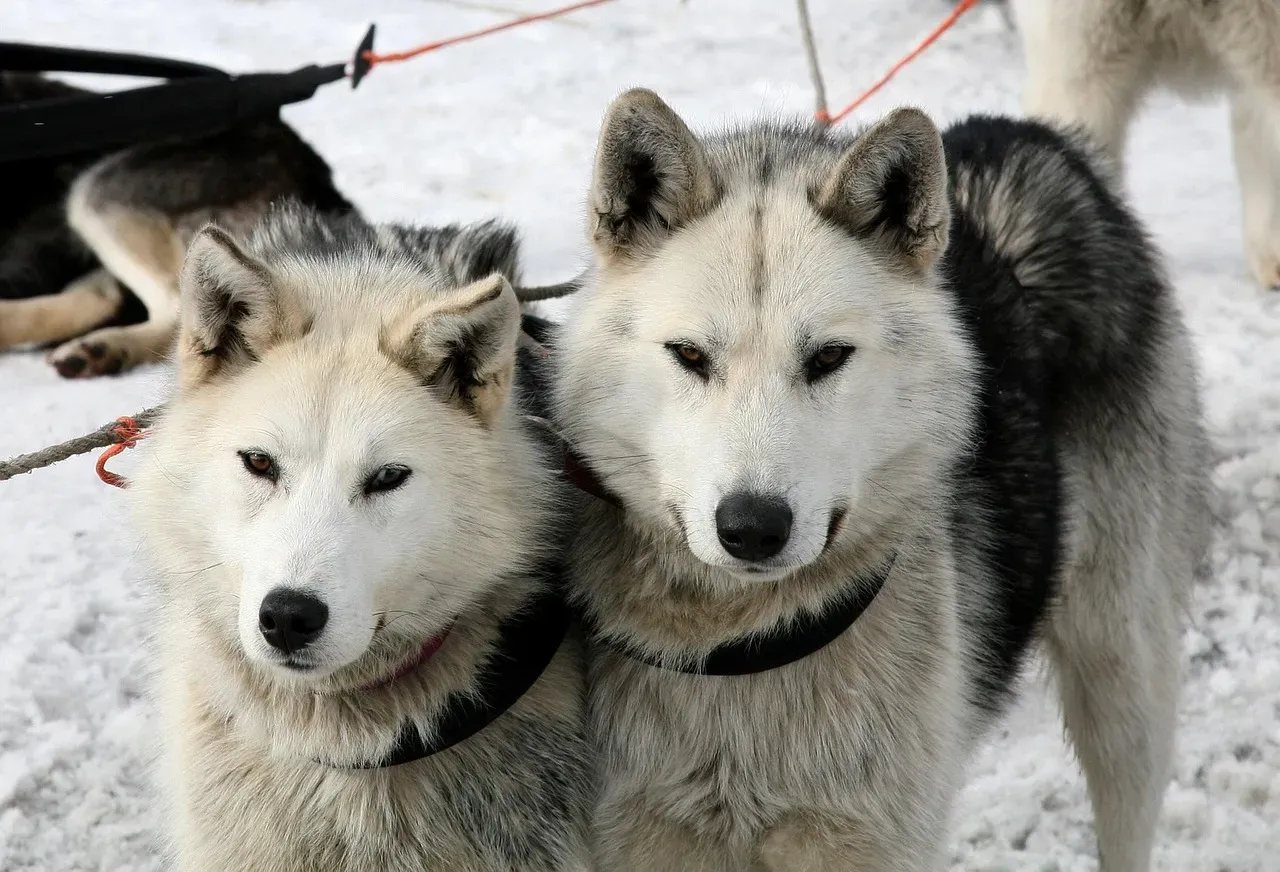
Winter in Alaska can kill you. In January 1925, the isolated town of Nome faced something worse than cold: a diphtheria outbreak threatening to wipe out the children. The only serum that could save them sat in Anchorage, nearly 700 miles away.
Flying was impossible in the brutal conditions. The only hope? A relay of dog sled teams racing through blizzards in temperatures plummeting to 40 degrees below zero. More than 20 mushers and roughly 150 sled dogs participated in what became known as the Great Race of Mercy.
He braved a fierce blizzard to complete the final leg of the journey on February 2, and his bravery helped save the town and earned him a place in American history. Balto, a Siberian Husky leading the final team, pushed through whiteout conditions so severe that his musher couldn’t see the dogs in front of the sled.
A statue of Balto still stands in New York City’s Central Park today. The serum arrived just in time. Lives were saved. Balto became an instant celebrity, though he always shared credit with his entire team.
Here’s the thing: courage doesn’t always wear a human face. Sometimes it wears fur and runs on four legs through impossible storms.
Dolly the Sheep: The Clone That Sparked a Revolution
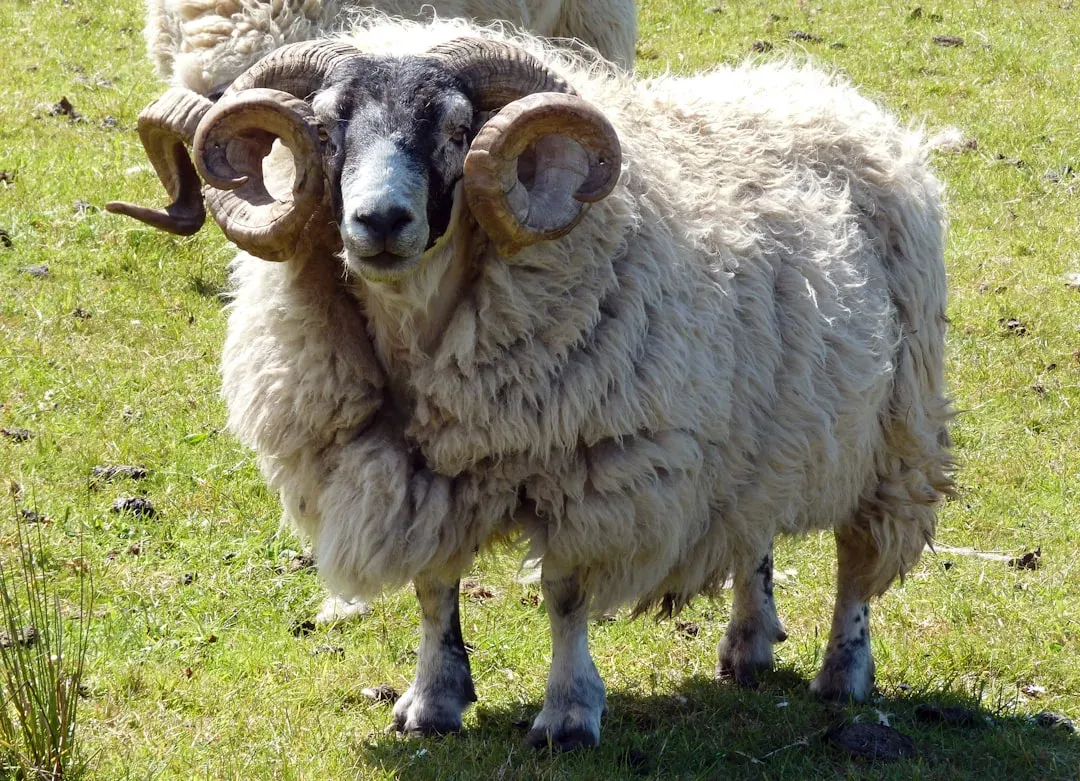
Dolly the sheep became an overnight, international celebrity when she was revealed to the public in February 1997, as the first mammal to be cloned via somatic cell nuclear transfer. Born at Scotland’s Roslin Institute in July 1996, she looked like any other sheep. She wasn’t.
Scientists had done the impossible, creating a mammal from an adult cell rather than the union of sperm and egg. Although Dolly was not the first ever animal cloned, her preeminence as the first mammal cloned from an adult cell was indicative of monumental progress in the practice of cloning. Some scientists immediately began speculating about reviving extinct species.
The public reacted with a mix of wonder and horror. If we could clone sheep, what about humans? Ethical debates erupted in laboratories, churches, and dinner tables worldwide. Governments rushed to establish regulations.
Dolly lived until 2003, suffering from arthritis and lung disease that sparked debates about whether cloning causes premature aging. Her taxidermied body now resides in Edinburgh’s National Museum of Scotland, still drawing crowds.
She opened a door we can never fully close. The questions she raised about the boundaries of science and ethics remain unanswered, continuing to challenge us decades later.
Cairo: The Dog Who Helped End a Manhunt
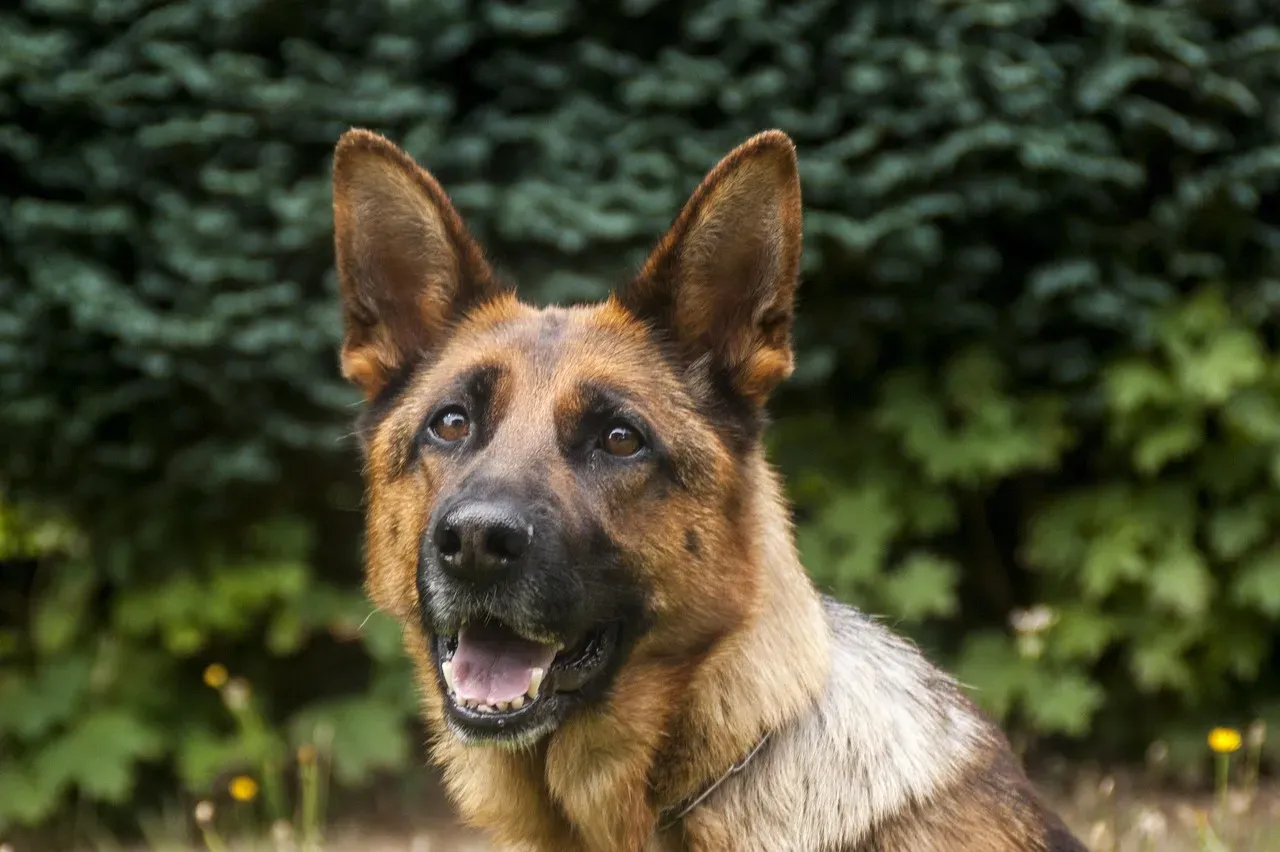
On May 2, 2011, Cairo accompanied the team of U.S. Navy SEALs who killed al-Qaeda leader Bin Laden during a raid on his compound in Abbottabad, Pakistan, ending a nearly decade-long international manhunt. The mission that defined a generation included an unlikely hero with four legs.
Just as many details about the members of SEAL Team Six who were involved in the covert operation remain classified, specifics about Cairo are largely unknown to the public. What we do know paints a picture of extraordinary capability.
The K9 warrior’s role was to help patrol the compound and attack any enemy fighters who might appear. Cairo is believed to be a Belgian Malinois, a breed prized by the U.S. military for its intelligence, speed, sharp sense of smell and strength.
Shortly after the mission, when President Barack Obama met with the SEALs to congratulate them, the commander in chief also asked to meet Cairo, who was waiting in a nearby room. Even the president recognized that this operation succeeded because of teamwork that transcended species.
Cairo’s exact whereabouts remain classified. Somewhere, a retired warrior enjoys well-earned peace, having helped write one of history’s most significant chapters.
Conclusion
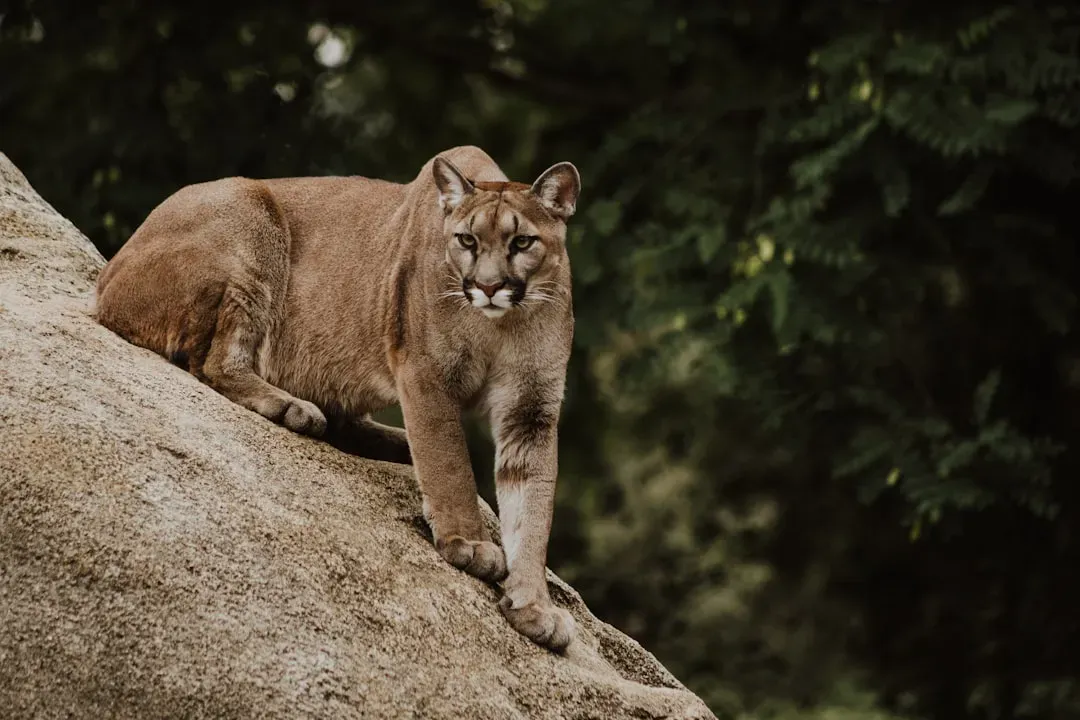
These seven animals remind us that history isn’t made by humans alone. From geese honking warnings in ancient Rome to a classified military dog in modern Pakistan, creatures great and small have shaped pivotal moments that defined civilizations.
They never asked for glory or recognition. They simply existed, doing what their nature or training compelled them to do. Yet their actions rippled through time, saving lives, advancing science, ending wars, and beginning new eras.
Next time you see a pigeon on a city street or a dog in a park, remember. Heroes don’t always stand on two legs. Sometimes they fly, sometimes they run through blizzards, and sometimes they orbit the Earth in a tiny capsule, never to return home.
The animals in this article , not because they understood the weight of their actions, but because they showed up when it mattered most. What do you think about these unlikely heroes? Did any of their stories surprise you?
