

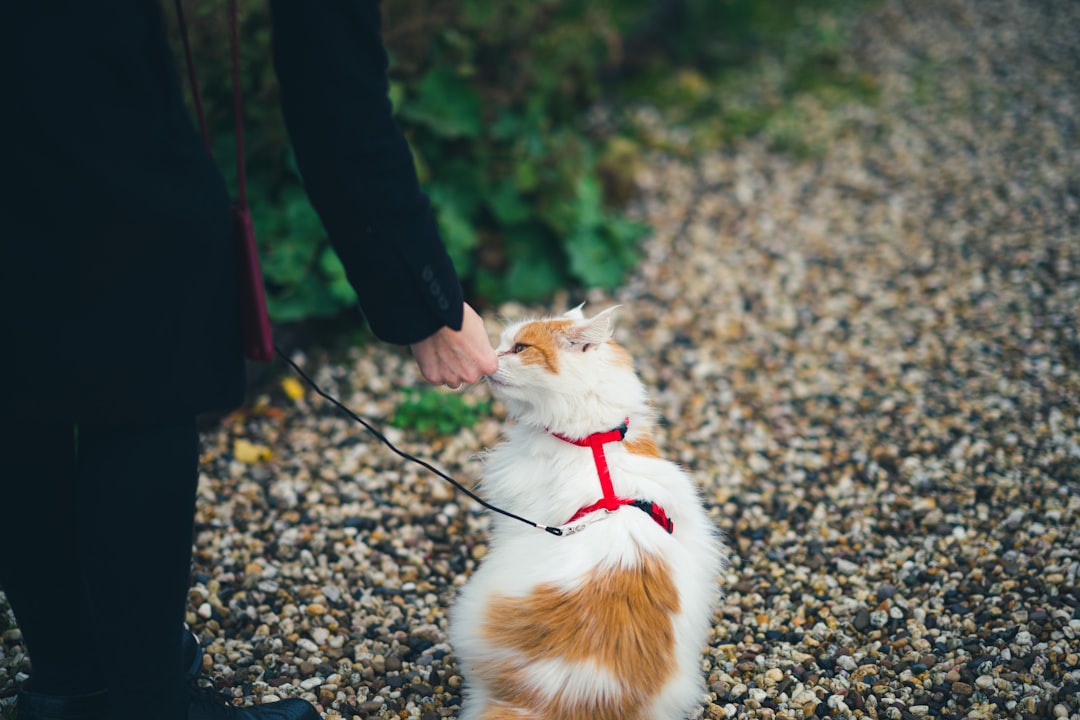

Why Cats Respond Well to Training (Image Credits: Unsplash)
Training a cat transforms everyday interactions into rewarding experiences, especially for indoor felines seeking mental engagement and routine.
Why Cats Respond Well to Training
Recent studies highlight that cats learn tricks as effectively as other pets when approached with patience and positivity. Researchers found that even reserved cats participated in sessions teaching behaviors like sitting or high-fiving, demonstrating the broad appeal of such activities. This engagement not only curbs boredom but also fosters trust between owner and cat. Indoor cats, in particular, benefit from structured training, which mimics natural hunting instincts and reduces stress.
Experts emphasize that cats thrive on consistency and rewards, making training accessible for families. Unlike more independent animals, cats often view sessions as playtime, leading to quicker adoption of new skills. Programs in shelters have shown that frustrated cats calm down after learning simple tasks, improving their overall well-being. Owners report stronger bonds as a result, turning skeptics into enthusiasts.
Preparing for Successful Training Sessions
Before diving into commands, assess your cat’s environment to ensure a calm setting free from distractions. Gather essentials like treats, a clicker for marking good behavior, and toys to keep sessions short and engaging – aim for five to ten minutes daily. Observe your cat’s preferences; some respond best to food rewards, while others prefer praise or petting. This preparation sets a positive tone and prevents frustration on both sides.
Timing matters too – train when your cat feels relaxed, such as after a meal or nap. Introduce tools gradually to avoid overwhelming them. Consistency in routine helps cats anticipate and enjoy the process, building confidence over time. Many owners start with kittens, but adults adapt just as well with gentle persistence.
Step-by-Step Guide to Basic Cat Training
The foundation of effective training lies in positive reinforcement, where desired behaviors earn immediate rewards. Begin with simple cues to build momentum. Here’s a structured approach to five key steps that owners have used successfully.
- Establish Trust Through Interaction: Spend time playing daily to create a secure bond. Use interactive toys like feather wands to encourage approach and response, rewarding any voluntary engagement with treats or affection. This step, often overlooked, ensures your cat associates you with positive outcomes.
- Introduce the Clicker Method: Pair a clicker sound with treats to mark precise moments of good behavior. Click when your cat performs an action naturally, like sitting, then offer a reward. Repeat until the click alone signals praise, accelerating learning without verbal commands.
- Teach Core Commands: Start with “sit” by holding a treat above their head, clicking and rewarding when they lower their rear. Progress to “come” by calling their name during play and rewarding arrival. These basics, practiced in short bursts, form the basis for more advanced tricks like spinning or high-fiving.
- Incorporate Litter and Boundary Training: Guide your cat to the litter box after meals, rewarding use to reinforce hygiene habits. For boundaries, use deterrents like double-sided tape on off-limits surfaces, combined with redirection to approved scratching posts. Consistency here prevents common household issues.
- Advance to Fun Challenges: Once basics stick, try agility elements or tricks like fetching small toys. Sessions with family members keep it lively, turning training into a shared activity. Track progress to celebrate milestones, maintaining motivation.
Each step builds on the last, with repetition key to retention. Adjust based on your cat’s pace – some master commands in days, others take weeks.
Common Challenges and Solutions
Owners often face resistance if sessions drag on or feel forced. Keep energy high by ending on a high note, even if progress seems slow. If your cat ignores cues, revisit trust-building activities to reignite interest. Health factors, like stress from changes in the home, can impact focus, so consult a vet if behaviors persist.
For multi-cat households, train individually to avoid competition. Resources from veterinary sites stress that patience yields results, with many cats eventually seeking out training time. Addressing these hurdles early ensures smoother progress and a harmonious home.
Key Takeaways
- Positive reinforcement with treats and clicks drives quick learning.
- Short, daily sessions prevent burnout and build habits effectively.
- Training enhances mental stimulation, ideal for indoor cats’ well-being.
Mastering these steps not only refines your cat’s behavior but also deepens the companionship that makes feline ownership so fulfilling. As training evolves, so does the joy of watching your cat flourish – what’s one trick you’d love to teach yours? Share in the comments below.

As a little kid, I fell in love with nature, wildlife, and animals. Living in the USA, South Africa, Italy, China and Germany gave me the opportunity to discover the world's Wildlife. My favorite animals are Mountain Gorillas, Siberian Tigers, and Great White Sharks.
I'm a certified PADI Open Water Diver, went to Everest Base Camp and Trekked Gorillas in Uganda. I hold a Master of Science in Economics and Finance.
Please send any feedback to feedback@animalsaroundtheglobe.com
- 14 Signs Your Cat Is Trying to Communicate with You - July 29, 2026
- 11 Strange Weather Events Scientists Still Can not Explain - July 29, 2026
- The Elephant’s Powerful Trumpet Nature’s Loudest Call - July 29, 2026