

You see them in pet stores, those adorable little creatures housed in compact cages, begging you to take them home. Small, seemingly simple, and oh so tempting for families looking for a first pet or apartment dwellers with limited space. Yet veterinary professionals worldwide share a collective sigh when new owners walk through their doors, months after purchase, with a suffering animal they never really understood.
These pocket pets look easy on the surface. The reality? Many require complex care that most people never discover until something goes terribly wrong. Let’s dive into the animals that vets desperately wish you’d Google before bringing home.
1. Hedgehogs
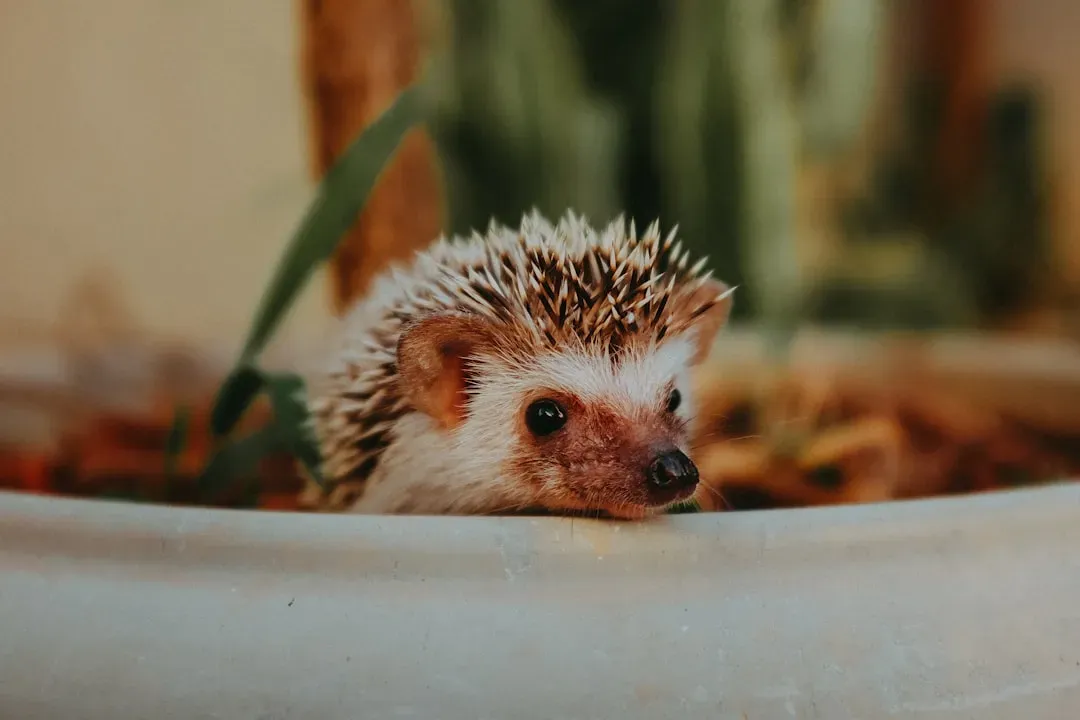
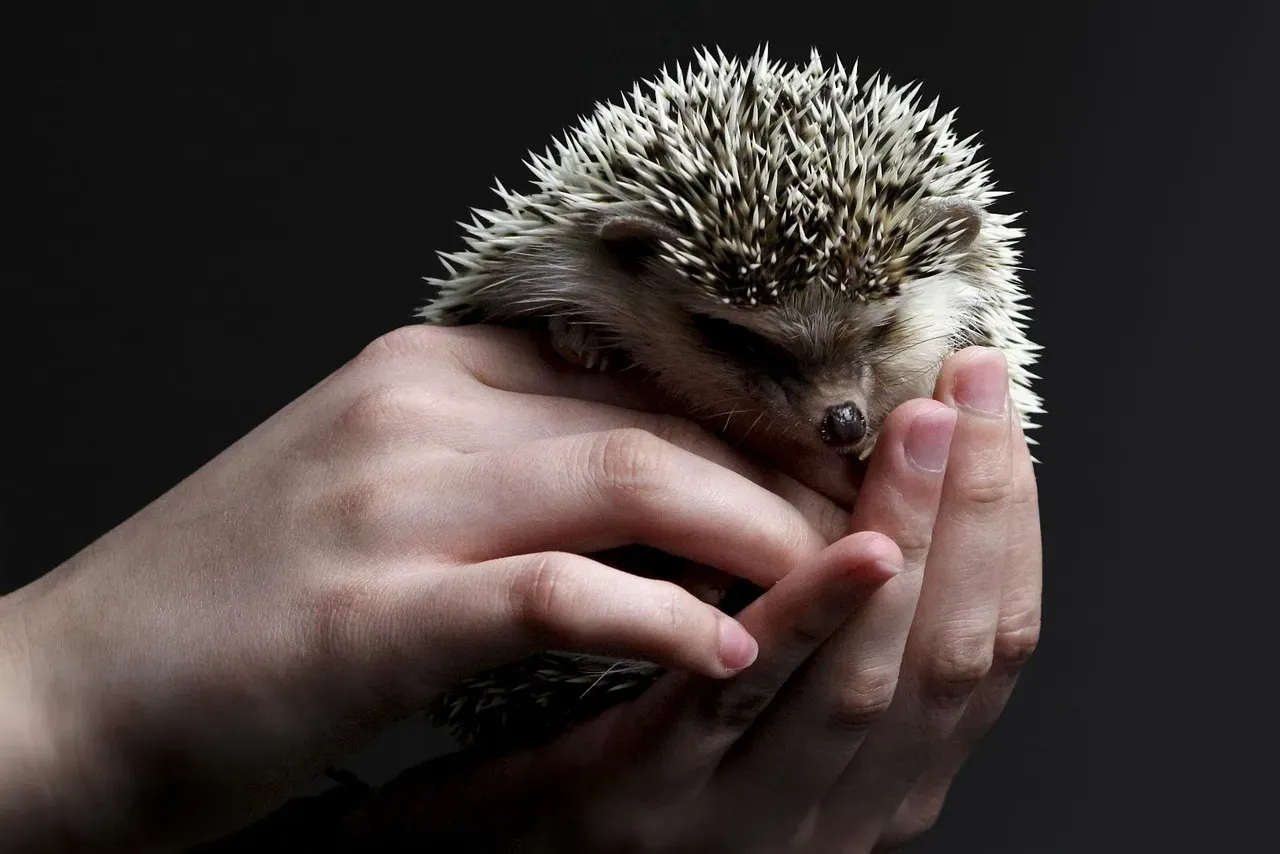
Those spiky little bundles of cuteness have exploded in popularity over the past decade. Yet honestly, they come with baggage most new owners never anticipate.
Hedgehogs can carry salmonella, making them unsuitable for families with children under five years old, seniors, or those with compromised immune systems. In 2019, the CDC investigated cases of salmonella linked to pet hedgehogs and warned that even apparently healthy hedgehogs can carry salmonella. Here’s the thing: you can’t just kiss and cuddle these adorable creatures without serious hygiene protocols.
In the wild, hedgehogs are solitary animals, which means they tend to be shy and wary of people, requiring patience and a gentle hand to form a trusting bond. They’re nocturnal, becoming active around dinnertime and sleeping when you wake up in the morning. So if you’re hoping for daytime companionship, think again.
Hedgehogs are most commonly seen by vets for dental disease, upper respiratory infection, diarrhea, growths and tumors, uterine infection, and neurologic issues such as wobbly hedgehog syndrome. These aren’t simple fixes. They require specialized veterinary care that can become expensive quickly.
Many states have banned keeping hedgehogs as pets because they can harm local ecosystems if released into the wild, competing with native species for food and habitat. Before you even consider one, check your local laws. You might be committing a crime without knowing it.
The diet requirements alone deserve research. Many veterinarians recommend feeding pet hedgehogs high quality kibble formulated specifically for hedgehogs, typically containing about 30% protein or more and less than 20% fat. Getting this wrong leads to obesity and metabolic issues that shorten their already modest lifespan.
2. Sugar Gliders
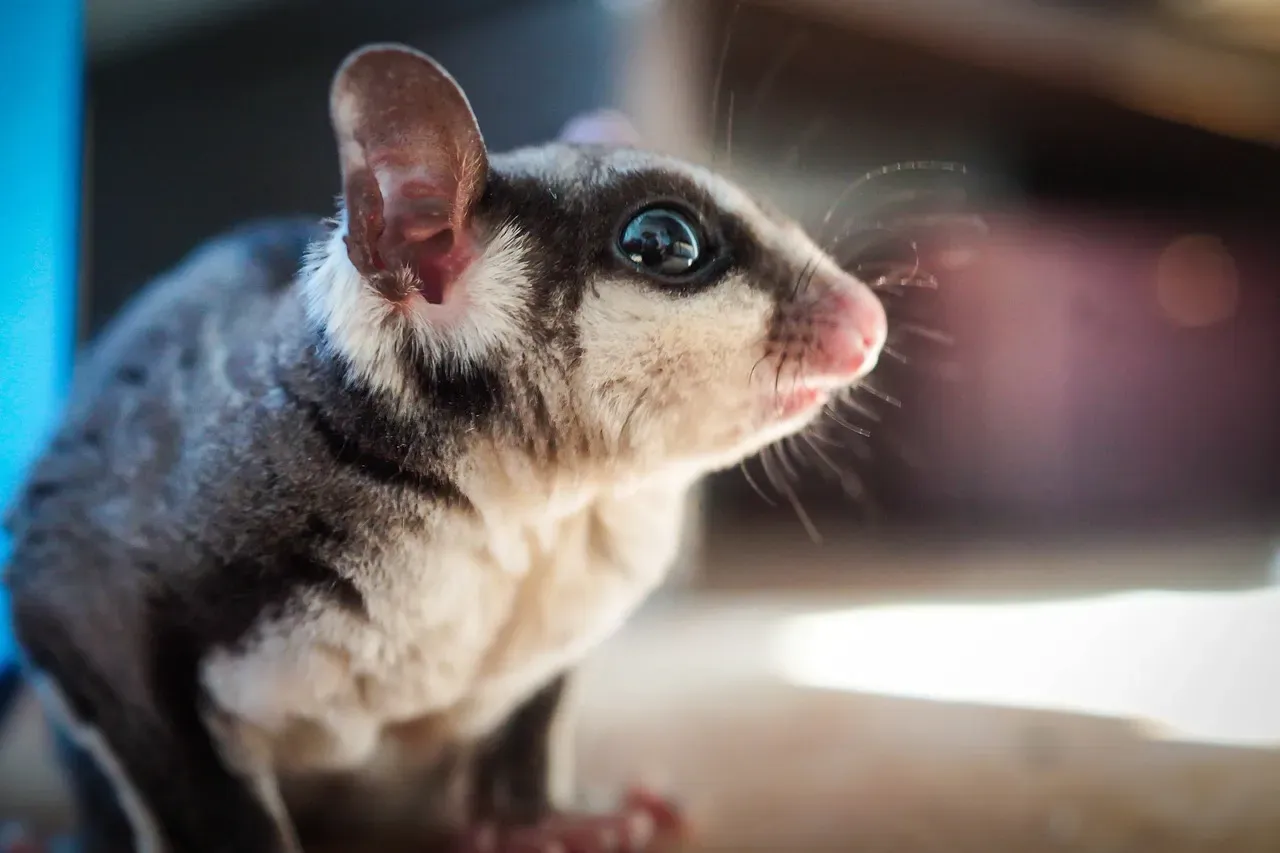
Those enormous eyes and gliding membranes make sugar gliders irresistible. They look like tiny flying squirrels crossed with possums. The problem? Their care is deceptively complex.
Sugar gliders are nocturnal and very sociable, doing best when housed in groups of at least two, with behavior disorders such as over-grooming, self-injury, pacing, and changes in appetite occurring in sugar gliders housed alone or with incompatible mates. So you can’t just buy one. You need multiple animals, which means more space, more food, more everything.
Sugar gliders require diligent care and can be complicated pets, especially regarding diet, for which there is no one commercially available complete diet, with sub-optimal husbandry leading to protein and mineral deficiency and metabolic bone disease. Pet sugar gliders maintained on mainly fruit diets are very susceptible to nutritional osteodystrophy, which manifests as posterior paresis progressing to hindlimb paralysis, muscle tremors, pathological bone fractures, and in some cases, seizures. Imagine watching your pet become paralyzed because you fed it the wrong foods.
Let’s be real, these animals are nocturnal party animals. They are strictly nocturnal and alarmed by forced exposure to bright lighting. When you’re trying to sleep, they’ll be bouncing around their cage making noise. Perfect for insomniacs, terrible for everyone else.
Sugar gliders are not legal to keep as pets in Alaska and California, with special permits required for ownership in Massachusetts and Pennsylvania. The legal hurdles exist for good reason. These are demanding exotic animals that most people simply aren’t prepared to care for properly.
3. Ferrets
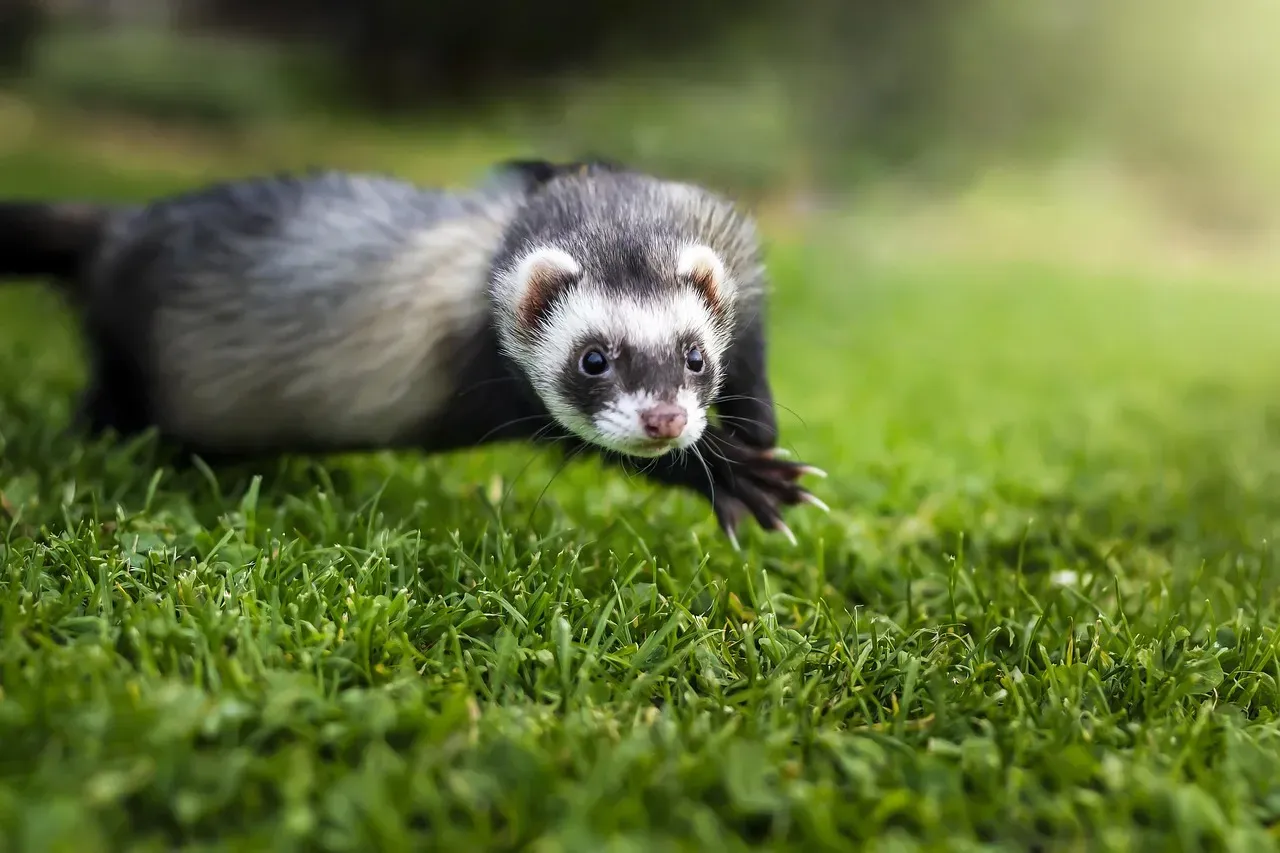
Ferrets have playful, mischievous personalities that make them endlessly entertaining. They’re also high maintenance animals that many people treat like hamsters, which leads to disaster.
Ferrets require a distemper vaccination when they are very young as well as a rabies vaccination once the animal reaches 12 weeks of age. Unlike hamsters or gerbils, ferrets need vaccinations just like dogs and cats. This means regular vet visits and ongoing costs that many new owners never budget for.
Ferrets are most commonly seen for gastrointestinal infections and diarrhea, adrenal gland disease, insulinoma (a tumor of the pancreas that causes low blood sugar), foreign object ingestion and vomiting, tumors and growths, and spinal injuries. These aren’t minor health concerns. Adrenal disease and insulinoma require expensive diagnostics and treatment.
Ferrets are susceptible to influenza, so humans sick with the flu should avoid contact with their ferrets until they are no longer contagious, though the CDC does not consider ferrets to pose a significant transmission threat to humans. You can literally make your ferret sick with your cold. How many prospective owners know that?
Not spaying female ferrets can lead to dangerous consequences, as unspayed female ferrets can develop very serious anemia because excess estrogen in their system can prevent their bone marrow from creating new red blood cells. This isn’t optional care. It’s life or death.
Ferrets are carnivores with very specific dietary needs. Ferret food should be high in animal protein (30-40%), high in fat (18-30%), and low in fiber. Feed them dog food and you’re essentially poisoning them slowly. They also need roughly four hours of supervised out-of-cage time daily, which means ferret-proofing your entire house.
4. Guinea Pigs
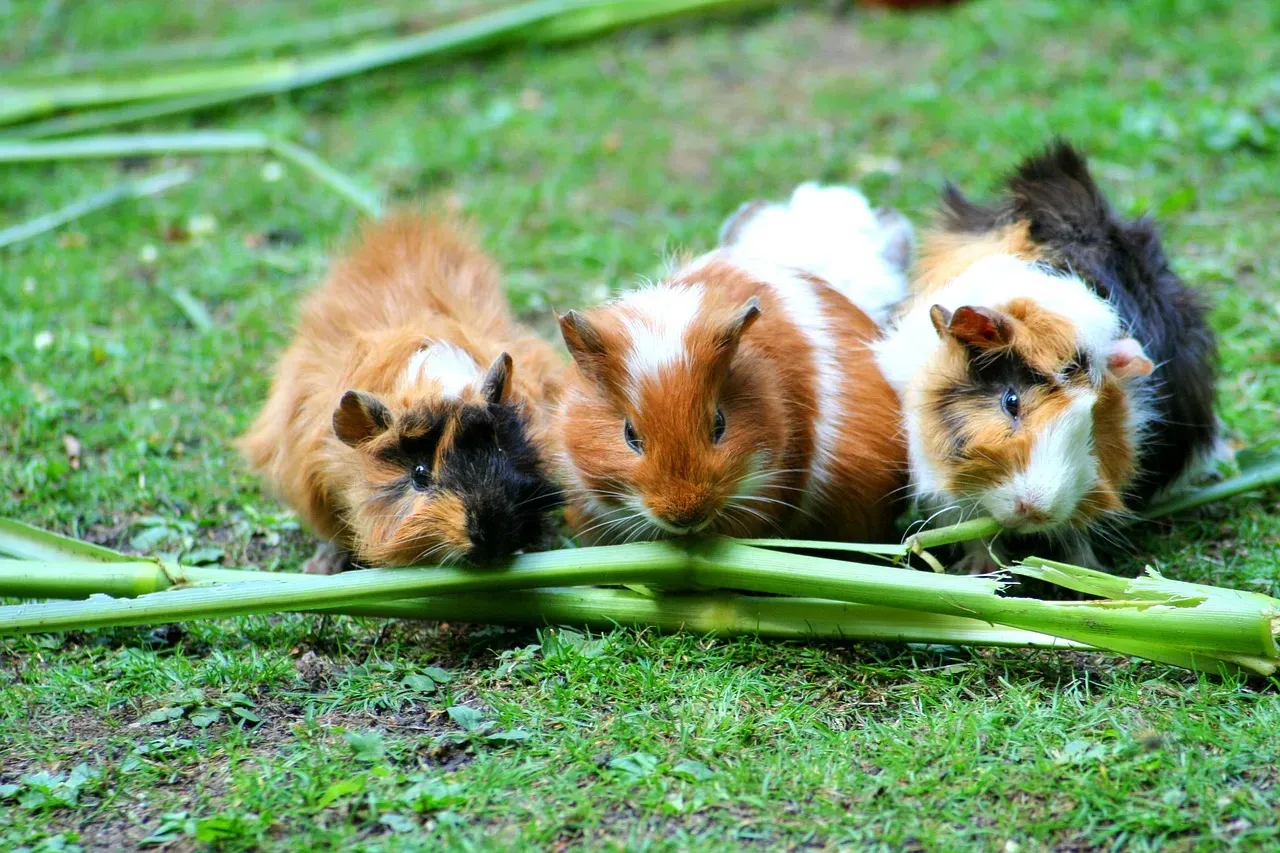
Guinea pigs seem like the perfect starter pet. They’re cute, they don’t bite much, and they appear low maintenance. Vets have a different perspective.
Guinea pigs can suffer from vitamin C deficiency as they can’t produce it on their own. Because they don’t make their own vitamin C, they rely on their diet to supplement, needing not only a base pellet diet but constant access to grass hay and fresh vegetables. Forget to provide vitamin C-rich foods and your guinea pig develops scurvy. Yes, scurvy, like an 18th-century sailor.
The most common condition vets see is gut stasis, which causes the digestive system to slow down and stop functioning altogether, with bacteria and excess gas building up in the intestines. Gut stasis can be fatal within 24 hours if not treated immediately. So that weekend getaway you planned? Better have a pet sitter who knows emergency signs.
As a prey species, guinea pigs are programmed to hide any signs of illness, with common conditions including overgrown teeth, obesity, and digestive issues. Their teeth grow all their lives, requiring hard veggies and chew toys to help wear teeth down, but it’s always important to have them checked by the vet regularly. Dental disease in guinea pigs isn’t like cavities in humans. It’s constant overgrowth that requires regular veterinary intervention.
Guinea pigs can get pneumonia from Bordetella, the same bacterium that infects dogs and rabbits, so you should never house guinea pigs and rabbits together, and always care for guinea pigs before coming into contact with dogs that might have kennel cough. The cross-species disease transmission possibilities are frankly terrifying.
5. Rabbits

Rabbits are marketed as simple pets for children. Veterinarians know better. These animals are actually among the most commonly neglected exotic pets.
Rabbits have very specific dietary needs, and the improper diet can lead quickly to severe dental disease and gastrointestinal problems, with even the wrong type of hay fed to a rabbit causing serious health issues. Rabbits’ teeth continuously grow, which can lead to overgrowth, misalignment, and painful conditions without proper care. Those continuously growing teeth mean lifetime veterinary monitoring.
Since rabbits can’t throw up, hair they lick up while grooming may turn into a dangerous blockage, which can be avoided by brushing your bunny. Unlike cats who cough up hairballs, rabbits have no such mechanism. A hairball can literally kill them.
Rabbits are adorable, active pets that make great companions but require the same amount of care and attention that household pets like cats and dogs need, including annual vet visits, regular nail trimmings, daily care and exercise, and enclosures large enough to allow at least 3-4 hops in all directions plus hours outside their cage daily. That tiny cage from the pet store? Completely inadequate. Rabbits need massive living spaces.
Rabbits can experience gastrointestinal stasis, a serious condition where their digestive system slows down or stops completely. Like guinea pigs, this is a life-threatening emergency that strikes with little warning. It requires immediate veterinary intervention and can cost hundreds of dollars to treat.
6. Hamsters
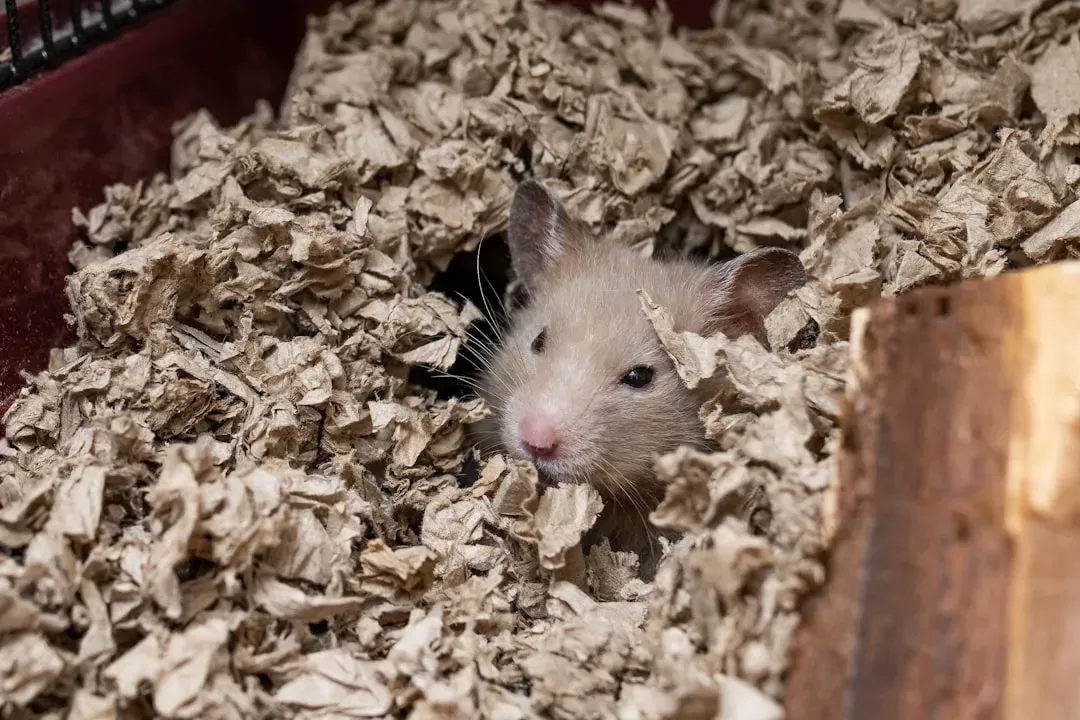
Hamsters are the quintessential first pet. Small cages, simple needs, right? Not according to the vets who see them.
Hamsters often need to go to the vet two to three times per year, while rats and guinea pigs are prone to dental issues, leading to more frequent visits. That’s more vet visits annually than many dogs require. The costs add up fast for an animal that lives only two to three years.
Hamsters are nocturnal animals, meaning they are active at night, so as you go to sleep your hamster will be just getting started for the day, and you’re likely to hear sounds throughout the night like the squeak of their exercise wheel. Light sleepers beware. Your adorable hamster becomes a noisy roommate at midnight.
Hamsters are the most excitable and easily startled pocket pet, which in turn makes them the most likely to bite. Despite being marketed for children, hamsters actually make terrible pets for young kids because of their tendency to bite when frightened. And children frighten hamsters constantly.
Unlike rabbits and guinea pigs, hamsters are better off on their own because they are very territorial, and if you keep more than one hamster in the same cage, they may fight to the death. That cute pair at the pet store? They’re likely plotting murder. Syrian hamsters especially will kill cage mates without hesitation.
The space requirements are also misunderstood. Hamsters require at least 2 square feet of cage space, although some hamster websites recommend more space than this. Those colorful plastic cages marketed for hamsters are often far too small, leading to stressed, unhealthy animals with behavioral problems.
7. Chinchillas
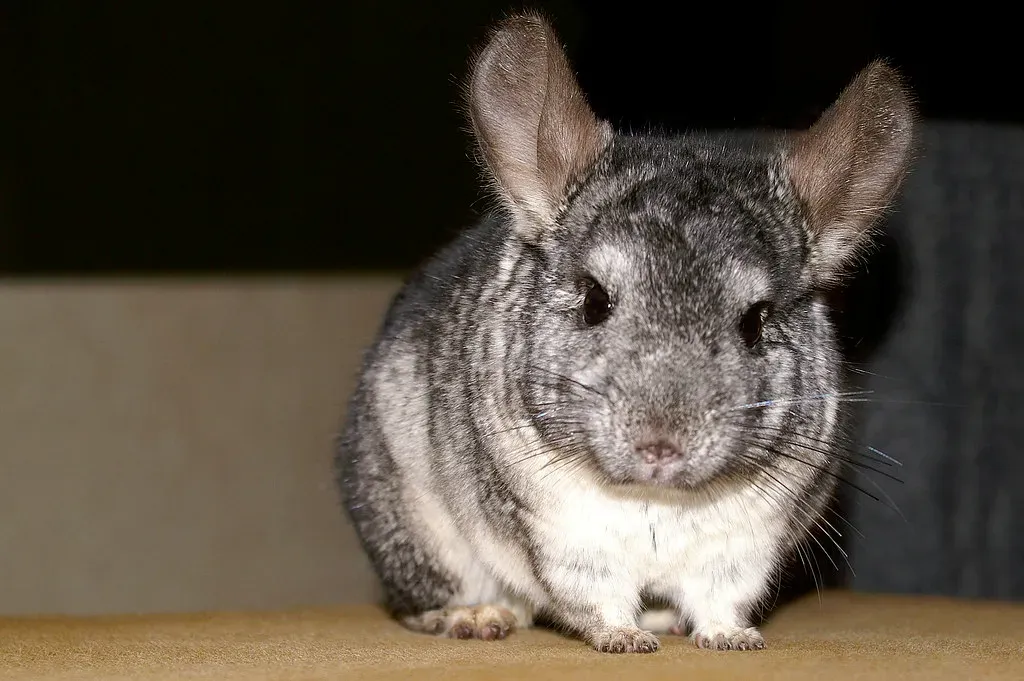
With their impossibly soft fur and adorable faces, chinchillas seem like perfect pets. The care requirements tell a different story.
Chinchillas do NOT tolerate high heat and humidity. They’re native to the cool Andes Mountains, which means keeping them in hot, humid climates requires constant climate control. One power outage during summer can be fatal.
Spaying and neutering is an option for some pocket pets, including chinchillas and guinea pigs. However, these surgeries on small exotic animals carry higher risks than similar procedures on dogs or cats. Finding a qualified exotic vet can be challenging and expensive.
Chinchillas require dust baths, not water baths. Their dense fur can develop fungal infections if it gets wet. They need specialized chinchilla dust and a proper dust bath house. Getting their fur wet can actually make them sick, which is the opposite of most pet care.
They’re also incredibly active and need large, multi-level cages with plenty of climbing opportunities. A chinchilla cage should be at least several feet tall. They can live 10 to 20 years, making them a potentially two-decade commitment. Most people buying them have no idea they’re signing up for that long.
The diet is another complexity. They need high-quality timothy hay available at all times, limited pellets, and no treats high in fat or sugar. Their digestive systems are extremely sensitive. Feed them the wrong treat and you’re looking at potentially fatal digestive upset.
8. Rats
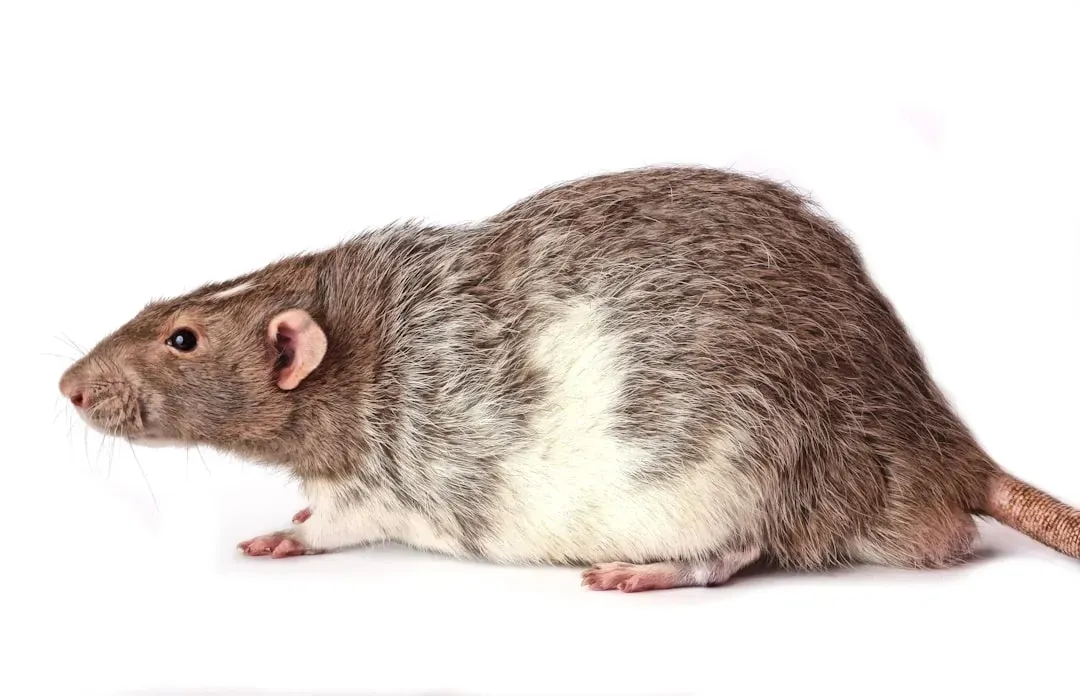
Domestic rats are incredibly intelligent and social animals that form genuine bonds with their owners. They’re also prone to serious health problems.
Diarrhea, obesity, respiratory infections, dental problems, and tumors are common in pocket pets. Rats especially develop tumors at alarming rates, particularly females. Many rat owners watch helplessly as their beloved pets develop massive tumors that eventually require euthanasia.
Rats are incredibly intelligent and social, so it can be difficult to keep their minds occupied, with having more than one making your rat happier and your life easier. A single rat is a lonely, bored rat prone to depression and behavioral issues. You need at least two, preferably three or more.
Respiratory infections plague rats. Their sensitive respiratory systems mean that dusty bedding, strong scents, or poor air quality can trigger serious illness. Cedar and pine shavings, commonly sold for small pets, can actually cause liver damage in rats. How many casual pet owners know to avoid those?
Rats and mice have a very short life expectancy and weren’t brought to vets very often. The short lifespan means you’ll experience the heartbreak of loss after just two to three years. For families with young children, this introduces difficult conversations about death with depressing frequency.
Despite their intelligence and affectionate nature, rats require daily interaction and mental stimulation. They need puzzle toys, training sessions, and genuine engagement. They’re not decorative cage pets you occasionally glance at.
9. Bearded Dragons
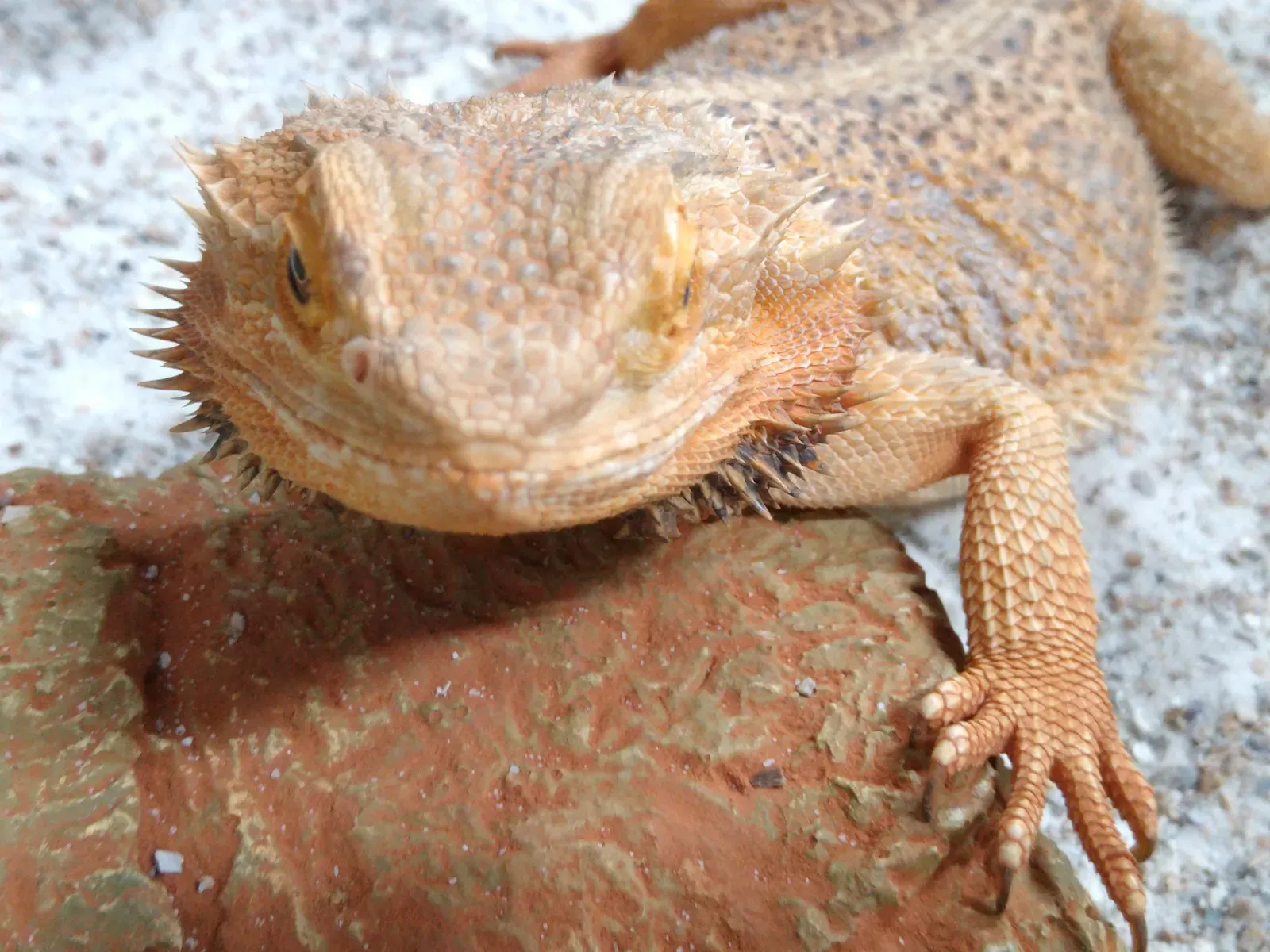
Bearded dragons have become wildly popular reptiles, beloved for their docile temperament. The care requirements remain intimidating for novice owners.
Bearded dragons require temperature-controlled environments with proper UV lighting, daily feeding schedules, and regular habitat cleaning. They need basking areas between 95-105°F and cooler zones around 75-85°F to regulate their body temperature properly. Setting up and maintaining these temperature gradients requires specialized equipment and constant monitoring.
Bearded dragons can spread salmonella to owners who don’t practice excellent handwashing habits. Like hedgehogs, they pose zoonotic disease risks that many families with young children never consider. That cute dragon you just handled? Wash your hands immediately or risk getting seriously ill.
They require effort when it comes to feeding, including live insects and prepared fresh vegetables. This means maintaining a supply of live crickets, mealworms, or other feeder insects. Those crickets need their own housing, food, and care. You’re essentially keeping two pets.
Bearded dragons can live 10 to 15 years with proper care. That terrarium setup with proper lighting and heating equipment costs several hundred dollars minimum. The ongoing electricity costs for maintaining proper temperatures add up significantly over time. The initial purchase price is the smallest expense you’ll face.
They also need relatively large enclosures. Juveniles need at least 40-gallon enclosures, with larger spaces required as they mature. That’s substantially bigger than what most people expect for a lizard, requiring dedicated space in your home.
10. Hermit Crabs
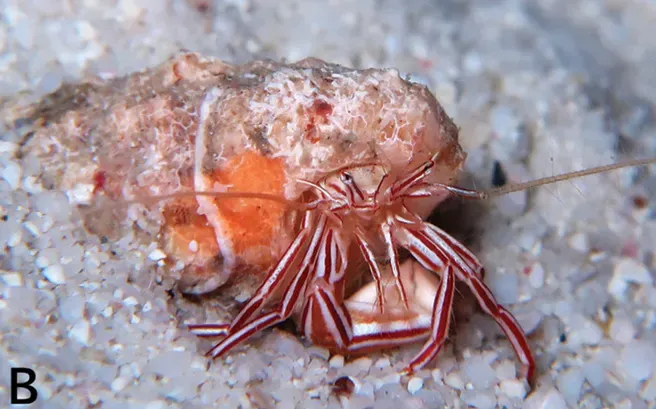
Hermit crabs are sold at beach boardwalks and mall kiosks like cheap trinkets. They’re actually complex creatures with demanding care requirements.
Hermit crabs require high humidity to keep their gills moist and allow them to breathe properly, with humidity maintained at 75-90% by using an automatic mister or frequently spraying the enclosure with water. Getting the humidity wrong suffocates them slowly. Most people keep them in completely inappropriate dry environments.
Hermits need not only deep substrate (6 to 12 inches being the average range) but also climbing space, making their tanks much larger than anticipated, and there are concerns about hermits overheating. The cute little carrier they come in from the boardwalk? Completely inadequate and basically a death sentence.
In the wild, hermit crabs travel in colonies that number in the hundreds, with most hermit crabs benefiting greatly from having friends and it being very important for them to have the company of their own kind. Despite their names, hermit crabs are social animals that thrive when kept in pairs or groups, with every pet crab added to the habitat needing 5 additional gallons of tank space. That means substantial tank sizes for proper social housing.
It is difficult to get their setup just right, you can go several months without seeing your crab during molting, good shells are pricey, and they are better off as look-don’t-touch pets, requiring several hundreds of dollars of investment and committing to many years of care. They literally bury themselves for months at a time. Your child’s “interactive” pet becomes completely invisible.
Hermit crabs can live for decades with proper care. That impulse purchase at the beach? You just committed to possibly 30 years of specialized care. The gulf between how they’re marketed and what they actually need is staggering.
Conclusion
Pocket pets aren’t the easy, low-maintenance alternatives to dogs and cats that marketing would have you believe. Each animal species has its specific care requirements, so potential pocket pet owners should thoroughly research and understand the needs of the particular animal they wish to keep. Most vet visits can be avoided with correct nutrition that is balanced, appropriate husbandry specific to their pocket pet, and a stress-free environment, with thorough research from reliable resources needed before purchasing.
The pattern is clear across all these animals. They require specialized diets, specific environmental conditions, regular veterinary care from exotic animal specialists, and time commitments that rival or exceed traditional pets. Early detection and treatment of health problems are crucial for pocket pets since they are often small and may hide signs of illness until they become severe, making regular veterinary check-ups and attentive care at home essential.
Before you fall for those pleading eyes at the pet store, do your homework. Read care guides from reputable sources. Calculate the real costs, both financial and time-based. Find an exotic vet in your area before you bring the animal home. Make sure your living situation, schedule, and commitment level actually match what the animal needs.
These creatures deserve owners who understand them, not impulse buyers who discover the reality too late. What’s your take on pocket pet ownership? Are you prepared for the real commitment behind that adorable face?

- Your Dog Doesn't Love You for the Food – 14 Signs You're Its Whole World - July 21, 2026
- 10 Myths About Horses That Owners Keep Falling For - July 21, 2026
- 13 Ways a Shelter Dog Shows It Has Decided to Trust You for Good - July 21, 2026