
We think we know what intelligence looks like. Clean-lined laboratories, pristine equations, maybe a chimpanzee solving puzzles. Real intelligence, the kind that truly defies expectations, swims through the ocean with eight arms. It soars overhead in a flash of black feathers. It remembers watering holes across decades and mourns its dead. The animal kingdom is filled with creatures whose mental capacities challenge everything we thought we knew about brains, consciousness, and what it means to think.
These animals don’t just survive; they innovate, remember, feel, and adapt in ways that push the boundaries of what scientists believed possible. Let’s dive in and explore ten creatures whose brains continue to puzzle, inspire, and humble us.
The Octopus: A Brain Distributed Across Eight Arms
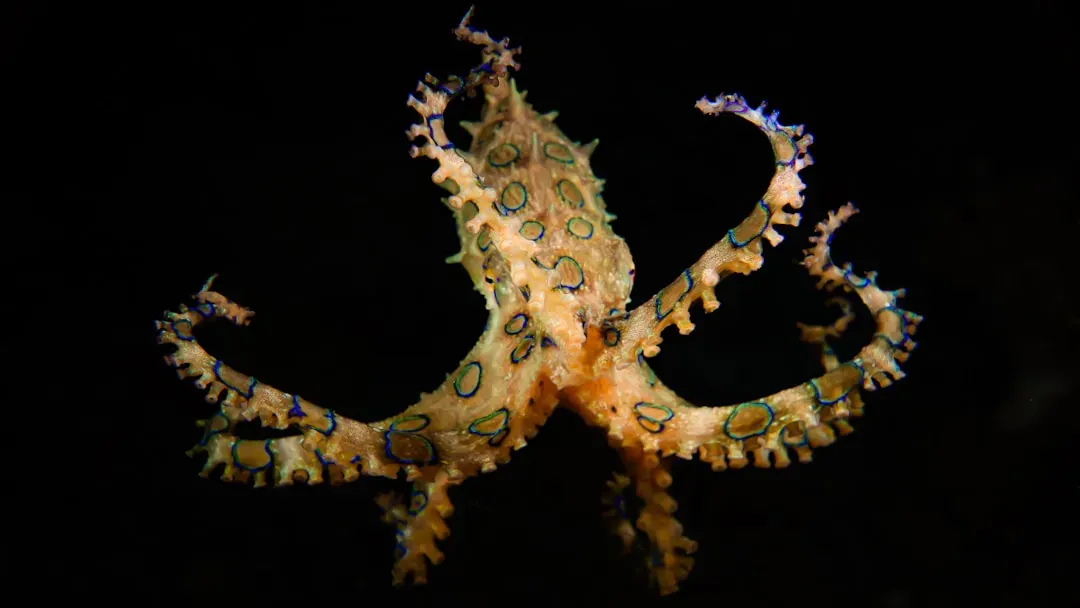
The octopus brain contains approximately 500 million neurons, six times more than a mouse brain, with around 300 million neurons distributed throughout the axial nerve cords in the arms. Here’s the thing: most of those neurons aren’t in the brain at all.
In an octopus, the majority of neurons are in the arms themselves, with each arm having its own sensors and controllers. This means an octopus arm can perform basic motions even when surgically detached from the body. Think about that for a moment: each arm operates somewhat independently, tasting and touching its environment without constant input from the central brain. Octopuses stand out because they achieve high intelligence despite having a decentralized nervous system.
Corvids: Bird Brains That Rival Ape Intelligence
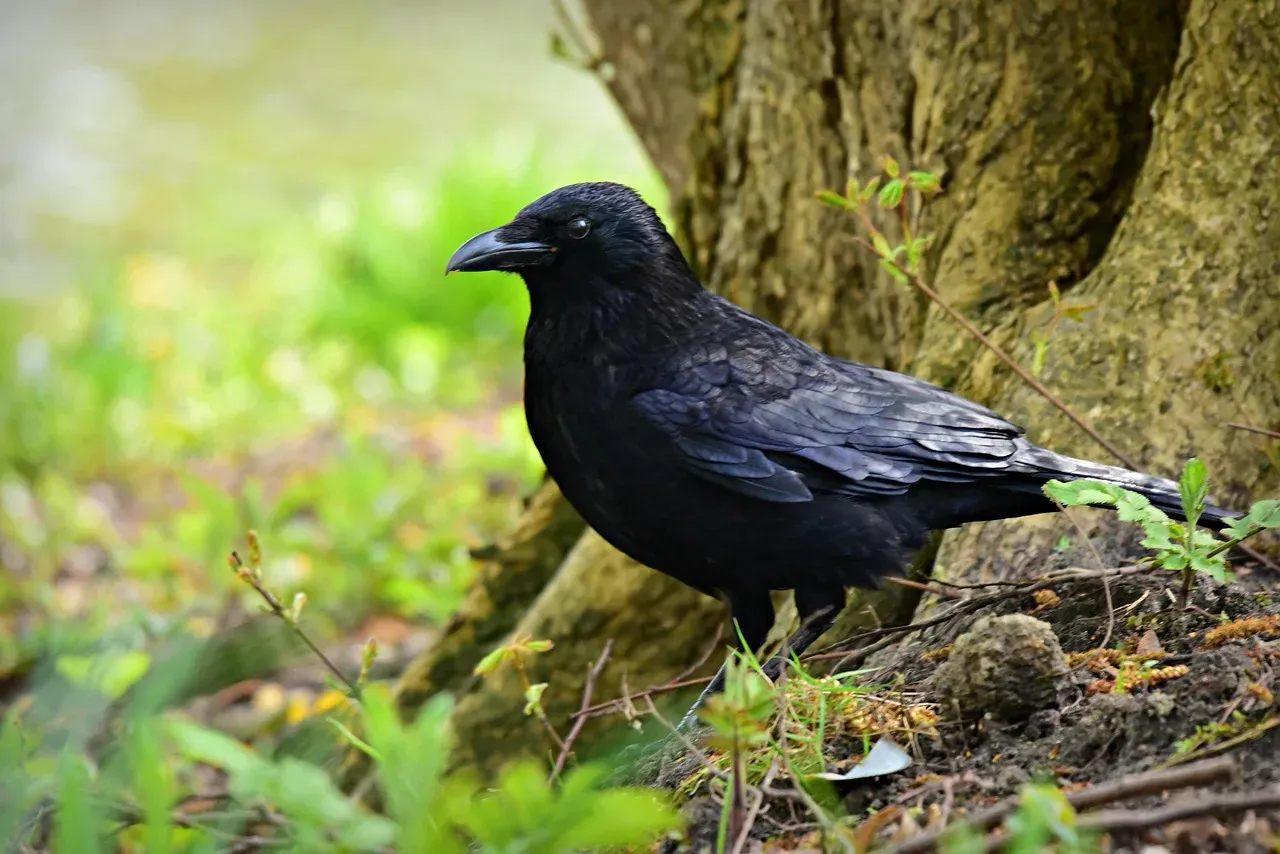
The term “bird brain” used to be an insult. Not anymore. Corvids have large brains in relation to their body size, and their brain-to-body ratio is the same as chimpanzees. Ravens, crows, and jays have been observed doing things that sound like fiction.
Crows rank among the smartest animals because of their tool use, facial recognition, and ability to solve multi-step puzzles, remembering friendly and dangerous humans for years and teaching younger birds which faces to avoid. They don’t just react; they plan. One famous crow named Betty bent a wire into a hook to retrieve food, demonstrating innovation scientists didn’t expect from a bird. The two largest portions of the avian brain have often been compared to the mammalian prefrontal cortex, the part of the brain used for complex decision making.
Elephants: Memory, Emotion, and Massive Intellect
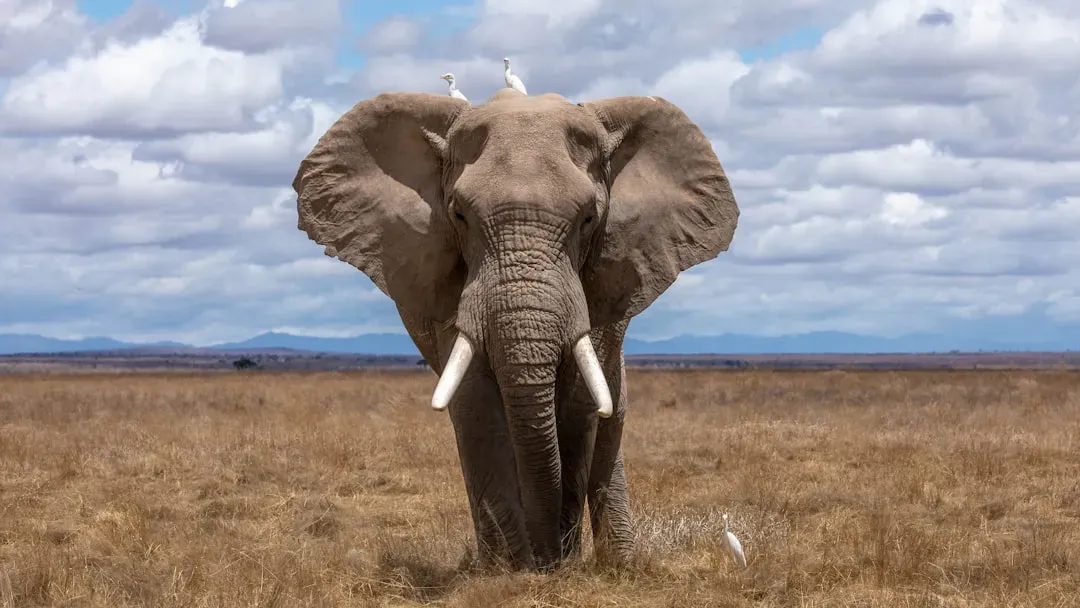
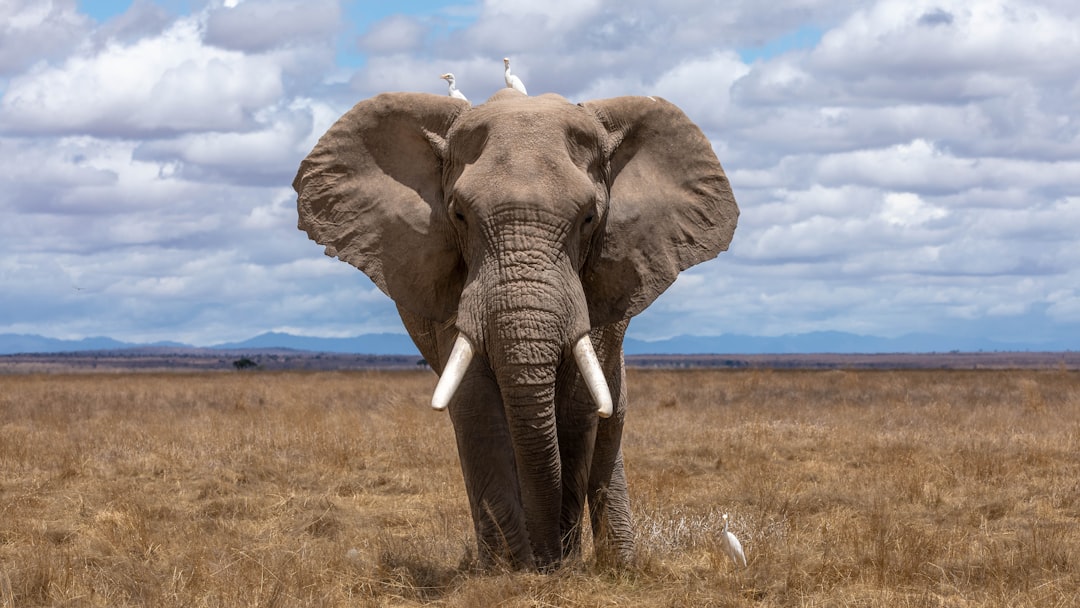
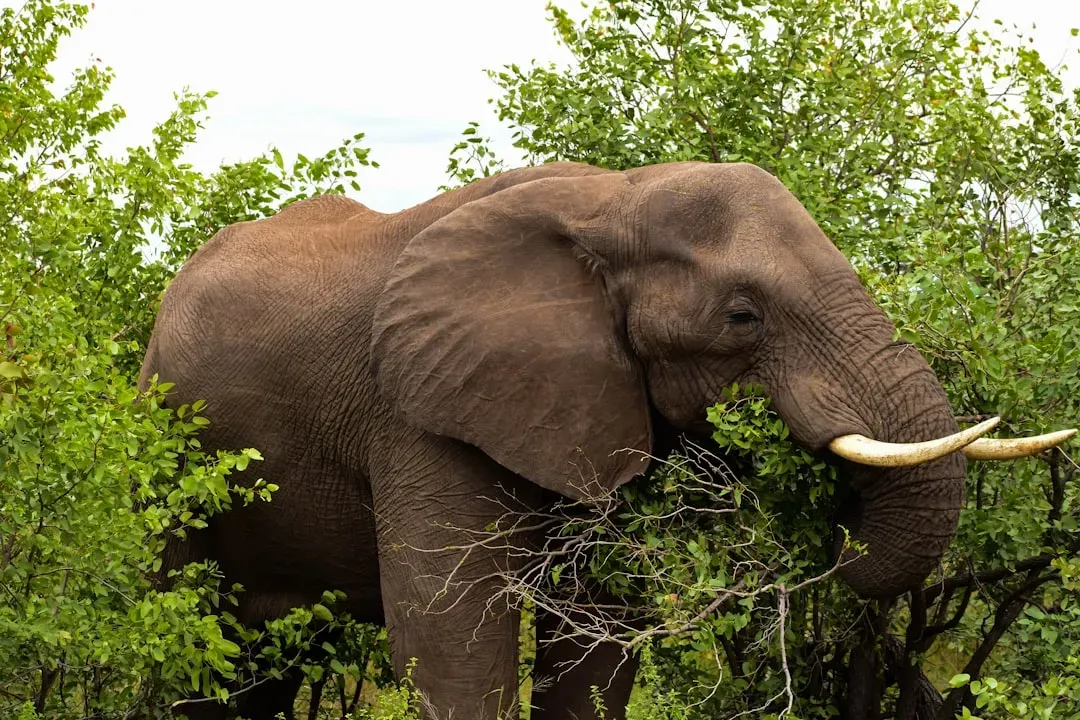
An elephant brain weighs around 5 kg, which is about four times the size of a human brain and the heaviest of any terrestrial animal. But size alone doesn’t tell the story. It’s the structure that matters. Elephants have a very large and highly convoluted hippocampus, taking up about 0.7% of the central structures of the brain, comparable to 0.5% for humans.
This hippocampus is linked to memory and emotion, which explains why elephants demonstrate such profound emotional intelligence. Elephants manifest a wide variety of behaviors, including those associated with grief, learning, mimicry, playing, altruism, tool use, compassion, cooperation, self-awareness, memory, and communication. They mourn their dead, return to the bones of fallen family members, and remember the locations of water sources across hundreds of kilometers. That’s not instinct – that’s deeply complex cognition.
Dolphins: Echolocation and Social Brilliance
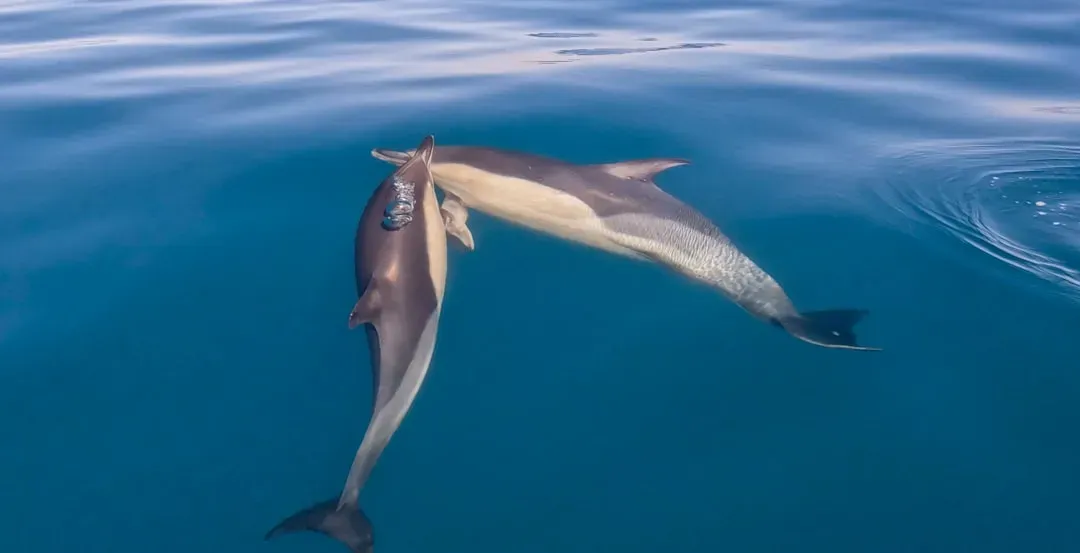
Dolphins don’t just swim through the ocean – they perceive it in ways we can barely imagine. Echolocation seems to rely heavily on the cerebellum’s precise motor control and the tight feedback loop it promotes between sensation and motion. It’s less like seeing and more like touching with sound.
Bottlenose dolphins are capable of distinguishing an object the size of a ping-pong ball from a football field away, and this exploratory process is so efficient that they are capable of determining what an object consists of. They can echolocate a human and detect muscle tissue, bones, even scar tissue. The highest EQs are found in dolphins at 5.3 and finally humans at 7.4-7.8, placing them among the planet’s cognitive elite.
African Grey Parrots: Linguistic Geniuses of the Sky
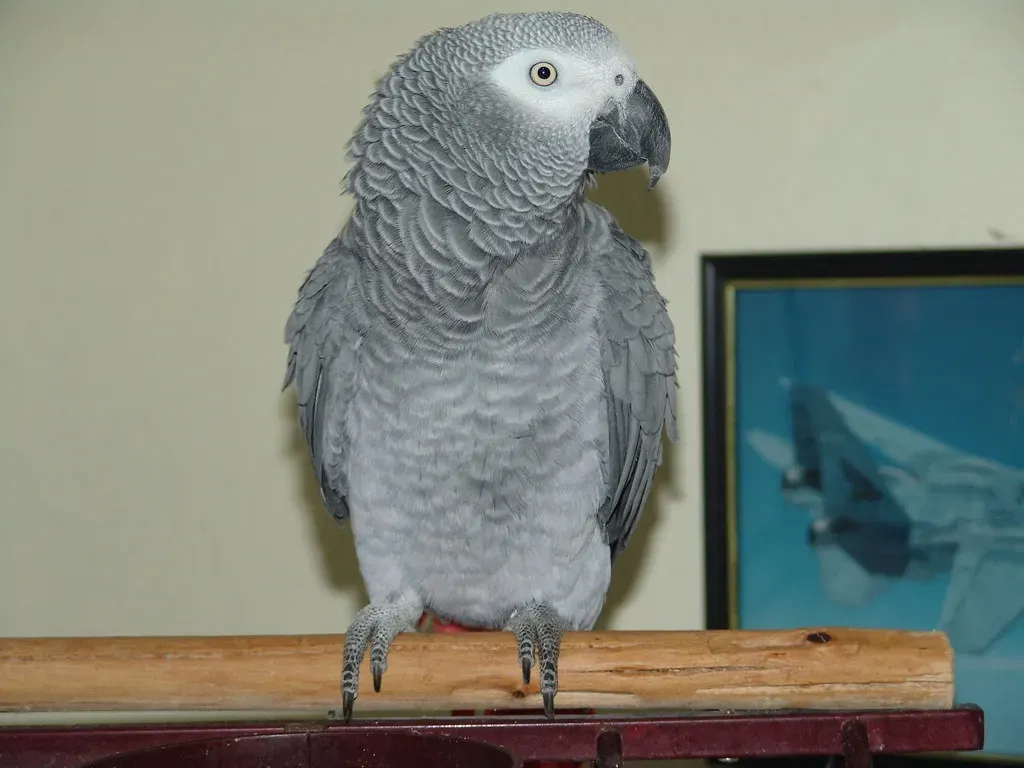
African Gray Parrots are thought to be one of the most intelligent species on the planet, rivaling even apes, and in some areas, they surpass the abilities of five-year-old children. Alex, the famous African grey studied by Dr. Irene Pepperberg, could identify colors, shapes, and quantities. He understood abstract concepts like “same” and “different.”
African Gray Parrots can use deductive reasoning to solve problems, and in one experiment, Griffin outperformed five-year-old children when it came to understanding concepts of certainty versus possibility. Parrots don’t just mimic – they understand. They use language logically, something scientists once thought impossible for a non-primate brain.
New Caledonian Crows: Master Tool Users
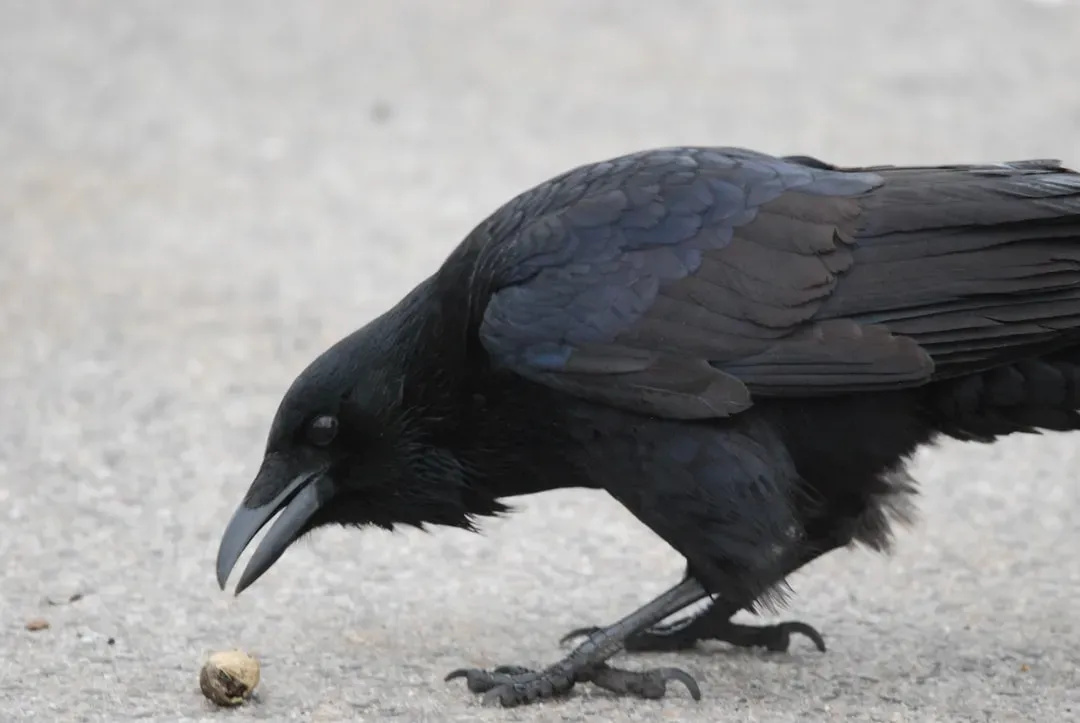
Tool use was once considered a uniquely human trait. Then primates entered the picture. Now we know certain crow species manufacture tools with stunning precision. New Caledonian crows have shown a striking aptitude for problem solving and using tools, including a skill known as “metatool use” in which they use one tool to obtain another.
Imagine the cognitive leap required: not only do these crows recognize that a tool can help them, but they also understand that one tool can be used to access another tool to eventually reach a goal. That’s forward planning. That’s abstract reasoning. One tool-using crow, called Betty, can manipulate novel man-made objects to solve a problem, such as reaching food in a bucket only accessible by using a hook to pull the bucket up. Betty’s innovation wasn’t learned – it was improvised on the spot.
Pigeons: Underestimated Urban Artists
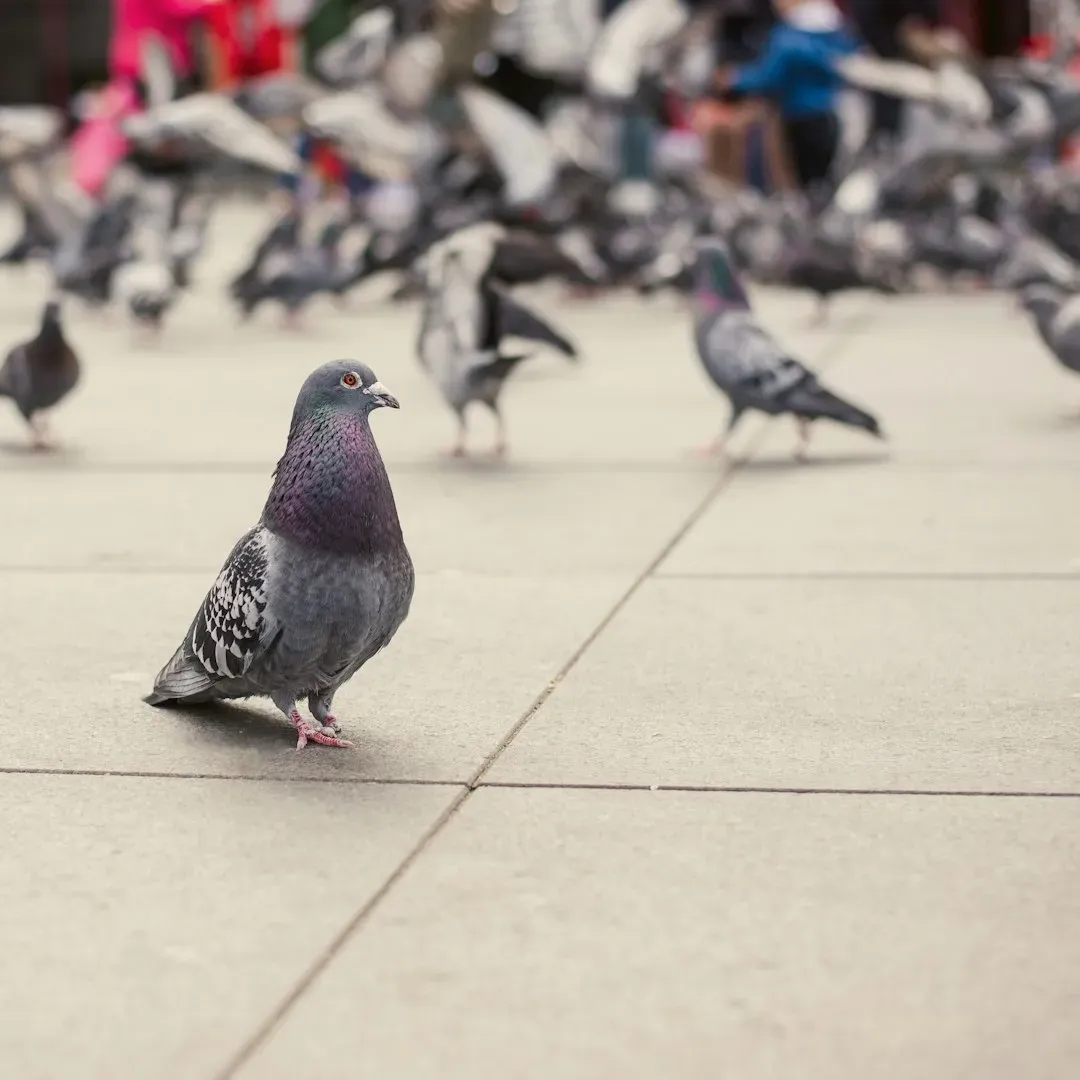
Pigeons get a bad rap as pests, but their brains tell a different story. Experiments with pigeons demonstrated that they can recognize different letters of the alphabet, classify images based on animal taxa criteria, and are able to distinguish between Monet and Picasso paintings after some period of training.
Let’s be real – most people can’t tell a Monet from a Picasso at a glance. Yet pigeons, often dismissed as “rats with wings,” learned to do exactly that. Results from a recent study even suggest that pigeons can be trained to detect cancer. Their visual discrimination abilities are extraordinary, hinting at cognitive processing far more sophisticated than we give them credit for.
Orangutans: The Thoughtful Escape Artists
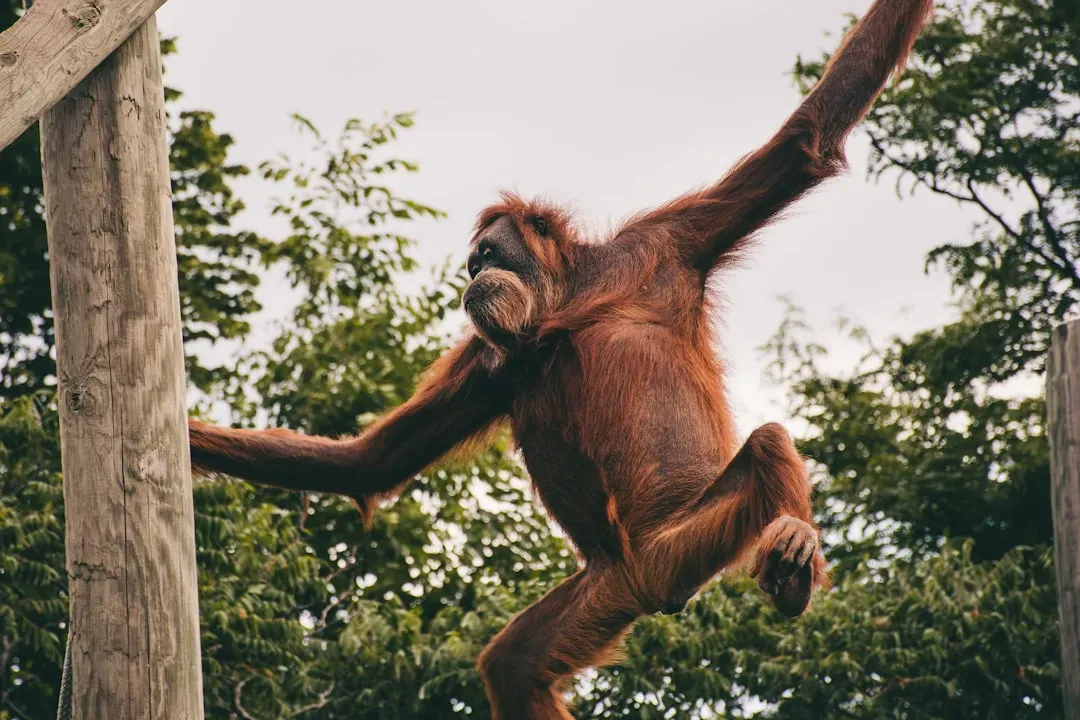
Orangutans stand out as being especially gifted in the brains department and can weigh costs and benefits when exchanging goods, similar to humans. They’re deliberate, calculating, and capable of astonishing problem-solving.
Fu Manchu, an orangutan at the Omaha Zoo, continued to escape from his enclosure, and when zookeepers installed cameras, they learned he had learned to pick a lock and kept the key hidden. That’s not just intelligence – that’s cunning. In one study, adult orangutans performed better than human children at making and using tools. Their cognitive flexibility and capacity for innovation make them one of the great apes most adept at manipulating their environment.
Honey Bees: Tiny Brains, Enormous Navigation Skills

Honey bees provide an intriguing example of how animals exhibit extraordinary abilities to navigate their worlds, with some behaviors extending beyond human cognition. They perform the famous “waggle dance” to communicate the direction and distance to food sources with incredible precision.
Honey bees show some evidence of using cognitive maps; when they are physically displaced to a new foraging location, they return home via a direct route, suggesting that they possess a cognitive map of their territory. That requires spatial memory, abstract representation, and calculation – all packed into a brain smaller than a grain of rice. Their navigation system rivals GPS in accuracy and efficiency.
Spotted Hyenas: The Social Carnivores with Primate-Level Cognition
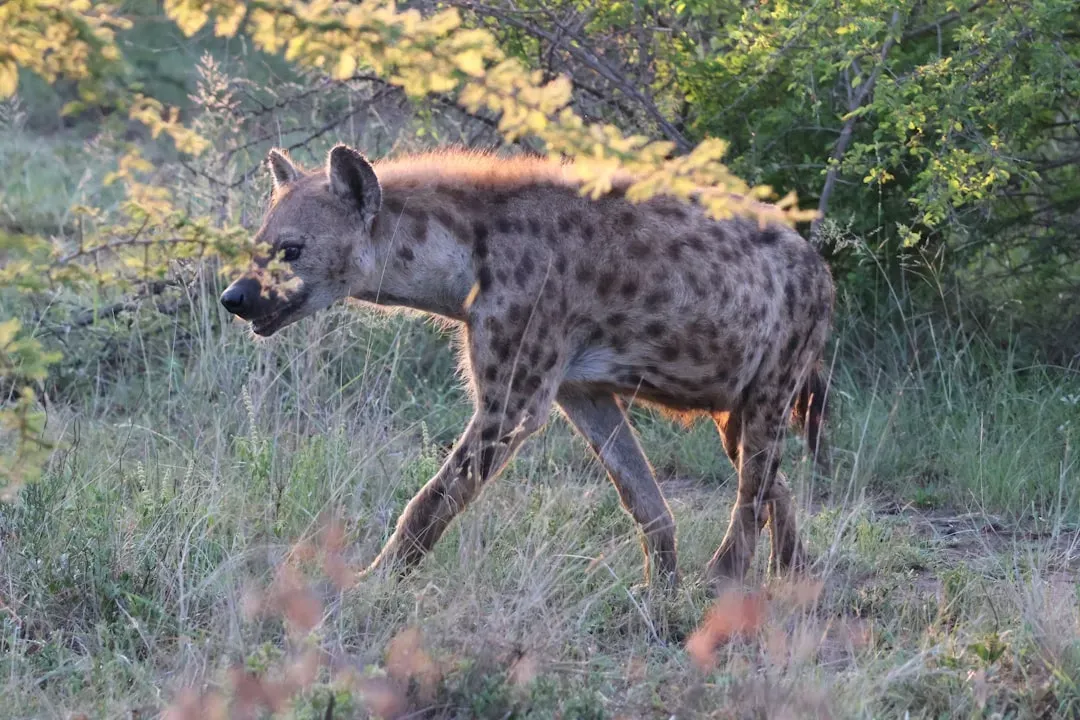
Hyenas have been unfairly maligned in popular culture, but their brains tell a story of remarkable intelligence. Behavioural data indicate that there has been considerable convergence between primates and hyaenas with respect to their social cognitive abilities, and compared with other hyaena species, spotted hyaenas have larger brains and expanded frontal cortex.
They live in complex social structures similar to those of primates, recognizing individuals, forming alliances, and navigating dominance hierarchies. Brain size is positively correlated with many different behavioural indicators of intelligence, including learning ability, tool use, ability to control inappropriate impulses and behavioural innovation. Spotted hyenas demonstrate that intelligence evolved multiple times across different lineages, sometimes in unexpected places.
Conclusion
Intelligence isn’t a ladder with humans at the top. It’s a sprawling tree with countless branches, each species evolving cognitive abilities perfectly suited to their ecological niche. From the distributed genius of an octopus to the emotional depth of an elephant, these animals remind us that the brain – regardless of size, structure, or location – can achieve extraordinary things.
These creatures force us to rethink what consciousness means, what thinking looks like, and how deeply we’ve underestimated the minds around us. Did you expect some of these animals to be on this list? What does it say about intelligence when a crow can plan better than some humans, or when a bee navigates with more precision than our best technology?

- 6 Exotic Bird Species You Can Spot in U.S. National Parks - July 19, 2026
- 11 Iconic American Birds Facing New Challenges and How You Can Help - July 19, 2026
- 10 Friendliest Animals in the World - July 19, 2026