


In the wake of nuclear incidents like Chernobyl and Fukushima, scientists have discovered fascinating adaptations in wildlife exposed to radiation. These events have created unintended natural laboratories where researchers can study how animals respond to radioactive environments. While no animals naturally produce significant radiation themselves, certain species have demonstrated remarkable abilities to bioaccumulate radioactive isotopes or develop resistance to radiation effects. This exploration of the most radioactive animals found in nature reveals how these creatures interact with one of the most powerful forces on Earth, and what their adaptations might teach us about radiation biology and ecological resilience.
Understanding Radiation in Animals

Radiation exposure in animals occurs primarily through two mechanisms: external exposure from contaminated environments and internal exposure through ingestion or inhalation of radioactive particles. When animals consume food or water containing radioactive isotopes like cesium-137, strontium-90, or iodine-131, these elements can accumulate in their tissues. Different isotopes tend to concentrate in specific organs – iodine-131 in the thyroid, strontium-90 in bones, and cesium-137 throughout muscle tissue.
The measurement of radioactivity in animals is typically expressed in becquerels per kilogram (Bq/kg), representing the number of radioactive decays per second in each kilogram of tissue. Background radiation levels in uncontaminated animals usually range from 100-200 Bq/kg, while animals in radiation-affected zones can contain tens or even hundreds of thousands of Bq/kg. The biological impact varies widely depending on the type of radiation, exposure duration, and the specific animal’s physiology and radiation resistance mechanisms.
Bank Voles of Chernobyl
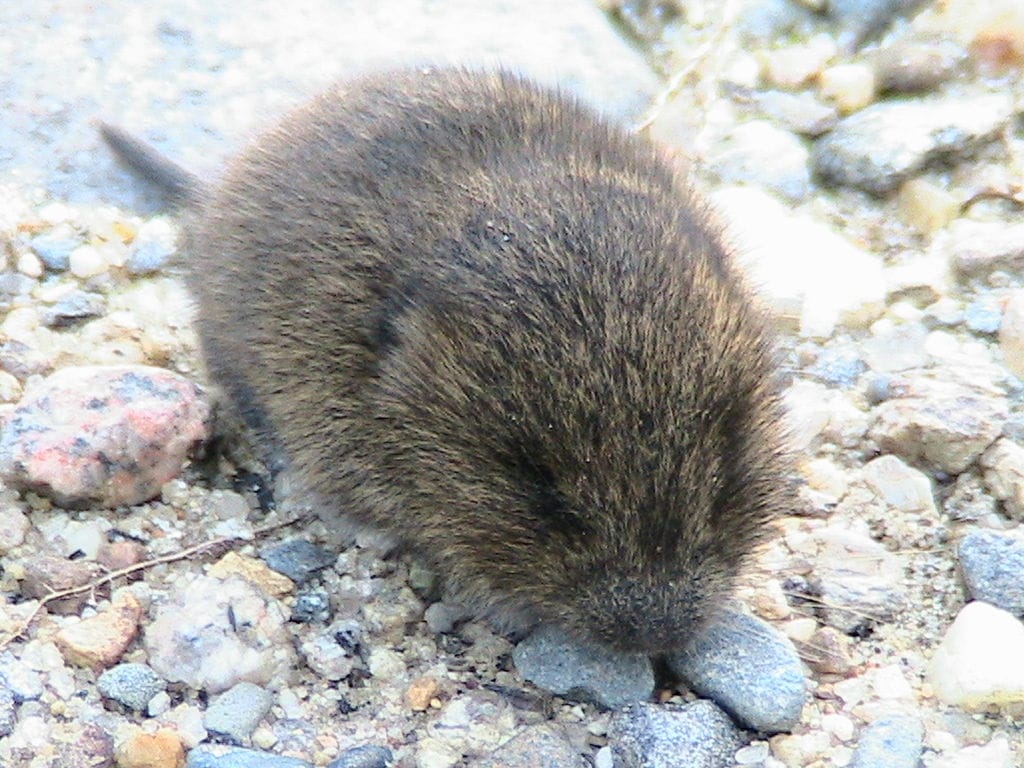
Bank voles (Myodes glareolus) living in the Chernobyl Exclusion Zone have become one of the most extensively studied radioactive animals. These small rodents have been found with cesium-137 levels exceeding 30,000 Bq/kg – over 150 times higher than background levels. Despite this extreme contamination, these populations have not only survived but have shown remarkable adaptations to their radioactive environment. Research led by Dr. Tapio Mappes from the University of Jyväskylä demonstrated that bank voles from highly contaminated areas of Chernobyl have developed increased antioxidant production, more efficient DNA repair mechanisms, and altered cellular metabolism.
Particularly fascinating is the evidence suggesting these adaptations are being passed genetically to offspring. Studies comparing bank voles from high-radiation areas to those from less contaminated regions show distinct genetic differences related to cellular protection and repair mechanisms. These findings make bank voles invaluable subjects for understanding evolutionary responses to radiation stress and potential applications in radiation protection and cancer research.
Wild Boars of Fukushima

Following the 2011 Fukushima Daiichi nuclear disaster, wild boars (Sus scrofa) emerged as significant bioaccumulators of radioactive cesium. Japanese authorities have recorded cesium-137 levels in Fukushima wild boars exceeding 150,000 Bq/kg – among the highest recorded in terrestrial mammals. These high levels persist years after the disaster due to several factors. Wild boars frequently root through soil, where radioactive particles have settled, and they consume underground fungi and tubers known to concentrate cesium isotopes. Their omnivorous diet and relatively long lifespan (up to 10 years) contribute to persistent bioaccumulation.
The Japanese government implemented wild boar culling programs partly due to radiation concerns, with thousands destroyed annually. Interestingly, studies indicate that despite carrying high radiation loads, many boars show fewer physiological effects than expected, suggesting possible adaptive mechanisms. The wild boar population in radioactive areas has actually increased since the disaster, likely due to reduced human presence and hunting in the evacuation zones, demonstrating how human activity can sometimes pose a greater population threat than radiation.
Reindeer and Caribou Contamination
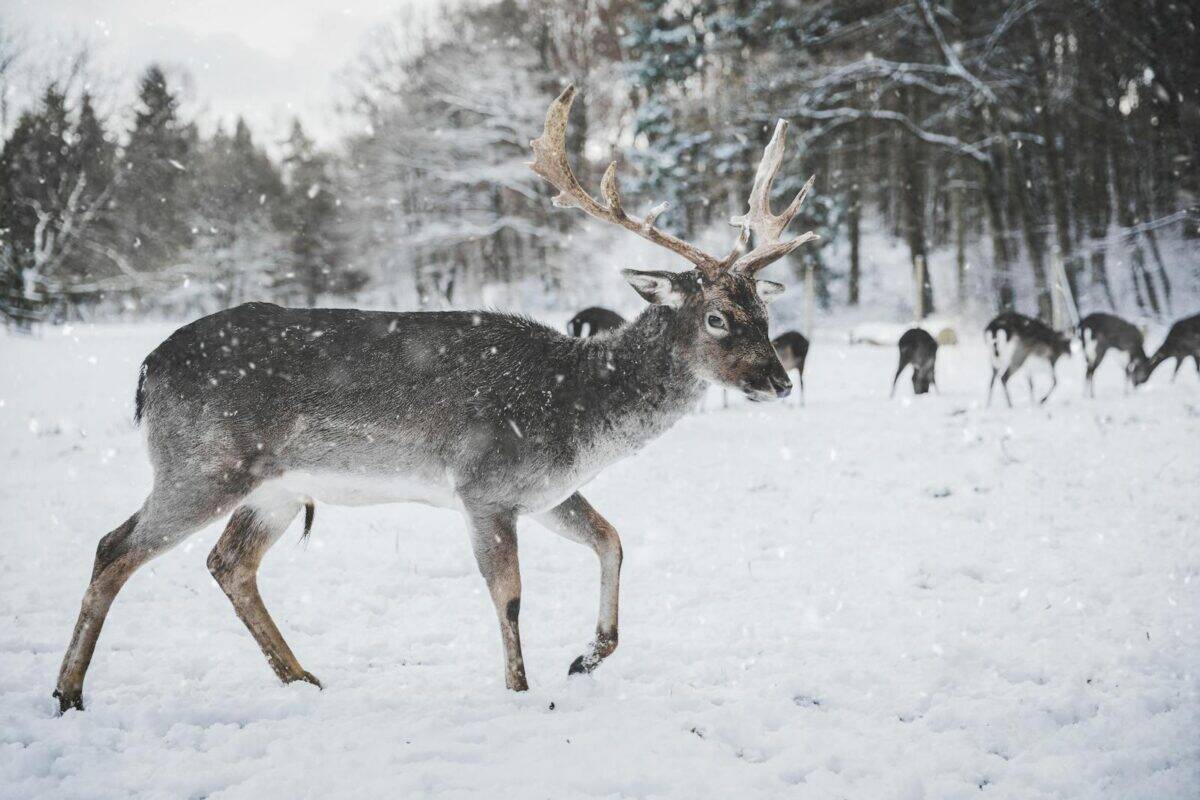
Arctic reindeer and caribou (Rangifer tarandus) became unexpected victims of distant nuclear events through a complex ecological pathway. Following atmospheric nuclear testing in the 1950s and 1960s, and later the Chernobyl disaster, radioactive cesium was deposited across northern latitudes. This contamination was magnified through the reindeer’s primary winter food source – lichens. These slow-growing organisms efficiently absorb airborne nutrients and contaminants alike, concentrating radioactive cesium up to 20 times higher than surrounding vegetation.
The impact was particularly severe for indigenous Sami herders in northern Scandinavia, whose traditional lifestyle centers around reindeer. After Chernobyl, cesium-137 levels in some reindeer reached 40,000 Bq/kg, rendering meat unfit for consumption under European regulations. The cultural and economic impacts were profound, requiring extensive monitoring programs and countermeasures like feeding reindeer uncontaminated fodder or administering cesium-binding compounds. This case demonstrates how radioactive contamination can travel thousands of kilometers and impact remote communities through ecological food chains.
Wolves of the Exclusion Zone
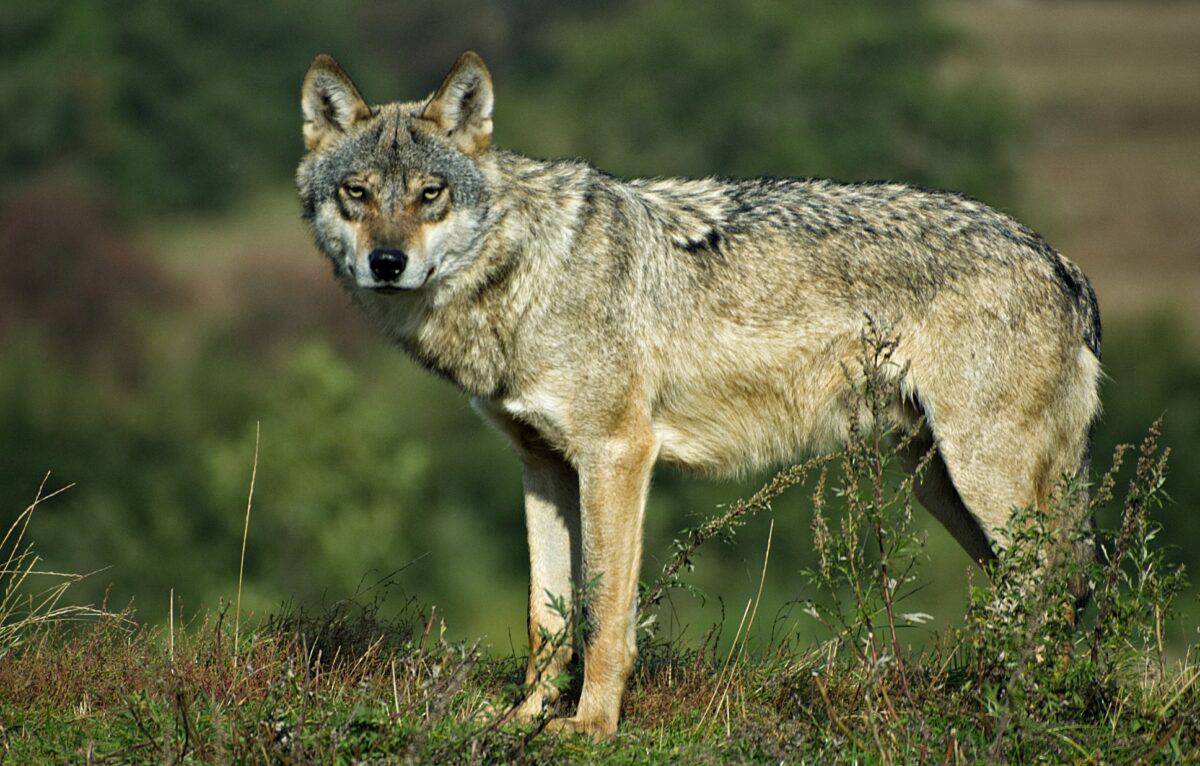
Gray wolves (Canis lupus) in the Chernobyl Exclusion Zone have attracted scientific attention as apex predators in a radioactive ecosystem. Research led by Dr. Michael Byrne has found wolves in the most contaminated areas carrying cesium-137 levels up to 11,000 Bq/kg. Their position at the top of the food chain makes them important indicators of ecosystem-wide contamination through bioaccumulation. Remarkably, the wolf population in the Exclusion Zone is now estimated to be up to seven times denser than in surrounding uncontaminated reserves.
Studies using GPS collars on these wolves have yielded unexpected insights. Despite carrying significant radiation loads, the wolves show normal reproduction rates, territorial behaviors, and overall health parameters. This challenges assumptions about radiation effects on large mammals and highlights how the absence of human interference may outweigh radiation risks for some species. The Chernobyl wolves now represent one of the most genetically significant wolf populations in the region, contributing to a growing body of evidence that certain animal populations can thrive in human exclusion zones despite elevated radiation levels.
Cesium-Accumulating Fungi and Their Consumers

Certain fungi species have demonstrated extraordinary abilities to concentrate radioactive cesium, with levels reaching up to 1,000,000 Bq/kg in some mushroom species from Chernobyl and Fukushima. The mechanisms behind this extreme bioaccumulation involve cesium being chemically similar to potassium, an essential nutrient for fungi. Species like Cortinarius caperatus and various Boletus species are among the most efficient cesium accumulators. This fungal concentration creates a critical pathway for radiation to enter forest food webs, affecting animals that consume mushrooms.
Wild boars, deer, and various rodents that incorporate mushrooms in their diet consequently show elevated radiation levels. In Japan, tests on wild mushrooms still regularly exceed safety limits more than a decade after Fukushima. In parts of Europe, certain mushroom species remain unsafe for consumption more than 35 years after Chernobyl. This persistence demonstrates how radioactive contamination can remain biologically available in ecosystems long after the initial contamination event, creating long-term exposure pathways for forest animals and potentially humans who consume forest products.
Radioresistant Microorganisms

While not “radioactive” themselves, certain microorganisms display remarkable resistance to radiation that deserves mention in any discussion of radiation biology. The most famous example is Deinococcus radiodurans, a bacterium that can survive radiation doses 1,000 times greater than would kill a human. This extremophile has been found thriving in the cooling water of nuclear reactors and contaminated zones of nuclear accidents. Its extraordinary resistance comes from multiple copies of its genome and highly efficient DNA repair mechanisms that can reassemble its chromosome even after it’s been shattered by radiation.
Scientists have also discovered fungi with radiation resistance in the most contaminated areas of Chernobyl. Species like Cladosporium sphaerospermum and Cryptococcus neoformans actually appear to use melanin to convert radiation energy into chemical energy – a process dubbed “radiosynthesis” that parallels photosynthesis. These organisms don’t just tolerate radiation; they potentially harness it for growth. Research into these radioresistant microorganisms has implications for radiation protection, bioremediation of contaminated sites, and even space exploration, where radiation exposure presents a major challenge.
Aquatic Bioaccumulators
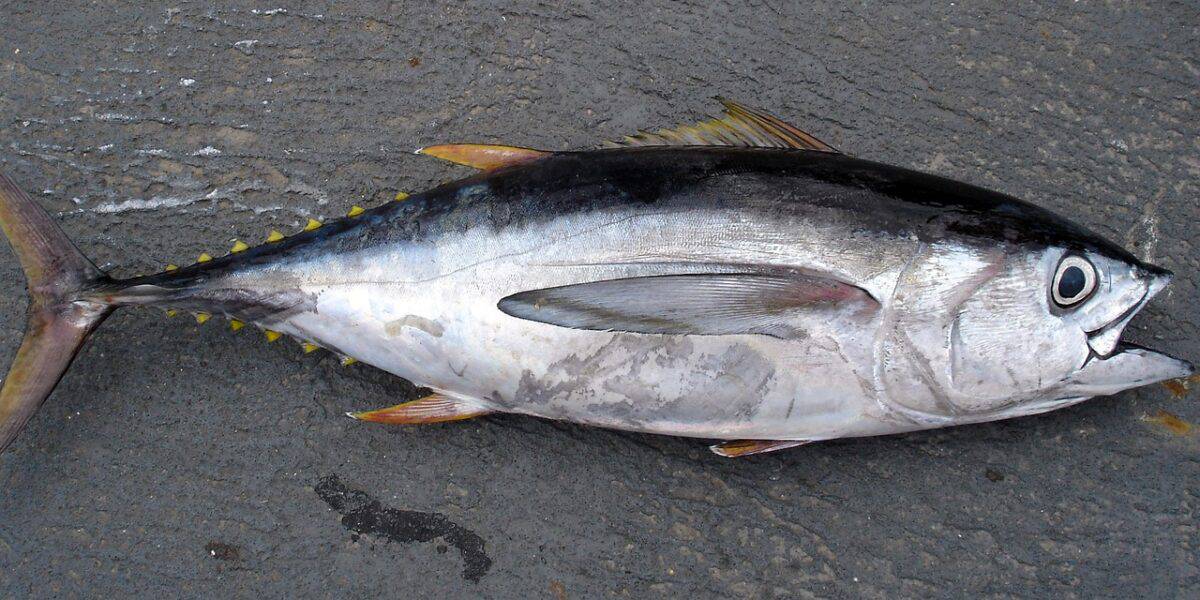
Aquatic environments present unique patterns of radioactive contamination and bioaccumulation. After the Fukushima disaster, certain marine species emerged as significant bioaccumulators. Bottom-dwelling fish like greenling and flounder showed persistent cesium contamination, with some specimens exceeding 25,000 Bq/kg. These benthic species are particularly vulnerable because radioactive particles settle in seafloor sediments where they feed. Predatory species higher in the food chain, such as tuna and sea bass, also showed elevated radiation levels through biomagnification, though typically at lower concentrations than bottom-feeders.
Freshwater systems often show more intense and persistent contamination than marine environments. Studies from Fukushima’s lakes and Chernobyl’s cooling pond revealed that predatory freshwater fish like perch and pike can accumulate cesium-137 at concentrations 100,000 times higher than the surrounding water. In closed lake systems with limited water exchange, this contamination can persist for decades. The ongoing monitoring of these aquatic systems provides crucial data on long-term ecological radiation effects and informs fishing restrictions and food safety guidelines in affected regions.
Birds in Radiation Zones

Birds present particularly interesting cases for radiation studies due to their mobility and varied diets. Research by Dr. Timothy Mousseau and Dr. Anders Møller has documented significant negative effects on barn swallows and other birds in the Chernobyl zone, including reduced population densities, increased mutation rates, and abnormal development. Certain species accumulate substantial radiation loads – tree swallows near contaminated wetlands have shown cesium-137 levels up to 7,000 Bq/kg. Birds of prey, as top predators, can show even higher concentrations through biomagnification.
However, the radiation response varies dramatically by species. While some bird populations show clear declines in contaminated areas, others like the Eurasian magpie appear relatively resilient. Recent research suggests that species with higher levels of protective antioxidants like carotenoids and melanin may have enhanced radiation resistance. Birds also serve as important indicators of radiation effects on reproduction, as their eggs and developing embryos are particularly vulnerable to radiation damage. Long-term studies of bird populations in Chernobyl and Fukushima continue to provide insights into adaptation processes and sensitive ecological indicators of radiation impact.
Earthworms and Soil Invertebrates

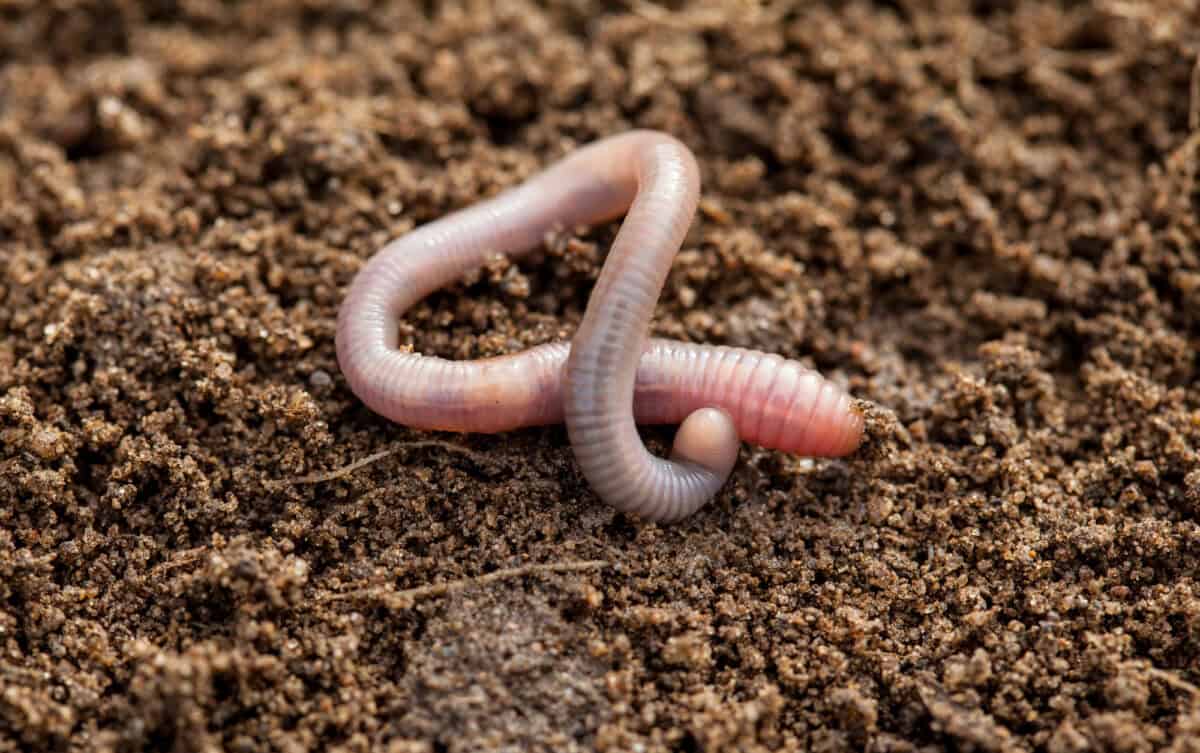
Soil ecosystems contain some of the most contaminated organisms following nuclear accidents, as radioactive particles typically settle on and bind to soil particles. Earthworms are particularly significant bioaccumulators because they ingest soil directly and have limited ability to excrete certain radioactive elements. Studies from Fukushima have found earthworms with cesium-137 concentrations reaching 20,000 Bq/kg. These organisms serve as critical vectors transferring radiation from soil into terrestrial food webs, as they are consumed by numerous birds, mammals, and other predators.
The contamination of soil invertebrates creates cascading ecological effects. Research has shown altered decomposition rates in highly contaminated soils, potentially affecting nutrient cycling and ecosystem productivity. Some studies indicate reduced abundance and diversity of soil organisms in the most contaminated areas, while others suggest adaptation is occurring in certain populations. The study of radiation effects on these often-overlooked soil organisms provides essential insights into ecosystem-level impacts and recovery processes following radiation contamination events.
Surprising Radiation Adaptations
Perhaps the most fascinating aspect of studying animals in radioactive environments is discovering unexpected adaptive responses. Several species show evidence of hormesis – a phenomenon where low or moderate radiation exposure appears to trigger beneficial adaptations. For example, some insect populations in Chernobyl show increased lifespans and reproductive success compared to those in uncontaminated areas, possibly due to upregulated DNA repair and antioxidant mechanisms. Research on certain fish species has identified enhanced antioxidant systems and altered gene expression patterns that may confer radiation resistance.
Even more surprising are cases of apparent directed adaptation. A 2014 study found that birds in the Chernobyl zone had increased levels of protective antioxidants like glutathione in direct proportion to background radiation levels in their habitats. Similarly, certain amphibian populations show evidence of adapted melanin production, which may provide radiation protection. These findings suggest that nature’s adaptive capacity may be greater than previously assumed. While these adaptations don’t make the animals “radiation-proof,” they represent remarkable biological responses to one of the most severe environmental stressors and offer potential insights for human radiation protection and cancer treatment research.
The Ecological Significance of Radioactive Wildlife

The study of radioactive animals extends far beyond measuring contamination levels; it provides profound insights into evolutionary biology, ecosystem resilience, and environmental health. The exclusion zones created by nuclear accidents have become unintentional wildlife sanctuaries where nature reclaims abandoned human spaces. This paradoxical flourishing of wildlife in contaminated areas highlights how direct human impacts often exceed radiation effects for many species. The complex responses observed – from visible harm in some species to apparent adaptation in others – demonstrate that radiation effects must be understood within broader ecological contexts.
These natural experiments also offer valuable lessons for environmental protection, human health, and future disaster management. The bioaccumulation patterns observed in these animals inform food safety guidelines and environmental remediation strategies. The discovery of radiation-resistant mechanisms may lead to biomedical applications in cancer treatment and radiation protection. Perhaps most importantly, these radioactive animals serve as sensitive indicators of environmental contamination, helping scientists understand how radiation moves through ecosystems and potentially impacts human communities. Their continued study remains essential as we navigate a world where nuclear power, medical applications, and the legacy of past nuclear events make radiation an ongoing environmental concern.

From exploring the marine wonders in the Azores and witnessing the vast savannas of Kenya, to delving deep into the rich biodiversity of South Africa and traversing iconic landscapes in Australia and the US like Yellowstone, Chris's experiences are vast.
With a penchant for diving alongside sharks, the ocean holds a special place in his heart.
Through his academic insights, he champions wildlife conservation, striving with 'Animals Around The Globe' to cultivate a profound connection between humans and animals, enhancing our mutual appreciation.
Connect with him at Feedback@animalsaroundtheglobe.com.
- Elephant Matriarchs Know Every Waterhole for Miles - July 19, 2026
- Top 10 Dinosaur Relatives Still Roaming Earth Today - July 19, 2026
- Why Reintroducing Lions Might Save the Savannah - July 19, 2026