
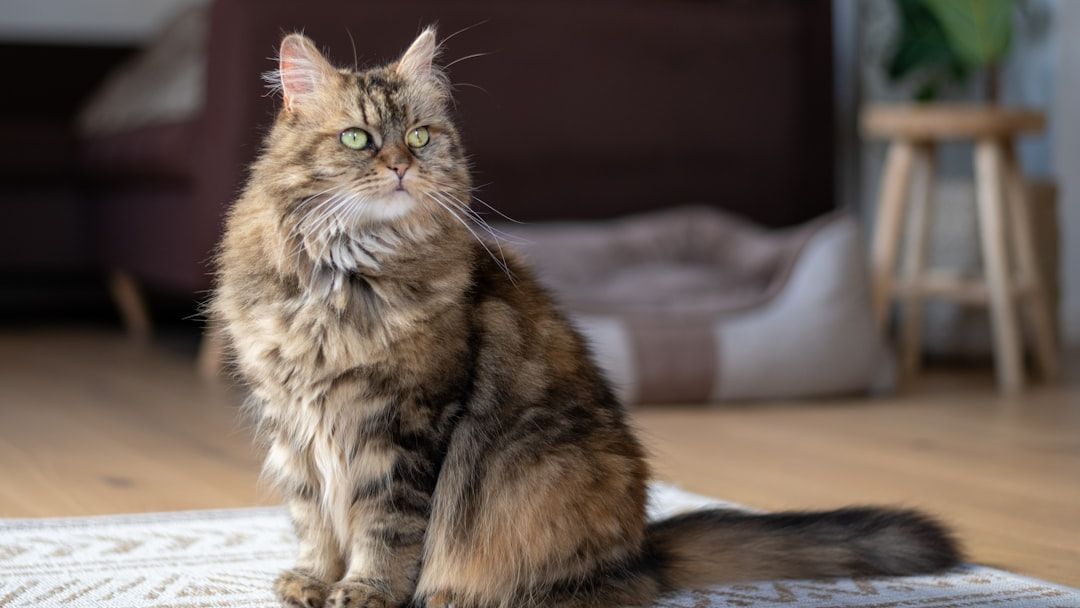
You’re cuddling your cat on the couch, everything feels perfect, when suddenly you feel a sharp pain on your hand. Your cat just bit you out of nowhere. This jarring experience catches many cat owners off guard, but experts say it’s not as random as it seems. Some breeds are especially sensitive to overstimulation, a state where too much petting or physical contact sends them into defensive mode. Their nervous systems essentially overload, triggering a bite or scratch that feels unprovoked but is actually their way of saying enough is enough.
Here’s the thing. While all cats can experience overstimulation, certain breeds have notably lower thresholds for sensory overload. Understanding which breeds are more prone to this behavior can help you become a better cat parent. Let’s explore the felines that experts warn can turn from purring companions to sudden biters when their comfort zones are crossed.
1. Siamese Cats
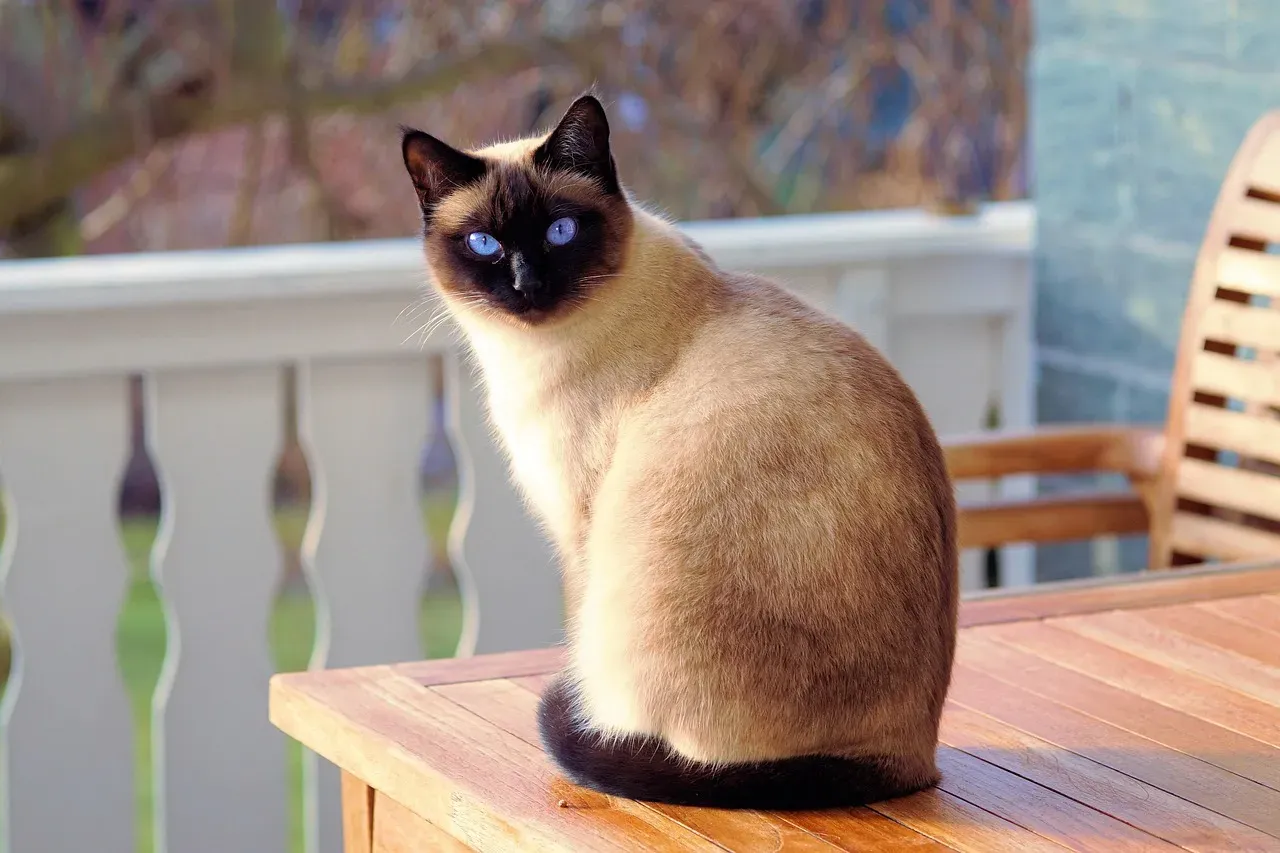
Siamese cats are among the breeds more predisposed to aggression, making them notorious for sudden behavioral shifts. These vocal, intelligent felines crave attention constantly but can become overstimulated surprisingly fast. Playfulness is a common trait in Siamese cats, and biting is often part of their play routines which revolve around hunting.
Their sensitivity threshold tends to be lower than many other breeds. What starts as affectionate interaction can quickly turn into a warning nip if you pet them beyond their comfort level. Siamese are vocal and sensitive, prone to biting from overstimulation.
The breed’s high energy levels compound the problem. Siamese cats crave human company and can become lonely, often greeting owners with destructive behavior and a readiness to pounce and bite. They’re also known for their intense territorial nature, which adds another layer to their biting tendencies.
Honestly, if you ignore a Siamese cat’s warning signals, you’re asking for trouble. They communicate discomfort through body language before resorting to aggression, so learning to read their cues is absolutely essential.
2. Bengal Cats
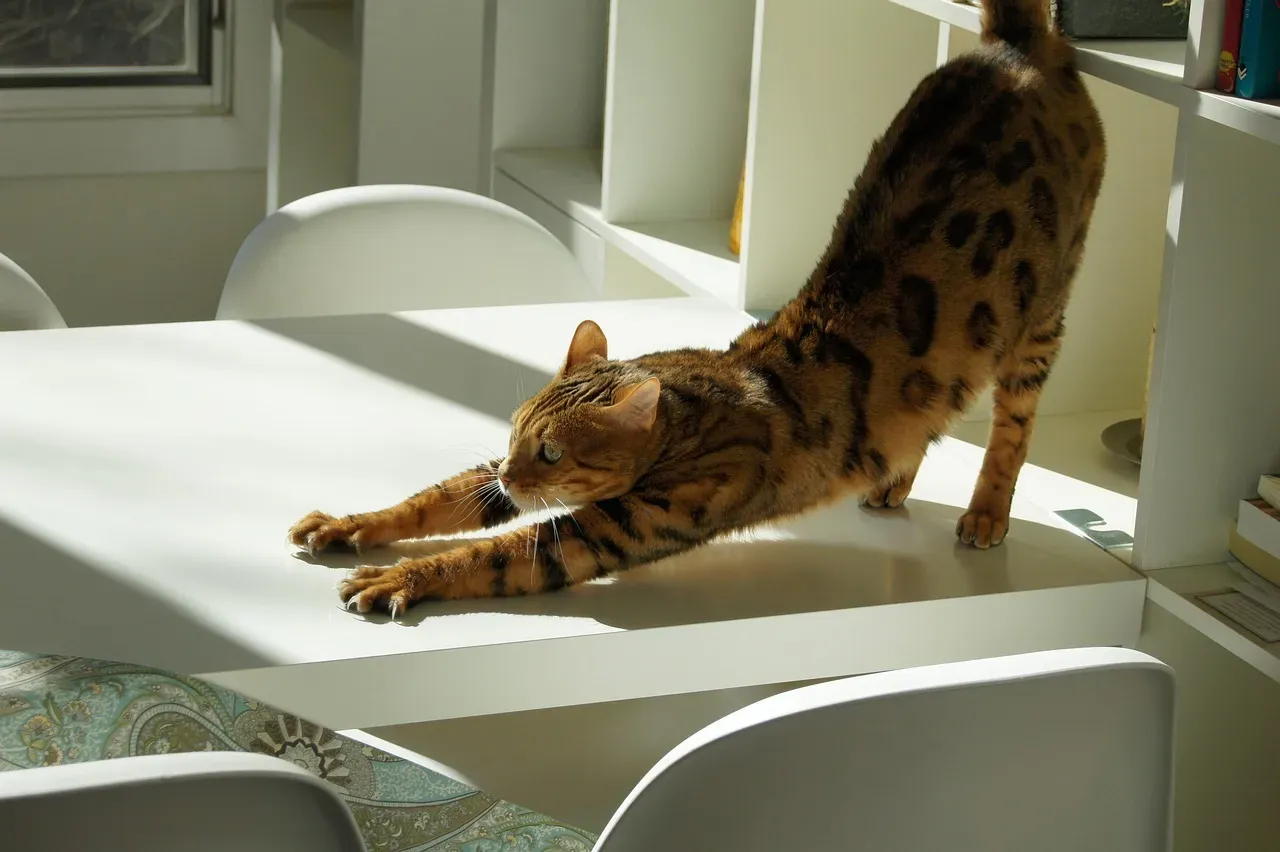
Breeds that are a mix of domestic and wild cats, such as Bengal cats, tend to have a higher prey drive than other cat breeds. This wild ancestry means their hunting instincts remain sharper and more pronounced. Cat bites during playtime are common in high-energy breeds like Bengals.
Bengals possess extraordinary energy that demands constant outlets. Bengals will resort to aggression when they feel angry, frustrated, or bored, and being hyperactive from birth means they can send challenges your way if not given enough attention. When their energy isn’t properly channeled, overstimulation becomes almost inevitable.
These spotted beauties are incredibly intelligent, which paradoxically contributes to their biting behavior. Their intelligence and hyperactivity make Bengals more mischievous than many other breeds, and they get bored quickly. A bored Bengal is a dangerous Bengal, at least for your hands.
Their play can escalate rapidly from gentle to aggressive. Think of it like a switch that flips without much warning when they’ve had too much stimulation.
3. Abyssinian Cats
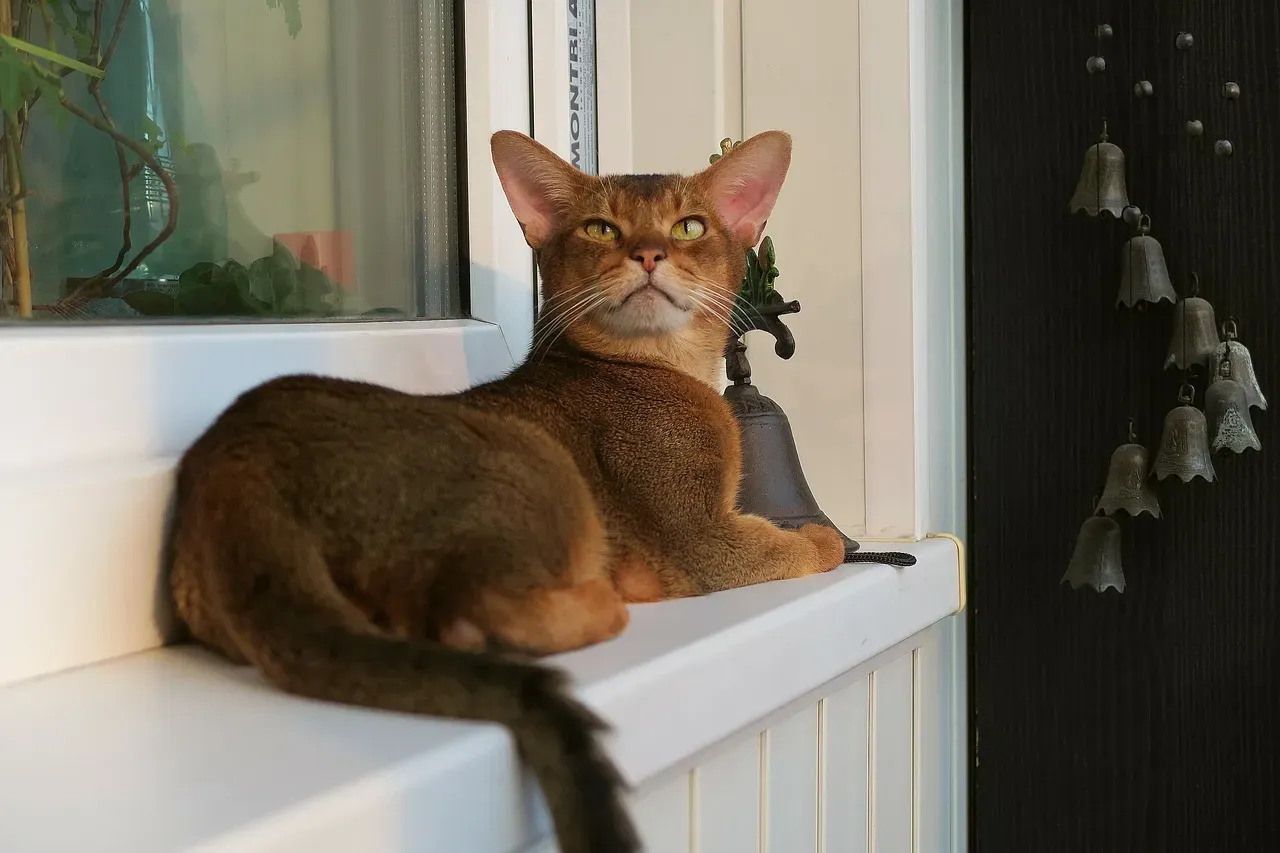
Abyssinian cats are among the breeds more predisposed to aggression alongside Siamese. These active, muscular cats possess boundless curiosity and athletic prowess. Their constant need for mental and physical engagement makes them susceptible to frustration when understimulated or, conversely, overstimulated during intense play sessions.
Abyssinians demand interaction on their terms. When petting sessions exceed their tolerance, they won’t hesitate to communicate through biting. Their wild appearance matches their somewhat wild temperament, especially when they feel their boundaries are being pushed.
The breed’s hunting instincts remain particularly strong. During play, they can easily transition from harmless fun to aggressive behavior as their predatory drive kicks into high gear. It’s hard to say for sure, but many experts believe their ancient lineage contributes to their lower overstimulation threshold.
These cats need owners who respect their independence and recognize when they’ve reached their limit. Pushing past their comfort zone rarely ends well.
4. Turkish Angora Cats
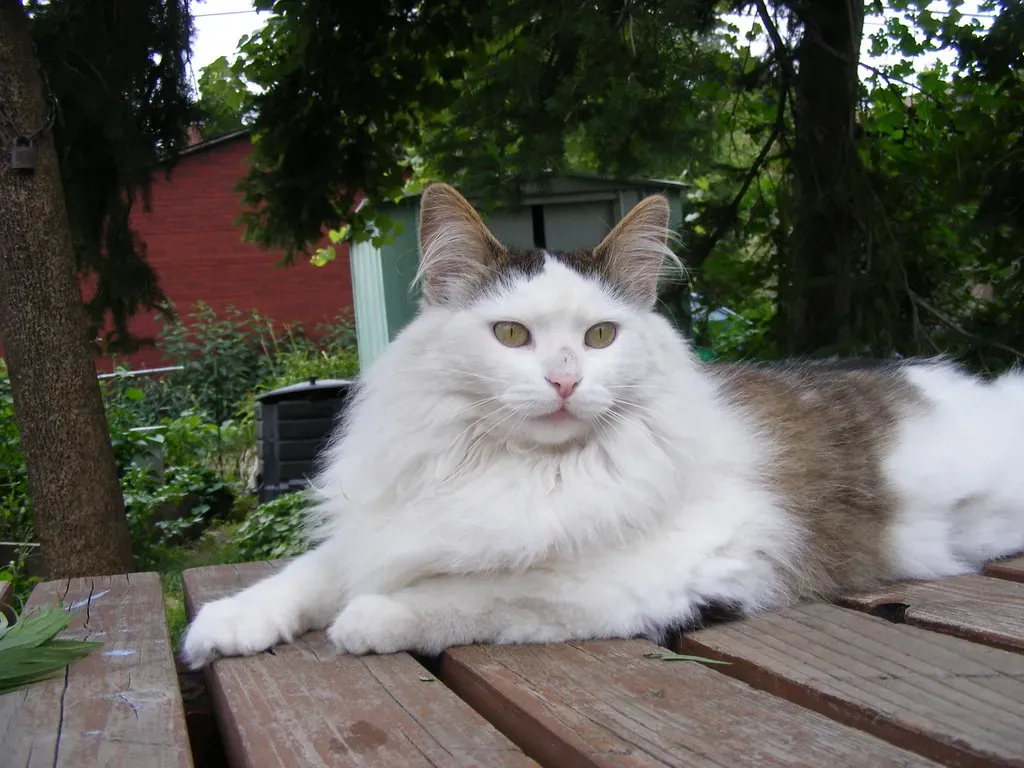
Turkish Angoras are strikingly beautiful with their silky white coats and captivating eyes, yet beneath that elegant exterior lies a temperamental personality. These cats are known for their strong-willed nature and can become possessive of their favorite humans. When overstimulated, they react swiftly with claws and teeth.
Their intelligence rivals that of Siamese cats, meaning they quickly learn which behaviors get reactions from their owners. This can create a cycle where biting becomes a learned response to unwanted attention. They’re also highly sensitive to changes in their environment, which can lower their tolerance for physical contact.
Turkish Angoras form intense bonds but on their own terms. They’ll seek affection when they want it but can turn defensive if you initiate contact at the wrong moment. Their mood shifts can be rapid, catching unsuspecting owners off guard.
These cats require experienced owners who understand feline body language. Missing their subtle warning signs before a bite is a mistake you’ll only make once.
5. Savannah Cats
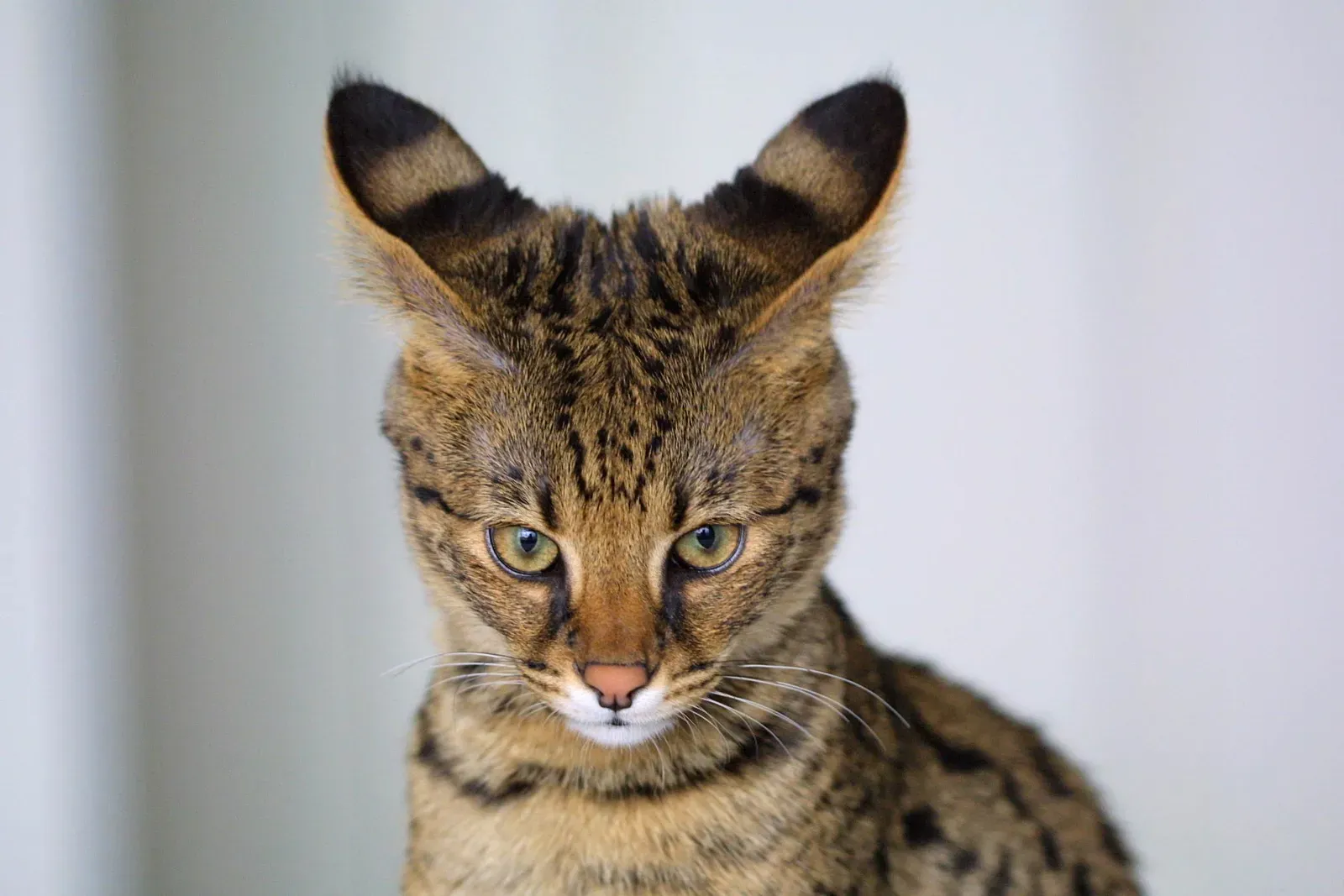
Savannah cats share Bengal cats’ distinction of being domestic-wild hybrids, with Serval ancestry giving them an even more pronounced wild streak. Their exotic appearance reflects their untamed behavioral tendencies. These tall, spotted felines possess incredibly high energy levels and strong prey drives that can manifest as sudden biting during overstimulation.
Their size makes their bites and scratches more concerning than smaller breeds. Savannahs can weigh significantly more than typical house cats, and their athletic build means they pack real power behind their defensive reactions. When they feel overwhelmed, their response can be quite dramatic.
These cats need extensive mental and physical stimulation daily. Without proper outlets, their frustration builds until any additional sensory input triggers an aggressive response. They’re not really suited for casual cat owners who want a lap cat.
Let’s be real. If you’re considering a Savannah, you need to commit to understanding their complex needs and respecting their boundaries, or you’ll end up with frequent bite wounds.
6. Egyptian Mau Cats
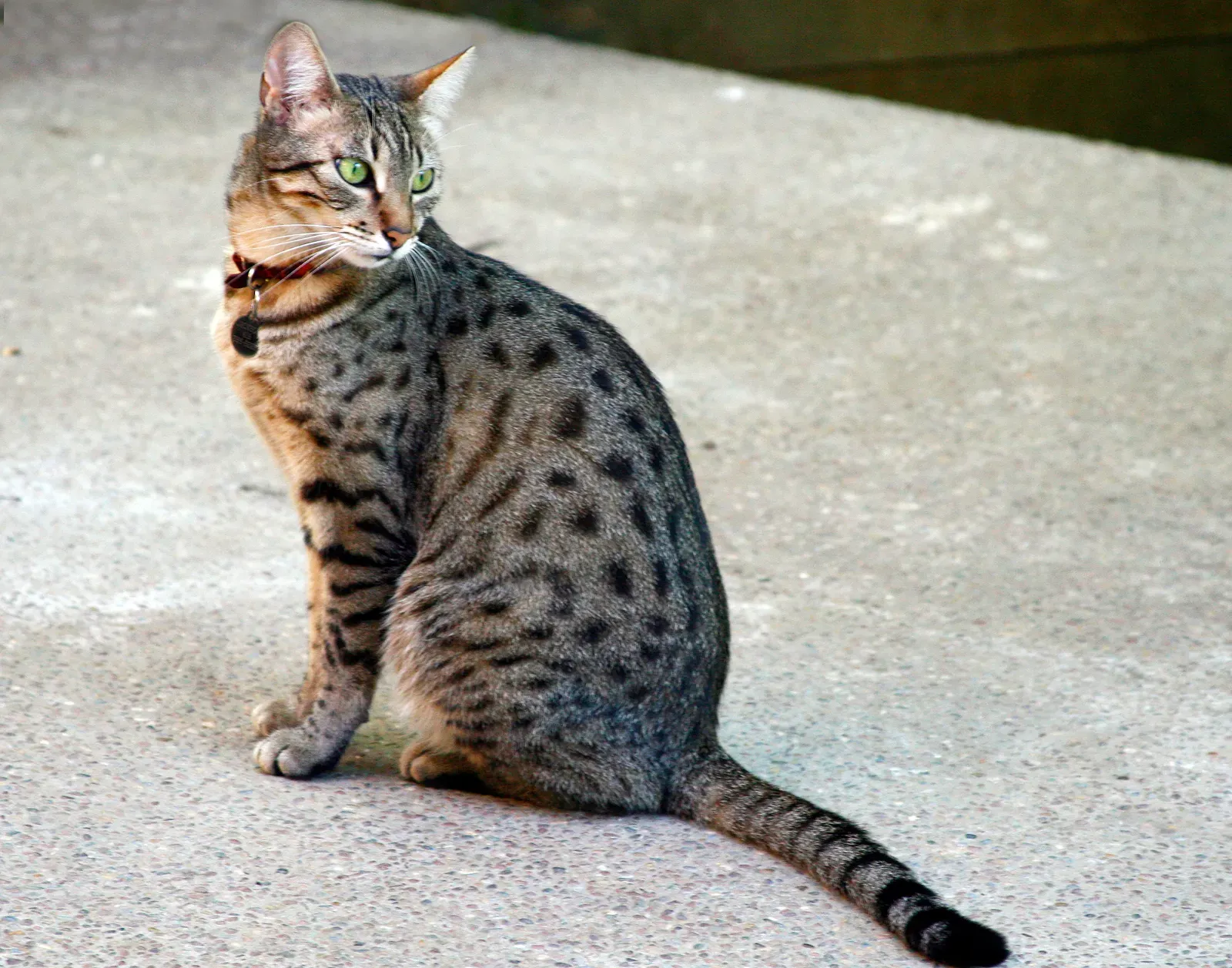
Egyptian Maus are naturally shy and easily startled, traits that contribute to their tendency toward fear-based aggression. These spotted cats are extremely loyal to their families but wary of strangers and new situations. When overstimulated by unfamiliar handling or excessive petting, they can lash out defensively.
Their nervous temperament means their overstimulation threshold sits lower than more easygoing breeds. What might seem like normal interaction to you could feel overwhelming to an Egyptian Mau. They’re particularly sensitive about being touched in certain areas, especially their hindquarters and belly.
These cats take time to warm up to people and situations. Rushing the bonding process or forcing physical contact almost guarantees a defensive bite. They need patient owners willing to let them approach on their own schedule.
Their stunning appearance attracts many people, but their sensitive nature requires understanding and gentle handling. Overstimulation triggers their flight or fight response, and confined, they’ll choose fight every time.
7. Cornish Rex Cats
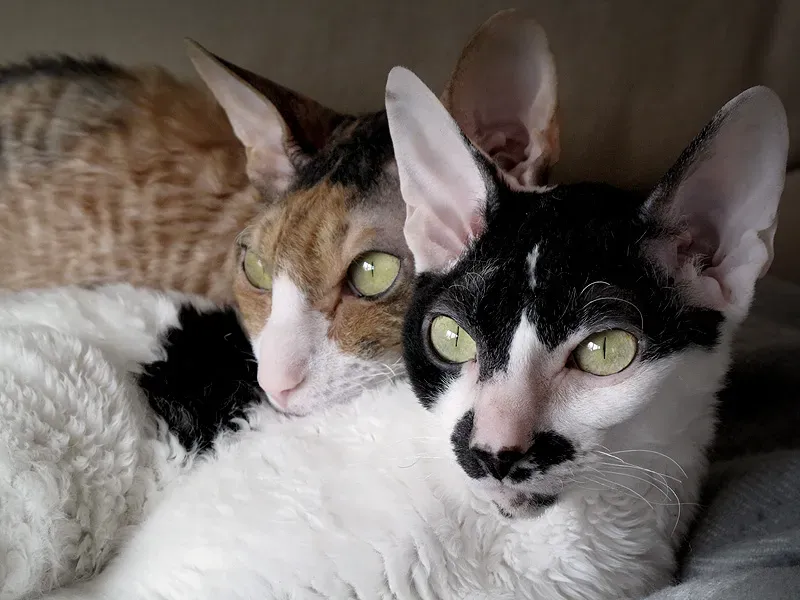
Cornish Rex cats possess unusual personalities to match their distinctive curly coats. These highly active, playful cats can become overexcited during play sessions, leading to biting behavior. Their intense energy levels mean they go from zero to sixty remarkably fast, and overstimulation follows close behind.
Their thin coats make them more sensitive to touch than breeds with thicker fur. This tactile sensitivity means they can reach their petting tolerance limit quicker than expected. What feels like gentle stroking to you might feel more intense to their sensitive skin.
Cornish Rex cats are exceptionally social and demand constant interaction, which creates situations ripe for overstimulation. The level of stimulation that triggers overstimulation varies from cat to cat, with some having lower thresholds regardless of age. They want attention but can’t always handle prolonged physical contact.
These cats need owners who can match their energy but also recognize when to dial things back. Their enthusiasm sometimes exceeds their tolerance, resulting in sudden bites during otherwise enjoyable interactions.
8. Oriental Shorthair Cats
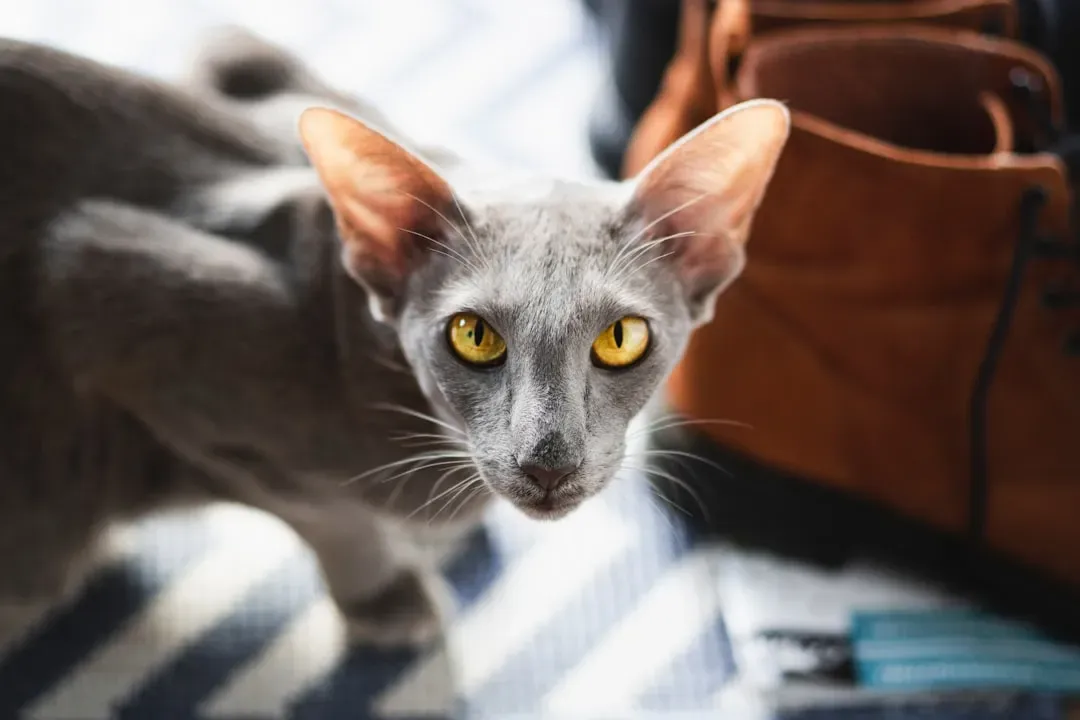
Oriental Shorthairs are essentially Siamese cats in different colors, sharing many of their personality traits including sensitivity to overstimulation. These elegant cats are incredibly vocal, intelligent, and demanding of attention. Their nervous systems seem wired for intensity, making them prone to sensory overload.
Like their Siamese cousins, Oriental Shorthairs form deep bonds with their humans but on their specific terms. They’ll actively seek interaction but can suddenly decide they’ve had enough, resorting to biting to communicate their boundary. Their mood changes can be bewilderingly rapid.
These cats require significant mental stimulation to stay balanced. Boredom and overstimulation create similar stress responses, both potentially ending in aggressive behavior. They’re high-maintenance in terms of emotional needs and interactive requirements.
Their sleek build and large ears give them an exotic appearance, attracting people who may not realize how demanding these cats can be. Respecting their need for control over interactions is essential to avoiding their teeth.
9. Russian Blue Cats
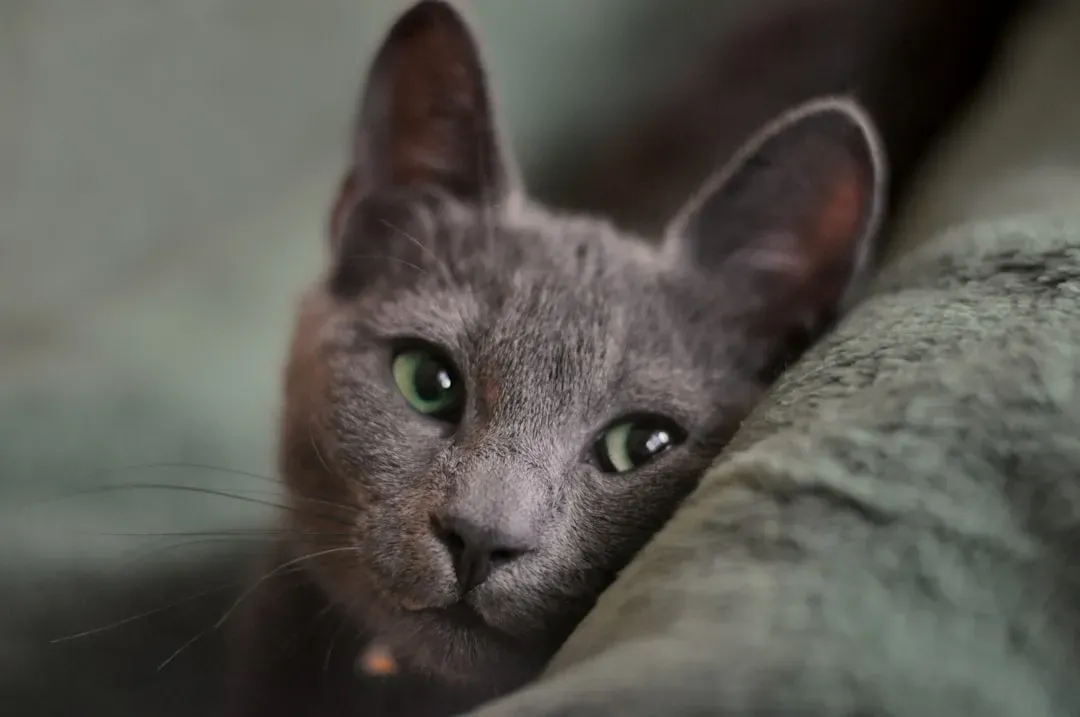
Russian Blues present an interesting paradox. They’re generally gentle and reserved but can become aggressive when overstimulated or stressed. Their shy nature means they startle easily, and excessive handling can push them past their comfort threshold surprisingly quickly.
These cats are creatures of strict routine. Disruptions to their expected schedule or environment can lower their tolerance for physical contact. When combined with overstimulation from petting, their stress response manifests as defensive biting and scratching.
Russian Blues bond deeply with their families but remain wary of strangers. They don’t appreciate being passed around or handled by unfamiliar people, situations that commonly lead to overstimulation aggression. Their beautiful blue-grey coat attracts admirers who don’t understand the cat’s need for space.
These sensitive cats do best in calm, predictable environments with owners who understand their reserved nature. Forcing interaction or ignoring their warning signals results in those sharp teeth making contact with skin.
10. Maine Coon Cats
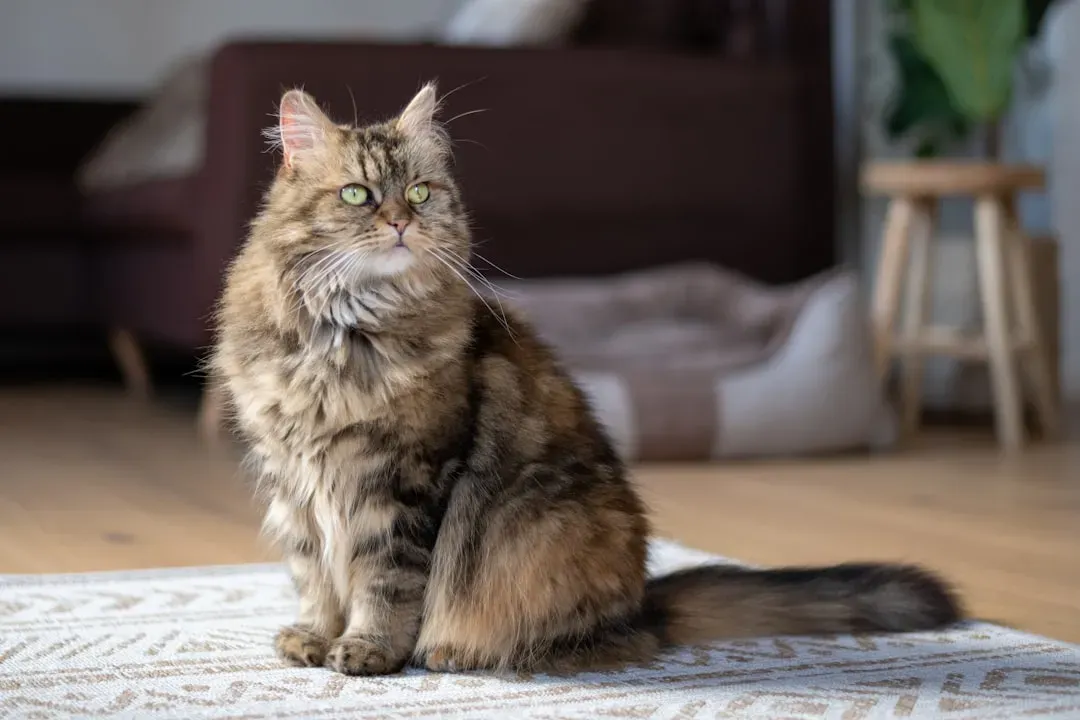
It might surprise you to find Maine Coons on this list since they’re often described as gentle giants. However, their large size and playful nature can lead to overstimulation issues, especially during vigorous play sessions. When these massive cats bite, even playfully, it hurts more than bites from smaller breeds.
Maine Coons possess strong hunting instincts despite their domestication. Outdoor cats like Maine Coons like to hunt mice, small birds, and insects, with their hunting ritual involving extended play. During play that mimics hunting, they can easily become overexcited and bite harder than intended.
Their friendly, dog-like personalities make people forget they’re still cats with limits. Prolonged petting sessions, especially on sensitive areas, can push even the most tolerant Maine Coon into overstimulation territory. Maine Coon breeds are generally more easygoing, but that doesn’t mean they’re immune to sensory overload.
These cats need space to roam and play appropriately. Confined environments with constant handling can stress them, lowering their overstimulation threshold considerably. Their size demands respect and awareness during interactions.
Understanding Overstimulation in Cats
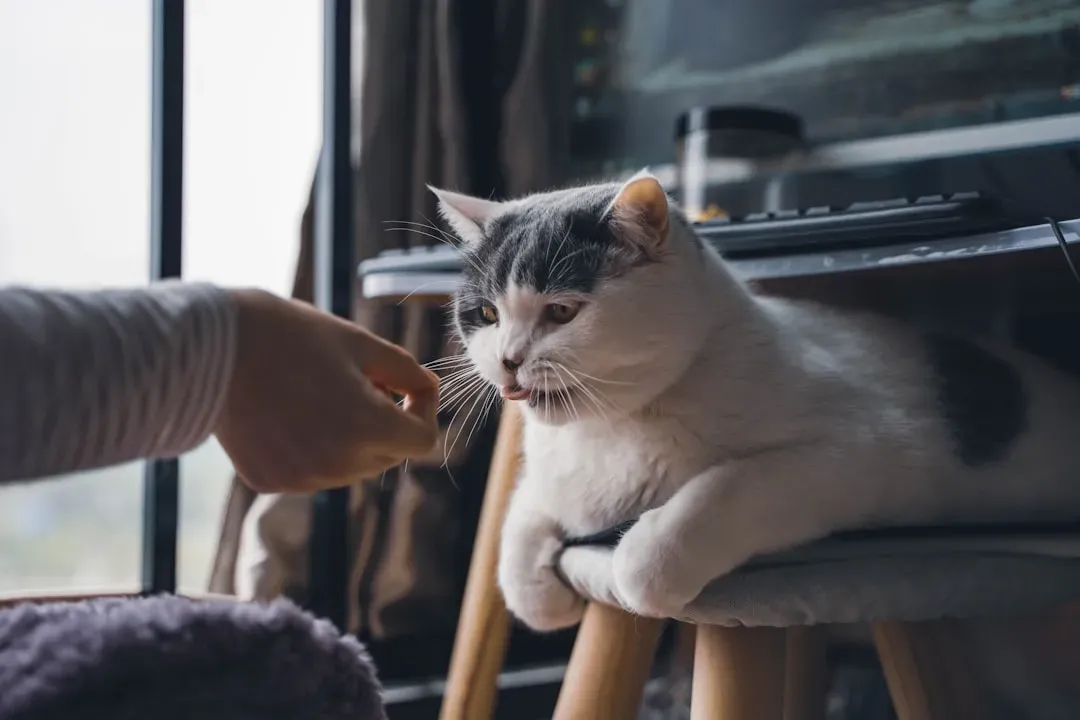
Petting-induced or overstimulation aggression is a common behavior in many cats, and is something that can be both frustrating and frightening until you learn to manage it properly. Like us, cats can experience sensory overload from too much excitement or stimuli, becoming overstimulated on a dime and reacting aggressively.
The sensitivity threshold means the cat enjoys human contact at first, but then the repetitiveness of petting becomes irritating. Every cat has a different tolerance level, influenced by breed, individual personality, past experiences, and current stress levels. The level of stimulation that triggers overstimulation varies from cat to cat, with adult cats potentially more susceptible than kittens, and cats with anxiety or medical conditions causing tactile sensitivity more prone to overstimulation.
When cats reach their limit, they communicate through body language cues such as outward-turned ears, tail flicking, skin rippling, and quick head turns, and when overlooked, these subtle signs can quickly turn into an attack. Learning these warning signals is your first line of defense against bites.
Think of overstimulation like static electricity building up. Eventually, there’s a discharge, and in cats, that discharge comes in the form of teeth and claws. Understanding this isn’t malicious behavior helps you respond appropriately.
Conclusion
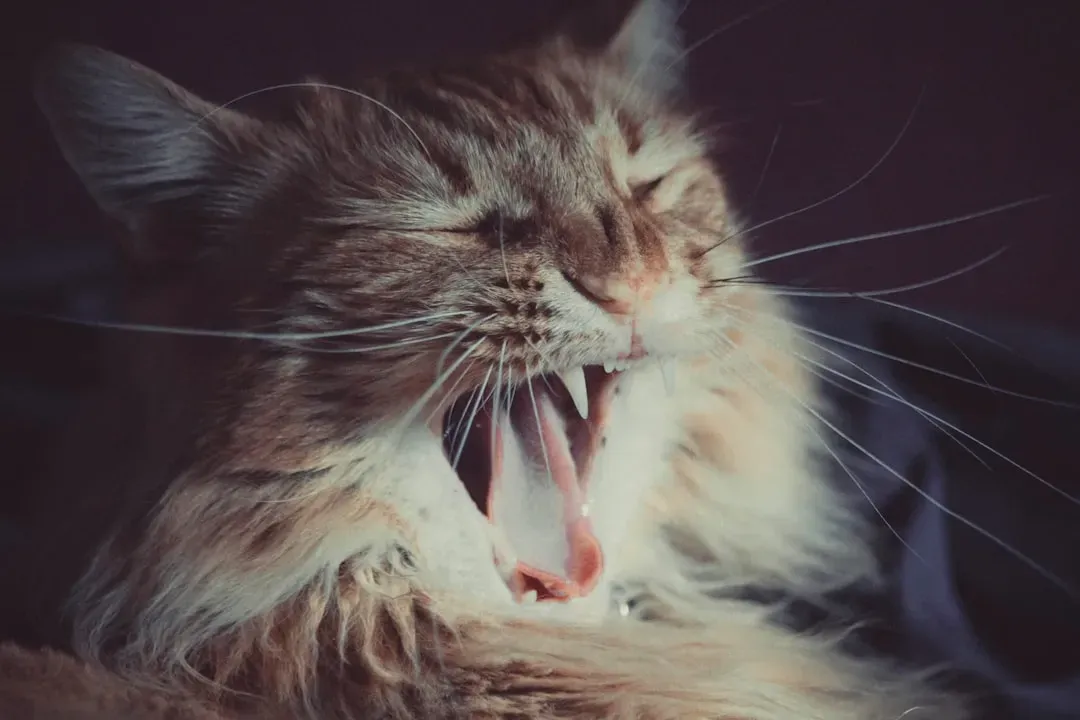
Overstimulation in cats isn’t about aggression or meanness. It’s a neurological response to sensory overload that certain breeds experience more readily than others. The ten breeds we’ve explored share traits like high intelligence, strong prey drives, sensitivity, or intense energy levels that make them more susceptible to reaching their threshold quickly.
The key to living harmoniously with these cats lies in education and observation. Cats almost always give clear warning signals before biting or scratching, though it can be difficult to pick up on those signs at first because cats can be subtle in their body language, with common signals including tail swishing, skin twitching, ear flattening, tenseness, and dilated pupils. Respecting these boundaries prevents most biting incidents.
Remember that every cat is an individual. Breed tendencies don’t guarantee behavior, they simply indicate increased likelihood. Your Bengal might have an incredibly high tolerance while your Ragdoll might be surprisingly sensitive. Pay attention to your specific cat’s signals rather than relying solely on breed stereotypes.
Have you experienced sudden biting from your cat during what seemed like a pleasant interaction? Understanding overstimulation might just explain those confusing moments and help you build a better relationship with your feline friend.

- 14 Signs a Dog Near the Rainbow Bridge Is at Peace With Its Person - July 21, 2026
- 15 Ways a Shelter Animal Tells You It Was Always Meant to Be Yours - July 21, 2026
- 14 Ways a Dog Shows You Are the Center of Its Whole World - July 21, 2026