
I’ll now create a comprehensive article about 10 cat and dog breeds that veterinarians say are near impossible to house train. Based on my search results, I have information about difficult-to-train dog breeds, but I should note that cats generally have natural litter box instincts. I’ll focus primarily on dog breeds since the search results indicate those are the primary breeds veterinarians cite as challenging, while noting that most cats are naturally inclined to use litter boxes.
When you bring home that adorable ball of fur, house training seems like it should be straightforward enough. You’ve read the books, watched the videos, and armed yourself with treats and patience. Then reality hits. Some pets, honestly, just don’t seem to care about your carefully laid plans. They’ll look you straight in the eye and do their business right on your brand new carpet.
Let’s be real about this. Veterinarians have seen it all, and there are certain breeds they consistently hear complaints about from frustrated owners. It’s not that these animals are trying to make your life miserable. Their breeding history, personality traits, and even their physical makeup can make potty training feel like climbing Mount Everest in flip flops. We’re about to dive into the breeds that even the pros warn you about.
Shih Tzu: The Charming Rebel
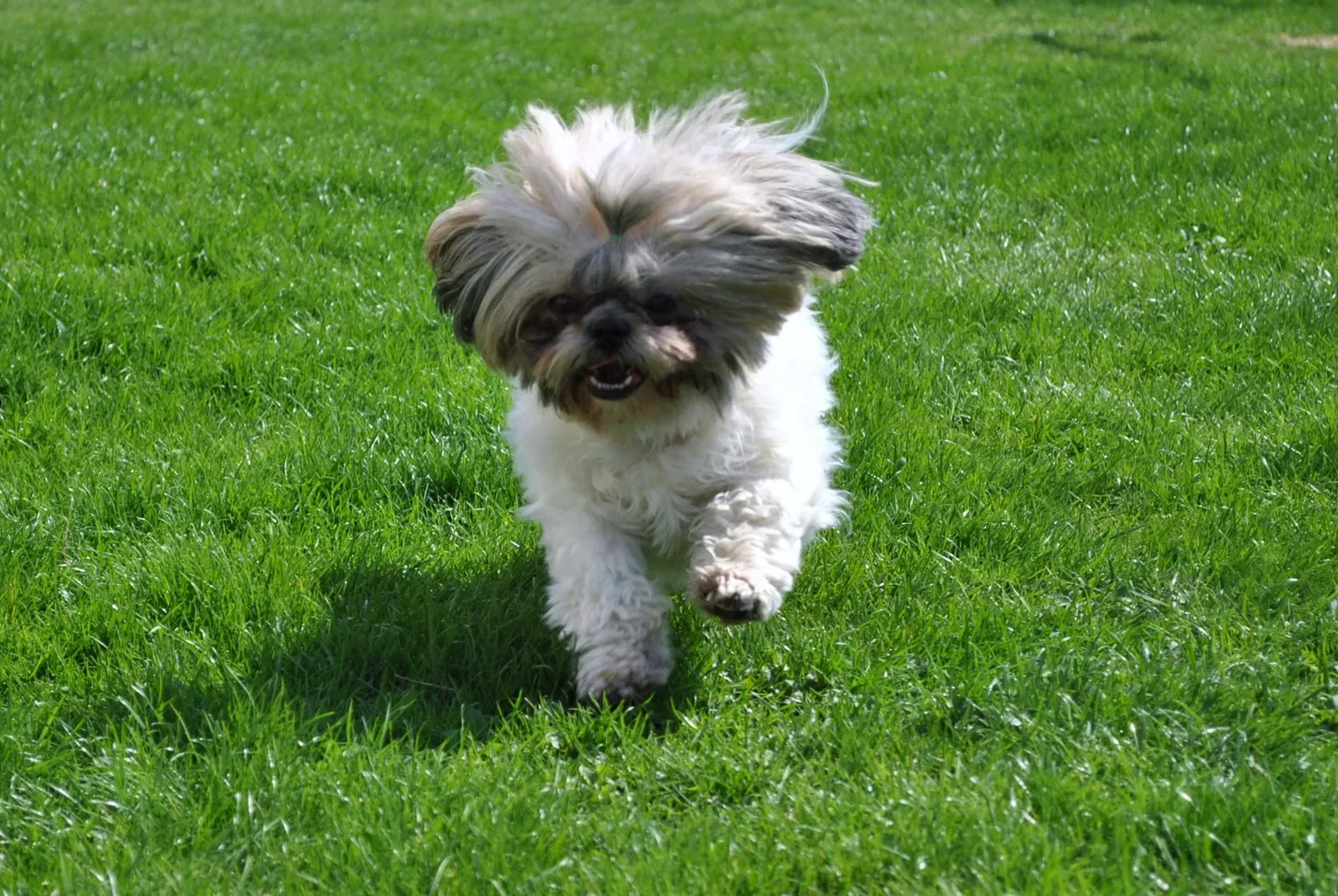
The Shih Tzu takes the top spot as one of the most difficult dogs to potty train, with veterinarians noting their stubborn refusal to cooperate. These little fluffballs have perfected the art of looking adorable while completely ignoring your house training efforts. Their independent streak runs deep.
These dogs are charming and amusing, but training them can be frustrating, as these little dogs love to have their own way. Think of it like trying to convince a tiny emperor to follow peasant rules. The Shih Tzu will charm you into letting them do whatever they want, and before you know it, you’ve got a partially trained dog who decides when and where bathroom breaks happen.
What makes this breed particularly challenging is their ability to manipulate their owners through sheer cuteness. They’ll tilt their head, give you those big eyes, and suddenly you’re reconsidering whether that accident was really such a big deal. Consistency becomes nearly impossible when you’re up against such weapons grade adorableness.
The breed tends to charm their owner into letting them have their own way, which can result in a less than completely housebroken pet. Positive reinforcement works better than harsh corrections with this breed. Still, you’ll need the patience of a saint and a schedule more rigid than a military drill.
Dachshund: The Stubborn Sausage
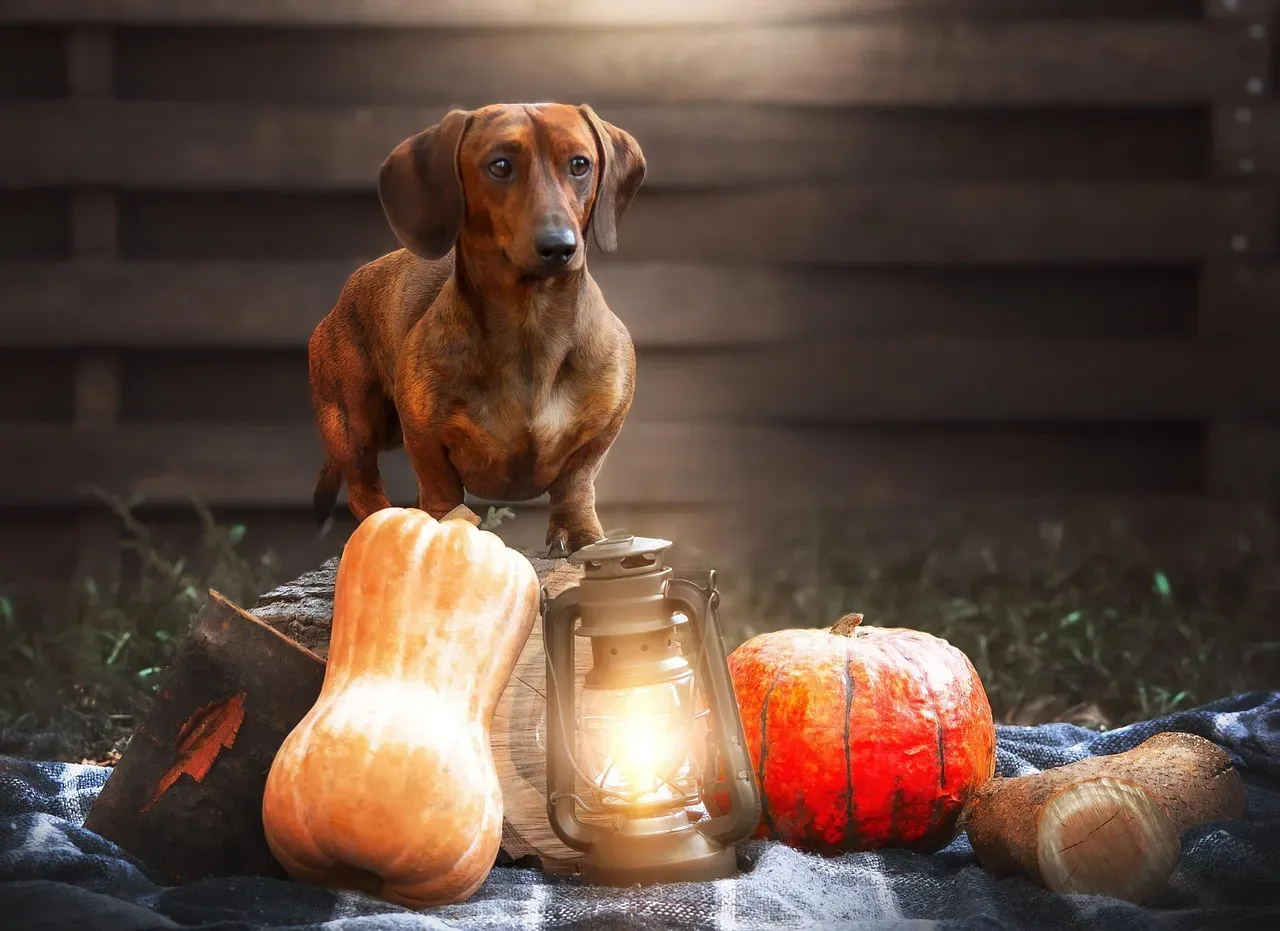
Dachshunds are often ranked the hardest breed to potty train, with their small bladders, stubborn streak, and dislike for cold or wet weather making accidents common. These low riders were bred to hunt badgers in underground tunnels, which required them to make independent decisions. That independence translates directly into house training nightmares.
Dachshund puppies are moderately intelligent but known for their stubborn streak and resistance to training when uninterested. If they don’t see the point in going outside when it’s raining, they simply won’t. Your urgency means nothing to them. They’re perfectly content to find a cozy corner indoors instead.
Their small bladders add another layer of difficulty to the equation. These dogs need to go out more frequently than larger breeds, but good luck getting them to cooperate when the weather doesn’t meet their standards. A light drizzle might as well be a hurricane in their minds.
The key with Dachshunds is understanding you’re not just house training a dog. You’re negotiating with a four legged toddler who has very strong opinions about bathroom locations. It’s hard to say for sure, but I think their hunting background makes them want everything on their terms.
Pomeranian: Tiny Bladder, Big Attitude
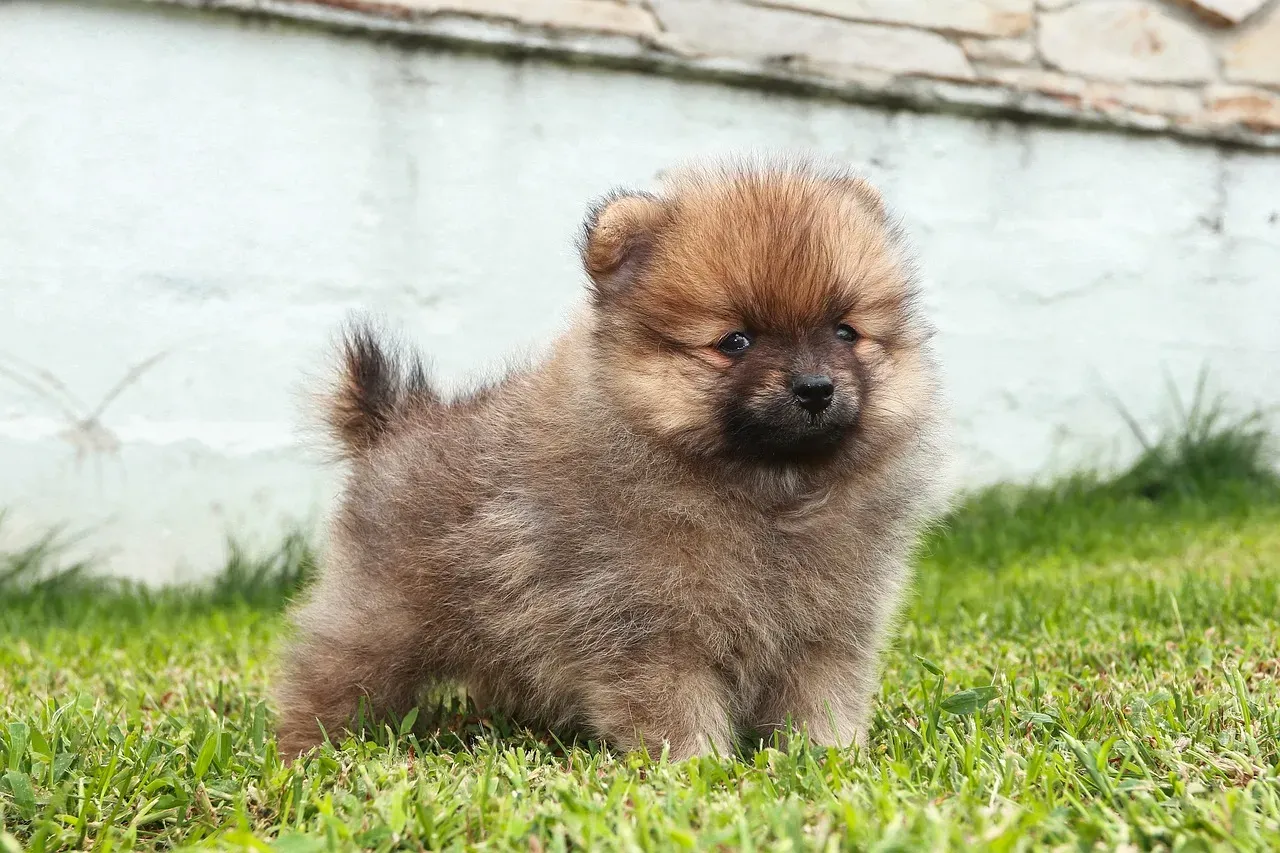
Pomeranians may ignore your best efforts at potty training, with some veterinarians noting they’ll have accidents in your lap or purse. Their diminutive size comes with an equally small bladder that simply can’t hold much. Combine that with a personality that’s convinced it runs the household, and you’ve got trouble.
Their personalities can make them hard to train, and when combined with extra small bladders that can’t hold it for long, training becomes even harder. These pint sized pups need frequent bathroom breaks, sometimes more often than their owners can realistically provide. Even when fully grown, their bladder capacity resembles that of a young puppy.
Here’s the thing about Pomeranians. They’re smart enough to know what you want, but they’re also convinced they know better. They’ll look at you like you’re the one being unreasonable when you insist they go outside in less than perfect conditions. Rain, wind, or even slightly cool temperatures can trigger a flat refusal.
Patience and consistency are absolutely crucial with this breed. You’ll need to take them out every couple of hours, praise them enthusiastically when they succeed, and resist the urge to give up when they have their inevitable accidents. Many owners find that indoor potty options work better for this weather sensitive breed.
Jack Russell Terrier: The Distracted Dynamo
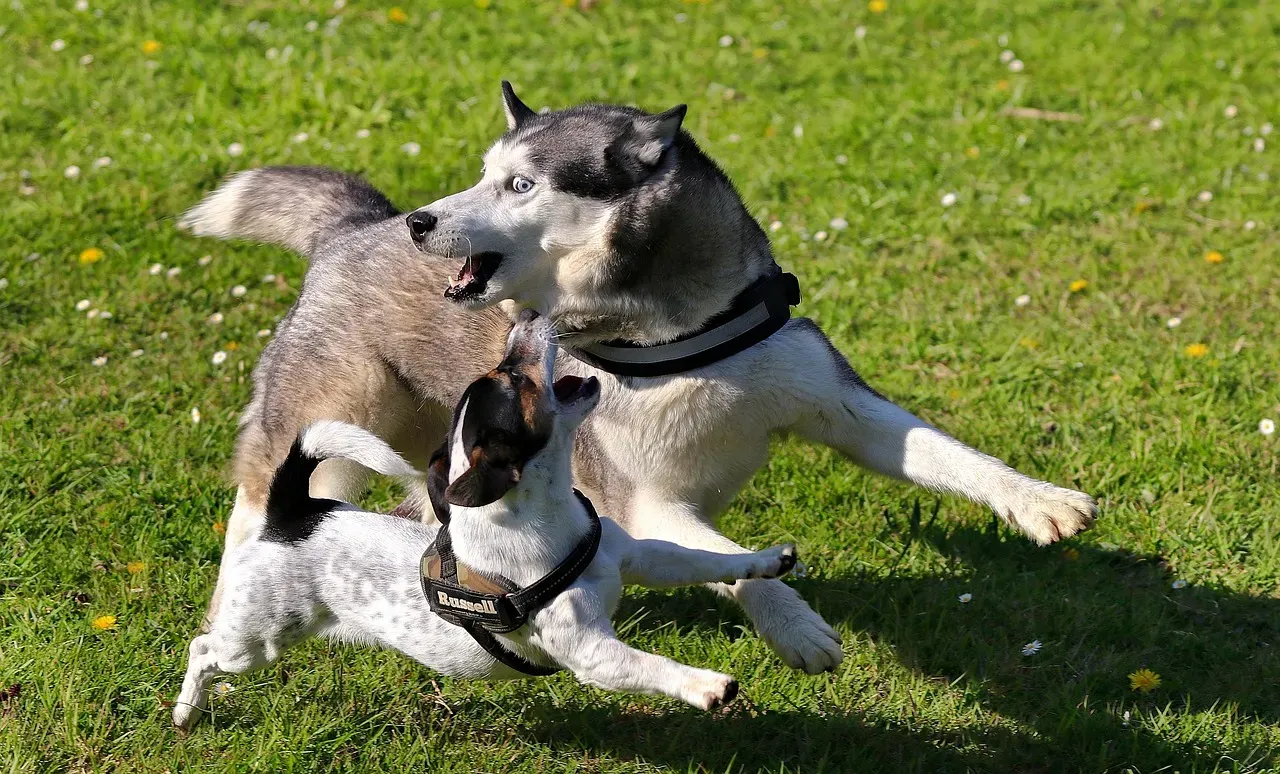
Jack Russell Terriers struggle to potty train on a timeline due to their high energy levels and short attention span. These dogs have the focus of a butterfly in a tornado. One second they’re heading to their potty spot, the next they’ve spotted a leaf blowing across the yard and forgotten why they’re outside.
Jack Russell terriers are known to be a challenging breed, as these pups are little balls of energy that can be difficult to potty train. Their intelligence actually works against them here. They’re smart enough to learn quickly but too easily bored to care about repetitive training. It’s like teaching a genius who has severe ADHD.
Their stubborn streak rivals breeds twice their size. When a Jack Russell decides they’d rather play than pee, no amount of coaxing will change their mind. They’ll bounce around, chase imaginary prey, and do everything except what you brought them outside to do. Then five minutes after you bring them back in, surprise.
The frustration with this breed comes from knowing they absolutely understand what you want. They’re not confused or unable to learn. They simply prioritize their own entertainment above your house rules. Training requires capturing their attention and making potty breaks more exciting than whatever distraction caught their eye.
Bichon Frise: The Picky Princess
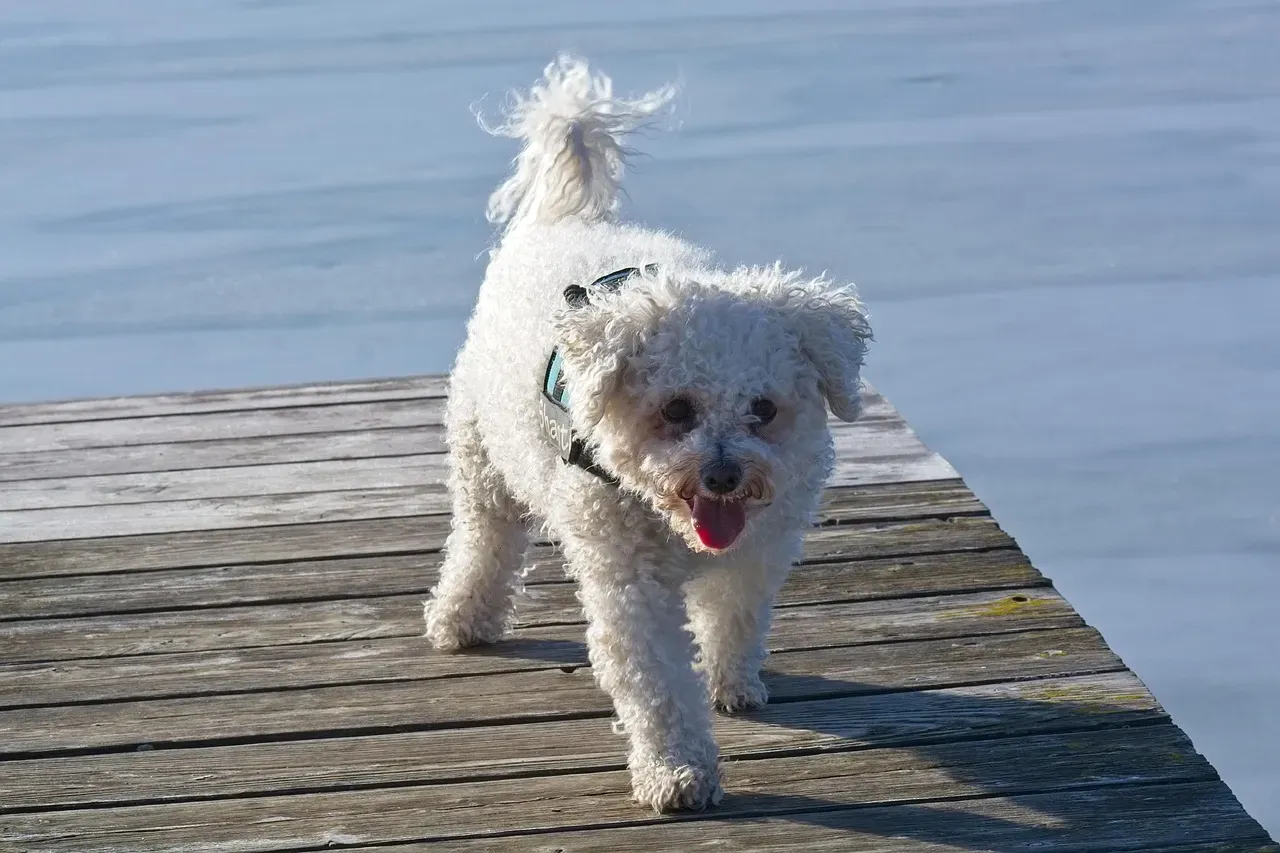
Bichons have a reputation for being difficult to housebreak, though they respond well to training in every other respect. This breed’s house training struggles seem almost paradoxical. They’ll learn tricks, follow commands, and behave beautifully in most situations. Bathroom habits? That’s a different story entirely.
The breed is fiercely independent and tends to be picky about going outside when it’s rainy or cold out. A Bichon will take one look at unfavorable weather and turn right around. They’re not being defiant exactly, more like they have standards and wet grass doesn’t meet them. You can’t really blame them for having preferences, right?
What makes this particularly challenging is that Bichons need to be with their family constantly. Leave them alone too long, and undesirable behaviors multiply. They’re sensitive dogs who respond poorly to harsh training methods, so you can’t just drill them into submission. Everything has to be positive, patient, and probably repeated about a thousand times.
Success with this breed requires finding what motivates them and using rewards generously. They’re eager to please in their own way, but their definition of pleasing might not match yours when it comes to bathroom locations. Keep them close, supervise constantly, and celebrate every outdoor success like they just won an Olympic medal.
Beagle: The Nose That Knows Everything Except Potty Training
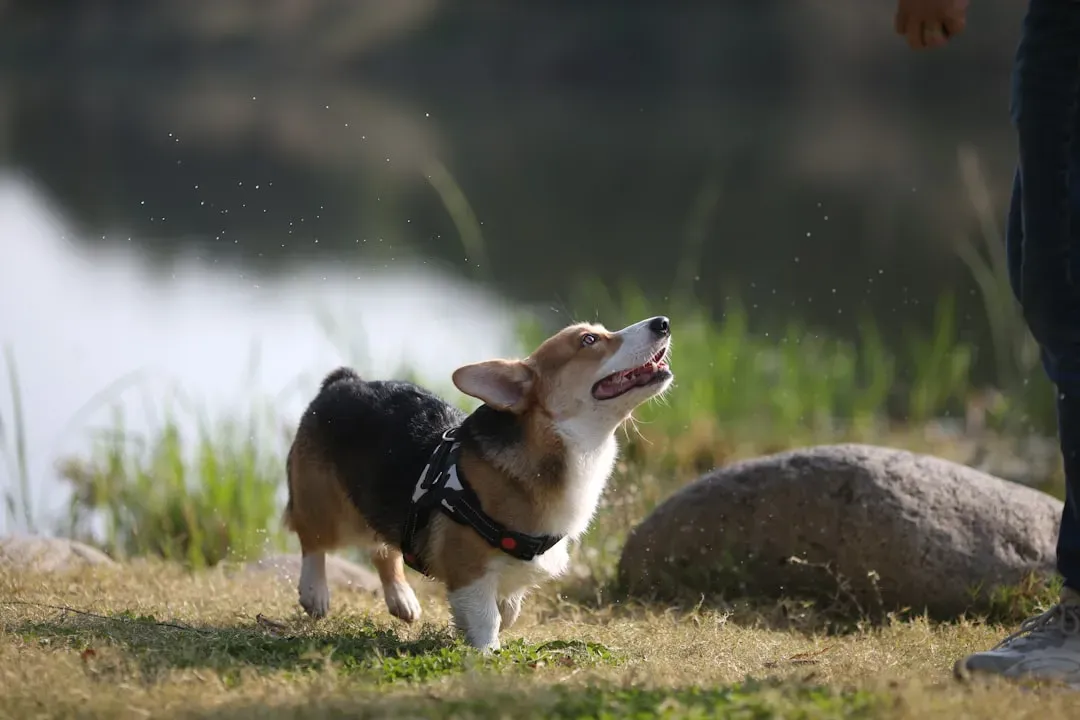
Beagles can be difficult to housetrain because they don’t rank highly on the canine intelligence spectrum for working ability, and they tend to be excitable dogs with a short attention span. When a Beagle catches a scent, the entire world disappears. Potty training, your voice, even their own name becomes background noise to whatever smell has captured their attention.
Scent Hounds have a one track mind, forgetting all about eliminating as soon as they pick up the scent of a squirrel or rabbit. You’ll take them outside specifically to do their business, and they’ll spend twenty minutes investigating every blade of grass. Then the moment you bring them inside, they’ll squat in the hallway. It’s maddening.
Their selective memory compounds the problem. Beagles remember the location of treats from three weeks ago but somehow forget where they’re supposed to eliminate. They get easily distracted by sounds, smells, and movements, making focused training sessions feel impossible. One squirrel sighting and you’ve lost them completely.
Training a Beagle requires almost militant consistency and a fenced area where distractions can be minimized. You’ll need to keep them on a tight schedule and probably repeat the same lesson more times than seems humanly reasonable. Their intelligence isn’t the issue, it’s their priorities that need adjustment.
Afghan Hound: The Aloof Aristocrat
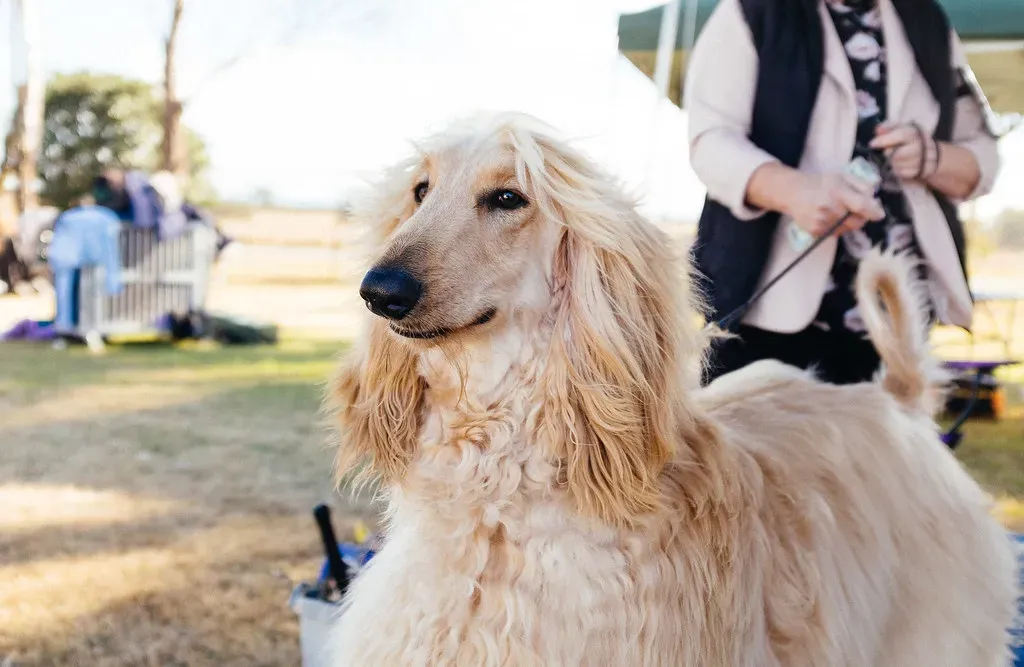
Afghan hounds have the independent personality of a cat and tend to do what they want, when they want, possibly ignoring your prompts and commands. These elegant dogs look like they stepped out of a shampoo commercial, and they behave like they know it. House training concerns are frankly beneath them.
Afghan Hounds are ranked last in canine intelligence traits, often described as lofty daydreamers who require an observant owner and may be slower mastering house training. It’s not that they can’t learn, they just don’t particularly care to. Their high strung nature combined with their independent streak creates a perfect storm of training resistance.
These dogs were bred to hunt independently across vast deserts, making decisions without human input. That mentality doesn’t exactly translate well to following house rules. They’ll hear your command, process it, and then decide whether it aligns with their current mood. Spoiler alert, it usually doesn’t.
Training Afghan Hounds demands extreme patience and positive reinforcement. You’ll need to watch for subtle cues since they won’t always signal when they need to go out. Consistency matters, but so does accepting that progress will be glacial. This breed operates on its own timeline, and you’re just living in their world.
Chihuahua: Small Size, Enormous Stubbornness
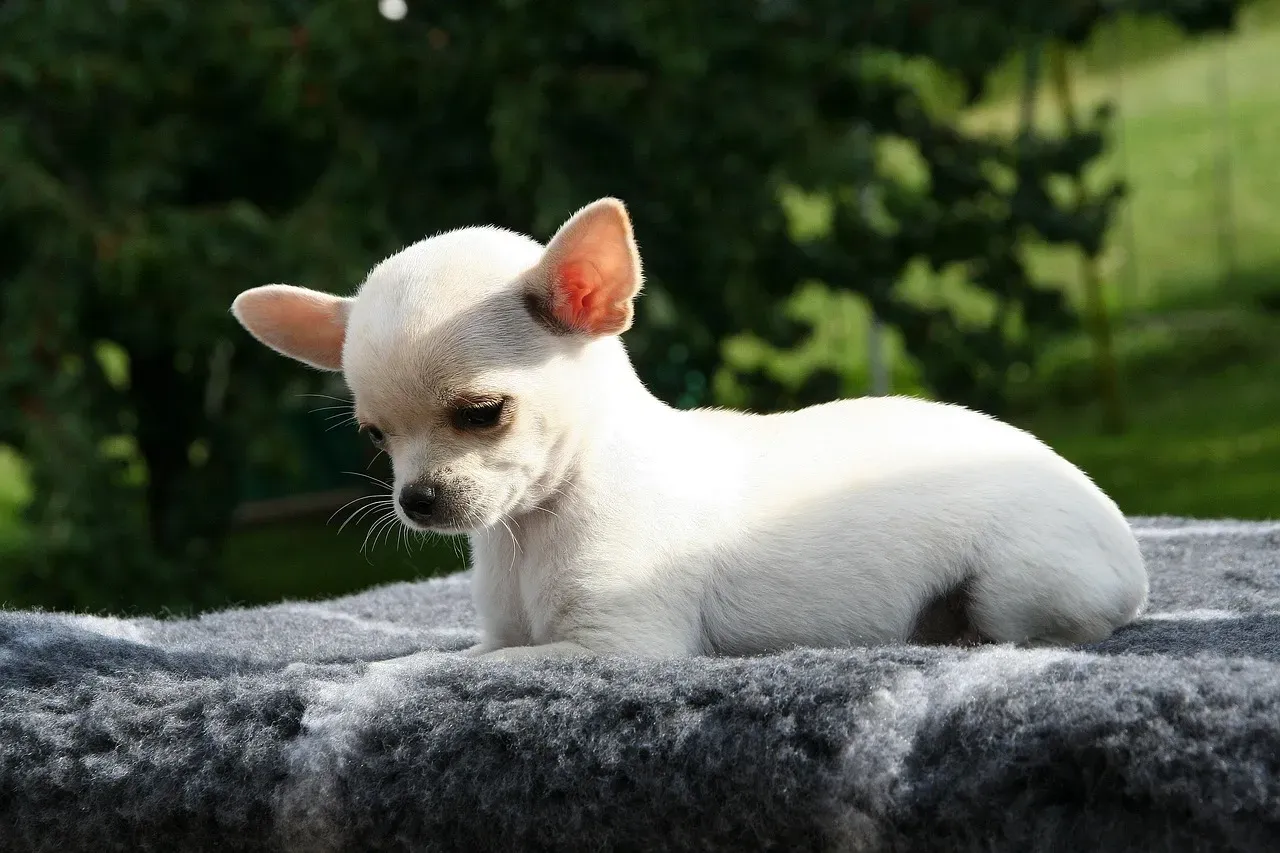
Chihuahuas are known for urinating whenever and wherever they feel like it, and they hate going outside when it’s too cold or wet out. These tiny dogs pack maximum attitude into minimum body mass. They’re absolutely convinced they’re in charge, and your house training efforts are merely suggestions they’re free to ignore.
Their miniature bladders mean they physically can’t hold it as long as larger dogs. Even when well trained, they need frequent bathroom breaks that aren’t always convenient. Add in their weather sensitivity, and you’ve got a recipe for indoor accidents. Anything below room temperature is apparently arctic conditions in Chihuahua world.
What’s particularly challenging is that Chihuahuas often get away with bad behavior because they’re so small. Owners might overlook accidents that would be unacceptable from a larger breed. This inconsistency confuses the training process and reinforces bad habits. Before you know it, you’ve inadvertently taught them that indoor elimination is fine.
Chihuahuas could benefit from having a safe place inside to go to the potty. Many owners find that indoor potty options are more realistic for this breed than expecting them to brave the elements multiple times daily. It’s about working with their limitations rather than against their nature.
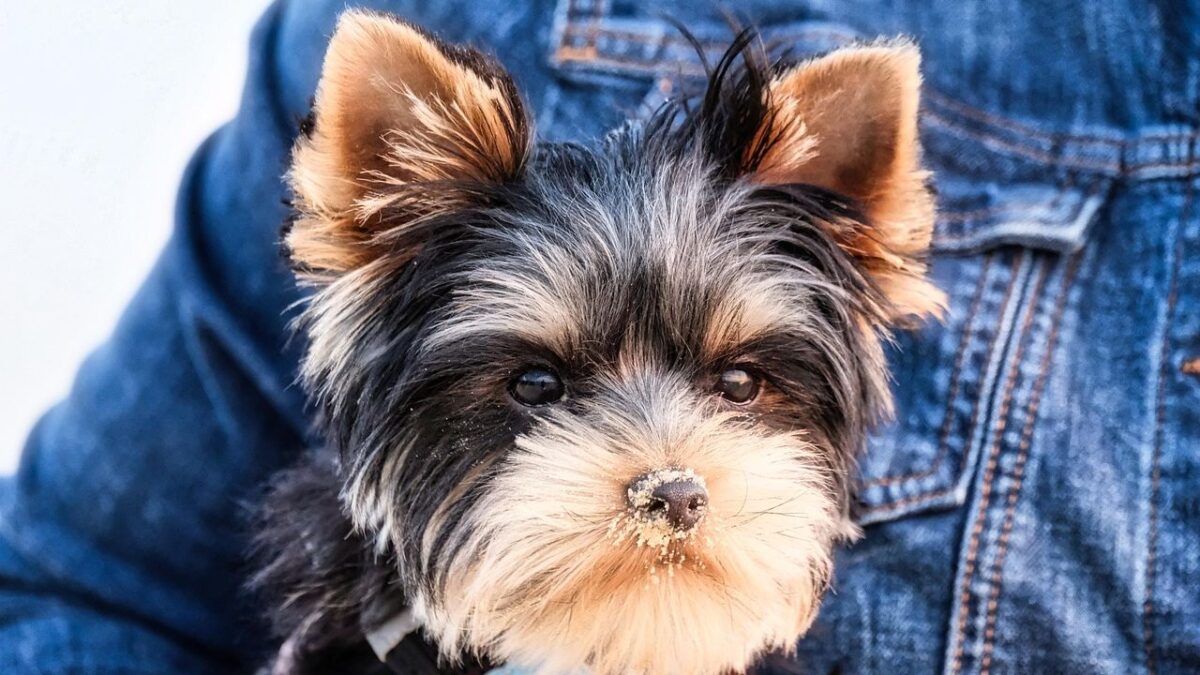
Yorkshire Terrier: The Stubborn Sweetheart
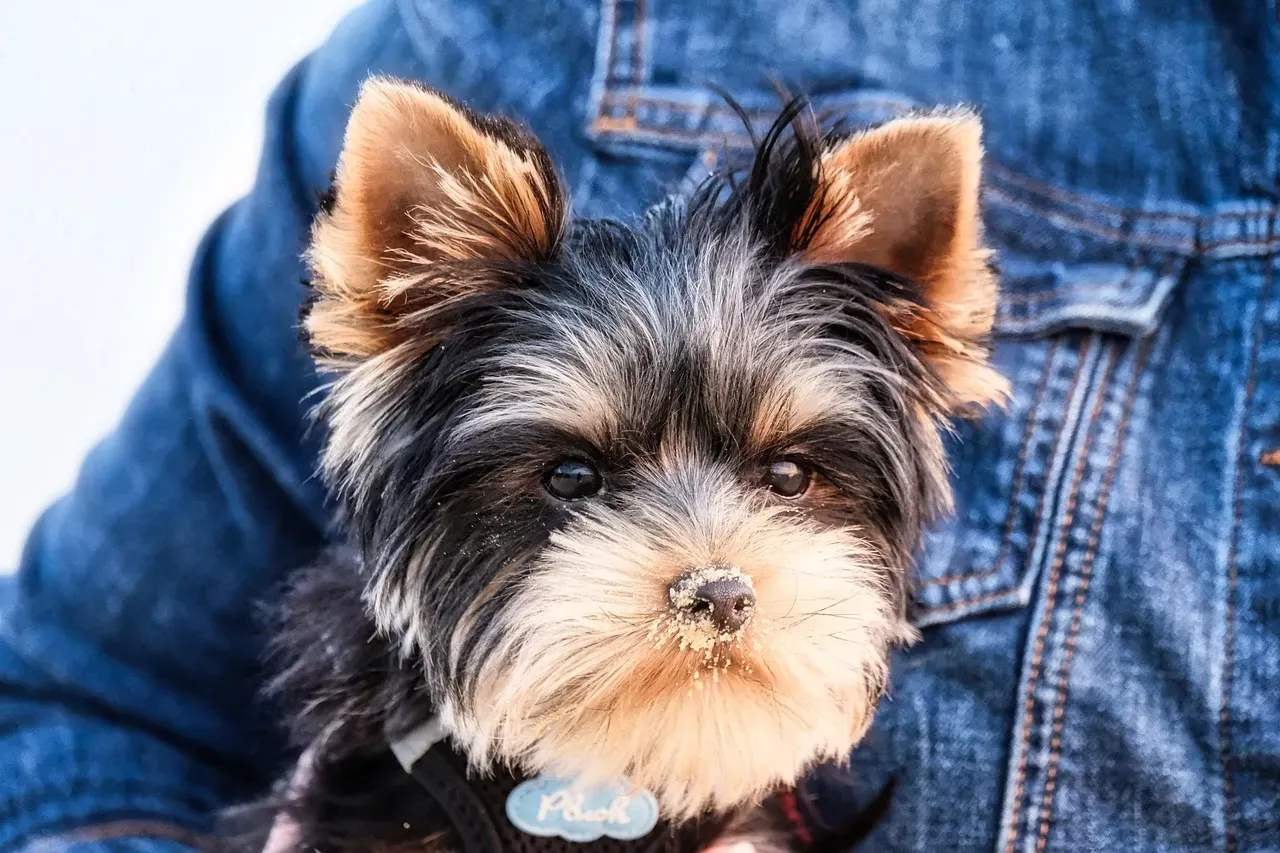
Yorkies are an intelligent breed that can also be stubborn, which makes it difficult to potty train them. These little terriers combine brains with willfulness in proportions that make house training feel like negotiating with a tiny, furry diplomat. They understand exactly what you want, they just need to be convinced it’s in their best interest.
Yorkshire terriers can be tough to potty train and are especially difficult to convince to go outside to do their business when it’s wet or cold out. Like many small breeds, they’re sensitive to weather conditions and have strong opinions about what constitutes acceptable bathroom weather. A damp morning might as well be a monsoon.
Their intelligence is both blessing and curse. Yorkies learn quickly when motivated but can also figure out loopholes in your training system. They’ll memorize the minimum requirements for rewards while finding creative ways to do things their own way. It’s impressive and infuriating in equal measure.
Training success requires finding high value rewards and maintaining absolute consistency. These dogs respond well to positive reinforcement but will exploit any weakness in your routine. Miss one scheduled potty break or fail to reward one success, and you’ve set your progress back considerably.
Pug: The Stubborn Sweetheart

Even though they’ve mastered the perfect head tilt, pugs haven’t mastered potty training and are especially stubborn when going to the bathroom when it’s not nice outside. These wrinkly faced charmers use their cuteness as a weapon against effective training. Their snorty breathing and tilted heads make you forget you’re supposed to be firm about house rules.
Pugs can be stubborn and difficult to housebreak, though they’re playful and affectionate dogs. The contradiction between their sweet nature and their bathroom rebellion confuses many owners. They’re so eager to please in other ways that their potty training resistance seems almost spiteful. It’s not personal though, they’re just remarkably set in their ways.
Weather sensitivity plagues this breed just like other small dogs. Pugs already struggle with breathing due to their flat faces, and they’re not about to make it worse by going outside in rain or cold. They’ll plant their feet at the door and refuse to budge, consequences be damned.
The key is patience and understanding their limitations. Pugs need frequent breaks, consistent schedules, and tons of praise for successes. They also need owners who won’t give in to those big pleading eyes when they’re being stubborn. It’s a battle of wills, and you need to win it consistently without being harsh.
Basset Hound: The Stubborn Sniffer
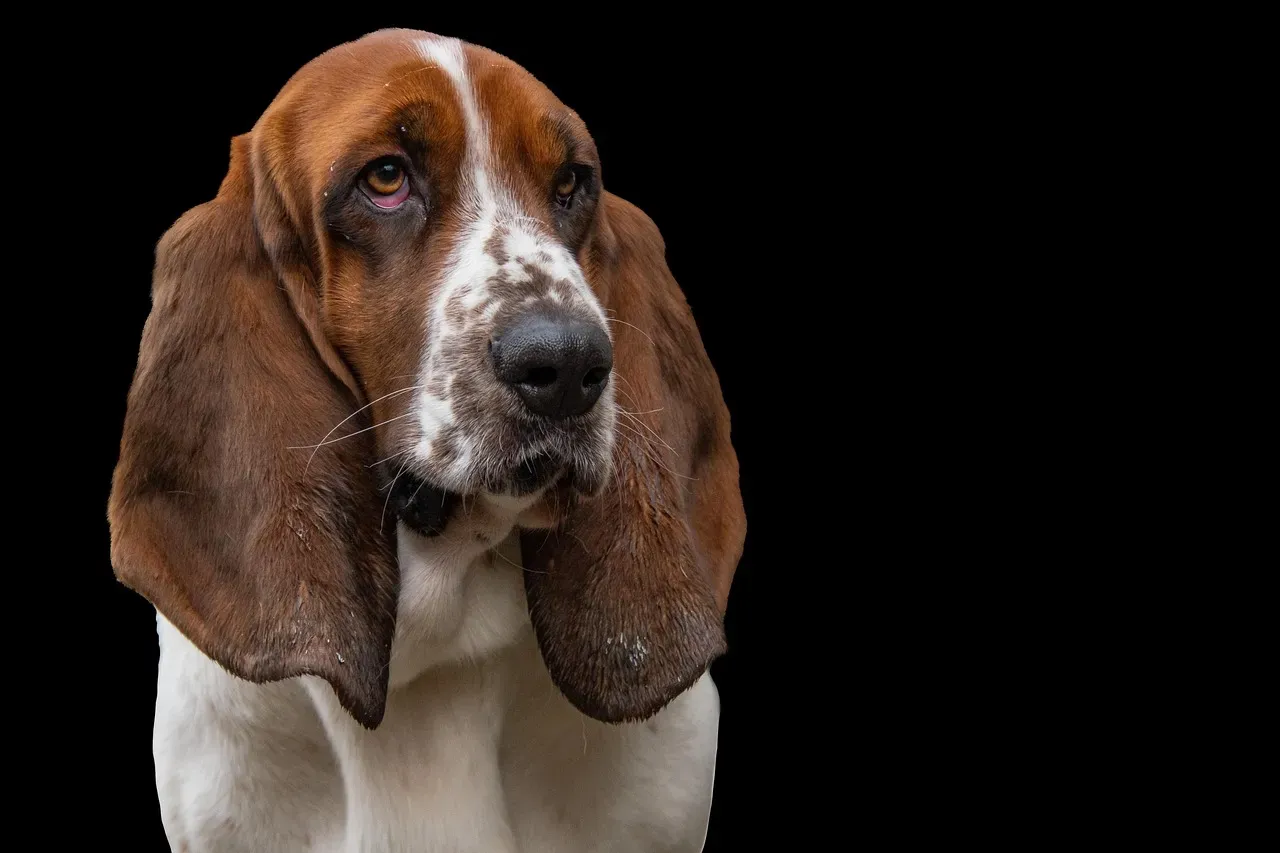
Basset Hounds are closely ranked among the hardest breeds to potty train, following Dachshunds and Jack Russell Terriers, with their small bladders and stubborn streak making accidents common. These low slung hounds are basically noses with legs attached. When they catch a scent, everything else ceases to matter, including the fact that you brought them outside to eliminate.
Their droopy eyes and sad expression make them look perpetually apologetic, which somewhat softens the blow when you discover yet another accident. Still, adorable doesn’t clean carpet stains. Basset Hounds possess a legendary stubbornness that’s been refined over generations of breeding for independent hunting.
Like other scent hounds, they need fenced areas and constant supervision during potty training. You’ll take them out to do their business, and they’ll spend the entire time following an invisible scent trail with their nose glued to the ground. Twenty minutes later, you’ll bring them inside, and only then will they remember they needed to go.
Training these dogs requires the patience of a saint and the persistence of a telemarketer. You can’t rush a Basset Hound, and you can’t force them to cooperate. What you can do is establish rigid routines, reward successes immediately, and accept that progress will be measured in months rather than weeks. Every small victory counts with this breed.
Conclusion: It’s a Marathon, Not a Sprint
House training these challenging breeds isn’t impossible, just incredibly difficult. Veterinarians consistently hear complaints about these specific animals because their breeding, temperament, and physical characteristics create genuine obstacles to typical training methods. It’s not about intelligence or spite, it’s about working against generations of genetic programming.
Success requires understanding your pet’s specific challenges and adapting your approach accordingly. Small breeds need more frequent breaks due to tiny bladders. Independent breeds need motivation that aligns with their priorities. Weather sensitive dogs might benefit from indoor potty options. One size definitely doesn’t fit all when it comes to house training.
The most important thing is patience combined with consistency. These breeds will test your limits and make you question whether you’re cut out for pet ownership. Honestly, every single owner of these breeds has felt that frustration. You’re not alone in your struggles, and you’re not failing when progress is slow.
Remember that even the most stubborn dog can learn with the right approach and enough time. Some just take considerably longer than others. Celebrate small victories, forgive setbacks, and don’t compare your journey to others who have easier breeds. What do you think, has your experience with difficult to train breeds taught you anything surprising? Share your battle stories in the comments.

- 6 Exotic Bird Species You Can Spot in U.S. National Parks - July 19, 2026
- 11 Iconic American Birds Facing New Challenges and How You Can Help - July 19, 2026
- 10 Friendliest Animals in the World - July 19, 2026