

Have you ever watched a horse and wondered what’s really going on behind those enormous eyes? These magnificent creatures have been our companions for thousands of years, yet they remain endlessly intriguing. From their quirky sleeping habits to their incredible sensory abilities, horses possess traits that might completely surprise you.
Whether you’re a lifelong equestrian or simply someone who admires these animals from afar, there’s always something new to discover. So let’s dive into the extraordinary world of horses and uncover the remarkable facts that make them truly one of a kind.
They Have the Largest Eyes of Any Land Mammal
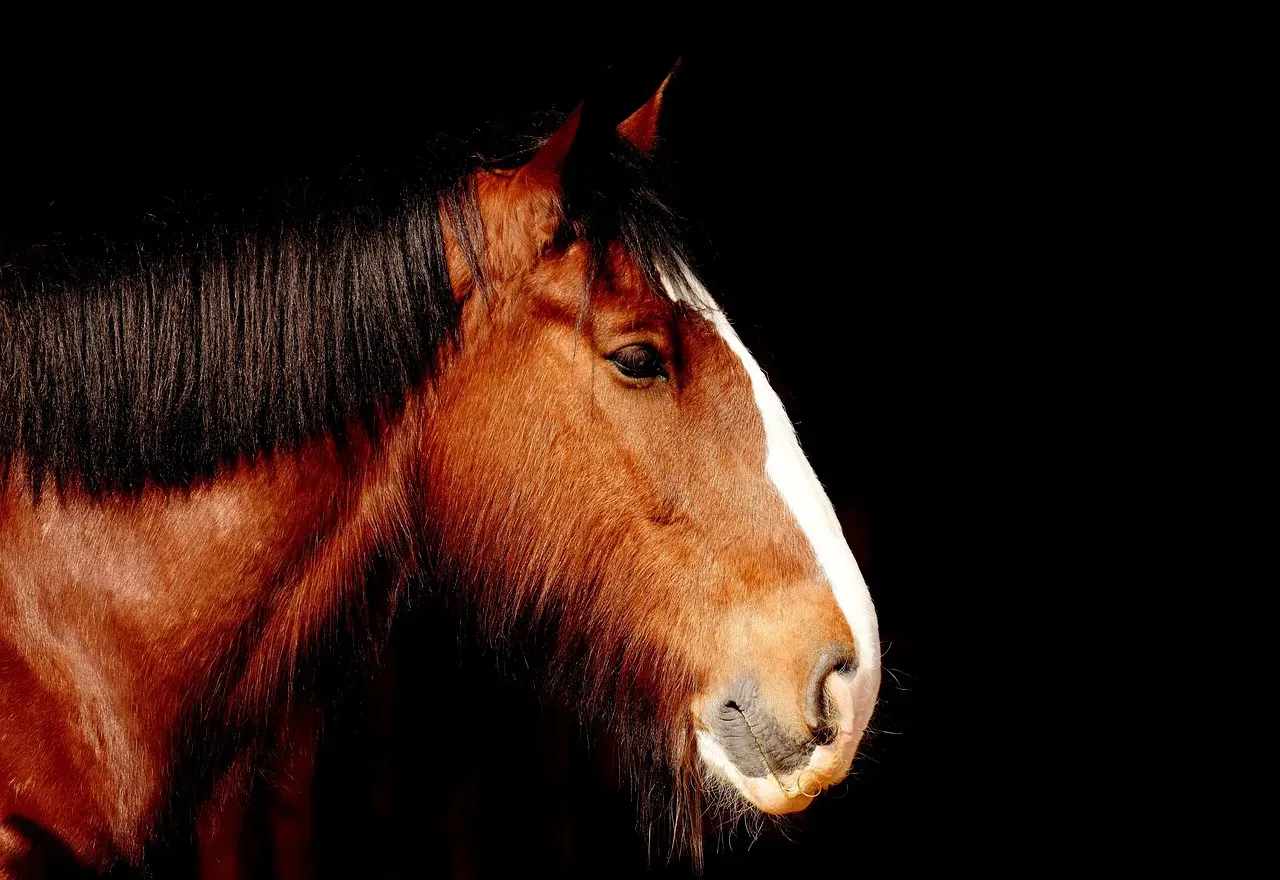
Horses possess eyes that are eight times larger than human eyes, making them larger than those of any other land mammal. This isn’t just a random bit of trivia. Those massive eyes serve a crucial purpose for survival.
Because horses have the largest eyes of all mammals in the world, they have a vision range of over 350 degrees, and although their sense of vision is two-color, their range of vision allows them to be aware of their surroundings at all times. Think about it. While we humans need to turn our heads constantly to check what’s around us, horses can practically see everything without moving an inch.
Their eyes are positioned on the sides of their heads, which creates this incredible panoramic view. It’s like having built-in security cameras. However, there’s a tradeoff to this superpower, which we’ll explore more in just a bit.
Horses Can Sleep Standing Up
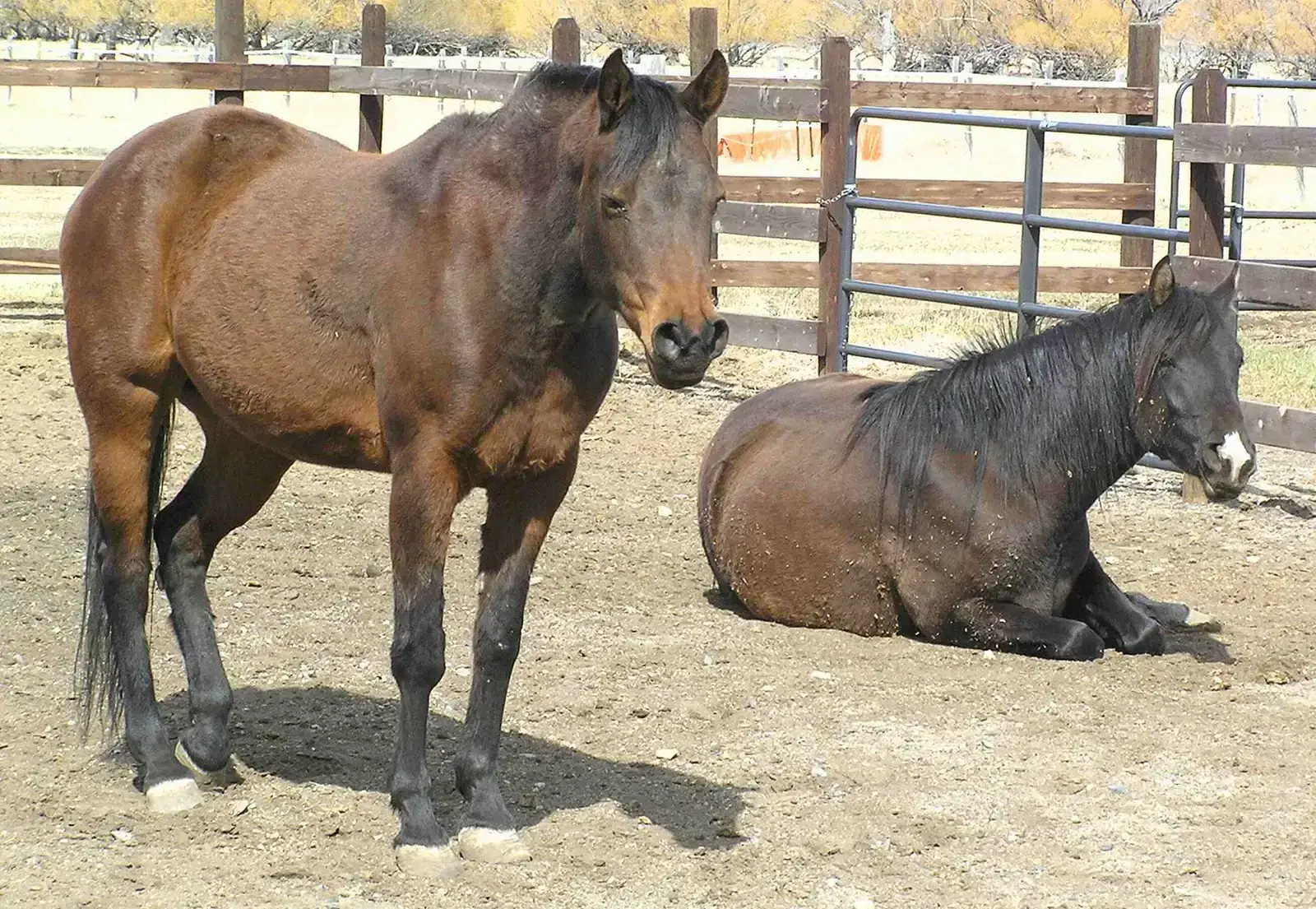
Horses can sleep standing up. You’ve probably seen a horse dozing peacefully on its feet and wondered how that’s even possible. The secret lies in a remarkable anatomical feature.
Horses possess a unique ability to rest while standing, thanks to a specialized system of tendons and ligaments known as the stay apparatus, which allows them to lock their legs and doze without falling, enabling quick responses to potential threats. It’s basically nature’s version of an autopilot system. The horse’s legs lock into place without requiring any conscious muscular effort.
However, horses cannot achieve the REM sleep cycle without lying down. For deep REM sleep, horses need to lie down for short periods, typically totaling about two to three hours daily. So yes, they can nap standing up, but for truly restorative sleep, they need to get horizontal. In the wild, you’ll often see one horse standing guard while others lie down to rest.
They Cannot Vomit

Here’s something that sounds bizarre but is absolutely true. Horses can’t vomit unlike many other mammals. This isn’t because they have iron stomachs or never eat anything questionable.
This is largely because their cardiac sphincter, also known as the lower oesophageal sphincter (the one-way valve between the oesophagus and the stomach), is incredibly strong and only lets content in, not out. This band is so strong that a horse’s stomach would burst before the animal would vomit.
This physical limitation makes digestive issues particularly dangerous for horses. When a horse experiences colic or ingests something toxic, they can’t simply throw it up like other animals. This is why horse owners are so vigilant about what their animals eat and why veterinary intervention is often critical in digestive emergencies.
Horses Have Ten Muscles in Each Ear
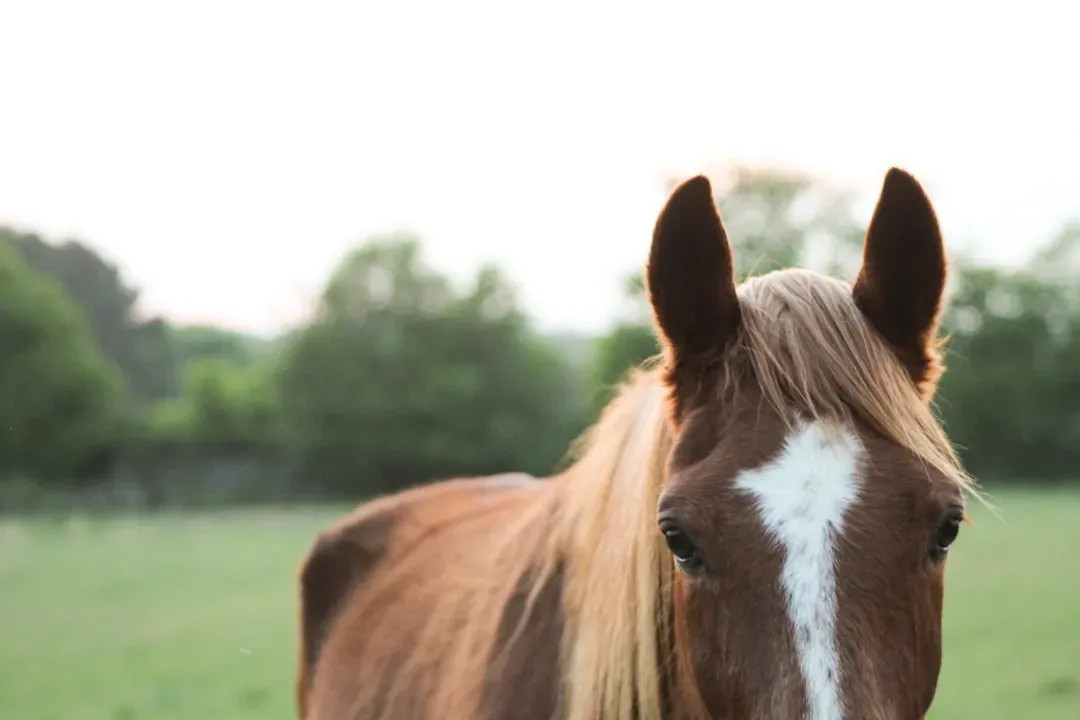
Watch a horse for a few minutes and you’ll notice their ears constantly moving. While human ears only have three muscles connected to them, horses have 10, and they can swivel their ears independently, keeping one ear on you and the other on the sounds of the feed room.
Horses’ ears can move 180 degrees using 10 different muscles (compared to three muscles for the human ear) and are able to single out a specific area to listen to. It’s like having two independent satellite dishes constantly scanning for information. This ability allows horses to monitor multiple sound sources simultaneously.
Those mobile ears aren’t just functional, they’re also expressive. A horse’s ear position tells you volumes about their mood and attention. Forward ears signal alertness or interest, while pinned-back ears often indicate discomfort or aggression. Learning to read these signals is essential for anyone working with horses.
Their Teeth Keep Growing Throughout Their Lives
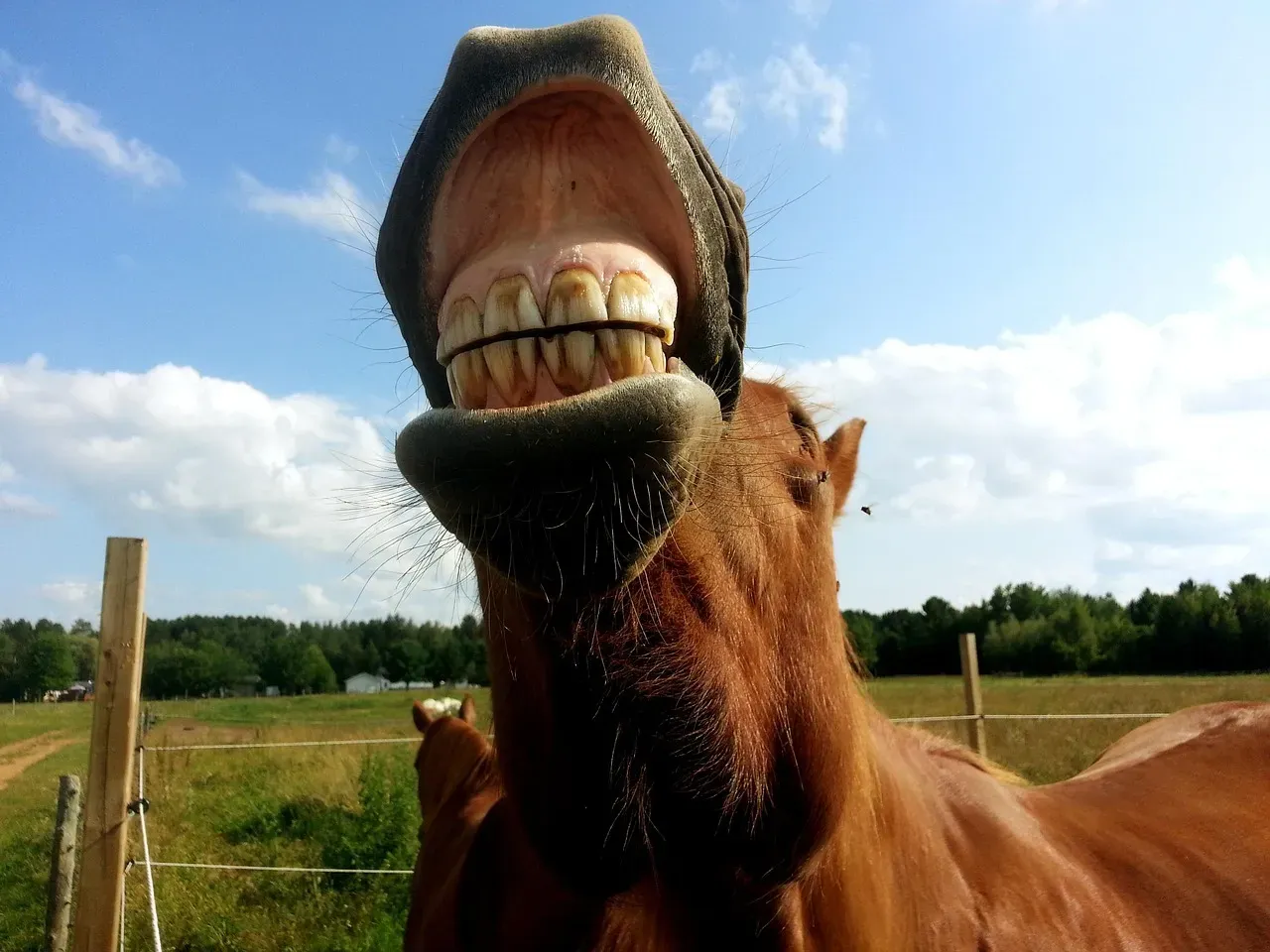
Unlike a human, horses’ teeth continually grow and this growth, and the marks it leaves behind, helps us pinpoint a horse’s age. This constant growth is nature’s solution to the wear and tear from endless chewing.
Horses are grazing animals designed to munch on rough forage for most of the day. All that grinding would wear down normal teeth pretty quickly. Instead, their teeth grow continuously to compensate for the wear. This is why regular dental care is crucial for domestic horses.
You can actually estimate a horse’s age fairly accurately by examining their teeth. The shape, angle, and wear patterns all provide clues. It’s not perfect, but experienced horsemen can get pretty close just by looking inside a horse’s mouth.
They Produce About Ten Gallons of Saliva Daily
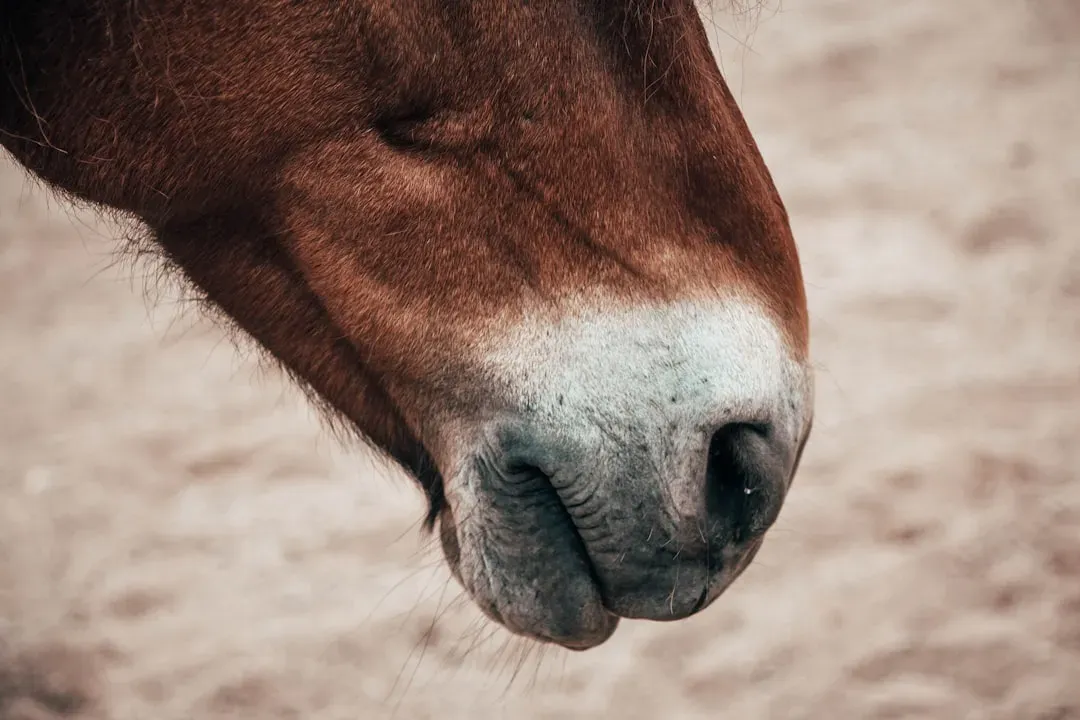
Horses produce approximately 10 gallons of saliva a day. Yes, you read that correctly. Ten gallons. That’s enough to fill a small bathtub.
Why so much spit? Saliva acts as a natural buffer to stomach acid. Horses have highly acidic stomachs designed to constantly process food. The steady flow of saliva helps neutralize this acid and aids in digestion.
This also explains why horses are such messy eaters sometimes. All that saliva production, combined with their grazing habits, means there’s always plenty of moisture involved in their eating process. It’s not the most glamorous fact, but it’s definitely fascinating.
Horses Have Blind Spots Directly in Front and Behind Them

Despite their impressive nearly 360-degree vision, horses have some surprising blind spots. A blind spot exists in front of the horse’s face, from his eye level to the ground below his nose and out to about six feet, where he cannot see the grass he grazes, nor the bit or the carrot held to his mouth, using the whiskers around his mouth to sense these objects.
He cannot see the grass he grazes on, the bit he accepts, the fingers that stroke his muzzle. Everything directly in front of their face is invisible to them. They rely on their incredibly sensitive whiskers to navigate this blind zone.
There’s also a blind spot directly behind them. This is why approaching a horse from behind can be dangerous. Even the gentlest horse can kick reflexively if startled by something they cannot see. Always let a horse know you’re there before moving into that rear blind zone.
They Can Communicate Through Facial Expressions
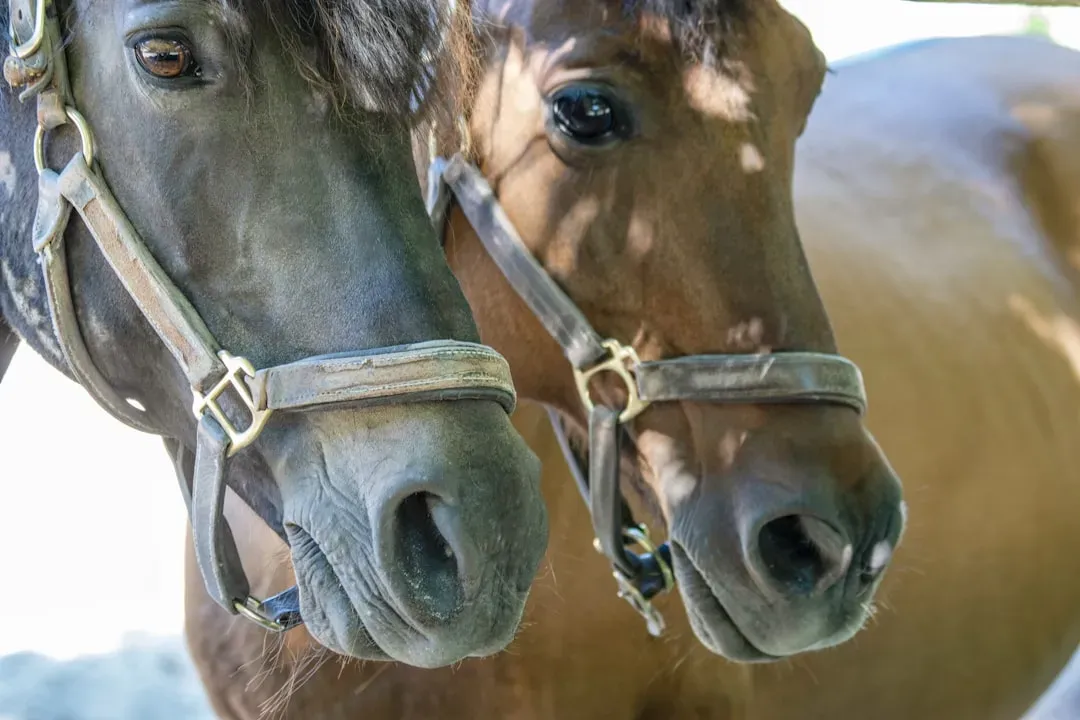
Researchers have found that horses can read our facial expressions and tell when we’re happy or angry, and not only that, they can also remember our emotional state and adjust their behaviour according to our mood. This goes both ways, though. Horses also communicate volumes through their own expressions.
They pick up on human expressions and remember emotional states. A horse’s heart rate also increases when they look at an angry person. This emotional intelligence is remarkable and suggests a much deeper level of social awareness than we might have assumed.
If you spend time around horses, you’ll start noticing the subtle ways they communicate. A soft eye, relaxed muzzle, and gentle expressions indicate contentment. Tight lips, flared nostrils, or showing the whites of their eyes can signal stress or fear. Understanding these visual cues helps build better relationships between horses and humans.
Arabian Horses Have Fewer Bones Than Other Breeds
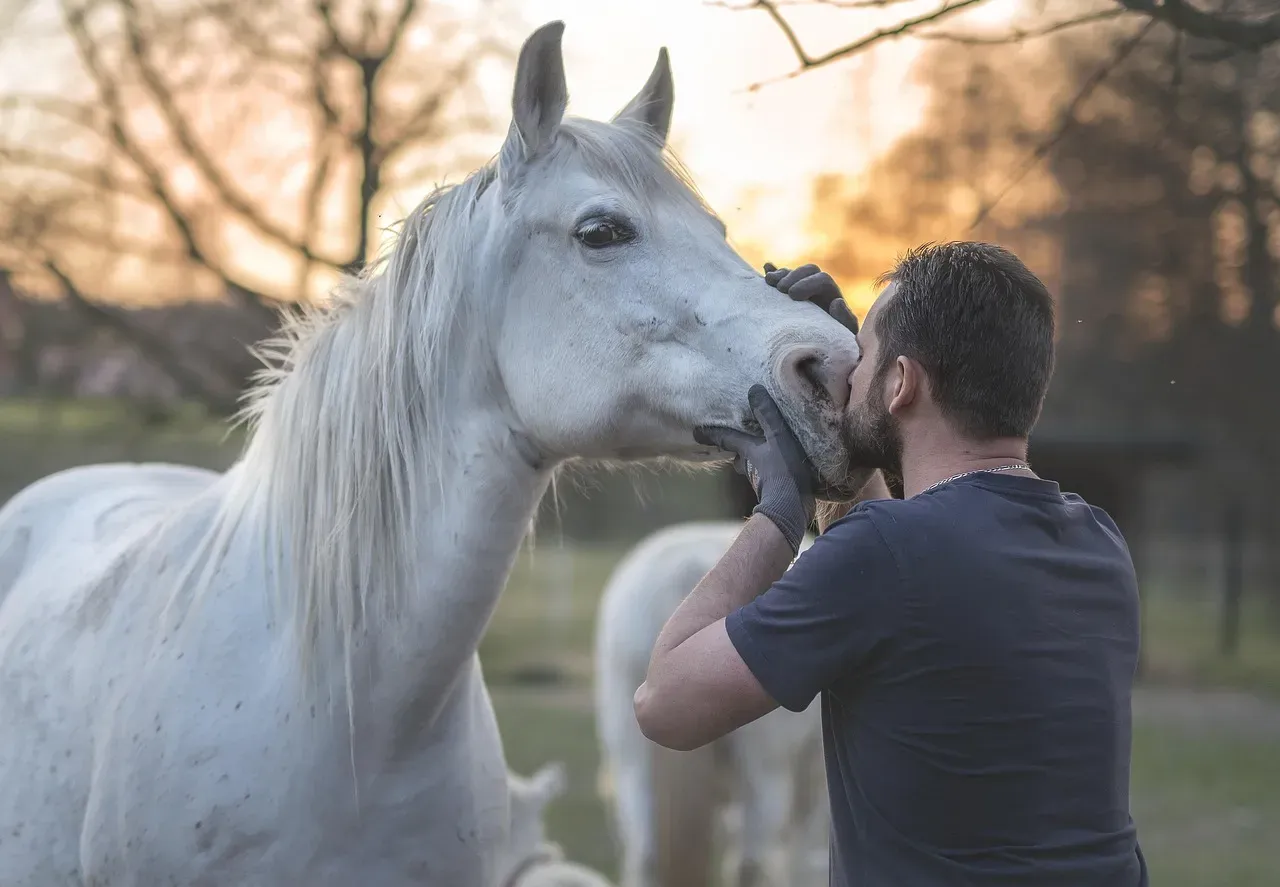
Adult humans have 206 bones, while most adult horses have 205 bones. That’s remarkably close to our own skeletal structure. However, Arabian horses are special in this regard.
Horses have around 205 bones in their skeleton, but some Arabian horses have fewer ribs and lumbar vertebrae than is typically found in other breeds of horse, with 5 lumbar vertebrae rather than 6 and 17 pairs of ribs rather than 18. This unique skeletal structure contributes to the Arabian’s distinctive shorter back and elegant appearance.
With only five lumbar vertebrae in their backs (most horses have six) and one less rib, Arabians tend to have shorter backs than other horse breeds. This isn’t just trivia for breed enthusiasts. These anatomical differences actually affect the horse’s movement, strength, and even saddle fit.
Horses Have Superior Night Vision Compared to Humans

Horses have more rods than humans, as well as a tapetum lucidum (a reflecting membrane) that increases the amount of light available to the photoreceptors, giving them superior night vision and better vision on slightly cloudy days, relative to bright, sunny days.
That reflective layer in their eyes, the tapetum lucidum, is what causes horses’ eyes to glow when light hits them at night. It’s the same feature that makes a cat’s eyes shine in the dark. This adaptation was crucial for wild horses who needed to detect predators at any hour.
However, horses are less able to adjust to changes in light conditions such as from a bright day to a dark barn or trailer. This is something to keep in mind when moving horses between different lighting environments. Give them time to adjust, or you might see them hesitate or spook simply because they can’t see properly yet.
They Are Extremely Social Animals
Horses are very social animals who often get lonely if kept alone, and they will mourn the passing of a companion. This isn’t just about preferring company. Horses genuinely need social interaction for their mental and emotional wellbeing.
In the wild, horses live in herds with complex social structures. There’s usually a lead mare who makes decisions about where the herd goes, and a stallion who protects them. Even in domestic settings, horses establish hierarchies and form strong bonds with other horses.
Isolating a horse can lead to behavioral problems, stress, and even physical health issues. Horses kept alone may develop stereotypic behaviors like weaving or cribbing. If you can’t keep multiple horses, providing opportunities for social interaction through regular turnout with other horses is crucial for their happiness.
They Have a Surprisingly Small Stomach
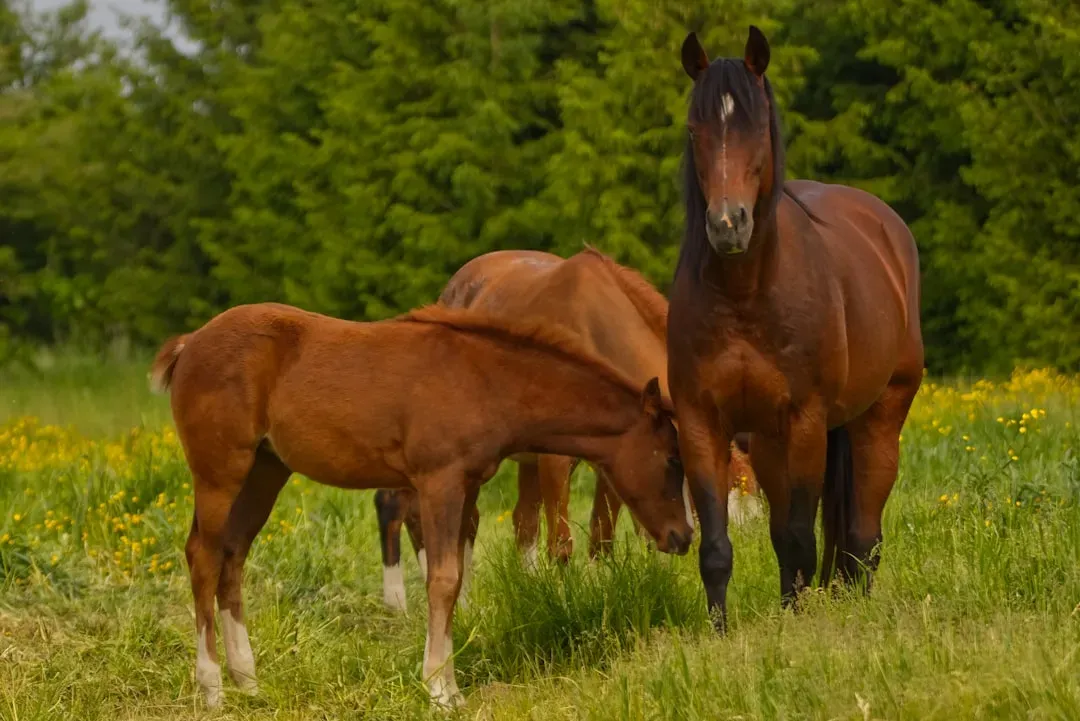
Compared to their size, a horse’s stomach is ridiculously small, only the size and shape of a rugby ball. For such a large animal, this seems counterintuitive. How can a creature weighing half a ton or more survive on such a tiny stomach?
The answer lies in their digestive strategy. Their digestive systems are designed to have a nearly constant flow of small amounts of food which help to buffer the acid that is constantly produced in their stomachs. Horses are meant to graze continuously throughout the day, eating small amounts constantly rather than having large meals.
This is why feeding management is so critical for domestic horses. Long periods without food can lead to ulcers and other digestive problems. Understanding this aspect of horse physiology explains why they’re always looking for their next snack and why regular access to hay or pasture is essential.
Horses Can Hear Frequencies Humans Cannot
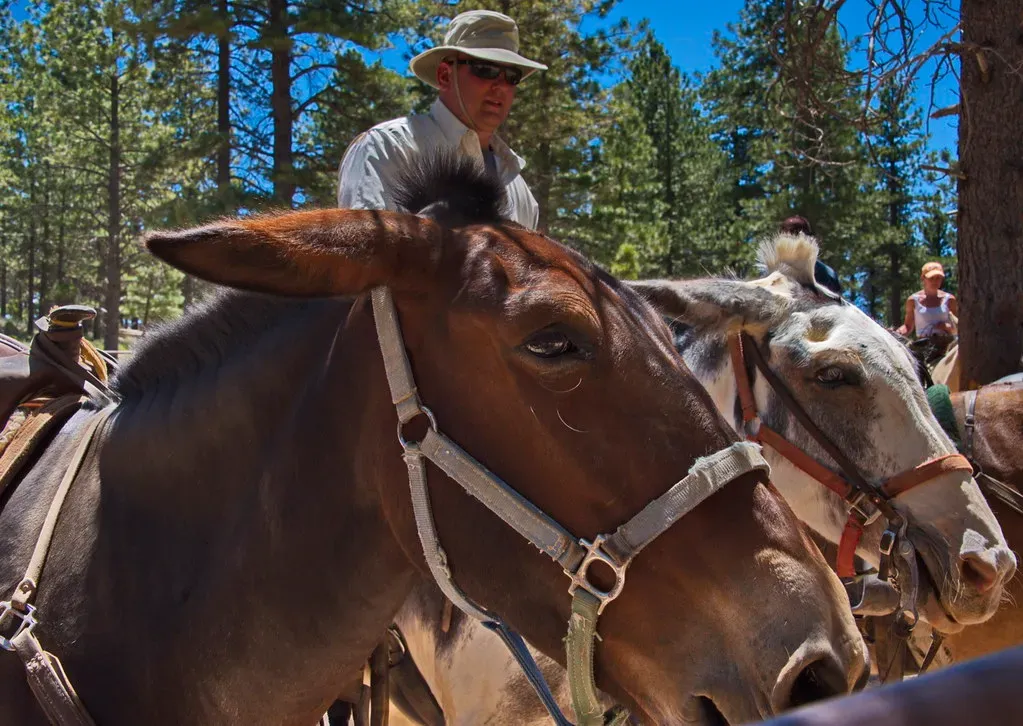
Horses can hear low to very high frequency sound, in the range of 14 Hz to 25 kHz (human range equals 20 Hz to 20 kHz). This means horses can detect sounds completely outside our hearing range, particularly on the higher end of the spectrum.
A horse’s hearing is much keener than ours, and they use their hearing for three primary functions: to detect sounds, to determine the location of the sound, and to provide sensory information that allows the horse to recognize the identity of these sounds.
This superior hearing explains why horses sometimes react to things we can’t perceive. They might spook at a sound we never heard or become alert to something in the distance long before we notice it. Recognizing that horses experience a richer auditory world than we do helps us be more understanding when they react to seemingly nothing.
Foals Can Stand Within Hours of Birth
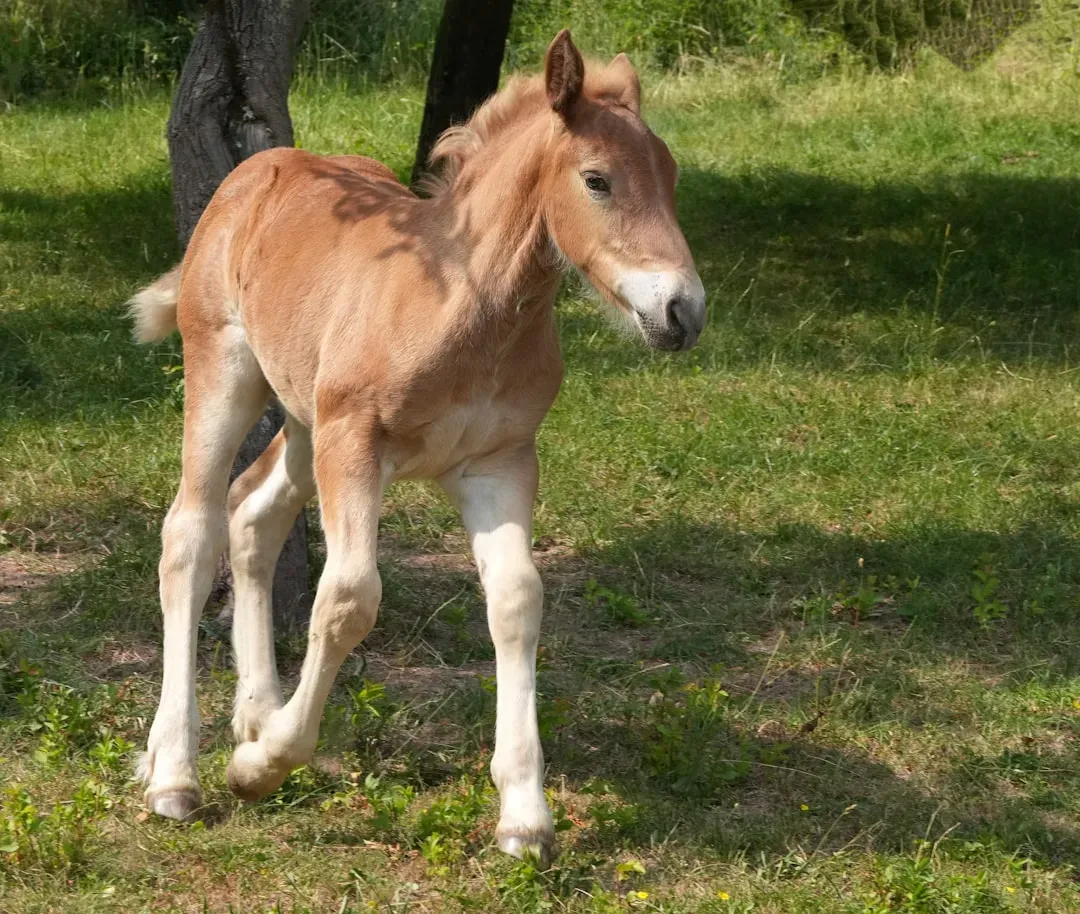
Horses can stand within minutes of being born, and as prey animals, it is imperative they are able to get onto their feet within minutes and able to run with the herd within hours. This rapid development is extraordinary compared to human babies.
In the wild, a foal that cannot quickly stand and move is vulnerable to predators. Natural selection strongly favored babies who could get up and go almost immediately. Within just a few hours of birth, a healthy foal can not only stand but also trot and even gallop alongside its mother.
This precociousness doesn’t end there. Foals are born with their eyes open and are alert to their surroundings almost immediately. While they still need to learn many things and depend on their mothers for milk and guidance, they’re remarkably functional from day one.
They Remember People and Places for Years
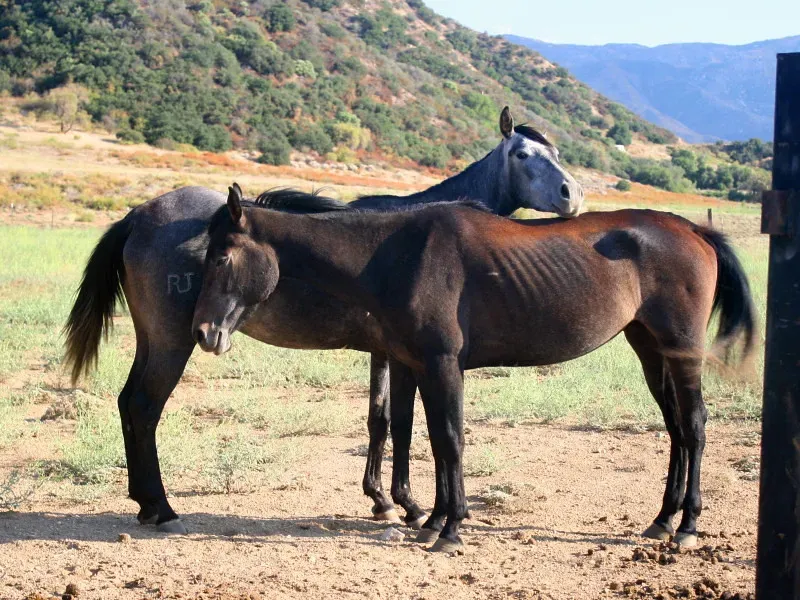
Horses remember faces and emotional tone. Their memory is far better than most people realize. Horses can recognize individual humans even after years of separation, and they remember whether those interactions were positive or negative.
This exceptional memory extends beyond just faces. Horses remember places, experiences, and learned behaviors for incredibly long periods. A horse who had a frightening experience at a particular location might remain wary of that spot years later. Conversely, positive training and gentle handling create lasting impressions that benefit the horse-human relationship long-term.
This is why consistency and kindness matter so much in horse training. Every interaction leaves an impression that the horse will carry forward. Building trust takes time, but betraying that trust can damage the relationship for years.
Conclusion
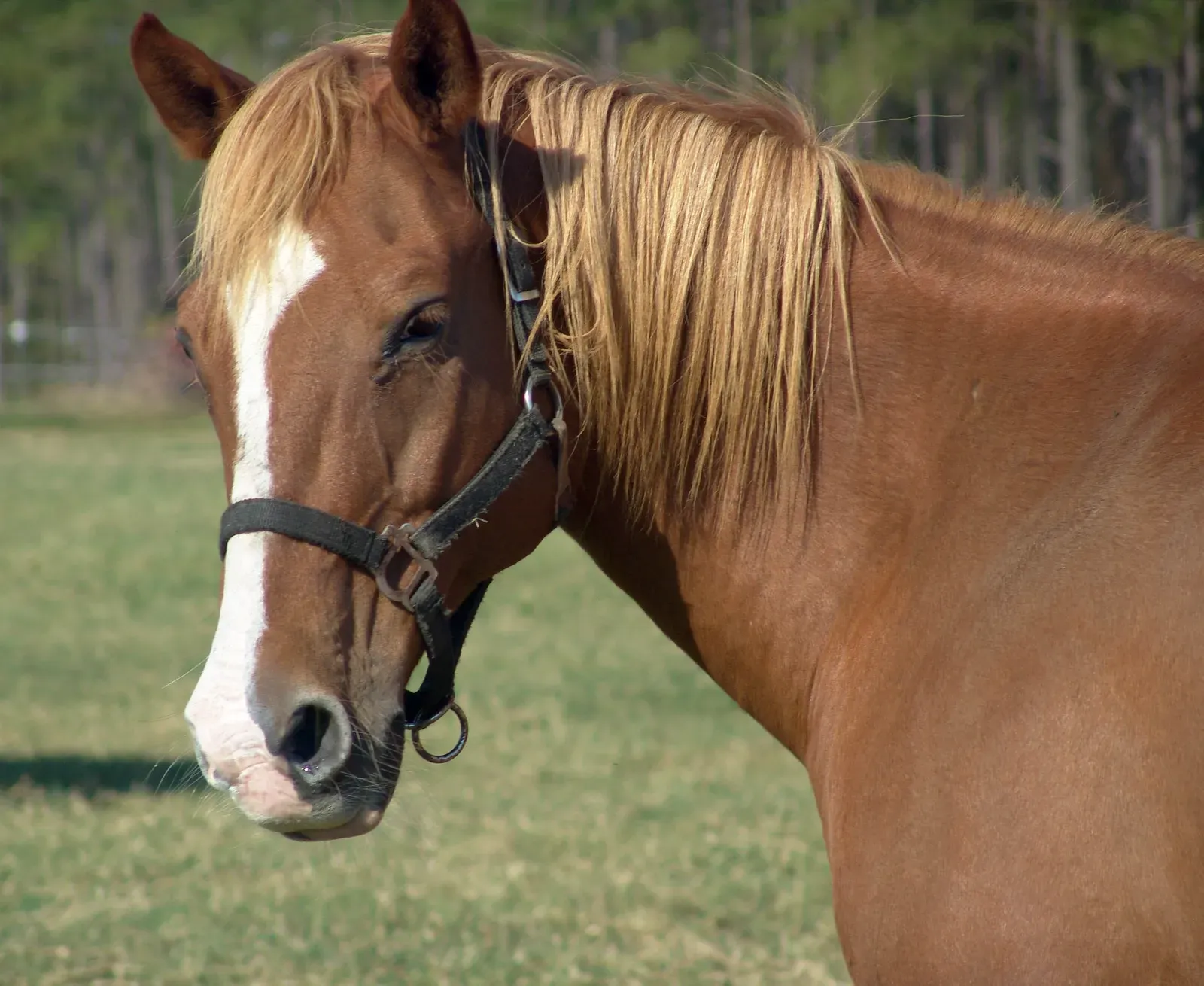
Horses continue to amaze us with their unique adaptations and remarkable abilities. From their panoramic vision and rotating ears to their exceptional memory and social needs, these animals are far more complex than they might first appear. Understanding these fascinating facts doesn’t just satisfy our curiosity. It actually helps us provide better care, training, and companionship for these magnificent creatures.
The next time you see a horse, take a moment to appreciate the incredible biology and behavior at work. Whether they’re scanning the horizon with those massive eyes, swiveling their ears to catch distant sounds, or simply dozing peacefully on their locked legs, there’s always something extraordinary happening. What surprised you most about these equine facts? These animals truly are nature’s masterpiece.

- 12 Architectural Wonders From The Ancient World That Inspire Us Today - July 18, 2026
- 6 Beautiful Ancient Cities That Time Forgot (But Shouldn’t) - July 18, 2026
- 6 Common Animal Behaviors That Are Often Misunderstood by Humans - July 18, 2026