
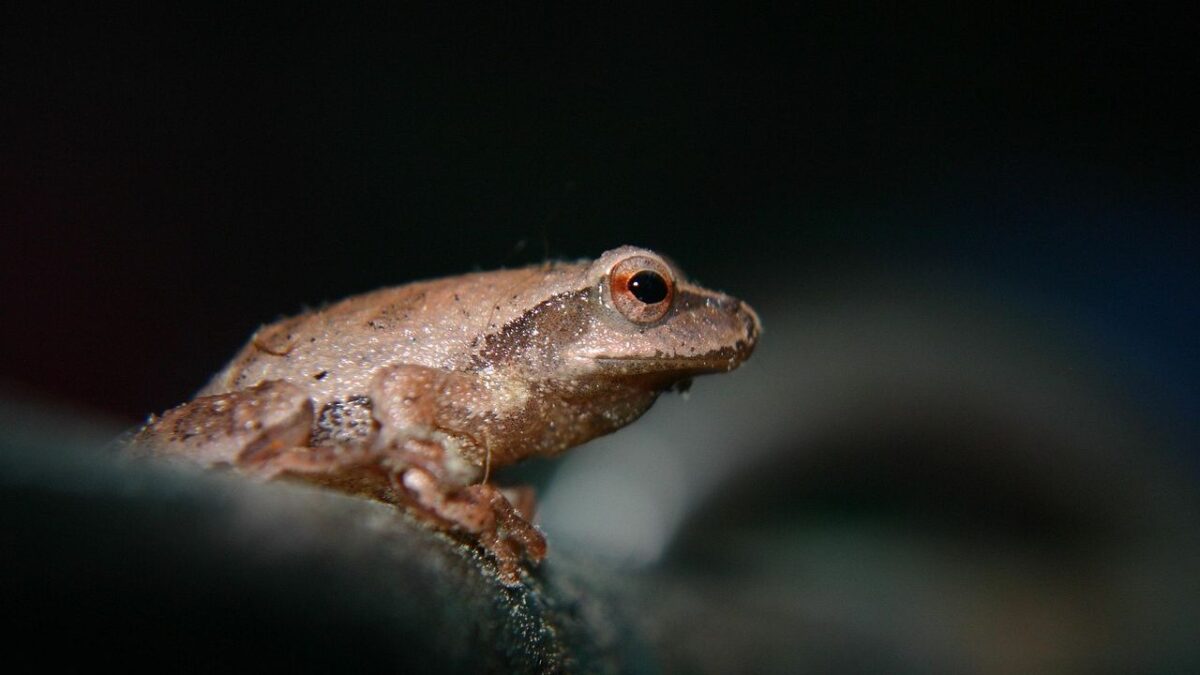
Picture this: You’re lying awake at night, and somewhere beyond your window you hear a haunting hoot, a distant rustle, or maybe even a shriek that sends a shiver down your spine. While most of us are tucked into bed, another world completely wakes up. Honestly, I think people forget just how alive the darkness is.
The night isn’t just a quieter, darker version of the day. It’s an entirely different realm where a whole cast of creatures emerges from their hiding spots to hunt, communicate, reproduce, and thrive. These animals have spent millions of years evolving abilities we can barely comprehend. So let’s dive in and discover what really happens when the sun goes down.
Eyes That Devour Darkness
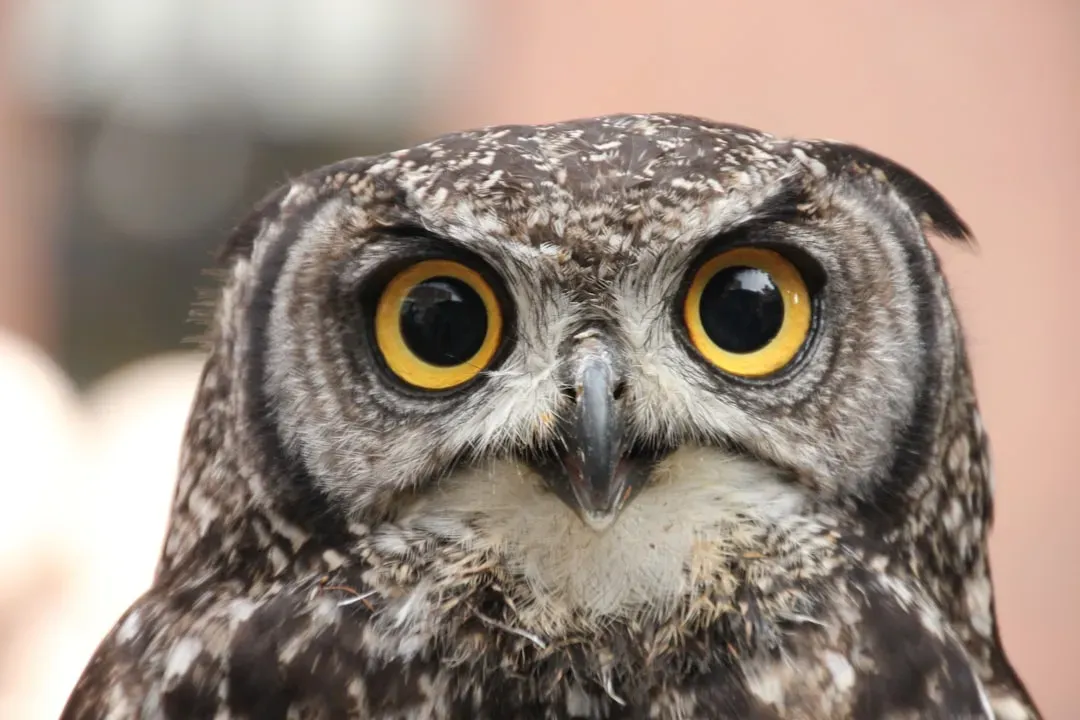
The first thing you need to understand about nocturnal creatures is their vision. Owl eyes, for example, are so big that they can’t move in the socket, but their wide pupils help them collect more light. It’s hard to say for sure, but many of these animals probably see the world in ways we’ll never fully grasp.
Their retinas are rich in rod cells, sensitive to dim light and motion. Many also possess a reflective layer, the tapetum lucidum, which bounces light back through photoreceptors for enhanced vision. Think about that for a second. Light passes through the eye once, and then gets a second chance to be seen. That’s nature’s version of night vision goggles.
Owl eyes can be up to 35 times more sensitive than ours in very low light levels, and in their retina, most owls have a high density of rod cells, which are specialised to pick up contrast between light and dark, over colour. What this means is that while we’re stumbling around in near blindness, these creatures are watching every tiny movement with crystal clarity. Some species are basically seeing a completely different film playing out in the darkness.
Cats have similar tricks up their sleeves. Their eyes reflect light back at you when you shine a flashlight at them, creating that eerie glow that’s both beautiful and slightly unsettling. This reflective structure means that whatever dim starlight or moonlight exists gets maximized to its fullest potential.
Most diurnal animals rely heavily on color vision to find food, mates, and avoid danger. Nocturnal animals traded that ability for something far more valuable in the dark: the capacity to detect even the faintest flicker of movement against the blackness.
The Symphony of Sound: How Noise Rules the Night
When you can’t see clearly, hearing becomes everything. Animals like owls and large cats have specialized hearing to hunt at night; owls’ ears are offset and ears of large cats are highly maneuverable. This asymmetry in owl ears is actually genius. By having one ear slightly higher than the other, they can pinpoint exactly where a sound is coming from in three-dimensional space.
In fact, their hearing is so acute that some species can capture small mammals scurrying under several feet of snow by pinpointing their location with their hearing. Just imagine being able to hear through snow. You could be sitting there quietly reading, and an owl could detect the heartbeat of a mouse beneath layers of frozen earth and vegetation.
But hearing isn’t just for hunting. Animals such as owls, frogs, and crickets produce sounds that help them navigate their environment, find mates, and establish territory. For instance, male frogs often call out during mating season, using their distinctive croaks to attract females. The night is alive with communication we barely notice.
Foxes have a completely different approach. Their screams can sound disturbingly human, especially during breeding season. These vocalizations serve multiple purposes: attracting mates, warning off rivals, and establishing boundaries. Let’s be real, if you’ve ever heard a fox scream in the middle of the night without knowing what it was, you probably thought something terrible was happening.
Raccoons have over 200 vocalizations they use to communicate. Two hundred! That’s more complex than we give them credit for. These masked bandits aren’t just rummaging through your trash bins. They’re having full conversations while they do it.
Echolocation: Nature’s Sonar System
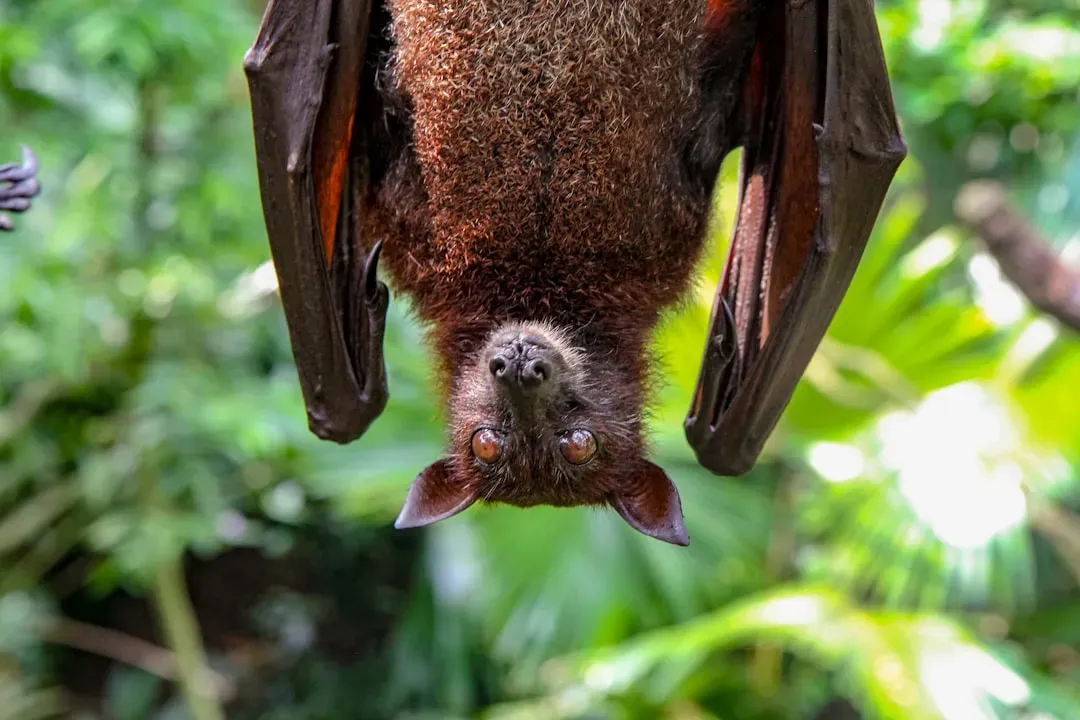
Here’s where things get really wild. Some animals with the extrasensory adaption use echolocation to navigate and find food – bats for example. Bats release a high-pitched sound that bounces off objects, including prey. The echoes tell the bat how far away the objects and prey are. They’re essentially screaming into the void and listening to what screams back.
Bats, for example, use echolocation to navigate and hunt. By emitting high-frequency sounds and listening for the echoes that bounce back from objects, bats can determine the size, shape, and distance of obstacles and prey in complete darkness. I know it sounds crazy, but bats can identify the species of an insect based purely on the echo signature. They know if it’s crunchy or soft, fast or slow, all from sound waves bouncing back.
Different bat species have evolved different call frequencies depending on where they hunt. Bats in open spaces use lower frequency calls that travel farther, while forest dwellers use higher frequencies that provide incredible detail at shorter ranges. It’s like they’ve each got their own customized radar system perfectly tuned to their environment.
What’s fascinating is that prey species have started fighting back. Some moths have evolved ears that can detect bat echolocation, and when they hear it, they immediately drop from the sky in erratic patterns to avoid capture. It’s an evolutionary arms race happening in real time, every single night, all around us.
The sophistication doesn’t stop there. Bats can even adjust their calls mid-flight based on what they’re detecting. They’re constantly recalibrating, refining, and processing an incomprehensible amount of acoustic information every fraction of a second.
The Hidden Hunters: Predators of the Darkness
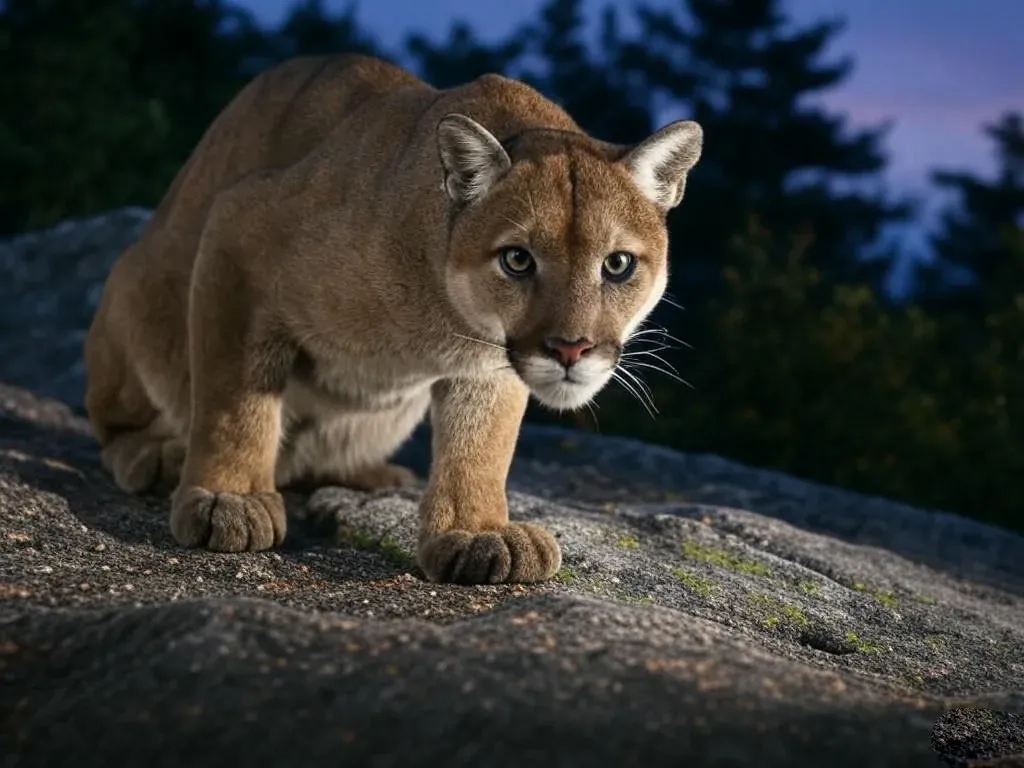
Nocturnality is a form of crypsis, an adaptation to avoid or enhance predation. Although lions are cathemeral, and may be active at any time of day or night, they prefer to hunt at night because many of their prey species (zebra, antelope, impala, wildebeest, etc.) have poor night vision. That’s strategy right there. Hunt when your prey is at its most vulnerable.
Therefore, owls typically hunt bats with their sharp talons in midair. Captured bats are then taken to a perch where owls use their beaks to tear apart their meal before they eat it. The aerial combat happening above us while we sleep is absolutely brutal. It’s a high-speed chase in three dimensions with life-or-death stakes.
Foxes are equally impressive terrestrial hunters. Similarly, foxes have highly sensitive ears that can detect the faintest sounds of prey moving underground. They can hear a vole tunneling beneath the surface, calculate the precise location, and then leap into the air to pounce down through grass and soil to catch their meal. That takes skill and practice most humans couldn’t dream of mastering.
Even smaller predators like shrews and weasels become fearsome nocturnal hunters. Their metabolisms run so hot that they need to eat almost constantly, which means they’re relentlessly hunting throughout the night. They may be tiny, but they’re voracious, tireless, and equipped with needle-sharp teeth.
Many prey species are especially alert to sounds or scents that predators emit, enabling them to react swiftly and avoid becoming part of the night’s food chain. These behaviors are often reinforced through evolutionary pressures, shaping the survival strategies of both predators and prey. It’s an endless dance between hunter and hunted.
Why Choose the Night? The Benefits of Being Nocturnal
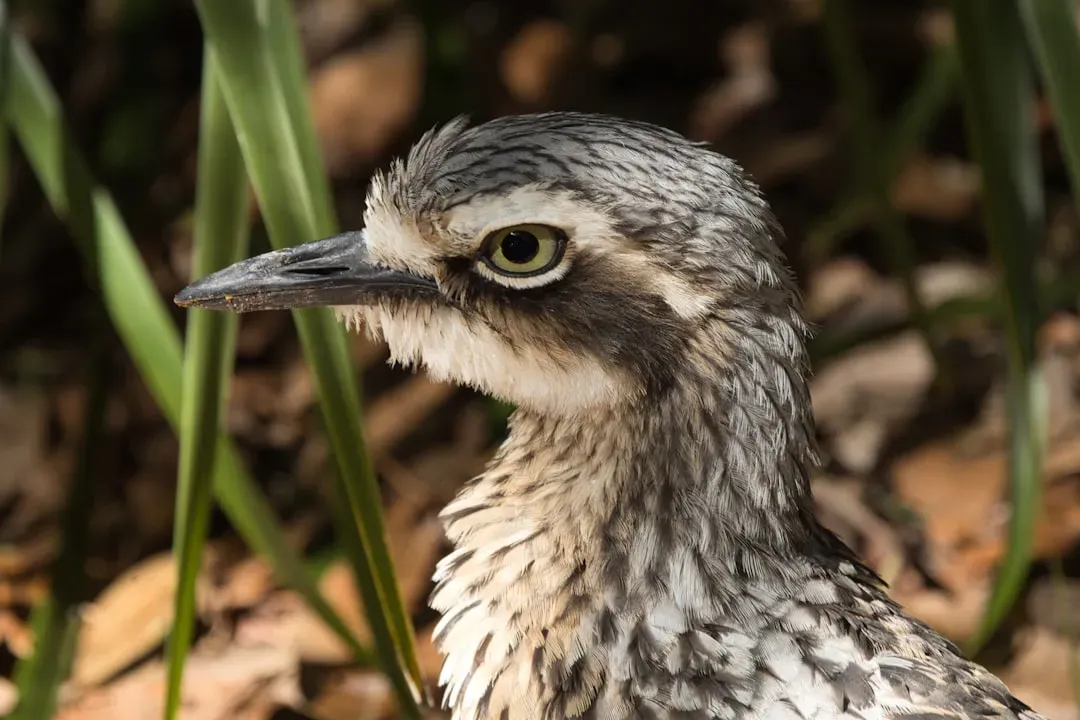
So why go nocturnal in the first place? Darkness provides cover from predators, allowing smaller nocturnal animals to forage more safely than they could during the day. Additionally, nighttime offers a cooler environment, a major advantage for animals who need to conserve water and energy in hot climates. Moreover, some animals become nocturnal to hunt prey that is also active after dark, such as moths and rodents. It’s all about finding your ecological niche and exploiting it.
Nocturnality also reduces competition for resources. By being active at night, these animals avoid direct competition with diurnal (day-active) species for food and habitat. This temporal separation allows for a more efficient use of available resources within an ecosystem. Smart, right? Instead of fighting over the same meals at the same time, just switch shifts.
Desert animals especially benefit from nighttime activity. Daytime temperatures can be lethal, so many desert creatures burrow down during the day and only emerge once the sun sets. Scorpions, kangaroo rats, and desert foxes all follow this pattern. They’ve essentially traded daylight for survival.
There’s also the evolutionary history to consider. Early mammals evolved nocturnal habits during the Jurassic period to avoid being preyed upon by dinosaurs. These ancient species enhanced their senses over time to adapt to night life. Our mammalian ancestors literally hid from dinosaurs in the darkness, which shaped the entire trajectory of mammal evolution. Pretty wild when you think about it.
About 70% of mammal species are nocturnal, while only 20% are diurnal (active during the day). That means the majority of mammals on Earth are doing their thing while we’re asleep. We’re actually the weird ones for being active during the day.
The Threats They Face: Human Impact on Night Life

Unfortunately, our modern world is making life harder for nocturnal creatures. The exponential increase in human expansion and technological advances in the last few centuries has had a major effect on nocturnal animals, as well as diurnal species. The causes of these can be traced to distinct, sometimes overlapping areas: light pollution and spatial disturbance. Light pollution is a major issue for nocturnal species, and the impact continues to increase as electricity reaches parts of the world that previously had no access.
The bright glow of artificial lights confuses their sensory cues, leading to disorientation, altered feeding schedules, and, in some cases, changes in migration patterns. Moths swarm streetlights until they die of exhaustion. Sea turtles mistake city lights for moonlight reflecting on the ocean and crawl the wrong direction. Migrating birds crash into illuminated buildings by the thousands.
As nocturnal animals’ behavior is altered, the balance of predator-prey dynamics and species interactions can be disrupted. For example, predators that rely on lowlight conditions to ambush prey may find it harder to catch their food, while prey species may adapt to these changes by altering their habitat preferences, potentially resulting in shifts in species distribution. The entire ecosystem gets thrown off balance when we flood the night with artificial light.
Habitat destruction is another enormous problem. When forests are cleared or wetlands are drained, nocturnal animals lose not just their homes but also the darkness they depend on. Fragmentation forces them into smaller and smaller pockets of habitat, increasing inbreeding and reducing genetic diversity.
Climate change is forcing some diurnal animals to shift toward nocturnal behavior just to escape the increasing heat. This creates new competition and further disrupts ecosystems that have been balanced for millennia. Everything’s connected, and when we change one variable, the ripples spread outward in ways we’re only beginning to understand.
Conclusion: The Magic We’re Missing
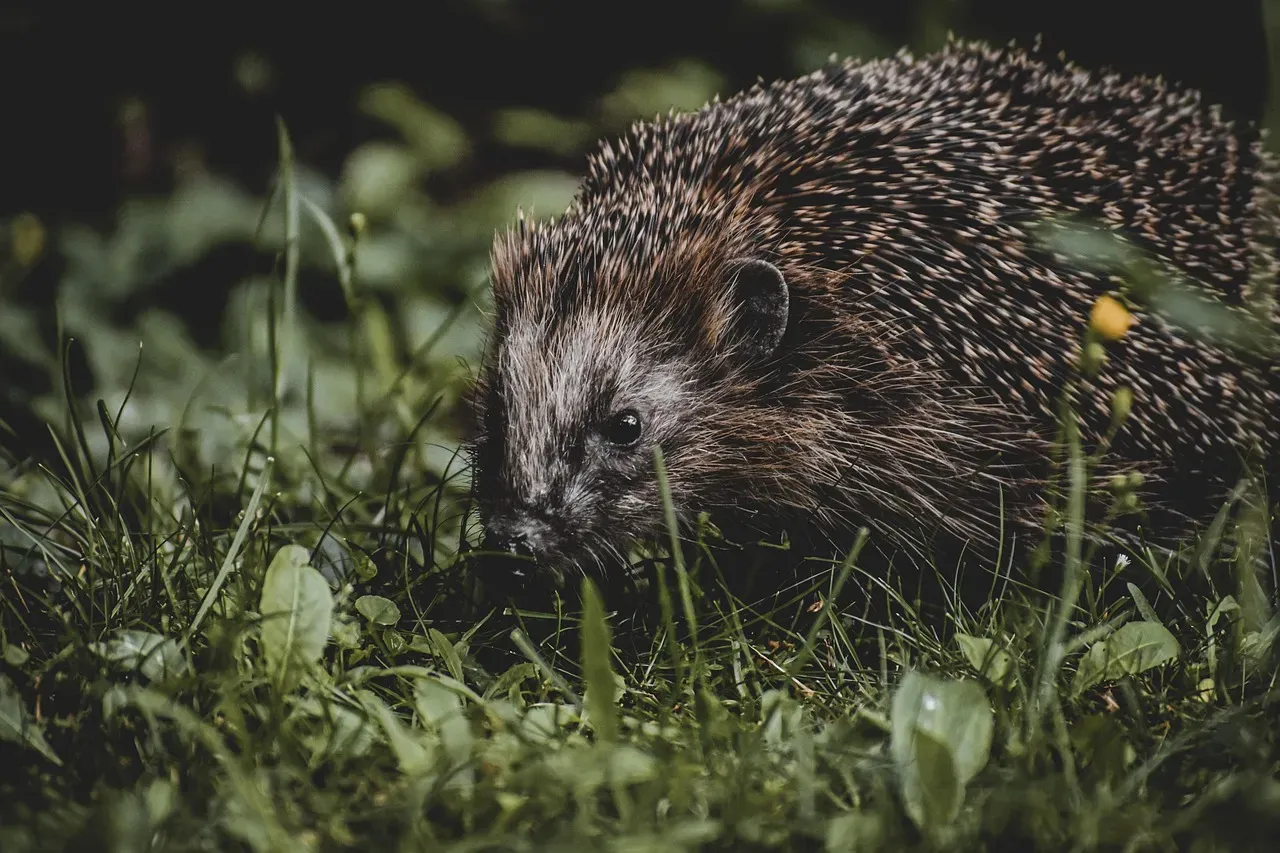
The secret lives of nocturnal animals reveal a world that exists parallel to our own, operating by rules and senses we can barely comprehend. These creatures have evolved extraordinary abilities to thrive in conditions that would leave us helpless and vulnerable. From owls with asymmetrical ears to bats with biological sonar, from foxes with supernatural hearing to moths that can detect predator calls, the night is anything but quiet or empty.
Yet this hidden world faces unprecedented challenges from human activity. Light pollution, habitat destruction, and climate change are all taking their toll on creatures that have thrived for millions of years. Protecting them means preserving true darkness, something that’s becoming increasingly rare in our modern world.
The next time you’re awake after dark, take a moment to listen. Really listen. That rustle in the bushes, that distant hoot, that barely perceptible chirp of a cricket. It’s all part of an ancient conversation happening just beyond our awareness, a secret world that’s been there all along.
What sounds do you hear at night where you live? Have you ever stopped to wonder what creatures might be out there, living their entire lives while you sleep?
