
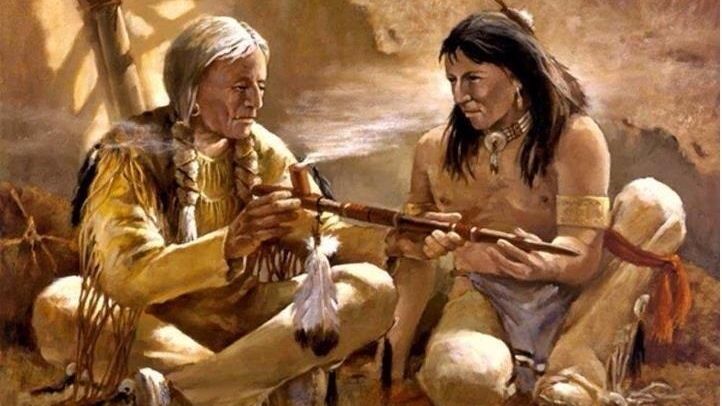
When you think about cultures that have withstood centuries of pressure and change, the Sioux Nation stands out. Their spiritual beliefs aren’t just relics of the past locked away in dusty books. They’re living, breathing practices that pulse through contemporary Sioux communities across the Great Plains today. These sacred beliefs form the backbone of an identity that’s proven remarkably resilient against forces that tried to erase it.
Let’s be real, understanding these beliefs isn’t just about history. It’s about recognizing a worldview so fundamentally different from Western thought that it challenges how we see ourselves in relation to everything around us. Ready to explore what keeps this ancient wisdom alive?
The Sacred Power of Wakan Tanka
Here’s something that might surprise you. Wakan Tanka isn’t just a deity in the Sioux worldview – it’s described as the term for the sacred or divine, usually translated as the Great Spirit or Great Mystery. Think of it less as a single god figure and more as the essence of everything that’s holy.
Central to Lakota religion is the concept of wakʽą, an energy or power permeating the universe, with the unified totality termed Wakʽą Tʽąką and regarded as the source of all things. It’s present in every rock, every stream, every creature. The main theme involves the interconnected nature of the world, with Wakan Tanka present in all things as a sacred energy.
This isn’t some abstract concept sitting on a shelf. For the Sioux people, this understanding shapes daily decision-making. It demands respect for everything around you because divinity isn’t just “out there” somewhere. It’s everywhere.
Mitakuye Oyasin: We Are All Related
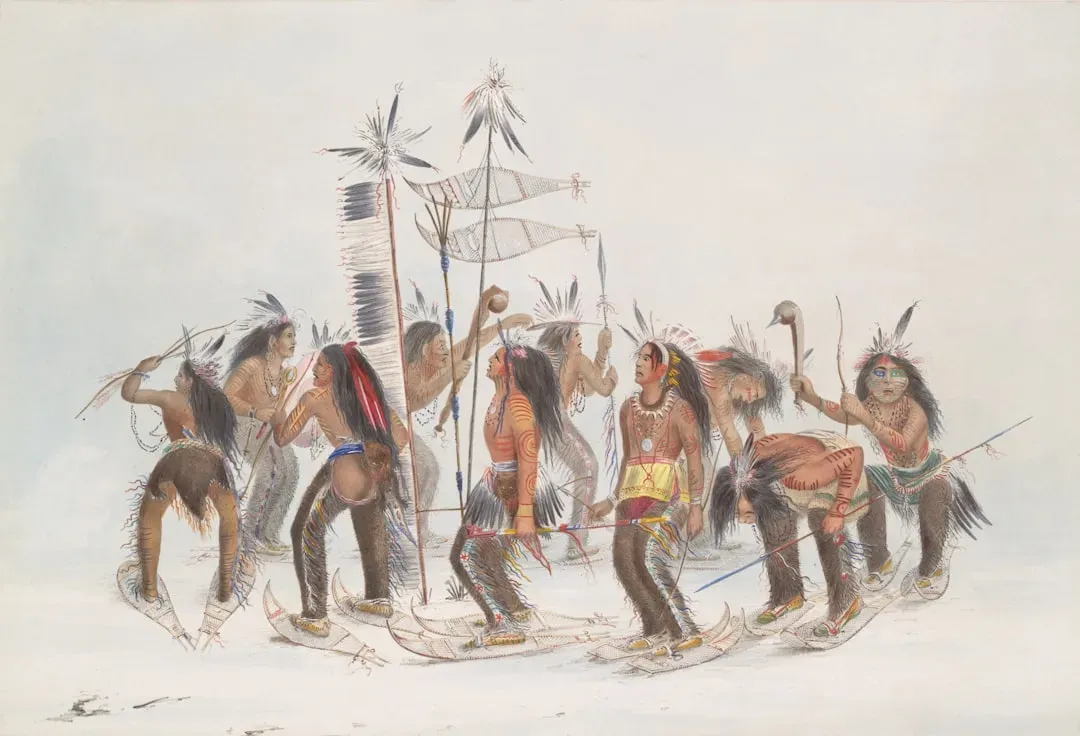
Mitákuye Oyás’iŋ represents a spiritual belief of how human beings should ideally act and relate to other humans, the natural world, the spiritual world, and to the cosmos. These three words carry tremendous weight in Sioux philosophy.
The Lakota people use the phrase “mitakuye oyasin” at the end of prayers to express the belief that all living things in this world are interconnected. Honestly, it’s hard to overstate how different this perspective is from the individualism that dominates modern Western culture.
Due to their shared possession of wakʽą, humans exist in a state of kinship with all life forms, a relationship that informs adherents’ behavior. This means your relationship to a buffalo or a tree isn’t just philosophical – it’s familial.
The Seven Sacred Rites Given by White Buffalo Calf Woman
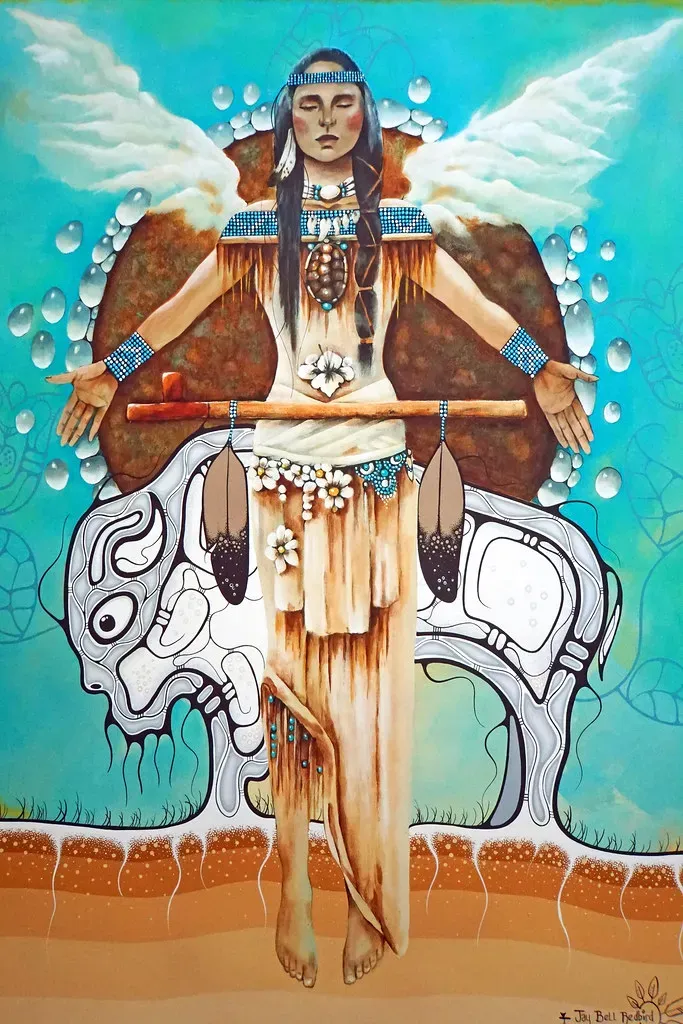
There’s a powerful origin story here. The rituals were given to the Lakota Sioux by the supernatural entity White Buffalo Calf Woman at a time when the Sioux had lost their connection to the Great Spirit, and the seven sacred rites restored that balance. She didn’t just appear and vanish – she left instructions that would guide the people for generations.
Each ritual is considered of equal importance and maintains communion between the people and the Creator, their past, and each other. The fact that these ceremonies survived decades of government prohibition speaks volumes about their importance. Native American religious observances were outlawed in the 1890s but continued to be practiced in secret until restrictions were lifted with the 1978 American Indian Religious Freedom Act.
What makes this remarkable is the resilience. When something is forbidden for nearly a century and people still risk everything to preserve it, you know it’s essential to who they are.
The Sacred Pipe as a Living Connection
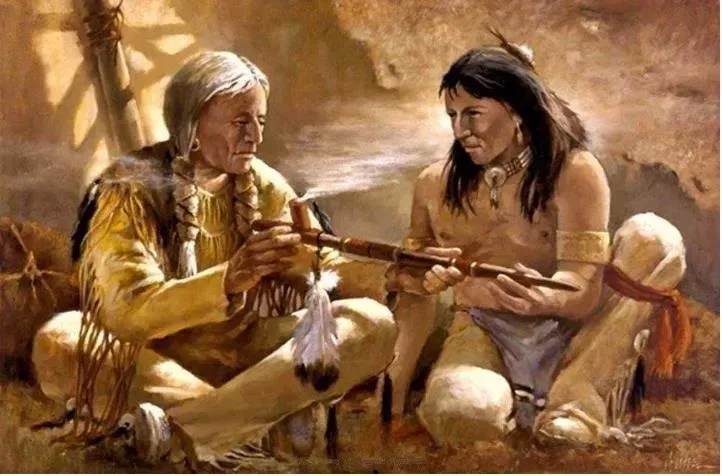
The ceremonial pipe isn’t just a ritual object – it’s a communication device. When a Lakota person smokes a sacred pipe, his or her voice is sent to Wakȟáŋ Tȟáŋka, the Great Spirit. Think about that for a moment. Prayer becomes tangible, physical.
This pipe is still in the possession of the Sioux, carefully guarded and honored. The most important for the Lakota is the Buffalo Calf Pipe, described as the community’s most sacred possession and the very soul of their religious life.
The Pipe’s keeper holds one of the most important roles among the Lakota, with the Pipe residing at Green Grass Village on the Cheyenne River Reservation in South Dakota. The responsibility passes through bloodlines, guided by visions. That’s continuity stretching back hundreds of years.
The Inipi: Purification Through Sacred Sweat
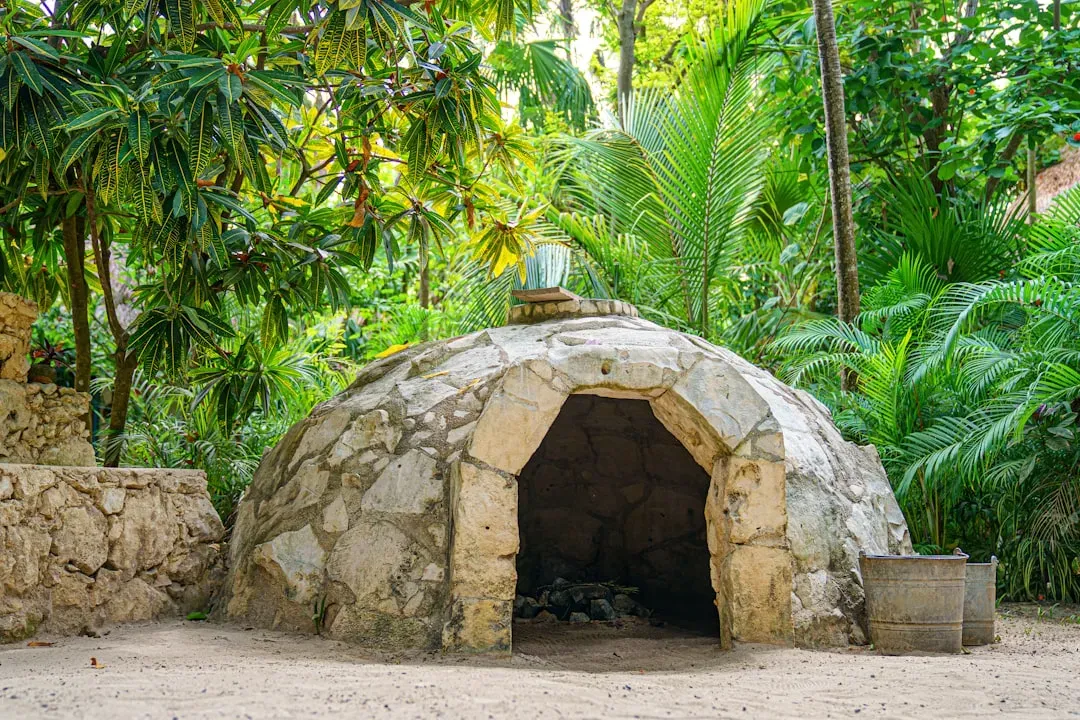
The Lakota term for sweat lodge is Inípi, meaning ‘to live again’, and it serves as the basic purification ceremony of the Sioux. I think what’s fascinating here is the symbolism embedded in the structure itself.
The Inípi lodge takes the shape of a dome constructed of 16 willow poles and a canvas or hide cover, with some describing the lodge as a symbol of Mother Earth’s womb. You’re literally entering the womb of the earth to be reborn spiritually. That’s not subtle symbolism – it’s profound.
The lodge is understood as important in its own right but also as a necessary prerequisite to the rituals of Crying for a Vision and the Sun Dance. Purification comes first. You don’t approach the sacred casually.
Vision Quests and Personal Sacred Revelation
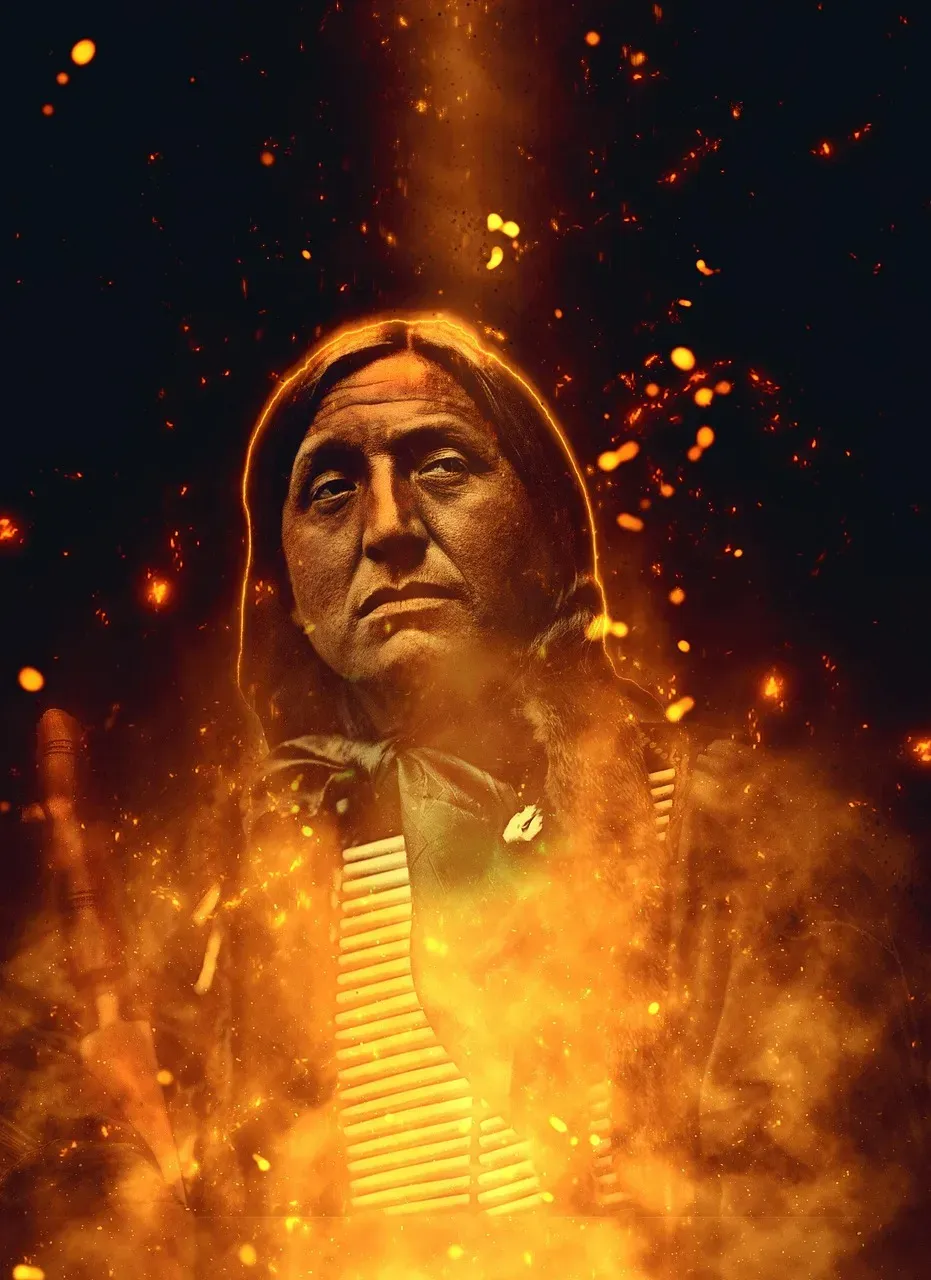
Crying for a Vision is the practice of seeking guidance and direction from the spirit world for one’s life and the betterment of the community as a whole. This isn’t a casual weekend retreat. It’s an intense spiritual ordeal.
Near the time of puberty, Sioux boys and some girls went on a vision quest through which they experienced a symbolic death and rebirth and gained a vision of their guardian spirit, who gave them their own personal songs and rituals. Every person receives their own unique spiritual guidance. There’s something deeply democratic about that – everyone has direct access to the sacred.
The Dakota believe that when people are born they are given a task to do on this earth, and it is their responsibility to find out what that task is, which was traditionally the motivation for the vision quest. Your life purpose isn’t handed to you by society – you discover it through spiritual seeking.
The Sanctity of All Creation
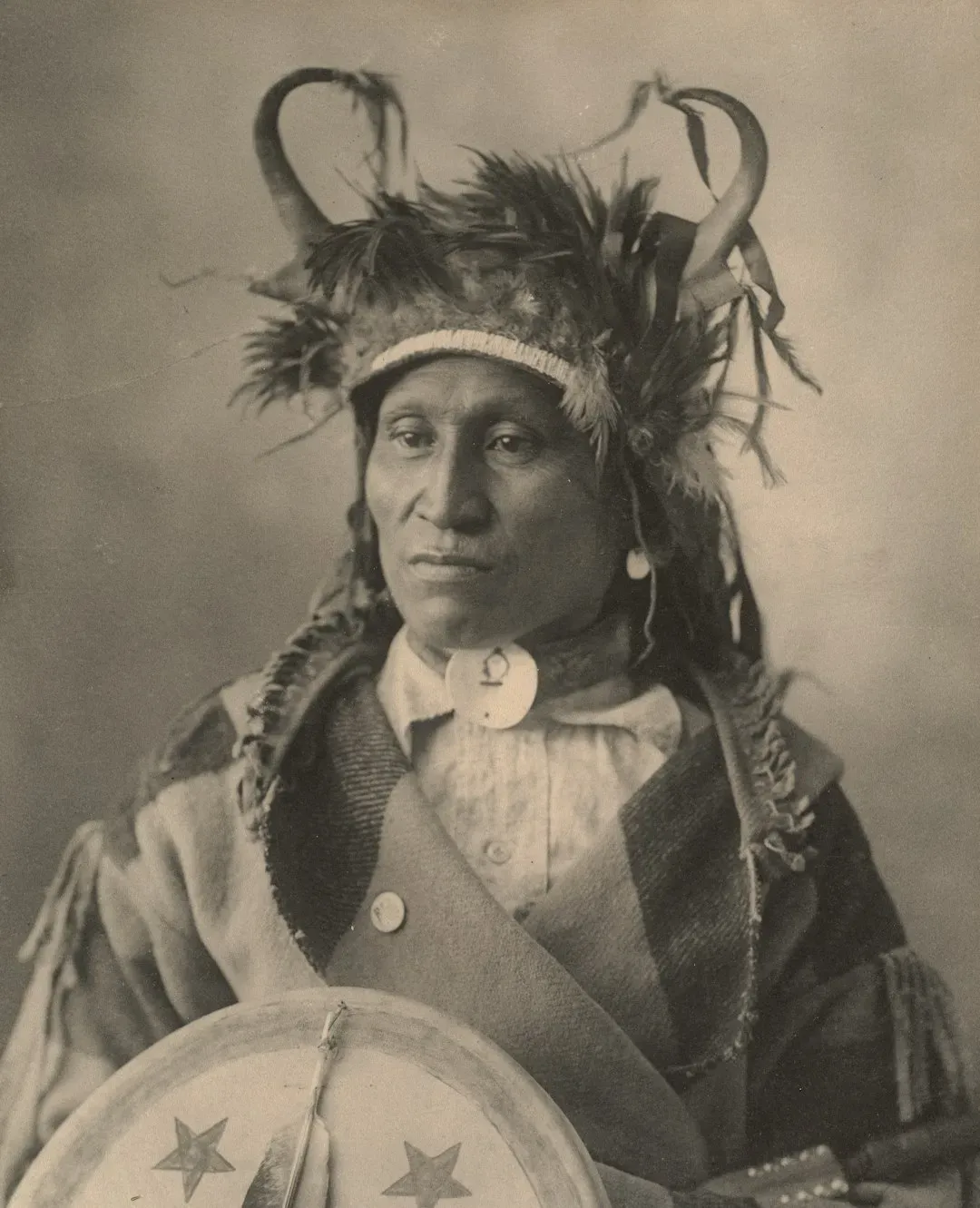
Their cosmological view is marked by the sanctity of all creation, with the worldview being that every plant, animal, and human being is sacred. Not some things. Everything. That’s a radical stance in a world that categorizes some things as resources and others as waste.
For the Dakota, all of creation has been accomplished by the Creator and is beautiful, powerful and sacred, with everything in the universe possessing a kind of power capable of transferring or sharing with other birds, animals and humans. Power flows between beings. You can receive strength from a tree or an eagle.
To the Sioux, religion was not separate from everyday life, and they believed that human beings were created from Mother Earth with humans and nature being one, with no clear distinction between the natural and the supernatural. That integration is what the modern world has largely lost.
The Balance of Wolakota: Harmony in All Things
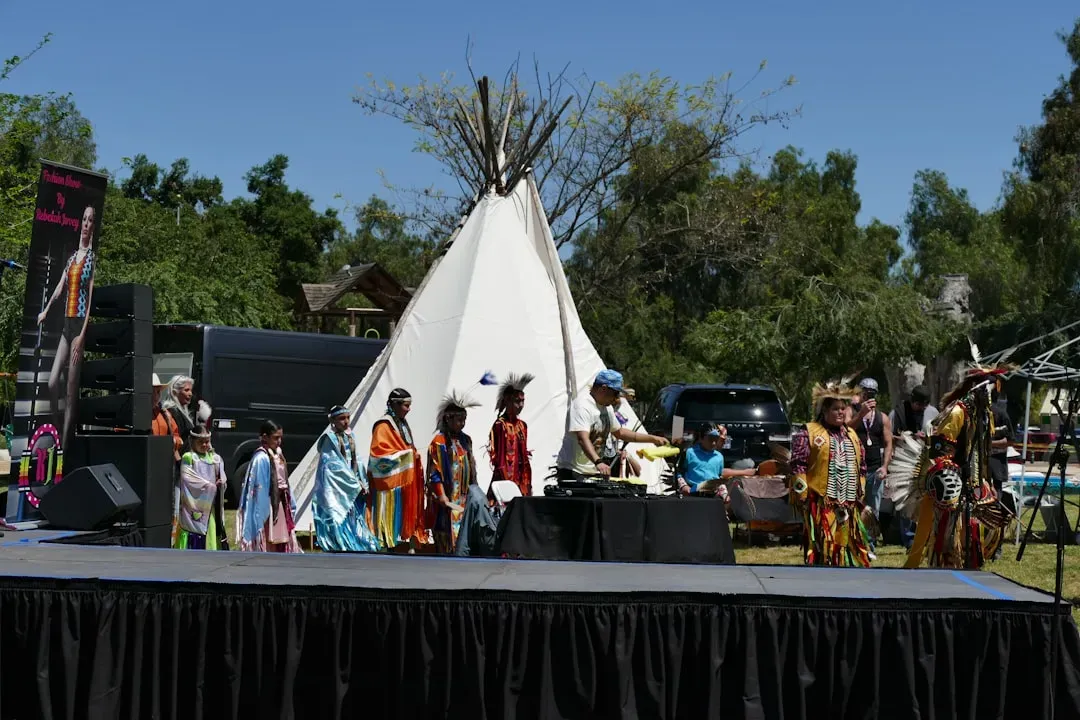
Both public and private rituals permeate traditional Lakota life, with such rites typically being practical and goal-oriented, designed to achieve and maintain a state of wolakota, meaning balance or harmony. Everything circles back to this concept of balance.
Here’s the thing – balance isn’t a static state you achieve once and you’re done. It’s dynamic, requiring constant attention and adjustment. That’s why ceremonies aren’t just annual events but ongoing practices woven into the fabric of life.
The pursuit of wolakota influences everything from personal relationships to community decisions to how you interact with the natural world. It’s both simple and incredibly complex – simple in concept, complex in practice.
Sacred Values: Honesty, Generosity, Bravery, and Respect
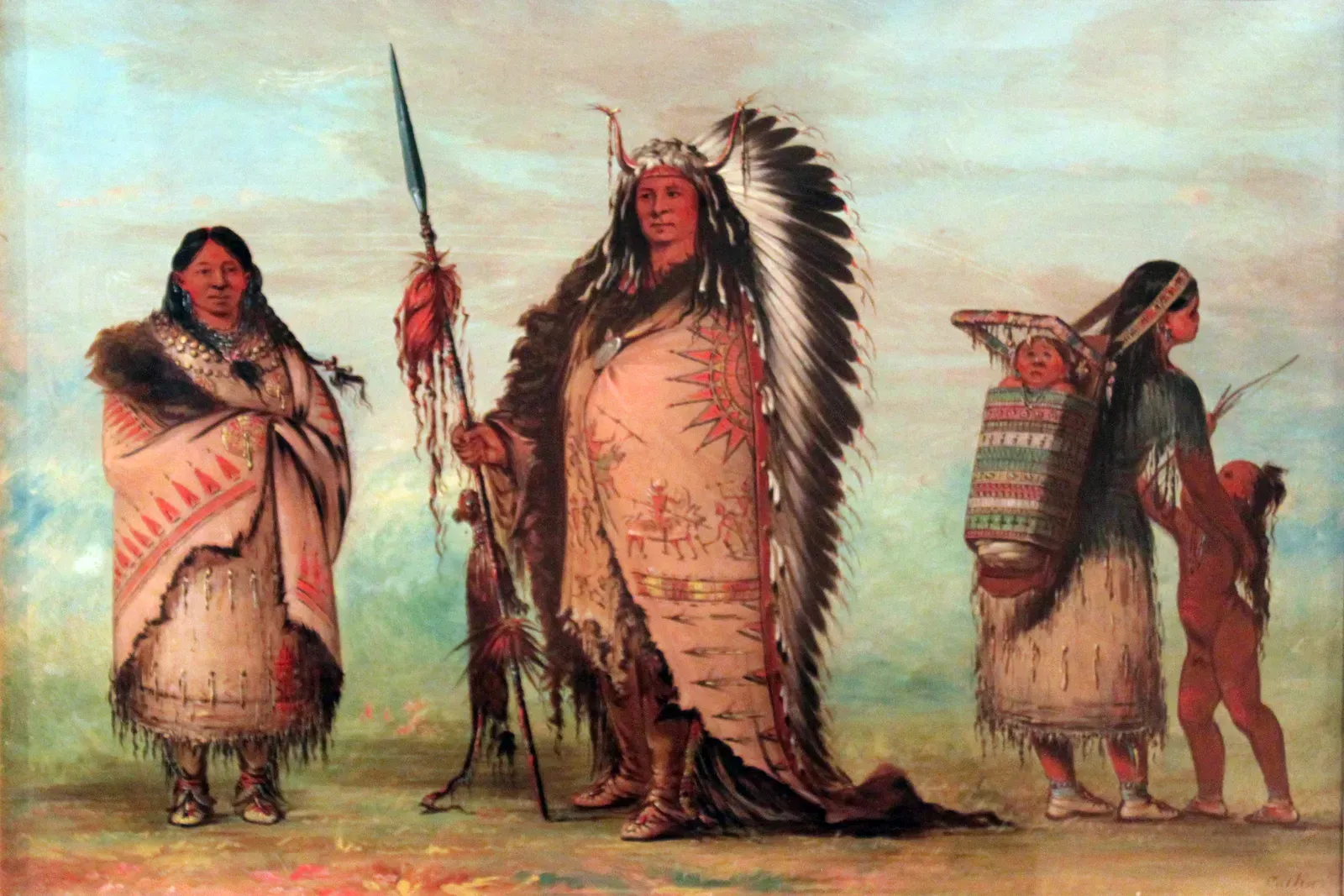
Specific values significant to the Lakota people include honesty, generosity, bravery, and respect for elders and children, with honesty being a cornerstone of the culture. These aren’t just nice ideas – they’re fundamental requirements for being part of the community.
Honesty was a cornerstone of the culture, with people not having respect for one who would lie and it being unthinkable for one to steal from another outside of raiding in a war party. The social pressure to maintain these values came from the community itself, not external law enforcement.
For the Lakota people, the greatest responsibility of a human being was being a good relative, and in a society that depended on social order and community cooperation to survive, the rules that governed behavior needed to be strict. Being a good relative – there’s that interconnection again – was the highest calling.
The Living Tradition in Contemporary Life
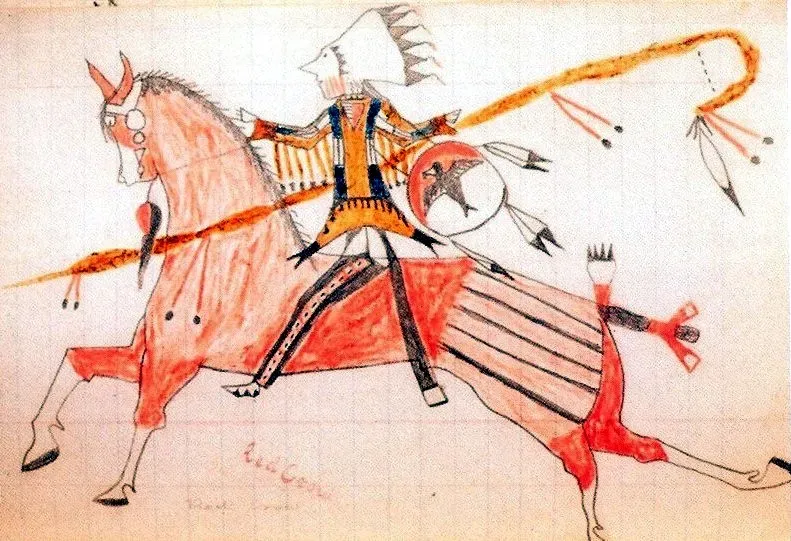
Let’s be honest about where things stand today. A study conducted on the Pine Ridge Reservation during the 2000s found that 29% described themselves as followers of Lakota religion exclusively, 28% combined Lakota religion with Christianity, and 41% followed only Christianity. The landscape has changed, no question.
Yet the seven sacred rites of the Sioux are still practiced today with various modifications of the rituals observed in the past. Throughout decades of forced assimilation and having their religious practices banned until the 1970s, the Lakota continued to practice their religion in secret, and today all Lakota practices are legal.
What amazes me is the resurgence. Though traditional perspectives were documented in the 19th and early 20th centuries by practitioners like Black Elk, the 1960s and 1970s saw revitalization efforts encouraged by the American Indian Movement to revive Lakota traditional religion. These beliefs didn’t just survive – they’re experiencing renewal.
The sacred beliefs of the Sioux aren’t frozen in time. They adapt, they blend, they evolve while maintaining their core essence. That ability to remain fundamentally themselves while responding to changed circumstances might be the most sacred belief of all – that identity is both rooted and flexible, both ancient and contemporary. These ten beliefs continue shaping Sioux tribal identity because they speak to something deeper than culture or tradition. They speak to what it means to be human in relationship with everything else that exists. What would your own life look like if you truly believed you were related to everything around you?
