
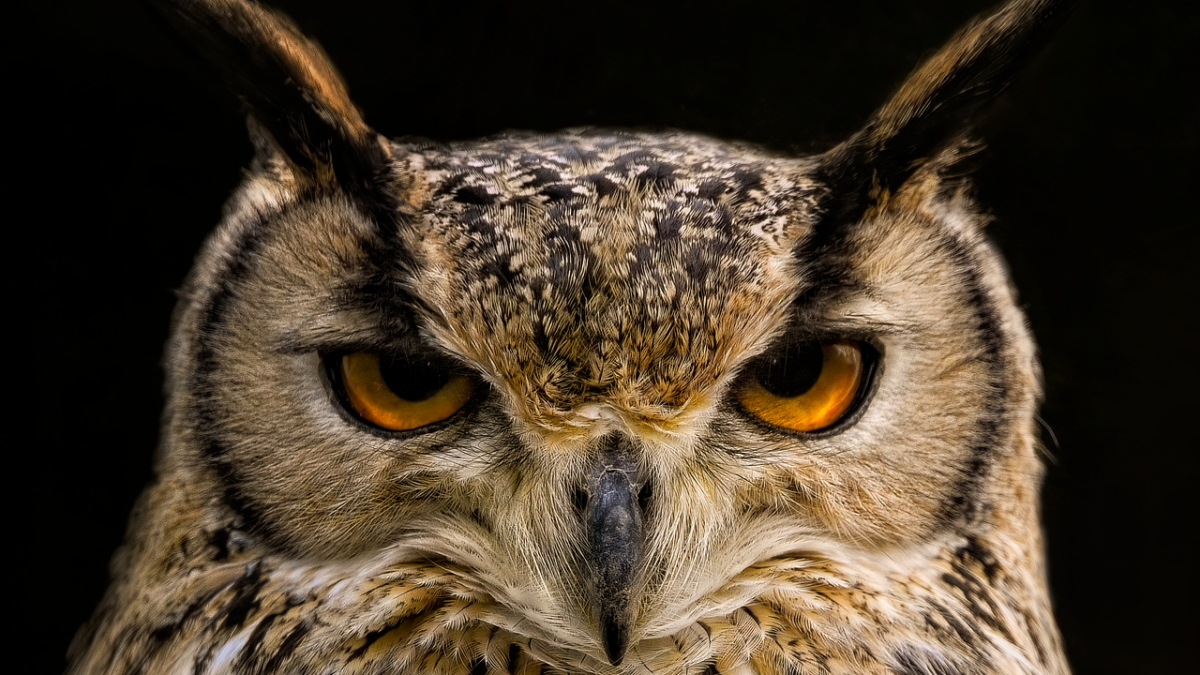
Have you ever locked eyes with an owl at dusk? There’s something unnerving yet compelling about that piercing gaze, isn’t there. For thousands of years, humans have stood before these nocturnal hunters, assigning them roles far beyond simple predators of the night. Across continents and centuries, civilizations saw in owls something profound, attributing qualities of wisdom, foresight, and mystical knowledge to these enigmatic birds.
Let’s be real: owls aren’t exactly chatty. They glide through darkness with barely a whisper of sound. Their large, forward-facing eyes track movement with unsettling precision. This combination of silence and sharp perception created a potent mix in the human imagination.
From the marble temples of Athens to the sacred lodges of Native American tribes, owls have embodied both reverence and fear. Some cultures celebrated them as divine messengers. Others whispered warnings when an owl hooted in the dark. What made this bird such a universal symbol, yet so differently interpreted? Let’s dive in.
The Greek Connection: Athena’s Watchful Companion
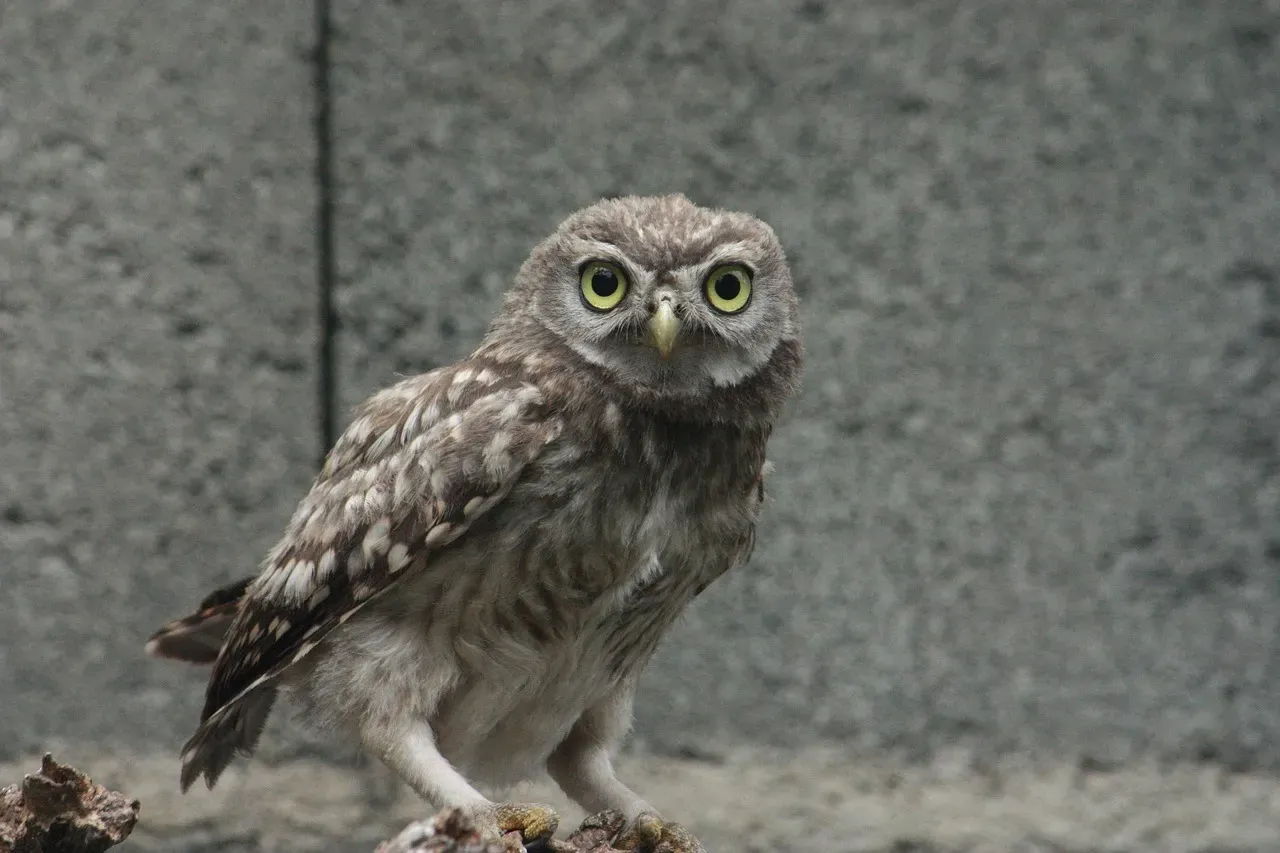
In Greek mythology, a little owl traditionally represents or accompanies Athena, the virgin goddess of wisdom, and has been used as a symbol of knowledge, wisdom, perspicacity and erudition throughout the Western world. This wasn’t just symbolic window dressing, honestly. The owl became famous as the city’s own symbol in Athens, appearing everywhere from coins to pottery.
The owl of Athena even became the common obverse of the Athenian tetradrachms after 510 BC and according to Philochorus, the Athenian tetradrachm was known as glaux (γλαύξ, little owl) throughout the ancient world. Think about that. The currency itself bore this bird’s image, marking every financial transaction with wisdom’s emblem. The owl of Athena is also said to be kept on the shoulder of Athena and reveal truths of the world to her, and additionally, this association meant that even the mere sight of an owl before a battle in myth made Greek soldiers believe that Athena was blessing them for a victory in battle.
The reasons behind this pairing remain somewhat mysterious. Cynthia Berger theorizes about the appeal of some characteristics of owls – such as their ability to see in the dark – to be used as symbol of wisdom. Their night vision seemed almost supernatural to ancient peoples who struggled in darkness. The Ancient Greek Athenians associated owls with wisdom and knowledge because they believed owls saw an “inner light” that humans could not, and as a result, owls were protected in the Acropolis in Athens and became heavily associated with the Greek goddess Athena.
Here’s something that often gets overlooked: There is an idiom – “bringing an owl to Athens” – that refers to the abundance of owls in Greece in ancient times. The city was literally filled with little owls. So perhaps the connection wasn’t purely philosophical but also intensely practical. These birds were everywhere, watching from temple columns, hunting in olive groves.
Roman Shadows: Death’s Silent Herald
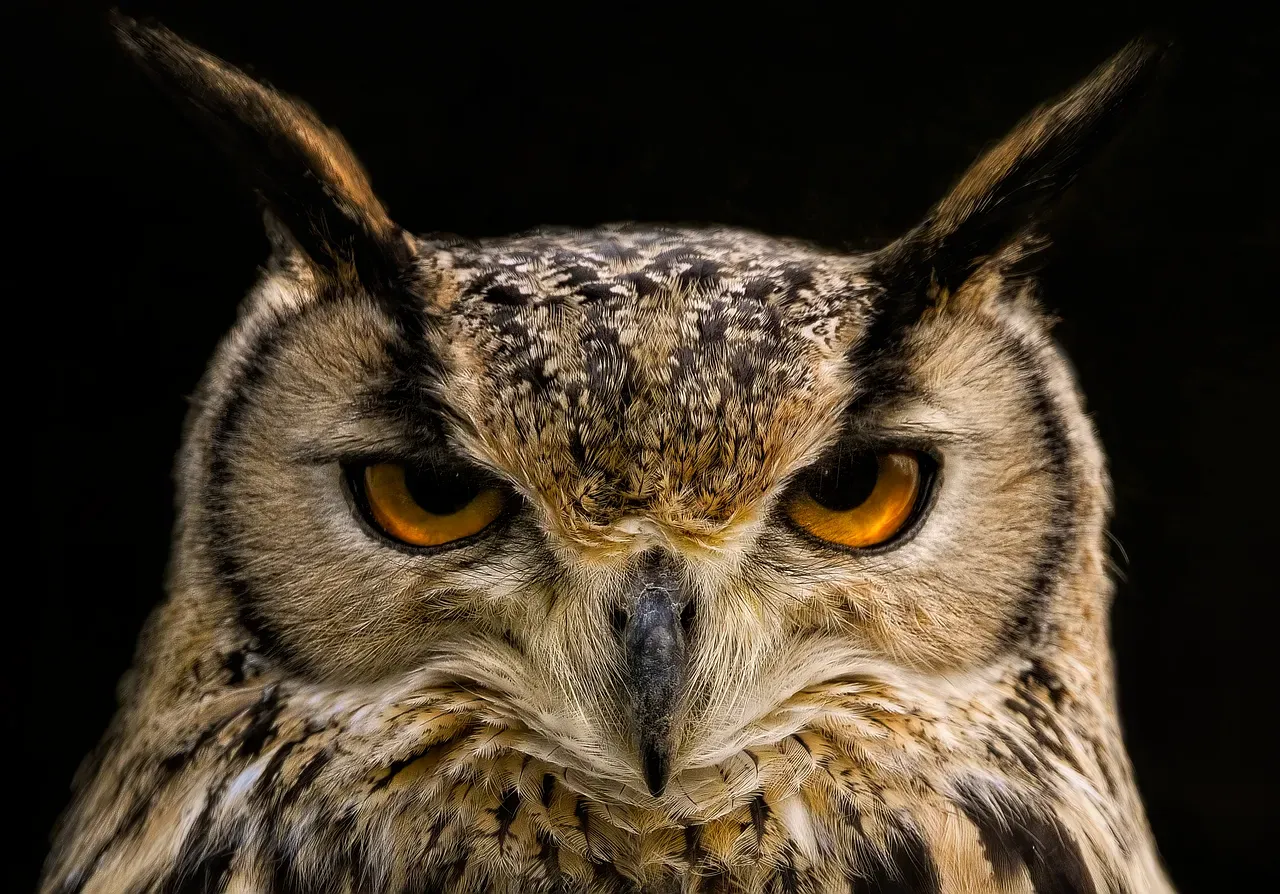
Rome inherited much from Greece, including the owl’s symbolic weight. The association between the owl and the goddess continued through Minerva in Roman mythology, although the latter sometimes simply adopts it as a sacred or favorite bird. Yet something darker crept into the Roman interpretation, wouldn’t you say?
In ancient Roman folklore, owls were considered harbingers of death if they hooted while perched on a roof, and placing one of its feathers near someone sleeping could prompt him or her to speak and reveal their secrets. The reverence shifted toward fear. Ancient Romans believed that owls foretold death and disaster and predicted the deaths of Agrippa, Commodus Aurelius, Augustus, and Julius Caesar. Whether these predictions were real or imagined after the fact, they cemented the owl’s reputation as an omen.
It’s hard to say for sure, but this dual nature might stem from the bird’s nocturnal habits. Night was Rome’s most vulnerable time, when enemies could strike and diseases spread unchecked. An owl’s hoot in that darkness carried weight beyond mere sound.
Egypt’s Hieroglyphic Mystery: Language, Not Enlightenment
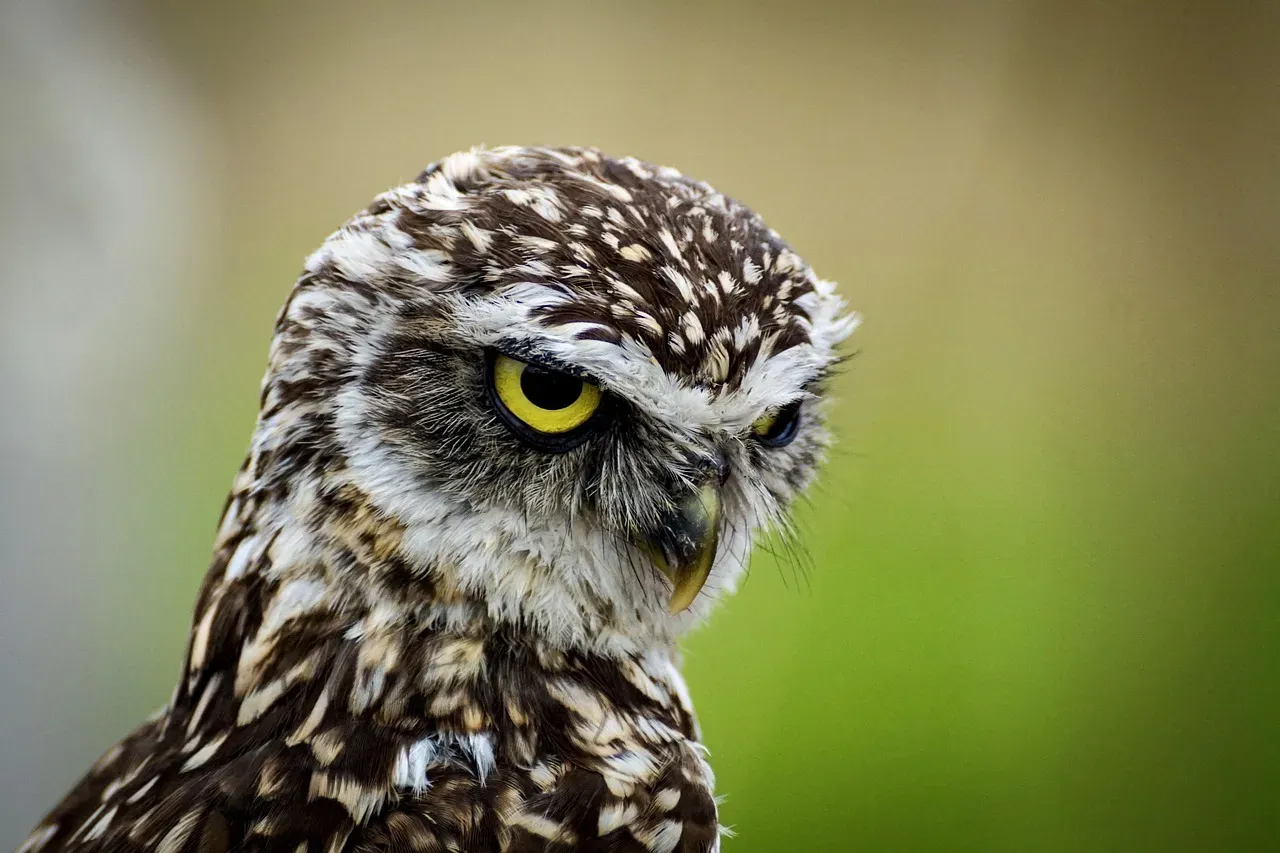
Here’s where things get fascinating, and frankly, a bit surprising. In Ancient Egypt, the owl was never a symbol of wisdom; that distinction belongs to Greek mythology, and to the pharaohs, this intense-staring Barn Owl was a creature of the night, a symbol of mourning, and a guardian of the Underworld, while it served a daily practical purpose as the hieroglyph for the letter ‘M,’ its deeper cultural meaning embodied the dangerous, silent precision of the dark rather than intellectual insight.
The owl is the most common way to write the letter “M,” and therefore, when you see an owl carved into a limestone stele, you are likely looking at a preposition like “in,” “from,” or “with.” So the owl appeared constantly in Egyptian writing, not because it represented wisdom, but because the language demanded it. The practicality is almost amusing when you think about it.
In ancient Egypt, owls were known as ‘keen-sighted hunters’ but were also associated with mourning and death. They dwelled in tombs and ruins, places where the living rarely ventured. Since the owl is a nocturnal hunter, it belongs to the night, and consequently, its symbolism is darker and more complex than most people realize, therefore, the owl became associated with the Underworld and death. The Egyptians worshipped the sun god Ra, and creatures of darkness fell outside that divine order.
Native American Traditions: Wisdom and Warning Intertwined
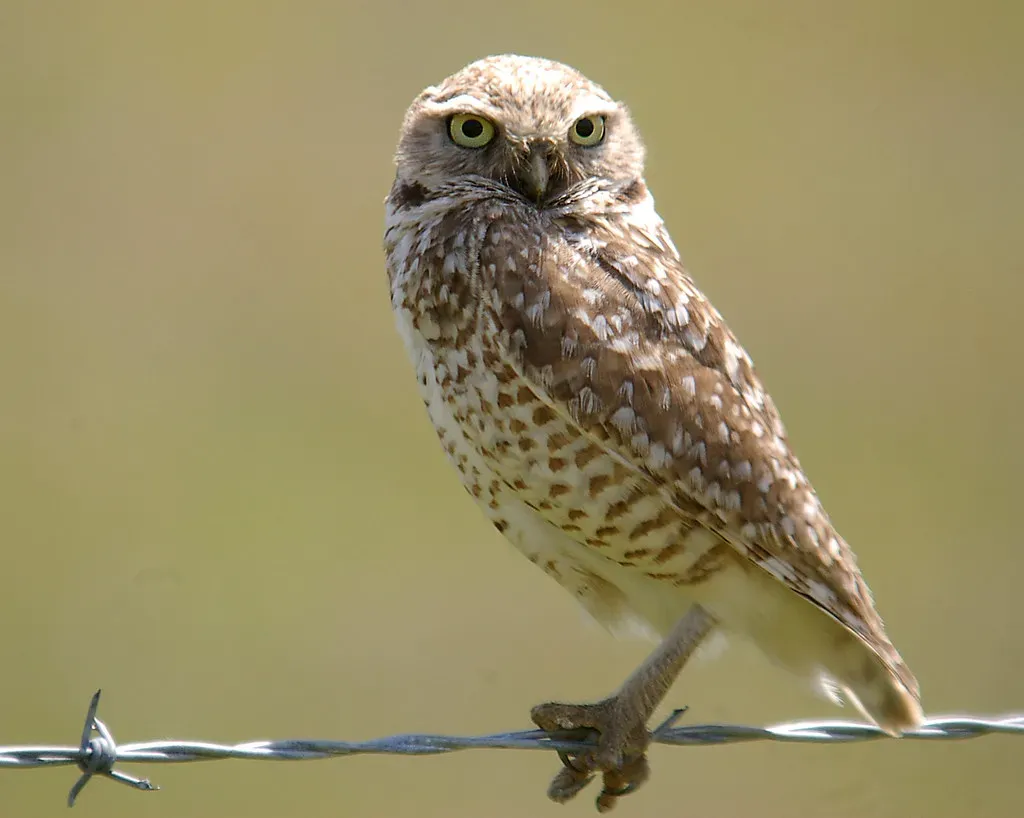
Crossing the ocean, we find Native American cultures developed their own complex relationships with owls. Other Native People believe that owls are a carrier of ancient knowledge and a bringer of deep, mystical wisdom. Yet this wasn’t universal. In Native American cultures, many tribes traditionally link the night with death and the underworld, and as a result, owls are frequently regarded as bearers of bad omens, harbingers of impending doom, or even symbols of death itself.
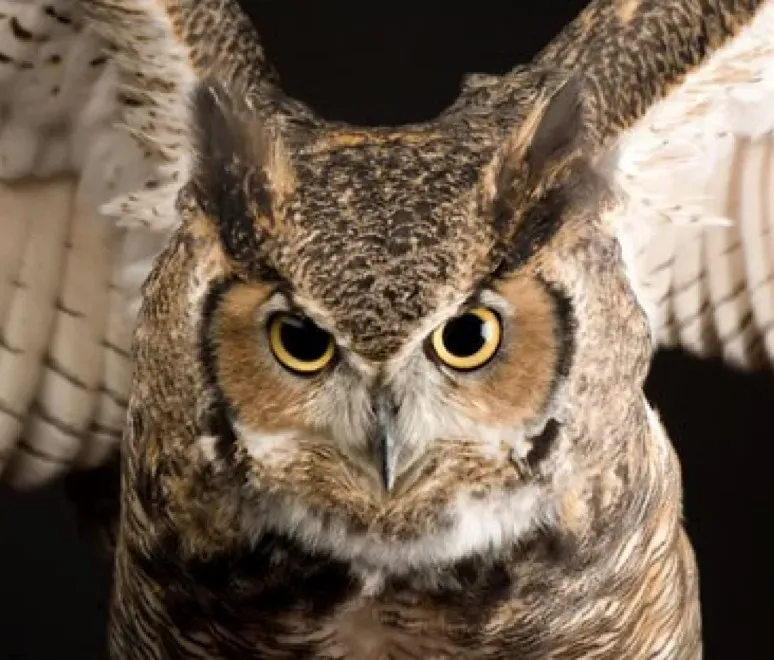
Among many tribes, including the Alabama, Caddo, Catawba, Choctaw, Ojibway, Cherokee, and Cheyenne the Great Horned Owl and the Screech Owl were believed to be the most dangerous owls, and note that both of these owls have “horns” or plumicorns (feather tufts) on the top of their heads, and in some tribal cultures, horns are believed to be a sign of powerfulness, which may explain why “horned” owls are more readily feared. The physical appearance mattered deeply.
Cherokee shamans valued Owls as consultants, and honored the bird as sacred because of its night-time vision, and wished to draw that power to themselves, to see in the dark. This reveals a nuanced view: respect mixed with caution. Holy men or holy women among many tribes frequently sought out spiritual help from real owls in their healing practices, the holy people believed that the owl had very soft and gentle ways, similar to the softness of an owl’s feather, and these ways were taught to them in the healing ways, therefore, whenever owl feathers were worn by an individual, it often meant that they were a medicine person with healing abilities.
The duality persists: owls as both teachers and harbingers, guides and warnings. Perhaps that tension makes sense given the bird’s nature as a silent, deadly hunter that emerges when most creatures sleep.
The Physical Mystique: Why These Birds Captivated Humanity
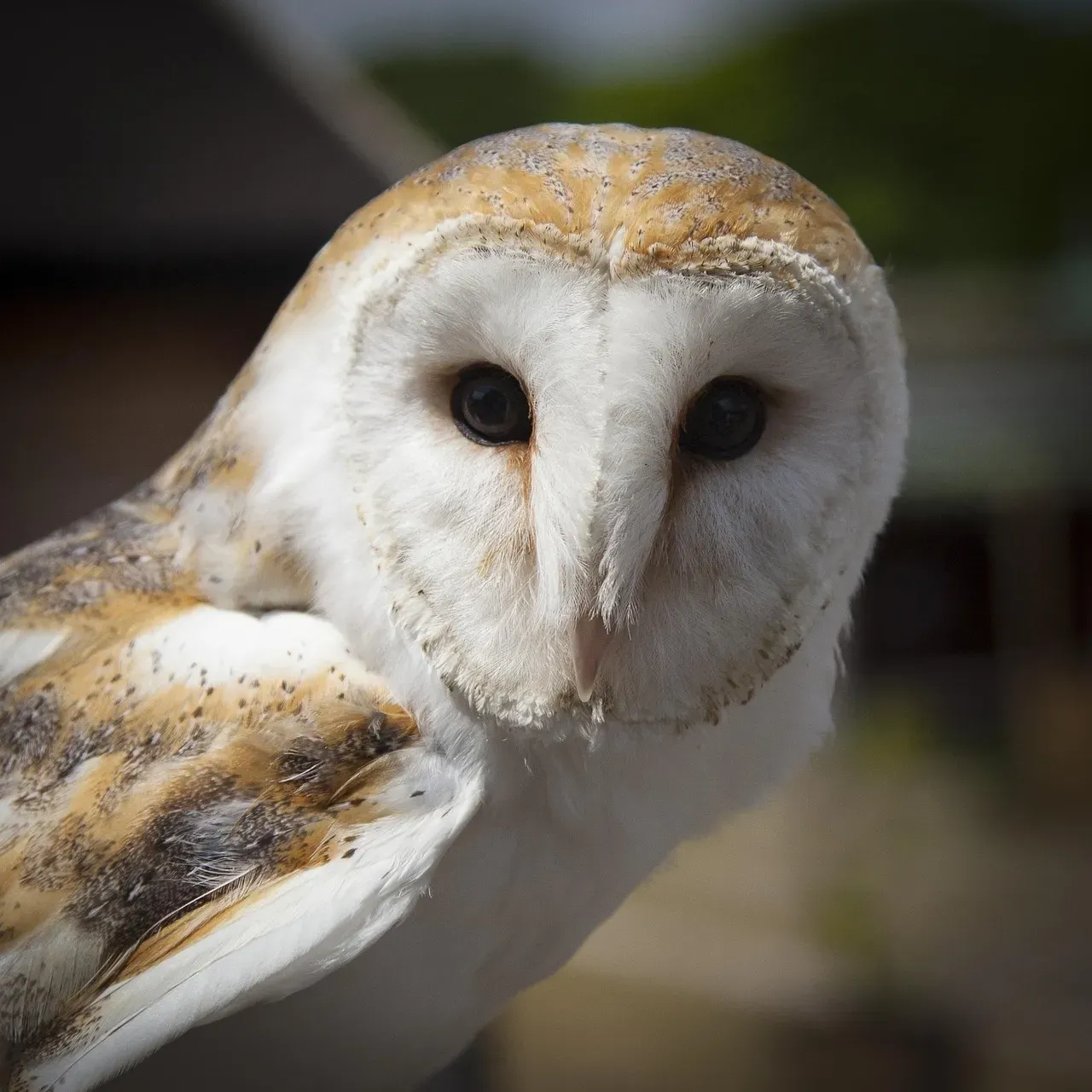
Honestly, you have to understand the physical reality of owls to grasp their symbolic power. Owls’ physical and behavioral traits contributed to their association with wisdom, as their large, forward-facing eyes symbolized insight and knowledge, while their silent flight and nocturnal habits added an aura of mystery and intelligence. These weren’t arbitrary associations. Ancient peoples observed carefully.
The owl’s large, forward-facing eyes are perhaps its most striking feature, these eyes, reminiscent of human eyes, give owls a seemingly contemplative and intelligent gaze, and unlike most birds, which have eyes on the sides of their heads, owls have binocular vision, allowing them to perceive depth and focus intently on their surroundings. That direct stare feels deeply personal, almost judgmental. You can’t help but project consciousness onto it.
Night, often associated with the unknown, secrets, and hidden truths, makes the owl seem privy to knowledge that escapes those who are active during the day, and their ability to navigate the darkness with exceptional skill further reinforces the idea that they possess a unique understanding of the world, a kind of “inner sight” that translates into wisdom. Think about living before electric lights. Night was genuinely terrifying for most humans, yet owls thrived in it.
The owl’s nocturnal nature, keen eyesight, and silent flight have contributed to its reputation as a symbol of keen perception and introspection, and in many cultures, owls are associated with mysticism and the ability to navigate the unseen realms of knowledge. That silent flight? It’s genuinely unnerving when you witness it firsthand. A bird that large, moving without sound, defies our expectations of how nature should behave.
Let’s be clear about one thing though: From a scientific standpoint, owls are very intelligent birds, with young ones being able to learn new behaviours, abandon old habits if they lead to mistakes, and remember new associations. They’re smart, but not necessarily smarter than crows or parrots in problem-solving tests. The wisdom we’ve projected onto them says more about us than about them, I think.
Conclusion
So what have we learned about these creatures perched between darkness and light, death and knowledge? Owls became wisdom’s avatar not through any single culture’s decree, but through a convergence of physical traits, behavioral patterns, and human need to find meaning in the natural world. Their penetrating gaze, silent flight, and nocturnal mastery created a symbolic foundation that cultures worldwide built upon differently.
The Greeks elevated owls to divine companions of Athena. Romans feared their hoots as death omens. Egyptians saw practical writing tools touched by darkness. Native Americans recognized both dangerous power and sacred healing knowledge. Each interpretation reflects not just the owl’s nature, but humanity’s relationship with night, knowledge, and the unknown.
What’s most striking is how these birds continue to captivate us today. Universities use owl logos. We still say “wise as an owl” without thinking twice. That ancient symbolism endures because, perhaps, it taps into something fundamental about how we process the mysterious and the powerful. Next time you hear an owl’s call pierce the darkness, will you hear wisdom or warning? Maybe that’s the point: it was always both.
