

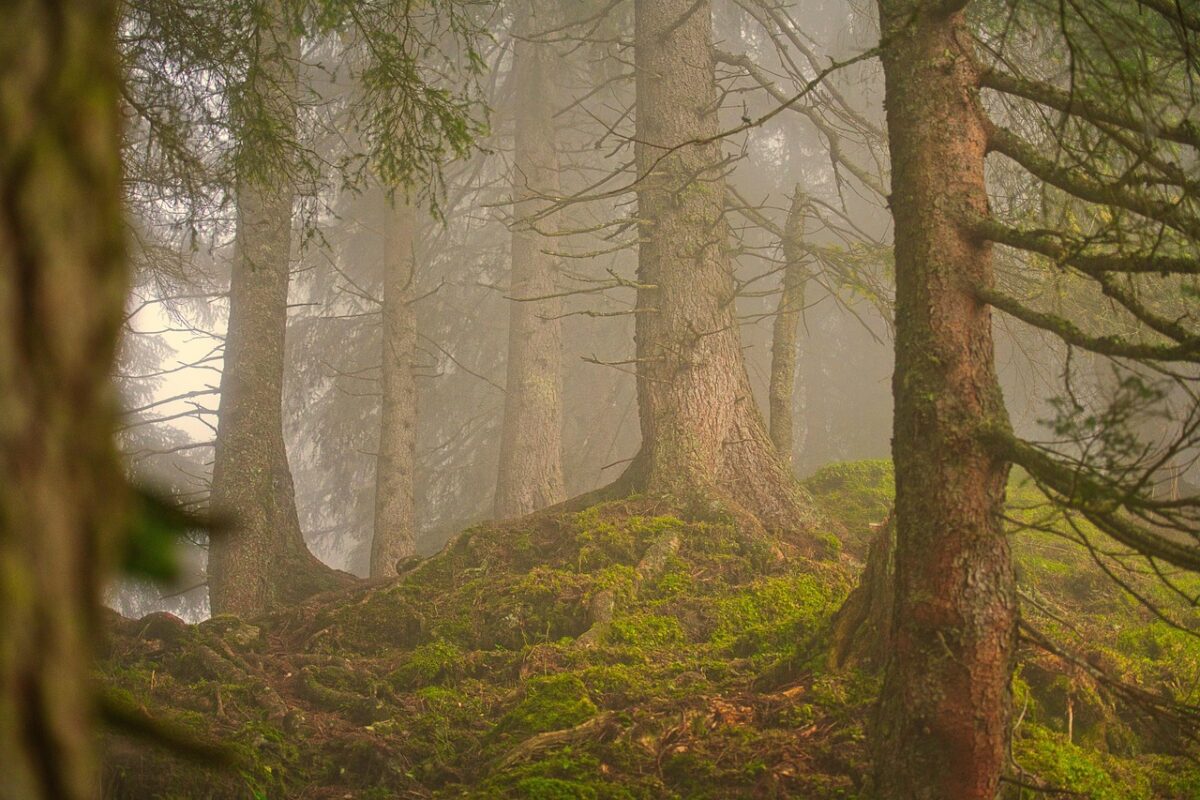

A Hidden Crisis Unfolds (Image Credits: Pixabay)
Nicaragua – The Bosawás Biosphere Reserve, a sprawling 7,400-square-kilometer expanse along the Honduran border, represents Central America’s largest protected natural area, but surging deforestation now endangers its rich biodiversity, particularly the elusive big cats that roam its depths.
A Hidden Crisis Unfolds
Deforestation rates in Bosawás have accelerated sharply in recent months, transforming vast tracts of ancient rainforest into barren landscapes. This reserve, established to safeguard one of the world’s most biodiverse regions, now loses ground to illegal logging and agricultural expansion at an alarming pace. Reports indicate that tree cover diminished significantly over the past year, with clear-cutting activities encroaching deeper into core zones. Local monitors documented increased activity from settlers seeking land for cattle ranching, a practice that fragments habitats and disrupts ecological balance. The consequences extend beyond immediate loss, as eroded soils and altered waterways compound the damage. Authorities have struggled to enforce protections amid political and economic pressures. This surge underscores a broader pattern of environmental degradation in the region.
Wildlife experts highlight how such rapid change isolates animal populations, making survival increasingly precarious. In Bosawás, where dense forests once provided seamless corridors for movement, cleared areas now pose deadly barriers. The reserve’s isolation along the border exacerbates enforcement challenges, allowing opportunistic incursions to proliferate unchecked.
Big Cats Bear the Brunt
Jaguars, the apex predators of Bosawás, face immediate threats from habitat loss, as their need for large, contiguous territories clashes with encroaching farms. These majestic felines, symbols of the reserve’s untamed wilderness, require expansive ranges to hunt and breed, yet deforestation has shrunk available space by thousands of hectares. Ocelots and margays, smaller but equally vital species, suffer similarly, with reduced prey availability forcing them into riskier human-adjacent areas. Pumas, another resident, navigate these altered landscapes at greater peril, often falling victim to retaliatory killings by ranchers. Conservation data reveals that feline populations in similar Central American reserves have declined by over 20% in the last decade due to comparable pressures. Bosawás’s cats, integral to controlling rodent and herbivore numbers, play a crucial role in maintaining forest health.
The ripple effects on these species highlight the interconnectedness of the ecosystem. As forests vanish, big cats encounter more conflicts with humans, leading to poaching and accidental deaths. Efforts to track jaguar movements via camera traps show declining sightings in deforested zones, signaling a contraction of their domain.
Indigenous Guardians Under Strain
The Miskito and Mayagna Indigenous groups, traditional stewards of Bosawás, confront dual threats from environmental destruction and external pressures. These communities have inhabited the reserve for generations, relying on its resources for sustenance and cultural practices. Deforestation not only erodes their ancestral lands but also heightens vulnerabilities to displacement and resource scarcity. Recent encroachments have sparked tensions, as settlers convert communal forests into private pastures. Indigenous leaders report heightened risks to their way of life, including loss of medicinal plants and hunting grounds. Collaborative patrols with rangers aim to deter intruders, yet limited funding hampers effectiveness. This human dimension amplifies the urgency of intervention.
Despite challenges, Indigenous knowledge offers pathways for resilience. Traditional sustainable practices, such as selective harvesting, contrast sharply with destructive modern methods. Strengthening alliances between communities and conservationists could bolster defenses against further incursions.
Pathways to Preservation
Addressing deforestation in Bosawás demands multifaceted strategies, from stricter border controls to international aid for reforestation. Governments and NGOs have initiated programs to restore degraded areas, planting native species to reconnect habitats. Satellite monitoring provides real-time alerts on illegal activities, enabling quicker responses. Economic alternatives, like eco-tourism, could incentivize locals to protect rather than exploit the forest. Partnerships with neighboring Honduras promise coordinated efforts to curb cross-border logging. Success stories from other reserves demonstrate that community-led initiatives yield lasting results. Urgent action remains essential to halt the tide.
Key challenges include political instability in Nicaragua, which complicates enforcement. Yet, global attention on biodiversity hotspots like Bosawás could mobilize resources for long-term safeguards.
In the face of mounting threats, Bosawás’s survival hinges on collective resolve to preserve its irreplaceable heritage, ensuring that its big cats and Indigenous inhabitants endure for future generations. What steps do you believe are most critical for protecting such vital ecosystems? Share your thoughts in the comments.
Key Takeaways
- Deforestation in Bosawás has surged, fragmenting habitats for jaguars, ocelots, and other cats.
- Indigenous Miskito and Mayagna communities face displacement and cultural erosion from land loss.
- Restoration efforts, including reforestation and monitoring, offer hope but require sustained international support.
For more details, see the Mongabay report on the reserve’s challenges.

- Urban Coyotes Show Remarkable Adaptability, Learning to Thrive in City Environments - July 22, 2026
- Beavers Are Nature’s Engineers, Creating Vital Habitats for Other Wildlife Species - July 21, 2026
- The Recovery of the California Condor Offers Hope for Other Critically Endangered Birds - July 21, 2026