

You know that moment when you walk into a room and find yet another accident on your freshly cleaned carpet? Let’s be real, housebreaking a dog can feel like running a marathon where the finish line keeps moving further away. Some pups seem to get it after a few weeks, while others test your patience for months.
Here’s the thing though. It’s not always about how smart your dog is or how much effort you’re putting in. Certain breeds come with unique challenges that make potty training feel like an Olympic sport. Maybe they have tiny bladders, stubborn streaks, or just prefer doing things their own way.
So what makes these particular breeds so challenging? Let’s dive in.
Dachshund
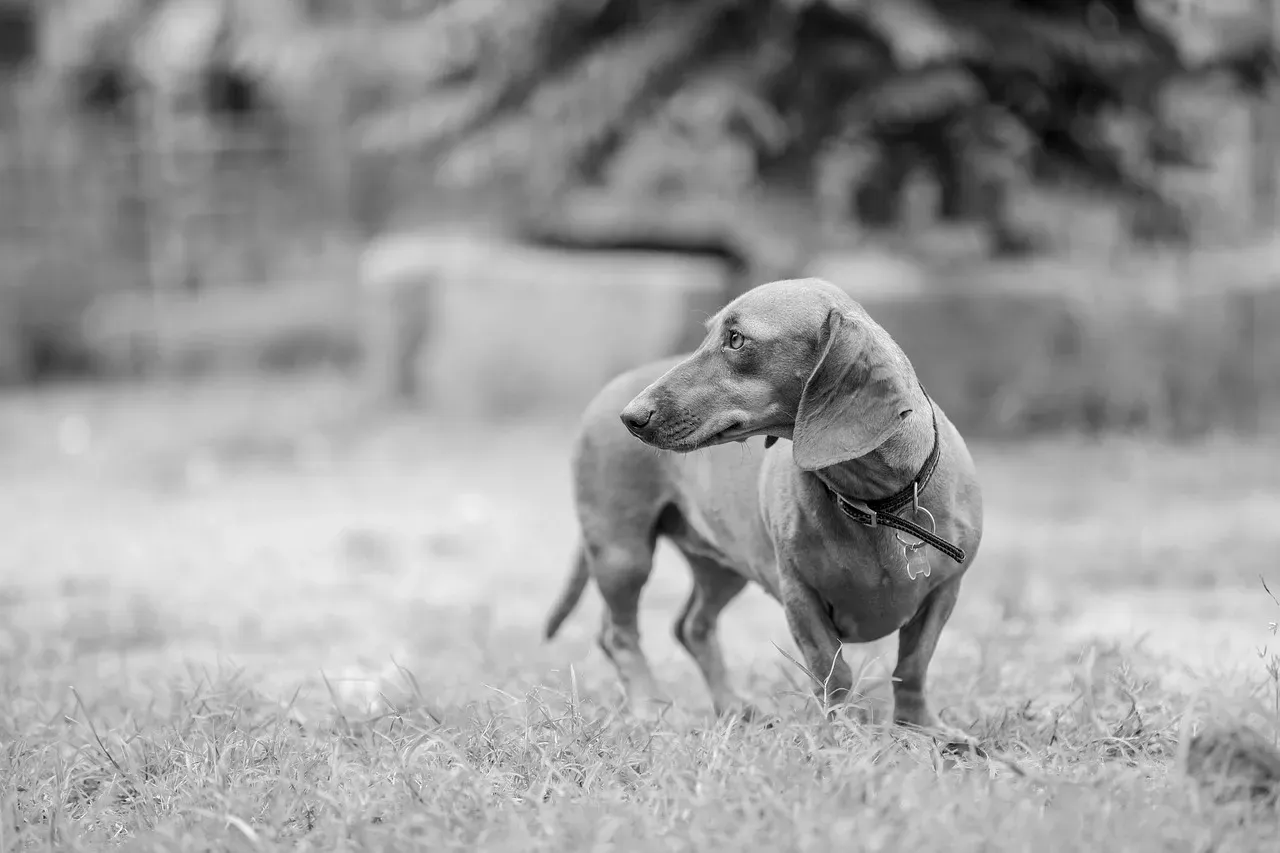
Dachshunds are often ranked the hardest breed to potty train, and anyone who’s owned one probably knows exactly why. These little sausage dogs have personalities bigger than their bodies, combined with a stubborn streak that would make a mule jealous. They’re smart enough to understand what you want, they just might not care enough to do it.
Their stubborn nature and resistance to training when uninterested means you’ll need serious consistency. Their small bladders, stubborn streak, and dislike for cold or wet weather make accidents common. Think about it from their perspective: why would they trudge outside in the rain when there’s a perfectly good corner inside?
Beagle
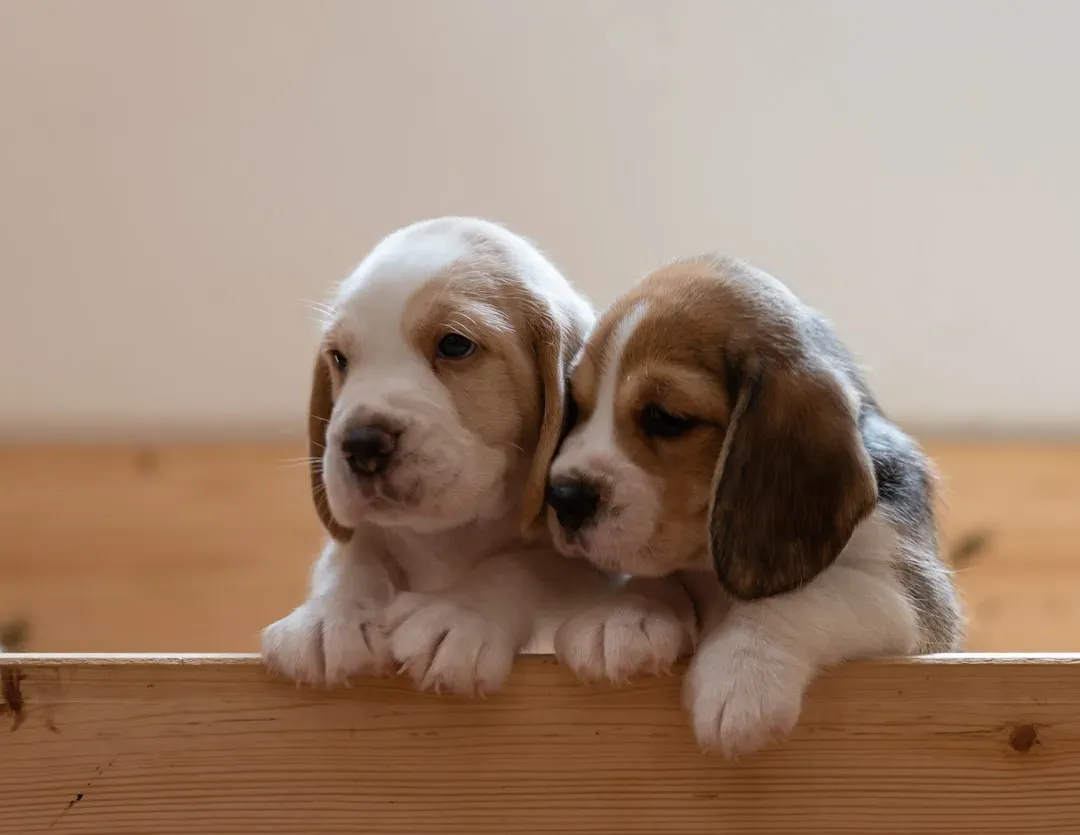
Beagles can be difficult to housetrain because the breed doesn’t rank very highly on the canine intelligence spectrum for working ability, which honestly feels a bit unfair to these adorable hounds. The real issue isn’t intelligence at all. These hunting dogs have a very strong focus on the smells around them and a strong genetic inclination to follow scent trails, making them one of the hardest dogs to train.
They tend to be excitable dogs with a short attention span that get easily distracted and have a rather selective memory. Picture this: you take your Beagle outside to potty, but they catch a whiff of something fascinating and suddenly their bladder is the last thing on their mind. Then you go back inside and surprise, they remember they needed to go after all.
Shih Tzu
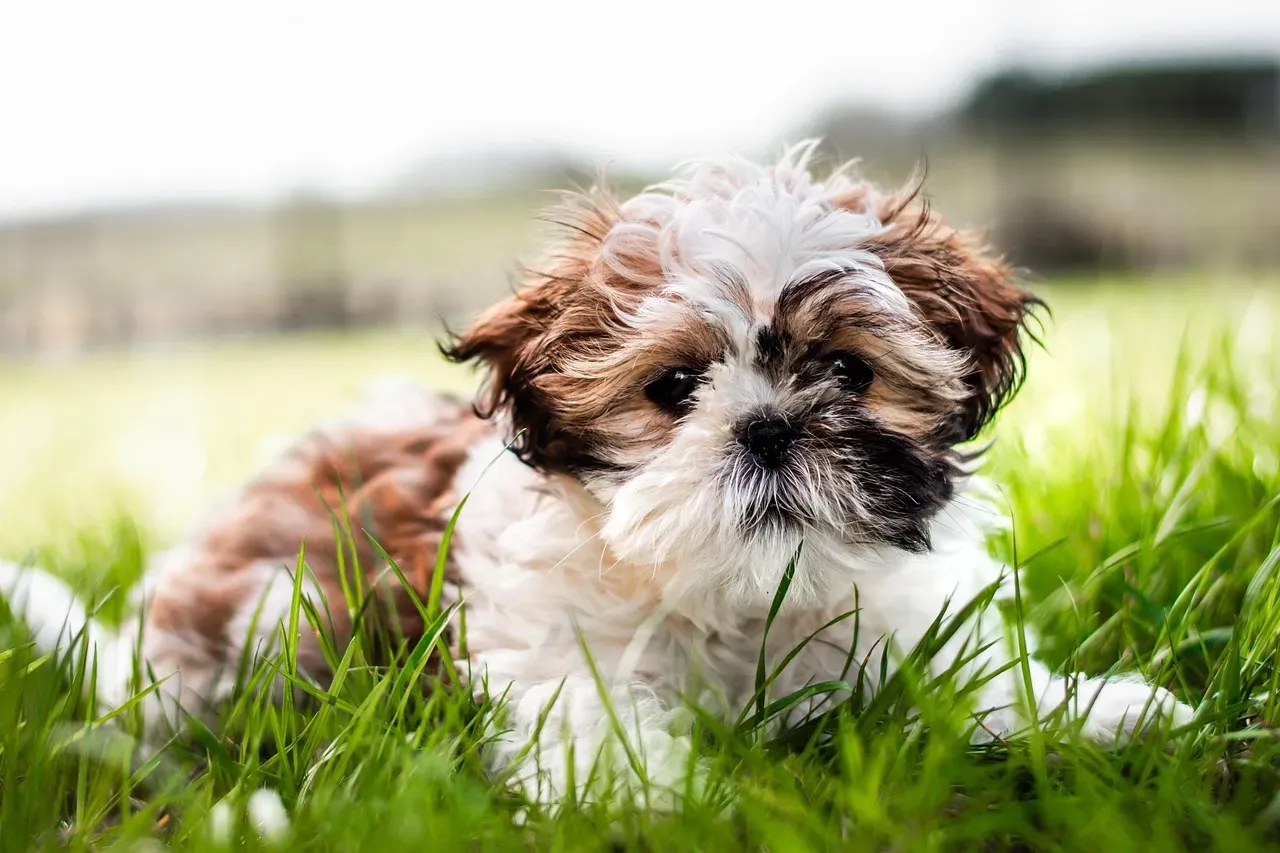
Taking the number one spot on lists of difficult dogs to potty train is the beloved toy breed, the Shih Tzu. These fluffy companions were bred to be royal lap dogs, and apparently that royal attitude extends to potty training. The breed tends to charm his owner into letting him have his own way, which can result in a chubby, less-than-completely-housebroken pet.
I know it sounds crazy, but Shih Tzus seem to genuinely believe the rules don’t apply to them. They’ll look at you with those big eyes and somehow convince you that maybe one accident isn’t that big of a deal. Training them requires you to be more stubborn than they are, which is saying something. Consistent routines and refusing to give in to their adorable manipulation tactics are essential.
Chihuahua
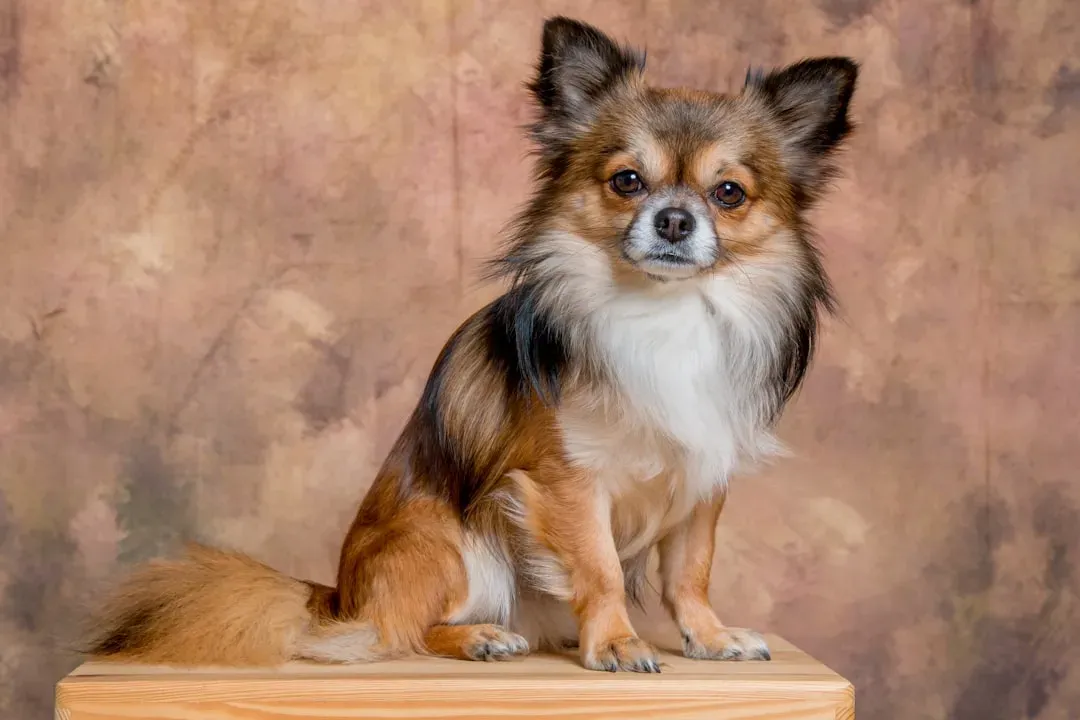
Don’t let their tiny size fool you into thinking Chihuahuas are easy. Chihuahuas are known for urinating whenever and wherever they feel like it because they know that they’ll get away with it. That’s right, they actually understand they’re getting away with something, which makes it even more frustrating.
Chihuahuas can also be challenging to potty train because they hate going outside when it’s too cold or wet out. Their small size means they feel temperature changes more intensely than larger dogs. Many Chihuahua owners end up using indoor potty solutions just to maintain their sanity. The breed’s fierce independence combined with their physical limitations creates a perfect storm of housebreaking difficulties.
Afghan Hound
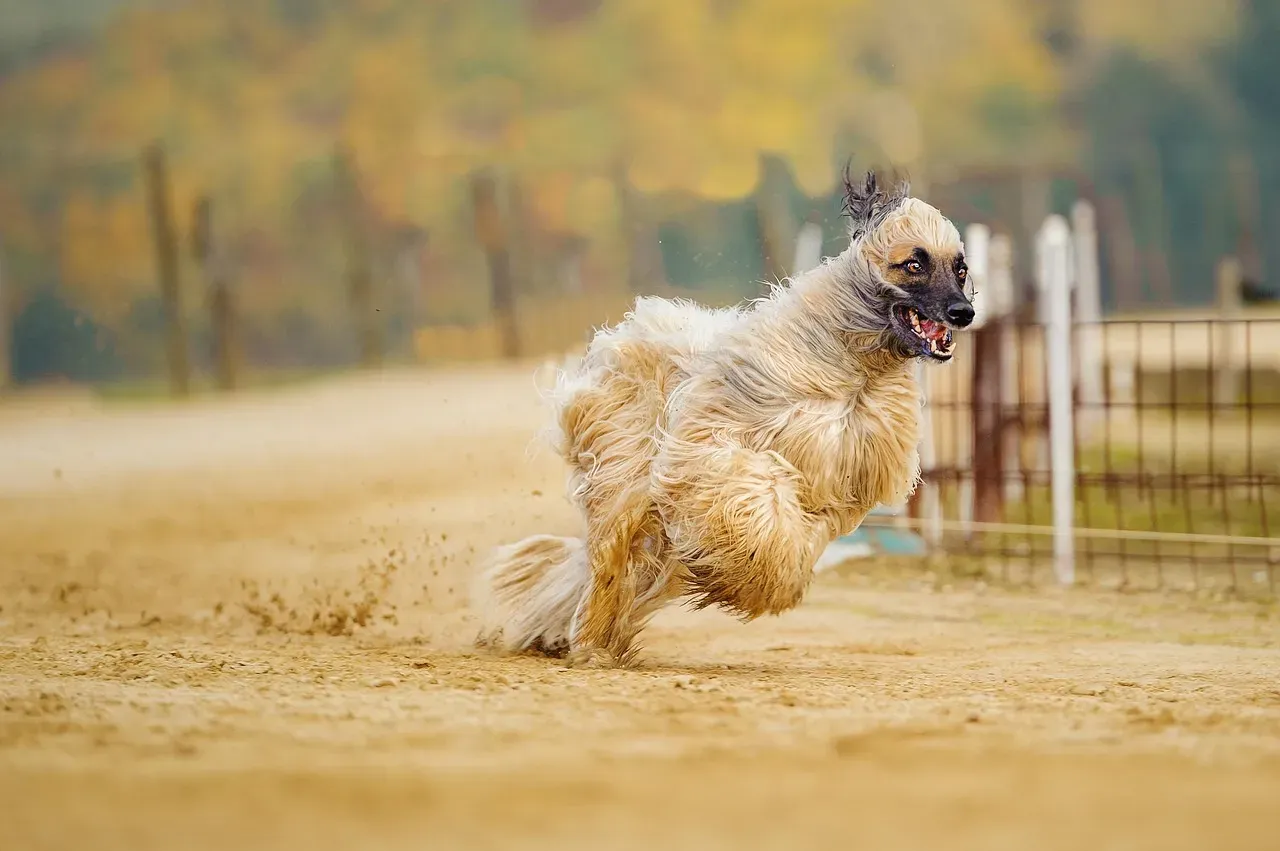
Afghan Hound puppies are ranked last in canine intelligence traits, often described as lofty daydreamers who require an observant owner to watch for subtle cues and might be slower mastering house training. These elegant dogs weren’t bred to please humans or follow commands blindly. They were bred to hunt independently across vast terrains.
Like scent hounds, they may be easily distracted by sight, namely anything that moves, so one moment they may be sniffing to go potty, the next they are gone. Their high-strung nature combined with their independent thinking makes training them feel like negotiating with a very beautiful, very aloof diplomat. You’ll need patience measured in months, not weeks.
Bichon Frise
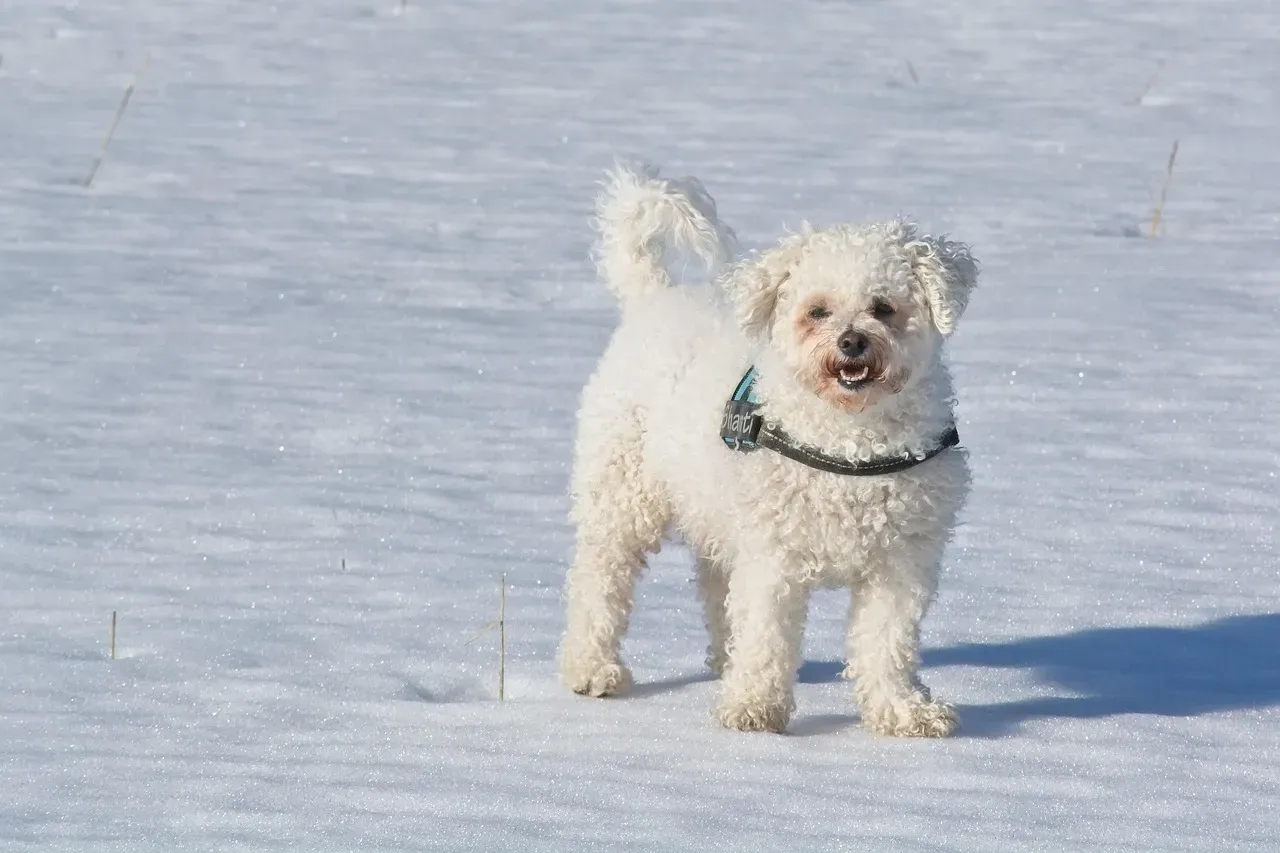
Bichons have a reputation for being difficult to housebreak, though in every other respect they are very easy to train. It’s weirdly specific how they can master complex tricks but struggle with the basic concept of going outside. The breed is fiercely independent and tends to be picky about going outside when it’s rainy or cold out.
These fluffy white dogs have minds of their own despite their cheerful demeanor. Bichon Frises are playful yet independent and sassy, which makes them tricky to train, requiring consistency and patience. They respond well to positive reinforcement for everything except housebreaking, where they seem to have their own ideas about appropriate bathroom etiquette.
Pug
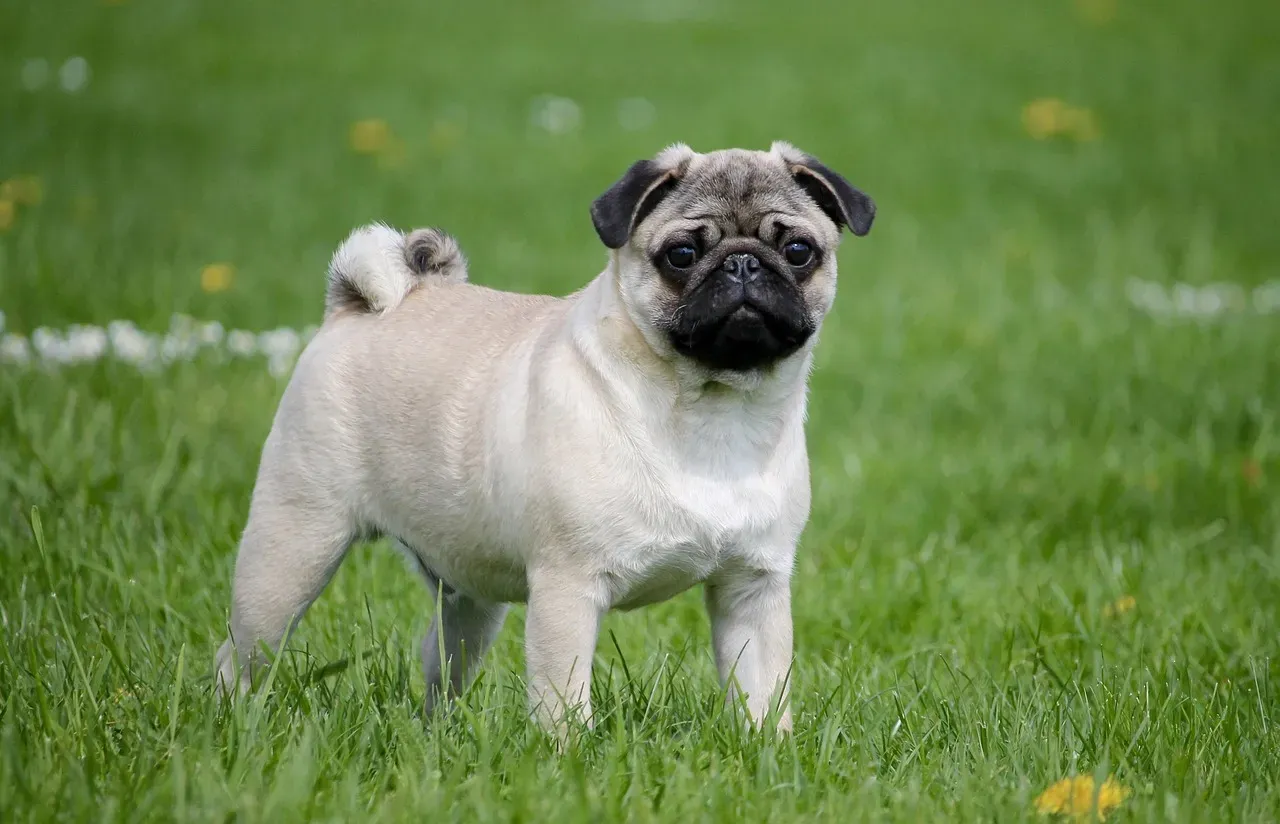
Pugs can be stubborn and difficult to housebreak, although they’re playful, affectionate dogs. Their adorable wrinkled faces hide surprisingly strong wills. These little comedians love making people laugh, but potty training is where they draw the line on cooperation.
Their stubborn streak can make potty training tricky, and they dislike going out in extreme weather. Pugs are also prone to laziness, preferring to stay comfortable indoors rather than venture outside during uncomfortable weather. Their breathing difficulties in extreme temperatures add another layer of complexity. You’ll find yourself learning to read their subtle signals and maintaining strict schedules, because Pugs won’t always tell you when they need to go.
Jack Russell Terrier
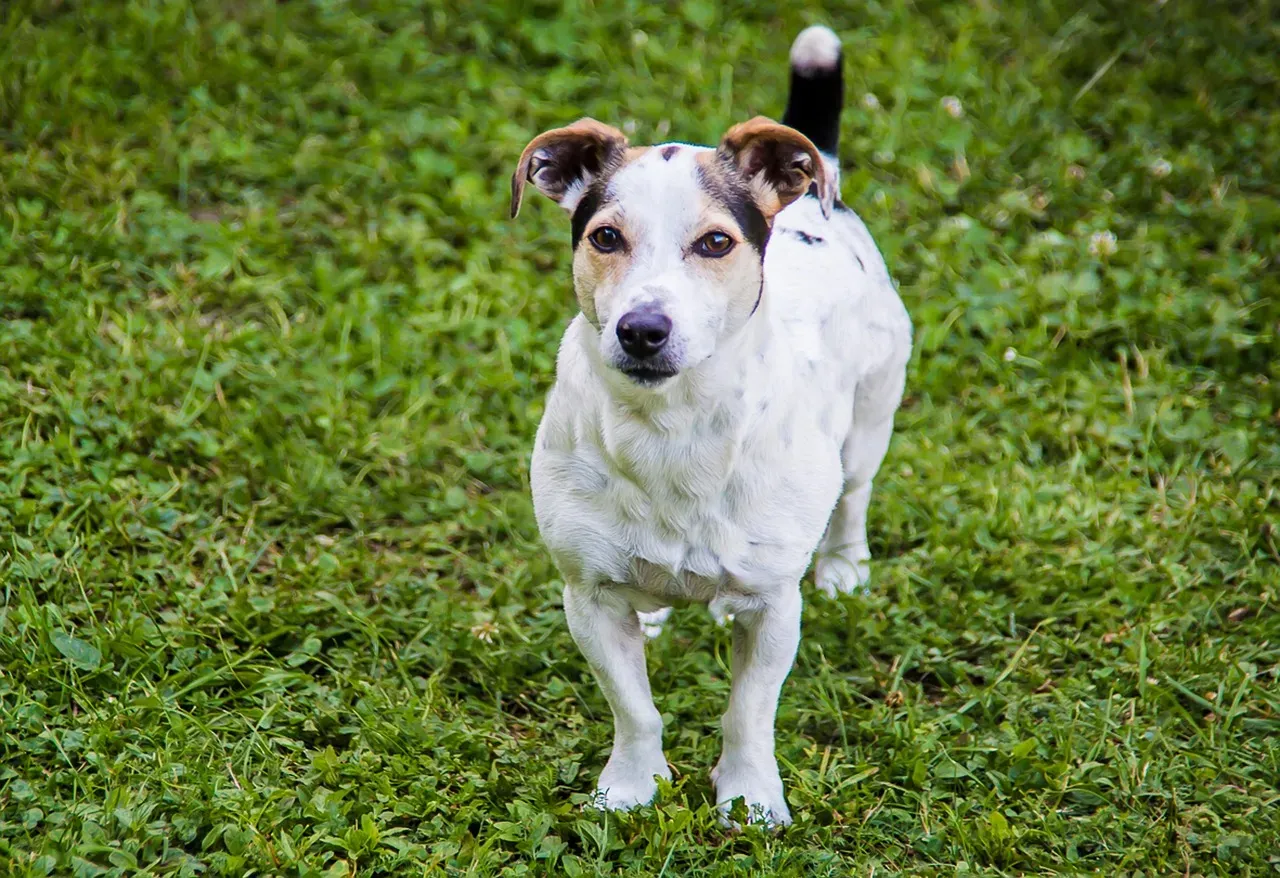
The Jack Russell Terrier struggles to potty train on a timeline, and its high energy levels and short attention span are most likely to blame. These are dogs with rocket fuel for blood and the attention span of a caffeinated squirrel. Jack Russells are notorious for their stubborn streak and high prey drive, which often leads them to chase anything that moves.
The challenge with Jack Russells isn’t that they can’t learn where to potty. They absolutely can. The problem is getting them to care enough to follow through when there’s literally anything else happening in their environment. A leaf blowing past, a bird chirping, another dog three blocks away – all of these are apparently more important than finishing their bathroom business. Their terrier independence means they’d rather make their own decisions, thank you very much.
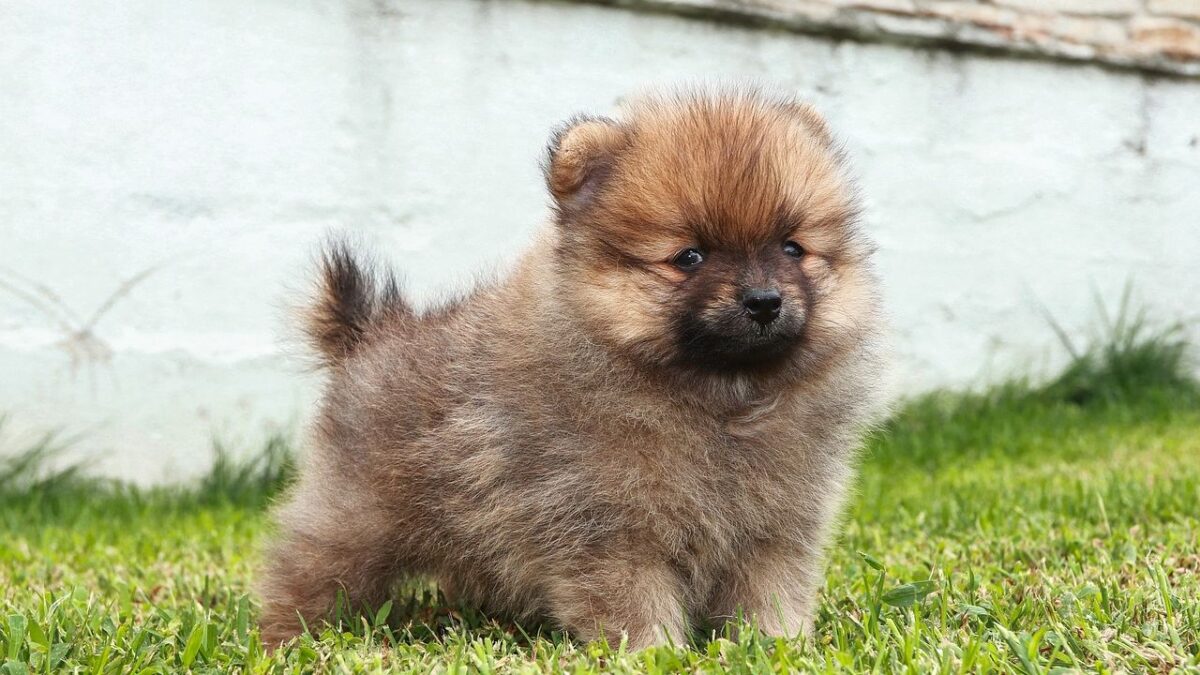
Pomeranian
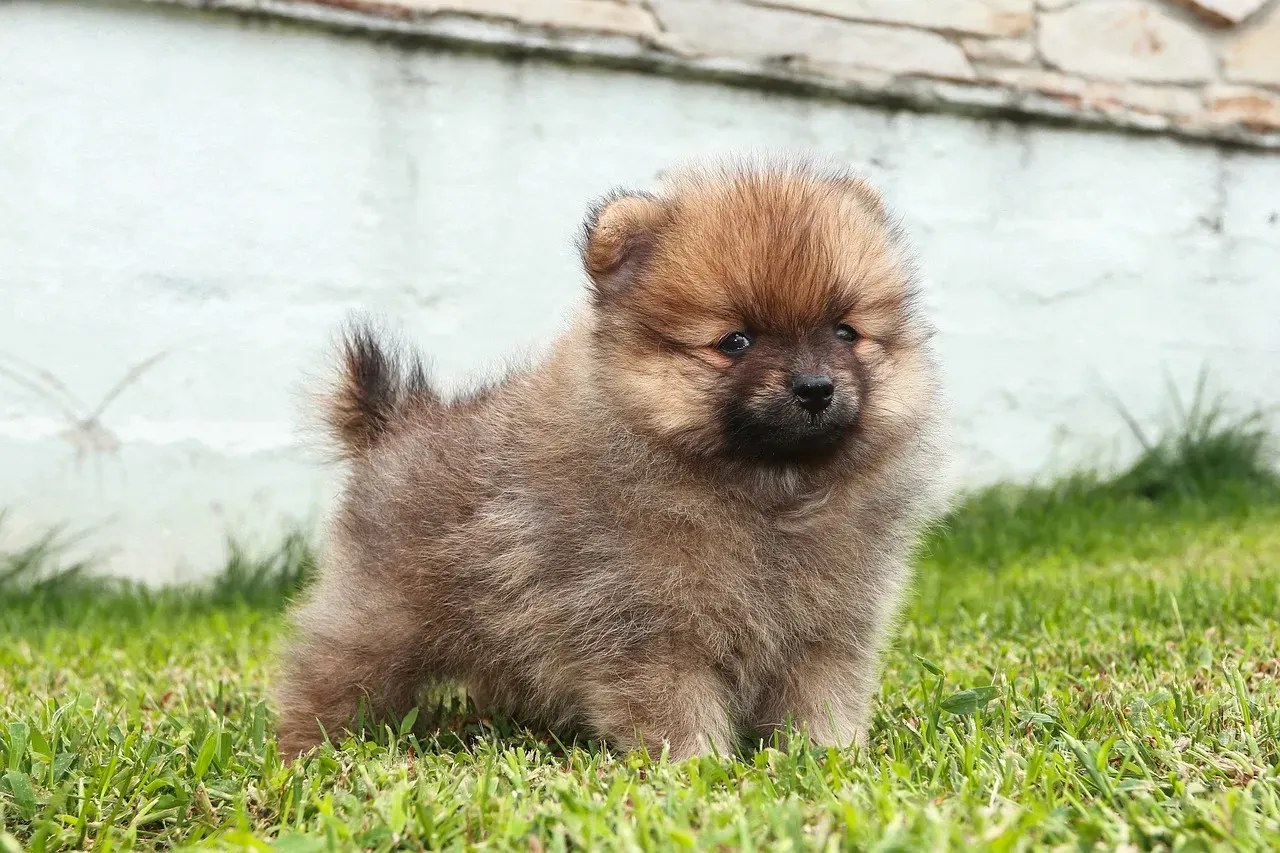
Pomeranians are alert and highly intelligent, but housebreaking can be a challenge, requiring consistency and patience. These fluffy little clouds of energy have big personalities packed into tiny bodies. Pomeranians love to please their owners, but these diminutive companion dogs can find potty training rather a challenge thanks to their lively personalities.
Their small bladders mean they genuinely need to go more frequently than larger breeds, which can feel like an endless cycle of trips outside. Described as cocky, animated, and lively, you’ll need to convince them with plenty of treats how the potty game is played. Honestly, the key with Pomeranians is understanding that their attention spans match their size – very small – and adjusting your expectations accordingly.
Basset Hound
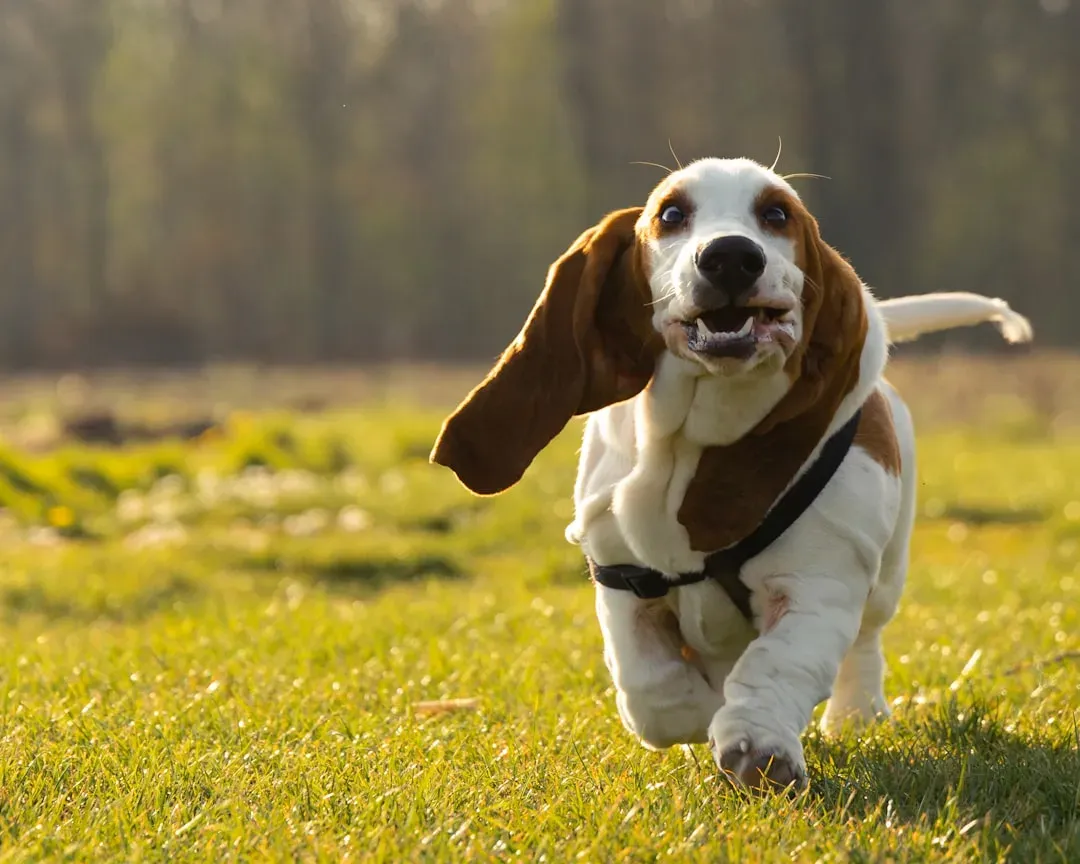
Basset Hounds are adorable but can be stubborn, especially when it comes to housebreaking, and their keen sense of smell often distracts them during training sessions. Those droopy eyes and long ears might tug at your heartstrings, but they won’t make housebreaking any easier. Basset Hounds are closely ranked among the hardest breeds to potty train.
Like Beagles, Bassets are scent hounds whose noses frequently override their bladders. They’ll catch an interesting smell and completely forget why they came outside in the first place. Their powerful sniffers can still detect soiled areas even after cleaning, causing them to return to those spots, and once taken out to potty they may forget about going and follow their noses instead. Thankfully, they’re extremely food motivated, which gives you leverage during training sessions.
Conclusion
Housebreaking these challenging breeds isn’t impossible, just harder than average. The good news? Every dog can learn proper bathroom habits, some just need extra time and the right approach. Your stubborn Dachshund or distracted Beagle will eventually figure it out with enough consistency and patience.
Remember that these breeds weren’t designed to be difficult. They were bred for specific purposes that happened to include traits like independence, strong scent drive, or selective hearing. Understanding why your dog struggles helps you work with their nature instead of against it. Consistency, positive reinforcement, and realistic expectations turn frustration into success.
Have you dealt with any of these challenging breeds? What tricks helped you finally achieve that accident-free home?

From exploring the marine wonders in the Azores and witnessing the vast savannas of Kenya, to delving deep into the rich biodiversity of South Africa and traversing iconic landscapes in Australia and the US like Yellowstone, Chris's experiences are vast.
With a penchant for diving alongside sharks, the ocean holds a special place in his heart.
Through his academic insights, he champions wildlife conservation, striving with 'Animals Around The Globe' to cultivate a profound connection between humans and animals, enhancing our mutual appreciation.
Connect with him at Feedback@animalsaroundtheglobe.com.
- This Monkey Has a Mustache - July 21, 2026
- How Steve Irwin Changed the World’s View of Wildlife - July 21, 2026
- The Catfish That Caused Earthquakes in Japanese Folklore - July 21, 2026