
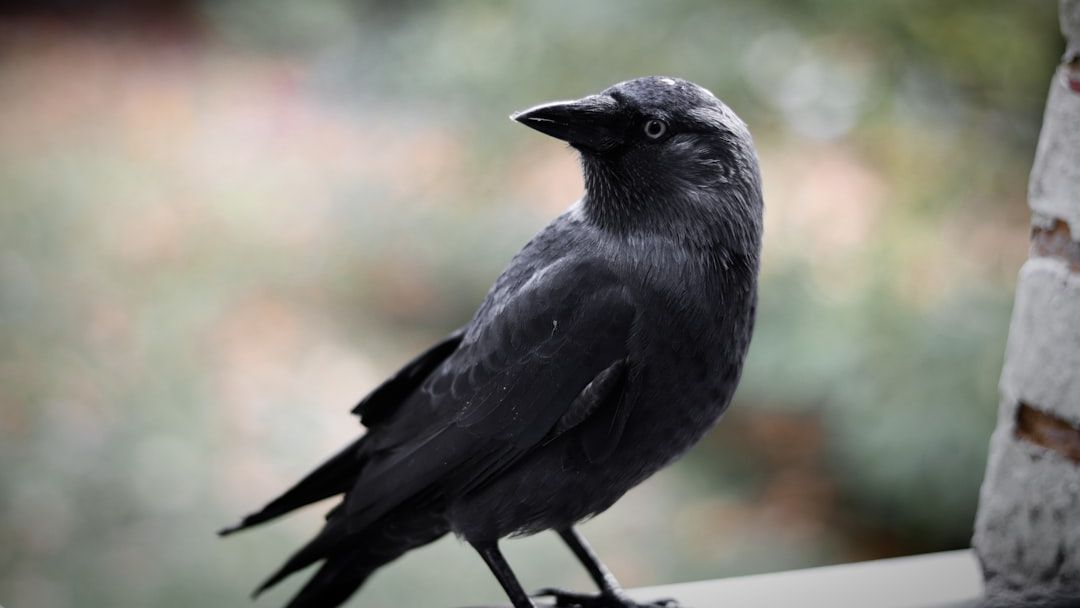
Most people walk past a crow without a second glance. It’s just a bird, right? Black feathers, a raspy call, maybe rummaging through a bin. The truth is considerably more unsettling, in the best possible way.
Science has spent decades quietly dismantling our assumptions about crow intelligence, and the findings keep getting more remarkable. These birds recognize faces, hold long-term grudges, plan for the future, and count out loud. They share information across their social groups with a precision that most household pets simply cannot match. What follows are eleven facts that make it very difficult to look at a crow the same way again.
#1: Crows Recognize Individual Human Faces and Never Forget Them
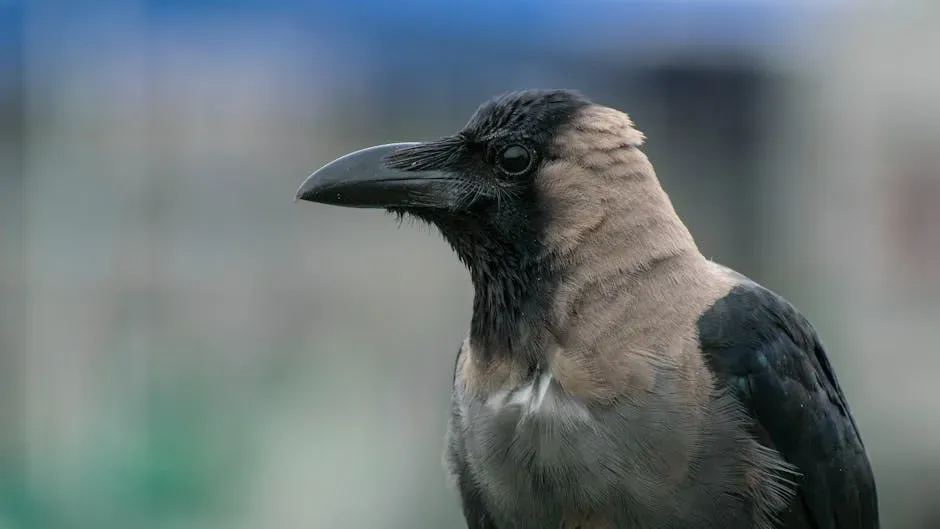
Research shows that crows remember the faces of people they don’t like and even pass this information to other crows in their flock. That’s not a fleeting recognition either. Studies at the University of Washington demonstrated that crows remembered specific human faces across multiple years, holding their behavioral responses consistent over time.
One study was the first to show that wild, non-domesticated animals have the ability to recognize a human by their face, remember it for several years, and transmit this information to their peers. Think about that for a moment. Your dog might forget your scent if you’ve been gone a few weeks. A crow you’ve never formally met may already know your reputation.
#2: Their Brains Are Wired Like a Primate’s
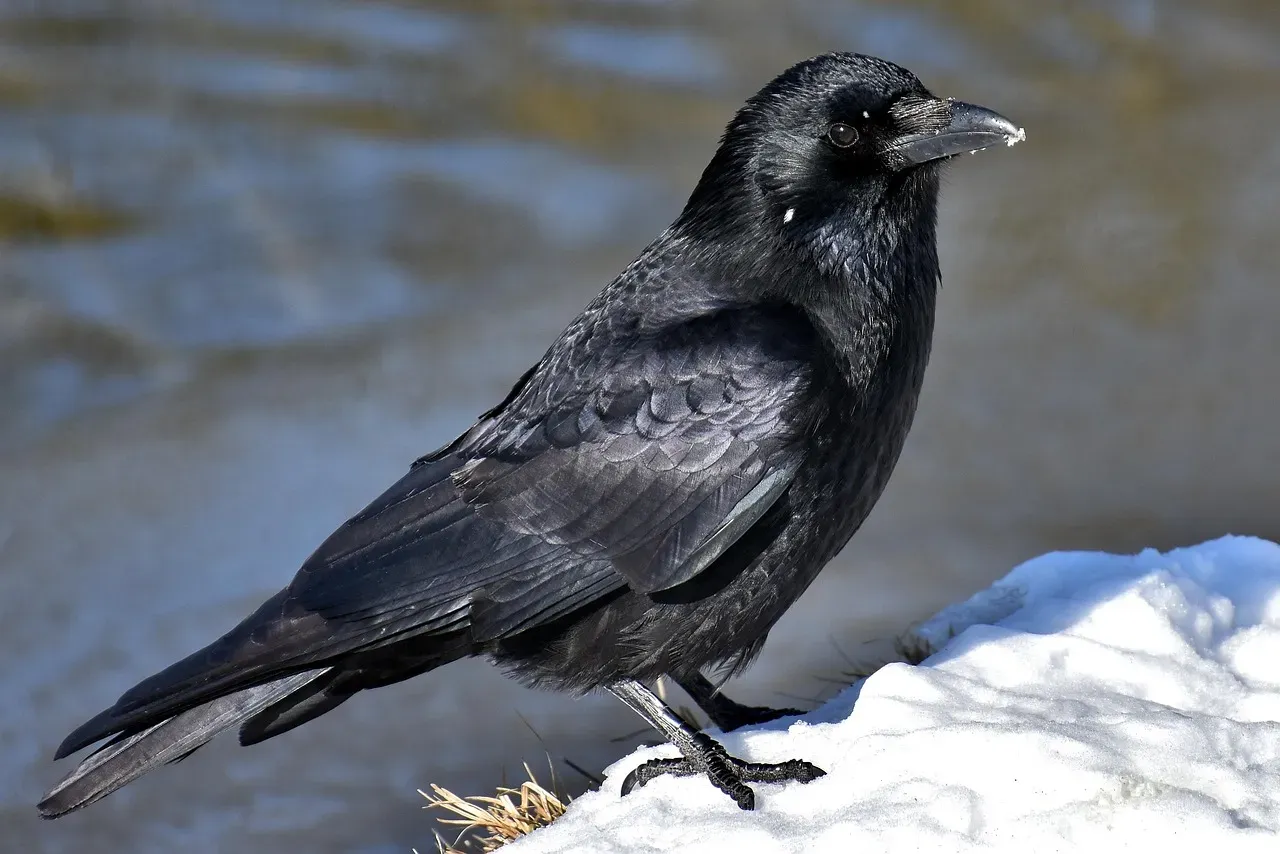
Crows have a high brain-to-body ratio, meaning their brains are relatively large compared to their body size, which is an indicator of cognitive abilities. Their brain is roughly the size of a human thumb, but packed with neurons, particularly in areas associated with problem-solving and planning. The architecture isn’t what we’d typically expect from a bird.
Because bird brains appear less developed than primate brains, scientists long believed birds were incapable of high-level functions like problem-solving, decision-making, developing plans, and maintaining a working memory. What research now suggests is that in the 320 million years since birds and primates split, each has developed different brain structures, but those differently composed brains have developed similar cognitive capabilities. Evolution, it turns out, found more than one path to intelligence.
#3: Crows Have Working Memory on Par With Monkeys
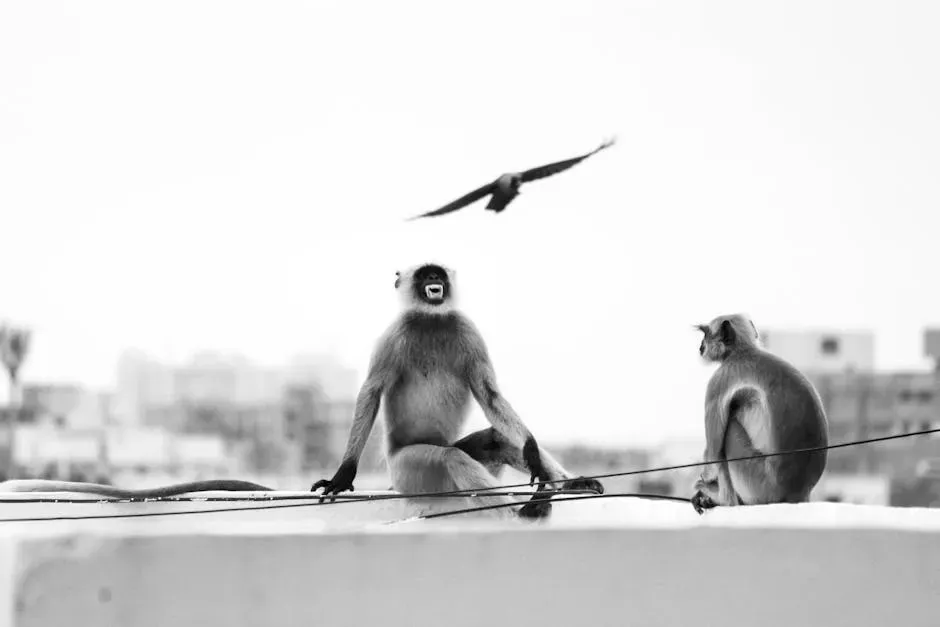
Crows have remarkable cognitive skills, and while birds and mammals share neural principles of working memory, its capacity had not been fully tested in crows until recently. Research compared the performance of carrion crows on a working memory paradigm adapted from experiments in rhesus monkeys, and the capacity of crows was remarkably similar to monkeys, estimated at about four items.
These results show that crows, like primates, evolved a high-capacity working memory that reflects the result of convergent evolution of higher cognitive abilities in both species. Most domestic pets, including dogs, score considerably lower on working memory tests. The crow isn’t just keeping up with your cat. It’s keeping up with monkeys.
#4: They Can Count Out Loud, Like a Toddler Learning Numbers
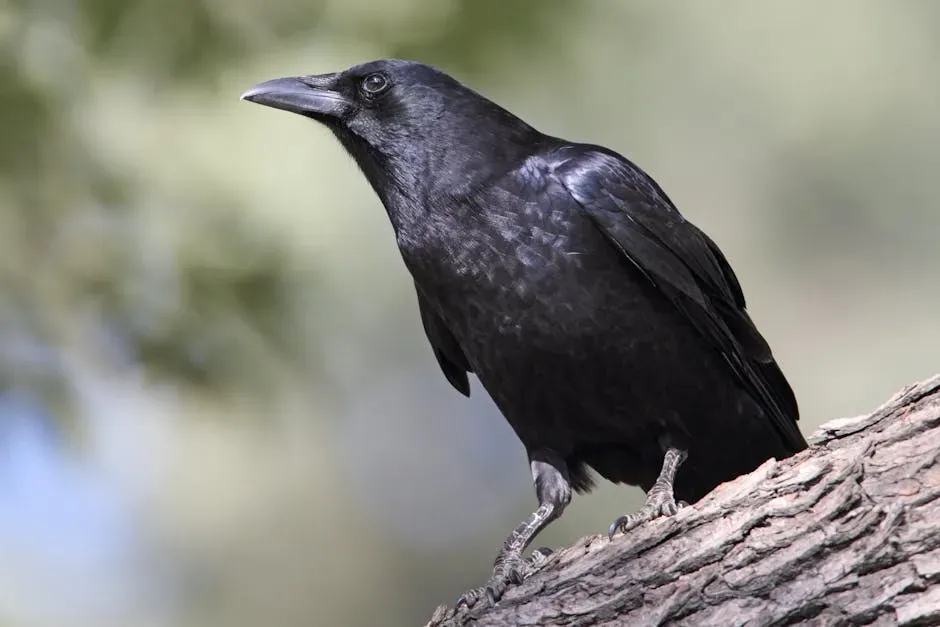
A study published in the journal Science established that crows have counting abilities more sophisticated than anyone had realized, with the birds exhibiting behaviors very similar to toddlers first learning to count. The researchers found that crows can use their voices to communicate specific quantities, something they believe has never been documented before in animals other than humans.
In a behavioral experiment, crows were able to learn to produce a set number of calls, which involves planning in advance. From the sound of the first call in a numerical sequence, it is possible to predict how many calls the crows will make. As one animal cognition expert observed, humans do not have a monopoly on skills such as numerical thinking, abstraction, tool manufacture, and planning ahead.
#5: They Build and Use Their Own Tools
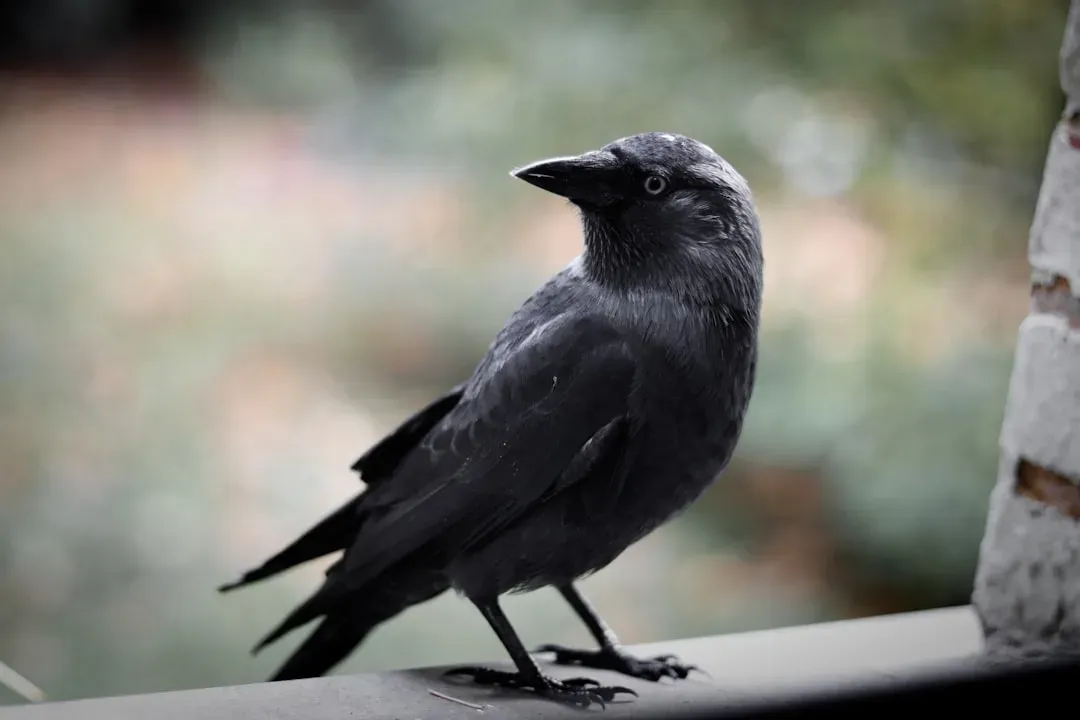
New Caledonian crows are smart enough to create their own tools, both in the wild and the lab, by shaping one end of a stick or wire into a hook to retrieve food beyond the reach of their beaks. This isn’t instinct in the way a spider spins a web. It requires understanding the relationship between the tool’s shape and the task at hand.
Corvids remain very sophisticated tool handlers thanks to their ability to choose and even manufacture tools, such as twigs of the right length and diameter for the task they want to accomplish. In experiments, crows have been seen bending wires into hooks to retrieve items from tubes, a feat that requires both foresight and planning. That’s a level of problem-solving that goes well beyond what most domestic animals ever demonstrate.
#6: Crows Can Plan Multiple Steps Into the Future
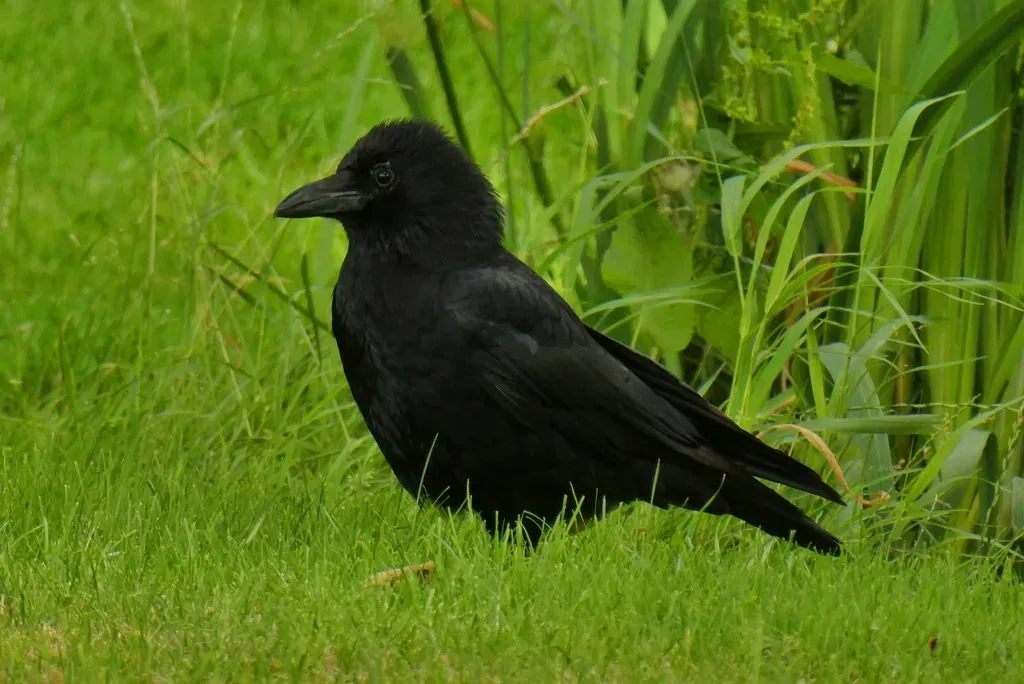
Research shows that one type of crow can use tools to plan up to three moves ahead to secure a meal, somewhat like a human playing chess. New Caledonian crows can use tools like sticks and stones in a pre-planned fashion to accomplish a goal. The comparison to chess isn’t just colorful language. It captures something real about sequential thinking.
Research has shown that New Caledonian crows can use tools to plan for specific future events. Crows learned a temporal sequence where they were shown a baited apparatus, then later given a choice of five objects, and then later given access to the apparatus. At test, these crows chose the right tool for the right future task, while ignoring previously useful tools and a low-value food item. The ability to resist immediate temptation in favor of a better future outcome is something even many humans find difficult.
#7: They Understand Cause and Effect at a Sophisticated Level
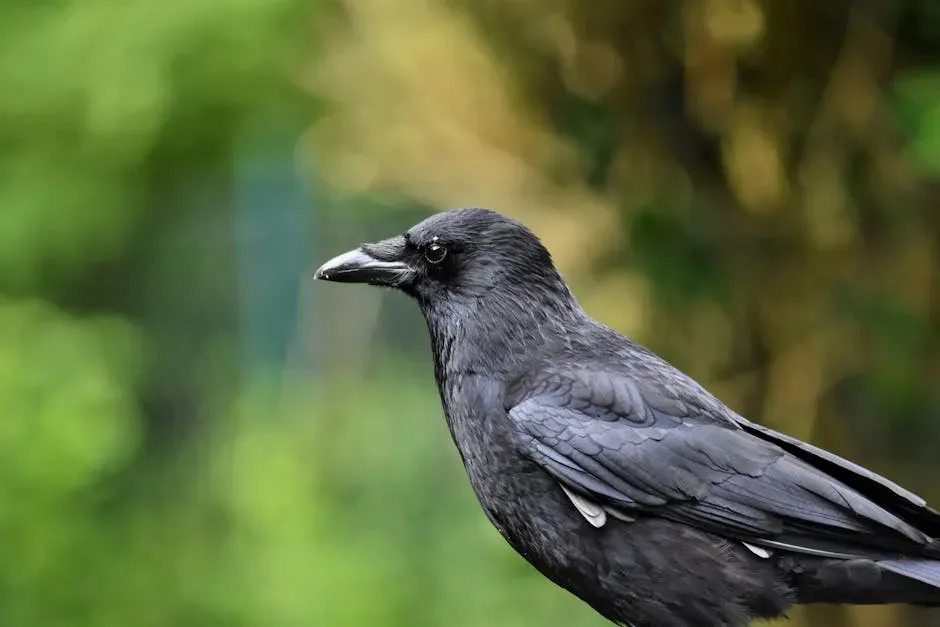
Scientific research and experiments show that crows understand cause and effect, plan for the future, and adapt their behavior based on context, environment, and who’s watching. That last part, adjusting behavior based on audience, is a surprisingly complex cognitive skill. It requires a crow to model someone else’s knowledge state, which is a form of social reasoning.
One test that measures the brain power of crows is the Aesop’s fable test, named after the story of the crow and the pitcher. To pass, crows must drop stones into a narrow vessel to raise the water level and bring a food reward within reach. The crows figured it out, matching the cognitive skills of five to seven-year-old humans. Your dog is unlikely to solve a physics puzzle. A crow treats it like a minor inconvenience.
#8: Crows Hold Grudges and Pass Them Down to Others
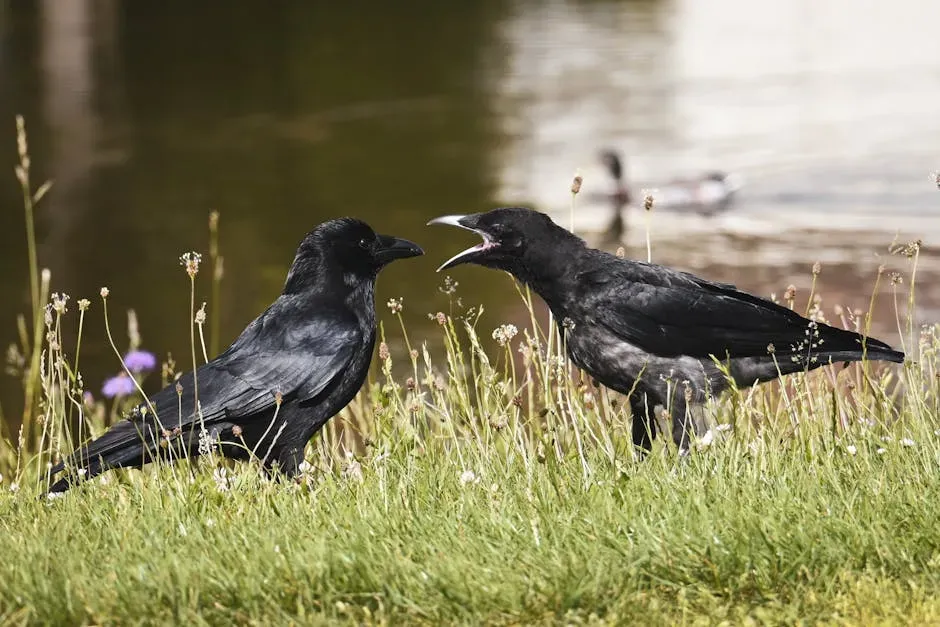
Crows can recognize humans, which is remarkable in itself, but beyond that, they also know which humans are good or bad based on their previous experiences with them. Those humans they judge negatively might find themselves on the receiving end of a long-term grudge, while good humans might receive gifts. The social memory here is layered and deeply personal.
Research has shown that crows can recognize individual human faces, remember negative encounters, and hold grudges. Urban crows thrive due to cognitive flexibility, as shown in ongoing research, which highlights their strategic foraging, memory, and ability to learn and adapt in human-dominated environments. A crow that learns to distrust a specific person teaches that distrust to its community. It’s a form of culturally transmitted knowledge.
#9: They Have Something That Looks a Lot Like Consciousness
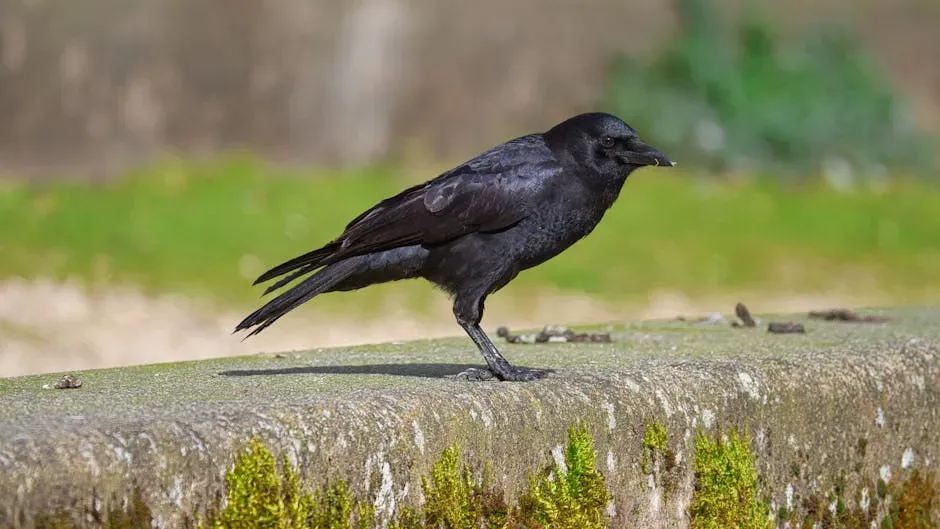
A 2020 study demonstrated for the first time that carrion crows, the European relatives of American crows, have subjective experiences, including what researchers called sensory consciousness, a level of thinking previously thought to be limited to humans and other primates. That’s a genuinely stunning claim, and it came from carefully controlled experimental work.
Together, two related studies show that intelligence and consciousness are grounded in connectivity and activity patterns of neurons in the most neuron-dense part of the bird brain, called the pallium. The findings suggest that corvids are as cognitively capable as monkeys and even great apes. Consciousness was supposed to be our domain. Crows are making that claim increasingly complicated.
#10: They Gather Together When One of Their Own Dies
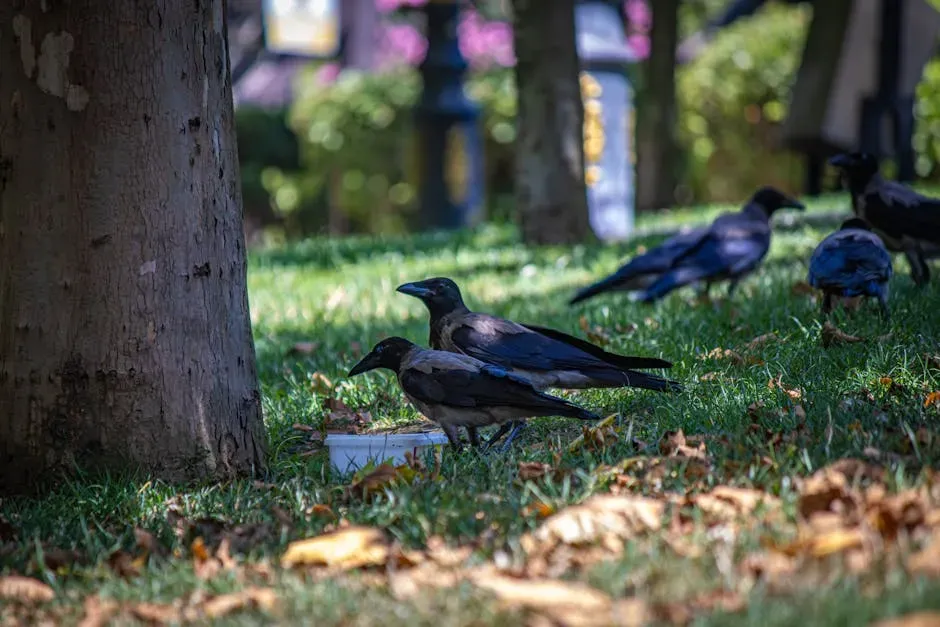
When a crow dies, others from its flock gather around the body in a behavior that resembles a funeral. Scientists have observed this phenomenon and are still unraveling the reasons behind it. Some believe these gatherings serve as a way for crows to learn about potential dangers in their environment, and by observing the fallen crow, they may be able to identify threats and avoid them in the future.
While we associate funerals with grieving and mourning, for crows they are likely more about information gathering. The crows come together in a “funeral” to try to determine if there are risks near where the crow died, so they can determine if an area is safe or needs to be avoided. Whether it’s grief or risk assessment, the behavior reveals a social sophistication that goes far beyond what most pets display. They’re actively protecting the living by studying the dead.
#11: They Sometimes Leave Objects for Humans Who Feed Them
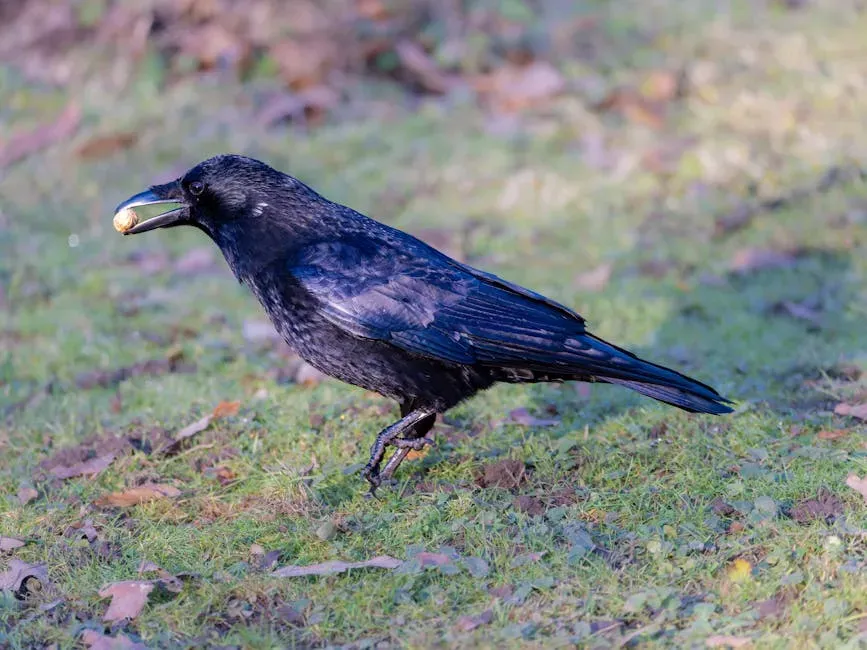
Crows occasionally leave behind objects like keys, lost earrings, bones, or rocks for the people who feed them, a behavior that conservation ecologist John Marzluff calls “gifting.” The behavior isn’t well studied, but limited evidence suggests corvids act differently around people they are familiar with. For example, a study from the Konrad Lorenz Institute in Austria showed ravens and crows were more motivated to exchange objects with human experimenters they knew rather than strangers.
From an animal behavior perspective, this could be a learned response, where the crow associates the act of bringing an object with positive outcomes, such as continued access to food. While it’s difficult to prove conscious intent, the pattern of exchange in some long-term interactions lends weight to the idea that these are not random occurrences but rather a form of conditional response. Whether the crow is expressing gratitude or simply working a very clever system, the result is the same: a small black bird that treats a relationship with a human as worth maintaining.
A Final Thought
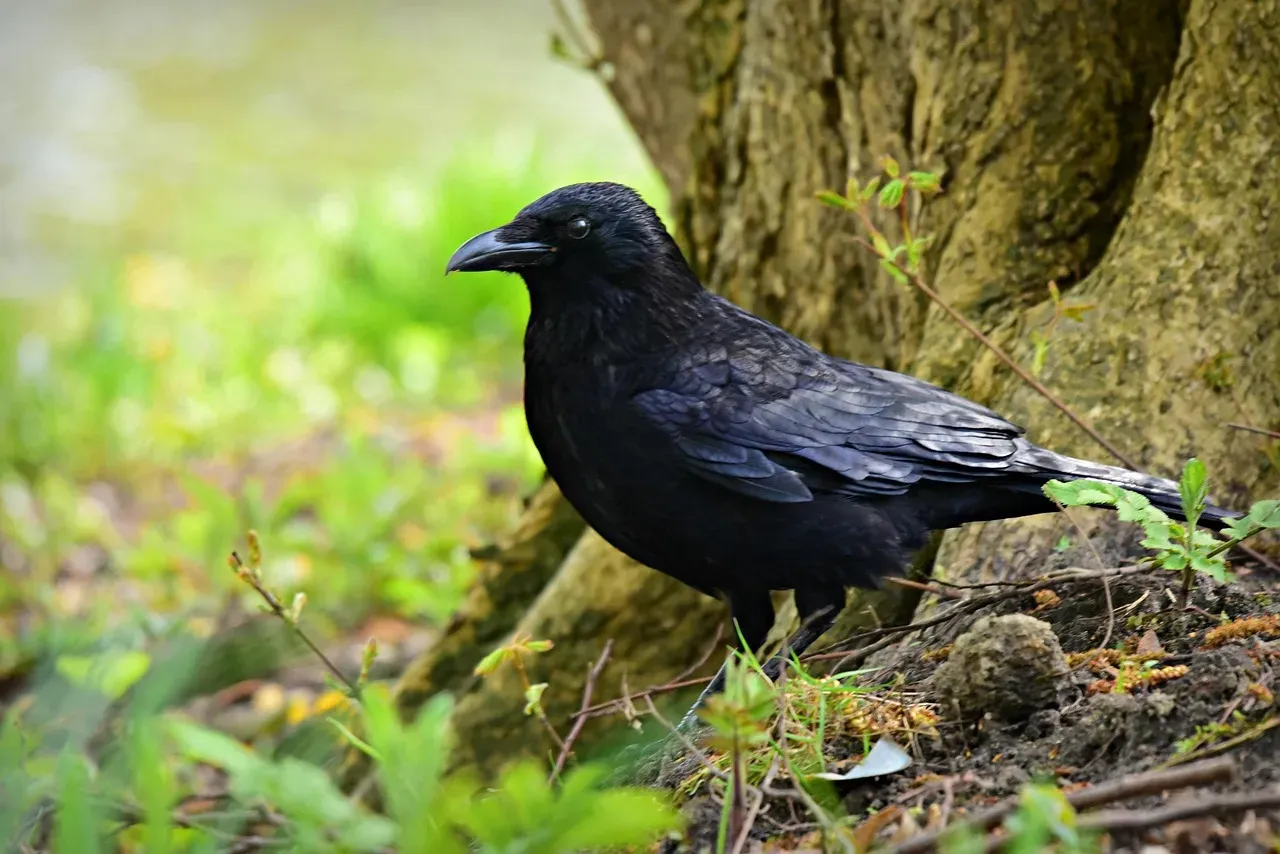
The collective weight of these findings points somewhere that scientists are still carefully working through. Researchers have made startling discoveries in recent years about a crow’s ability to communicate, solve problems, remember people, and use tools. What they’re discovering about crow brains is changing how scientists understand intelligence and bringing into question accepted versions of evolution.
Behavioral biologists have even called crows “feathered primates” because the birds make and use tools, are able to remember large numbers of feeding sites, and plan their social behavior according to what other members of their group do. The next time a crow lands nearby and fixes you with that sharp, unblinking stare, it’s worth considering that it may know more about you than you realize.
