
Ever watched your cat and wondered if you’ve done something wrong? Maybe you tried to give them one more belly rub or moved their favorite toy from its usual spot. Cats might be mysterious creatures, but they’re actually pretty good at letting us know when we’ve crossed a line. The trick is learning to read their signals before things escalate into a full-blown hissy fit.
Unlike dogs who might bark or whine to express displeasure, cats communicate through a sophisticated language of body postures, tail movements, and subtle facial expressions. Understanding these signals isn’t just about avoiding scratches. It’s about respecting your feline friend’s boundaries and building a stronger bond based on mutual understanding. Let’s dive into the telltale signs that your cat is giving you the cold shoulder.
The Telltale Tail Swish
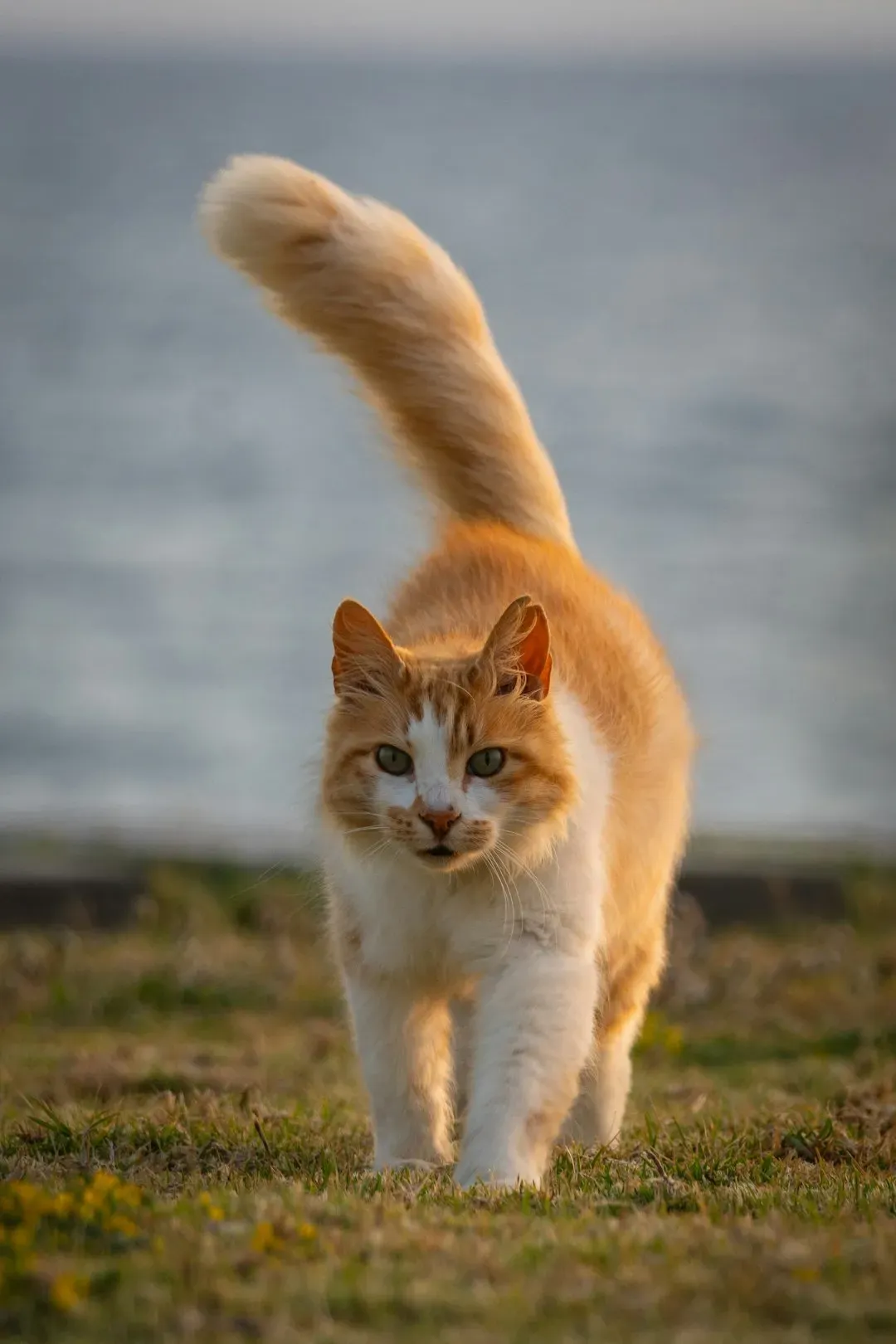
One of the first subtle signs that your cat is mad at you is when you see her tail placed low, swishing quickly back and forth, from side to side. Think of it like a warning flag waving in the wind. The faster and harder that tail moves, the more irritated your cat is becoming.
The madder the cat gets, the harder they’ll thump their tail. It’s honestly fascinating how expressive this one body part can be. A lazy, slow swish might just mean your cat is focused on something outside the window. However, rapid lashing or thumping against the floor? That’s your cue to back off and give them space.
Ears That Tell a Story
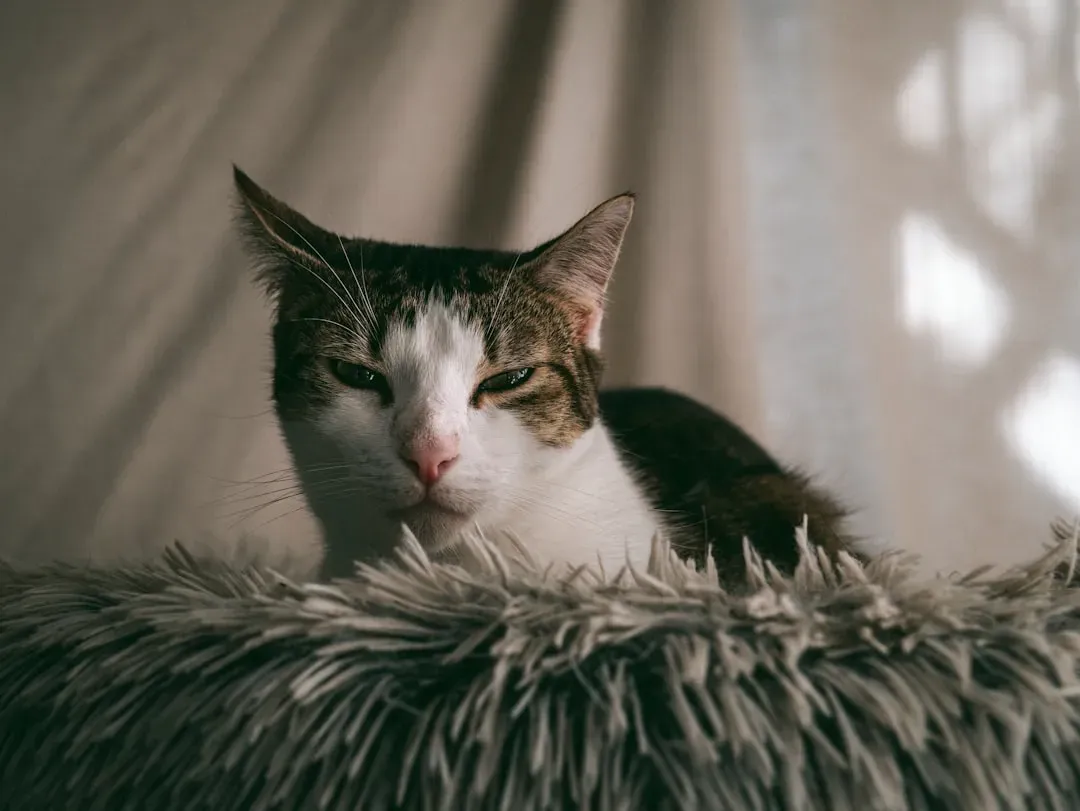
Watch those fuzzy little triangles on your cat’s head because they’re basically mood antennae. If you notice your cat’s ears are flat or pulled back against their head, it could indicate that they’re feeling threatened, and if their ears turn out to the sides like wings, this is a clear indication that your cat is feeling quite annoyed.
I think the “airplane ears” position is one of the most obvious signals once you know what to look for. When those ears rotate sideways or flatten completely, your cat is essentially putting up a “Do Not Disturb” sign. Respect it, because ignoring this warning often leads to more aggressive behavior.
The Cold Shoulder Treatment
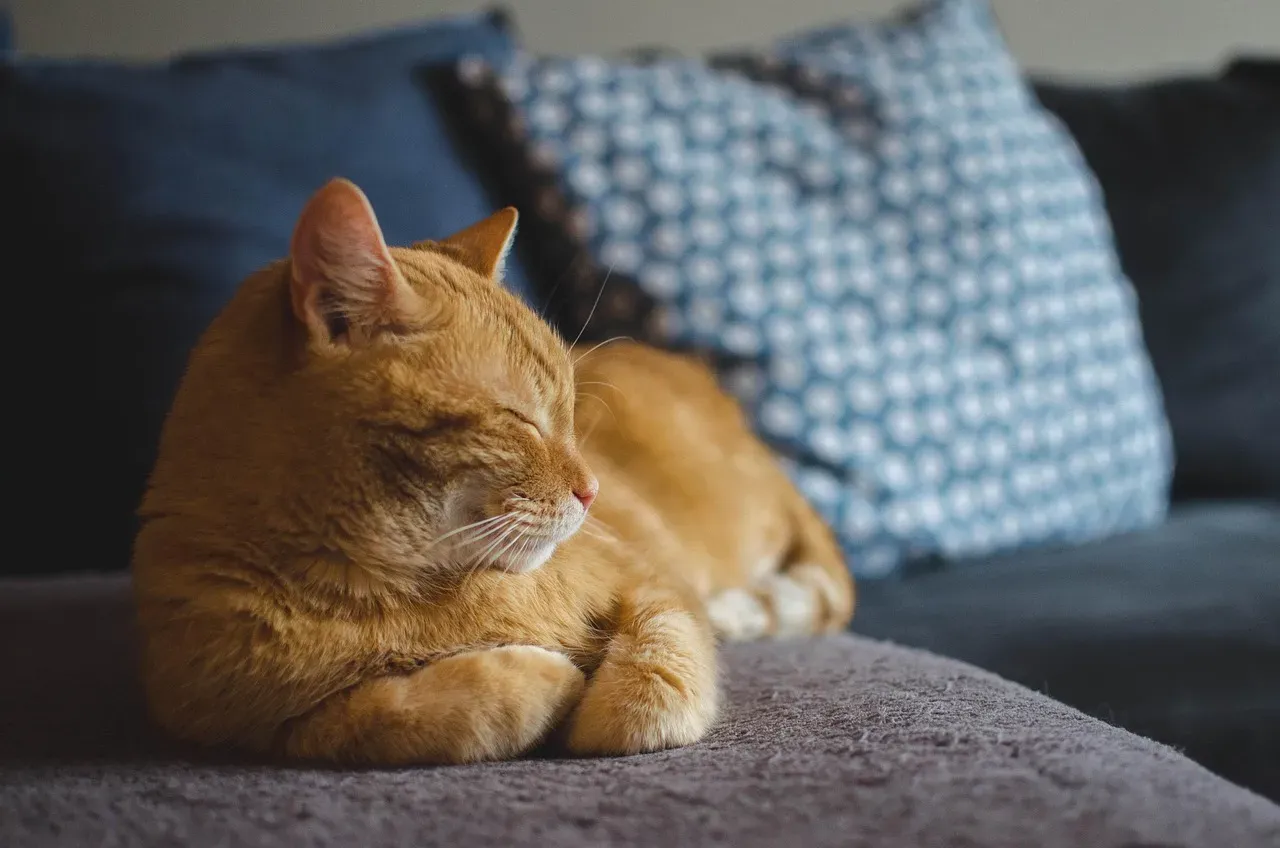
If your furry friend actively avoids you when she’s normally playful or keeps away for longer than usual, it can be a sign she’s mad, scared, or anxious. Cats are masters of the silent treatment. They’ll retreat to their favorite hiding spot or simply refuse to come when called.
Retreating is one of the first things cats might do if they don’t feel like interacting, and this is the first clue you might have that your cat is feeling annoyed. Sometimes they just need their alone time, which is completely normal. Still, if your usually affectionate kitty suddenly acts like you don’t exist, you probably did something they didn’t appreciate.
Aggressive Vocalizations
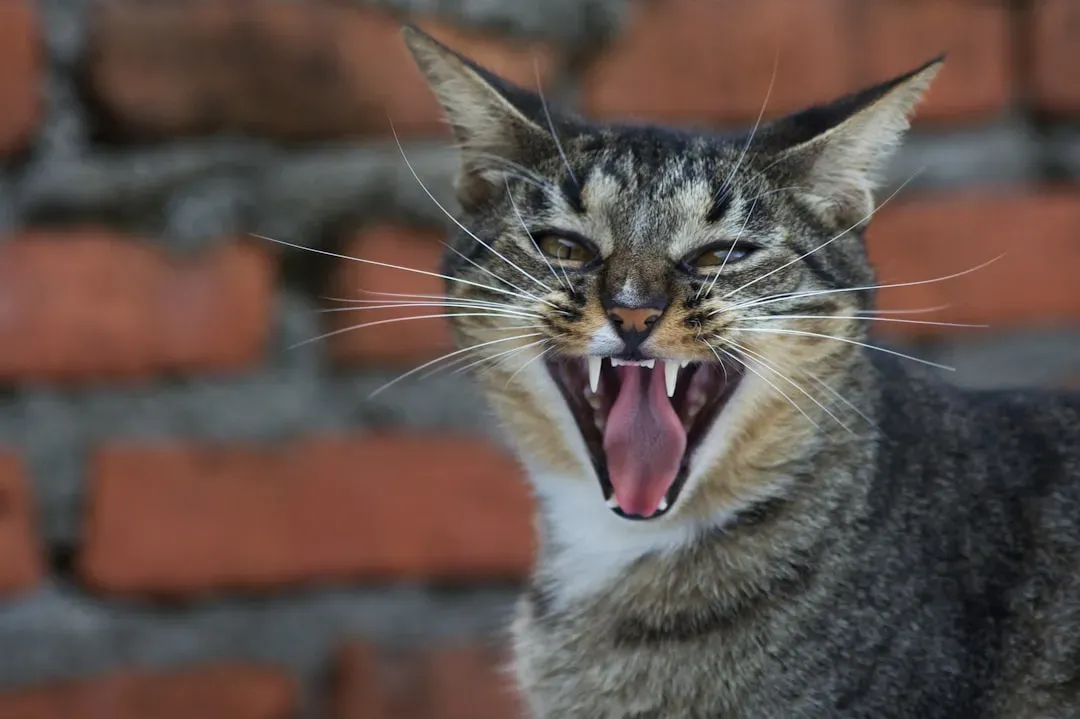
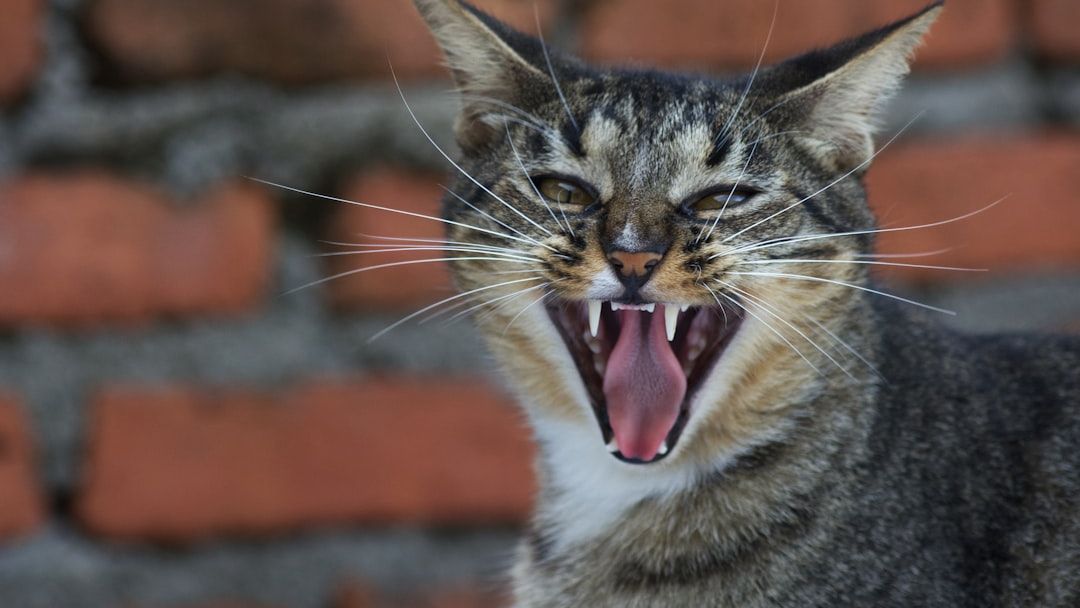
Here’s the thing about cat sounds. They’re not all cute meows and contented purrs. Some common vocalizations that tell you your cat is angry include hissing, growling, yowling, and spitting. These sounds are unmistakable warnings that your cat has reached their limit.
Yowls from an angry cat will be drawn out and low-pitched and often given as a warning before they result in biting or scratching. When you hear these guttural sounds, it’s not the time to try and comfort your cat with pets and cuddles. They’re essentially telling you to leave them alone right now.
The Puffed-Up Posture
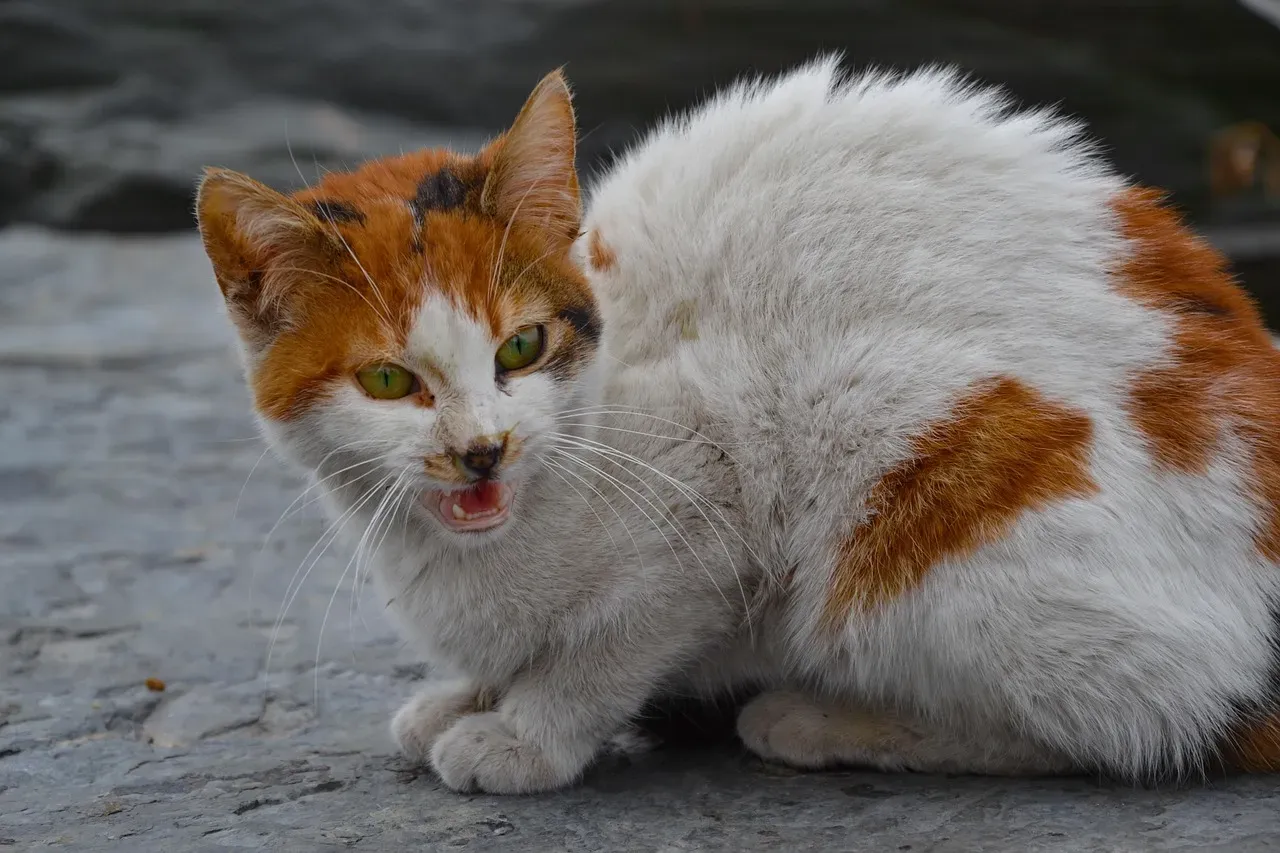
If your cat’s fur is standing on end and she looks even more fluffy than usual, this signals that they are probably annoyed, as cats do this in an attempt to make themselves appear bigger than they really are. This dramatic display is called piloerection, and it makes your cat look like they stuck their paw in an electrical socket.
You might also notice their back arching along with the puffed-up fur. This classic Halloween cat pose isn’t just for show. It’s a defensive stance meant to intimidate whatever is bothering them. Whether that’s you, another pet, or a scary vacuum cleaner, the message is clear: they want the threat to go away.
Bite and Scratch Warnings
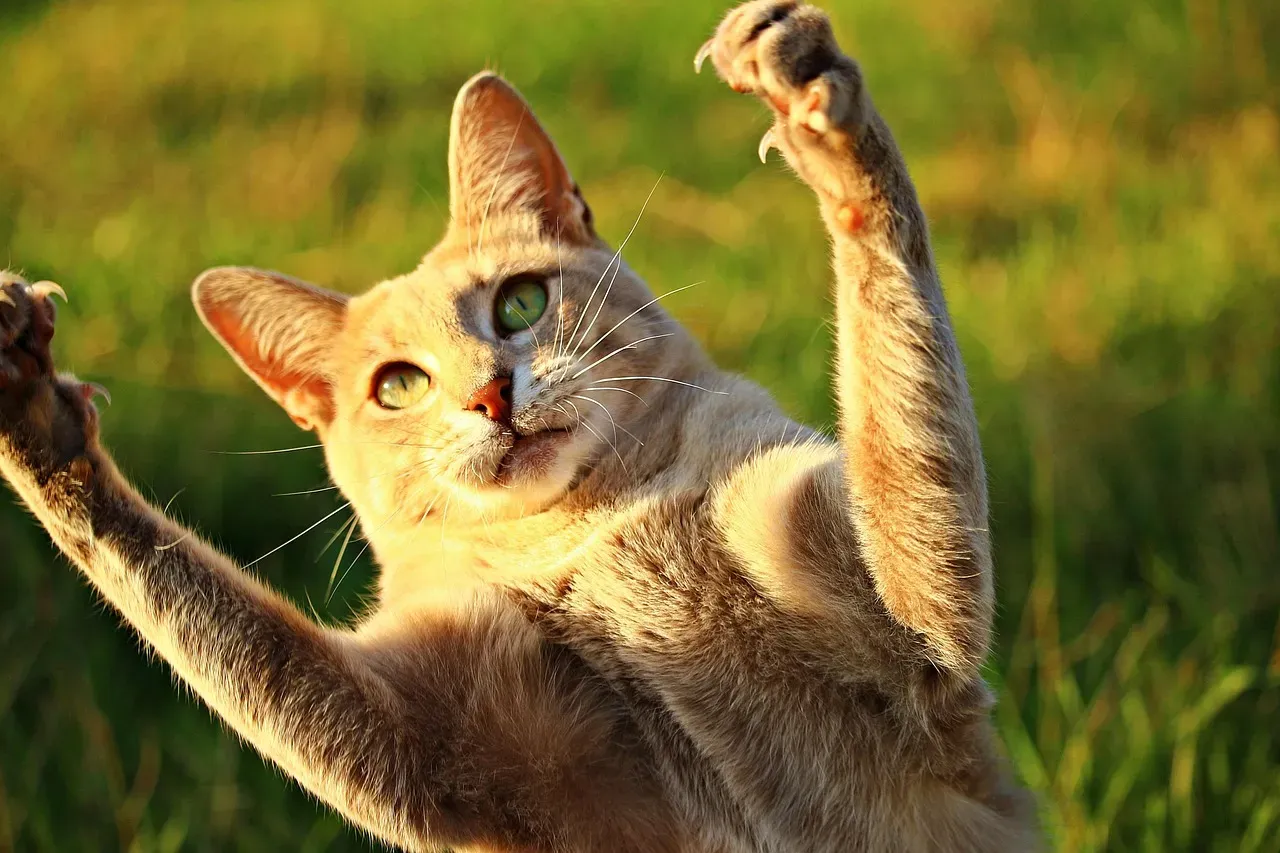
Ever experienced that moment when you’re happily petting your cat and suddenly they bite your hand? This is called “petting aggression,” and it’s totally normal, as this ‘leave me alone’ bite doesn’t mean he’s angry, but that he wants to control the interaction, and the petting that goes on too long overstimulates him.
If your cat is frustrated, they might move their head or body away from you when you try to pet them. Pay attention to these subtle movements before the biting starts. Your cat is trying to tell you they’ve had enough physical contact for now. Honestly, we all have our limits when it comes to unwanted touching, and cats are no different.
The Direct Stare Down
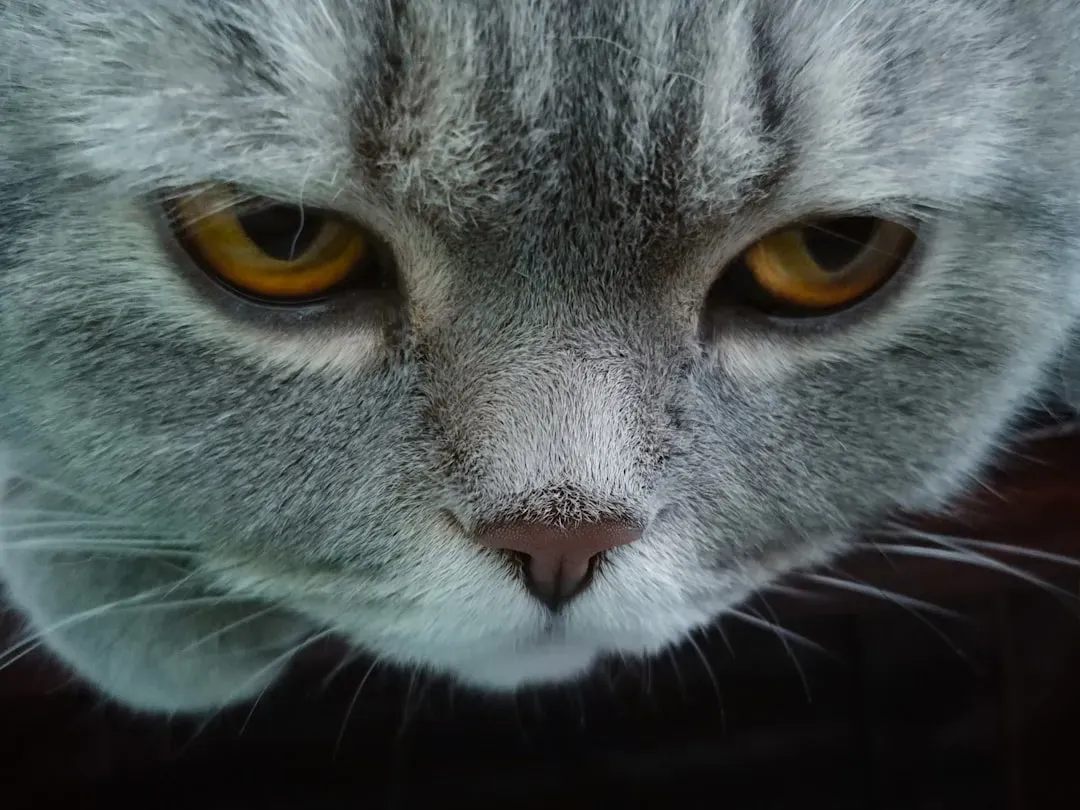
If your cat is sitting staring with small pupils and narrowed eyes, they are probably feeling frustrated, and a cat that is sitting staring directly at you could be feeling annoyed. This isn’t the soft, loving gaze accompanied by slow blinks. This is an intense, unblinking stare that feels uncomfortable.
Cats use eye contact very differently than we do. In the feline world, a prolonged stare can be a challenge or threat. If your cat is giving you the evil eye while their body remains tense, they’re definitely not in the mood for interaction.
Destructive or Acting Out Behavior
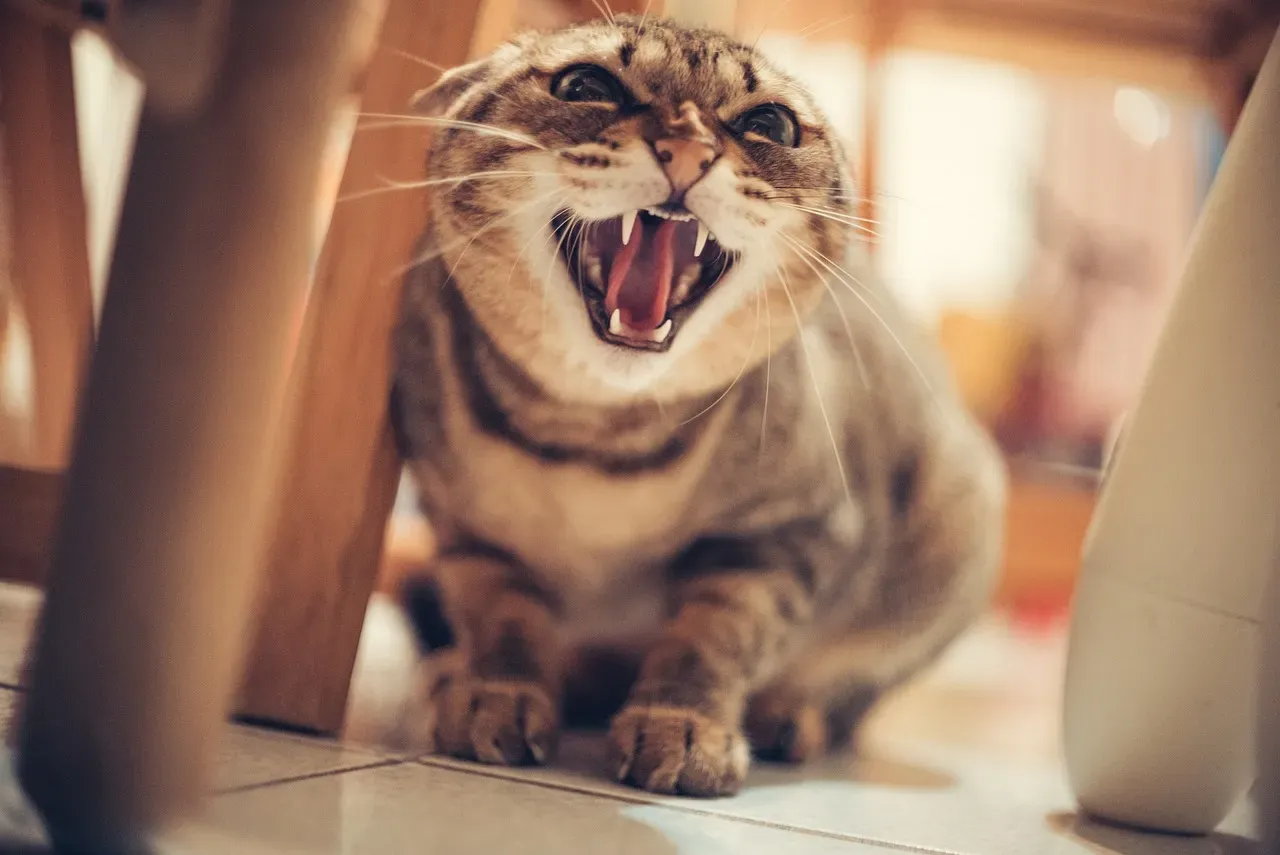
An angry or stressed cat may act out by scratching furniture, knocking objects off surfaces, or engaging in other destructive behaviors to release pent-up frustration. Sometimes this manifests as deliberately knocking your water glass off the table while maintaining eye contact with you the entire time. Let’s be real, that’s not an accident.
Your cat hasn’t had an accident since he was a kitten, and now all of a sudden he’s peeing all over the house? While this could indicate a medical issue that needs veterinary attention, it can also be a sign of extreme frustration or territorial stress. Cats don’t do this to spite you, but it’s definitely a sign something is wrong in their world.
Conclusion: Reading the Room (or the Cat)
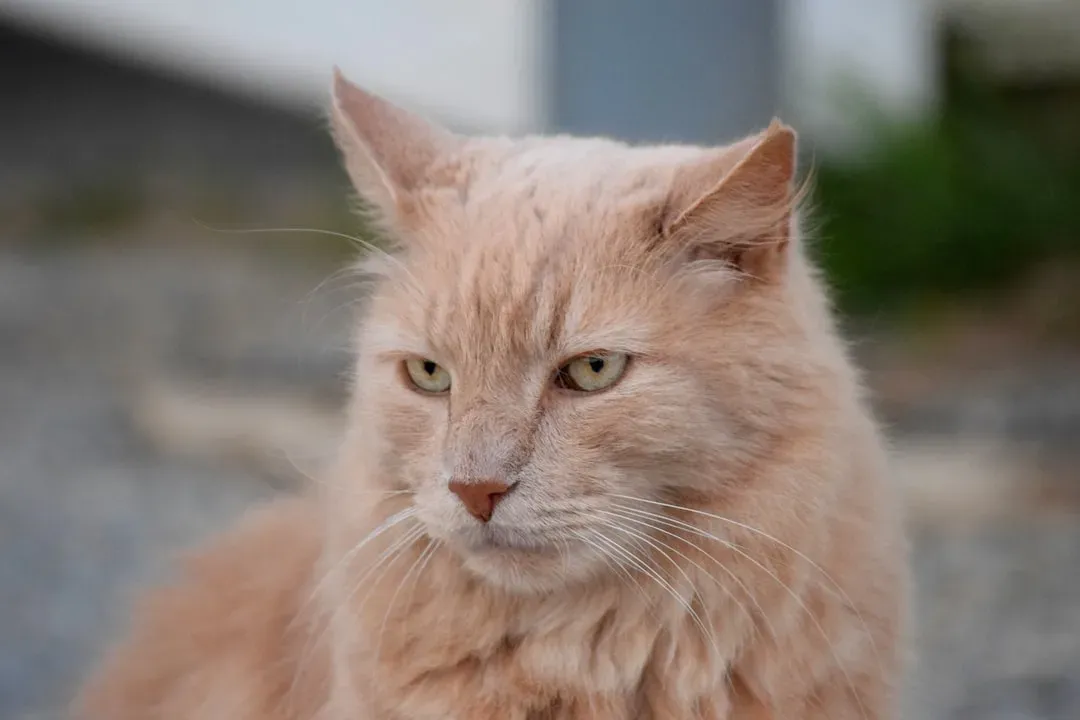
Learning to recognize when your cat is annoyed isn’t about walking on eggshells around them. It’s about respecting their communication and understanding that they have preferences and boundaries just like we do. Once you become fluent in reading these eight signals, you’ll find your relationship with your feline friend becomes much smoother.
Remember that every cat has their own personality and tolerance levels. What annoys one cat might not bother another at all. The key is paying attention to your individual cat’s signals and responding appropriately. When your cat shows signs of irritation, give them space and time to calm down on their own terms.
What’s the most common way your cat shows annoyance? Share your experiences in the comments below!
