
Think of the last time you saw a dog wagging its tail or watched a horse gallop across a field. These moments feel simple, almost mundane. Yet behind these everyday encounters lies a story thousands of years in the making, one that transformed scattered bands of early humans into the sprawling civilizations we know today. Animals didn’t just share the landscape with our ancestors. They became partners in survival, symbols of the divine, and architects of culture itself.
The relationship between humans and animals runs deeper than companionship or utility. It’s embedded in our very evolution, woven into our myths, and stamped onto the pages of history. From the first wolf that cautiously approached a campfire to the cattle that plowed the first fields, animals have been silent collaborators in humanity’s grand experiment.
When Wolves Became Dogs: The First Partnership
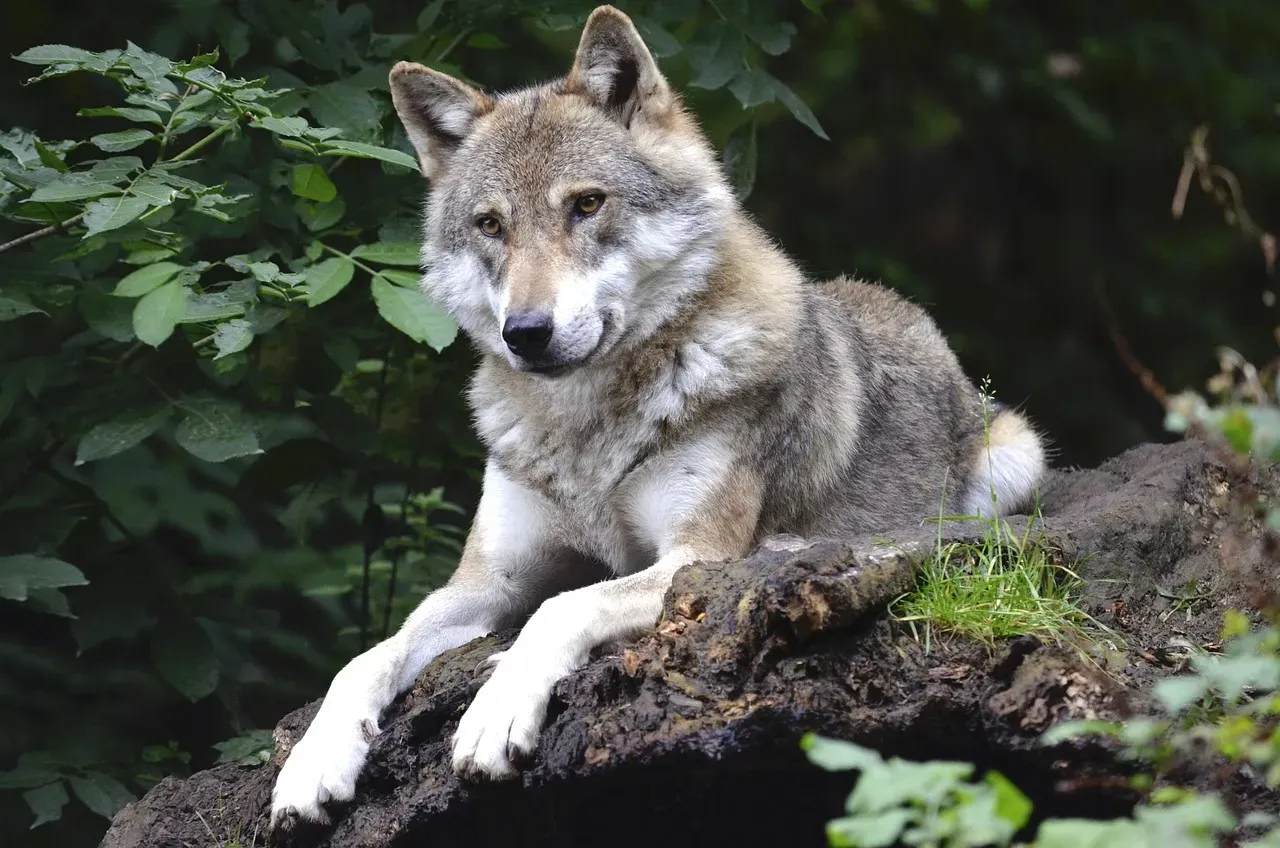
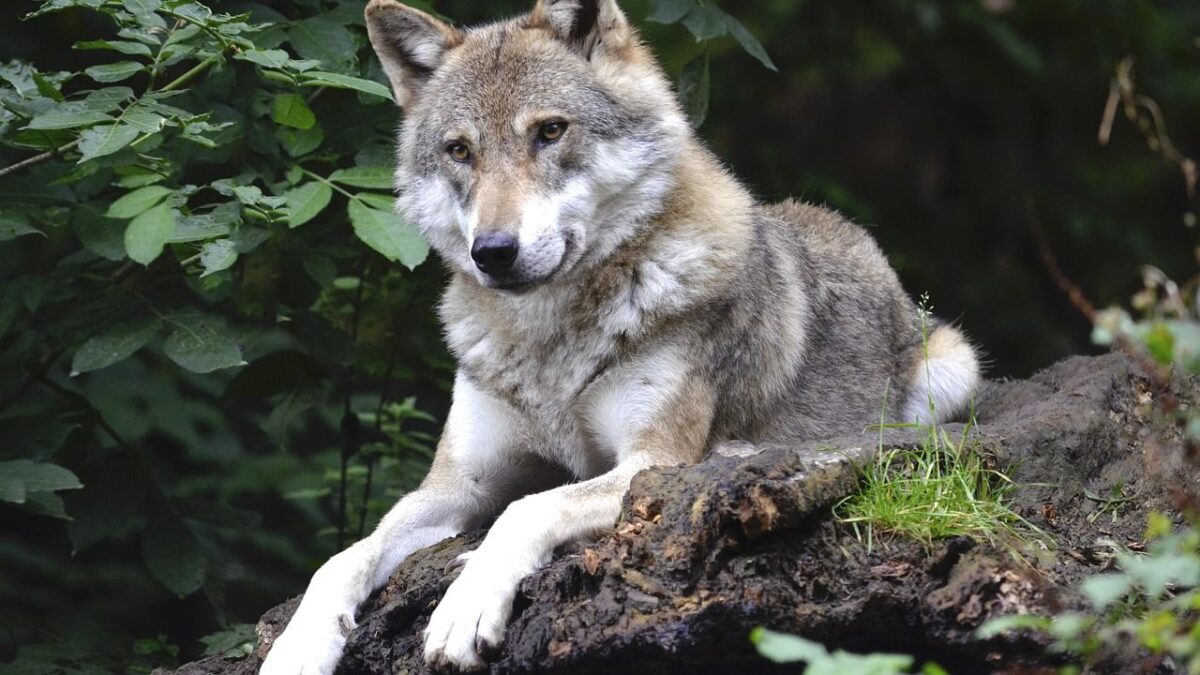
Perhaps no animal has shaped human evolution more profoundly than the wolf, with humans beginning to domesticate wolves roughly 15,000 to 40,000 years ago, eventually creating what we now call dogs. Imagine those early encounters: a cautious predator drawn to human settlements by the scent of discarded food scraps. When our ancestors first flung scraps to habituated wolves lurking by their campfires, they helped us hunt more successfully, stopping us from starving to death.
This wasn’t a one-sided transaction. This partnership transformed both species and created what may be humanity’s first and most successful interspecies alliance, as early dogs served as hunting companions, significantly improving humans’ hunting efficiency. Those wolves who learned to tolerate humans gained access to reliable food sources. Humans gained alert sentries and skilled hunters. The arrangement worked so well that it fundamentally altered the trajectory of human development. Without dogs, the agricultural revolution wouldn’t have happened.
The Agricultural Revolution: Animals as Living Tools
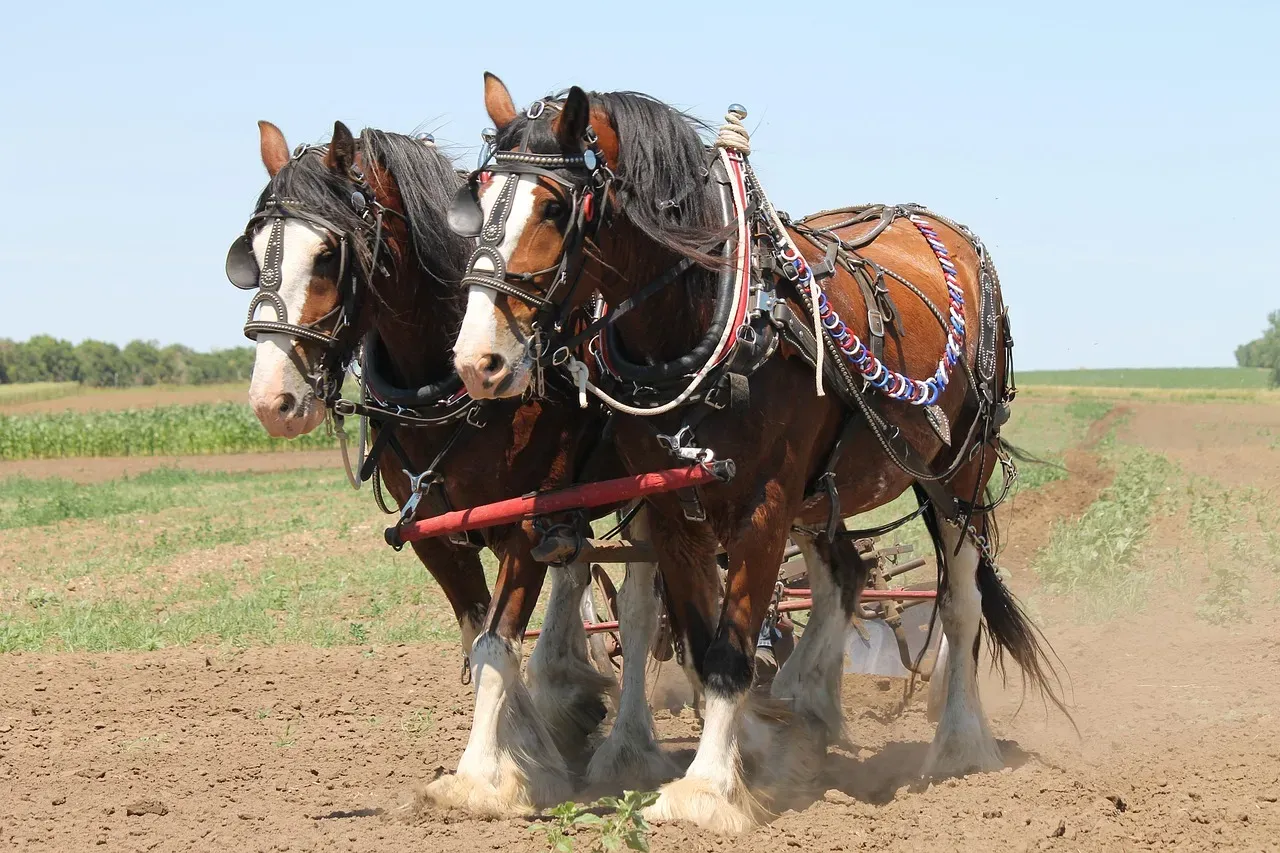
By 6,000 BCE, humans had started to tame the wild ox, or aurochs, and domesticated cattle proved to be much more versatile than goats or sheep: in addition to providing food, milk, and hides, cattle could be harnessed to till fields. This changed everything. Picture a farmer using nothing but a wooden stick to break soil, then imagine that same farmer behind an ox pulling a plow. The difference wasn’t just convenience; it was the difference between subsistence and surplus.
The muscle power of cattle, and later donkeys and horses, dramatically increased the efficiency of farming, allowing for greater crop yields that supported larger populations and ultimately contributed to the rise of cities. Cattle provided a reliable food and supply source, and with settlement and supplies came population growth and density and a development of communities. Suddenly, not everyone needed to farm. Some could become craftspeople, priests, soldiers, or scholars. Civilization as we understand it became possible because animals carried the weight.
Horses: Shrinking the World
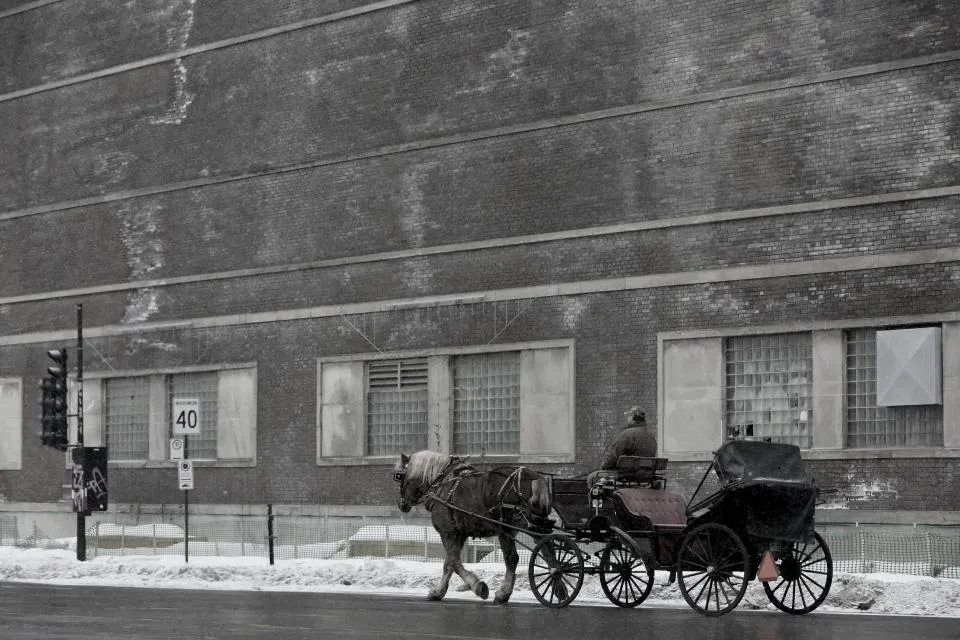
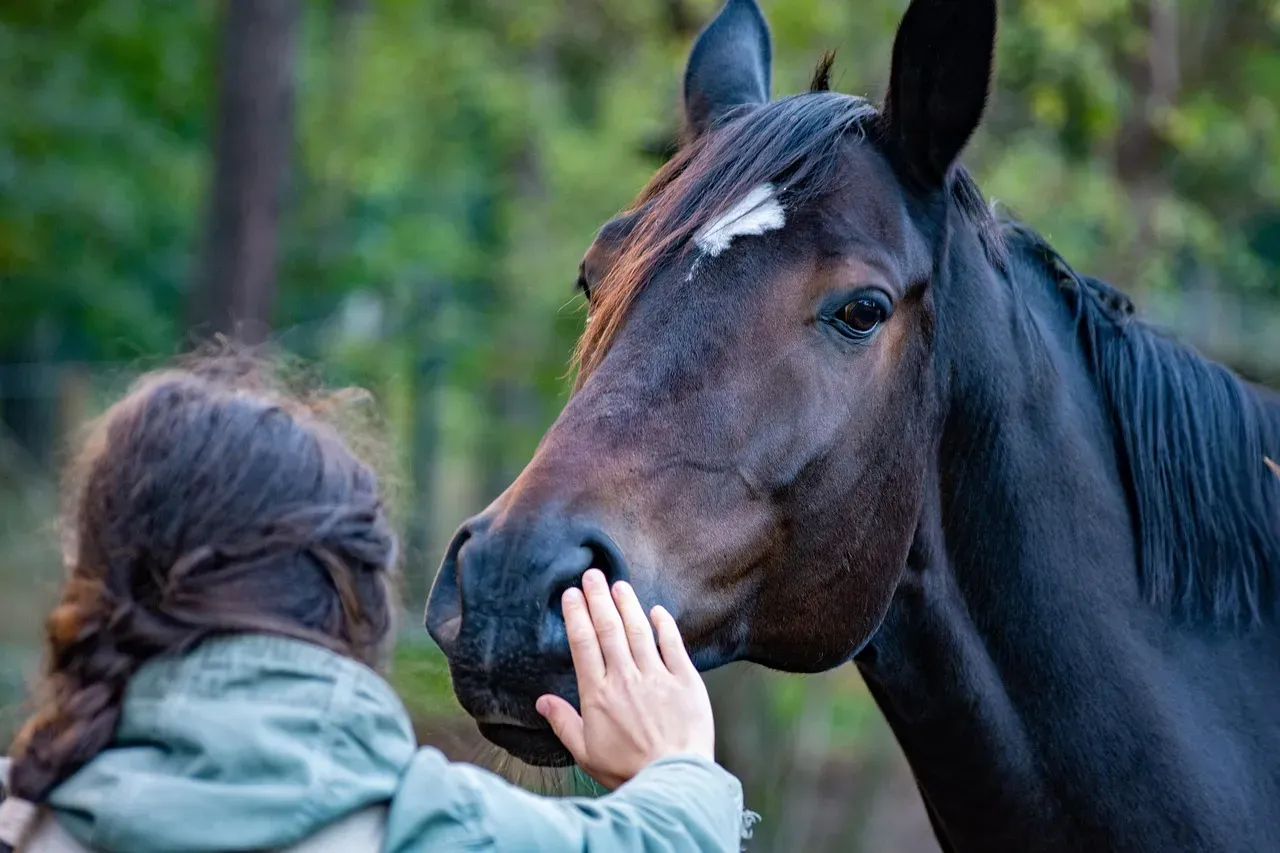
Humans first domesticated the horse 5,000 years ago on the Russian Steppes, and the speed and strength of the horse effectively shrunk the world, making long journeys possible. Before horses, distance was measured in days of exhausting foot travel. After horses, empires could expand, trade routes could flourish, and cultures could collide and blend in ways previously unimaginable.
The horse was an animal of paramount importance and became the premier animal of transportation and warfare, as well as symbols of royalty. A defining moment in the history of the horse came with the invention of the war chariot in the seventeenth century B.C., which conferred an enormous advantage in the primarily infantry-based warfare of the ancient world. The thundering approach of mounted cavalry or chariots changed the psychology of battle. Armies that possessed horses held a strategic edge that reshaped geopolitical landscapes from Mongolia to Rome.
Sacred Beasts: Animals in Mythology and Religion
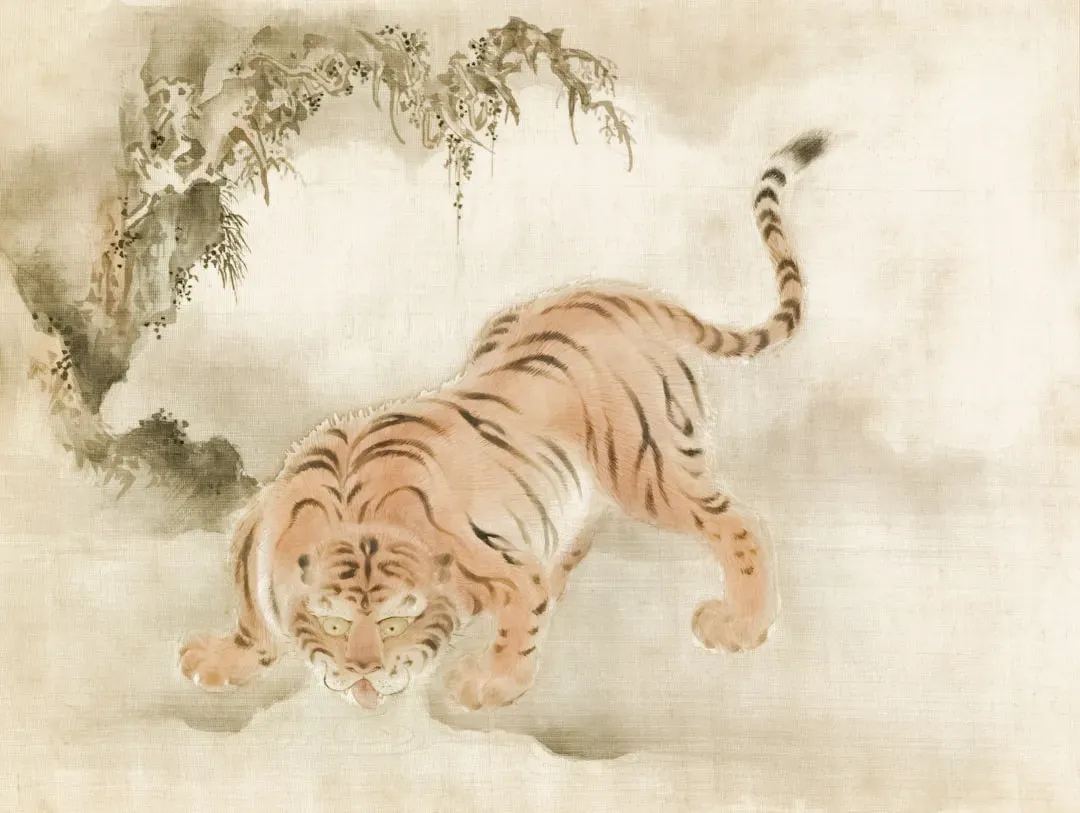
Animals have played powerful symbolic roles in ancient mythologies worldwide, representing spiritual forces, natural elements, and moral values, shaping how early societies understood life, death, and the divine. The ancient Egyptians portrayed their gods as animals or as humans with the heads of animals. The jackal-headed Anubis guided souls through the underworld. The hawk-headed Horus represented kingship and the sky.
Animals were often associated with gods and goddesses, serving as their companions or manifestations, with Zeus frequently represented by the eagle, while Athena was associated with the owl. These weren’t arbitrary choices. Eagles, with their keen vision and majestic flight, were revered in ancient cultures as birds that symbolized power, freedom, and foresight. The symbolism made sense to people who watched these creatures soar above mountains and dive with deadly precision. Animals became the language through which humans spoke to their gods and understood the cosmos.
Lessons from the Wild: Animals as Teachers
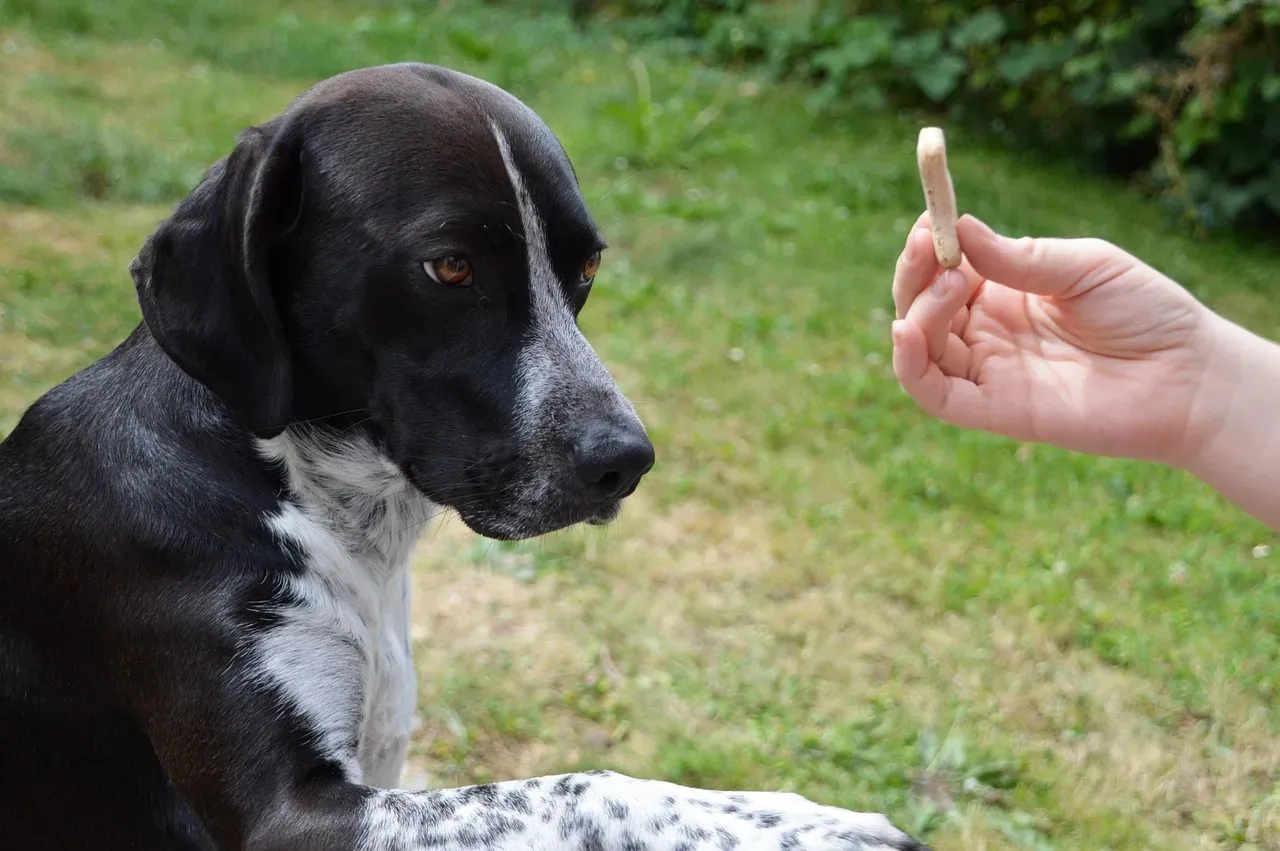
Archaeological evidence suggests that some of our human ancestors were prompted to make art by engaging with the marks left behind by other species, and early humans may also have been inspired to build wooden structures by observing beaver dams. Let’s be real: humans didn’t invent everything from scratch. We borrowed, adapted, and learned from the creatures around us.
Wolves actively patrol and defend their scent-marked territory, and humans may have learned to mark their territory after watching wolves and dogs, which may have been generative of human culture. Territory marking evolved into symbolic expression, eventually becoming art. The idea that a bear’s claw marks on a cave wall might have inspired early human artists is both humbling and remarkable. Animals didn’t just share the world with us; they taught us how to navigate and express ourselves within it.
Cultural Identity Through Animal Symbolism
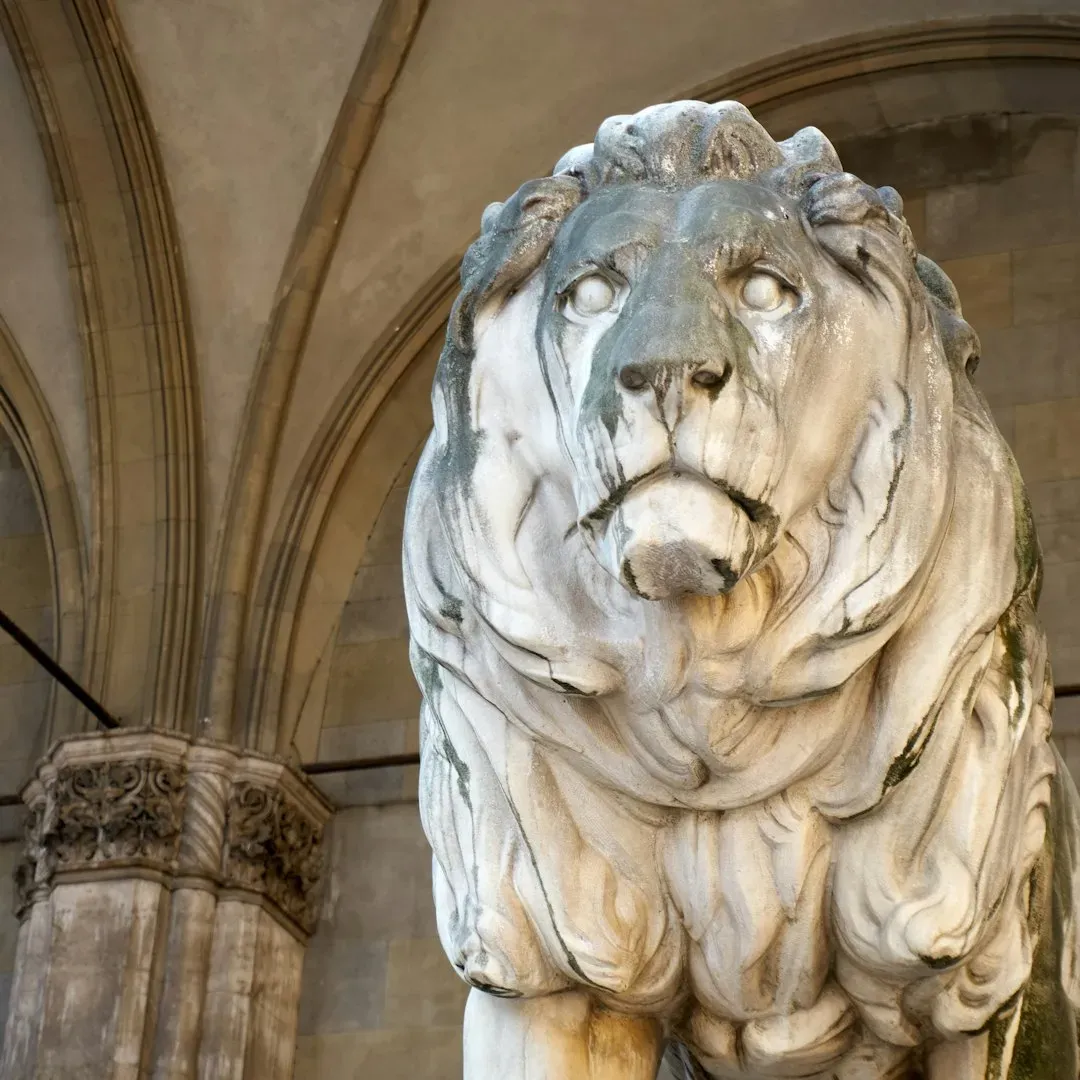
Animals represent the mystery and power of the natural world, which has the ability to create and destroy, and may serve as stand-ins for humans or human characteristics. Different cultures developed distinct relationships with the animals in their environments. Cultures typically developed myths around animals that were common to the area in which the people lived, with Native Americans developing myths about coyotes, deer, and bears, while Egyptians developed myths about crocodiles and cats.
Snakes symbolized transformation and rebirth, due to their shedding skin, and were associated with the underworld and divine wisdom, bridging the earthly and spiritual realms. Bears, with their formidable presence and strength, were significant in ancient art and often symbolized courage and introspection. These symbols became shorthand for complex ideas, allowing communities to communicate shared values and beliefs. A carved eagle meant something different to a Roman than to a Lakota, yet both understood it represented something greater than the bird itself.
The Domestication Transformation: Changing Animals, Changing Ourselves
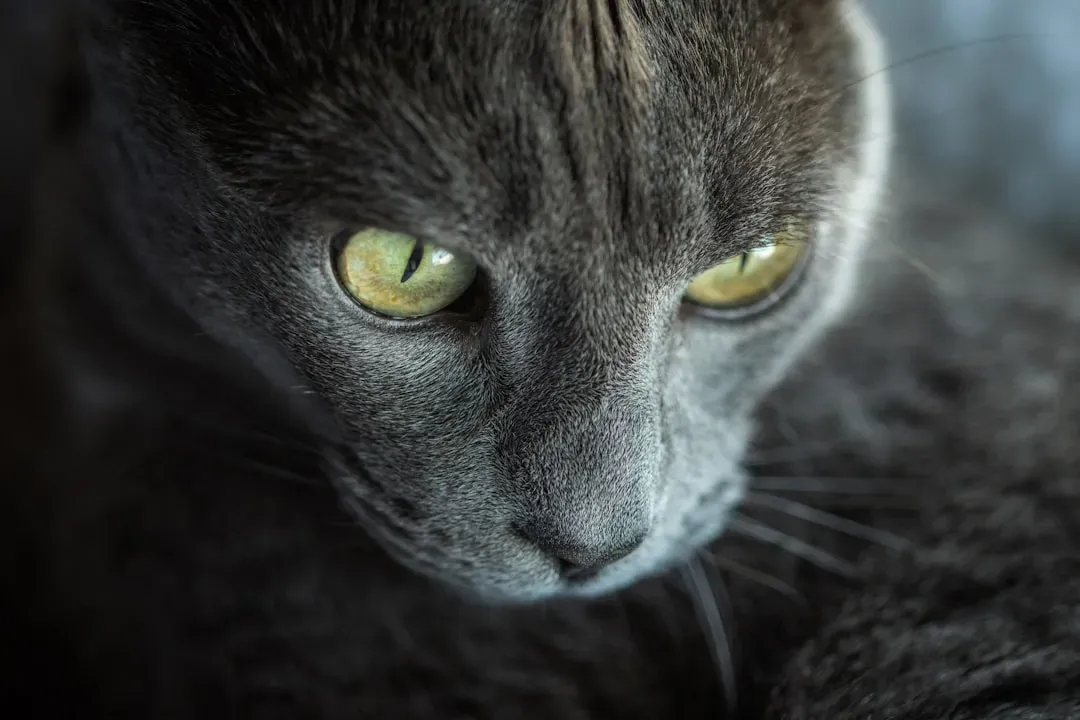
Animal domestication is considered a complex and multistage process that altered behaviorally, morphologically, and physiologically the domesticates relative to their wild ancestors. Domestication is an evolutionary process by which animals are artificially selected and undergo huge phenotypic behavioral and physiological alterations. Domestication wasn’t a simple matter of capturing wild animals and keeping them in pens. It required genetic changes over generations, environmental adaptations, and mutual behavioral shifts.
Animal domestication sheds light on evolution itself by showing what happens when selective forces on species evolution are dramatically modified, and at another level, it impacts human evolution itself, which is even more profound. Two thirds of the terrestrial vertebrate biomass on earth is made of domestic animals; humans representing the other third while wild animals only represent 3% to 5% of this terrestrial biomass. This staggering statistic reveals how profoundly we’ve reshaped the planet through our relationships with animals. We didn’t just change them. They changed us in return.
The Living Legacy: Animals in Modern Culture
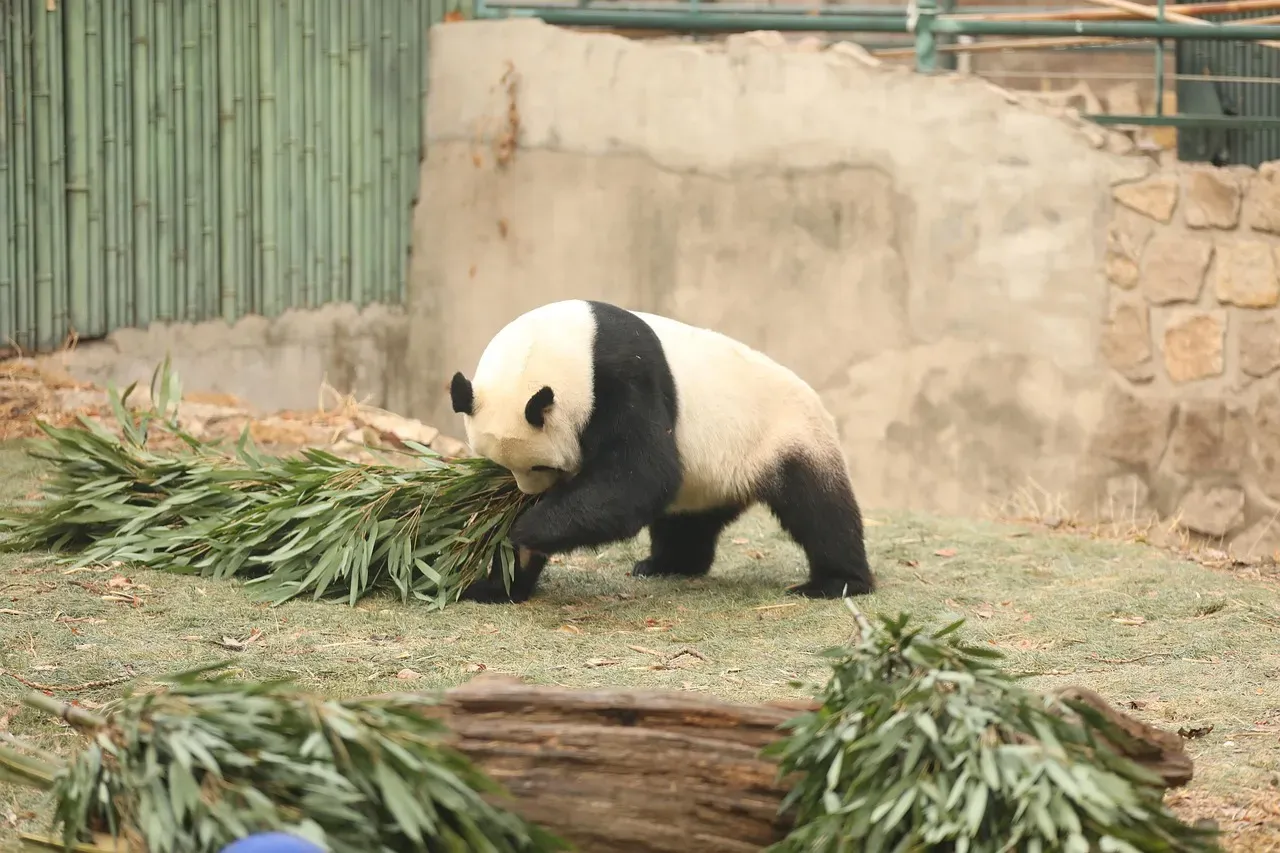
Wherever you go in the world, whatever ecosystem, whatever culture, people live with animals, and our cross-species connections might be older and more important than we ever imagined, running throughout human history. Today, animals remain central to human identity and culture, even as urbanization distances many of us from direct contact with livestock or wild creatures. We still use animal metaphors in daily speech, display animal symbols on flags and emblems, and tell our children stories featuring talking bears and wise owls.
Human evolution cannot be understood in isolation from the animals that have shaped our biological, technological, and cultural development, and our shared evolutionary history reminds us that human wellbeing remains inextricably linked to the wellbeing of the animals with whom we share this planet. The dog sleeping at your feet carries the genetic legacy of ancient wolves who chose partnership over solitude. The beef cattle grazing in distant fields descend from aurochs that helped build the first cities. These connections persist, invisible but unbreakable threads linking past to present.
Conclusion
The story of animals in human history isn’t really about animals at all. It’s about partnership, adaptation, and transformation. From the campfires of prehistoric hunters to the temples of ancient gods to the farms that fed growing civilizations, animals have been present at every pivotal moment. They’ve been our tools, our teachers, our symbols, and our companions.
The story of human evolution is, in many ways, a story of interspecies relationships – a narrative not just about becoming human, but about becoming human through our connections with countless other forms of life. We didn’t conquer nature or rise above it. We learned to work within it, alongside creatures that challenged us, sustained us, and ultimately transformed us into the complex beings we are today.
What animals have shaped your own life and culture? How do their ancient legacies still echo in the world around you?

- Why Wolves Were Reintroduced to Yellowstone - July 15, 2026
- The Resurgence of America’s Wild Horses: A Symbol of Freedom and Hope - July 15, 2026
- 10 Cat Breeds That Tolerate Dogs Surprisingly Well - July 15, 2026