
Ever wonder how life manages to thrive where it seems like nothing should survive at all? From scorching deserts that could fry an egg on the sand to polar wastelands where your breath freezes mid-air, our planet hosts some truly inhospitable places. Yet somehow, nature always finds a way. The creatures that call these extreme environments home aren’t just tough – they’re evolutionary masterpieces, equipped with adaptations so bizarre and brilliant they almost seem like science fiction.
These animals don’t just endure their harsh surroundings. They’ve actually evolved to excel in conditions that would spell instant doom for most other living things. Let’s dive into some of the most incredible survival stories the animal kingdom has to offer.
1. The Wood Frog’s Freeze-and-Thaw Superpower
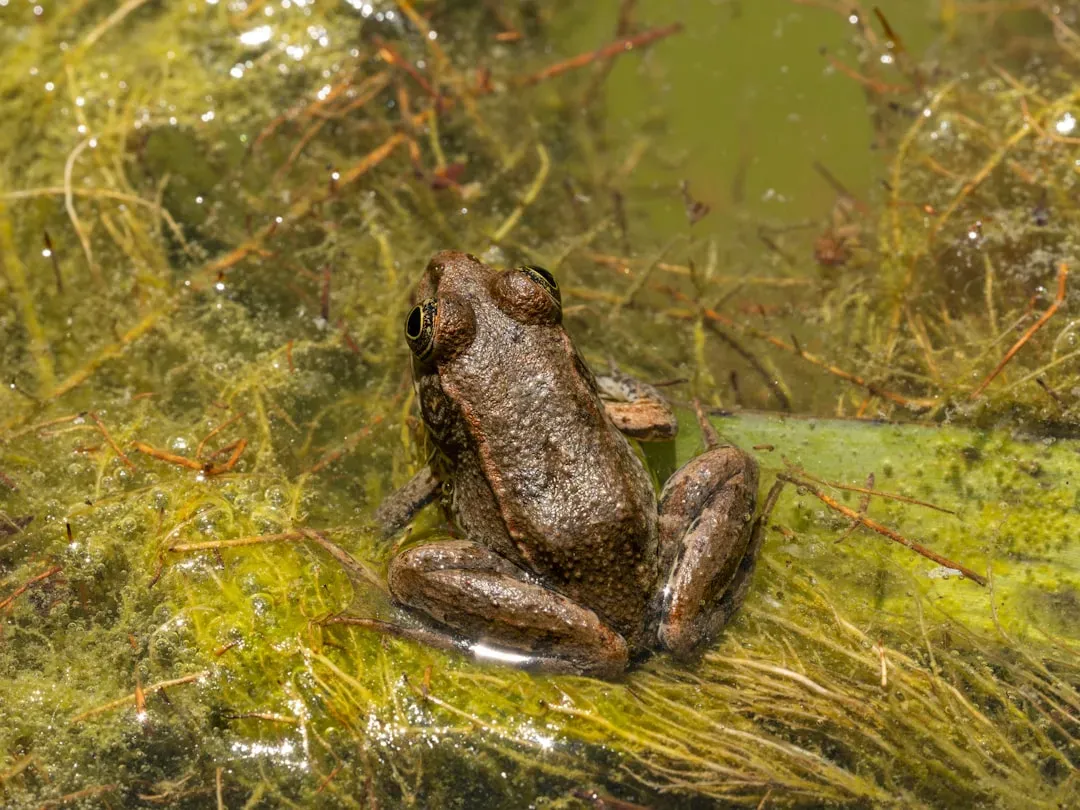
When temperatures grow chilly, the wood frog adapts by letting itself freeze, remaining in a unique form of suspended animation until the spring thaw. Honestly, it sounds like something straight out of a cryogenic fantasy, but this little amphibian actually allows ice crystals to form throughout its body. Its heart stops beating. Its breathing ceases entirely.
The wood frog of North America can actually freeze and thaw with the seasons, surviving even when its heart stops for weeks. What’s the secret behind this bizarre trick? Special proteins and glucose flood the frog’s cells, acting like a natural antifreeze that prevents the cells themselves from rupturing when ice forms around them. It’s like the frog hits the pause button on life itself.
Come springtime, the ice melts, the heart starts pumping again, and the frog hops away as if nothing happened. Imagine being able to literally freeze solid during winter and wake up perfectly fine months later. Evolution really outdid itself with this one.
2. Tardigrades: The Indestructible Water Bears
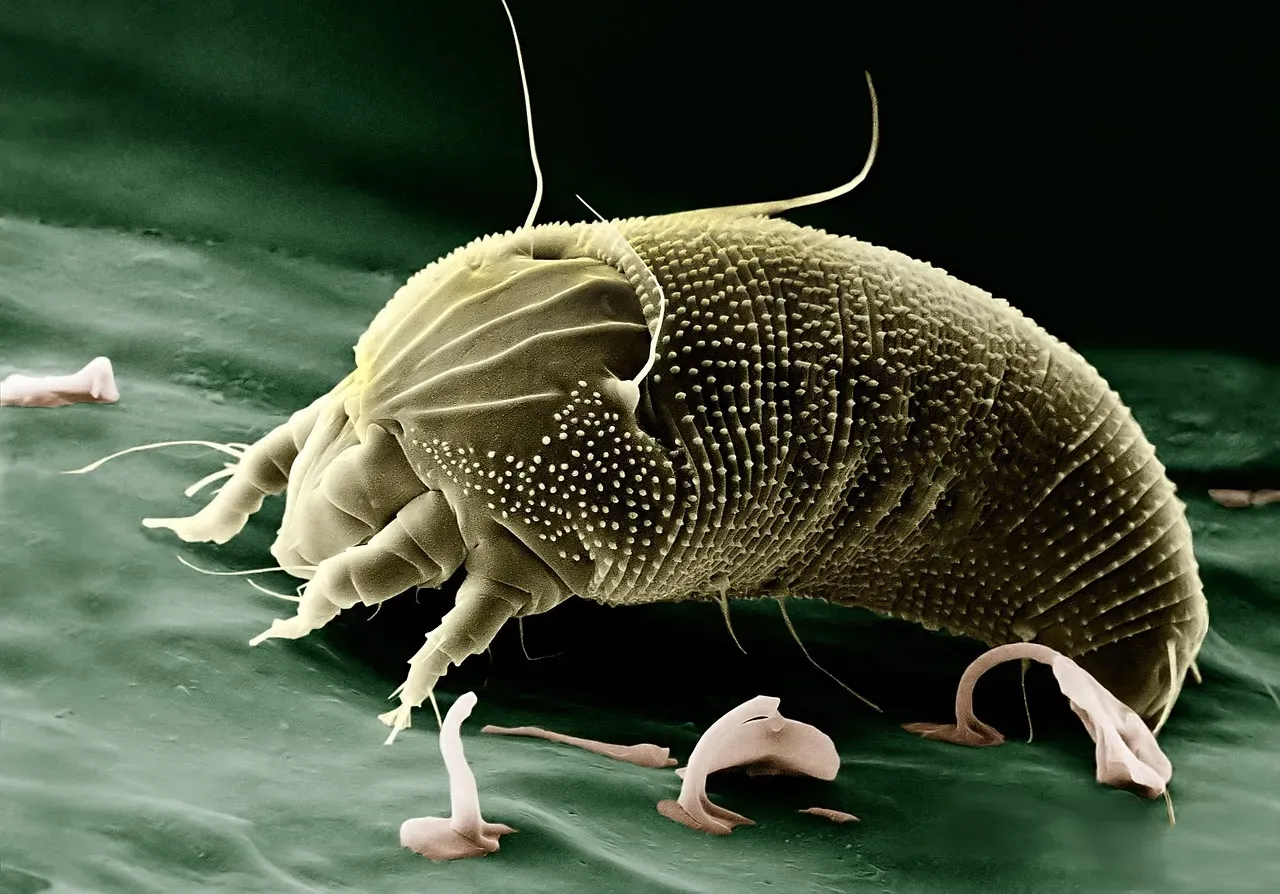
These bizarre eight-legged creatures have been found in deserts, glaciers, and hot springs and at the top of the world’s highest mountains. If there’s one animal that deserves the title of ultimate survivor, it’s the tardigrade. These microscopic creatures look like chubby little bears under a microscope, but don’t let their cute appearance fool you.
They can survive in extreme heat (above 300 degrees Fahrenheit) and extreme cold (close to absolute zero), can withstand high levels of radiation, and can go without food or water for more than 10 years by entering a state called cryptobiosis. When conditions get tough, tardigrades basically shut down all their biological processes and wait it out. They can remain in this condition for decades and still return to active life when exposed to water.
There might even be tardigrades chilling on the Moon right now after a spacecraft carrying them crashed there. These creatures have survived the vacuum of space, which is frankly terrifying and impressive in equal measure.
3. Emperor Penguins and Their Huddle Strategy
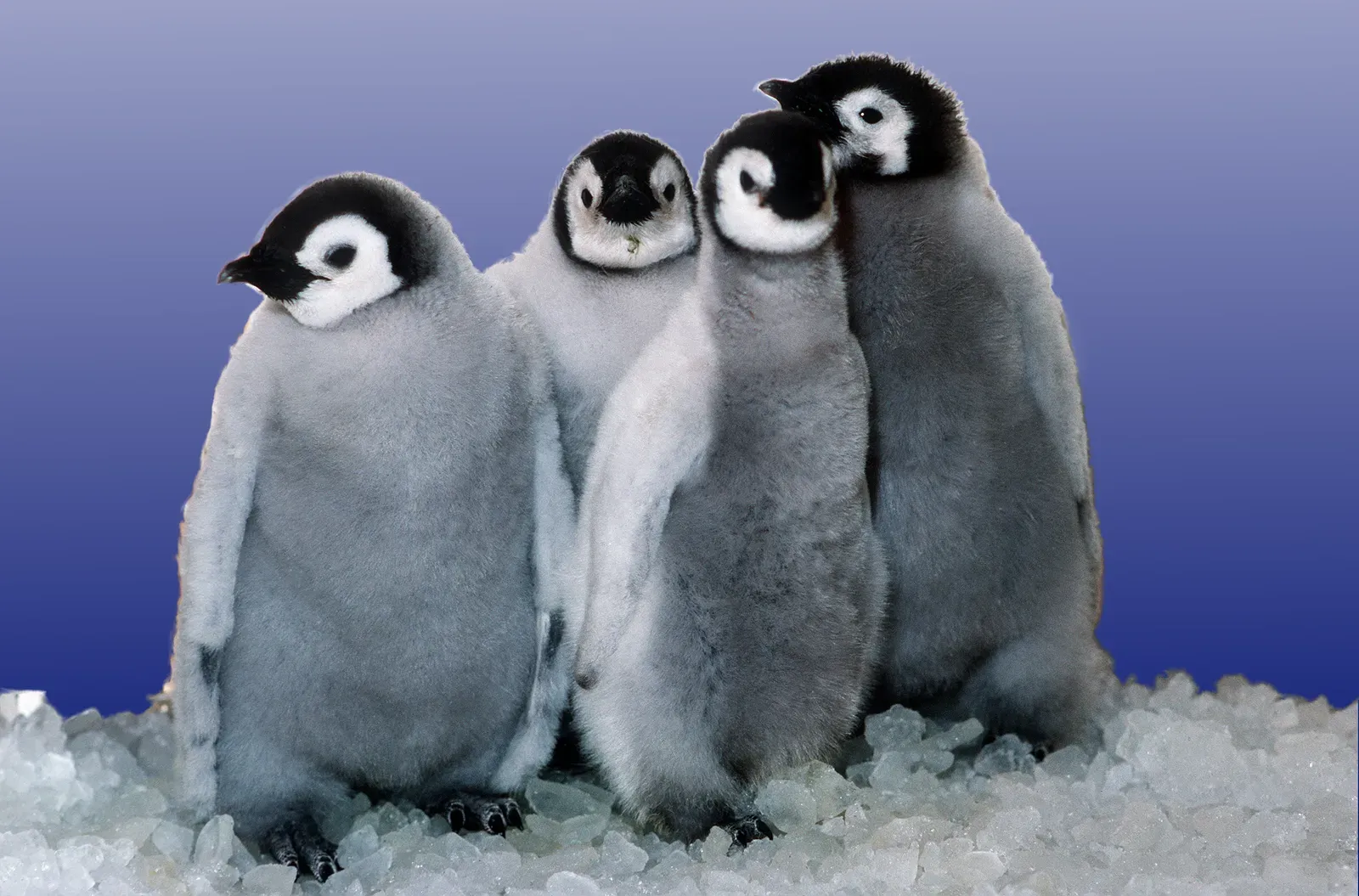
These hardy flightless birds spend the mating season in Antarctica, where temperatures routinely drop to −40 °F (−40 °C). The colony survives such life-threatening cold by gathering together in a huge group to share warmth and minimize individual exposure to the elements. Let’s be real – trying to raise chicks in Antarctica during winter might be the most hardcore parenting challenge on the planet.
At regular intervals, the penguins at the outer fringes of the huddle are brought into the middle so every member is given the opportunity to warm up. This rotation system is pure genius. Nobody gets stuck on the freezing edges permanently, and the collective warmth of thousands of birds creates a surprisingly toasty microclimate in the center of the huddle.
Overlapping feathers create a surface that is almost impenetrable to wind or water. The greasy layer over their feathers provides waterproofing; this is critical to penguins’ survival in Antarctic waters, which can drop to -2.2ºC (28ºF). Insulation is provided in two ways–tufts of down on shafts below the feathers trap air and a well-defined fat layer provides further insulation. Their bodies are basically living winter coats. The combination of physical adaptations and social cooperation makes Emperor penguins one of nature’s most remarkable success stories.
4. The Pompeii Worm’s Love Affair with Lava-Hot Water
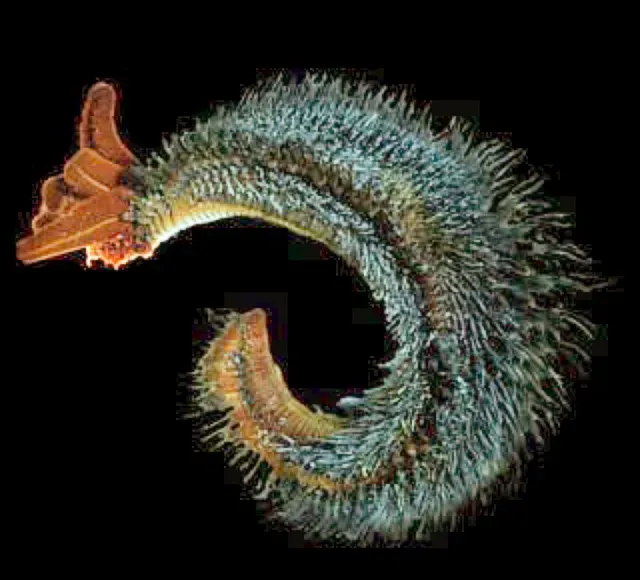
In 1997, nearly 21 years after the discovery of the first hydrothermal vent system, marine biologist Craig Cary and colleagues identified the most heat-tolerant animal on Earth – Alvinella pompejana, the Pompeii worm. Pompeii worms were initially discovered by French researchers in the early 1980’s and are described as deep-sea polychaetes that reside in tubes near hydrothermal vents along the seafloor. Picture living next to an underwater volcano that constantly belches superheated, toxic water. Sounds awful, right?
Their tail end is often resting in temperatures as high as 176º F, while their feather-like head sticks out of the tubes into water that is a much cooler 72º F. That’s a temperature gradient of over 100 degrees Fahrenheit across a single worm’s body. The rear end of the species likely experiences extreme heat while the front end experiences extreme cold, making it the most eurythermal (capable of surviving a wide range of temperatures) species on earth.
Living in a symbiotic relationship, the worms secrete mucous from tiny glands on their backs to feed the bacteria, and in return they are protected by some degree of insulation. The bacteria covering their backs act like a fuzzy blanket, helping regulate the otherwise lethal heat. A fleece-like layer of bacteria helps insulate these worms from the extreme temperatures and redistributes the heat to keep the animals cool. Talk about having good neighbors.
5. Camels: Desert’s Water-Hoarding Champions
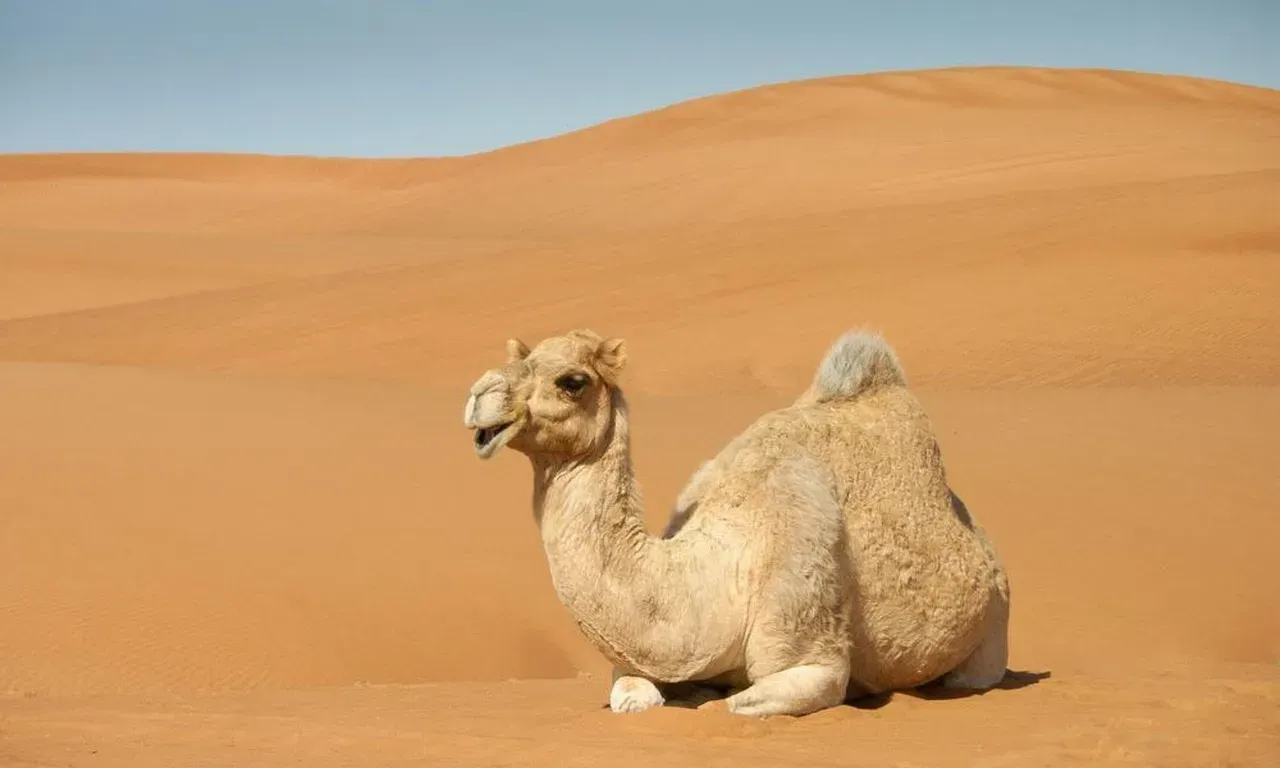
They can drink up to 30 gallons of water at once and can lose up to 30% of their body weight in water without suffering the ill effects of dehydration. Their body temperatures can fluctuate between 95 and 107 degrees Fahrenheit, and their humps store fat which can be broken down into water and energy when food and water are scarce. Camels are basically the ultimate desert survival machines, and nearly everything about their bodies reflects this specialization.
Some species, like the camel, have developed efficient water conservation mechanisms, such as highly concentrated urine and nasal passages that trap moisture from exhaled air. They’re so good at conserving water that they barely lose any through normal bodily functions. Their kidneys work overtime to reclaim every possible drop.
Camels famously store fat in their humps, which they can break down into water and energy during long, dry stretches. Contrary to popular belief, those humps don’t store water directly – they store fat that gets metabolized when needed. Still, the ability to go for extended periods without drinking in desert heat that would kill most mammals is nothing short of miraculous. Their tolerance for dehydration would be fatal for humans, but for camels, it’s just another Tuesday in the desert.
6. Arctic Foxes and Their Extreme Cold Adaptations
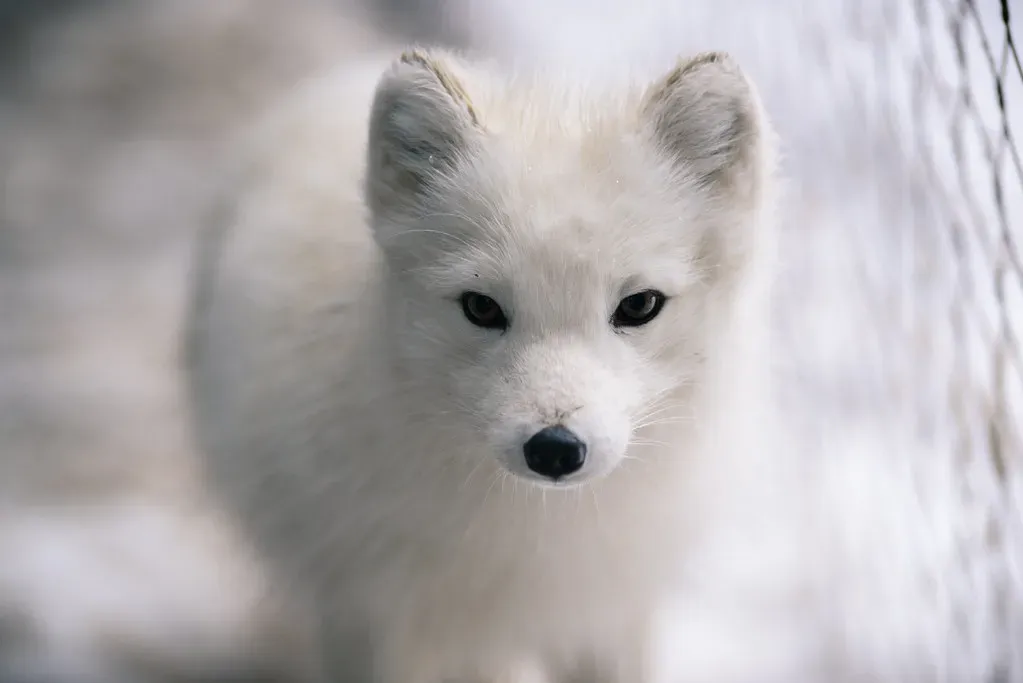
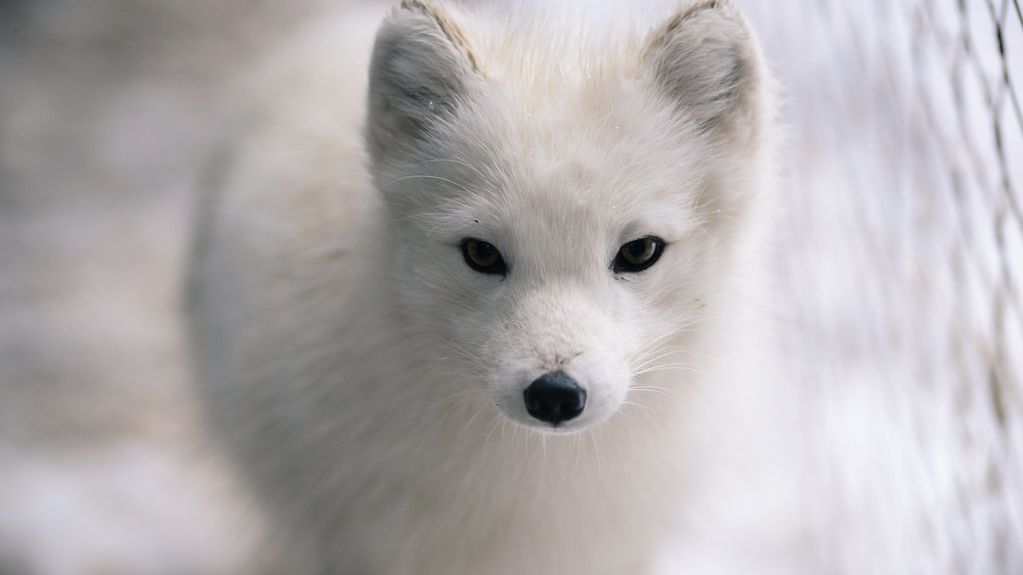
The Arctic fox is a small mammal native to the region, living in the Arctic tundra. It is known for its thick, insulating coat, which changes colour with the seasons – white in winter to blend in with the snow and brown or grey in summer to match the landscape. Honestly, if I had to pick one animal that perfectly embodies Arctic survival, it would be the Arctic fox.
The exceptional insulation value of Arctic fox fur has been measured at twice that of polar bear fur, despite polar bears being much larger animals typically requiring less relative insulation. Their fur is so effective that they can comfortably handle temperatures well below freezing without breaking a sweat. Arctic foxes exhibit a compact body morphology that reduces heat loss through several mechanisms. This morphological adaptation represents Allen’s Rule – the principle that animals in colder climates tend to have shorter appendages to reduce heat loss from extremities.
Short ears, short legs, short snout – everything about their body shape is designed to minimize exposed surface area. Less surface area means less heat escapes. The Arctic fox also has fur-covered foot pads that let it walk on ice without freezing. It’s hard to say for sure, but these little predators might be the most thermally efficient mammals on the planet.
7. Saharan Silver Ants: Speed Demons of the Desert
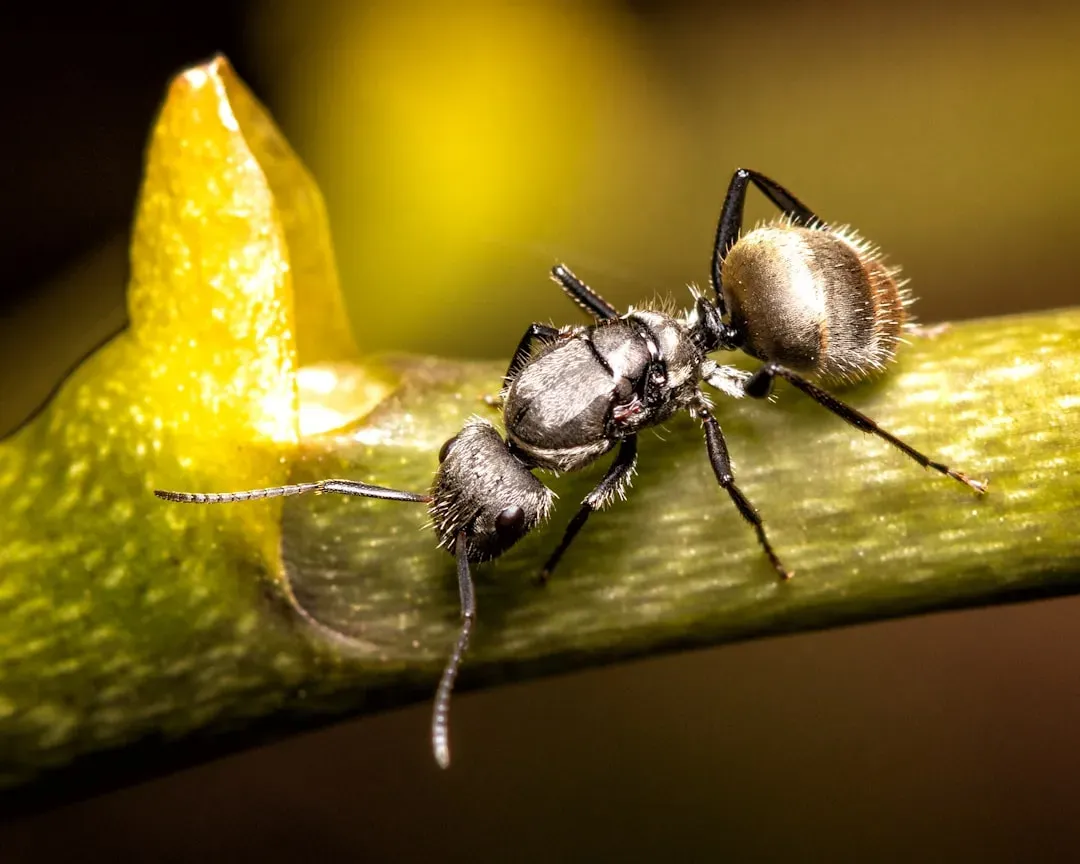
The Saharan silver ant, for instance, can survive in blistering temperatures that would kill most creatures. They have special proteins in their bodies that prevent their cells from breaking down in the heat. These ants have one of the most extreme lifestyles imaginable – they only venture out during the absolute hottest part of the day when the sand can literally cook other animals alive.
Why would they do something so seemingly reckless? Because at those temperatures, their predators are hiding in the shade, unable to function. The Sahara Desert Ant (Cataglyphis bicolor ) is a subspecies of ant that has adapted to live in the extreme Sahara Desert climate surviving the extreme heat with limited food and no water for long periods of time. They dart across the scorching sand on incredibly long legs that keep their bodies elevated above the hottest surface layer.
Their entire foraging trip lasts only minutes because even they can’t tolerate that heat for long. They memorize their route using the sun’s position and internal pedometers, then race back to their burrows before they literally overheat. It’s like watching a high-stakes heist, except the prize is food and the cost of failure is death by cooking.
8. Jerboa: The Desert’s Kangaroo Mouse That Never Drinks
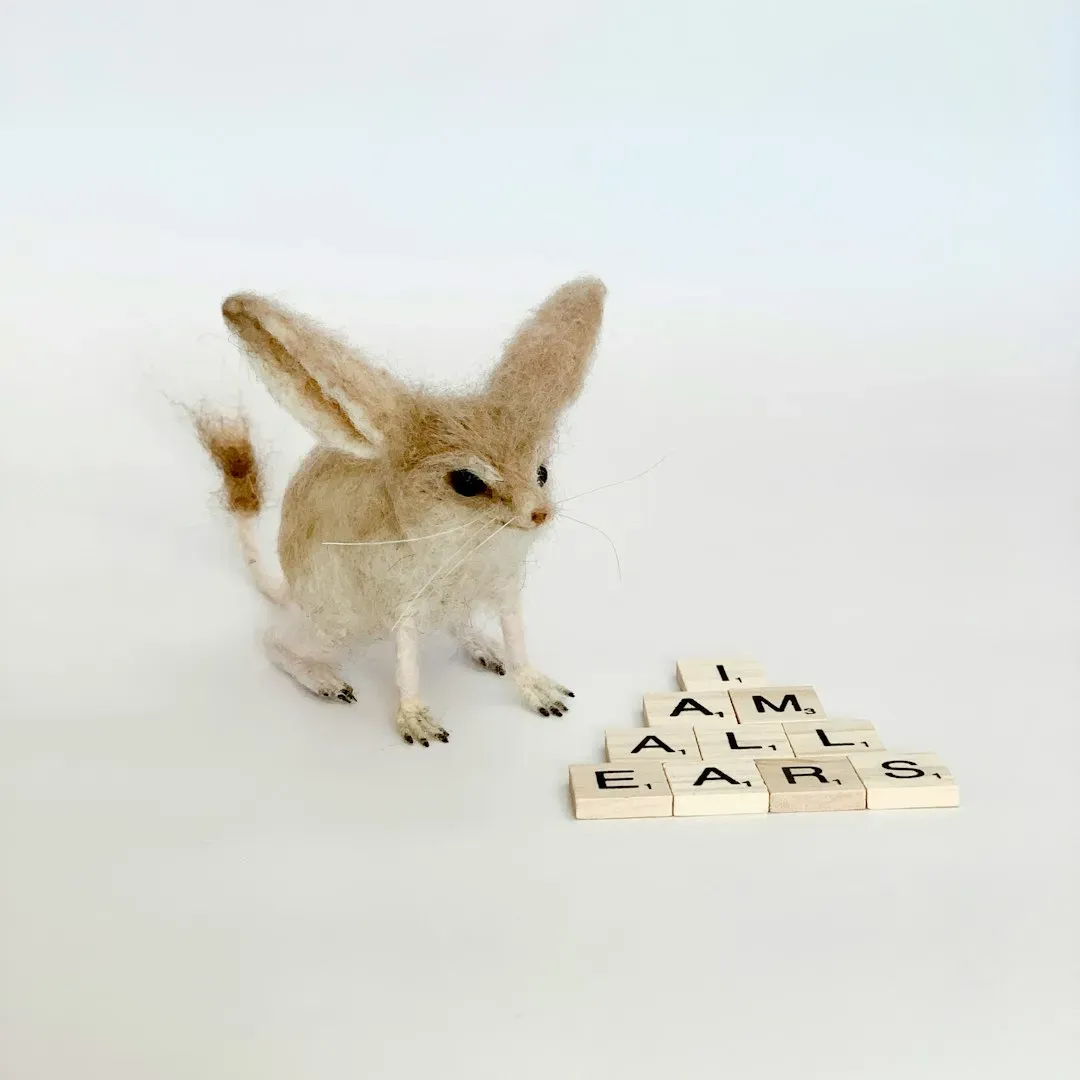
One of the most astonishing jerboa facts is that they never need to drink water directly. Their specialized kidneys and digestive systems extract all necessary moisture from their food sources. This adaptation allows them to live in areas where surface water may not exist for months, even years. By minimizing water loss through concentrated urine and dry feces, jerboas conserve every drop of moisture they can. Imagine never needing to drink water in your entire life. Sounds impossible, right?
It often favors arid sandy habitats such as the Gobi Desert, where temperatures may fall to near zero during the cold of winter, and the Sahara Desert, where temperatures may rise to more than 130 degrees Fahrenheit in the heat of summer. Foraging primarily at night, the jerboa eats plants, seeds and insects, depending on its food to meet its need for water. It may never actually drink free water throughout its life. These little hoppers get every bit of moisture they need from the seeds and plants they eat.
The jerboa uses its long ears, like the elephant does, to release heat, vital in the high temperatures of its habitat. Those comically oversized ears aren’t just for show – they’re heat radiators that help dump excess body heat. Jerboas are nocturnal animals, meaning they emerge only at night. When the desert cools, they begin their nightly foraging. They rely on their big ears and sharp vision to detect predators and prey in the darkness. Their kangaroo-like hopping lets them cover ground quickly while minimizing contact with hot sand.
During the day, they seal themselves inside burrows to trap moisture and stay cool. Everything about their biology screams efficiency and adaptation.
9. Polar Bears: Ice Kings with Black Skin
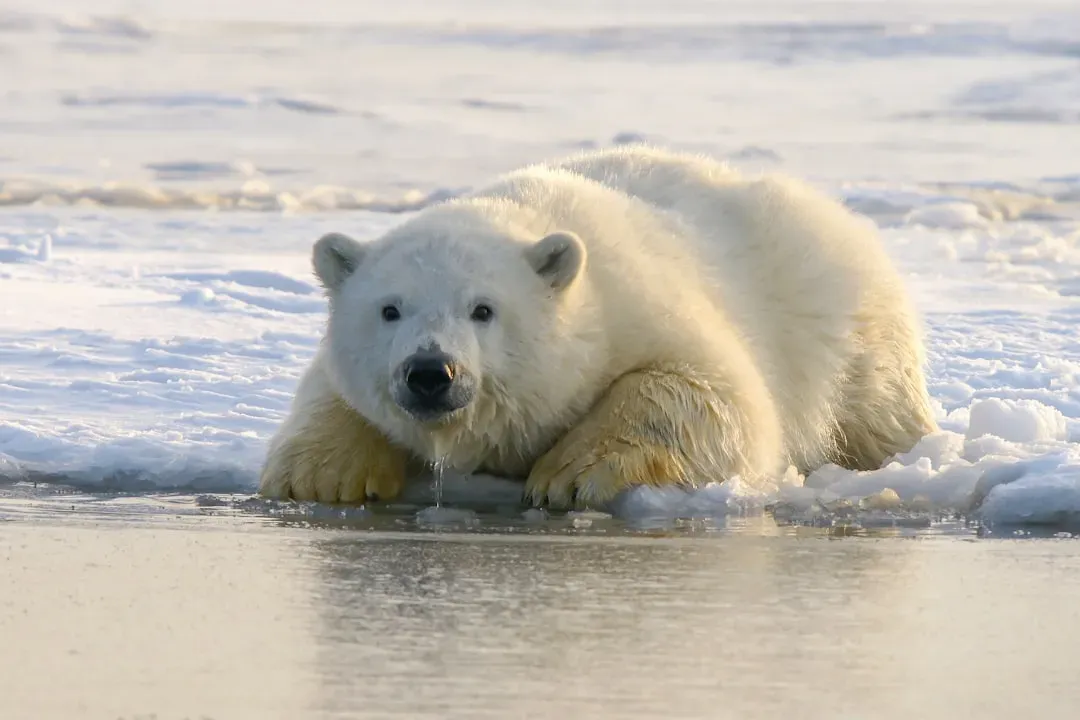
An iconic symbol of the Arctic, polar bears are the largest land carnivores in the world. They have thick, white fur that provides both insulation against the extreme cold and camouflage in the snow. Underneath their fur, they have black skin that absorbs heat from the sun and a thick layer of blubber to keep them warm. Here’s the thing about polar bears – they’re not actually white. Their fur is transparent, and each hair is a hollow tube that reflects light, making them appear white.
Polar animals possess thick layers of fat for insulation against freezing temperatures. That blubber layer can be several inches thick and acts like a wet suit, trapping heat and providing buoyancy when they swim through icy Arctic waters. Polar bears primarily hunt seals, waiting by breathing holes to catch their prey. They’re ambush predators, capable of sitting motionless for hours in temperatures that would kill most mammals.
What’s really clever is how their black skin underneath all that fur absorbs solar radiation, turning sunlight into precious warmth. Between their insulation, their size, and their behavioral adaptations, polar bears are supremely engineered for one of Earth’s most hostile environments. Though sadly, climate change is making that environment increasingly difficult even for these apex predators.
10. Fennec Foxes: Ears That Double as Air Conditioners
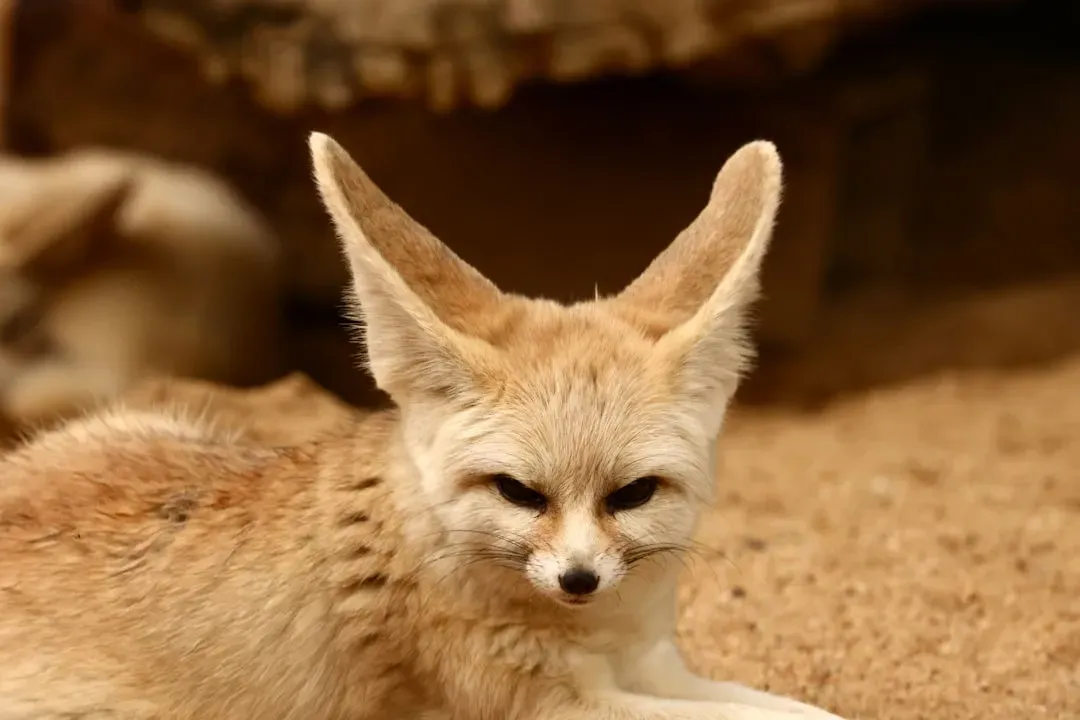
Others, like the Fennec fox, have large ears that dissipate heat and aid in thermoregulation. If you’ve ever seen a fennec fox, you probably wondered how it doesn’t tip over with those absolutely massive ears. Those ears aren’t just adorable – they’re critical survival equipment for life in the Sahara Desert.
It has large ears to dissipate heat and a thick fur coat that helps to insulate it during cold desert nights. The fennec fox can survive without free-standing water – it obtains its water requirements from the food it consumes. Like many desert animals, fennec foxes have mastered the art of water conservation. They get everything they need from their prey and plant matter, and their kidneys are extraordinarily efficient at concentrating urine.
Additionally, nocturnal behavior is common among desert animals, allowing them to avoid the scorching heat of the day. By staying underground during the blazing daylight hours and emerging only at dusk, fennec foxes avoid the worst of the desert heat. Their ears, packed with blood vessels, radiate excess heat like biological cooling towers. When you combine their behavioral patterns with their physical adaptations, you get a creature perfectly tuned to thrive where water is scarce and temperatures swing wildly between day and night.
Conclusion
The natural world never ceases to amaze when you look at how life adapts to the impossible. From frogs that freeze solid to worms that cuddle up to underwater volcanoes, these animals prove that evolution is the ultimate problem solver. Each adaptation tells a story of millions of years of trial and error, of survival against absurd odds, of nature’s refusal to give up even in the most punishing environments on Earth.
These creatures aren’t just surviving – they’re thriving in places where we couldn’t last a day without serious technology. They remind us that life is far more resilient and creative than we often give it credit for. Next time you’re complaining about the weather being too hot or too cold, just remember: somewhere out there, a tardigrade is casually surviving temperatures that would instantly kill you, and it’s been doing so for over half a billion years.
What do you think is the most incredible adaptation? Tell us in the comments.
