
Have you ever stopped to wonder what a bird is really saying when it chirps at dawn? Or how wolves coordinate their hunting strategies without a single word? The natural world is filled with conversations happening all around us, yet most of these exchanges remain invisible, inaudible, or completely beyond our human senses. From vibrations traveling through the earth to light signals we can’t even perceive, animals have developed communication systems that make our own methods look surprisingly limited.
Let’s be real, the animal kingdom has been perfecting the art of conversation for millions of years. Some methods are so bizarre and ingenious that scientists are still trying to figure them all out. Ready to discover just how creative nature can be?
Elephant Seismic Rumbles Through the Ground
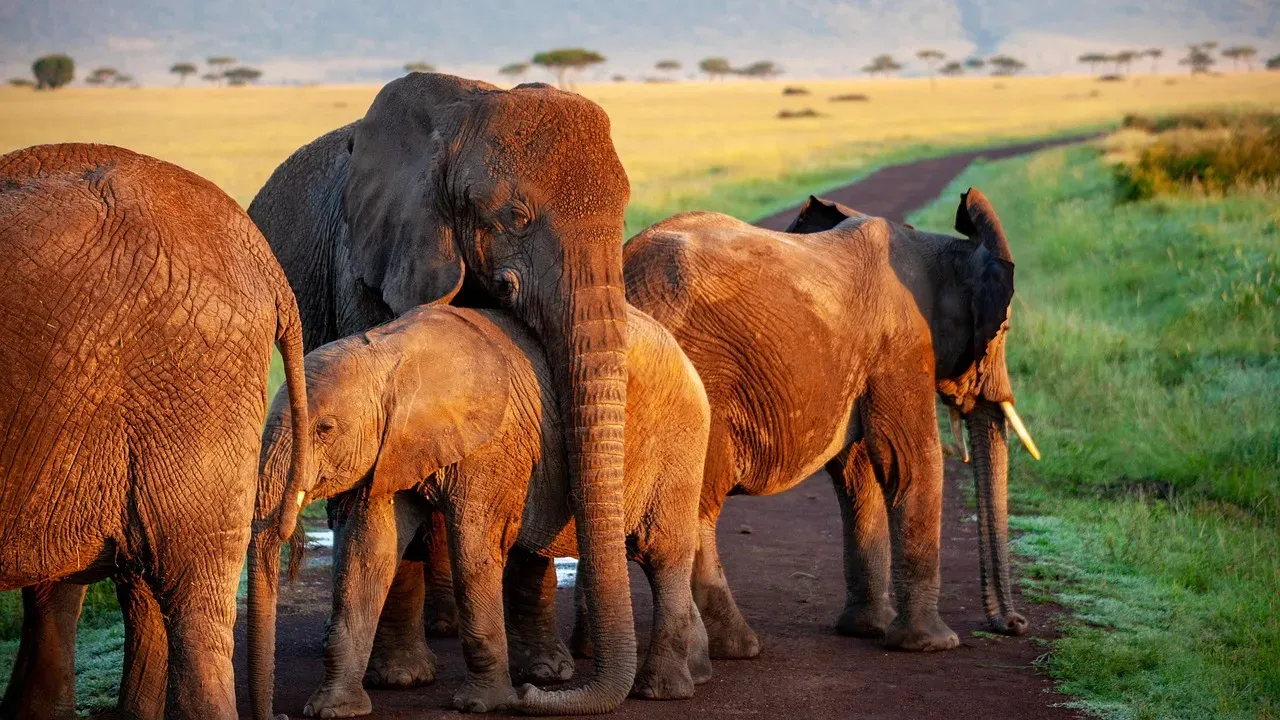
Elephants can use seismic vibrations at infrasound frequencies for communication, with these vibrations detected by the skin of an elephant’s feet and trunk, which relay the resonant vibrations similar to the skin on a drum. When you see elephants standing perfectly still, lifting one foot off the ground, they’re not just resting. They’re listening to messages traveling through the earth itself.
Vibrational waveforms produced by locomotion appear to travel at distances of up to 32 km while those from vocalizations travel 16 km. Think about that for a moment. These massive creatures can send warnings about predators or coordinate family movements across distances that would take you half an hour to drive.
What makes this even more fascinating is how sophisticated the system really is. For African elephants, calls range from 15–35 Hz and can be as loud as 117 dB, allowing communication over many kilometers. The sound couples with the ground and travels as Rayleigh waves, a type of seismic wave that moves along the earth’s surface.
Honestly, it’s like they’ve built their own underground telegraph system. When detecting the vibrational cues of an alarm call signaling danger from predators, elephants enter a defensive posture and family groups will congregate. Nature equipped these giants with built-in sensors that would make any tech company jealous.
Prairie Dog Descriptive Alarm Calls
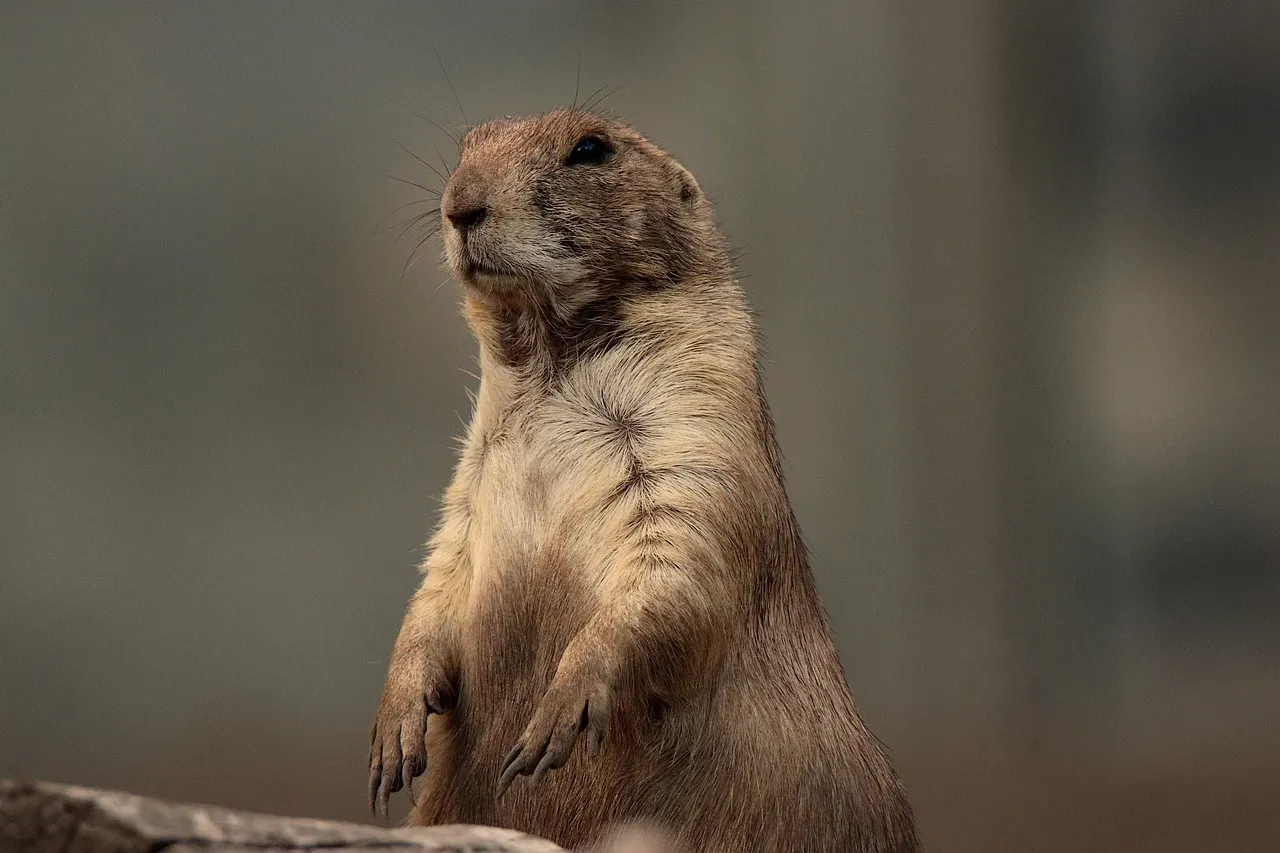
Prairie dogs have one of the most complex communication systems in the animal kingdom, and they are able to communicate an animal’s speed, shape, size, species, and for humans specific attire and if the human is carrying a gun. This isn’t just a simple warning whistle. These little rodents are essentially broadcasting detailed news reports to their entire colony.
The sophistication is genuinely mind-blowing. They don’t just say “danger approaching.” One researcher found that prairie dogs can vary their calls depending on which specific human they saw. Imagine being able to describe to your neighbors not just that a stranger is coming, but what color shirt they’re wearing and whether they look friendly or threatening.
This method of communication is usually done by having a sentry stand on two feet and surveying for potential threats while the rest of the pack finds food, and once a threat has been identified the sentry sounds a whistle alarm, sometimes describing the threat, at which point the pack retreats to their burrows, with the intensity of the threat usually determined by how long the sentry whistles. It’s like having a neighborhood watch system where the guard can tell you exactly what kind of trouble is heading your way.
I know it sounds crazy, but these creatures have essentially developed their own descriptive language. Scientists continue studying their calls to unlock even more details about this remarkable communication network.
Tarsier Ultrasonic Secret Frequencies
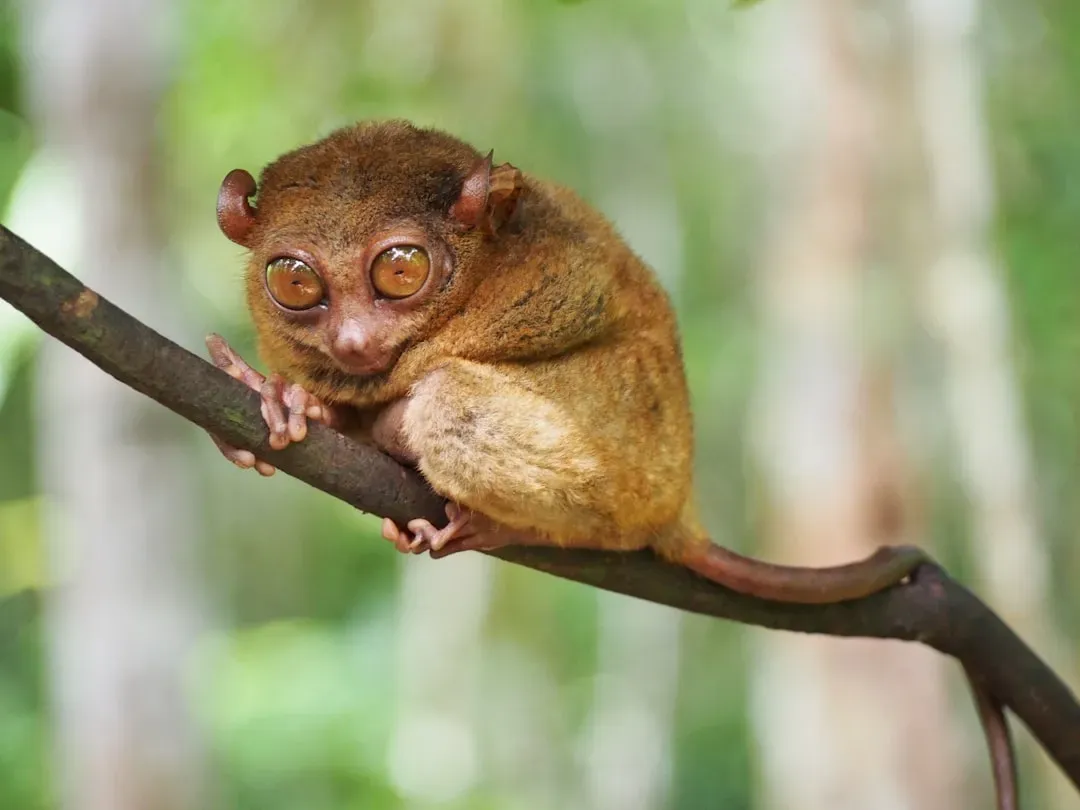
Small primates with enormous eyes have figured out how to have completely private conversations. Tarsiers living in Southeast Asia communicate at ultrasound frequencies over 20,000 Hertz that are far too high-pitched for the human ear to detect, with scientists recording their vocalizations at 70,000 Hertz, which is believed to help them communicate over the jungle noise and out of range of predators.
Picture living in a dense jungle where sounds from hundreds of species create constant background noise. These tiny primates needed a solution that would cut through all that chaos. Their answer? Simply move the conversation to a frequency range that most other animals, including their predators, cannot access.
It’s hard to say for sure, but this might be one of the most strategic communication adaptations in the primate world. It’s like a private chat that prey and predator are unable to localize. They can warn each other of danger without alerting the very threat they’re trying to avoid.
The fact that these creatures are among the smallest primates yet possess such a sophisticated communication system really challenges our assumptions. Sometimes the tiniest voices carry the most innovative messages.
Sperm Whale Name Tags and Dialects
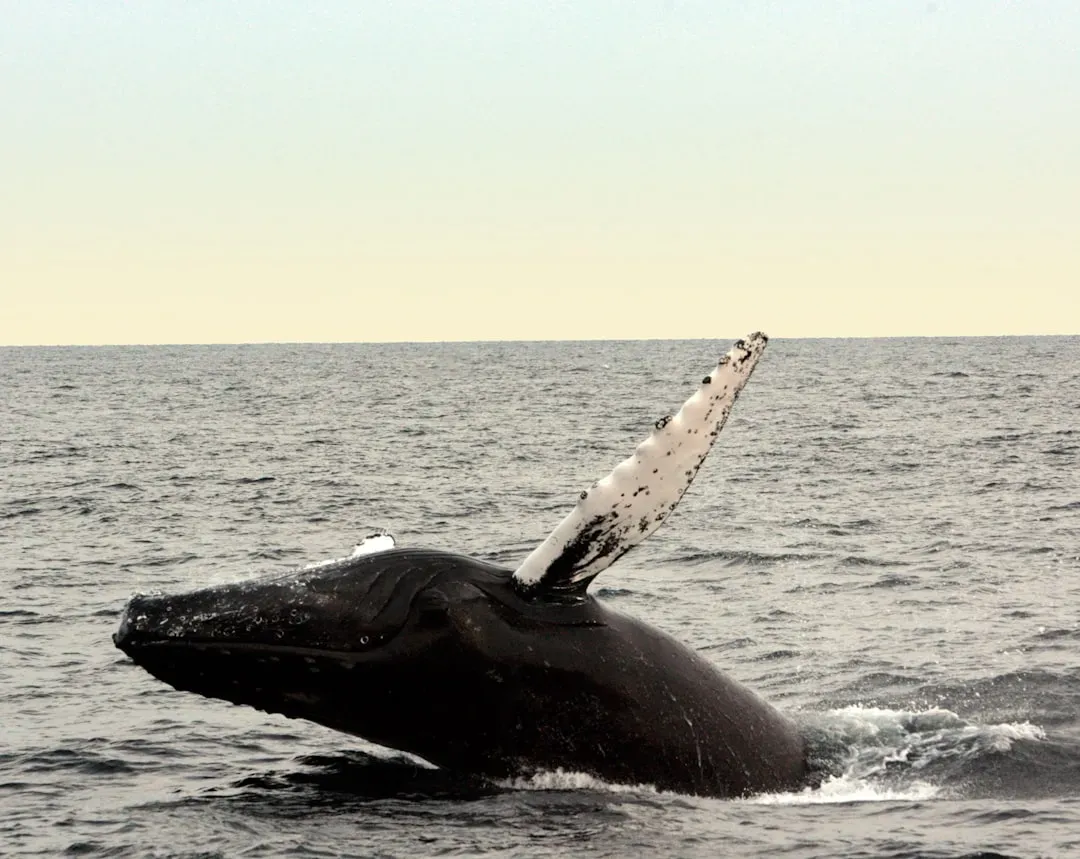
Individuals in cozy nuclear families use a unique combination of clicks, a coda, as an audible name tag. Sperm whales don’t just communicate with random clicking sounds. They’ve essentially invented their own naming system, something scientists previously thought was uniquely human.
Sperm whales use clicking sounds known as codas to convey information to one another, and those in different areas of the ocean use different clicking patterns, sort of like regional dialects. Caribbean sperm whales sound different from those swimming in other parts of the world. It’s remarkably similar to how humans from different regions develop distinct accents and ways of speaking.
What really gets me is how they use these codas in layers. Whales also use family calls that all members share, and broader call signs that are handy when separate groups meet and need to rep their hood. They have individual names, family identifiers, and regional markers all built into their communication system.
This level of complexity suggests that whales have rich social structures we’re only beginning to understand. Every time researchers decode more of these underwater conversations, it becomes clearer just how intelligent these ocean giants truly are.
Mantis Shrimp Polarized Light Signals
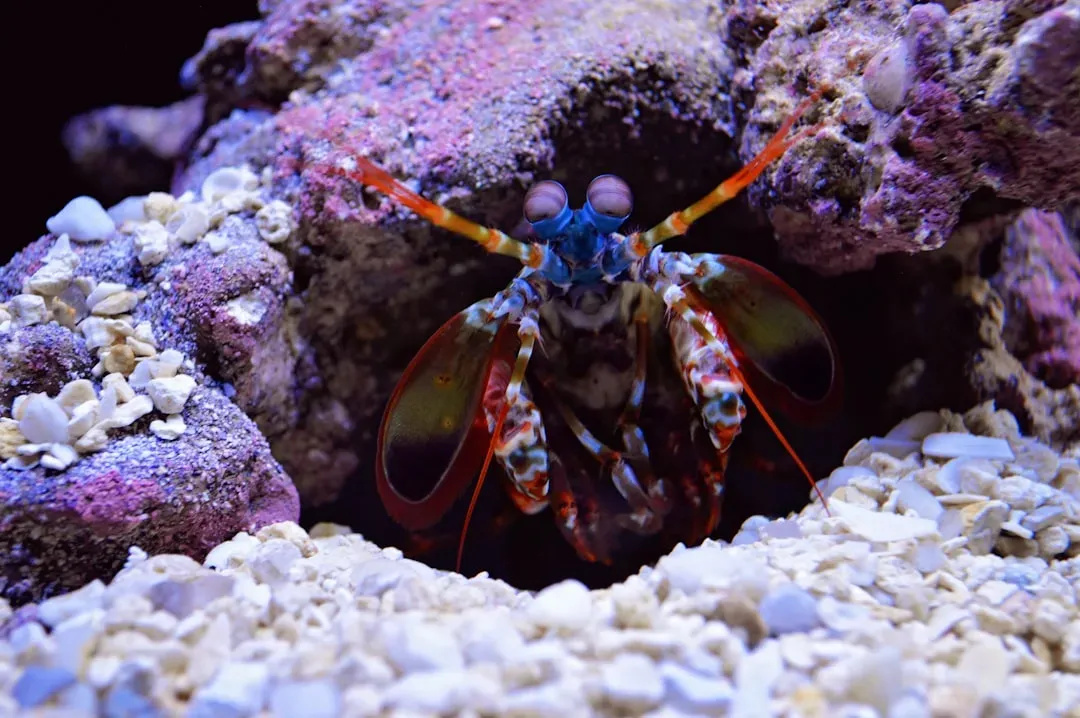
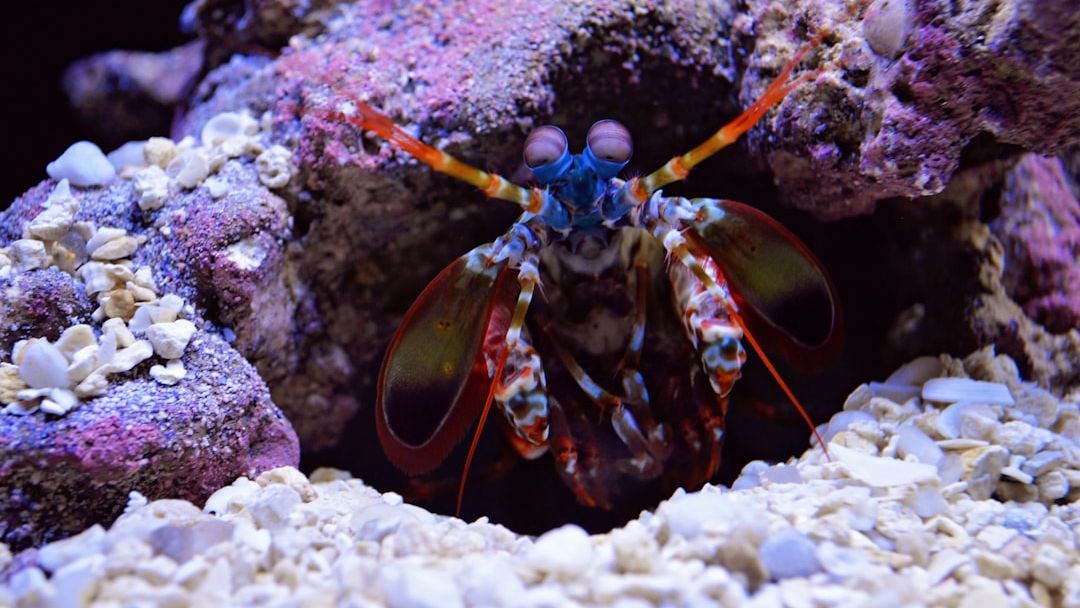
Mantis shrimp have impressively complex eyesight with 16 color receptors compared to our measly three, and they use their own bodies to communicate using polarized light that other animals cannot spot, bouncing light off blue spots on their appendages called maxillipeds, scattering and arranging light across the surface in ways that can convey information. This is essentially a secret light language invisible to most of the underwater world.
Let’s be real, if you thought your smartphone screen was advanced, mantis shrimp were doing sophisticated light manipulation millions of years before humans even existed. They’re having entire visual conversations that happen right in front of other sea creatures who remain completely oblivious.
The polarized light signals serve multiple purposes, from territorial displays to mating communications. What makes this particularly clever is that predators swimming nearby can’t intercept these messages. It’s like having an encrypted messaging system built directly into your biology.
The level of visual sophistication these creatures possess continues to astound marine biologists. Their eyes are considered among the most complex in the entire animal kingdom, and we’re still discovering new ways they use their extraordinary vision.
Honeybee Waggle Dance Navigation
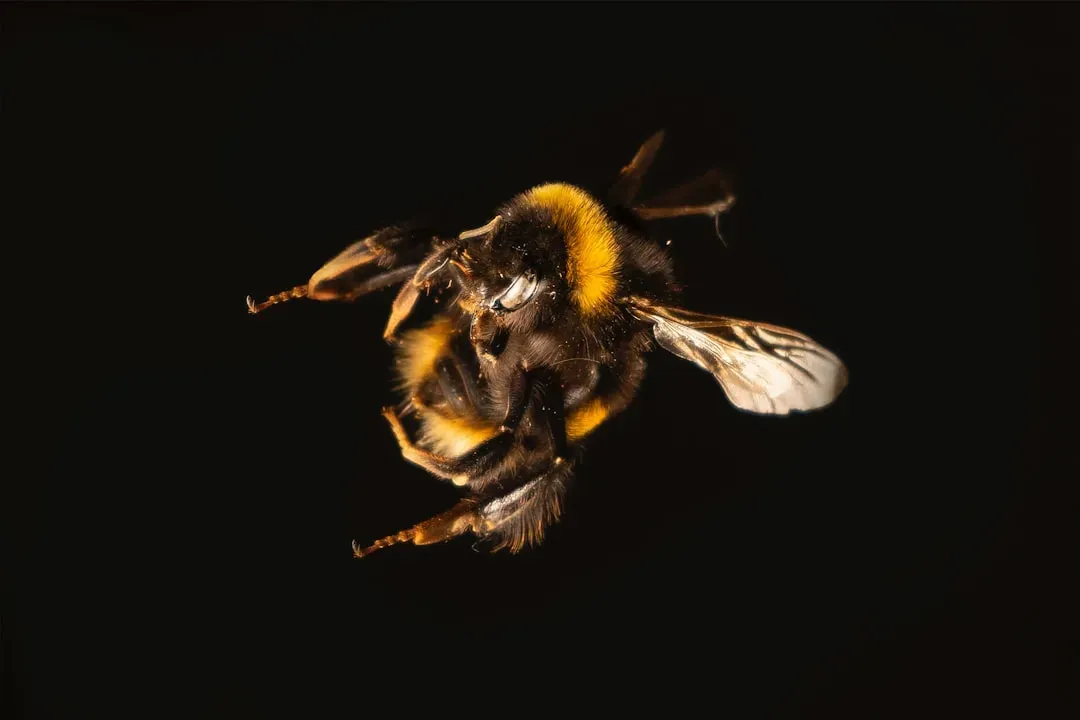
Frisch observed bees waggling inside their hives, a dance of sorts, which he concluded informs other bees as to the direction and distance to food sources. This isn’t just random movement. It’s a precisely choreographed performance that contains detailed geographic information.
When a bee discovered a food source, it would head to the hive and perform a dance, and during the dance, other bees touched its abdomen, communicating to the other bees where to find the food without having to be shown, with the direction and speed of the dance indicating specific geolocation details. They’re essentially giving GPS coordinates through interpretive dance.
Think about how remarkable this is. A bee flies out, finds flowers loaded with nectar maybe several kilometers away, returns home, and then performs a dance that tells her sisters exactly which direction to fly, how far to go, and even the quality of the food source. In 1973, Karl Von Frisch won the Nobel Prize partly for his work on bee communication.
Honey bees learn to communicate with each other in much the same way humans do, and studies have shown that if a baby doesn’t hear enough spoken language before the age of one, they’ll struggle with spoken language for the rest of their life. Young bees actually learn this dance language from older colony members, which means there’s a cultural transmission happening inside the hive.
White Rhino Communal Dung Message Boards
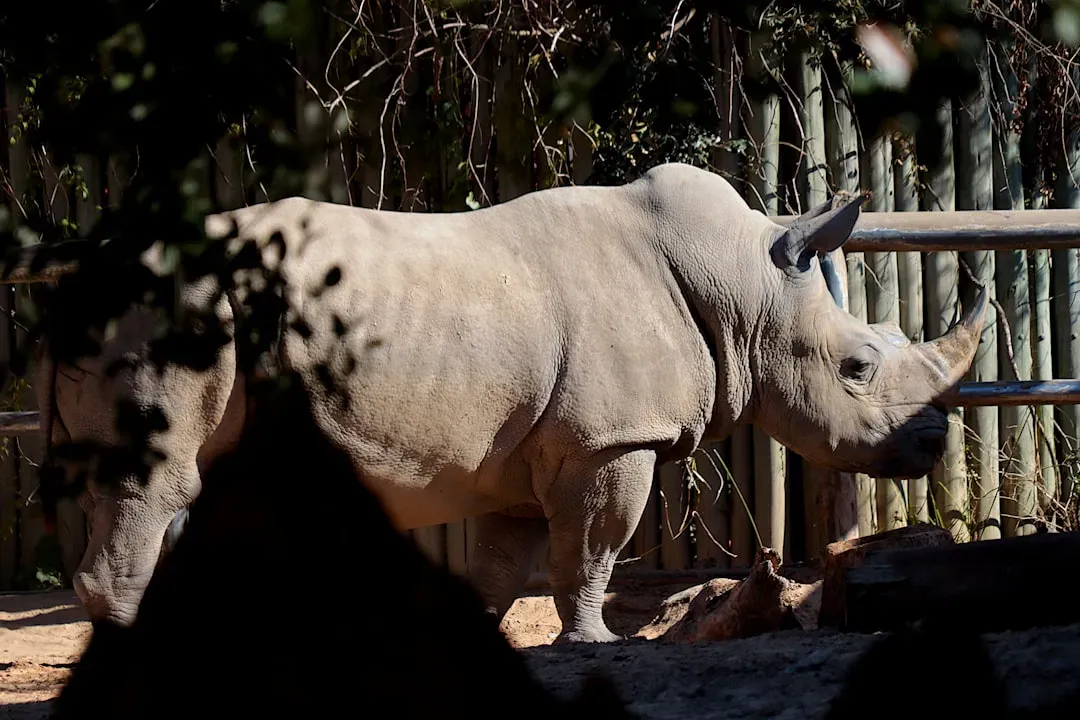
White rhinos create communal defecation sites called middens, and they have no issue meandering up to this giant, ten-foot-wide pile of bio-waste and taking a good, long whiff, with the midden acting as a type of rhino message board containing all sorts of biological and societal information. Yes, you read that correctly. They’re using poop as a bulletin board system.
A midden can communicate who rules that specific area, and the dominant male rhino will often poop directly in the middle of the midden and kick around his waste, both to spread his smell around the midden and to get it stuck on his feet so that others can recognize the scent wherever he goes. It’s actually a surprisingly effective territorial marking system that provides constant updates about the local social hierarchy.
White rhinos have notoriously poor eyesight, so chemical communication through scent became their primary method of staying informed. These communal sites tell them who’s in breeding condition, who’s sick, which males are dominant, and which territories are claimed. All from a single sniff.
Honestly, while it might seem gross to us, it’s incredibly practical. The information stays there for days or even weeks, creating a permanent record that any passing rhino can check. Think of it as a social media feed that doesn’t require WiFi.
Caribbean Reef Squid Split-Screen Messaging
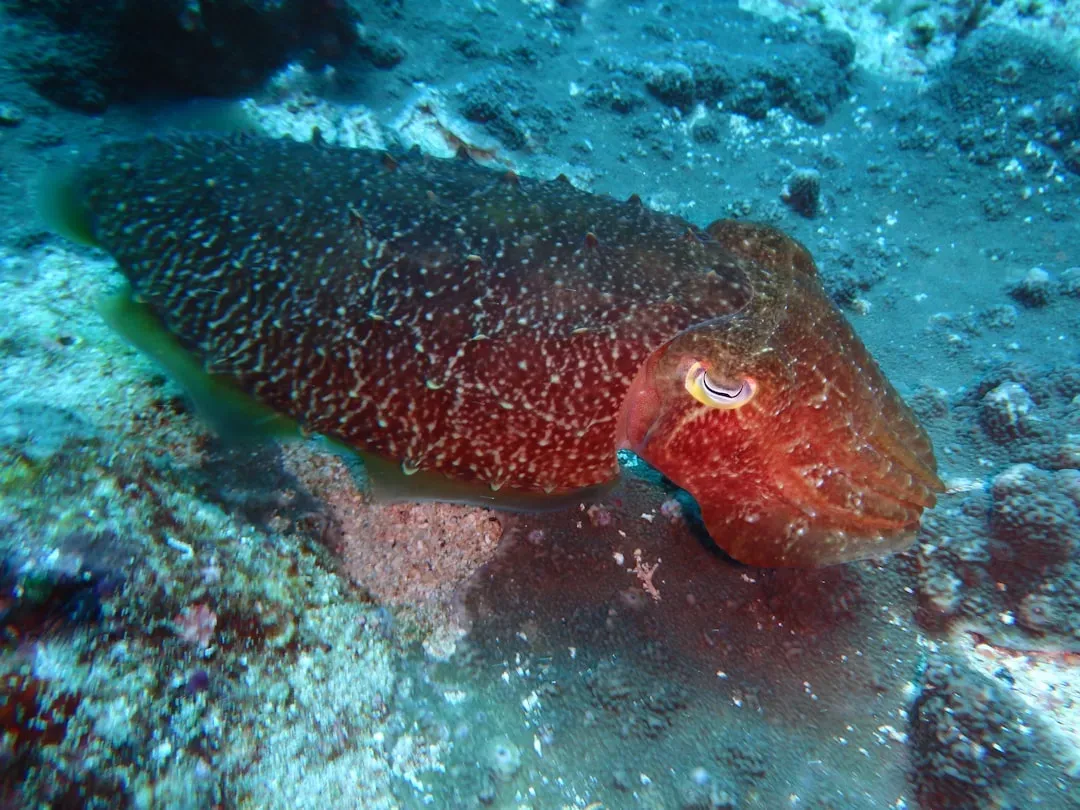
Caribbean reef squid can change the color of their skin to convey a variety of messages using specialized cells containing pigments and light-reflecting molecules known as chromatophores, even conveying one message to a squid on their left side and a different one to a squid on their right. This is next-level multitasking that borders on the absurd.
Picture being able to smile at your friend on your left while simultaneously giving your rival on your right a hostile glare, using your skin as the medium. That’s essentially what these squid do, except with rapidly shifting colors and patterns instead of facial expressions.
The chromatophores in their skin can change in fractions of a second, allowing them to create dynamic displays. They use these color changes to court potential mates, warn others of predators, and establish dominance. The fact that they can send two completely different messages simultaneously shows just how sophisticated their neural control must be.
It makes you wonder what it’s like to process information that way. Their communication system is so visual and immediate that it operates almost like thought itself made visible.
Dhole Whistling Canines
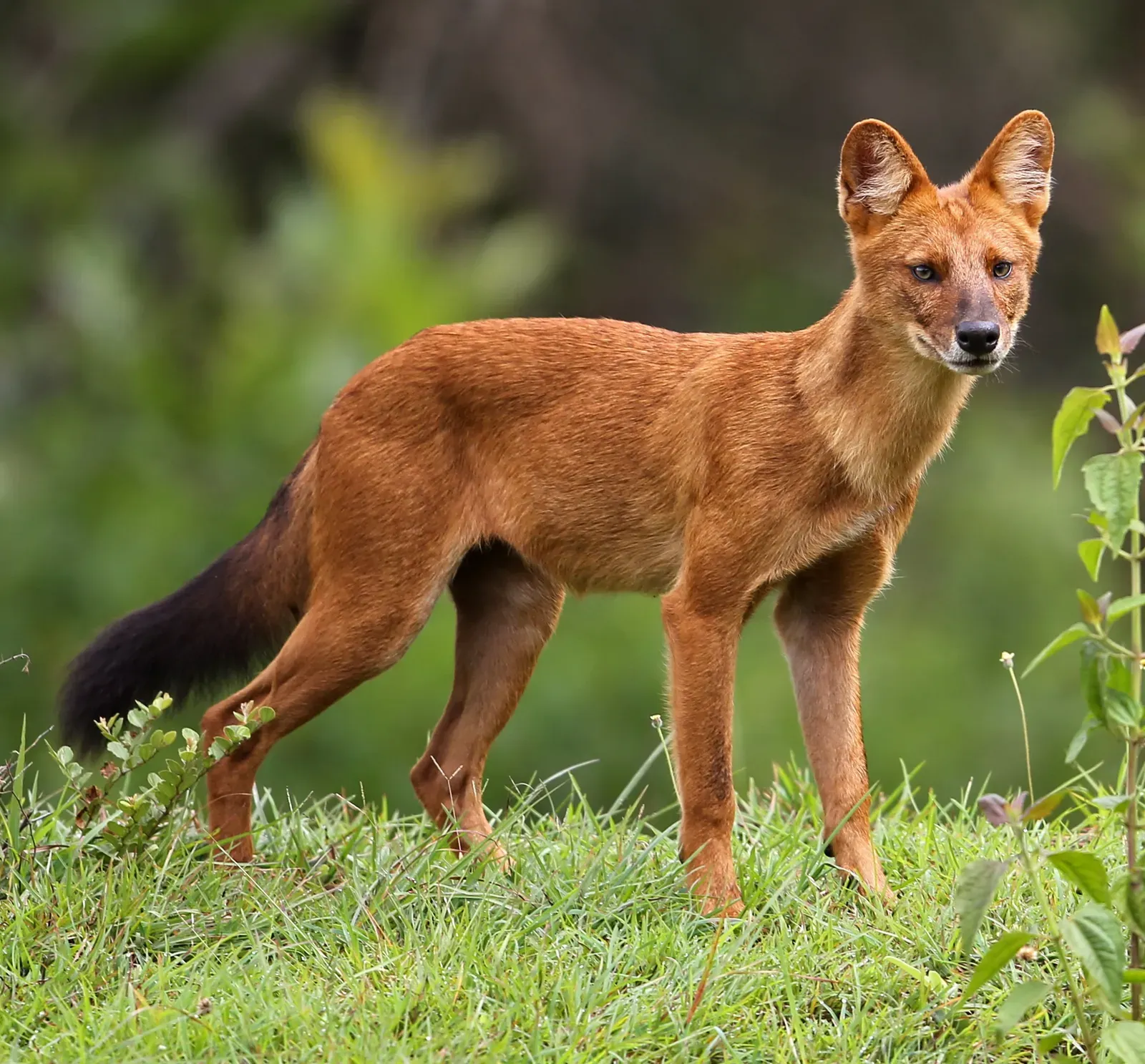
Unlike their relatives like wolves, jackals, and foxes, dholes employ a unique mode of communication through whistling. When you think of wild dogs, you probably imagine howls, barks, and growls. These fox-like wild dogs of Asia decided to go in a completely different direction.
Dholes whistle to communicate, and each animal commands up to 35 square miles of land, so they rely on sounds that travel well to holler at their canid pals over huge distances. Whistling turns out to be remarkably effective for cutting through dense forest vegetation where lower-frequency sounds might get absorbed.
They live in packs that sometimes merge into super packs of thirty or more individuals, so maintaining contact across vast territories requires a communication method that’s both distinctive and far-reaching. The whistle serves this purpose perfectly, allowing pack members to coordinate hunts and stay connected even when visual contact is impossible.
I think what makes this particularly fascinating is how they diverged from the typical canine communication playbook. Evolution pushed them toward a solution that works specifically for their environment and social structure.
Vervet Monkey Predator-Specific Alarms
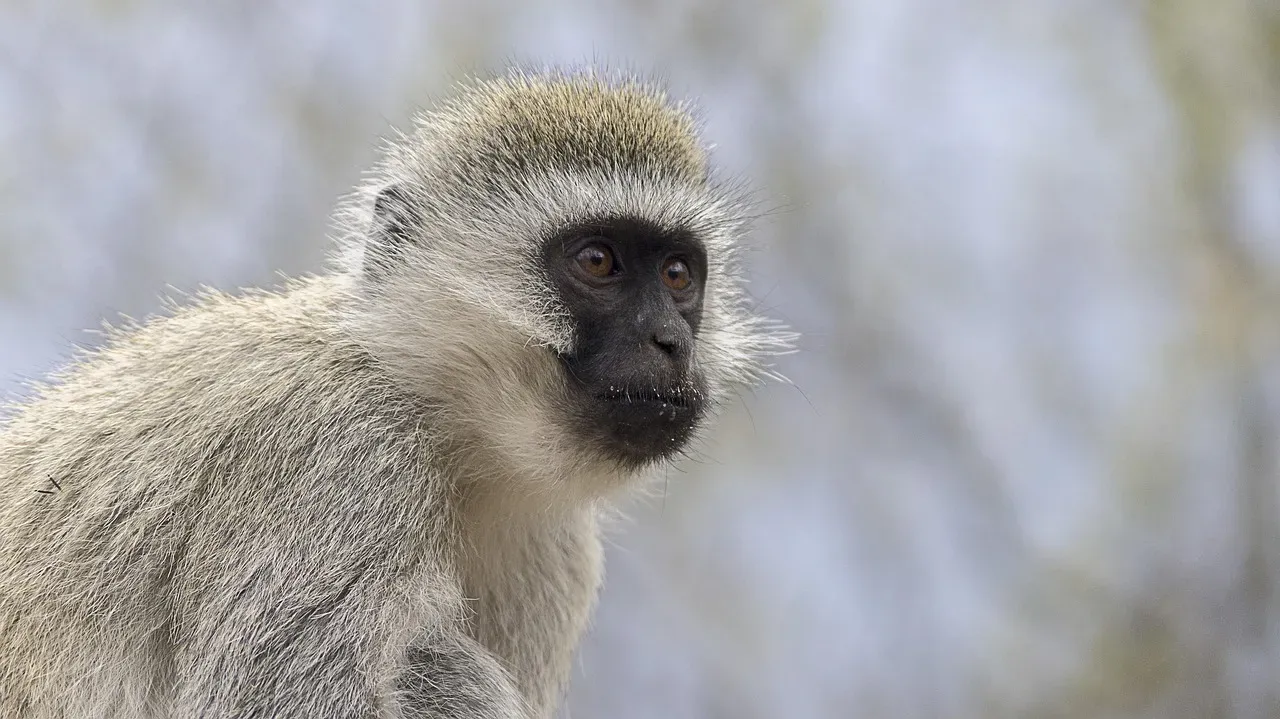
Vervet monkeys from eastern Africa have figured out how to make different calls to warn others about specific predators like leopards, eagles, pythons, and baboons, with researchers believing vervet monkeys are capable of producing about 30 different calls, ranging from serious predators to those that merely pose a minor threat. This goes way beyond a simple danger warning.
The vervet monkey gives a distinct alarm call for each of its four different predators, and the reactions of other monkeys vary appropriately according to the call, for example if an alarm call signals a python, the monkeys climb into the trees, whereas the eagle alarm causes monkeys to seek a hiding place on the ground. The response is perfectly tailored to the specific threat.
This shows genuine understanding of different danger types and appropriate defensive strategies. It’s not instinct alone driving these calls. Young vervets actually make mistakes, sometimes giving eagle alarms for falling leaves, and they learn the correct usage from older troop members through social learning.
What strikes me is how this demonstrates abstract thinking. They’re not just reacting to fear. They’re categorizing threats and communicating specific information that triggers specific behavioral responses. That’s remarkably close to what we might call language.
Weakly Electric Fish Voltage Conversations
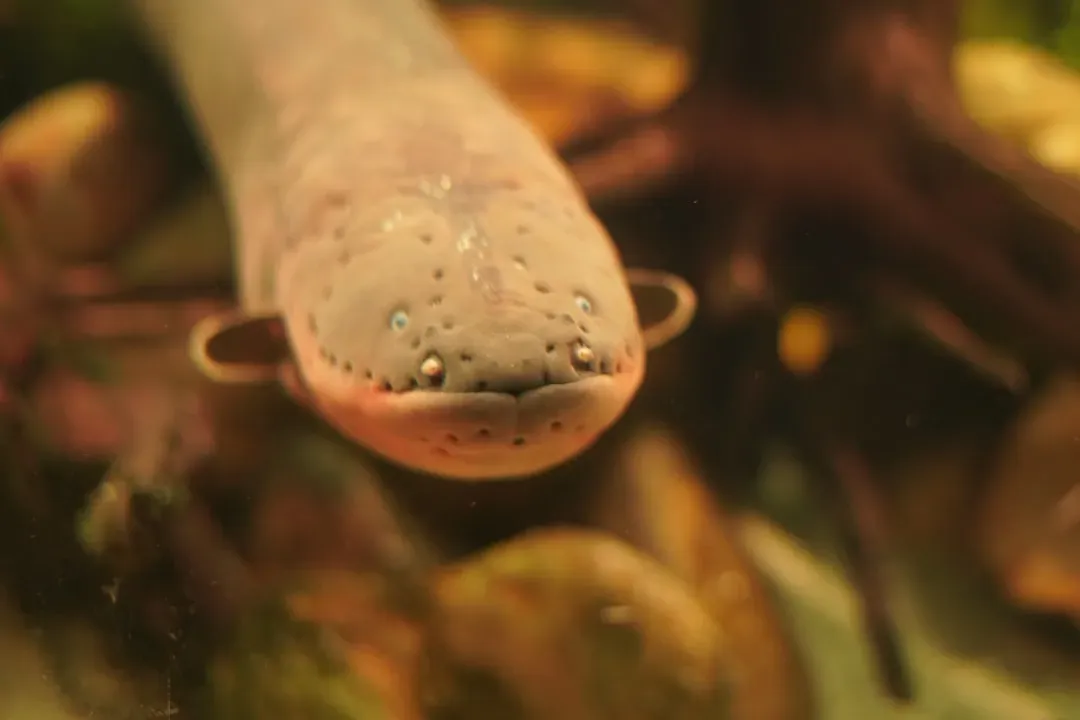
Weakly electric fish are currently the only known creatures to carry both electric generators and electroreceptors, making them the only animals on Earth with the ability to communicate through electricity. This communication method is so alien to our experience that it took scientists years to even realize it was happening.
Weakly electric fish use an electric organ to generate an electric field which is detected by electroreceptors, and differences in the waveform and frequency of changes in the field convey information on species, sex, and identity. They’re essentially broadcasting their personal information constantly through electrical signatures.
When two of these fish meet, they can tweak their wavelengths to produce similar levels of voltage. This adjustment prevents their signals from interfering with each other, kind of like how you’d change the channel on your radio to avoid static.
The electrical communication happens in murky waters where visual signals would be useless and sound doesn’t travel well. Evolution gave them an elegant solution: create your own sensory channel that other species can’t even detect. It’s private, efficient, and perfectly suited to their environment.
Raven Gift-Giving Gestures
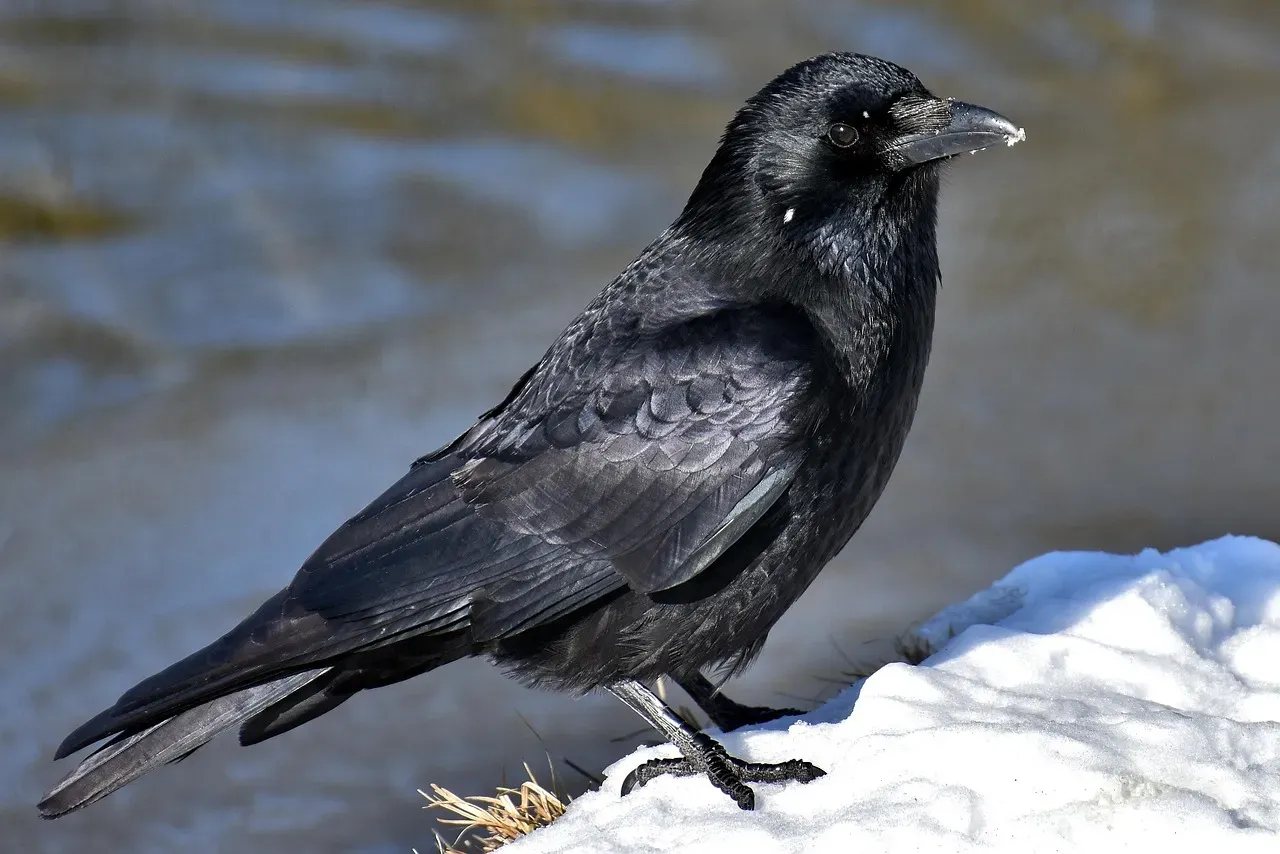
Ravens do their own kind of gesticulating, using their beaks and wings to show or offer items such as moss, stones or twigs, usually aimed at members of the opposite sex, and they also interact by clasping their bills together or moving an item together as a show of potential bonding. This is remarkably similar to human courtship behaviors involving gift-giving and shared activities.
What makes raven communication so interesting is the deliberate nature of these gestures. They’re not accidentally dropping objects. They’re intentionally presenting items to specific individuals, watching for reactions, and adjusting their behavior accordingly. That requires theory of mind, the ability to understand that others have thoughts and perspectives different from your own.
Ravens are already known for their exceptional intelligence, tool use, and problem-solving abilities. These gestural communications add another layer to their cognitive repertoire. They’re using physical objects as props in their social interactions, something very few animals do.
The bill-clasping behavior seems to serve as a bonding ritual between potential mates or established pairs. It’s intimate, mutual, and requires coordination. These birds have developed what could genuinely be called a culture of communication that goes beyond simple vocalizations.
Jackdaw Hard Stares for Territory Defense
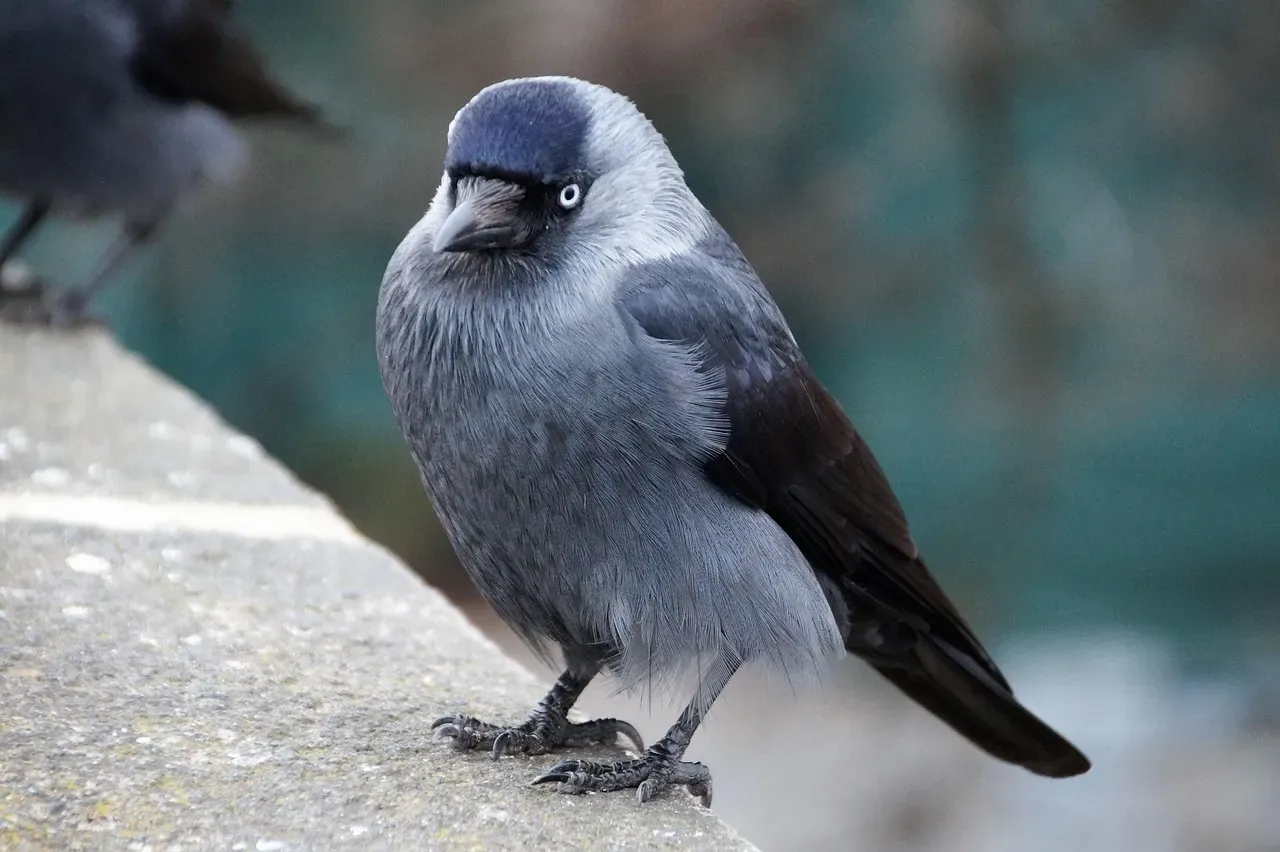
Researchers unexpectedly found that jackdaws protect their turf with a dirty look, and unlike most birds with plain black or brown eyes, jackdaws have brilliantly pale irises, using hard gangster stares to deter potential nest jackers. Eye contact was assumed to be unique to humans, monkeys, apes, and their taxonomic kin, but these clever corvids proved otherwise.
Normally birds don’t do this because their eyes are not positioned for staring. Most birds have eyes on the sides of their heads for wide-field vision. Jackdaws somehow evolved not just the physical ability to make direct eye contact but also the social understanding that it communicates a threat.
They nest in natural tree cavities that become hot commodities in areas with dense jackdaw populations, thus the birds find themselves in plenty of scuffles after disturbing cavities that have already been claimed. Rather than engage in constant physical fights that waste energy and risk injury, they developed this intimidation technique.
The evolution of pale irises specifically for this purpose is what really gets me. It suggests strong selective pressure for birds that could effectively communicate “this spot is taken” without resorting to violence. Those distinctive eyes became both a warning signal and a social tool.
Conclusion
The communication methods we’ve explored barely scratch the surface of how animals connect with each other. From underground vibrations to electric fields, from ultrasonic frequencies to choreographed dances, nature has experimented with every possible channel for sending messages. These aren’t just simple signals. Many represent sophisticated information transfer systems that rival our own in complexity and ingenuity.
What becomes clear is that communication evolved not as a single solution but as countless creative responses to specific challenges. Each species developed methods perfectly suited to their bodies, environments, and social needs. Some use channels we can perceive, but many more operate in sensory realms completely invisible to us.
Perhaps the most humbling realization is how much conversation happens around us that we never notice. The natural world is having millions of exchanges every second, and we’re only just beginning to decode them. As technology advances, we’re discovering that animals have far more to say than we ever imagined.
What do you think about these extraordinary communication systems? Which one surprised you the most?

- Why Wolves Were Reintroduced to Yellowstone - July 15, 2026
- The Resurgence of America’s Wild Horses: A Symbol of Freedom and Hope - July 15, 2026
- 10 Cat Breeds That Tolerate Dogs Surprisingly Well - July 15, 2026