
Picture a mother dolphin carrying her lifeless calf through the ocean for days. Or elephants standing in silent vigil over the body of their fallen matriarch. These aren’t scenes from a nature documentary script, these are real behaviors observed by scientists across the globe. While we humans often think of grief as uniquely ours, the animal kingdom has been quietly showing us otherwise. What you’re about to discover might change the way you see the creatures we share this planet with forever.
The Scientific Debate: Can Animals Truly Grieve?
For decades, scientists resisted attributing human emotions like grief to animals, dismissing such behaviors as mere responses to change. Tradition dictated that it was soft-hearted and unscientific to project human emotions such as grief onto other animals, and researchers were trained to describe reactions in neutral terms. Yet something remarkable happened in recent years.
Research in evolutionary biology, cognitive biology and social neuroscience supports the view that many diverse animals have rich and deep emotional lives. The tide has shifted, honestly. Scientists now recognize that dismissing animal emotions entirely might be just as problematic as over-interpreting them. Two conditions generally define animal grief: first, two or more animals choose to spend time together beyond survival-oriented behaviors, and second, when one animal dies, the survivor alters his or her normal behavioral routine.
The challenge isn’t whether animals react to death. They clearly do. The question that keeps researchers up at night is whether what we’re seeing truly constitutes grief as we understand it.
Elephants: Nature’s Most Profound Mourners
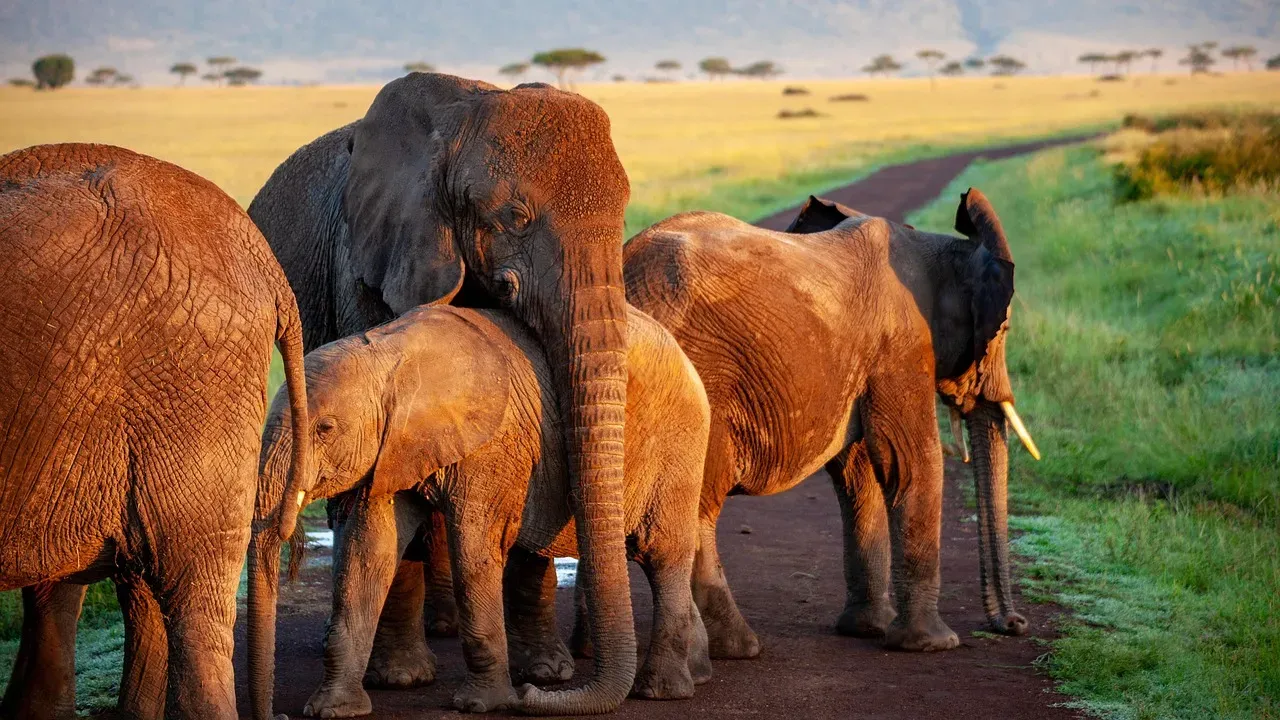
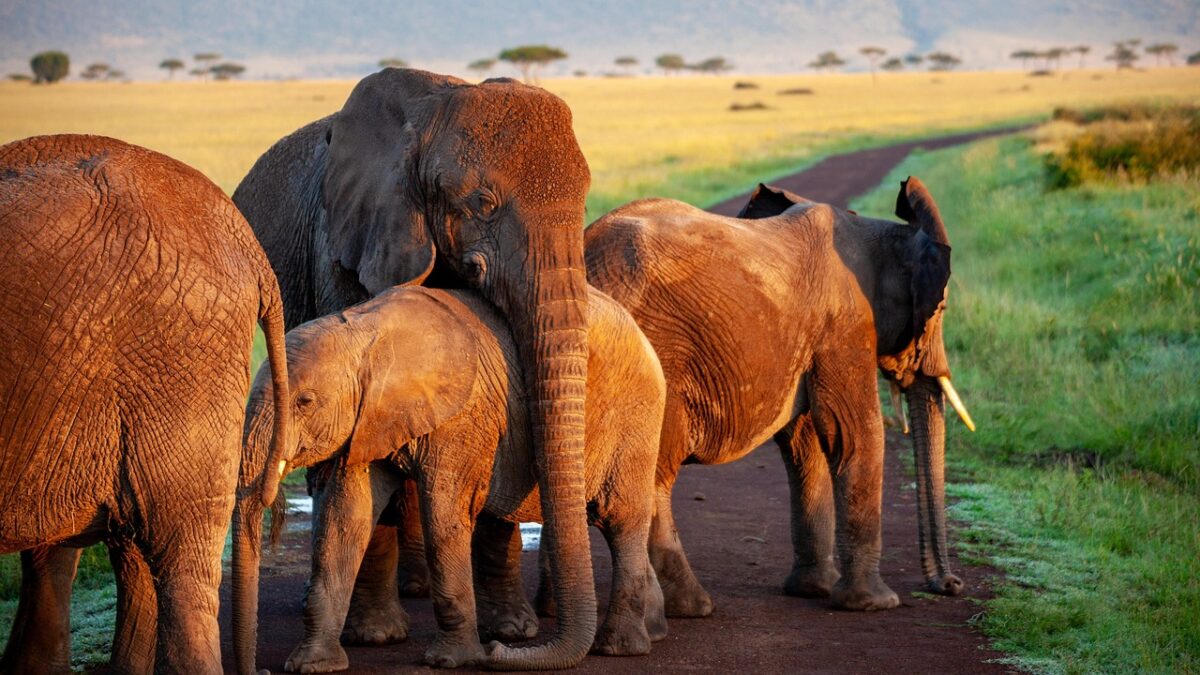
Elephants are at present the gold standard in animal grief studies, with long-term elephant-behavior projects in Kenya furnishing researchers with examples, such as when the elephant matriarch Eleanor was dying and died, elephants of five different families carried out behaviors of concern or distress. These gentle giants don’t just acknowledge death, they seem to ritualize it.
Upon seeing the bones or carcass of another elephant, a family will stop and investigate them, touching the bones gently with their trunks while remaining very quiet, covering the body with leaves and grass. Here’s the thing: they do this even for elephants unrelated to their group. What kind of creature honors the dead of strangers?
Both African and Asian elephants have been observed by scientists as mourning and burying their dead, with African elephants sometimes covering the bodies of deceased elephants with leaves and vegetation, and they have been observed returning to visit these burial sites later. Think about that for a moment. These massive animals, with their own survival to worry about, take time to create something resembling a grave and return to pay respects.
Dolphins and Whales: Ocean’s Grieving Hearts
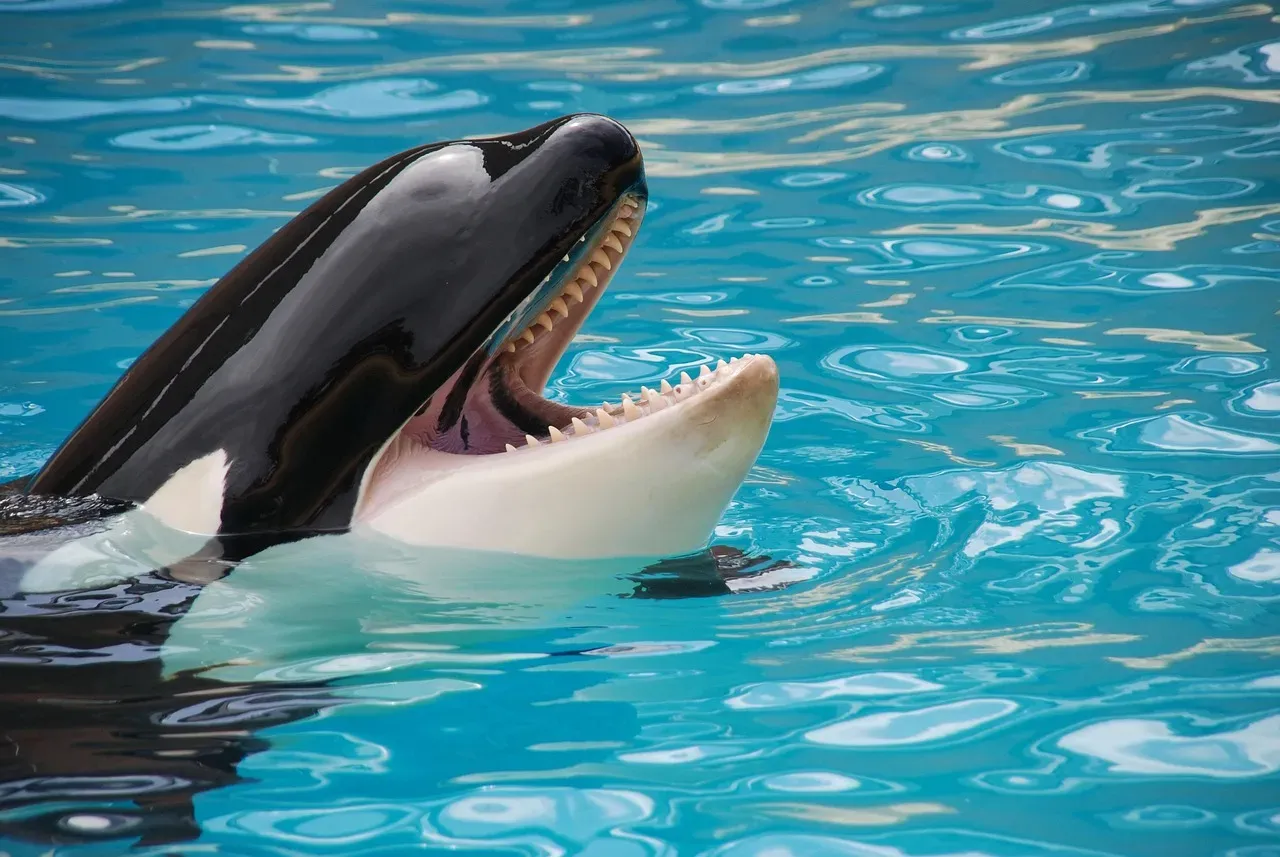
Dolphin mothers and some whale species are known to carry their dead calves on their backs for hours or even days. The ocean becomes a moving funeral procession. In one documented case, a female orca named Tahlequah carried the carcass of her newborn infant for 17 days, a journey witnessed by countless observers who found themselves unexpectedly moved.
Researchers have observed both dolphins and whales continuing to maintain close contact with deceased pod members, with pods working together to keep the corpse afloat and communicating through varied forms of communication that audibly differs to the vocality used with living members. Let’s be real: these aren’t random behaviors. There’s intention here, a recognition that something profound has been lost.
Dolphins have been known to stay with recently deceased members of their pod for several days, preventing divers from getting close. They become protective, almost territorial over their dead. This behavior mirrors what we see in humans standing guard at wakes and funerals, refusing to let go until the final goodbye.
Chimpanzees: Our Closest Relatives in Grief
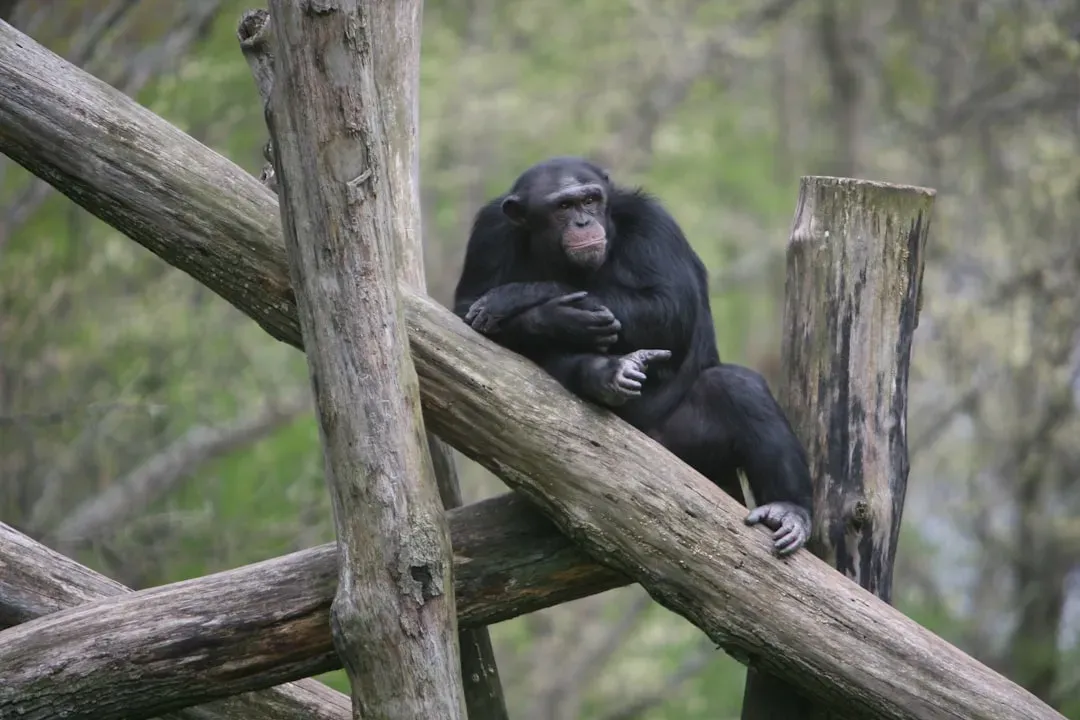
Jane Goodall recounted in heart-wrenching detail young chimpanzee Flint’s decline and death from grief only weeks after the death of his mother, Flo. Flint literally died of a broken heart. He stopped eating, withdrew from his group, and simply gave up on life. If that’s not grief, what is?
Both wild and captive chimpanzees engage in ritualized behaviors at the death of a group member, beginning with group or individual silence that may last for hours and followed by distinctive vocalizations, grooming the carcass, solemn visitation and gazing at the carcass, displays, and lamentation-like whimpers. In one haunting case at a rescue center in Cameroon, the family of chimps lined up along the perimeter of the enclosure watching in quiet contemplation as Dorothy was wheeled past them and buried, placing their hands on one another’s shoulders and watching in complete silence, a rare occurrence for these usually loud and boisterous animals.
Chimps understand something fundamental about death. Mother chimpanzees are known to carry their dead babies around with them, continuing to groom them for months after their death. They don’t abandon their young just because breath has left the body.
Dogs: Domestic Companions Who Feel Our Losses

On average, dogs can mourn for two to six months after losing a companion, whether that companion walks on two legs or four. The first study to document grief-like behaviors in dogs found that when their canine companions died, surviving dogs showed changes including sleeping more, as well as eating and playing less.
What’s fascinating is how dogs pick up on our grief too. When owners lose a beloved family member, their dog will pick up on their grief and start to display behavioral changes, feeding off of our grief and sadness. They become mirrors of our emotional state, amplifying the loss in ways that can be both comforting and heartbreaking.
Both a friendly or parental relationship between two dogs, the fact that dogs used to share food, and the owner’s grief and anger are principal predictors of negative behavioral changes in surviving dogs. They’re not just reacting to routine disruption. Something deeper is happening in their minds and hearts when death visits their pack.
Crows and Magpies: The Unexpected Mourners
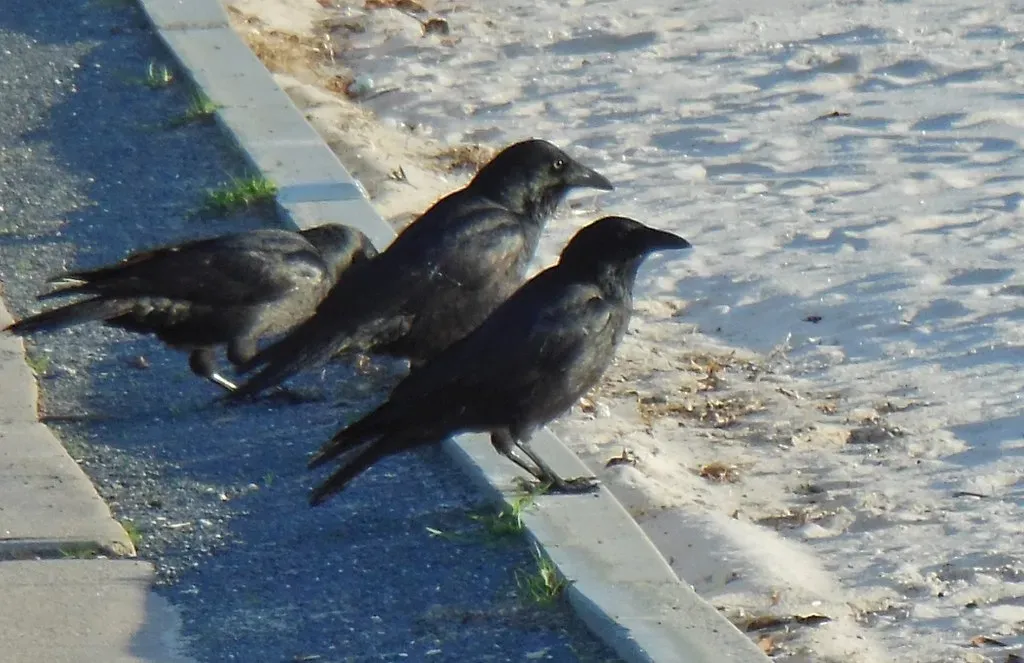
Crows gather in large numbers around a newly dead crow, calling out and signaling to others in the area to join them, which to human observers may appear similar to a funeral. Honestly, the first time you see this behavior, it’s unnerving. Dozens of black birds descending, surrounding their fallen comrade, making an absolute racket.
But scientists think there’s more going on than just mourning. Crows investigate the dead crow and warn others to do the same, to learn what threat killed the bird and how to avoid the same fate. It’s part funeral, part crime scene investigation. This gathering allows corvids to gather information about potential dangers, with brain scans suggesting crows do not reminisce about their old friend when they see a dead body.
Still, Dr. Bekoff concluded that magpies both feel grief and hold funerals after studying their elaborate social rituals around death. These intelligent birds engage in behaviors that blur the line between pragmatic survival and something more emotionally complex. Maybe it doesn’t have to be one or the other. Maybe it’s both.
What Grief Actually Looks Like in the Animal Kingdom
Measurable changes in behavior that occur after a death include decreased appetite, sleeping disturbances, decreased sociality and increased stress, and an animal displaying these behaviors could be mourning as we understand it. These aren’t subtle shifts, they’re dramatic alterations that compromise an animal’s wellbeing and survival.
When many social animals mourn, they will often exhibit behaviors that do not benefit their survival, including lacking sleep, consumption, and socialization. Think about that: creatures whose every instinct drives them toward survival suddenly abandoning those instincts because of loss. That’s the power of grief.
Historically, wild animals have been known to express grief by letting out a yelp, wandering aimlessly, and eventually reorganizing their pack. The reorganization is key, it signals that grief isn’t permanent paralysis but a process of adjustment. A person might miss several days of work following the death of a parent, mourners might attend a wake for a day or two, and an elephant family might for several days return to the body of the deceased, with later visits to the grave mirroring human behavior.
Why Understanding Animal Grief Matters
The recognition of grief in animals has significant ethical implications, strengthening the argument for treating them with greater respect and compassion and raising questions about the impact of human activities such as habitat destruction and hunting on animal well-being. We’re not just studying interesting behaviors anymore. We’re confronting uncomfortable truths about how our actions ripple through the emotional lives of creatures we’ve long dismissed as lesser.
This new knowledge of the depth of animals’ capacity for grief invites novel exploration of animal-welfare issues including the use of animals in factory farming, entertainment, and biomedicine. If animals grieve like we do, what does it mean when we separate families, when we confine them, when we end their lives? These aren’t comfortable questions, I know.
This is potentially a major welfare issue that has been overlooked, considering the relatively high number of dogs who live with at least another companion dog, and the understanding of behavioral patterns after loss in non-human animals can be helpful in recognizing these animals’ emotional needs. Recognition is just the first step. Action must follow.
Conclusion: Sharing Grief Across Species
The evidence keeps mounting from every corner of the natural world. Elephants touching the bones of their dead with reverent trunks. Orcas carrying their babies through cold waters for over two weeks. Chimpanzees falling silent in communal mourning. Dogs who stop eating when their companions die. These aren’t isolated incidents or anthropomorphic projections, they’re patterns repeated across species and continents.
As renowned biological anthropologist Barbara J. King told the BBC, we humans don’t own love or grief, these emotions are widespread in other animals. Perhaps grief isn’t what separates us from the animal kingdom but what connects us to it. The capacity to love deeply enough that loss becomes unbearable, that’s not uniquely human. That’s the burden and beauty of having a heart, regardless of how many legs you walk on.
What strikes me most isn’t just that animals grieve, it’s how their mourning mirrors ours in ways that should make us pause. The next time you see an animal, remember: behind those eyes might be a creature who knows loss just as intimately as you do. Did you expect to find so much of yourself reflected back in the eyes of another species? What does that change about how we move through this shared world?

- 6 Exotic Bird Species You Can Spot in U.S. National Parks - July 19, 2026
- 11 Iconic American Birds Facing New Challenges and How You Can Help - July 19, 2026
- 10 Friendliest Animals in the World - July 19, 2026