
The truth is, animals have evolved abilities and behaviors that seem almost too bizarre to be true. From spiders that kill by vomiting to mice that try to revive their unconscious friends, the natural world is overflowing with surprises that challenge everything we thought we knew. Get ready to discover some truly mind-bending facts that will change how you see the animal kingdom forever. So let’s dive in and explore these astonishing revelations.
The Spider That Kills With Vomit Instead of Venom
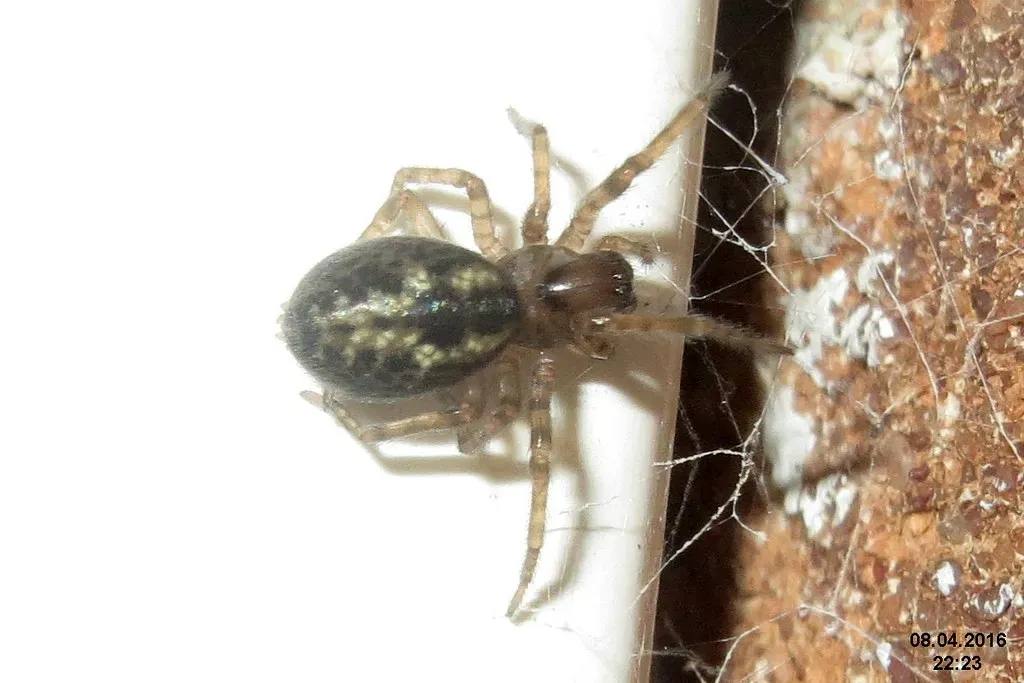
The feather-legged lace weaver spider has an unusual hunting method, wrapping prey in silk before vomiting toxic fluids from its digestive tract onto the package. Most spiders rely on fangs and venom to take down their victims, but this little arachnid rewrote the rulebook entirely.
The lace weaver first wraps its catch in a thick silk bundle, then once the insect is secure, slathers its dinner with toxins from tissues in its gut. This method might sound revolting, but it works.
The weaver’s final blow is just as fatal as the venom of the common house spider. Who knew that puking could be such an effective predatory strategy?
Mice Show Compassion By Attempting to Revive Unconscious Friends
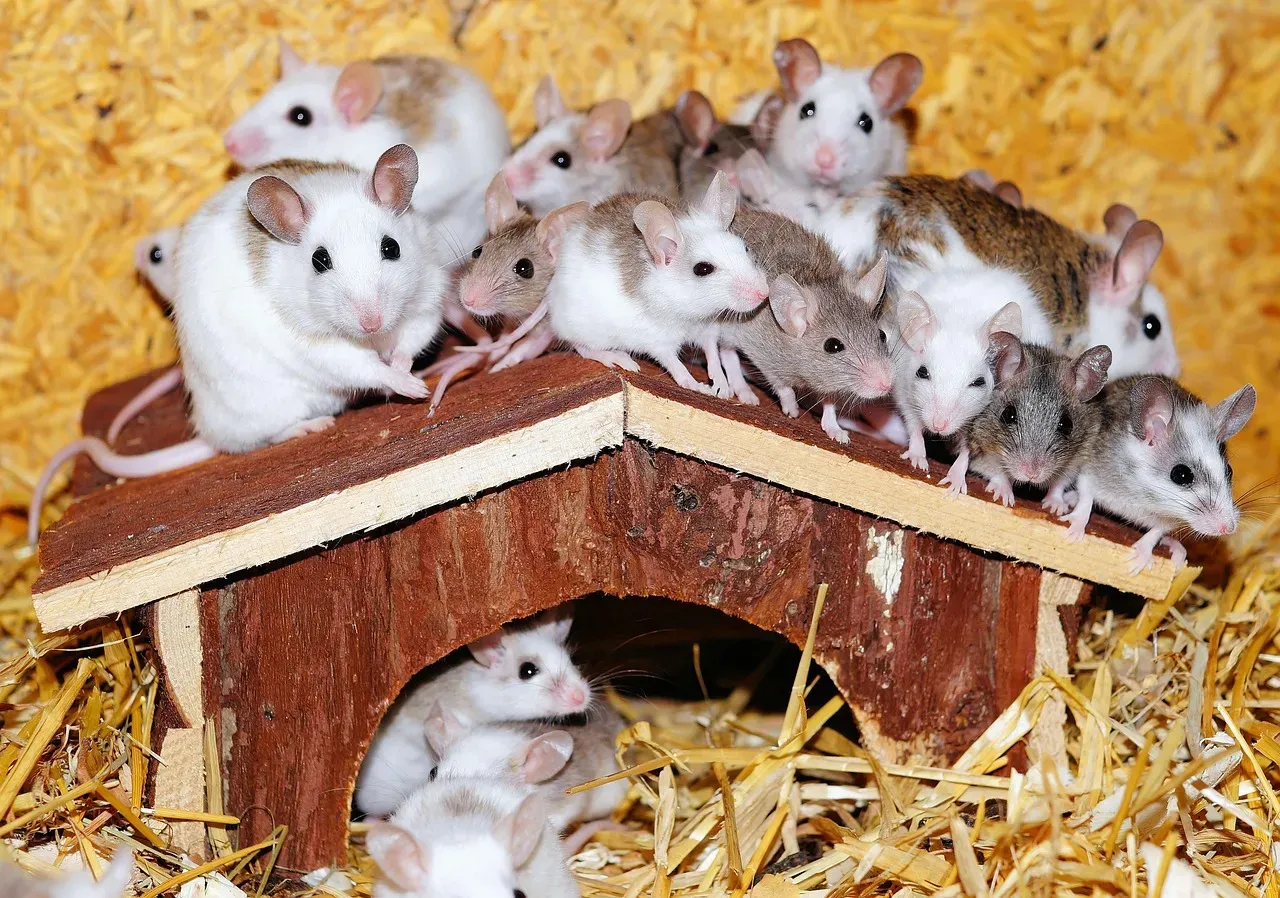
Mice have been observed seemingly trying to revive their unconscious companions by sniffing, grooming, pawing at the creature and nipping it, as though trying to wake it up. This behavior completely changes how we think about empathy in rodents.
For the study, published in the journal Science, lab mice were placed with another mouse that had just been anaesthetised. The results were remarkable. Honestly, it’s hard not to feel a little emotional watching tiny mice show such genuine concern for their friends.
Elephants, chimps and dolphins have all been known to come to the aid of ailing members of their own species, and now mice join this compassionate group. The animal kingdom continues to surprise us with displays of kindness we once thought were uniquely human.
Chimpanzees Drum to Different Rhythms Depending on Their Location
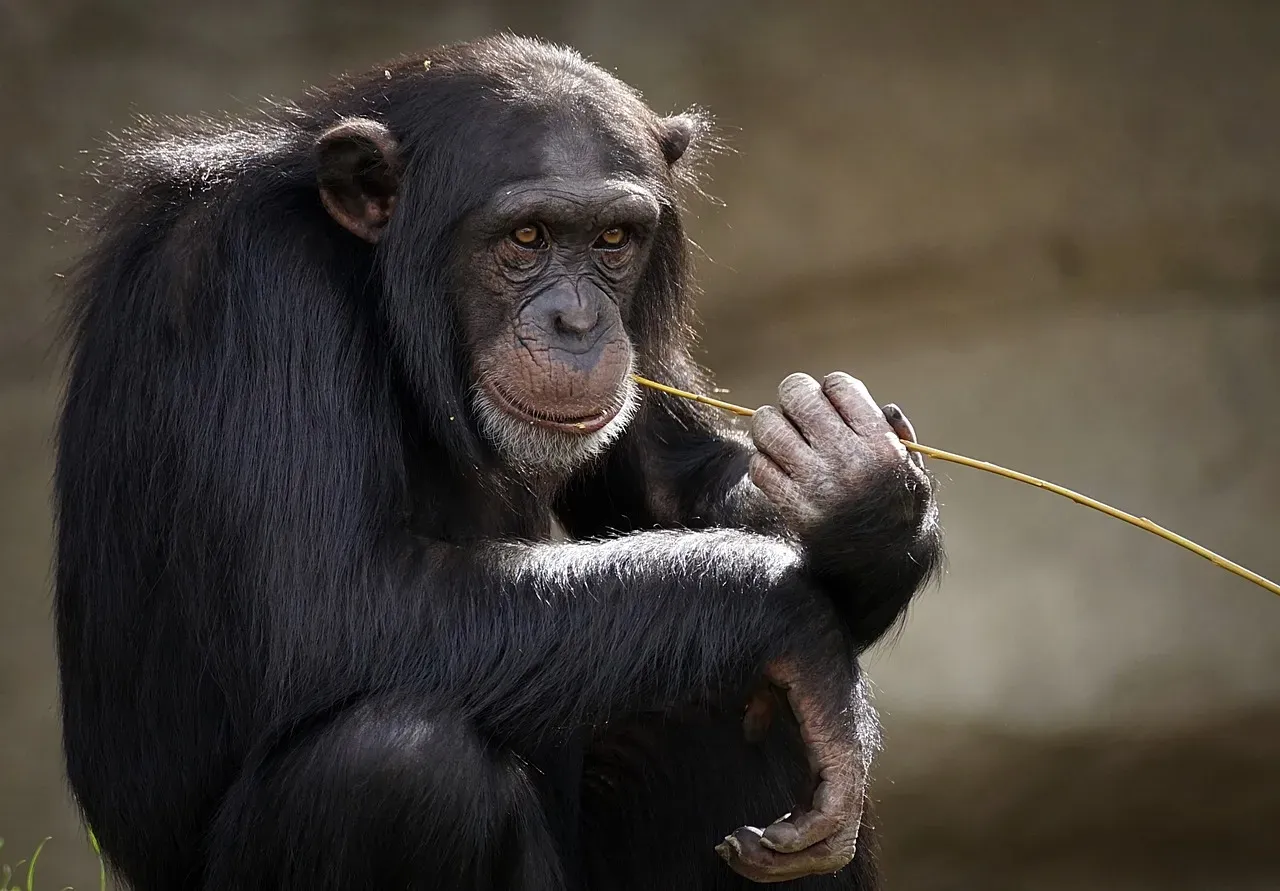
Here’s something that sounds almost too cool to be real. Chimps slap their hands and feet against the buttress roots of trees to create distinctive sounds that can travel up to 1,000 metres through thick rainforest. Communication is one thing, but having regional musical preferences is something else entirely.
Researchers have established not only that the apes drum to a rhythm, but that this rhythm varies between sub-species, with those in Uganda and Tanzania favoring a jazzy swing pattern, whereas western chimps go for the evenly spaced beats typical of rock music. It’s like they have their own cultural music scenes.
This discovery tells us something profound about animal culture. These aren’t just random noises. They’re deliberate, learned patterns passed down through generations, almost like musical traditions in human societies.
The Indonesian Coelacanth Was Photographed Alive For the First Time
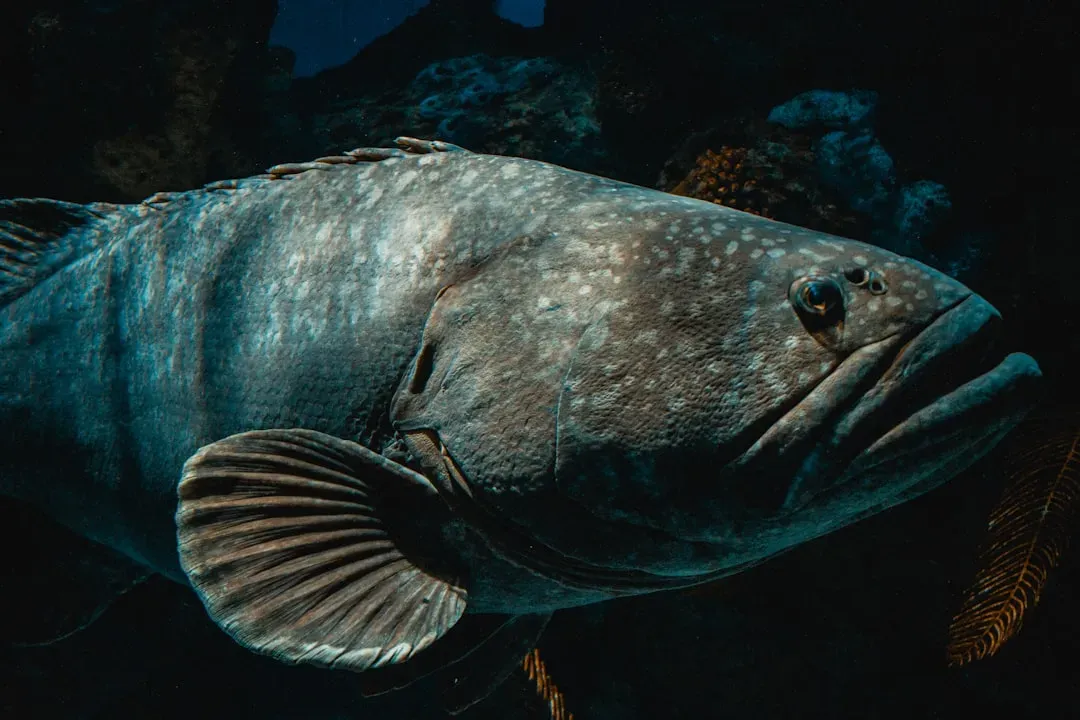
Once thought extinct for 70 million years, the Indonesian coelacanth was photographed in the wild for the first time in 2025 when marine biologist Alexis Chappuis and the UNSEEN Expeditions team documented this living fossil during a deep dive in Indonesia’s Maluku Archipelago. Imagine discovering a creature science assumed had vanished alongside the dinosaurs.
These ancient fish have remained virtually unchanged for millions of years. They’re like time travelers swimming through our modern oceans, carrying secrets from an era when the world looked completely different. The fact that we’re only just now getting images of them shows how much of our planet remains unexplored.
Their existence challenges our assumptions about extinction and survival. What other supposedly extinct creatures might still be lurking in the depths, waiting to be rediscovered?
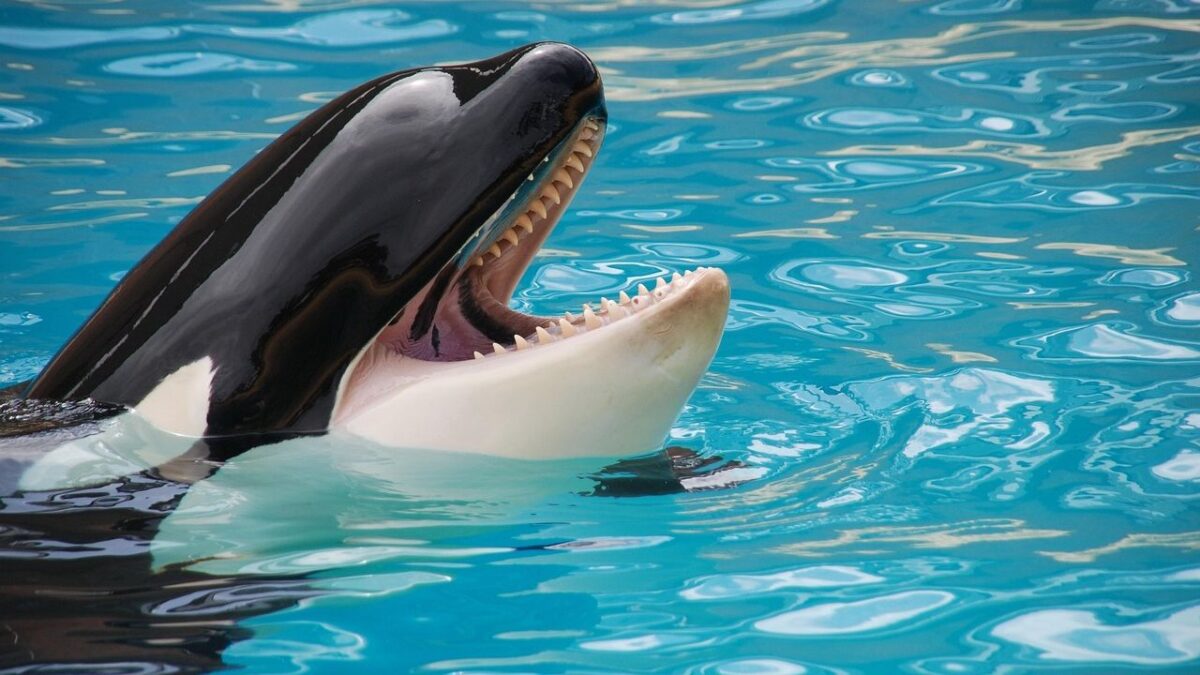
Orcas Have Been Ramming Boats For Five Years and Scientists Think They’re Just Playing
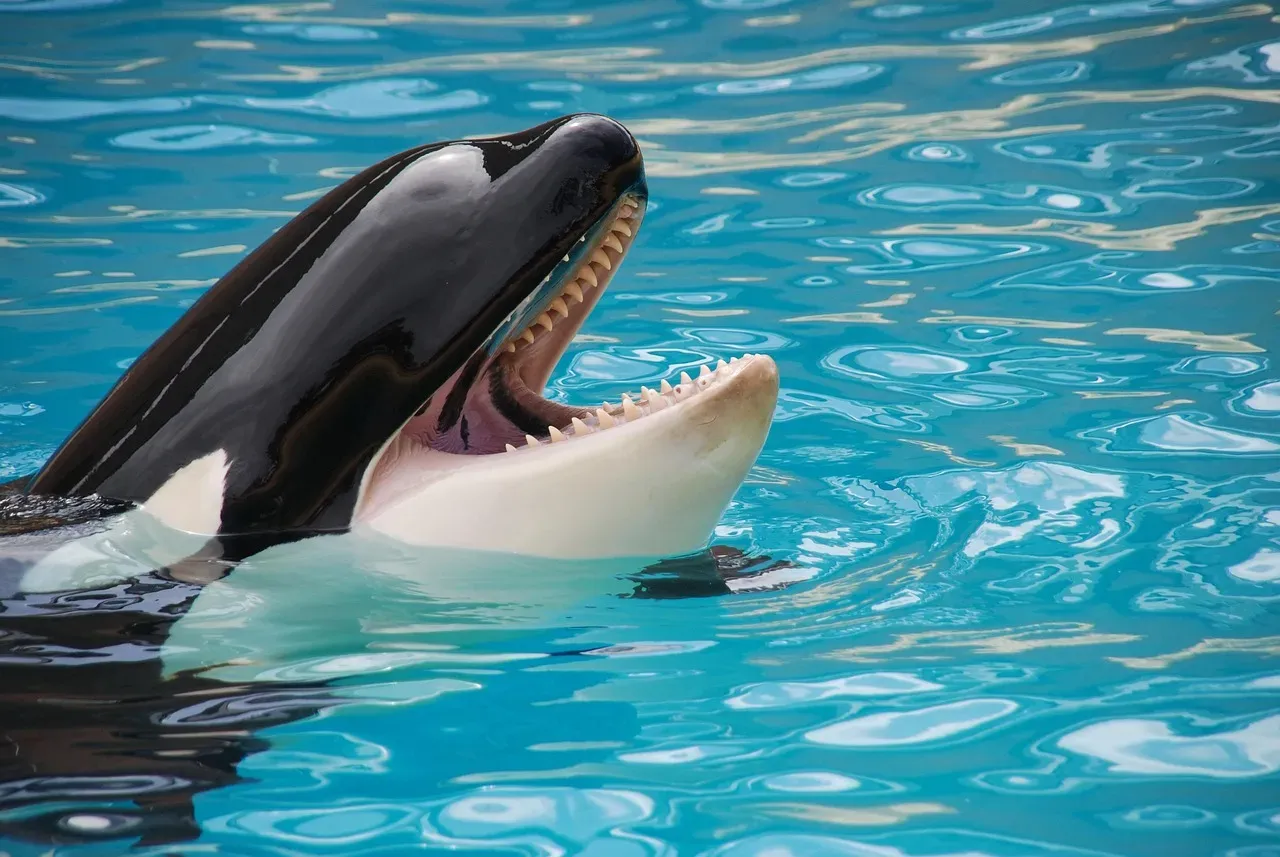
For the past five years, orcas have been spotted ramming into boats in the Mediterranean, with footage taken off the coast of Portugal showing the moments orcas rammed into a sailing boat, which eventually sank. This behavior has left scientists and sailors equally baffled.
Scientists think orcas’ boat ramming habit might simply be a form of play. Let that sink in for a moment. These highly intelligent marine mammals might be sinking boats just for fun. A pod of orcas in the Gulf of California were seen teaming up to immobilize a young great white shark and bite out its liver.
At least 25 examples show orcas teaming up with white-sided dolphins to hunt down salmon. Their intelligence and social complexity never stop surprising researchers. What would you do if you were that smart and lived in the ocean?
Dung Beetles Navigate Using Moonlight Like Ancient Mariners
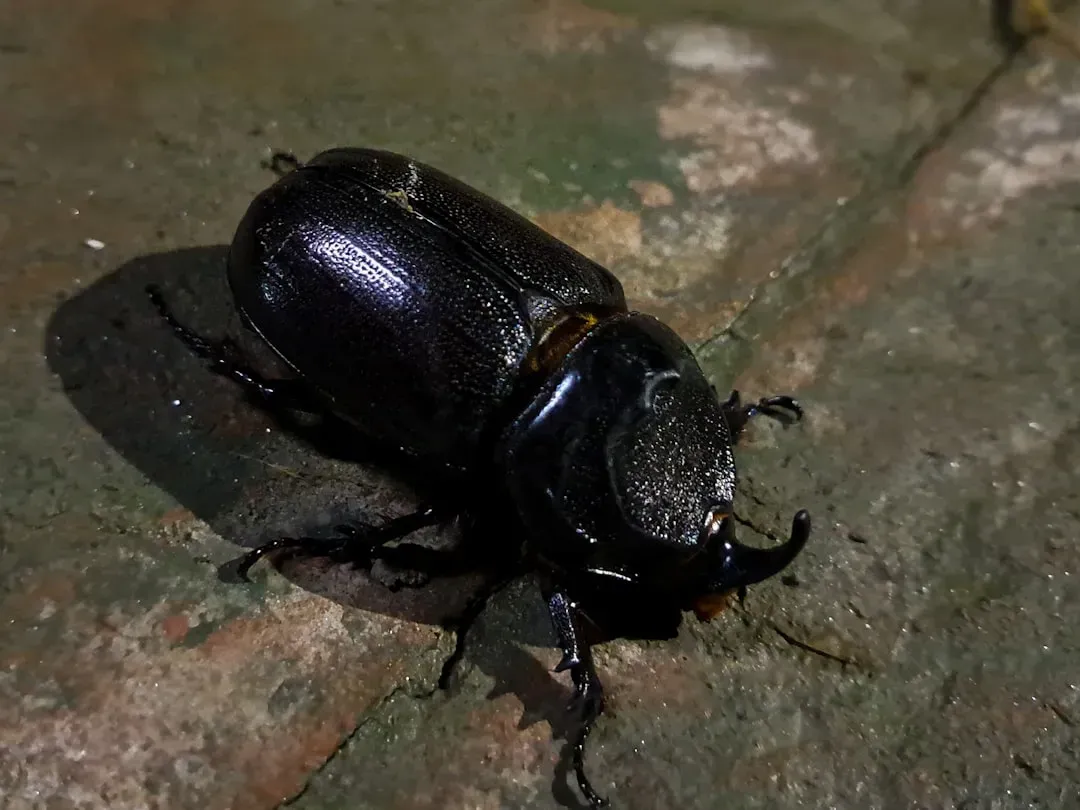
The African Scarabaeus zambesianus is believed to be the only animal that uses the polarized light pattern cast by the moon to navigate and steer its dung pile in a straight line, but interestingly, if there has been no moonlight, these talented creepy crawlies suddenly lose their navigational prowess and start meandering their balls in anything but a straight line.
Think about how sophisticated this ability really is. These tiny insects have developed an internal GPS system that relies on celestial navigation, something humans took thousands of years to figure out. They’re essentially using the same principles that guided ancient sailors across vast oceans.
The fact that they lose this ability without moonlight proves it’s not just instinct. They’re actively reading and interpreting light patterns in real time. For something so small, that’s an absolutely massive cognitive feat.
Bloodhounds Have a Sense of Smell Forty Times More Powerful Than Humans
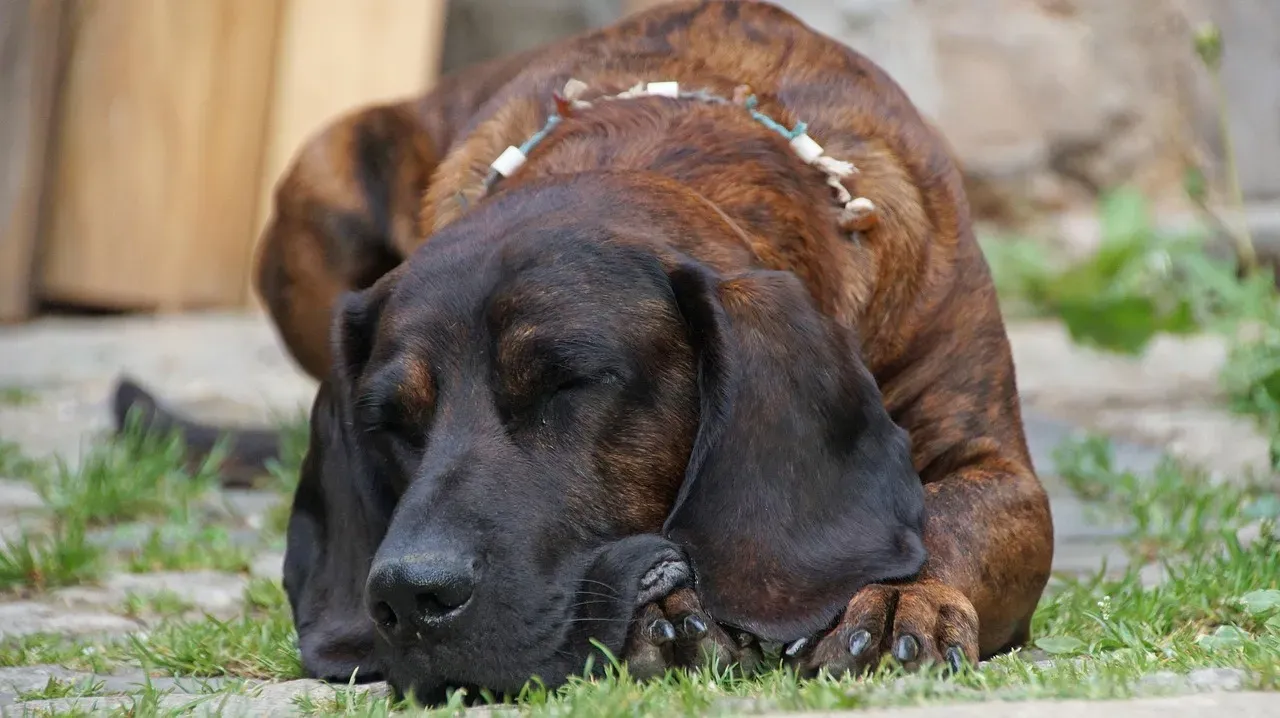
It is estimated that a bloodhound’s nose has around 230 million scent receptors giving them a sense of smell that is 40 times more effective than that of humans. That’s not just impressive, it’s almost incomprehensible when you try to imagine what the world must smell like to them.
The wrinkled skin around their face is perfectly positioned to trap scent particles while their long, drooping ears drag on the floor collecting odors that are then swept into their nostril area. Every physical feature of these dogs has evolved specifically to maximize their olfactory superpowers.
They are known to track down poachers over a distance of 13 miles, proving their heightened and highly specialized tracking abilities. Bloodhounds aren’t just pets with good noses. They’re living, breathing detection machines that put our human senses to shame.
Starfish Can Regenerate Entire Bodies From a Single Severed Arm
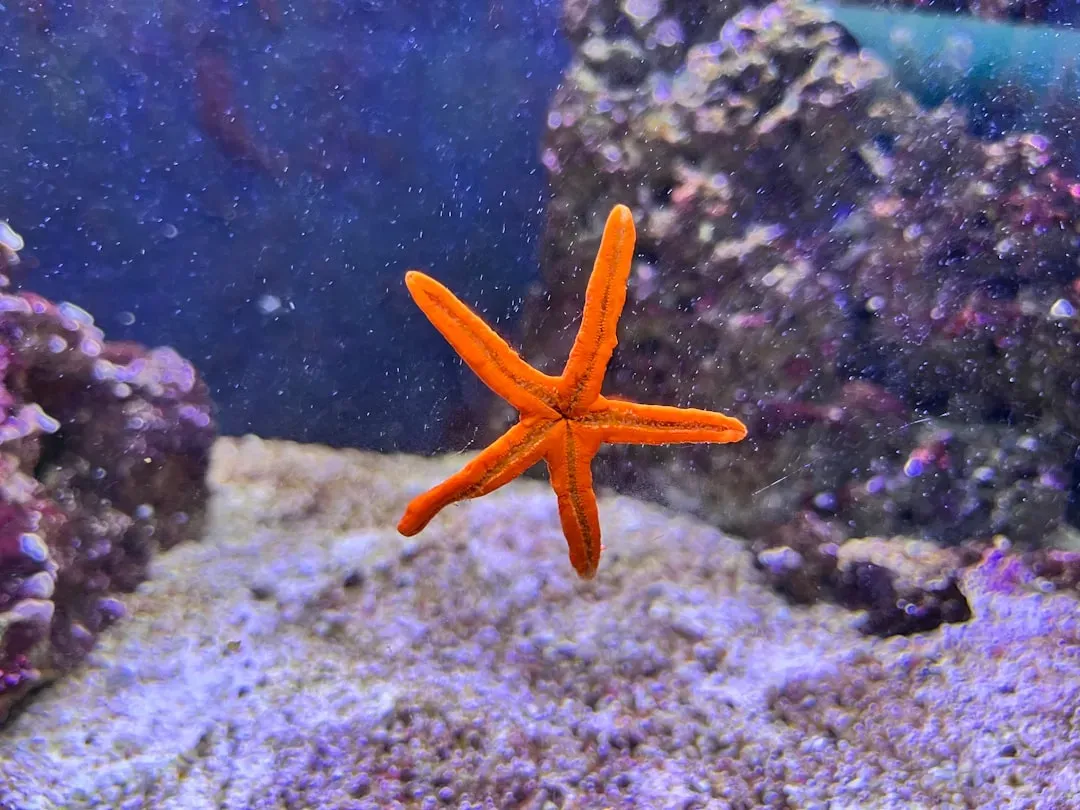
If a starfish is injured or loses one of its arms, they can still survive and will regrow the limb, with some tropical species even able to form an entirely new starfish from a part of a severed limb within around a year. This isn’t just healing. It’s complete body reconstruction.
Imagine if humans could do this. Lose an arm and not only does it grow back, but the arm itself could potentially grow a whole new you. It sounds like science fiction, but for starfish, it’s just another Tuesday.
This regenerative ability has fascinated scientists for decades. Researchers are studying these creatures hoping to unlock secrets that could revolutionize human medicine. The potential applications for tissue regeneration and healing could be absolutely transformative.
Electric Eels Generate Enough Electricity to Power Multiple Light Bulbs
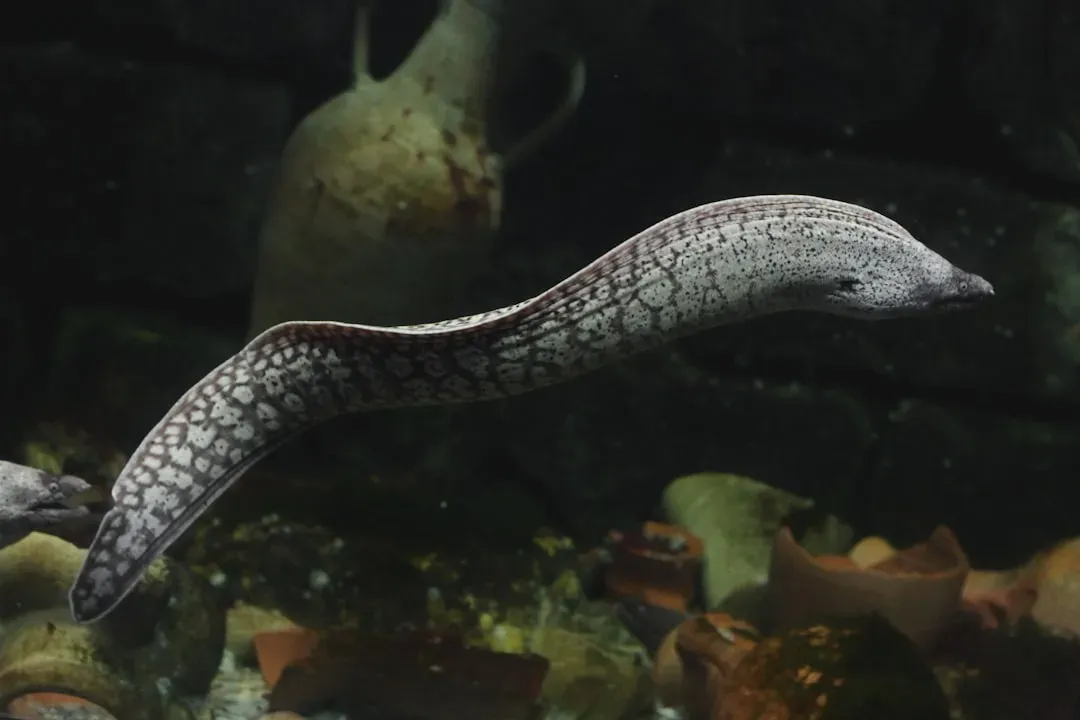
The electric eel possesses the astonishing ability to generate electric shocks of up to 860 volts, using their electrical powers for hunting and self-defense, stunning their prey and warding off predators. That’s more voltage than a standard household outlet.
Electric eels generate electricity from tens of thousands of electrocytes, like batteries, on every side of their bodies. Their entire body is essentially a living battery pack. Every cell is contributing to this incredible electrical generation system.
Researchers are studying the electric eel’s unique biology to develop new technologies inspired by their natural electrical generation abilities. Nature figured out bioelectricity millions of years ago, and we’re only just starting to catch up. What could we learn from these remarkable creatures?
Tardigrades Can Survive in the Vacuum of Space
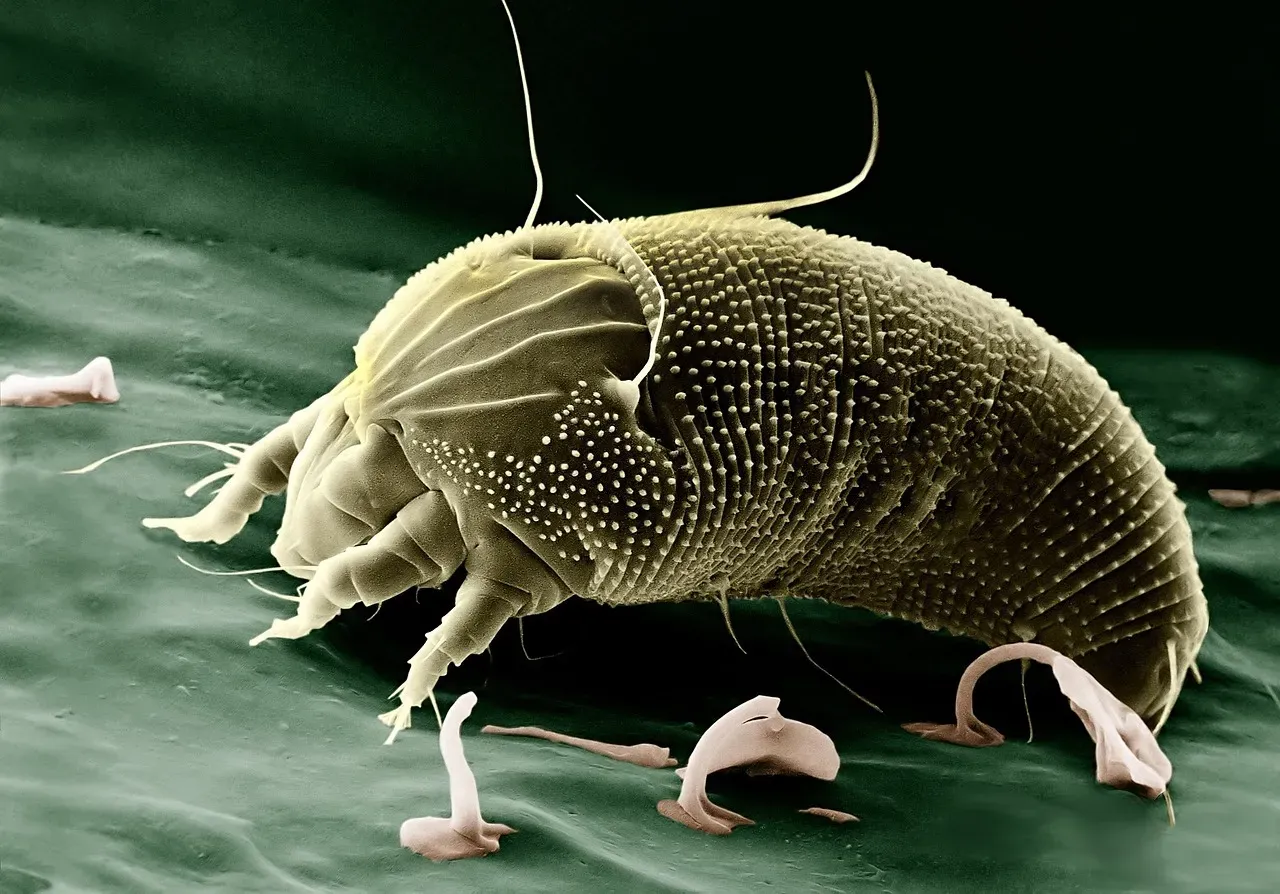
Tardigrades, also known as water bears or moss piglets, are microscopic creatures with the uncanny ability to survive extreme conditions that would be fatal to most other organisms, including temperatures ranging from near absolute zero to well above boiling point, enduring crushing pressures, and even the vacuum of space.
With bodies less than 1 millimeter in size, these critters can survive high doses of radiation, freezing conditions, extreme pressure and being launched into space by entering into a tun state, in which their bodies dry out and curl into a tiny ball, entering protective hibernation. They basically become indestructible.
These microscopic animals represent one of evolution’s most successful experiments in survival. Scientists believe that these seemingly indestructible creatures could offer valuable insights into the mechanisms of survival and adaptation in extreme environments. If we ever colonize other planets, tardigrades might just be our best teachers.
Sea Cucumbers Can Liquefy and Solidify Their Bodies at Will
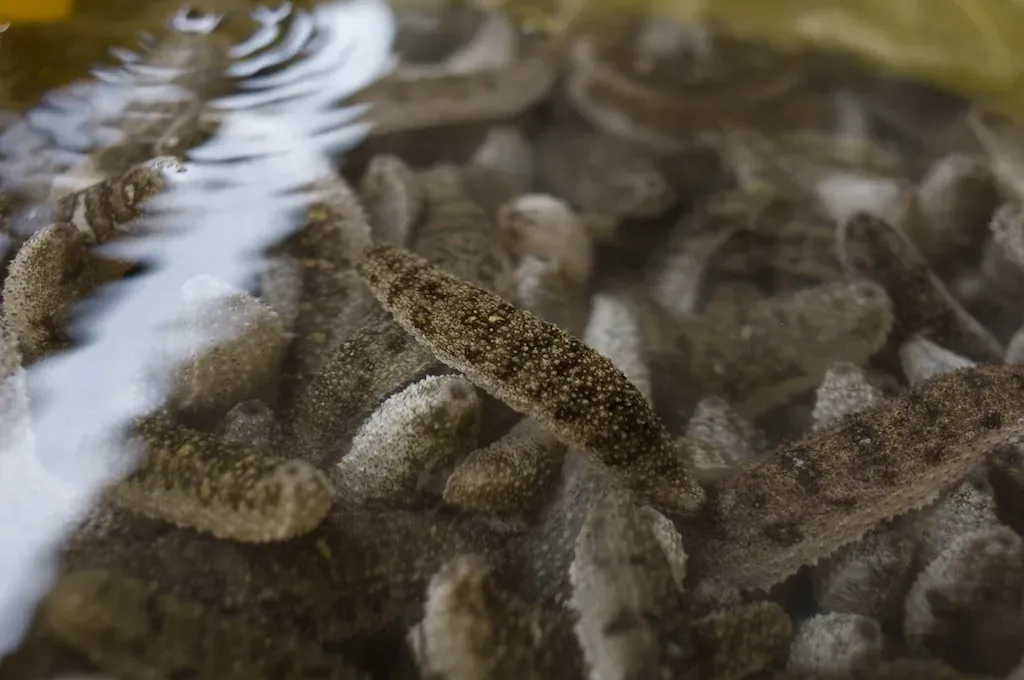
Sea cucumbers can hide from predators by liquefying and solidifying their bodies at will, allowing them to pour themselves into cracks and crevices, then secure themselves in their hiding places by regaining their solid form. It’s like something straight out of a superhero movie.
Sea cucumber skin is made of a unique type of collagen called mutable collagenous tissue that can stretch, slide, and reorient without being damaged, and when sea cucumbers enter their rigid form, the tissue orients itself into a lattice structure. The molecular mechanics behind this are mind-boggling.
When threatened, some sea cucumbers can mutilate their own bodies as a defense mechanism, violently contracting their muscles and jettisoning some of their internal organs out of their anus, with the missing body parts quickly regenerated. Talk about commitment to survival.
Mantis Shrimp Have the Fastest Punch in the Animal Kingdom
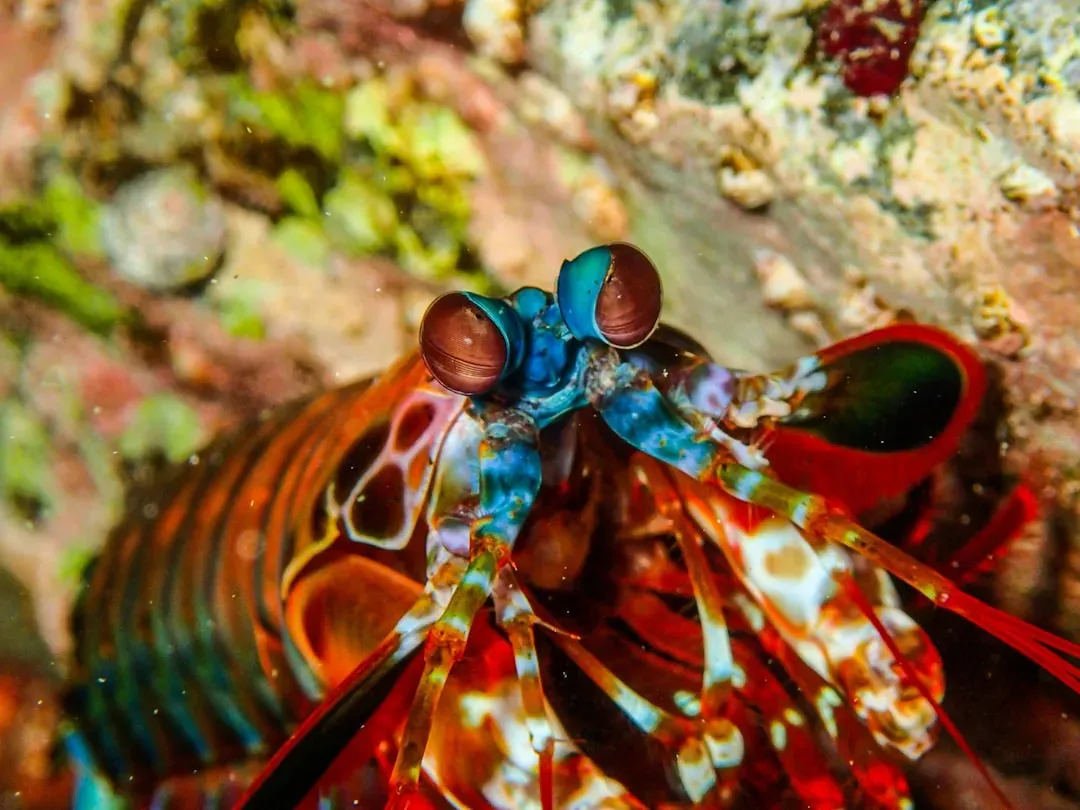
The mantis shrimp’s spring-loaded club can accelerate underwater at over 10,000 g and reach speeds of 23 meters per second, delivering a blow exceeding 1,500 newtons, powerful enough to crack open crab shells or shatter aquarium glass. These small crustaceans pack an absolutely devastating punch.
The strike is so rapid it causes cavitation bubbles, pockets of vapor that collapse with a flash of light and a second shockwave, doubling the damage. They literally hit things so hard that the water around their fist boils for a split second.
With up to 16 photoreceptor types compared to humans’ three, they perceive ultraviolet and polarized light with astonishing precision. They see colors we can’t even imagine and hit harder than physics should allow. Mantis shrimp are basically the superheroes of the ocean.
The Immortal Jellyfish Can Reverse Its Aging Process
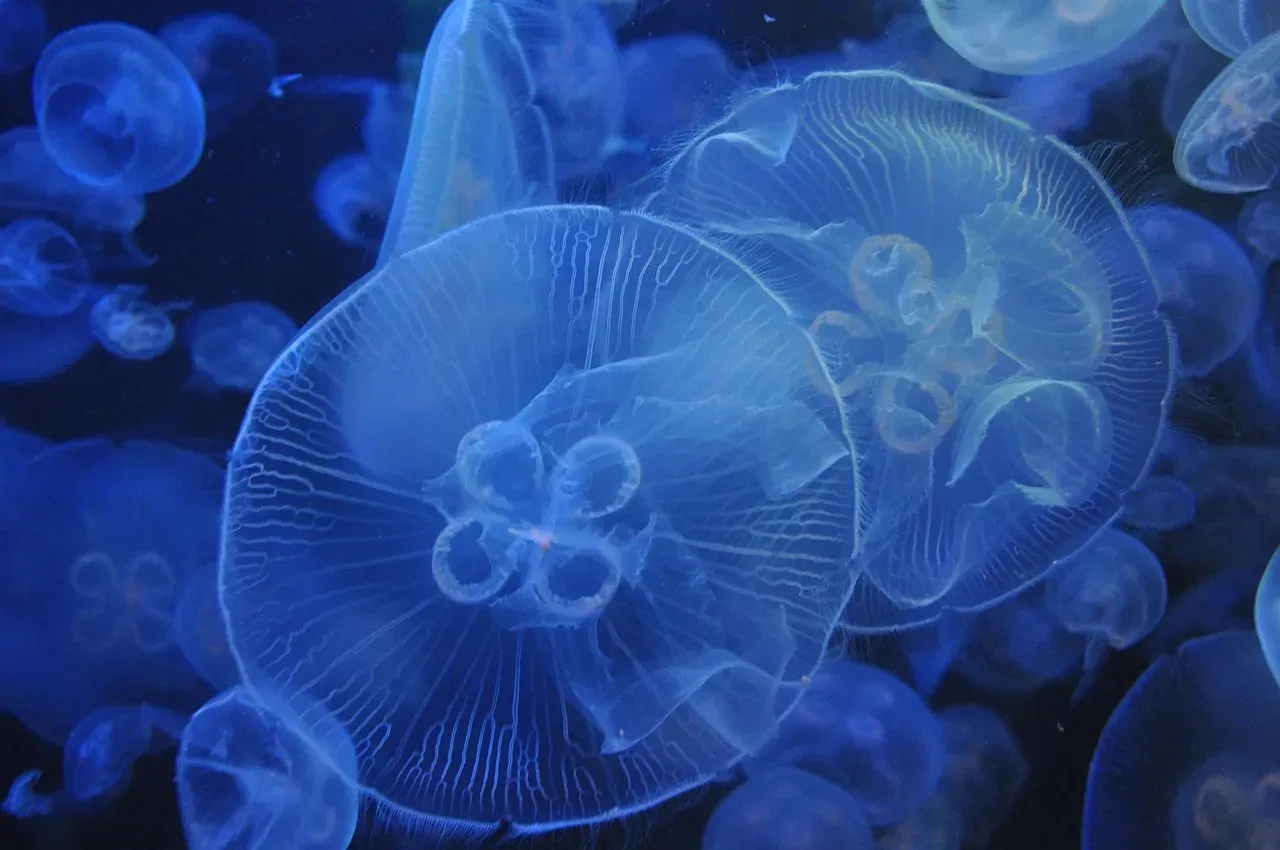
The tiny hydrozoan Turritopsis dohrnii can reverse its life cycle when stressed, injured, or aging, with the free-swimming medusa collapsing and reverting to a juvenile polyp that buds off new medusae, creating biological immortality, though most individuals still die from predators or disease.
Under a microscope, the transformation looks like rewinding development itself, tissues dissolving into a cellular soup that reassembles into a new colony, representing regeneration writ large across the entire body plan. It’s essentially hitting the reset button on life.
Imagine if humans could do this. Feeling old? Just revert back to childhood and start over. The implications for understanding aging and cellular regeneration are staggering. This tiny jellyfish might hold secrets that could revolutionize how we think about lifespan and mortality.
Mimic Octopuses Can Impersonate Multiple Venomous Animals
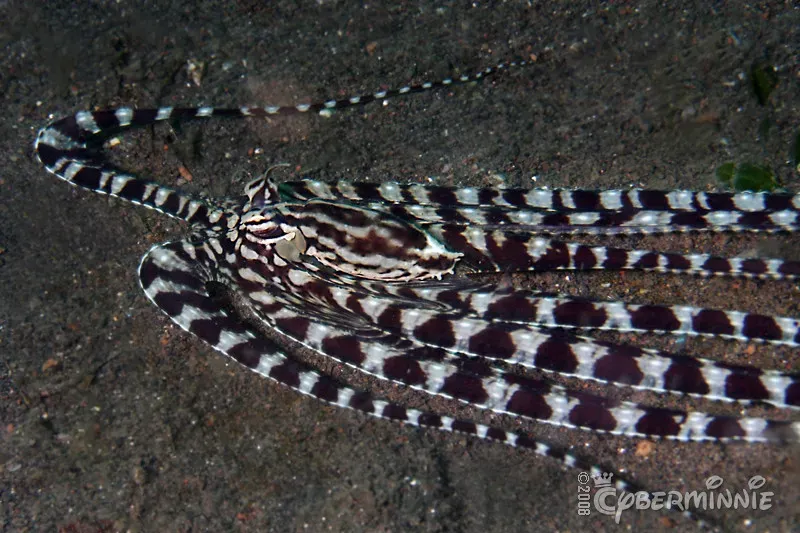
The mimic octopus isn’t just good at blending in, it’s also a good actor, reshaping its body and choreographing movements to impersonate venomous locals like lionfish, sea snakes, and flatfish on open sand flats with nowhere to hide, discouraging predators that might otherwise pounce.
This isn’t simple camouflage. It’s method acting at the highest level. The octopus doesn’t just change color, it changes its entire body shape and movement patterns to convincingly portray completely different species. It knows which animals predators fear and becomes them on demand.
Discovered in the late 1990s in Indonesia, this octopus has the extraordinary ability to change not only its color but also its shape and behavior to imitate other animals. The intelligence required for this level of deception is frankly astonishing. How many other hidden talents do these remarkable creatures possess?
Conclusion: Nature’s Endless Capacity to Surprise
The animal kingdom never stops teaching us that we’ve barely scratched the surface of understanding life on Earth. From spiders that weaponize vomit to jellyfish that cheat death itself, these creatures remind us that evolution is the most creative force in the universe. Every discovery challenges our assumptions and expands what we thought was possible.
These fourteen facts represent just a tiny fraction of the countless wonders waiting to be discovered. As technology advances and scientists venture into unexplored territories, who knows what other mind-blowing abilities we’ll uncover? The natural world is far stranger and more magnificent than any fiction we could dream up.
What’s your favorite animal fact from this list? Did any of these surprise you as much as they surprised the scientists who discovered them? The conversation about nature’s incredible diversity is far from over.

- 14 Signs a Dog Near the Rainbow Bridge Is at Peace With Its Person - July 21, 2026
- 15 Ways a Shelter Animal Tells You It Was Always Meant to Be Yours - July 21, 2026
- 14 Ways a Dog Shows You Are the Center of Its Whole World - July 21, 2026