
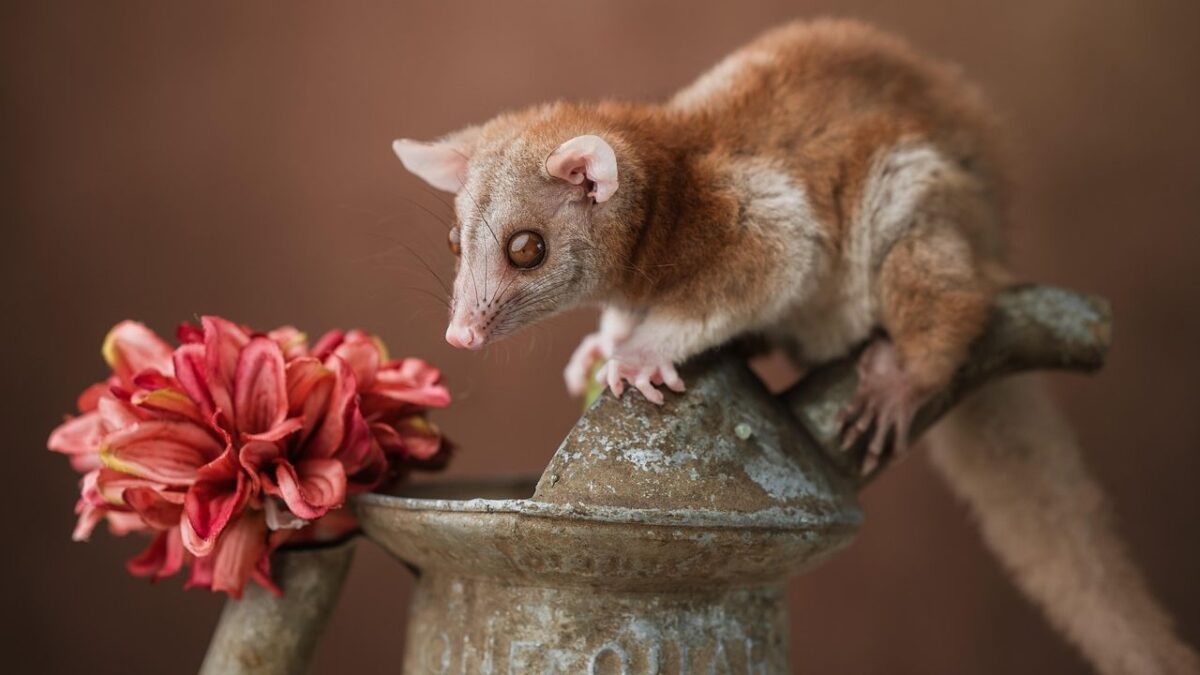
Nature isn’t always kind to the weak. Out there in the wild, survival isn’t guaranteed – every day is a battlefield. From dense rainforests to barren deserts, creatures face constant threats from predators lurking around every corner.
Some animals, rather than developing sharp claws or massive jaws, evolved something far more creative. Their defense mechanisms aren’t just impressive, they’re downright bizarre. We’re talking about shooting blood from eyes, producing explosive sprays, and transforming into entirely different creatures. These aren’t fictional superheroes, these are real animals that walk, swim, and crawl among us.
Evolution didn’t hand out weapons randomly. Each defense is a carefully honed survival tool, shaped by millions of years of trial and error. Let’s dive into the world of nature’s most ingenious defenders and discover how they’ve turned vulnerability into victory.
The Bombardier Beetle: Nature’s Living Chemical Weapon
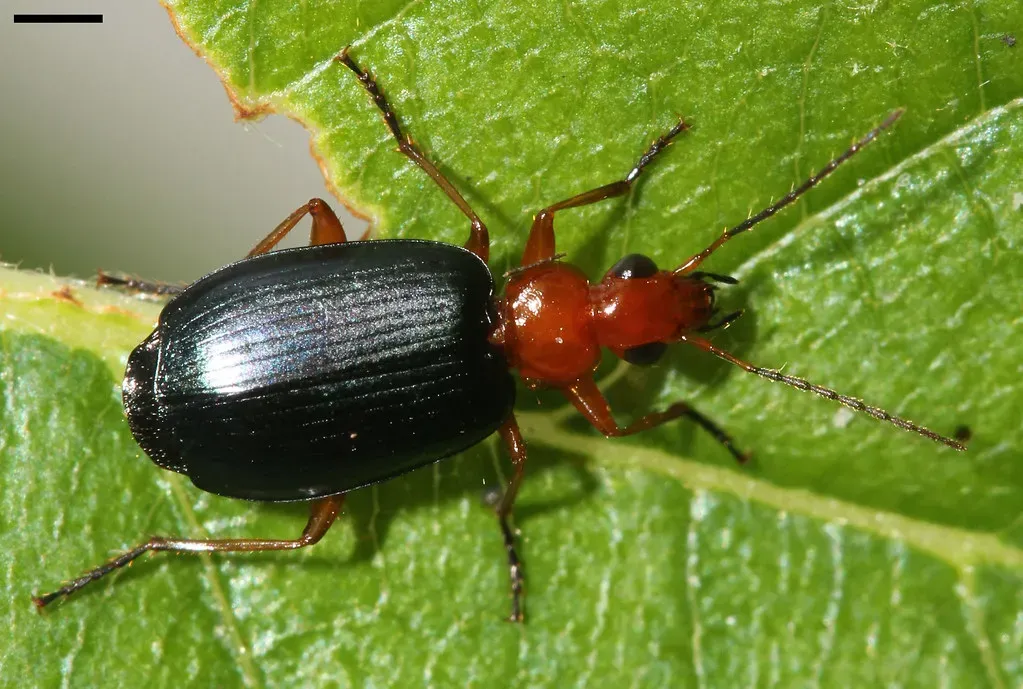
Bombardier beetles are adephagan ground beetles that are most notable for the defense mechanism that gives them their name: when disturbed, they eject a hot, noxious chemical spray from their pygidial glands with a popping sound. The explosive mechanism generates a spray that is not only much hotter than that emitted by other insects that use the same chemical irritant, but also propels the jet five times faster.
How does such a tiny insect pull off this feat? The spray is produced from a catalyzed reaction between hydroquinone and hydrogen peroxide, an aqueous solution stored in the beetle’s abdomen; heat from the reaction brings the mixture to near the boiling point of water and produces gas that drives the ejection.
These beetles spray a concoction of boiling, irritating chemicals at predators with an audible pop; the spray is thought to be up to a scalding 100°C. The gland openings of some African bombardier beetles can swivel through 270° and thrust between the insect’s legs, discharging the fluid in a wide range of directions with considerable accuracy. Their aim is impeccable, and their chemical arsenal nearly inexhaustible for short bursts.
The Hagfish: An Ocean of Slime in Seconds
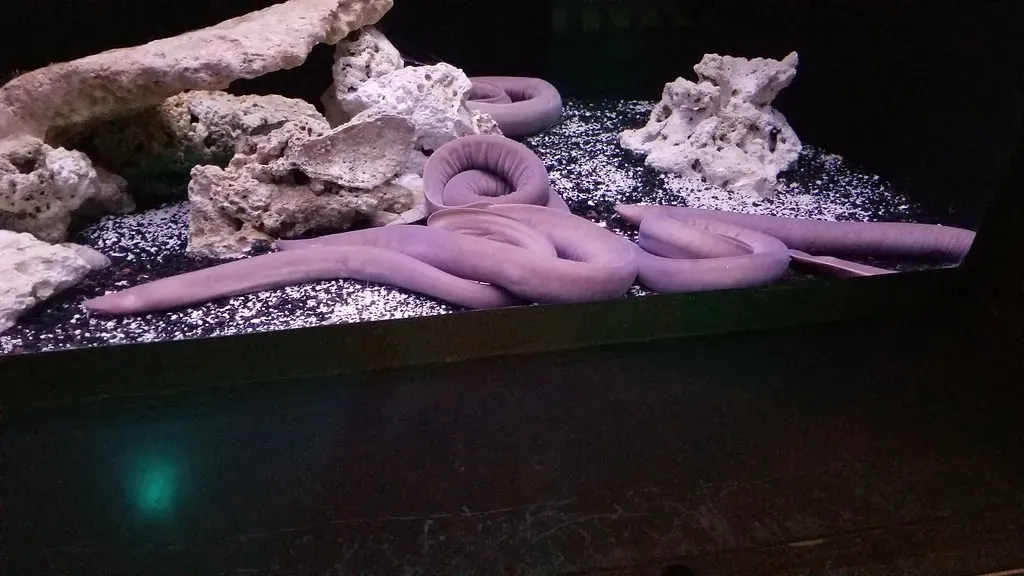
Honestly, if there’s one animal that embodies pure weirdness, it’s the hagfish. Hagfish can exude copious quantities of a milky and fibrous slime from specialized slime glands; when released in seawater, the slime expands to 10,000 times its original size in 0.4 seconds.
It has been shown to impair the function of a predator fish’s gills; the hagfish’s mucus would clog the predator’s gills, disabling their ability to respire, and the predator would release the hagfish to avoid suffocation. The strategy is devastatingly simple yet incredibly effective.
What makes this slime so special? The threads impart outstanding physical properties and make the slime an elastic and coherent soft gel with a complex network structure, consisting of ultra-long protein threads and a hydrated mucus part. Data shows that hagfish slime is 99.996% seawater, 0.0015% mucin and 0.002% threads.
The hagfish itself can escape its own trap. If they remain captured, they can tie themselves in an overhand knot, and work their way from the head to the tail of the animal, scraping off the slime and freeing themselves from their captor. It’s messy, it’s gross, and it works beautifully.
Horned Lizard: Blood-Squirting Terror
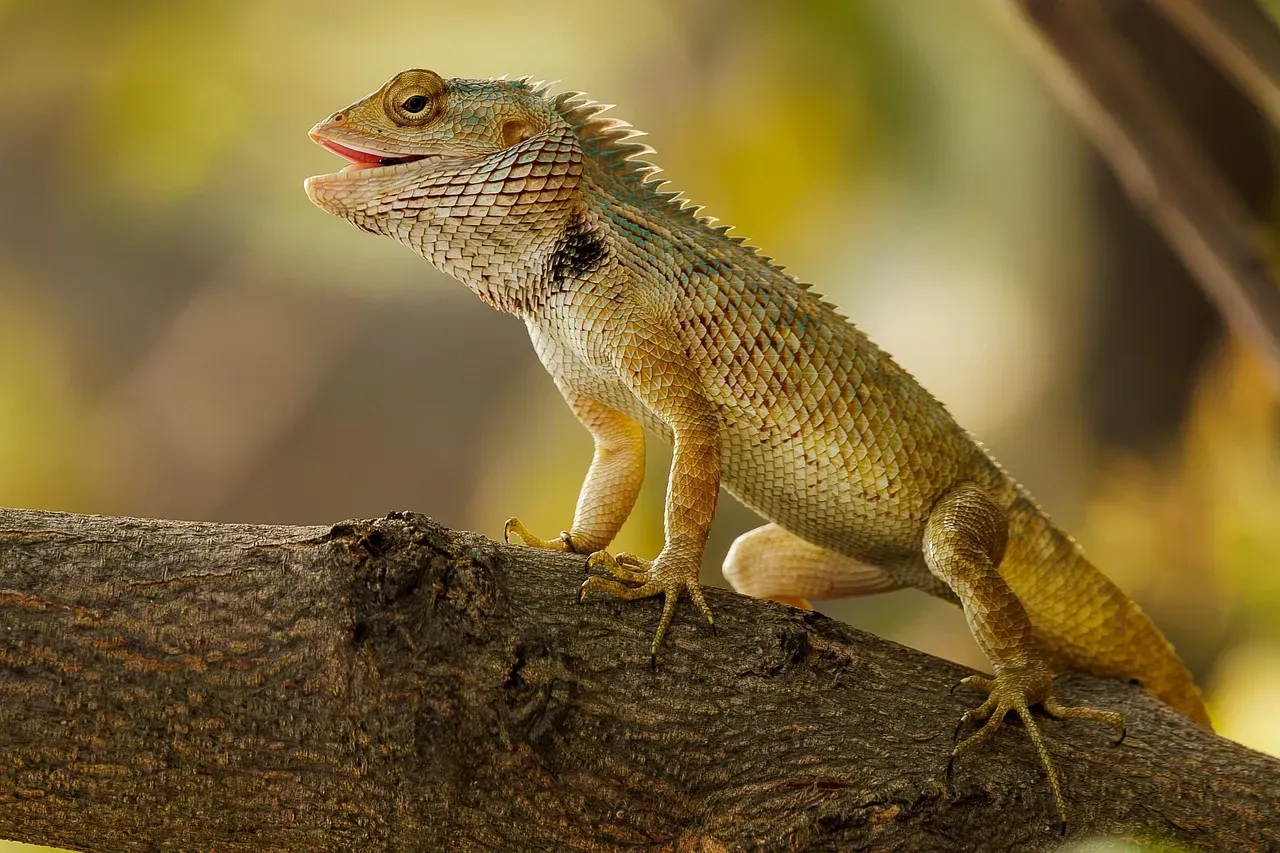
Picture this: you’re a coyote or dog looking for a quick meal, and suddenly your potential snack shoots blood directly into your mouth from its eyes. When threatened, horned lizards squirt a stream of blood from their eyes up to a distance of 5 feet by restricting the blood flow leaving their heads, which increases blood pressure and causes tiny blood vessels to burst around the eyes.
While previous thought held that compounds were added to the blood from glands, current research has shown that the chemical compounds that make up the defense are already in the circulating blood; it is possible that their diet of large quantities of venomous harvester ants could be a factor. The blood doesn’t just shock predators – it tastes absolutely foul to canines and felines.
If the predator crushes their skull or rips their head off, it’s game over, but the horns on their heads usually keep a predator from biting down too hard; although it only tastes a little acrid to us, canine and feline predators have an extremely negative response to the taste, gaping their jaws and drooling heavily.
This isn’t their only trick. The lizards can also inflate themselves to twice their normal size when attacked; not only does this make them look more intimidating, it can cause predators trying to swallow them to choke. Talk about a multilayered defense system.
Mimic Octopus: The Ultimate Shapeshifter
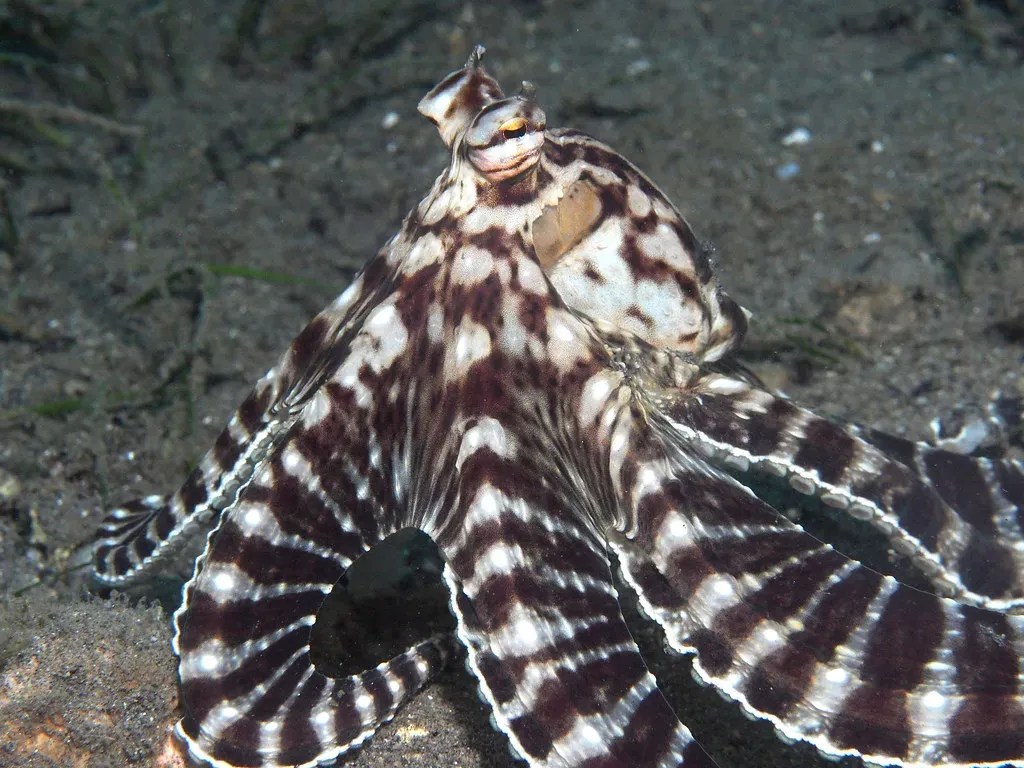
Mimic octopuses stand out from other octopus species because of their extraordinary ability to mimic and imitate a wide variety of species; whereas most species that are able to mimic can only mimic a single animal, the mimic octopus can switch between various disguises: up to 18 different marine animals, not by just changing their color, but also their shape and behavior.
They’ve been spotted imitating lionfish, sea snakes, jellyfish, and flatfish with astonishing accuracy. The octopus may be able to intelligently use its mimicry based on the situation; for example, a mimic octopus which was being harassed by damselfish mimicked a banded sea snake, a known damselfish predator. That’s not just camouflage – that’s strategic thinking.
Living in exposed sandy habitats where reefs and hiding spots are scarce, the mimic octopus needs every advantage it can get. The mimic octopus was first discovered off the coast of Sulawesi, Indonesia in 1998 on the bottom of a muddy river mouth; it has since been found to inhabit the Indo-Pacific.
Their intelligence is off the charts. Octopuses are generally a highly intelligent species; their brains are especially large for an invertebrate, containing roughly around 300 million neurons and their arms contain roughly 50 million neurons. Each arm essentially has a mind of its own.
Sea Cucumber: Ejecting Internal Organs as Distraction
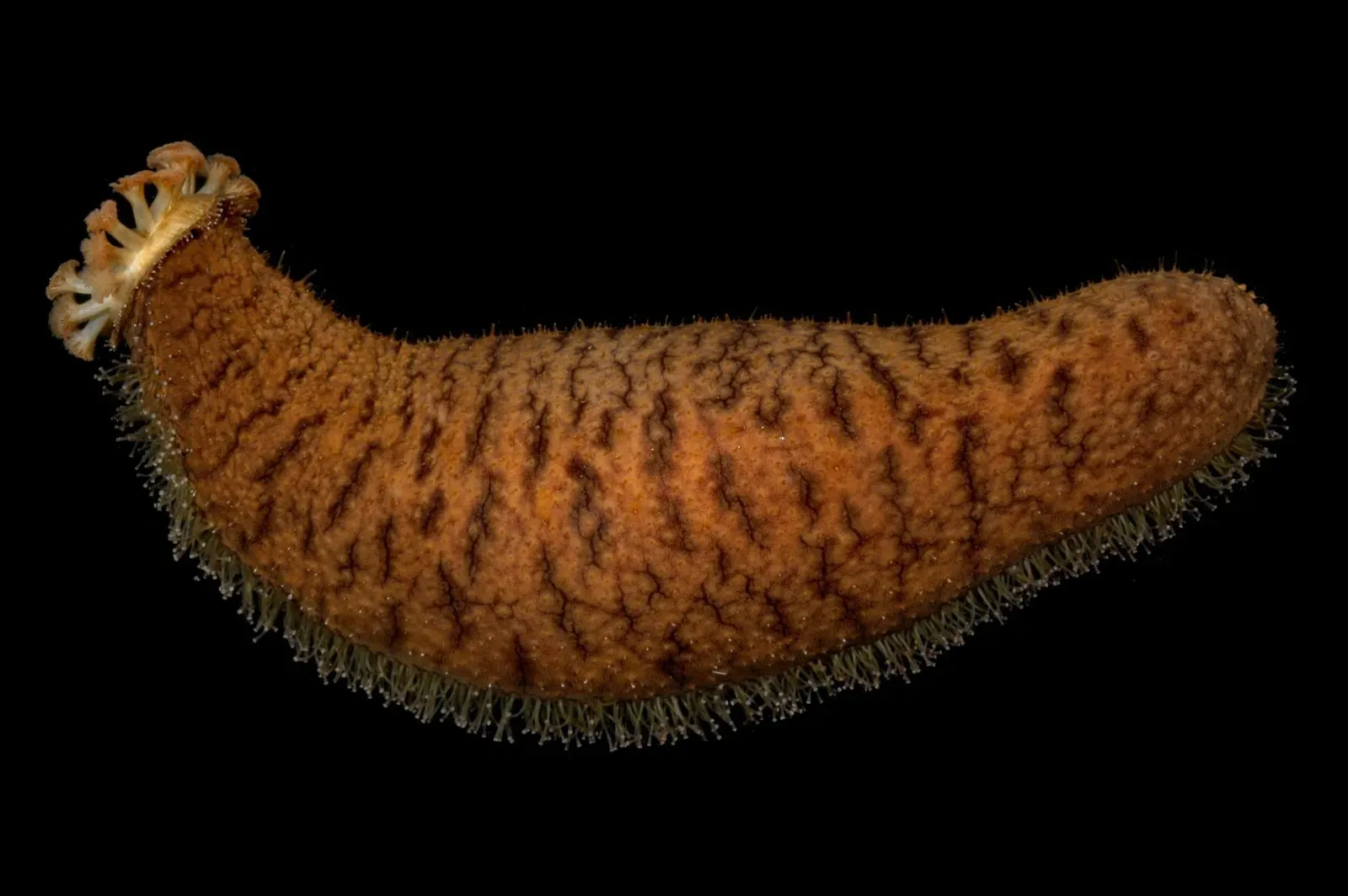
When most animals face danger, they run or hide. Sea cucumbers? They throw their guts at the problem. When threatened, the sea cucumber ejects its own internal organs to distract predators; the organs are sticky and sometimes toxic, allowing the sea cucumber to escape while its attacker is confused, and the organs regenerate within a few weeks.
This bizarre act is called evisceration. The sea cucumber contracts its body muscles violently, forcing out organs through its rear end. The sticky mess entangles or distracts the predator long enough for the cucumber to make its escape.
What seems like a death sentence is actually a renewable resource. The animal doesn’t die from this process – it simply regrows what it lost over the following weeks. Some species of sea cucumbers can even emit a toxin called holothurin, which is lethal to nearby fish. It’s one of nature’s most extreme examples of sacrificing a part to save the whole.
Pufferfish: Inflating Into a Spiky Balloon of Death
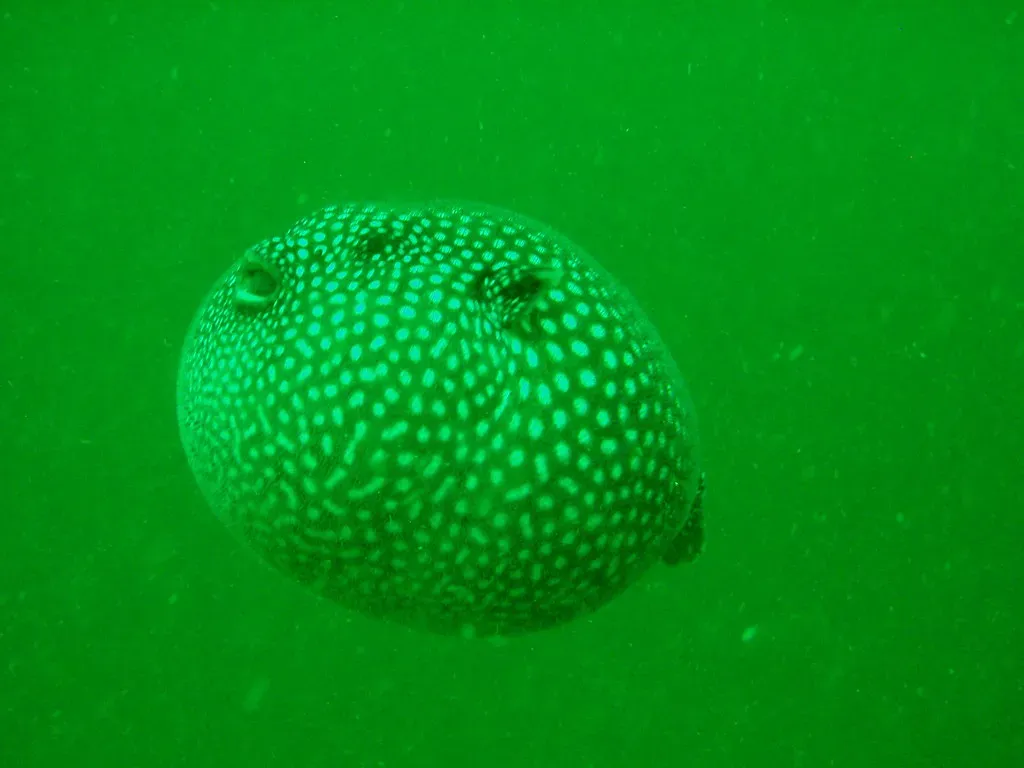
Few marine creatures are as iconic as the pufferfish when it puffs up into a near-perfect sphere. When threatened, the pufferfish gulps water to expand into a spiky ball while releasing a potent neurotoxin called tetrodotoxin; the spikes deter predators physically, while the toxin is up to 1,200 times more poisonous than cyanide.
The inflation process happens rapidly. Water rushes into the pufferfish’s highly elastic stomach, transforming the fish from a normal shape into something almost comical – if it weren’t so deadly. The spines that lie flat against its body when relaxed now stand erect, making it nearly impossible for a predator to swallow.
Even if a predator manages to bite down, the tetrodotoxin ensures it’ll be their last meal. This toxin attacks the nervous system, causing paralysis and death. There’s no known antidote. Some pufferfish species carry enough toxin to kill 30 adult humans, yet the fish itself remains completely unaffected.
Despite the danger, pufferfish are considered a delicacy in some cultures, particularly in Japan where it’s called fugu. Chefs must undergo years of training to prepare it safely, removing the toxic parts with surgical precision.
Electric Eel: A Living Taser
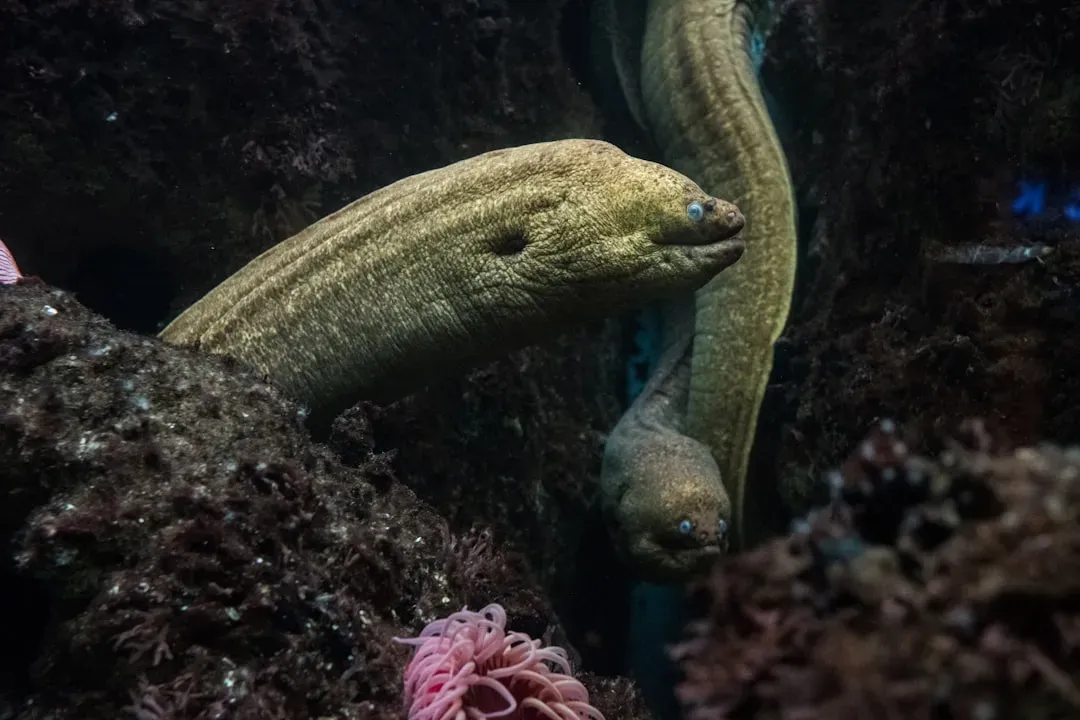
The Electric Eel, a freshwater marvel, wields electricity as its defense and hunting tool; capable of generating powerful electric shocks, it’s an apex predator in its riverine habitat, and these shocks can stun prey or deter threats.
Electric eels possess specialized organs called electrocytes that enable them to produce powerful electric discharges for hunting prey, self-defense, and communication. These organs make up roughly 80 percent of the eel’s body, essentially turning the creature into a swimming battery.
The discharge isn’t just a tickle – it can reach up to 600 volts, enough to knock a horse off its feet. For smaller prey, it’s instantly lethal. For larger threats, including humans, the shock is painful and disorienting enough to encourage a hasty retreat.
Interestingly, electric eels aren’t true eels at all. Despite their name, they’re more closely related to catfish than true eels. They inhabit the murky waters of the Amazon and Orinoco basins, where visibility is poor and electrical signals become a crucial tool for navigation and hunting.
Skunk: Chemical Warfare on Four Legs
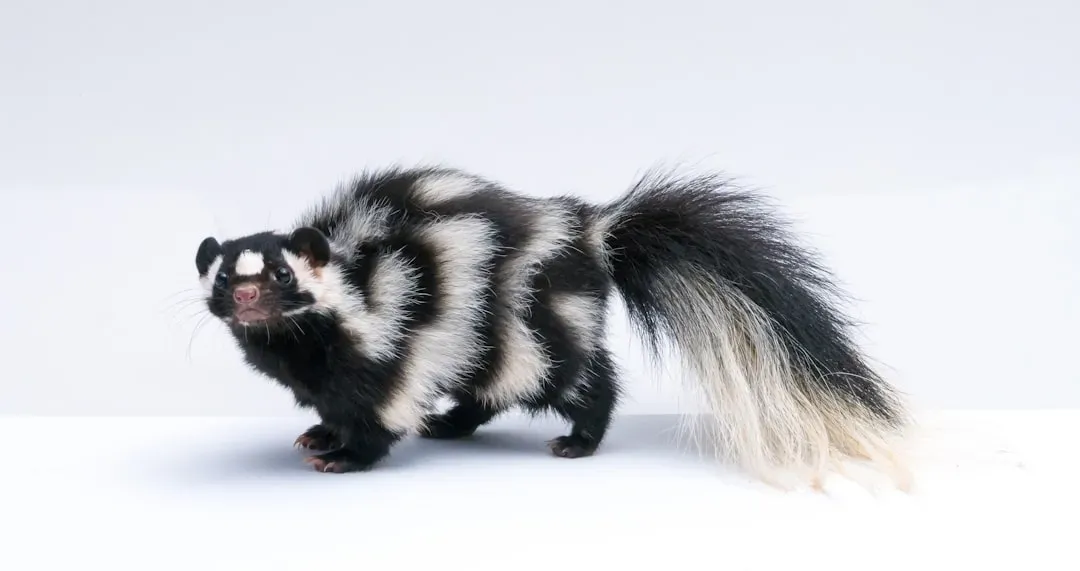
Everyone knows the skunk’s reputation. Skunks are renowned for their potent defense mechanism – a noxious spray that can deter even the boldest of predators; this malodorous spray, emitted from glands beneath their tail, can reach up to 10 feet and cause temporary blindness.
The spray contains sulfur-based compounds called thiols, which are responsible for that unforgettable, eye-watering stench. It clings to skin, fur, and fabric with stubborn persistence. Tomato juice baths and specialized cleaning products only partially alleviate the smell.
Skunks don’t spray without warning, though. They perform an elaborate warning dance, stamping their feet, raising their tail, and sometimes even doing a handstand. These displays are meant to give potential threats every opportunity to back off before the skunk deploys its ultimate weapon.
Once sprayed, the smell can linger for days or even weeks. It’s a defense so effective that most predators learn to avoid skunks after a single encounter. The black and white coloration serves as a universal warning sign across the animal kingdom.
Opossum: The Art of Playing Dead
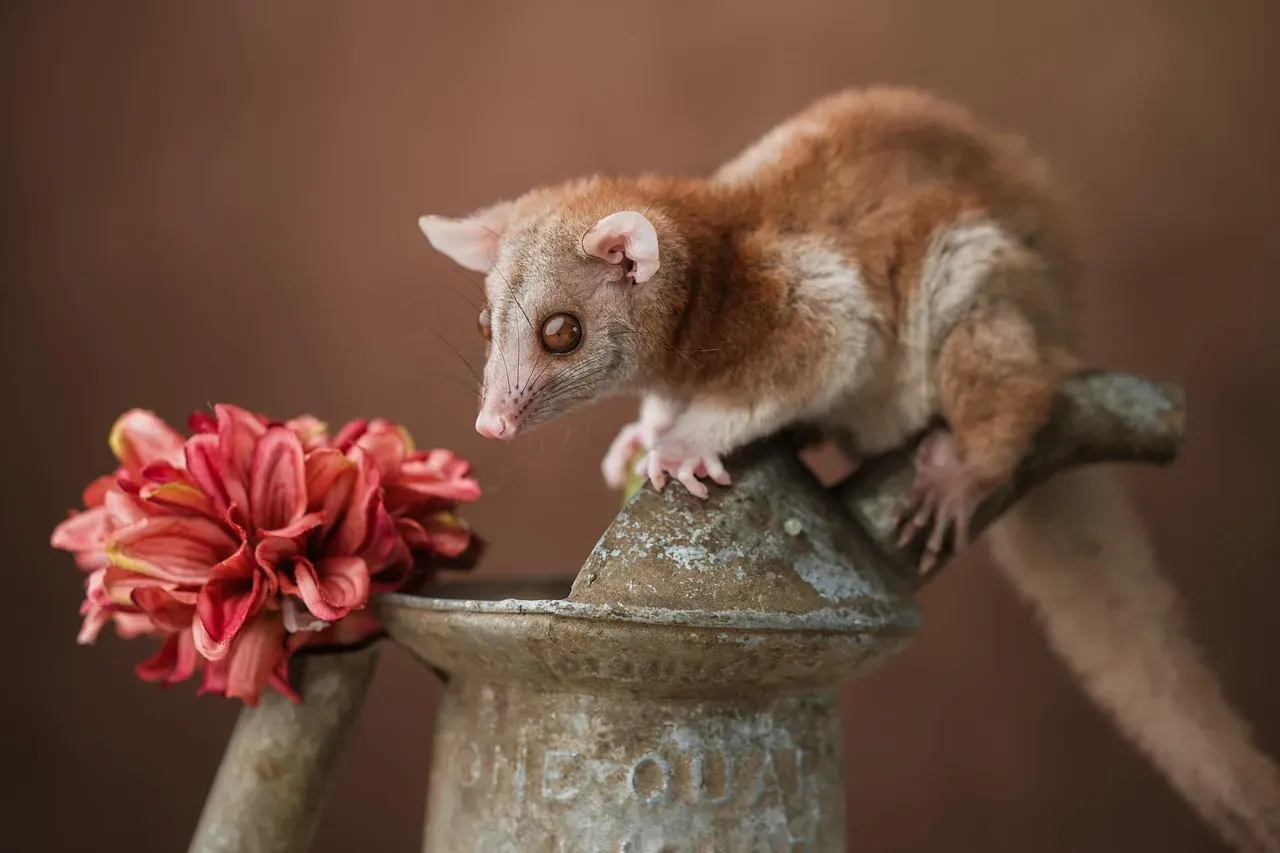
Faking death, an extraordinary defense strategy, is famously employed by opossums; when faced with threats, these resourceful marsupials go limp, roll onto their side, and become unresponsive, alongside emitting a foul odor from their anal glands, further convincing potential predators of their demise, and this remarkable behavior can last for a few minutes to several hours.
Playing possum isn’t a conscious choice – it’s an involuntary response to extreme fear, similar to fainting. The opossum’s body essentially shuts down, entering a catatonic state complete with a slowed heart rate and shallow breathing.
The foul smell they emit mimics the scent of decay, making predators think the opossum has been dead for some time. Most carnivores prefer fresh kills and will abandon what they believe is rotting meat. It’s a brilliantly disgusting strategy.
When the danger passes, the opossum gradually “wakes up” and scurries away. The entire performance is so convincing that it’s fooled countless predators – and given rise to a common phrase in the English language.
Archerfish: Spitting Bullets of Water
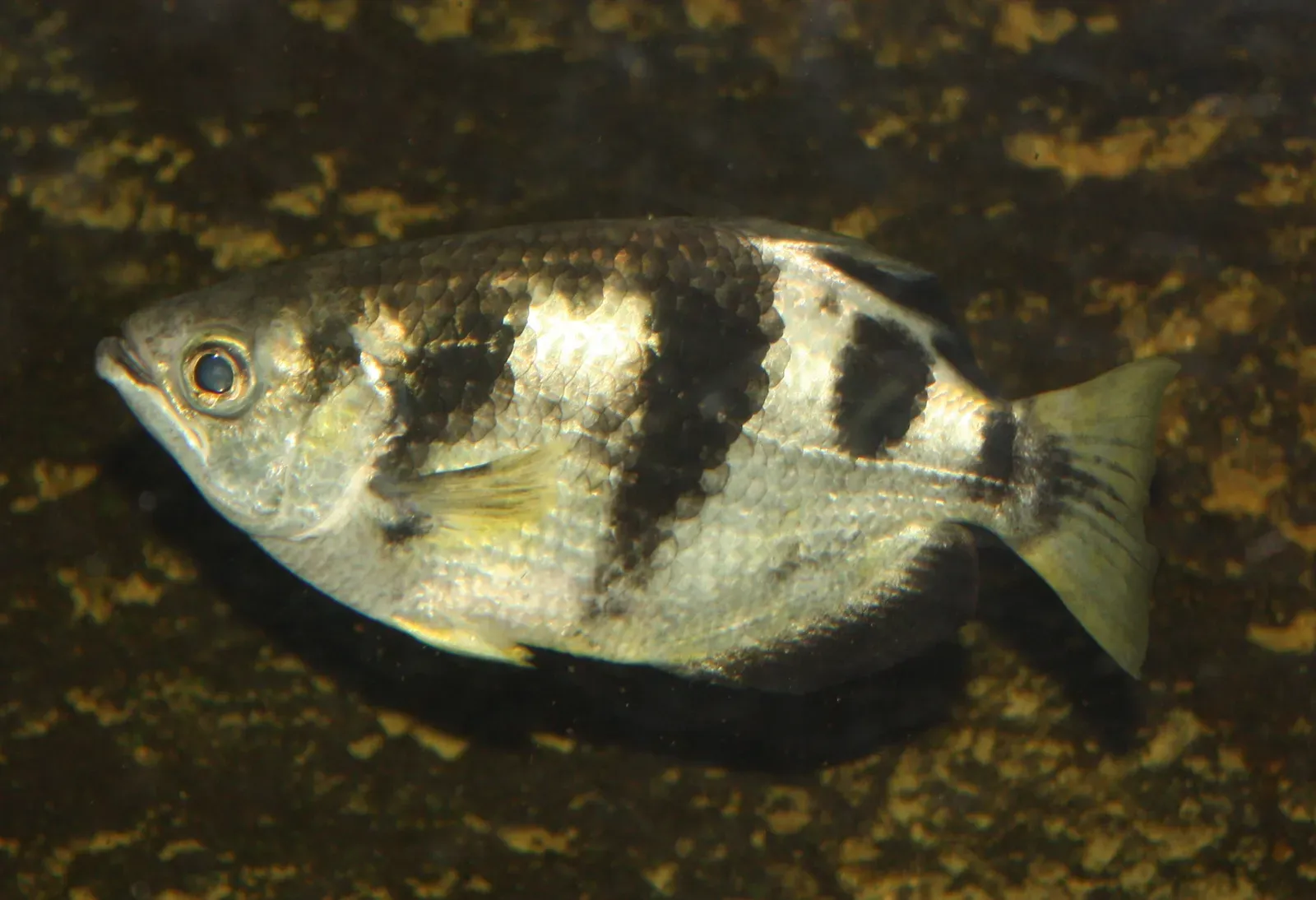
Archerfish possess one of the most precise hunting techniques in the animal kingdom, but it doubles as an impressive defense mechanism. These fish can shoot jets of water from their mouths with remarkable accuracy, knocking insects and small prey off overhanging branches.
The physics involved are astounding. The archerfish adjusts for the refraction of light at the water’s surface, essentially solving complex optical problems instinctively. They can hit targets up to six feet away with deadly precision.
While primarily used for hunting, this water-shooting ability also serves as a deterrent against predators and rivals. A well-aimed jet to the eye or sensitive area is often enough to make an aggressor think twice.
Young archerfish learn this skill by watching adults, practicing their aim until they achieve mastery. It’s one of the few examples of learned behavior involving tools in fish, showcasing impressive cognitive abilities.
Thorny Devil: A Walking Cactus
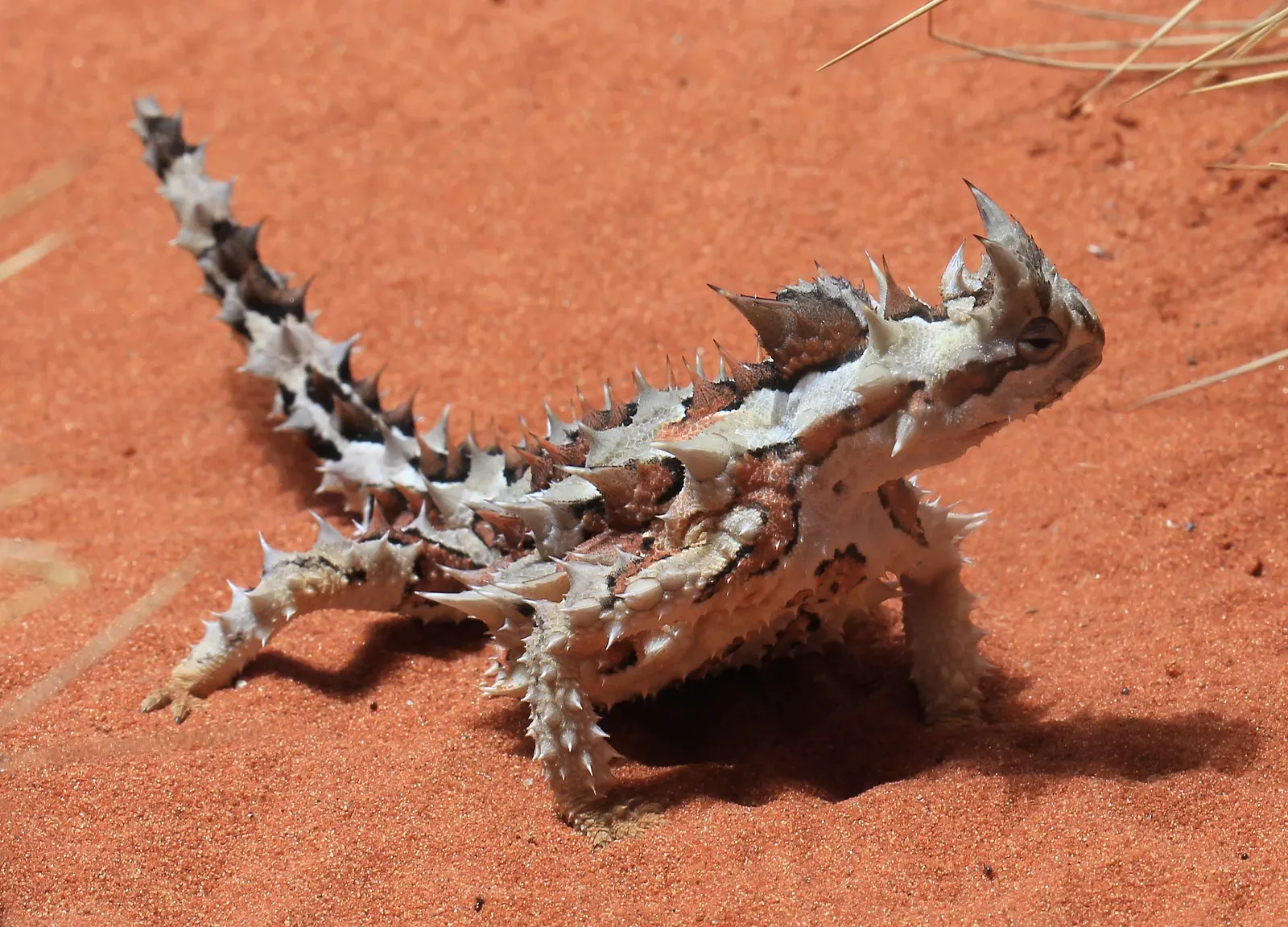
The thorny devil lizard looks like it crawled straight out of a fantasy novel. Its entire body is covered in sharp, intimidating spines that make it nearly impossible for predators to swallow. But these spines serve another crucial purpose beyond defense.
The thorny devil has evolved a remarkable water-collection system. Like the unrelated thorny devil which also lives in arid environments, some species of horned lizards exhibit a behaviour known as “rain-harvesting”; as rain falls on the scales of a lizard’s back, water is passively transported through channels to its mouth by capillary action.
Living in the harsh Australian desert, where water is scarce, this adaptation is life-saving. The lizard can drink through its skin, absorbing moisture from dew, fog, or damp sand. The grooves between its scales act like tiny straws, channeling water directly to its mouth.
Its defense is primarily passive – predators take one look at this spiky creature and decide it’s not worth the effort. Birds and snakes that might attempt to eat it quickly learn that the thorny devil’s armor is no bluff. The lizard moves slowly and deliberately, confident in its protective coating.
Stonefish: The Master of Deadly Disguise
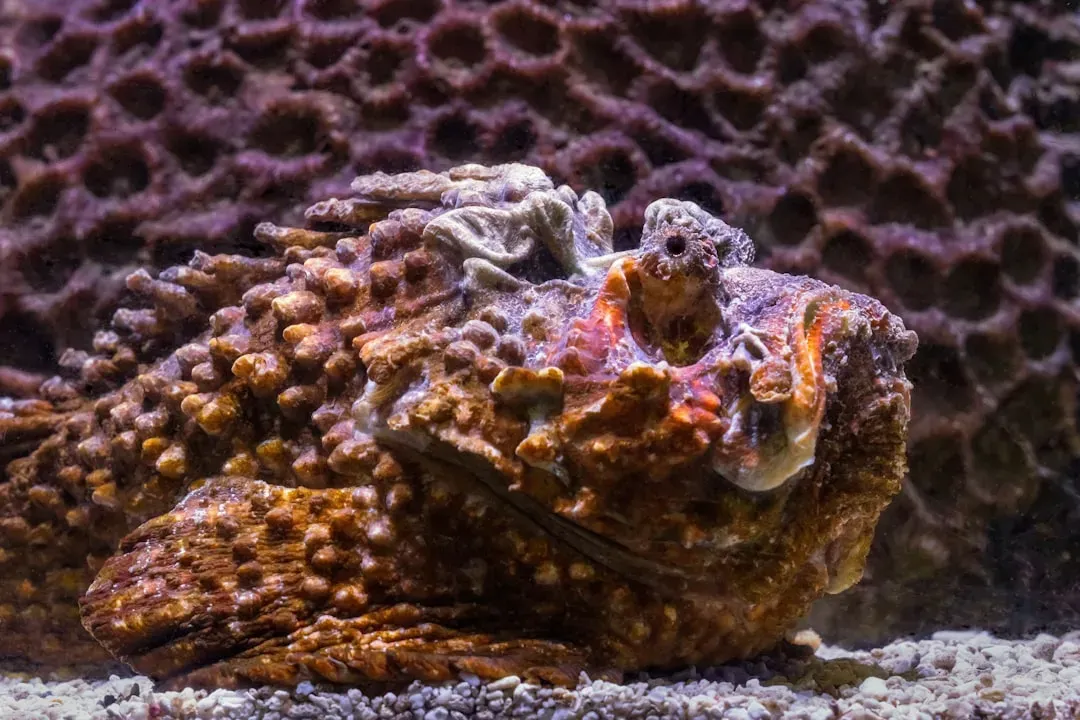
Stonefish are the most venomous fish in the world, and their primary defense is invisibility. They lie motionless on the ocean floor, looking exactly like a rock or piece of coral. Their camouflage is so perfect that even experienced divers can step on them without realizing it – a mistake that can prove fatal.
Along their dorsal fin, stonefish have 13 sharp spines, each containing potent venom. When pressure is applied, the spines inject toxin deep into the victim’s tissue. The pain is described as excruciating, sometimes causing victims to lose consciousness or go into shock.
The venom attacks the cardiovascular system, causing tissue death, paralysis, and potentially fatal heart failure if left untreated. Even with medical intervention, recovery can take months, and permanent tissue damage is common.
Stonefish don’t hunt aggressively – they’re ambush predators. They simply wait, blending perfectly with their surroundings, until unsuspecting prey swims within striking distance. Their defense and hunting strategy are one and the same: patience and lethality.
Pangolin: Armored Ball of Keratin
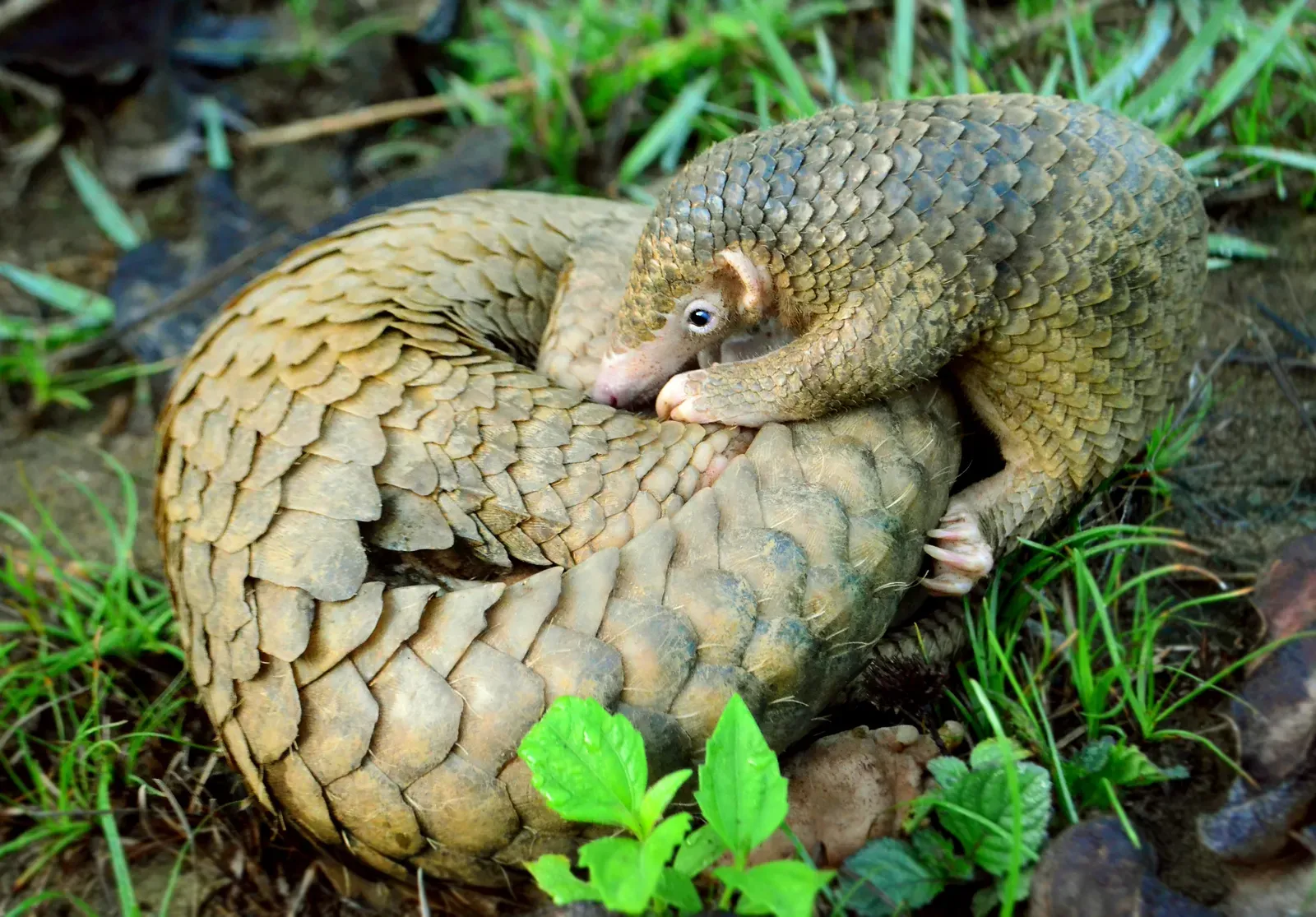
Pangolins are the only mammals covered entirely in scales, made from the same keratin found in human fingernails. When threatened, they roll into an impenetrable ball, with their tough scales overlapping to protect vulnerable areas like the belly and face.
The scales are sharp and extremely hard, deterring even the most determined predators. Lions, leopards, and hyenas have all been observed giving up after attempting to pry open a rolled-up pangolin. The animal can also release a foul-smelling acid from glands near its anus, adding another layer of defense.
Despite this impressive armor, pangolins are critically endangered. Their scales are highly valued in traditional medicine markets, leading to rampant poaching. Tragically, the very defense that has protected them for millions of years now makes them a target for human exploitation.
Pangolins are solitary, nocturnal creatures that feed almost exclusively on ants and termites. They have no teeth, using their incredibly long, sticky tongues to capture prey. Conservation efforts are underway, but these gentle, armored mammals remain among the most trafficked animals on Earth.
Conclusion
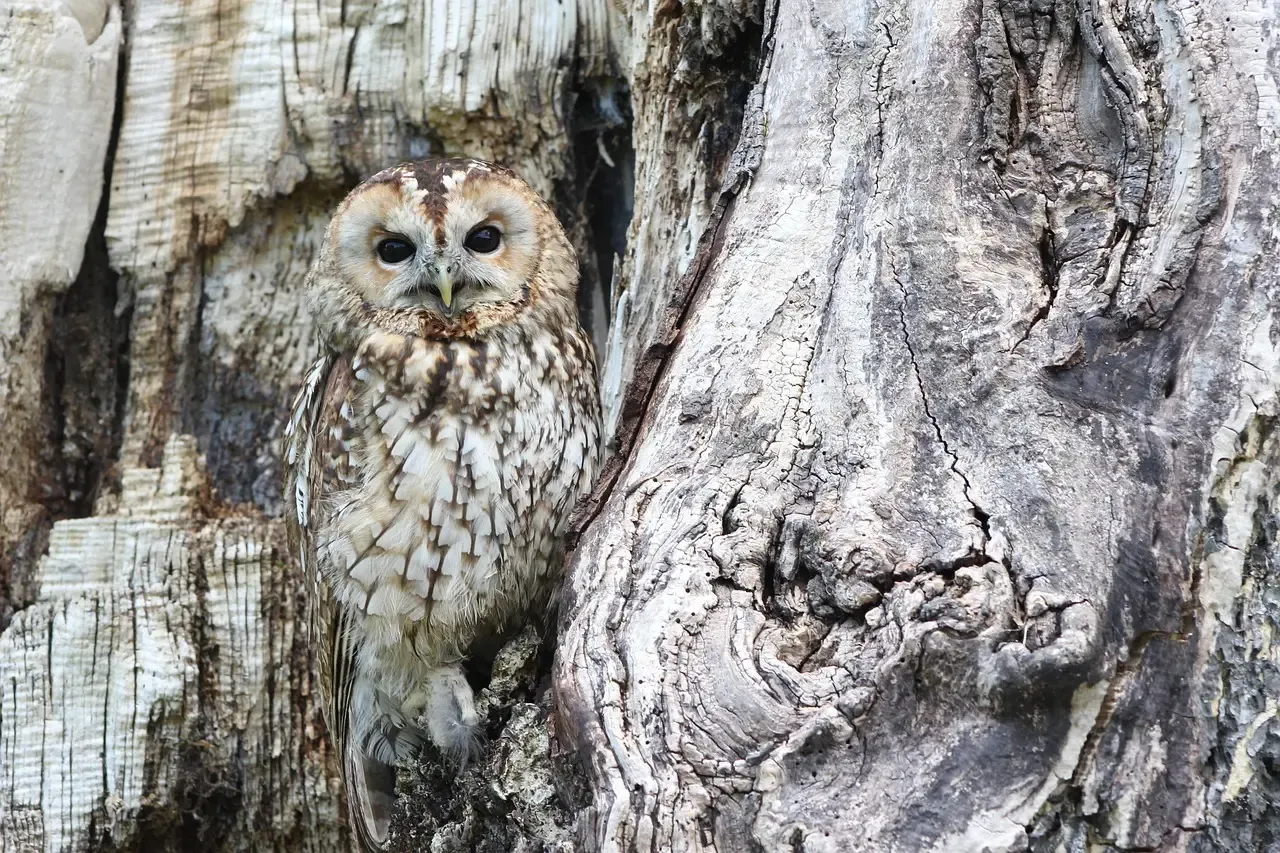
Nature’s creativity when it comes to survival never fails to amaze. From chemical explosions to strategic mimicry, from blood-squirting reptiles to slime-producing fish, evolution has crafted defenses as varied as the ecosystems these creatures inhabit. Each adaptation tells a story of millions of years of predator-prey dynamics, environmental pressures, and the relentless drive to survive.
These animals remind us that strength isn’t always about size or aggression. Sometimes the most effective defense is the most unexpected. Whether it’s a beetle that shoots boiling acid or an octopus that becomes a sea snake, these creatures have turned vulnerability into artistry.
What do you think is the most incredible defense mechanism? Does anything on this list surprise you, or do you know of other animals with equally bizarre survival strategies? The natural world still holds countless secrets waiting to be discovered.

- Why Veterinarians Say If Your Cat Sleeps With Their Back to You, It's the Highest Form of Trust in Feline Behavior - July 20, 2026
- Animal Science Says Ravens Remember Human Faces for Years and Warn Other Ravens About Dangerous People - July 20, 2026
- Marine Biology Says When Dolphins Suddenly Go Silent in Open Water It's Not Rest – They've Detected a Predator You Cannot See and Their Survival Strategy Reveals How They Read Danger - July 20, 2026