
Ever wondered where you could catch a glimpse of creatures so rare that most people only see them in documentaries? America’s national parks aren’t just about towering mountains and ancient forests. They’re sanctuaries for some of the planet’s most elusive and endangered species, fighting for survival in an increasingly crowded world.
Park Service scientists are trying to conserve approximately 600 endangered and threatened species across the National Park System in more than 200 park sites. These protected lands offer something extraordinary: a chance to witness animals on the brink of extinction, thriving in their natural habitats. From coastal islands to volcanic peaks, these 15 parks are where nature’s rarest treasures still roam free. Let’s dive into these remarkable places where every visit could mean an unforgettable wildlife encounter.
Haleakalā National Park, Hawaii
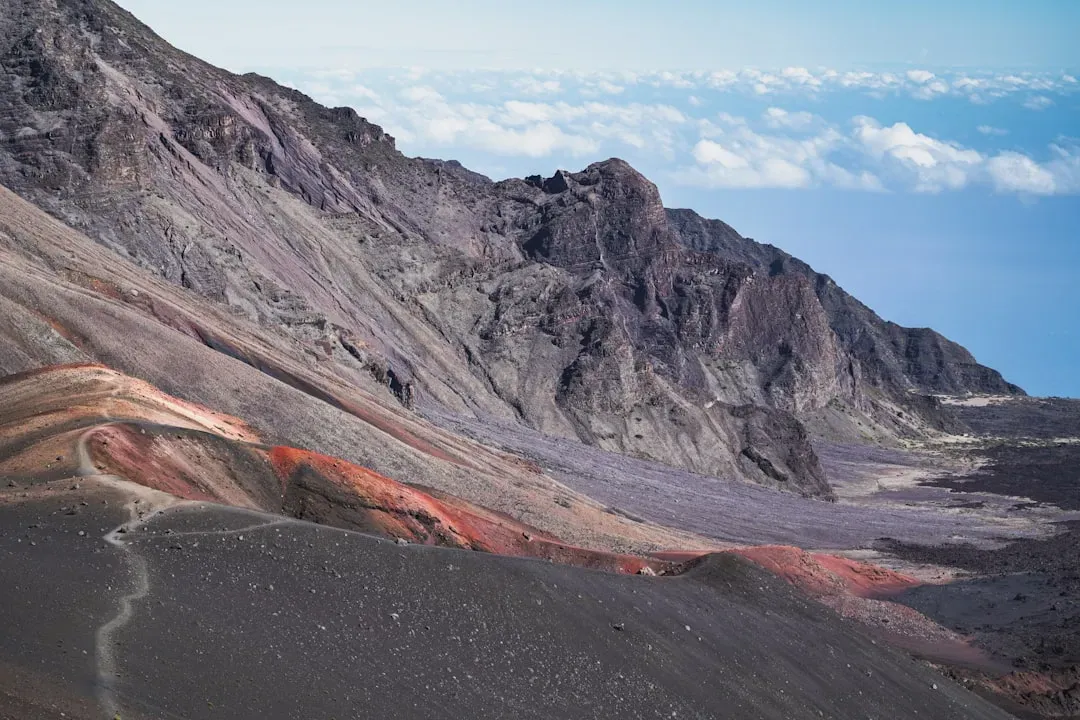
Haleakalā National Park topped the list of national parks with the most endangered species by a wide margin. This volcanic wonderland on Maui holds a staggering distinction that most visitors never realize. Haleakalā hosts a total of 103 endangered species: 81 flowering plants, 10 birds, six non-flowering plants, three insects, two mammals and one reptile.
Walking through this park feels like stepping onto another planet, where rare honeycreepers with curved bills flutter through subtropical rainforests. Two species living in the subtropical rainforest in Haleakalā National Park, the kiwikiu and the ʻākohekohe, are critically endangered and could go extinct within two years. These tiny jewels of the forest face relentless threats from avian malaria and invasive species. The flowering silversword plants only live on top of the Haleakalā volcano. The park represents a last stand for species found nowhere else on Earth.
Everglades National Park, Florida
The mainland park with the largest number of endangered species is Everglades National Park in Florida with 44 species. This vast wetland ecosystem stretches across southern Florida like a slow-moving river of grass. The subtropical climate creates habitats unlike anywhere else in the continental United States.
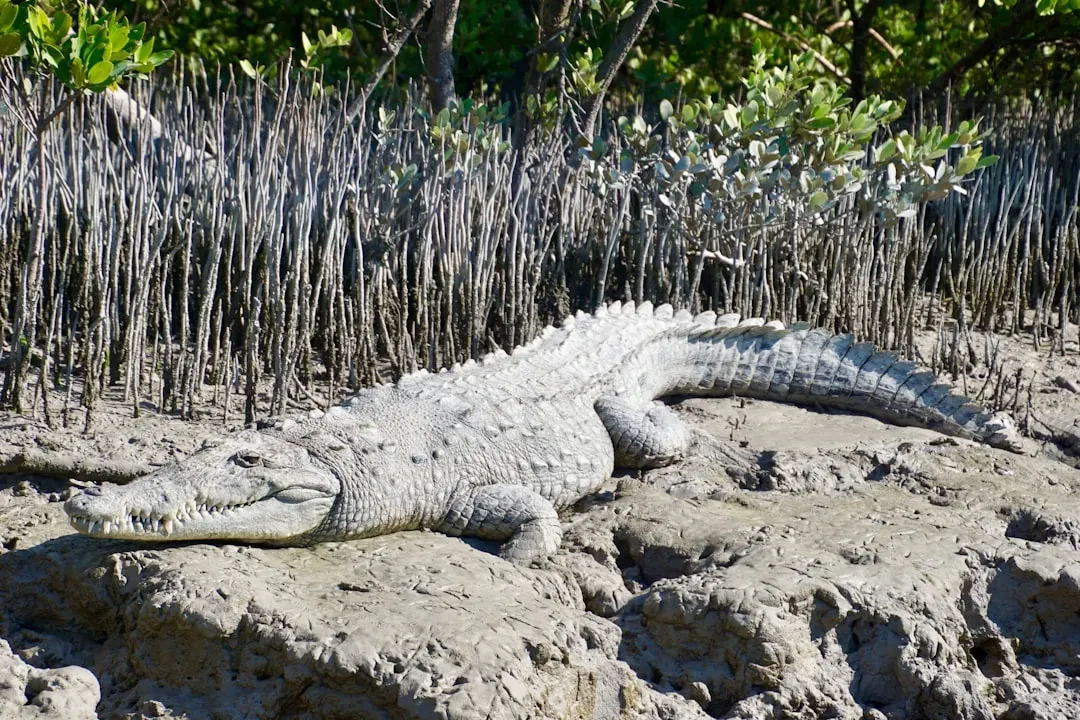
Everglades National Park is home to the endangered Florida panther. These solitary cats prowl through sawgrass prairies and cypress swamps, rarely seen but always present. The park also shelters the American crocodile, a species that shares the wetlands with its more common alligator cousins. Here’s the thing: spotting a Florida panther requires extraordinary luck, as fewer than 200 exist in the wild. The Everglades proves that protection matters, giving these magnificent predators room to hunt and breed.
Yellowstone National Park, Wyoming
The threatened grizzly bear lives in Yellowstone National Park. America’s first national park remains one of its most important wildlife strongholds. The Greater Yellowstone Ecosystem encompasses nearly nine million acres of interconnected wilderness, creating one of Earth’s largest intact temperate ecosystems.
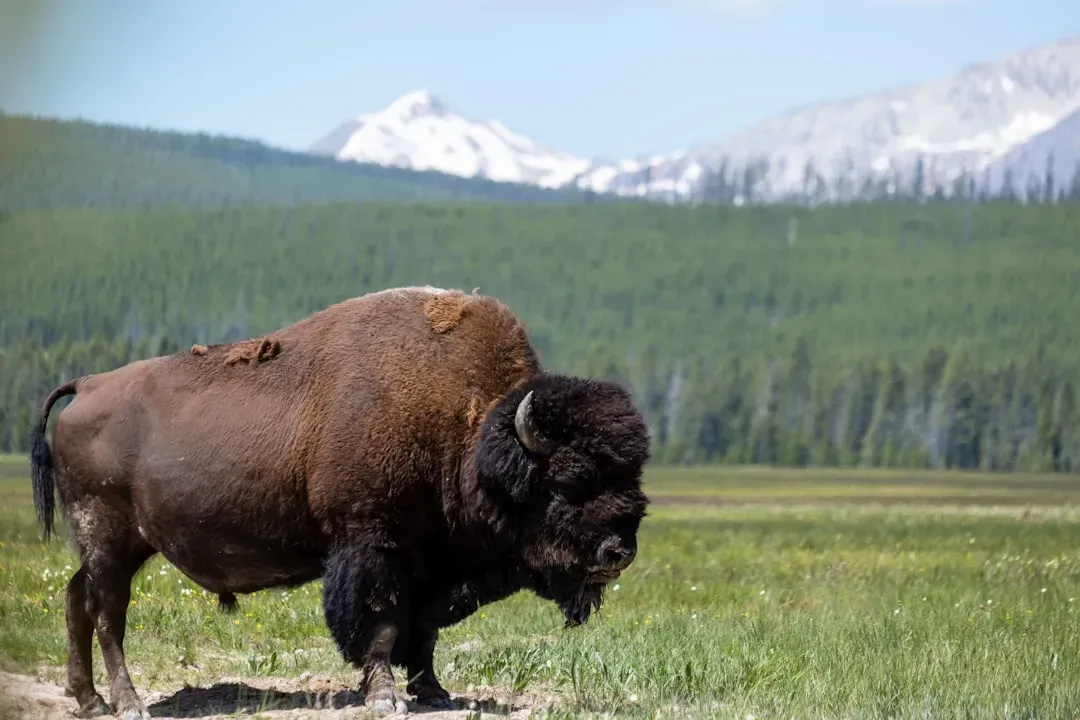
Yellowstone has America’s largest bison herd, and although the American bison is the nation’s official mammal, bison populations faced near extinction just a century ago. Today, thousands of these massive beasts thunder across Lamar Valley and Hayden Valley. Gray wolves, reintroduced in the mid-1990s, have transformed the park’s ecology in ways scientists are still documenting. Watching a wolf pack coordinate a hunt or seeing a grizzly digging for roots in an alpine meadow makes you realize how wild places still exist. It’s hard to say for sure, but Yellowstone might offer more large mammal sightings than any other American park.
Channel Islands National Park, California
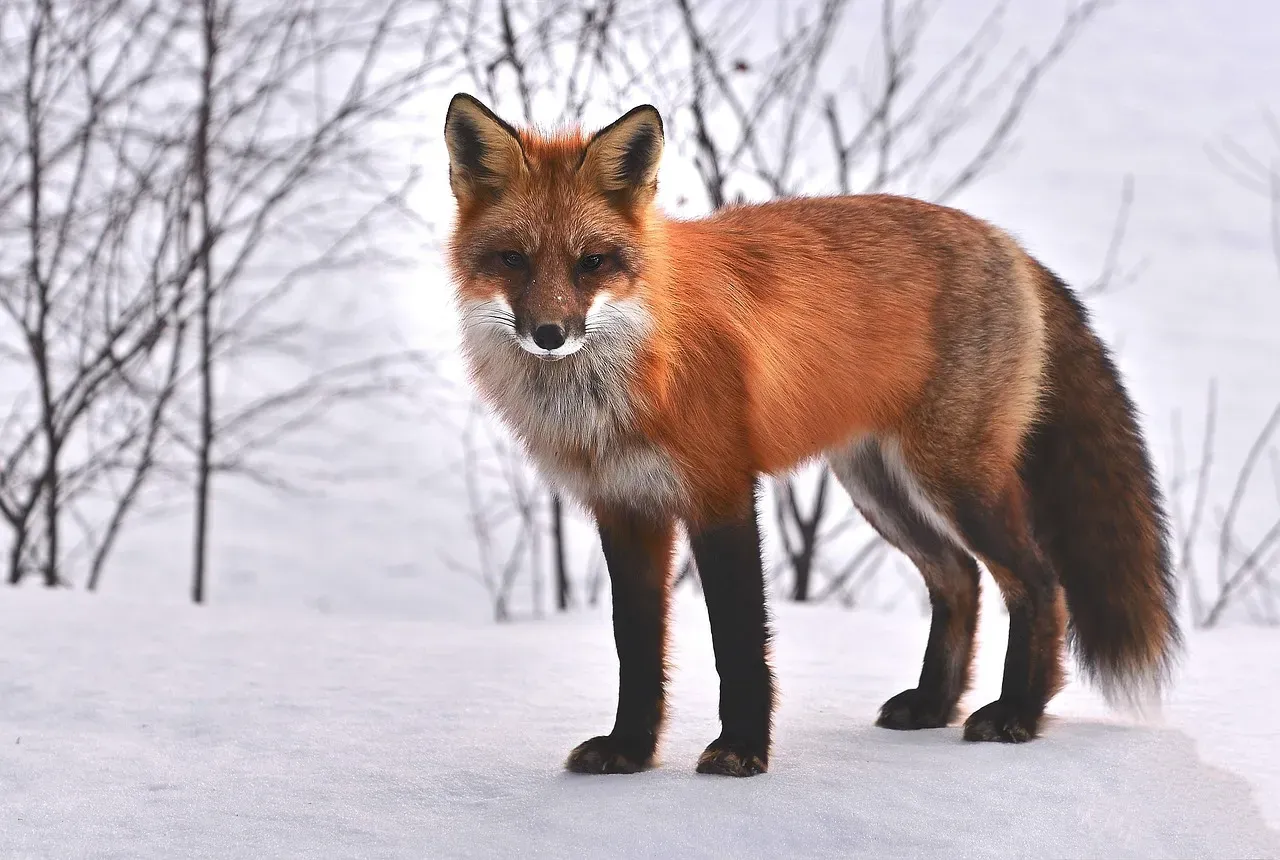
These five islands serve as critical habitat for a variety of vulnerable and recovering animals, including the island night lizard, the threatened Scripps’s murrelet, the snowy plover and the park’s distinctive island fox, found nowhere else in the world. Often called the Galapagos of North America, this archipelago sits tantalizingly close to Los Angeles yet feels worlds apart. Channel Islands National Park has one of the state’s most unique coastal ecosystems, with populations of animals found nowhere else on Earth.
The island fox stands as a conservation miracle. By 2016, the island fox recovered and was removed from the endangered species list – the fastest mammal recovery ever. These miniature canids, weighing just four to five pounds, dart through coastal scrub looking for insects and berries. The surrounding waters teem with life too, from endangered sea turtles to marine mammals. You’ll need a boat to reach these islands, adding to their mysterious allure.
Glacier National Park, Montana
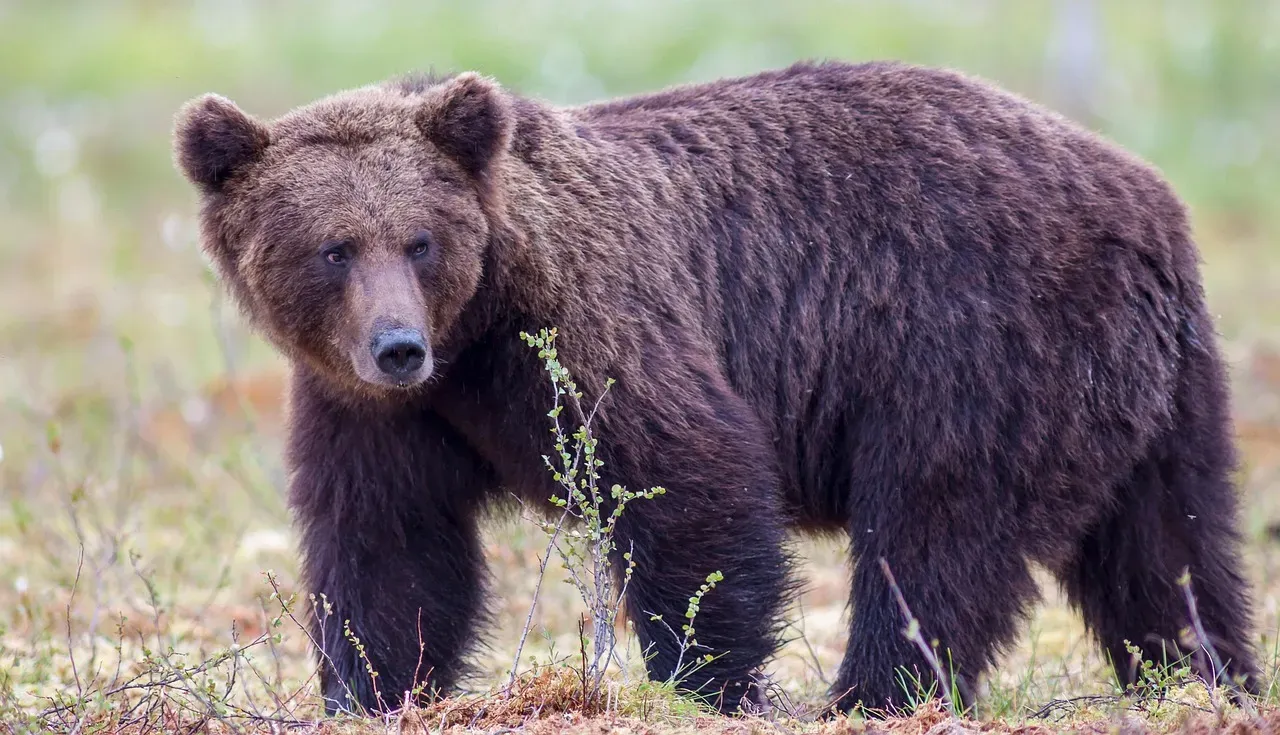
The threatened grizzly bear lives in Glacier National Park. Nicknamed the Crown of the Continent, this rugged wilderness sprawls across northwestern Montana near the Canadian border. There are only about 50 wolverines in Glacier National Park, even though that means Glacier has the densest wolverine population in the contiguous United States.
The small mist forest stonefly lives in streams fed by melting glaciers, and as the climate warms, the stonefly’s ability to survive in its coldest waters is increasingly in danger. Lynx prowl the dense forests, their tufted ears twitching as they hunt snowshoe hares. Mountain goats, the park’s official symbol, cling to impossibly steep cliffs with casual grace. Honestly, few places in America feel this genuinely wild, where apex predators still rule and humans remain visitors in their domain.
Olympic National Park, Washington
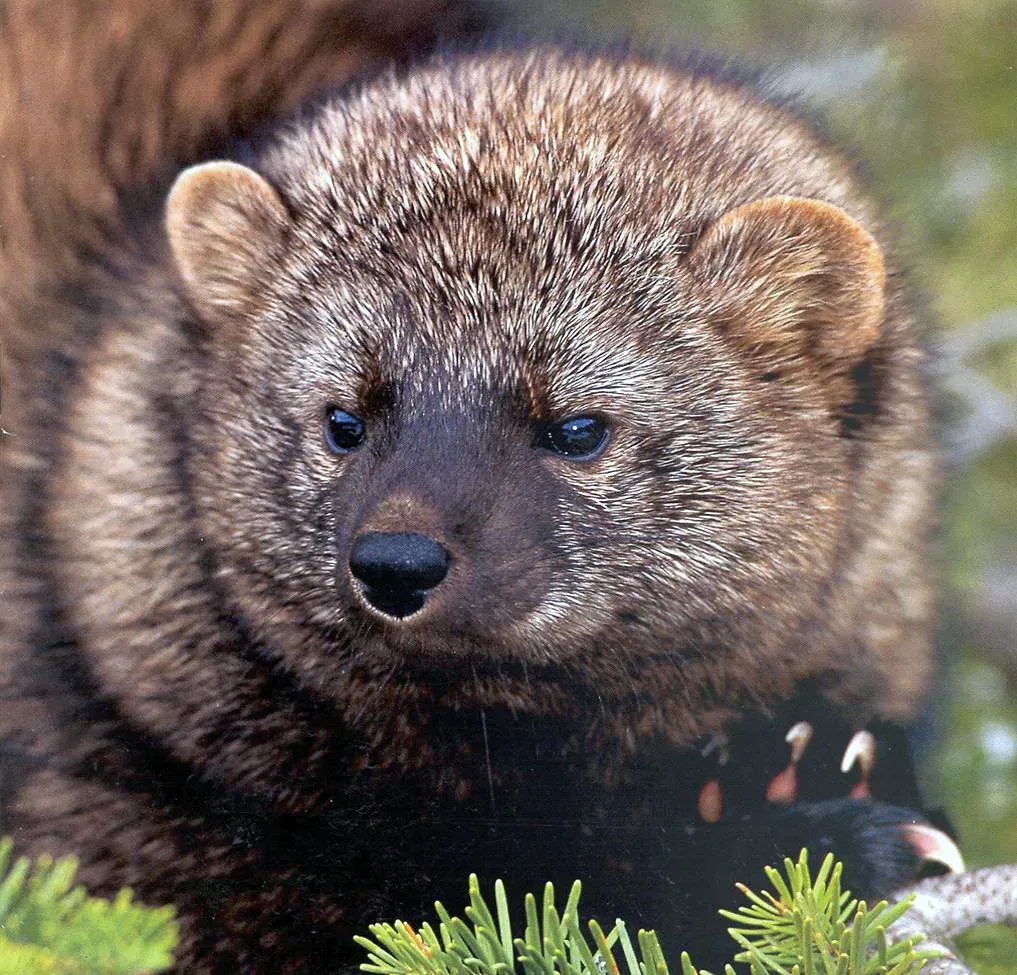
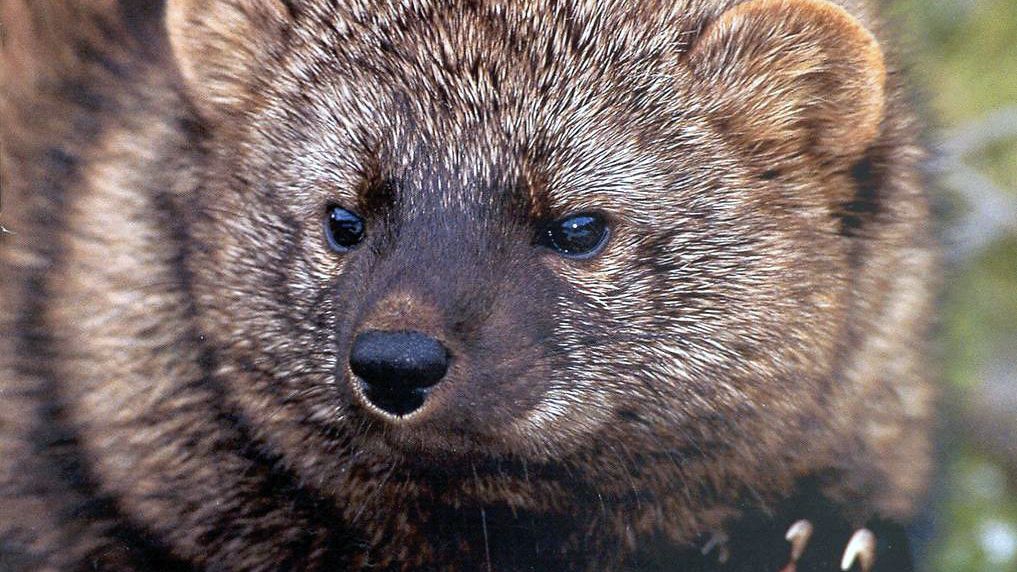
Olympic National Park in Washington has participated in successful reintroduction efforts for the Pacific fisher. These eight to ten-pound cat-like animals once roamed the Northwest and California, but after decades of trapping and logging, the animals are all but gone from Washington State. This diverse park encompasses everything from temperate rainforests to rugged coastline to glacier-capped peaks.
The Pacific fisher represents hope in action, with biologists working tirelessly to restore populations through careful breeding programs. The park’s isolation and intact habitats make it ideal for species recovery. Northern spotted owls hoot through ancient forests draped in moss, while Roosevelt elk browse in misty meadows. The return of salmon has had cascading effects, improving the park’s ecology and recreational opportunities, and additional funding has flowed to the park as a result of the salmon ESA listing.
Badlands National Park, South Dakota
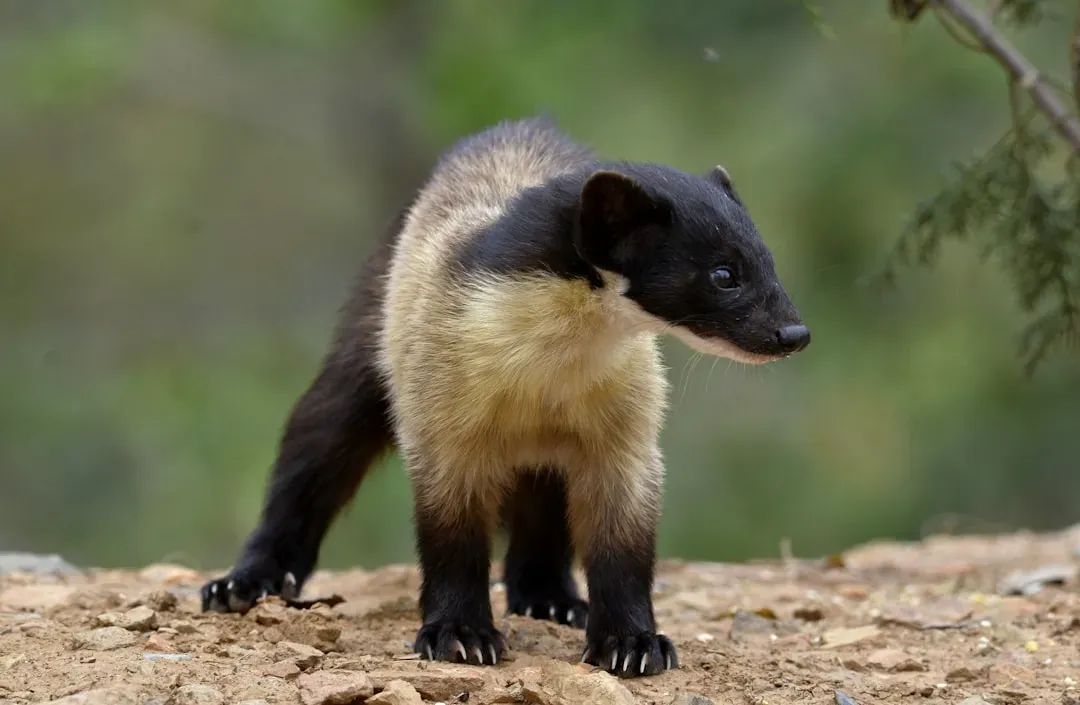
National Park Service staff have helped to reintroduce black-footed ferrets into South Dakota’s Badlands and Wind Cave National Parks. These otherworldly landscapes of eroded buttes and pinnacles hide one of conservation’s greatest comeback stories. Once considered the rarest mammal in the world, about a thousand black-footed ferrets now live in the wild.
These masked members of the weasel family depend almost entirely on prairie dogs for survival, both as food and for burrow homes. Other endangered species living in Badlands National Park include the northern long-haired bat, monarch butterfly, whooping crane, and Rocky Mountain bighorn sheep. The park’s vast prairie dog towns create perfect conditions for ferret recovery. Night visits offer the best chance to spot these nocturnal hunters, their eyes glowing in flashlight beams as they emerge from underground dens.
North Cascades National Park, Washington
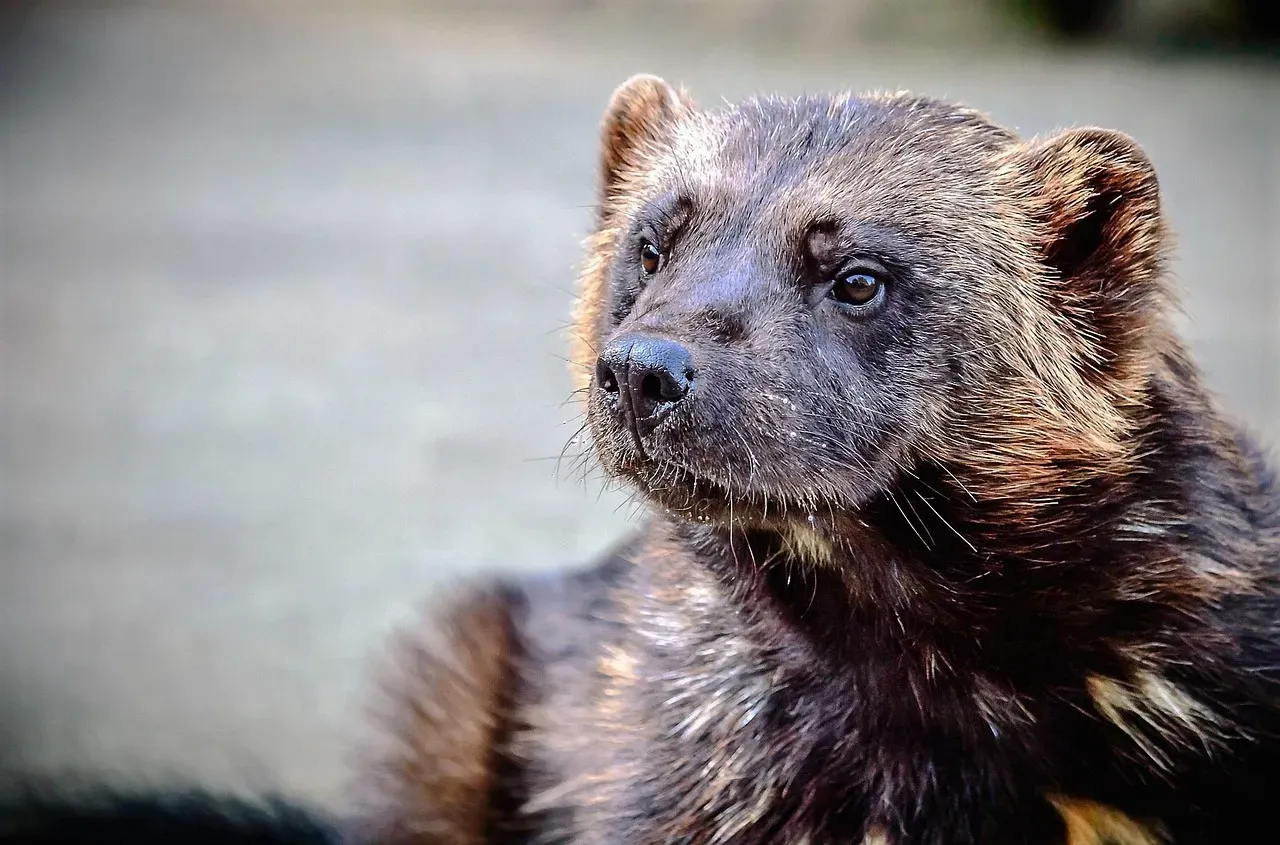
North Cascades is one of the wildest places left in the lower 48 states, a refuge for species that have disappeared from much of their former range, like wolves and wolverines. This rugged mountain wilderness receives relatively few visitors compared to its famous neighbors, yet it harbors incredible biodiversity. The park boasts one of the highest concentrations of glaciers in the contiguous United States.
Wolverines are one of the rarest and most elusive mammals in North America, seldom sighted in the park due to limited numbers and habitats in snowy high-altitude regions far removed from human encroachment. Grizzly bears roam alpine meadows while lynx stalk through dense forests. The park’s remoteness works in its favor, providing vast roadless areas where sensitive species can thrive without human interference. Let’s be real: your chances of seeing a wolverine remain slim, making any sighting a once-in-a-lifetime experience.
Death Valley National Park, California
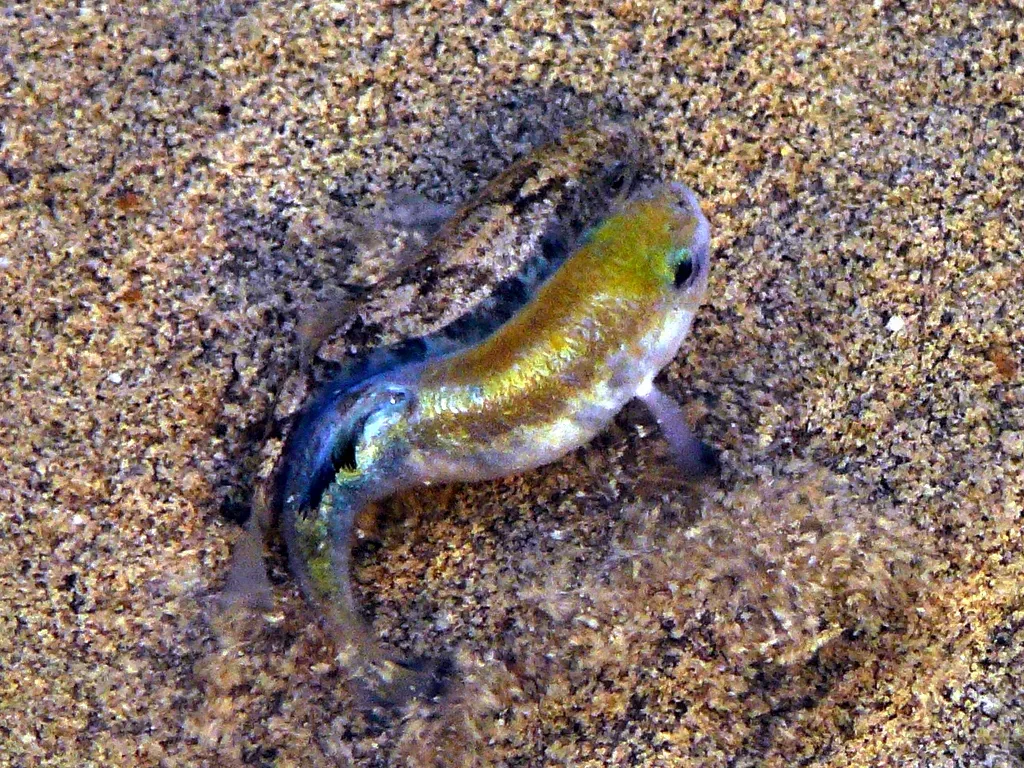
The desert pupfish of Death Valley is the most extreme survivor of any animal on Earth, able to withstand very cold and hot water, extremely salty water, and even acidic water. This park of extremes hosts life in the most unlikely places. Despite its ability to survive extreme conditions, the desert pupfish has been on the Endangered Species List since 1986.
These tiny fish persist in isolated springs and pools scattered across the hottest place in North America. Desert pupfish can tolerate water temperatures up to 108 degrees Fahrenheit and oxygen levels as low as 0.1 ppm. Each population has adapted to its specific spring environment over thousands of years. The three-inch-long fish has a historic connection to water rights: it was the star of a landmark 1976 Supreme Court ruling that curtailed groundwater pumping. These resilient swimmers prove that life finds ways to endure.
Biscayne National Park, Florida
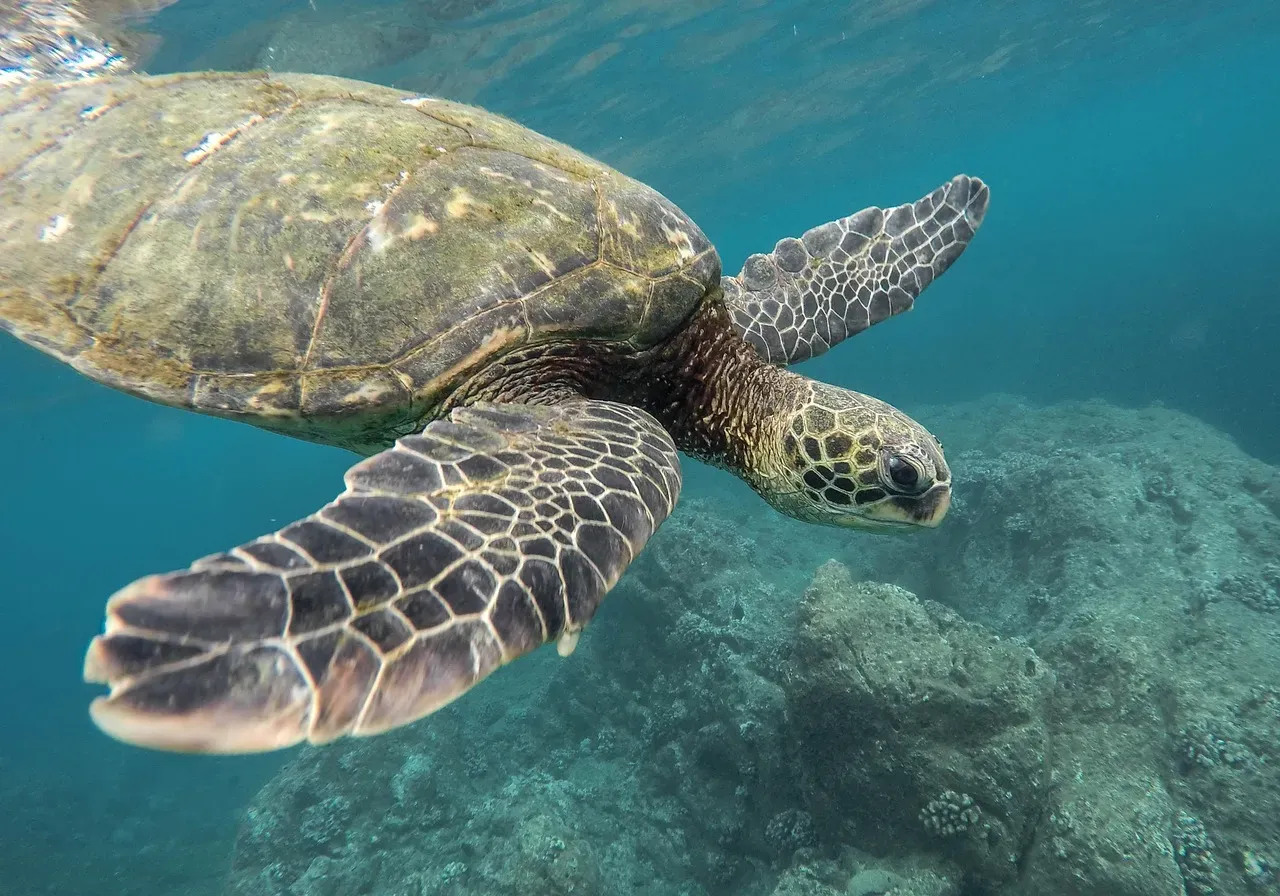
Most of Biscayne National Park is underwater, with a few islands accessible only by boat. This marine paradise sits just offshore from Miami, yet feels utterly remote. Biscayne is home to several species of sea turtles, including the endangered loggerhead, hawksbill, and leatherback turtles.
This marine environment provides Biscayne with coral reefs and coastal mangrove forests sitting at the intersection of four distinct ecosystems. Snorkelers and divers glide past sea turtles feeding on seagrass beds or resting beneath coral ledges. Biscayne is home to the vulnerable West Indian manatee, and the park is also home to the much rarer American crocodile. The underwater world here rivals any tropical destination, teeming with colorful fish and rare marine creatures. I know it sounds crazy, but you might spot a crocodile lounging on a remote beach during your visit.
Shenandoah National Park, Virginia
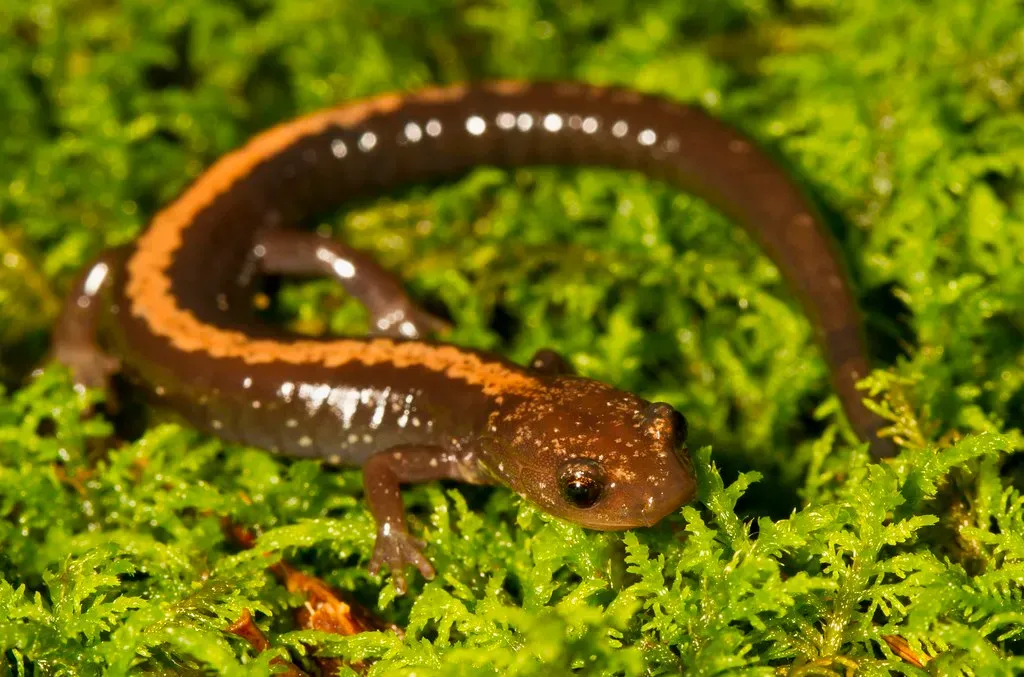
The Shenandoah Salamander is found on just 6,000 acres atop three high-elevation peaks within the park – and nowhere else. The Blue Ridge Mountains harbor secrets beneath their forested slopes. The Shenandoah salamander can only grow up to 10 centimeters long and breathes through its skin, and the restricted range of conditions has caused it to be endangered.
These lungless amphibians cling to existence on isolated mountain peaks, requiring specific temperature and moisture conditions. Climate change threatens to shrink their already tiny habitat even further. The park’s deciduous forests also shelter black bears, white-tailed deer, and over 200 bird species. Still, the humble salamander reminds us that not all rare creatures are charismatic megafauna. Sometimes the smallest residents need the most protection.
Yosemite National Park, California
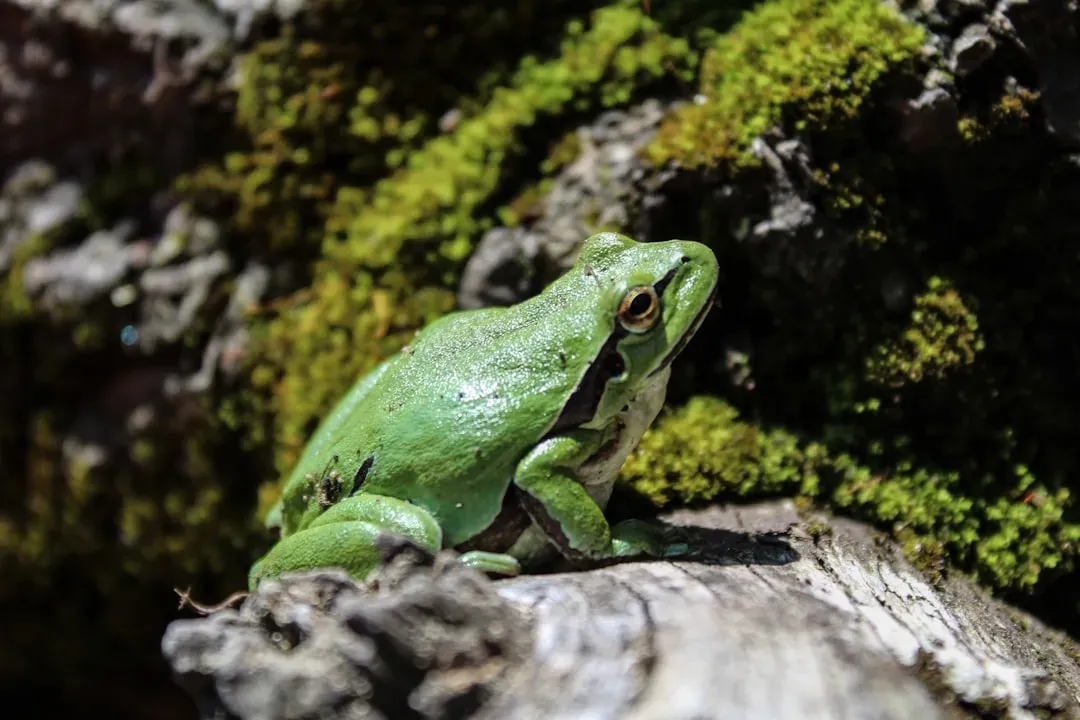
The Sierra Nevada yellow-legged frog has become prey to invasive trout, resulting in a 95% decline in the frog’s population. This iconic park of granite cliffs and waterfalls faces modern conservation challenges. Staff at Yosemite National Park are conducting ongoing experiments to introduce the frog into fishless lakes.
Once the most common amphibian in Sierra lakes, these brightly speckled frogs now teeter on extinction’s edge. Yosemite National Park in California has conducted extensive fisher monitoring programs. The Pacific fisher, another rare resident, hunts through old-growth forests under the shadows of El Capitan and Half Dome. Conservation work here demonstrates how human actions, even well-intentioned ones like historic fish stocking, can devastate native species. Recovery efforts give these creatures fighting chances.
Wind Cave National Park, South Dakota
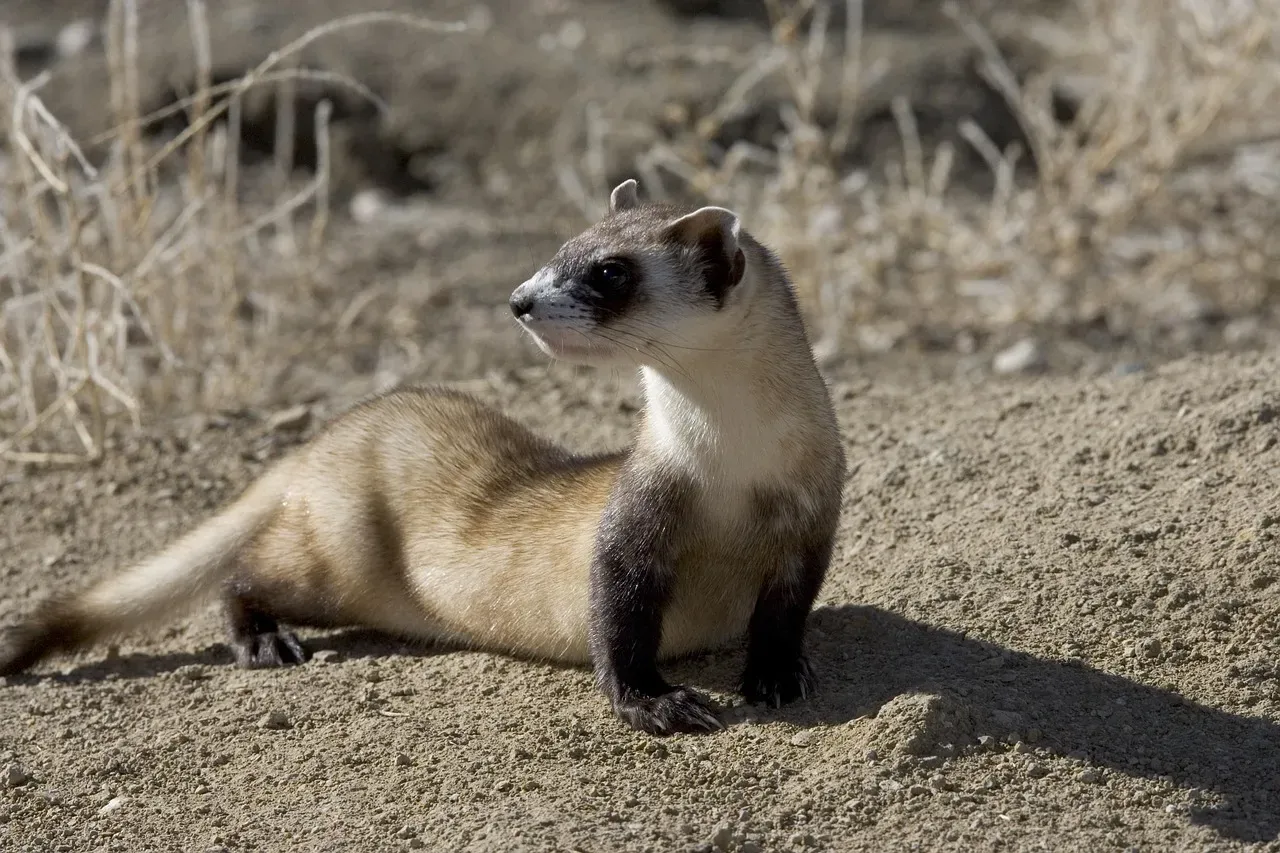
National Park Service staff have helped to reintroduce black-footed ferrets into Wind Cave National Park. This park protects one of the world’s longest cave systems along with mixed-grass prairie above ground. Black-footed ferrets colonize abandoned prairie dog burrows and depend on prairie dogs for 90 percent of their food.
The prairie ecosystem here functions much as it did centuries ago, with bison grazing alongside pronghorn antelope. These two-foot-long members of the weasel family have been reintroduced through partnerships with the Fish and Wildlife Service and conservation organizations. The ferrets emerge at night to hunt, their sleek bodies disappearing into burrow entrances. This park shows how restoring keystone species benefits entire ecosystems. Prairie dog towns bustle with activity, supporting not just ferrets but eagles, hawks, and countless other species.
Padre Island National Seashore, Texas
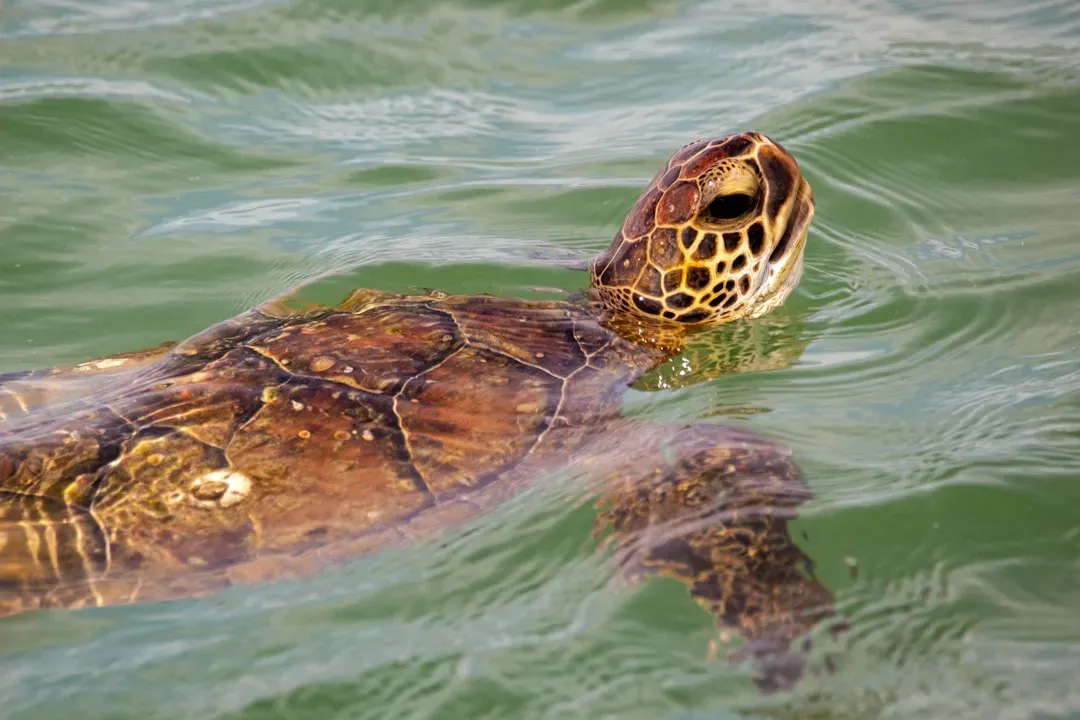
The Kemp’s ridley sea turtle is the most endangered sea turtle in the world, though its population has grown since hitting an all-time low in 1985, partly due to successful efforts to expand nesting grounds including at Padre Island National Seashore. This barrier island stretches for miles along the Gulf Coast, providing crucial nesting beaches. These olive-gray reptiles arrive each spring to dig nests in the sand.
While nest protection and expansion efforts have increased this turtle’s population, it remains the most endangered sea turtle species globally. Park staff patrol beaches during nesting season, protecting eggs from predators and tracking hatchling success. Watching tiny turtles scramble toward the surf at dawn ranks among nature’s most moving spectacles. The Gulf waters support these endangered animals through critical life stages. Every protected nest represents hope for species recovery.
Great Smoky Mountains National Park, Tennessee/North Carolina
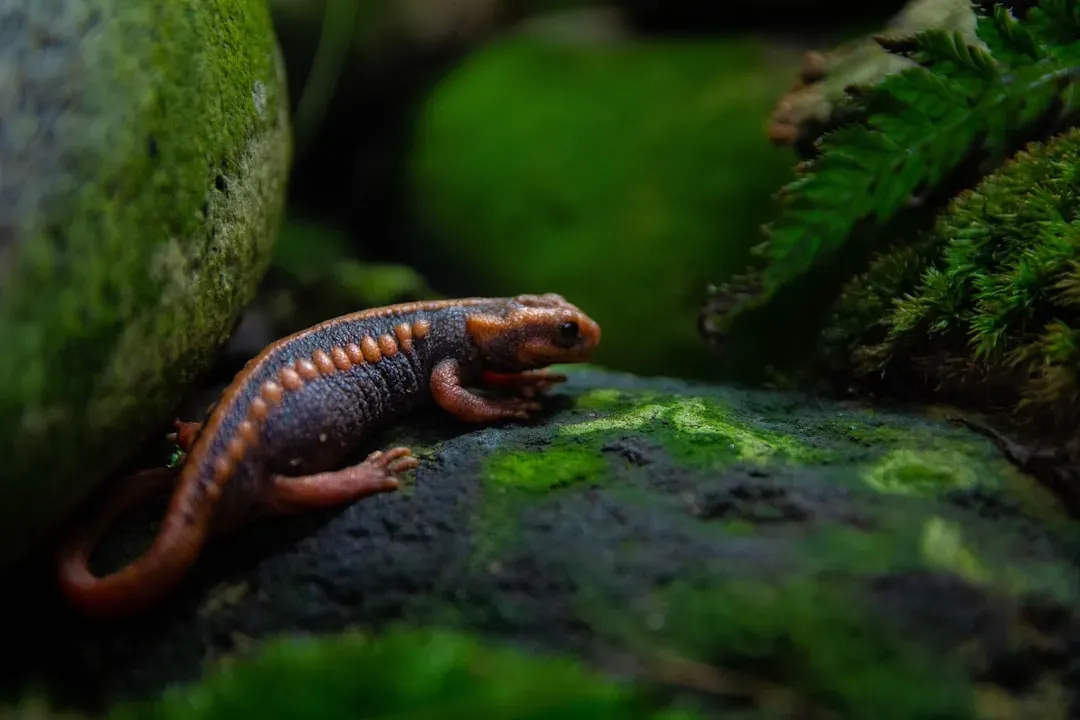
Great Smoky Mountains National Park ranks first in the amphibian category, with 52 species, including rare hellbender salamanders. These ancient mountains harbor astonishing biodiversity in their misty forests and clear streams. The park straddles the Tennessee-North Carolina border, creating diverse habitats from low valleys to high peaks.
Hellbender salamanders, prehistoric-looking giants among amphibians, lurk beneath stream rocks in cold, clean water. These wrinkled creatures can reach two feet in length, breathing through their skin’s folds. The park also shelters numerous other rare species in its 500,000 acres of protected wilderness. Black bears thrive here in numbers that would have seemed impossible decades ago. Synchronous fireflies put on spectacular light shows each June, proving that rare doesn’t always mean endangered.
Grand Canyon National Park, Arizona
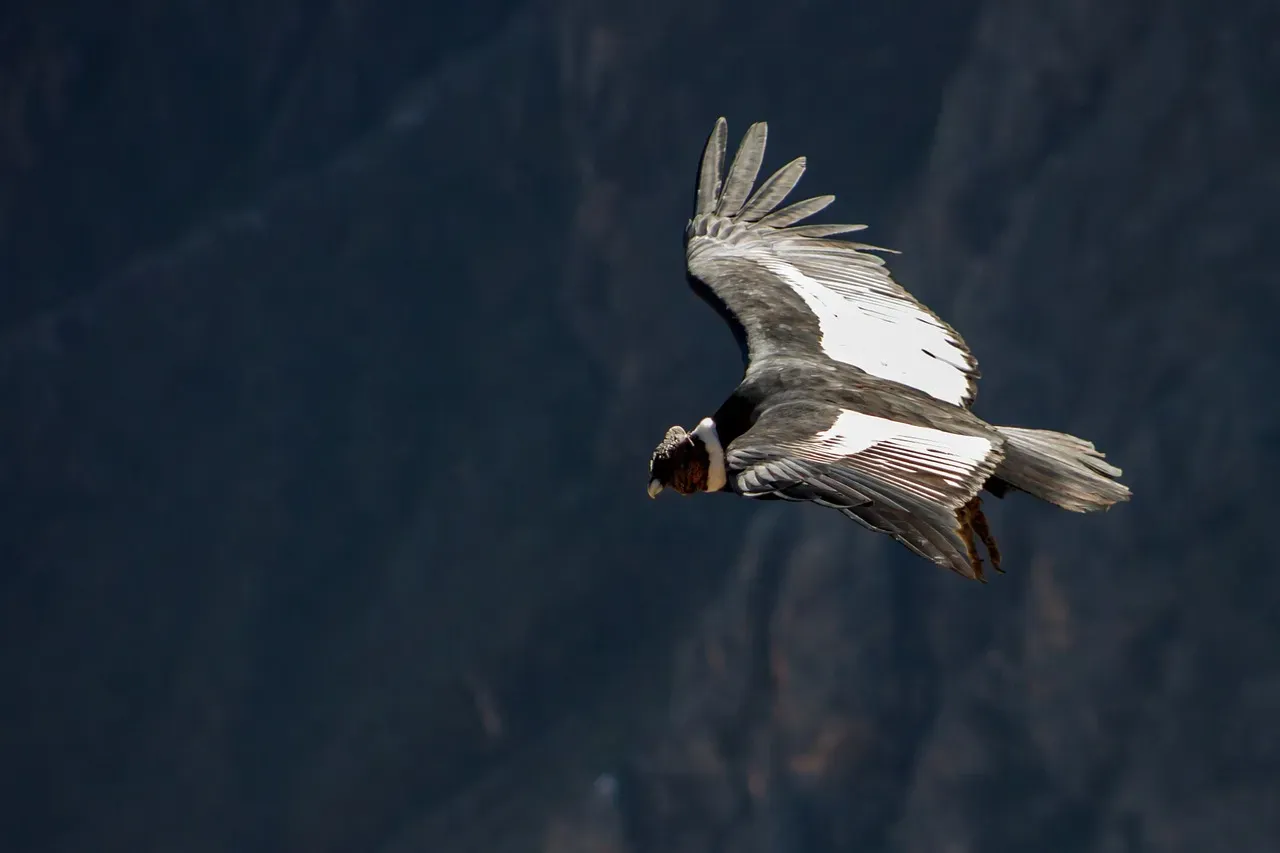
The range for the endangered California condor extends to Grand Canyon National Park in Arizona. These massive birds, with wingspans reaching nearly ten feet, soar above the canyon’s rim in increasing numbers. The California condor is threatened or endangered.
California condors represent one of conservation’s most dramatic successes, pulled back from extinction’s brink through captive breeding. Today, roughly about fifty condors inhabit the Grand Canyon area, riding thermal currents above mile-deep gorges. Spotting one requires patience and luck, scanning the sky for that unmistakable silhouette. The canyon’s remote side canyons and cliffs provide ideal roosting and nesting sites. These ancient birds, unchanged for millions of years, remind us what we stand to lose.
Did you spot which parks made your must-visit list? These 15 national parks represent more than scenic destinations. They’re arks in a changing world, protecting species that might otherwise vanish forever. The Endangered Species Act has proven extremely effective and is credited with saving 99% of listed species from extinction. Every park visit supports these conservation efforts, and every wildlife sighting reminds us why protection matters. The next time you’re planning a trip, consider these wild sanctuaries where rare animals still roam. What would you have guessed about which park holds the most endangered species? Share your thoughts and your own rare wildlife encounters in the comments below.

- Your Dog Doesn't Love You for the Food – 14 Signs You're Its Whole World - July 21, 2026
- 10 Myths About Horses That Owners Keep Falling For - July 21, 2026
- 13 Ways a Shelter Dog Shows It Has Decided to Trust You for Good - July 21, 2026