

You’ve probably felt it a thousand times. Your cat hops up, curls onto your lap, and within seconds, that familiar rumbling starts. It’s gentle at first, then grows steady, rhythmic, almost hypnotic. Most of us assume purring just means happiness. They’re cozy, they trust you, end of story.
Turns out, there’s a lot more to that sound than we’ve been giving our feline friends credit for. Recent research has uncovered some genuinely fascinating layers behind why cats purr and what those vibrations might actually be doing – not just for them, but for us too. Let’s explore what makes this rumble so much more than background noise.
The Hidden Language Behind That Gentle Rumble
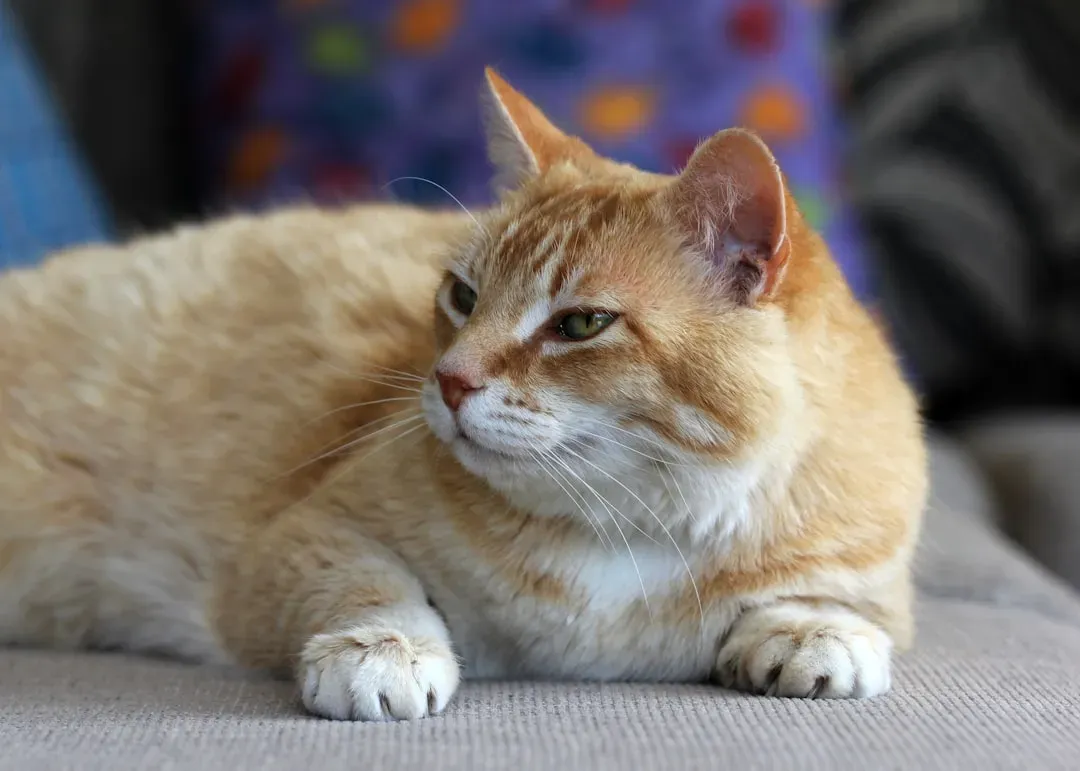
Cats often purr when they are happy, sometimes when they’re nervous, very often when they’re hurt, and sometimes when their human is hurt or sick. That’s right – contrary to popular belief, purring isn’t always a straightforward happiness meter. Cats may also purr when they’re nervous, hurt, or trying to calm themselves down, and the vibration frequency of a cat’s purr, which is typically between 25 and 150 hertz, can even promote healing and reduce pain.
It’s a bit like how we might hum or breathe deeply when we’re anxious. Cats use purring as emotional first aid. Cats may purr when they are frightened, anxious, or in pain, and this type of purring is believed to be a self-soothing mechanism – it’s not uncommon for a cat to purr while at the vet, after an injury, or during a stressful event. Think about that next time your cat purrs at the vet’s office while clearly terrified.
Context is everything. A happy purr looks different from a stressed one. Your cat’s body language and surroundings give away the truth. When you understand that purring serves multiple emotional purposes, it deepens your connection and helps you respond with the right kind of comfort.
There are many stories of cats cuddling up with and purring for extended times for their sick human. It’s hard to say for sure, but maybe they’re not just offering moral support. Maybe they sense something deeper, responding in the only way they know how.
Some cats even develop distinct purring patterns. One might purr softly and intermittently while another rattles like a tiny engine. These quirks can tell you how they’re feeling day to day, if you pay attention.
Healing Frequencies That Actually Work

This is where things get really interesting. Purr frequencies correspond to vibrational and electrical frequencies used in treatment for bone growth and fractures, pain, edema, muscle growth and strain, joint flexibility, dyspnea, and wounds, with domestic cats, servals, ocelots, and pumas producing fundamental, dominant, or strong frequencies at exactly 25 Hz and 50 Hz – the two low frequencies that best promote bone growth and fracture healing. Honestly, when I first read that, I thought it was one of those internet myths. It’s not.
Cats are well-known for their ability to heal quickly from their own broken bones, and the incidences of joint problems and bone cancer in cats are low. Could purring actually be a self-repair mechanism built into their biology? The purr may be a low-energy way for cats to keep their bones and tissues healthy while sedentary or at rest.
Science has started catching up with this idea. A frequency of 25 to 50 hertz can improve bone density, build bone strength, support wound and fracture healing, and stimulate bone fracture repair. That’s the exact range cats naturally produce when they purr. It’s almost like evolution gave them a built-in physical therapy device.
The benefits might extend beyond bones. The vibrations of a cat’s purr can help fight infections, reduce swelling and pain, and promote muscle growth and repair – at a frequency of 18 to 35 hertz it may support tendon repair and joint mobility, at 25 to 50 hertz it promotes the healing of injured muscles and tendons, and at 100 hertz, it can reduce pain, increase recovery time after surgery, and ease breathing in patients with chronic respiratory disease.
Clinical observations of cats suffering from upper respiratory conditions indicate that purring helps the cat breathe more easily, and respiratory distress related to heart disease isn’t nearly as common in cats as it is in dogs and humans – a person with respiratory problems might also be able to breathe easier if a purring cat is nearby.
How Your Cat’s Purr Might Be Helping You
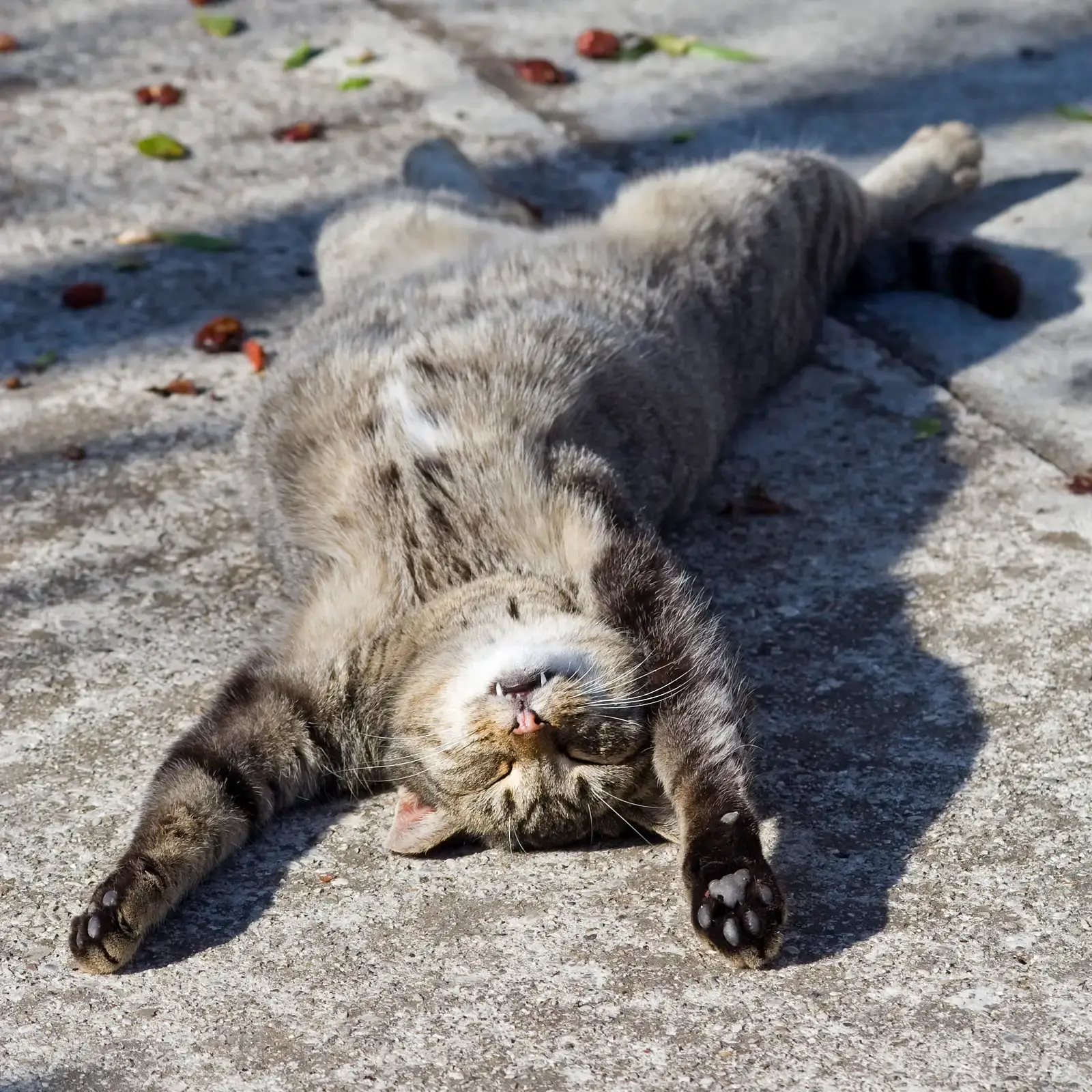
Here’s something most cat owners intuitively know but science is now backing up. Research has shown that the vibrations emitted by a cat’s purr can lower blood pressure, lessen stress, and even promote healing. If you’ve ever felt calmer after a few minutes with a purring cat on your lap, that wasn’t just in your head.
Petting a cat or listening to their purring triggers the release of oxytocin, a hormone that promotes happiness and reduces stress, and this calming effect lowers cortisol levels – the stress hormone associated with high blood pressure – and can help alleviate pain, easing chronic discomfort. It’s a biochemical reaction, not just warm fuzzy feelings. Though let’s be real, those matter too.
Studies show that owning a cat could cut your risk of stroke or heart disease by as much as a third. That’s a huge statistic. People are less likely to die of a heart attack if they own a cat. Researchers are still trying to figure out exactly why, but the calming effect of purring certainly plays a role.
There are also numerous anecdotal reports worth mentioning. There are many stories of people with migraines whose headaches are eased or extinguished when they lie with their heads close to purring cats. While not rigorously tested in large clinical trials, the consistency of these stories is striking.
The repetitive, low-frequency sound can have a meditative quality. The repetitive sound of a cat’s purring has a calming, meditative quality that can reduce anxiety and promote mindfulness. In our high-stress, screen-filled lives, a purring cat might be one of the simplest, most accessible forms of stress relief we have.
Communication Beyond Words
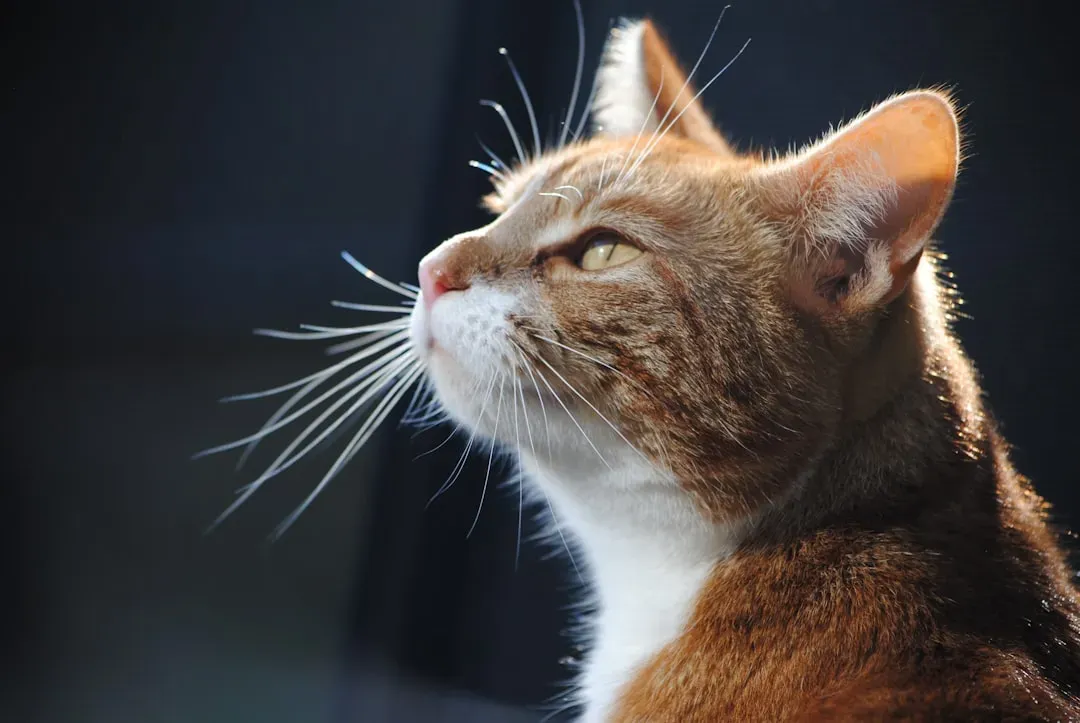
Cats are notoriously independent, but they’re also deeply communicative when you know what to look for. Purring is one of their most versatile tools. Purring – typically either a show of contentment, or a means to self-soothe – was found to be a more consistent and reliable indicator of a cat’s true nature and personality than meowing.
Mother cats and kittens use purring to communicate from the very beginning – kittens can purr as early as two days old, and it helps mothers locate them and bond during nursing, while adult cats may also purr to communicate with humans, especially when they’re asking for food or attention. It’s their first language, in a sense, learned before they even open their eyes.
Interestingly, cats have learned to adapt their purring to get what they want from us. Some research has found that cats develop what’s called a “solicitation purr” when they want food. It’s slightly different in pitch and more urgent sounding, designed to grab human attention. A solicitation purr includes higher frequency elements that attract attention, especially during feeding times.
They’re not just making noise – they’re actively shaping their communication to manipulate us. Let’s be real, it works. How many times have you gotten up at dawn because your cat decided it was breakfast time and started purring insistently by your face?
A cat’s purr remains stable and individually recognizable while meows are highly flexible and vary strongly depending on the situation. Each cat has their own unique purr signature, like a fingerprint made of sound.
What To Watch For And When To Worry
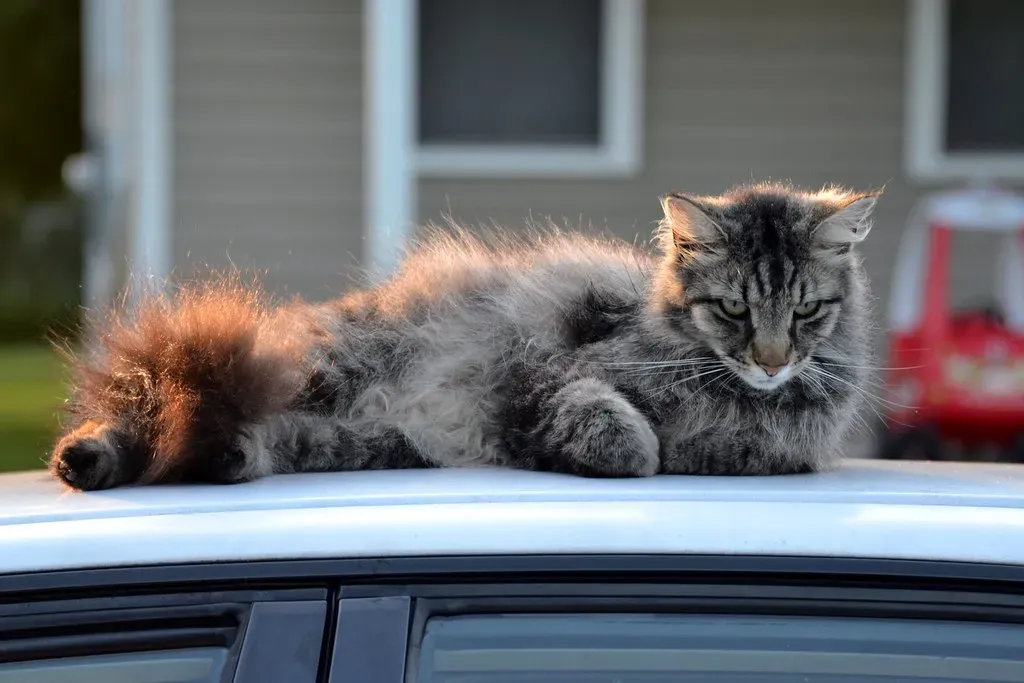
Purring is usually a great sign, but not always. Although purring is typically a good sign, if your cat is purring but also hiding, refusing to eat, or showing other unusual behaviors, it might be trying to comfort itself during discomfort – in these cases, the purr can be misleading. This is crucial information for any cat owner.
Purring isn’t always a sign of pleasure – it can accompany fear, confusion, pain, or illness, and if it’s combined with hiding, changes in appetite, grooming, litter-box use, or mobility, purring could be a coping mechanism or call for help. Pay attention to the full picture, not just the sound.
If your normally social cat starts purring while withdrawn, or if they’re purring but their ears are back and their body is tense, something might be wrong. Cats are masters at hiding pain and illness – it’s a survival instinct. Purring can be part of that mask.
Sudden changes matter too. A cat that never purred much and suddenly won’t stop, or vice versa, might be telling you something. Trust your instincts. You know your cat better than anyone. When something feels off, it probably is.
Regular vet checkups are important regardless, but if behavioral changes accompany unusual purring patterns, don’t wait. Early intervention can make a huge difference in outcomes for whatever might be going on.
Conclusion
Your cat’s purr is far more than a simple expression of happiness. It’s a sophisticated biological tool that serves multiple purposes – communication, self-healing, stress relief, and even a way to bond with you on a deeper level. The frequencies they produce align remarkably with therapeutic vibrations used in medical treatments, suggesting that evolution fine-tuned this ability over millions of years.
Next time your cat settles in and starts that familiar rumble, take a moment to appreciate what’s really happening. You’re not just hearing contentment. You’re witnessing a complex interplay of emotion, biology, and perhaps even mutual healing. That little vibrating bundle of fur might be doing more for your health than you ever realized.
What’s your cat’s purr like? Does it seem different depending on their mood, or have you noticed it helping you feel calmer during stressful times? It’s fascinating how much these small creatures can teach us about comfort and connection.
