

Worried about unexpected vet bills?
Pet insurance can cover thousands in unexpected vet costs. Get a free quote from Lemonade in under 2 minutes.
Get My Free Quote →Sponsored · Opens Lemonade.com

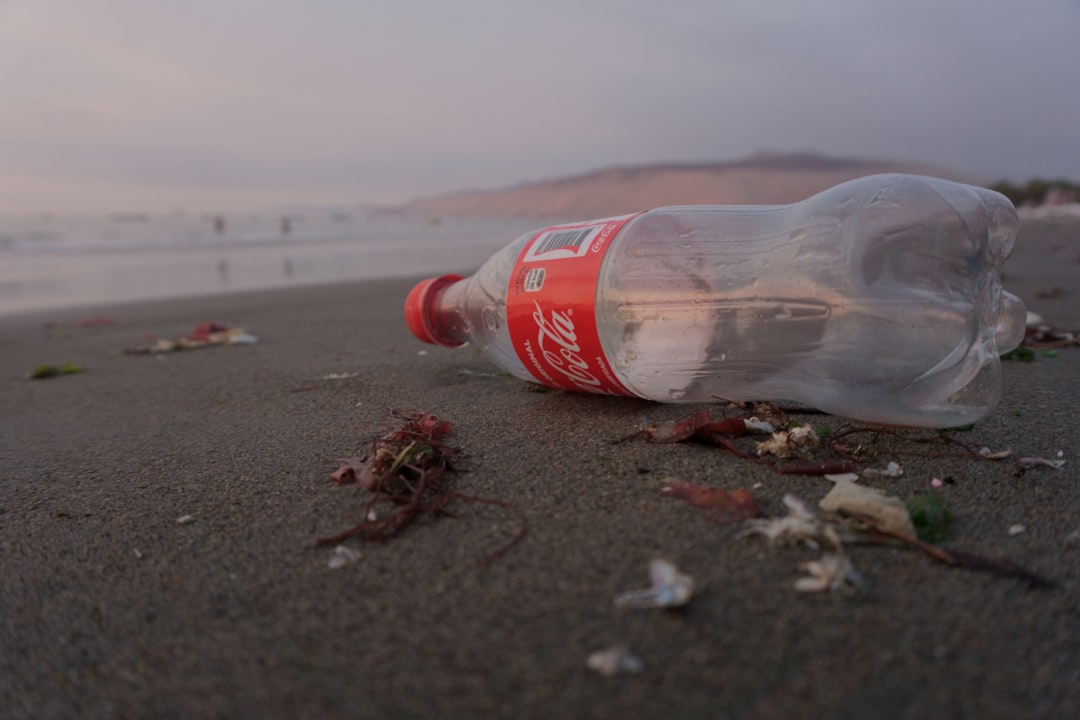
A Mounting Plastic Legacy (Image Credits: Unsplash)
Oceans worldwide face an escalating threat from plastic waste, where discarded bottles from major beverage companies like Coca-Cola contribute significantly to the degradation of marine environments.
A Mounting Plastic Legacy
Environmental groups have long tracked the proliferation of single-use plastics in waterways, and recent analyses reveal Coca-Cola’s outsized footprint. In 2024, the company reported using nearly 8 billion pounds of plastic packaging, a figure that underscores its position as the world’s top plastic polluter for multiple years running. This volume translates to substantial leakage into oceans, with projections estimating that Coca-Cola’s plastic waste could reach 602 million kilograms annually by 2030 if current trends persist. Such statistics, drawn from reports by organizations like Oceana, highlight how production scales have outpaced recycling efforts.
The lightweight design of PET bottles, while convenient for transport, exacerbates the issue by enabling easy dispersal through rivers and coastal zones. Once in the sea, these bottles fragment into microplastics that permeate food chains. Oceana’s campaigns emphasize that Coca-Cola’s global dominance in beverage sales amplifies this environmental burden, affecting distant ecosystems from coral reefs to deep-sea habitats.
Devastating Effects on Marine Life
Marine animals encounter plastic debris in myriad harmful ways, often mistaking it for food or becoming entangled in it. Sea turtles, for instance, frequently ingest floating bottle caps and fragments, leading to internal blockages that cause starvation. Fish and seabirds suffer similar fates, with studies indicating that plastic ingestion disrupts feeding patterns and reproductive success across species. The breakdown of Coca-Cola bottles into smaller particles further compounds these risks, as microplastics infiltrate plankton and shellfish at the base of the ocean food web.
Beyond direct harm to individuals, broader ecological imbalances emerge. Coral reefs, vital for biodiversity, experience smothering from accumulated debris, which promotes algal overgrowth and weakens reef structures. Reports from Greenpeace and similar groups note that such pollution correlates with declining fish populations, threatening fisheries that sustain millions of people. In essence, the pervasive presence of branded plastics like those from Coca-Cola signals a systemic failure in waste management that reverberates through aquatic life.
Corporate Promises Versus Reality
Coca-Cola has pledged reductions in virgin plastic use and investments in recycling infrastructure, yet progress reports paint a mixed picture. Data from the Ellen MacArthur Foundation’s 2025 Global Commitment showed an increase in overall plastic consumption compared to 2019 levels, despite initiatives like bottle-to-bottle recycling programs. Critics argue that these efforts fall short of the ambitious targets needed to curb ocean inflows, with only a fraction of produced bottles effectively recovered. The company’s reliance on single-use packaging persists amid growing evidence of its downstream consequences.
Public audits, including those by Break Free From Plastic, consistently rank Coca-Cola highest among polluters based on beach cleanups and river surveys. This scrutiny has prompted calls for stricter accountability, including binding commitments to phase out unnecessary plastics. While some markets see innovations like paper-based handles for multipacks, widespread adoption remains limited, leaving oceans to bear the brunt of delayed action.
Charting a Course for Change
Addressing this crisis demands coordinated action from producers, policymakers, and consumers. Governments have introduced bans on single-use items in various regions, but global enforcement varies. Advocacy groups urge beverage giants to accelerate transitions to reusable or biodegradable alternatives, potentially reducing plastic reliance by half within a decade. Community-led cleanups and corporate partnerships offer glimmers of hope, though scaling them requires substantial funding.
Individuals can contribute by opting for tap water over bottled drinks and supporting brands with verifiable sustainability practices. Legislative pressures, such as extended producer responsibility laws, aim to internalize waste costs for companies like Coca-Cola. These measures could transform the landscape, ensuring that everyday choices no longer exact such a heavy toll on marine realms.
- Ingestion by wildlife leads to malnutrition and death.
- Entanglement restricts movement and causes injuries.
- Microplastics enter the food chain, affecting human health via seafood.
- Habitat degradation harms biodiversity hotspots like reefs.
- Bioaccumulation of toxins amplifies long-term risks.
Key Takeaways:
- Coca-Cola’s plastic use exceeded 7.9 billion pounds in 2024, per Oceana analysis.
- Ocean plastic from such sources projected to hit 1.3 billion pounds annually by 2030.
- Microplastics now impair ocean carbon absorption, worsening climate impacts.
As oceans grapple with this plastic onslaught, the path forward hinges on collective resolve to prioritize planetary health over convenience. What steps will you take to reduce plastic waste in your daily life? Share your thoughts in the comments below.
Worried about unexpected vet bills?
Pet insurance can cover thousands in unexpected vet costs. Get a free quote from Lemonade in under 2 minutes.
Get My Free Quote →Sponsored · Opens Lemonade.com
