
You see them every day. Hopping across your lawn at sunrise. Nesting above your porch light. Pecking around your flower beds like they own the place. They’re so ordinary that most people stop noticing them entirely. Just another backyard bird doing bird things, right?
Wrong. Dead wrong.
What if I told you that this familiar feathered friend has an entire hidden existence unfolding right under your nose? We’re talking about behaviors that would make you question everything you thought you knew about the wildlife sharing your space. Let’s dive in.
They Get Drunk on Purpose
Here’s the thing about robins that nobody talks about at bird feeders. When they eat honeysuckle berries exclusively, they sometimes become intoxicated. I know it sounds crazy, but it’s true.
In late winter when berries thaw and ferment, yeast converts their sugars into alcohol. Robins gorge themselves on these fermented fruits and the results are honestly hilarious and slightly concerning. Signs of intoxication include stumbling, erratic flight, and even crashing into windows.
It’s like nature’s own happy hour happening in your backyard every winter. Picture a robin wobbling around your lawn like it just left the bar, and you’ll get the idea. This behavior isn’t just random either; roughly about one in ten robins experiences this at some point during the colder months when fresh food becomes scarce.
These birds don’t set out to get tipsy, obviously. They’re just trying to survive winter by eating whatever high-calorie food remains available. The fermentation is an unintended consequence, turning an ordinary meal into something much more interesting.
They Remember Your Face Better Than You Remember Theirs
Let’s be real, you’ve probably never given much thought to whether birds recognize individual humans. Turns out, they absolutely do. This behavior has been reported anecdotally in other species as well, including robins.
They recognize individual human faces. They hold grudges. Studies with crows have proven they can remember specific people for years, passing that information to other birds in their social group. While robin research in this area is less extensive, field observations suggest they possess similar capabilities.
Think about the robin that visits your yard daily. It’s not just randomly showing up. That bird knows your schedule, recognizes your presence, and has likely decided you’re either a threat or totally harmless. If you’ve been kind to local birds, they remember it. If you’ve chased them away or destroyed nests, well, they remember that too.
This facial recognition ability evolved as a survival mechanism. Birds that could distinguish between dangerous predators and harmless creatures had better odds of surviving long enough to reproduce. Humans, with our unpredictable behaviors, became just another species these intelligent birds needed to categorize.
Their Diet Changes Based on Time of Day
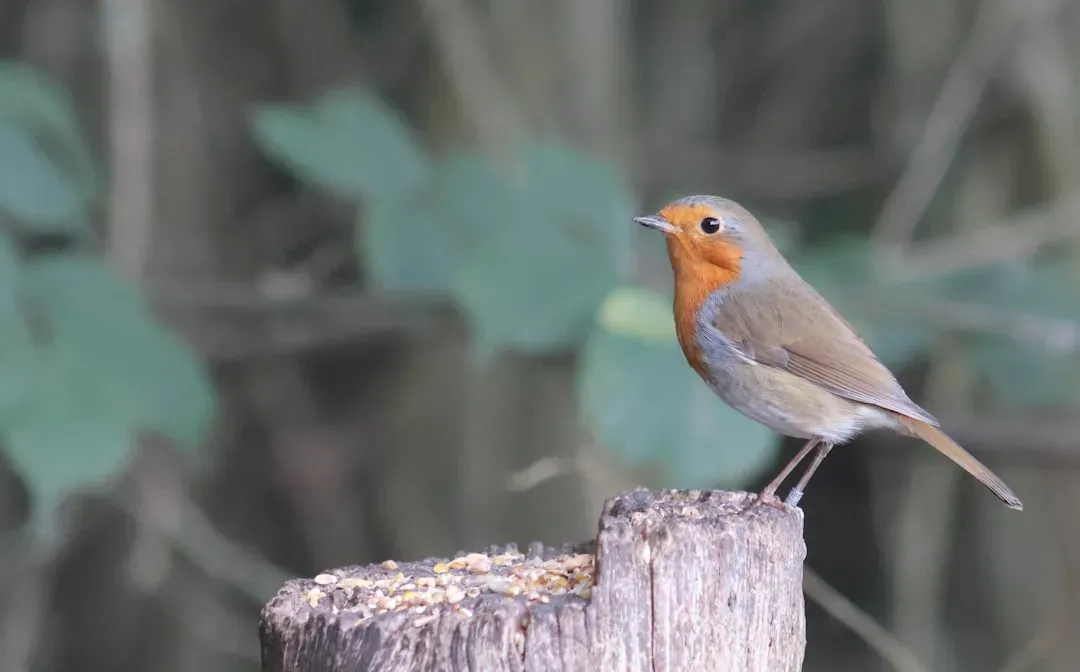
Most people think robins just eat worms all day long. That’s the classic image, right? A robin with its head cocked, listening for movement beneath the soil, then triumphantly yanking out an earthworm. That happens, sure, but there’s way more to the story.
Robins eat different types of food depending on the time of day: more earthworms in the morning and more fruit later in the day. This isn’t random preference. It’s strategic nutrition management that would impress any dietitian.
Morning worms provide protein needed for energy to start the day. As afternoon approaches, robins shift toward fruits and berries that offer quick sugars and hydration. During spring and summer, they mainly eat earthworms and insects, while in colder months, they switch to fruits and berries.
The really fascinating part? They adjust their foraging strategy based on what their bodies need at different times of year. During breeding season, parents need massive amounts of protein to feed growing chicks. In winter, fat-rich berries become survival fuel. These birds aren’t mindlessly pecking around; they’re making calculated nutritional decisions throughout each day.
They’re Secretly Breeding Machines
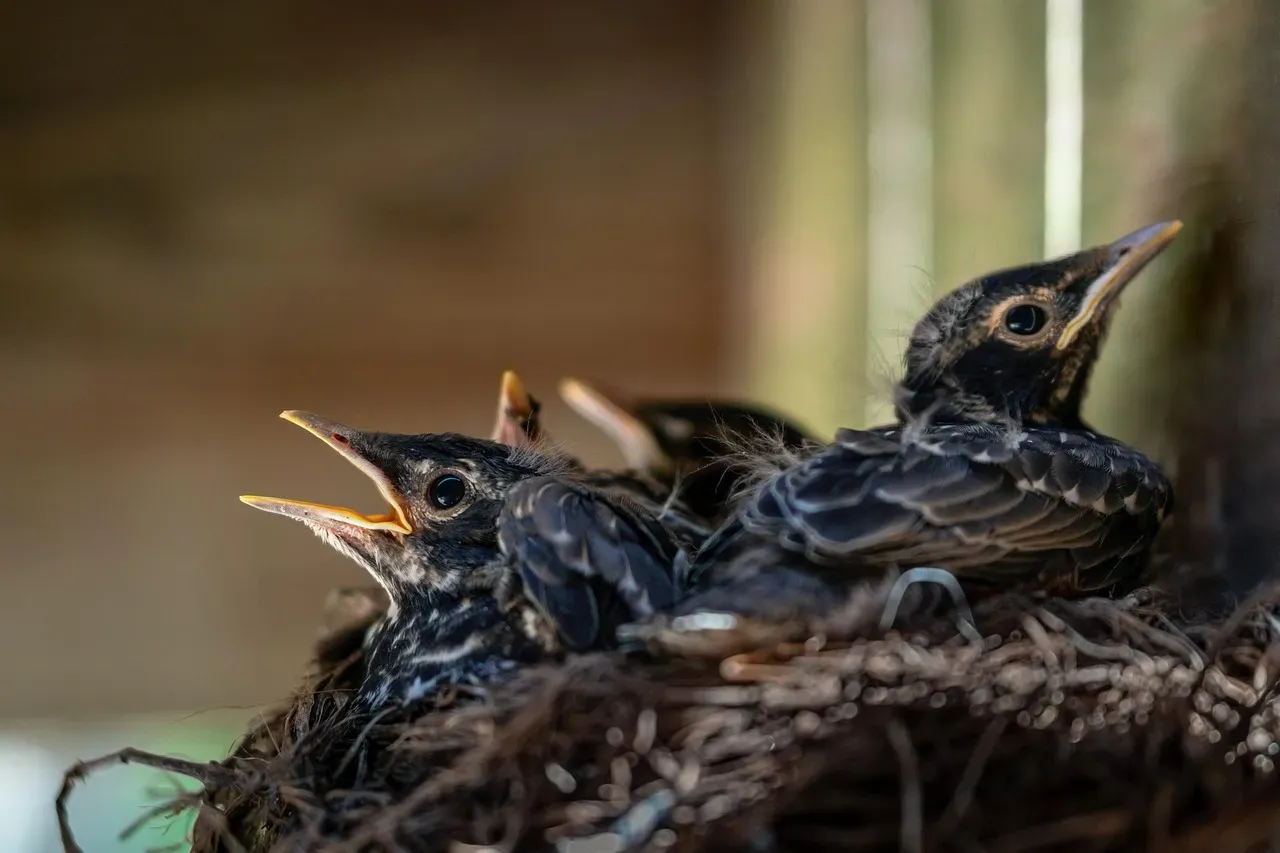
You might see a robin nest once and think “how sweet, they’re raising a family.” What you don’t realize is that same female robin is basically running a full-scale production line from spring through summer.
Robins can raise up to three broods in one breeding season, each time laying 3-5 sky-blue eggs that take roughly 14 days to hatch. Do the math. That’s potentially fifteen baby birds raised by one pair in a single season. An American Robin can produce three successful broods in one year. On average, though, only 40 percent of nests successfully produce young.
Here’s where it gets even more intense. Baby robins stay in the nest for about 13 days, after which they become fledglings – able to leave the nest but still reliant on parents for food. Parents continue feeding these fledglings while simultaneously building a new nest and preparing for the next round.
It’s exhausting just thinking about it. Female robins are basically pregnant and parenting toddlers at the same time, over and over, for months. Only 25 percent of those fledged young survive to November. From that point on, about half of the robins alive in any year will make it to the next. The brutal reality of nature means most of these babies won’t see their first birthday, which explains why robins produce so many offspring.
They Attack Red Objects Like Tiny Feathered Warriors
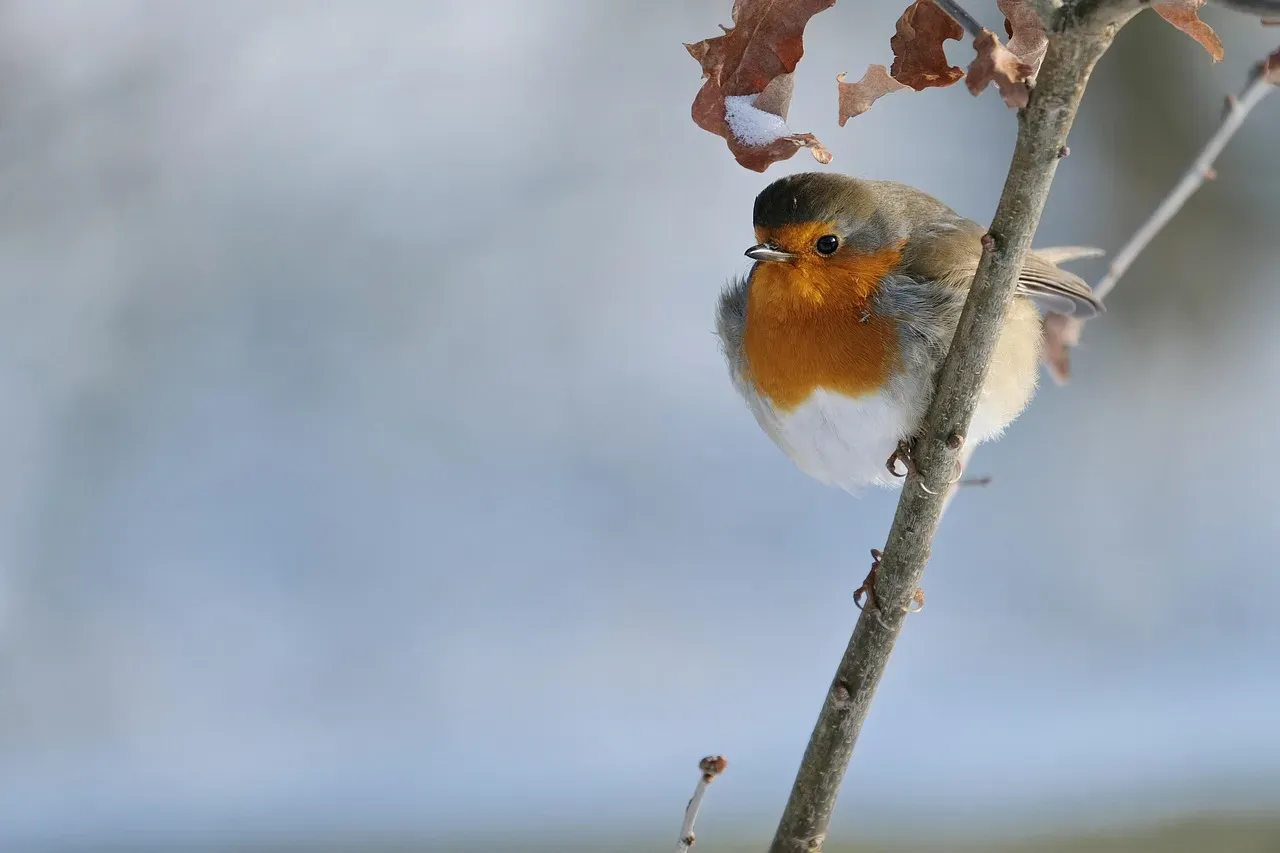
Ever had a robin repeatedly smash itself against your car mirror or living room window? You’re not alone. This bizarre behavior confuses homeowners every spring, and honestly, it’s both fascinating and slightly unsettling.
Male robins in particular will drive away intruders with great ferocity. When they see their own reflection in a window, they may attack. Males have attacked red objects, including socks, handkerchiefs, and other items hanging on a clothesline, and ornaments and discarded toys on the lawn.
They’re not being stupid. They’re being territorial. During breeding season, male robins defend their turf aggressively against any perceived rival. Male robins will drive away intruders with great ferocity. When they see their own reflection in a window, they may attack. That reflection? To them, it’s an intruding male threatening their territory and mate.
The red object attacks are even weirder. Apparently, the orange-red breast of a male robin triggers such strong territorial responses that males sometimes attack anything remotely similar in color. Your kid’s red ball in the yard? Potential enemy. Your burgundy welcome mat? Possible threat.
This behavior can continue for weeks until breeding season ends. Although the above behavior can be repeated for days or weeks, usually the bird does not injure itself seriously. Small consolation when you’re watching a bird wage war against your Honda Civic every morning.
They’re Smarter Than Anyone Gives Them Credit For
Bird brain. It’s been an insult for generations. Turns out, it should probably be a compliment, especially when we’re talking about species like robins and their corvid cousins.
When it comes to the smartest bird, we humans still have a lot to learn. Bird intelligence comes in many forms, and scientists are finding that many species exhibit intelligence similar to that of marine mammals, apes and even humans. While crows and ravens get most of the press for avian intelligence, robins possess their own suite of impressive cognitive abilities.
Species like chickadees and nuthatches have incredible spatial memory. They can recall hundreds of food cache locations – even months later. Robins exhibit similar memory skills, remembering productive feeding locations and adjusting their routes accordingly. They learn which lawns have the best earthworm populations and which trees produce the most reliable fruit crops.
The intelligence extends to social learning too. Young robins don’t just instinctively know how to be robins. They watch their parents, observe other birds, and learn techniques for finding food, avoiding predators, and choosing nest sites. One of the most mind-blowing facts about backyard bird behavior is their ability to sense the Earth’s magnetic field. This natural GPS helps them migrate thousands of miles with pinpoint accuracy. Scientists discovered that birds have special proteins in their eyes called cryptochromes that allow them to “see” magnetic fields.
Think about that. Robins can literally see things we can’t perceive at all. They navigate using senses we don’t even possess. They solve problems, adapt to changing environments, and make strategic decisions throughout their day. Next time you see a robin, remember you’re not looking at some simple creature running on pure instinct. You’re watching an intelligent being navigating its complex world with impressive cognitive tools.
Conclusion
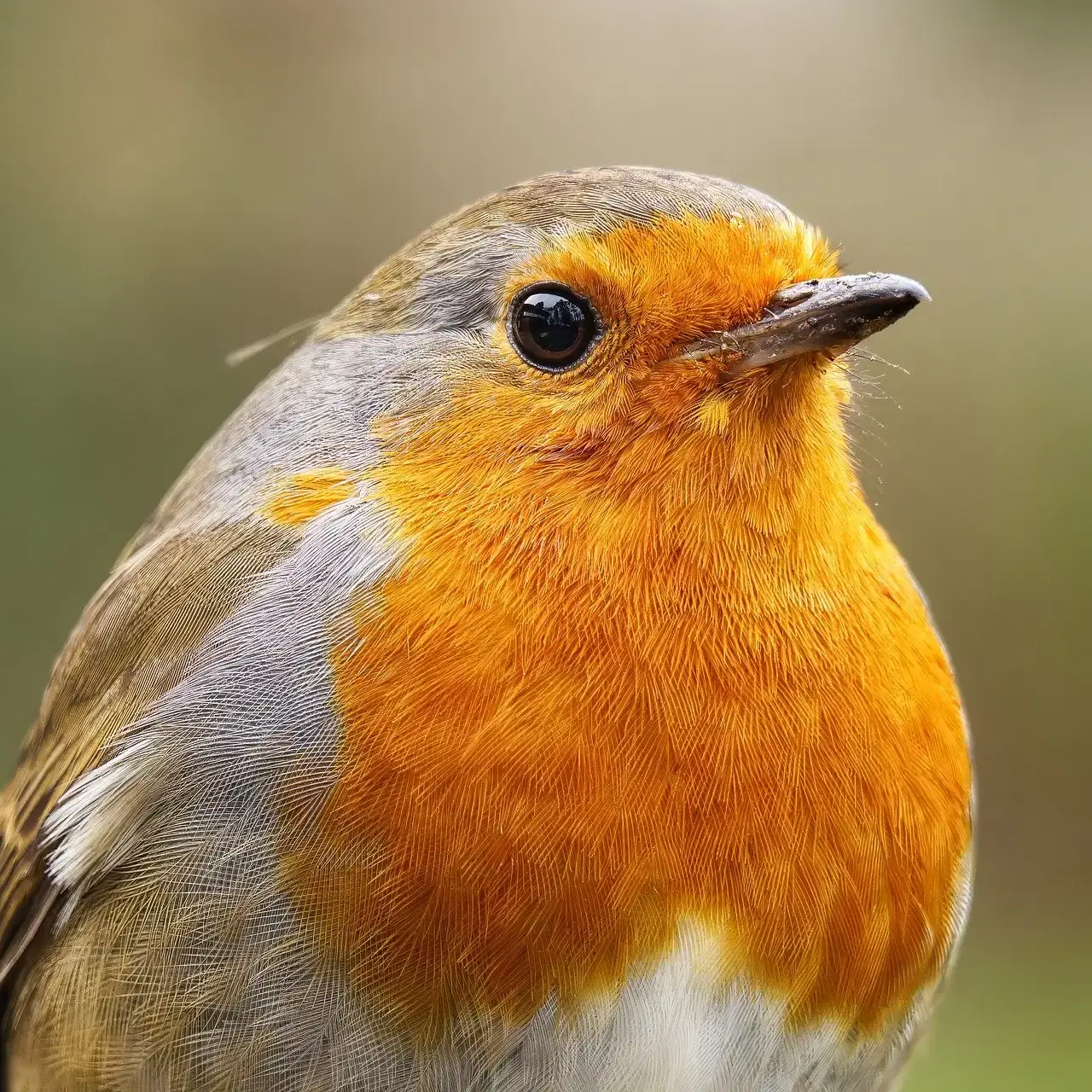
So there you have it. The “common” robin living in your backyard has been hiding a surprisingly complex existence this entire time. From getting drunk on fermented berries to waging war against red objects, from recognizing your individual face to strategically timing their daily meals, these birds lead lives far richer than most people imagine.
The vast majority of us walk past robins every single day without giving them a second thought. They’re background characters in our outdoor spaces, so familiar they become invisible. Yet beneath those orange breasts beat hearts that feel territorial aggression, behind those dark eyes exist brains capable of learning, remembering, and problem-solving in ways scientists are only beginning to fully understand.
Maybe that’s the real secret life here. Not just what robins do when we’re not watching, but what they’re experiencing while we are watching and simply failing to notice. These birds aren’t simple lawn decorations or ambient nature sounds. They’re intelligent, adaptive survivors navigating their own complicated existence right alongside ours.
Next time you spot a robin tugging a worm from your lawn, take an extra moment. Watch how it pauses, listens, calculates. Consider the hidden life unfolding in that small feathered body. Did you expect that so much could be happening inside such a familiar creature?

- 6 Exotic Bird Species You Can Spot in U.S. National Parks - July 19, 2026
- 11 Iconic American Birds Facing New Challenges and How You Can Help - July 19, 2026
- 10 Friendliest Animals in the World - July 19, 2026