

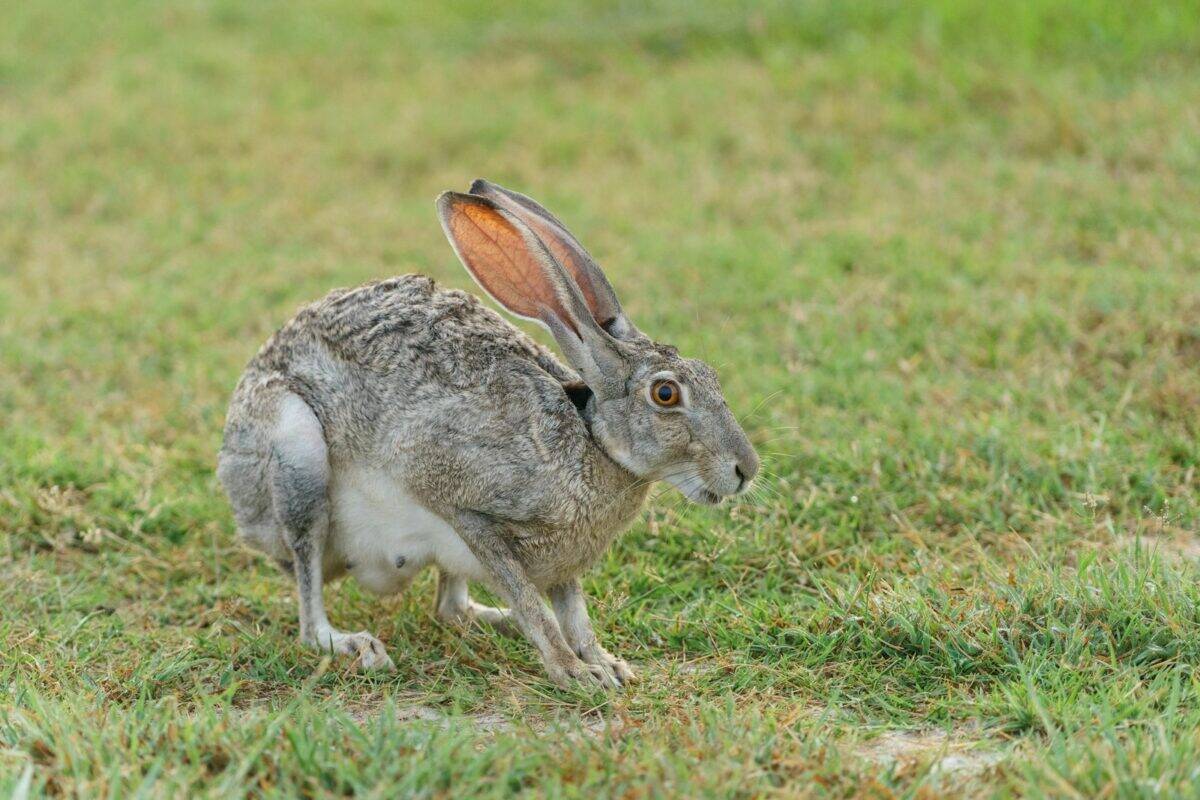
Rabbits hold a fascinating place in human culture, occupying vastly different roles depending on where in the world you find yourself. In the United States, these fluffy creatures with twitching noses and expressive ears are primarily beloved companions, hopping around homes as cherished family members. Yet cross an ocean or traverse a border, and these same animals might be the centerpiece of a hearty meal, raising interesting questions about cultural relativism and how societies determine which animals are friends and which are food. This dichotomy isn’t simply a matter of preference—it’s deeply rooted in historical, cultural, economic, and practical factors that have shaped our relationship with rabbits across different regions of the world.
The Historical Evolution of Rabbits as Pets in America

The journey of rabbits from wild animals to beloved American pets began relatively recently in historical terms. While rabbits were domesticated around 600 AD by French monks, they didn’t gain popularity as household pets in the United States until the late 19th and early 20th centuries. Initially brought to America by European settlers primarily as a food source, rabbits gradually transitioned into the pet category as urbanization increased and Americans developed more sentimental attitudes toward certain animals.
The founding of the American Rabbit Breeders Association in 1910 marked a significant milestone, establishing rabbit keeping as a legitimate hobby rather than merely an agricultural pursuit. By the post-World War II era, with the rise of suburban living and discretionary income, rabbits had firmly established themselves as popular children’s pets across middle-class America.
The Cultural Perception of Rabbits in Modern America

In contemporary American culture, rabbits occupy a special place in the collective imagination. From the mischievous Peter Rabbit of Beatrix Potter’s tales to the lucky Easter Bunny and the wise Bugs Bunny, positive rabbit characters permeate children’s literature, holidays, and entertainment. This cultural positioning has significantly influenced how Americans view rabbits—as cute, harmless, and endearing creatures deserving of care rather than consumption.
The pet industry has capitalized on this perception, with specialized rabbit foods, toys, and supplies becoming a multimillion-dollar market. Additionally, animal welfare organizations have successfully campaigned for better treatment of rabbits, with many Americans now viewing rabbit meat consumption with the same discomfort they might feel about eating cats or dogs. This cultural framing creates a psychological barrier that makes the thought of rabbit consumption distasteful to many Americans, regardless of the meat’s actual qualities.
Rabbit Cuisine: A Global Culinary Tradition

Outside the United States, rabbit meat has been a staple in numerous culinary traditions for centuries. In France, classics like “lapin à la moutarde” (rabbit with mustard sauce) and “civet de lapin” (rabbit stew) are celebrated dishes in traditional cuisine. Spain’s “conejo al ajillo” (garlic rabbit) remains a beloved dish in rural areas. Italian cuisine features rabbit in various regional specialties, particularly in northern regions where “coniglio alla ligure” (Ligurian-style rabbit) is prepared with olives and pine nuts. In Malta, rabbit stew (“stuffat tal-fenek”) is considered the national dish.
China has incorporated rabbit into its diverse culinary landscape for thousands of years, with Sichuan rabbit head being a particular delicacy in some regions. These cultures view rabbit meat not as taboo but as a practical, healthy protein source with deep historical roots in their gastronomic heritage. With its mild flavor often compared to chicken but with less fat, rabbit meat continues to be valued for both its taste and nutritional profile in many parts of the world.
Economic and Practical Factors in Rabbit Farming
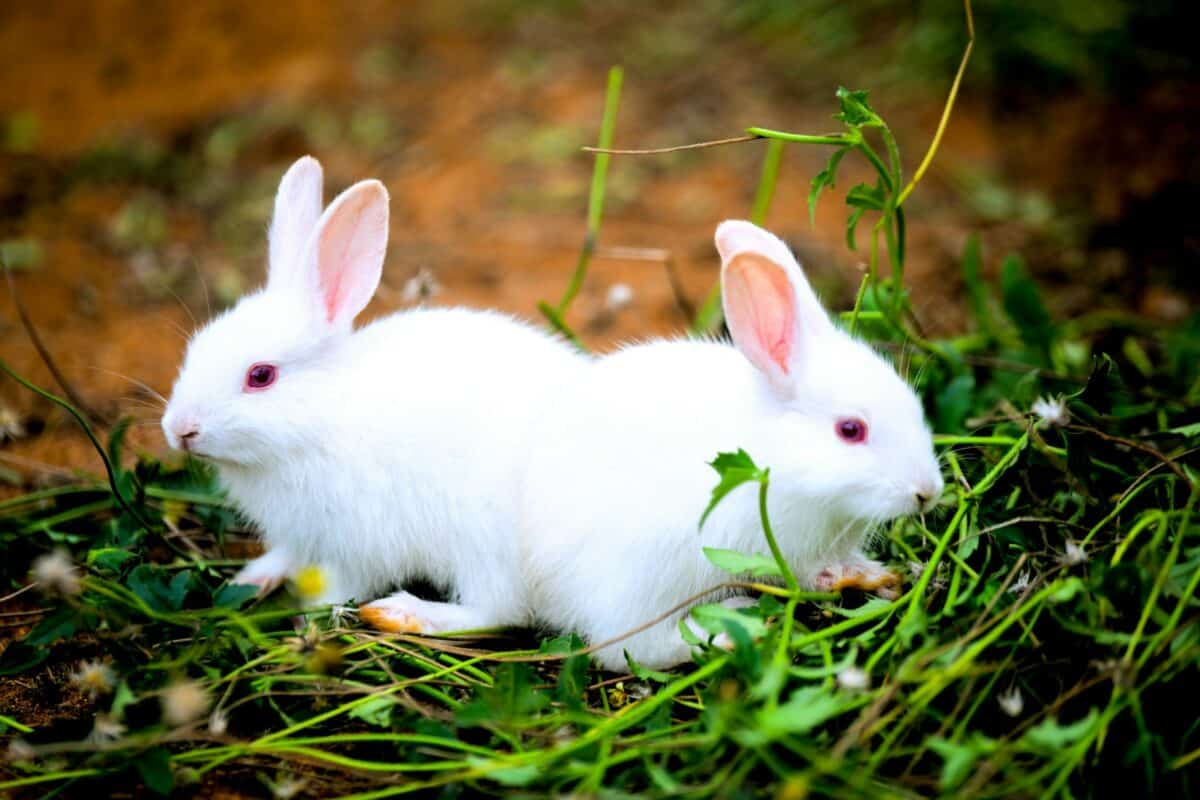
From a purely practical standpoint, rabbits represent one of the most efficient sources of animal protein available. They reproduce rapidly, with a single female capable of producing up to 50 offspring per year. Their feed conversion ratio—the amount of feed required to produce a pound of meat—is significantly better than that of cattle, pigs, or even chickens. Rabbits require minimal space compared to other livestock, making them ideal for small-scale farming in areas with limited land. They can thrive on forage that humans cannot digest, converting grass and other plant materials into high-quality protein.
In regions facing food insecurity or limited resources, these attributes make rabbit farming an attractive option for sustainable protein production. The United Nations’ Food and Agriculture Organization has actively promoted rabbit husbandry in developing nations precisely because of these practical advantages. In contrast, the American economic context, with abundant land for cattle ranching and industrial poultry production, has never created the same pressure to utilize rabbits’ efficient protein-producing capabilities.
The Pet Rabbit Industry in America

The pet rabbit industry in the United States has grown into a substantial economic sector. According to the American Pet Products Association, approximately 2.5 million households keep rabbits as pets, creating demand for specialized products and services. The pet rabbit supply market—including premium feeds, toys, habitats, and healthcare products—generates hundreds of millions in annual revenue. Specialty rabbit veterinary care has emerged as a growing field, with an increasing number of exotic animal veterinarians developing expertise in rabbit medicine.
Rabbit shows and competitions draw thousands of enthusiasts annually, with prized breeding rabbits sometimes selling for hundreds or even thousands of dollars. The industry extends to rabbit-specific pet insurance, boarding facilities, grooming services, and behavioral consulting. This robust economic ecosystem surrounding pet rabbits further reinforces their status as companion animals rather than livestock in American society, creating powerful market incentives to maintain this cultural categorization.
Legal Status and Protection Differences
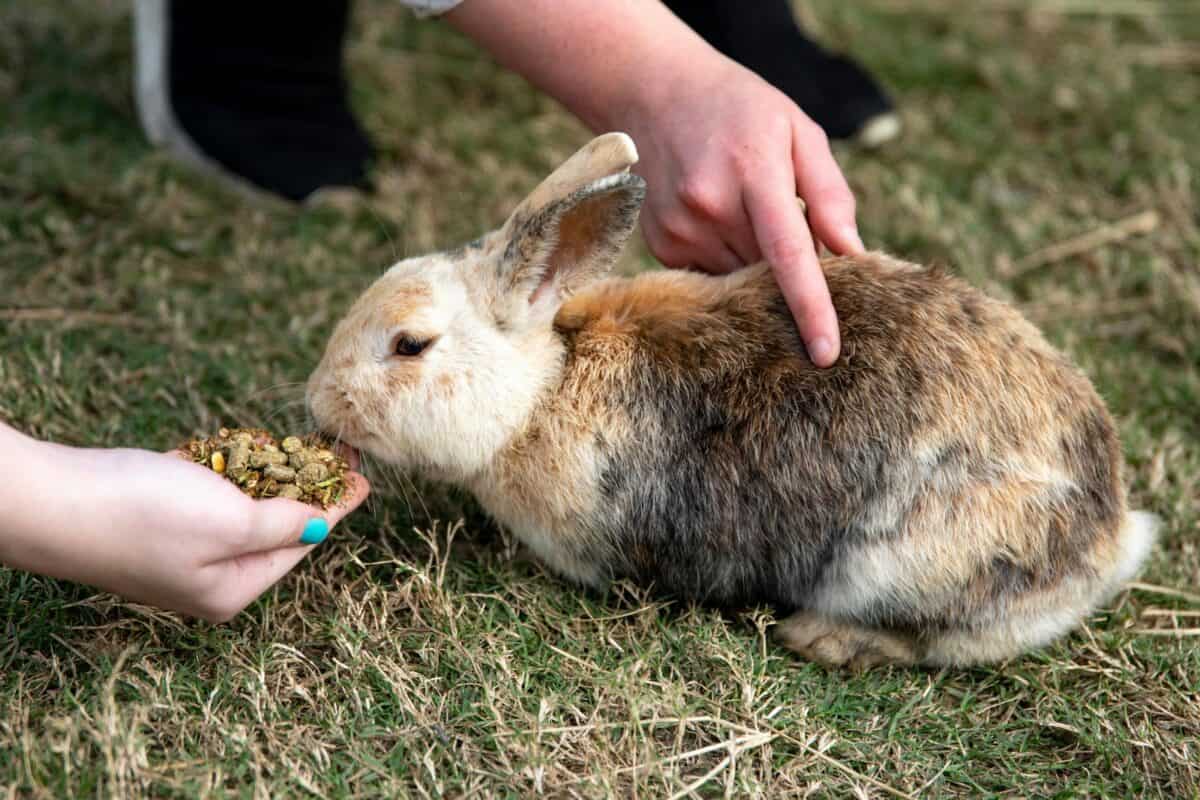
The legal status of rabbits varies dramatically worldwide, reflecting cultural attitudes about their purpose. In the United States, pet rabbits often receive more legal protections than those raised for meat. Many American cities and counties have enacted ordinances specifically allowing pet rabbits in residential areas while prohibiting livestock, implicitly categorizing rabbits as companions rather than food animals. Several states have included rabbits in animal cruelty statutes that apply to pets but exempt agricultural practices.
Conversely, in countries where rabbit meat consumption is common, regulations focus primarily on humane slaughter and meat safety rather than companion animal protections. The European Union has established specific directives on rabbit farming conditions, acknowledging their status as food animals while still requiring humane treatment. These legal frameworks both reflect and reinforce the cultural categorizations of rabbits in different societies, creating regulatory environments that either facilitate or discourage certain uses of the same animal.
The Psychology of Pet Versus Food Animals
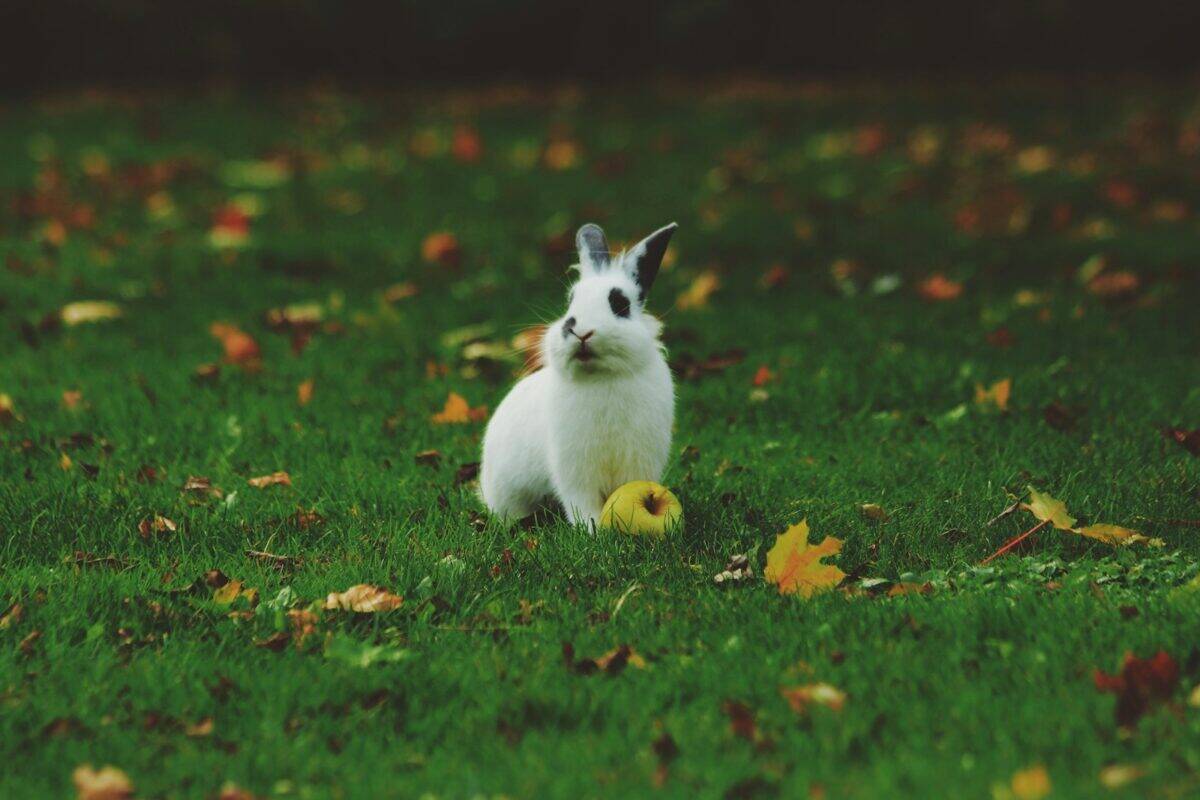
The mental categorization that allows humans to cherish some animals while consuming others is a fascinating psychological phenomenon known as the “meat paradox.” This cognitive dissonance is particularly evident in how different cultures classify rabbits. Several psychological mechanisms help explain these divergent attitudes. First, humans often engage in “moral disengagement” from food animals by avoiding acknowledgment of their sentience or individual characteristics. In cultures where rabbits are food, they may be referred to by culinary terms rather than individualized names. Second, early childhood exposure strongly influences which animals we consider appropriate to eat—American children who grow up with rabbit characters in books and media develop emotional attachments that make later consumption psychologically difficult. Third, physical and cultural distance from food production allows modern consumers to avoid confronting the realities of animal agriculture. When rabbits are raised as backyard livestock and traditional cooking is commonplace, as in many European and Asian communities, this psychological barrier never forms. These cognitive mechanisms explain how the same animal can occupy completely different mental categories depending on cultural context.
Rabbit Welfare Concerns Across Different Settings

Whether kept as pets or raised for meat, rabbits face distinct welfare challenges in different contexts. In pet settings, well-intentioned but uninformed owners may house rabbits in too-small enclosures, feed inappropriate diets, or fail to provide necessary veterinary care. The impulse purchase of rabbits as Easter gifts, followed by abandonment when the reality of their care requirements becomes apparent, remains a persistent problem in the United States.
In commercial meat production, intensive rabbit farming can involve battery cage systems that severely restrict natural behaviors like hopping and digging. However, many traditional and small-scale rabbit farmers, particularly in European countries with long histories of rabbit husbandry, maintain higher welfare standards with more spacious housing and attention to behavioral needs. Welfare organizations increasingly advocate for improvements in both contexts, recognizing that rabbits’ fundamental needs for appropriate space, nutrition, and expression of natural behaviors remain the same regardless of their ultimate purpose.
Nutritional and Health Considerations

From a nutritional standpoint, rabbit meat offers significant health benefits that many cultures continue to value. It contains more protein by weight than beef, pork, or chicken while having significantly less fat and cholesterol. Rabbit is rich in essential nutrients including B vitamins, phosphorus, and potassium. It’s particularly high in niacin and vitamin B12, which support nervous system function.
These nutritional attributes have made rabbit meat a recommended option in some therapeutic diets for individuals with cardiovascular concerns or certain allergies. As pet animals, rabbits have unique nutritional requirements that differ substantially from dogs and cats, necessitating specialized knowledge among owners. Their high-fiber dietary needs reflect their evolutionary adaptation as hindgut fermenters, requiring constant access to hay to maintain digestive and dental health. This specialized knowledge is now common among American rabbit owners but was once universal knowledge in communities that regularly raised rabbits for meat, demonstrating how nutritional understanding changes alongside cultural practices.
The Environmental Impact of Different Rabbit Uses
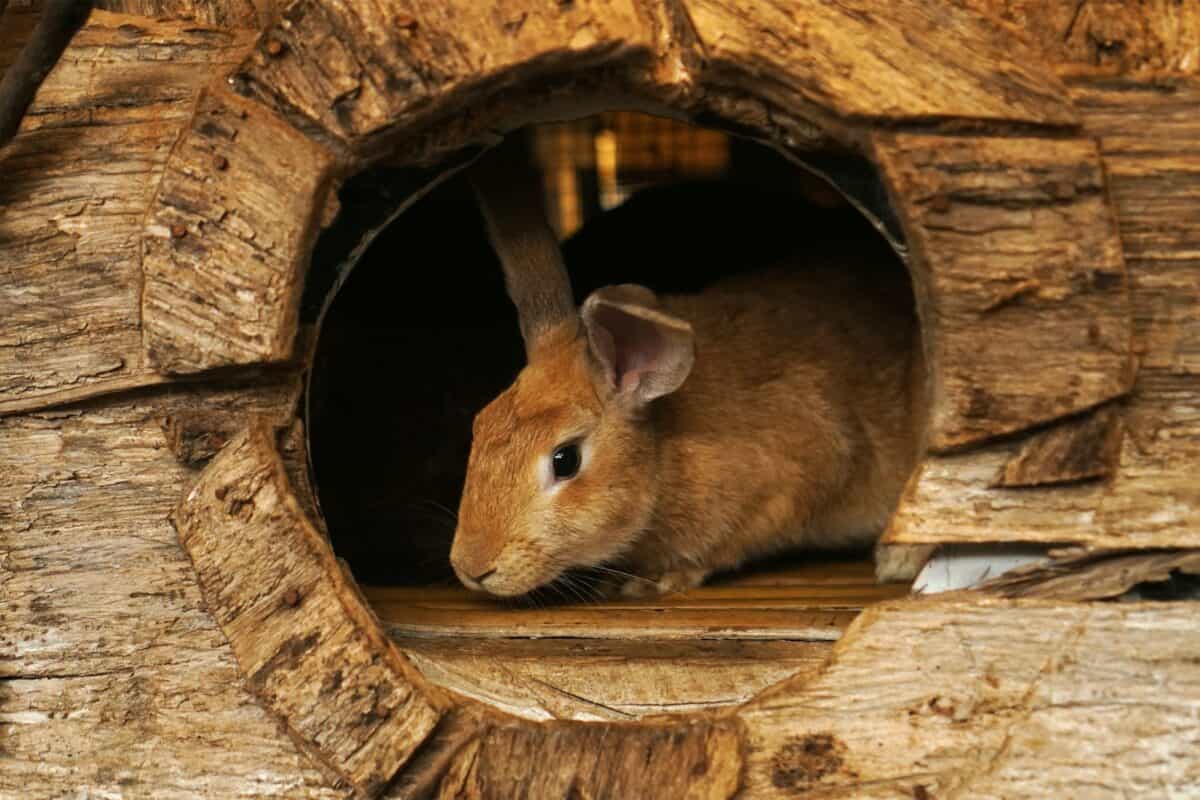
The environmental footprint of rabbits varies dramatically depending on whether they’re kept as pets or raised for food. Domestic pet rabbits in America often consume commercially produced pelleted feeds made from agricultural crops, using resources that might otherwise go directly to human consumption. Their environmental impact includes the carbon footprint of manufactured supplies, bedding materials, and veterinary services. In contrast, rabbits raised for meat, particularly in traditional or small-scale settings, can be remarkably environmentally efficient.
They require significantly less water, feed, and land than beef cattle, pork, or even poultry production. When raised on grass and food scraps, they can actually convert otherwise unusable vegetation into high-quality protein with minimal environmental impact. Some environmentalists and sustainable agriculture advocates have pointed to rabbit husbandry as a potential component of more environmentally responsible meat production systems. This environmental efficiency explains why rabbit meat production remains common in regions with strong environmental consciousness, creating an interesting contrast with American pet rabbit culture.
Changing Perspectives and Cross-Cultural Exchange

Cultural attitudes toward rabbits are not static but evolve through cross-cultural exchange and changing social values. In recent years, there has been a small but growing interest in rabbit meat among American culinary enthusiasts seeking sustainable, alternative protein sources. Simultaneously, the concept of rabbits as companion animals has gained traction in some countries that traditionally viewed them primarily as livestock. Urban Chinese millennials, for example, increasingly keep rabbits as pets rather than considering them food animals.
These shifting perspectives often create generational divides within cultures, with younger people more likely to adopt new attitudes toward animal classification. Social media and global connectivity accelerate this exchange of cultural perspectives, with rabbit owners worldwide sharing care information and forming communities that transcend traditional geographical boundaries. As global cuisine becomes more accessible through travel and immigration, the stark divisions between food animals and pet animals may gradually blur, creating more nuanced cultural understandings of our relationships with rabbits and other animals.
Conclusion: Understanding Cultural Relativism Through Rabbit Relations

The divergent status of rabbits across cultures provides a fascinating window into how societies construct meaning around animals and establish seemingly arbitrary boundaries between those we pet and those we eat. Rather than viewing either perspective as inherently superior, we can appreciate how historical circumstances, practical considerations, and cultural evolution have shaped these different relationships with the same animal. American rabbit owners cherishing their pets and European families enjoying traditional rabbit stews are both participating in authentic cultural practices with deep historical roots.
Perhaps the most valuable insight from examining this dichotomy is the recognition of how contextual our food choices and animal relationships truly are—a humbling reminder that many of our deeply held values about animals reflect cultural conditioning rather than universal truths. By understanding the complex factors that have shaped these different rabbit relationships worldwide, we gain not only insight into diverse cultural practices but also a more nuanced perspective on human-animal relationships in general.

From exploring the marine wonders in the Azores and witnessing the vast savannas of Kenya, to delving deep into the rich biodiversity of South Africa and traversing iconic landscapes in Australia and the US like Yellowstone, Chris's experiences are vast.
With a penchant for diving alongside sharks, the ocean holds a special place in his heart.
Through his academic insights, he champions wildlife conservation, striving with 'Animals Around The Globe' to cultivate a profound connection between humans and animals, enhancing our mutual appreciation.
Connect with him at Feedback@animalsaroundtheglobe.com.