
Throughout human history, we’ve looked to the creatures around us for understanding, guidance, and spiritual meaning. From tiny beetles to mighty beasts, animals have shaped how civilizations interpreted everything from love to death, from prosperity to transformation. It’s fascinating how these ancient beliefs haven’t just faded into dusty history books. They’re alive and thriving in our modern world.
Whether it’s the zodiac animals people still consult for compatibility or the phoenix motifs that appear on everything from wedding invitations to corporate logos, animal symbolism continues to weave through our daily lives in ways we barely notice. These symbols transcend borders and millennia, connecting ancient wisdom to contemporary values. Let’s dive into ten creatures whose meanings have endured through countless generations, still speaking to us with surprising relevance in 2026.
The Dragon: Power and Fortune Across Millennia
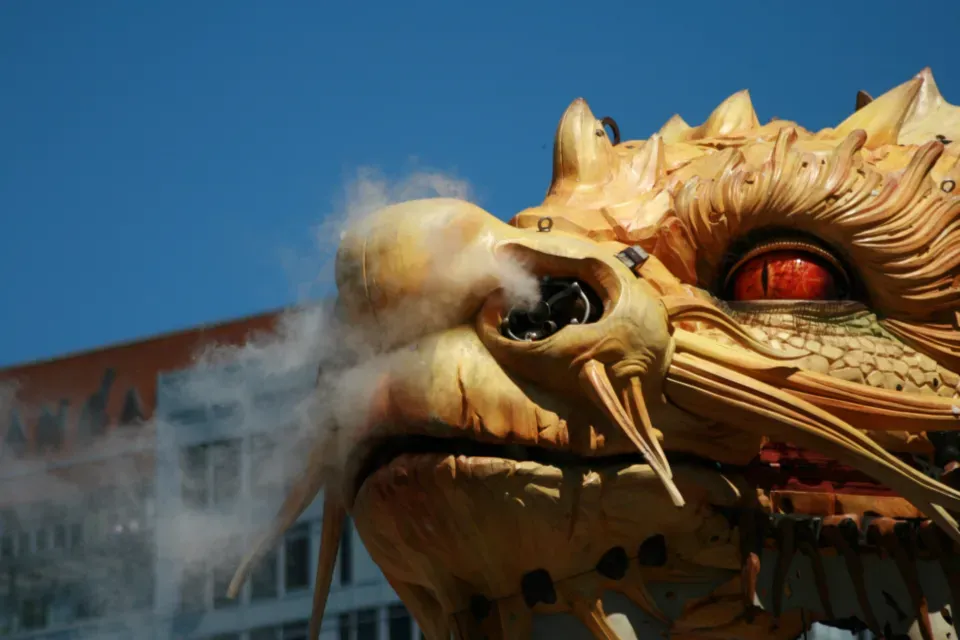
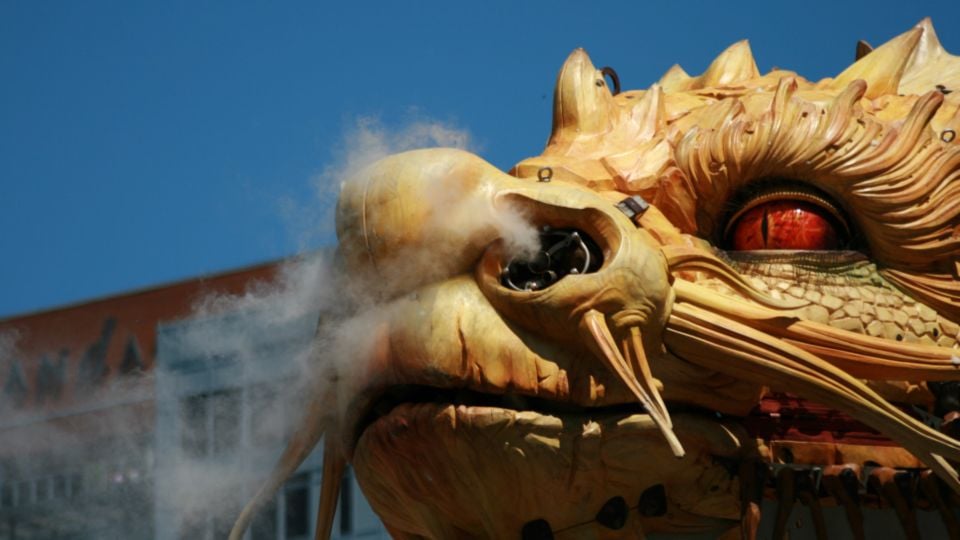
In Chinese culture, the dragon represents auspiciousness, symbolizing power, strength, and good luck. Unlike the fire-breathing villains of Western tales, dragons were considered the heads of heavenly deities and governors of rainfall in Chinese culture. Think about it. In an agrarian society where survival hinged on the harvest, a creature that controlled rain wasn’t just powerful, it was absolutely essential to life itself.
Chinese emperors had dragons throughout their kingdom from their robes and beds to their throne. The association ran so deep that being compared to a dragon meant you were exceptional and outstanding. Today, this symbolism persists strongly. Unlike the cautious and introspective Snake, the Horse embodies enthusiasm, speed and fieriness, bringing a year focused on bold moves and exploration. Even in 2026, dragon imagery dominates celebrations and art, representing aspirations for success and transformation.
The Phoenix: Rebirth and Grace Through the Ages
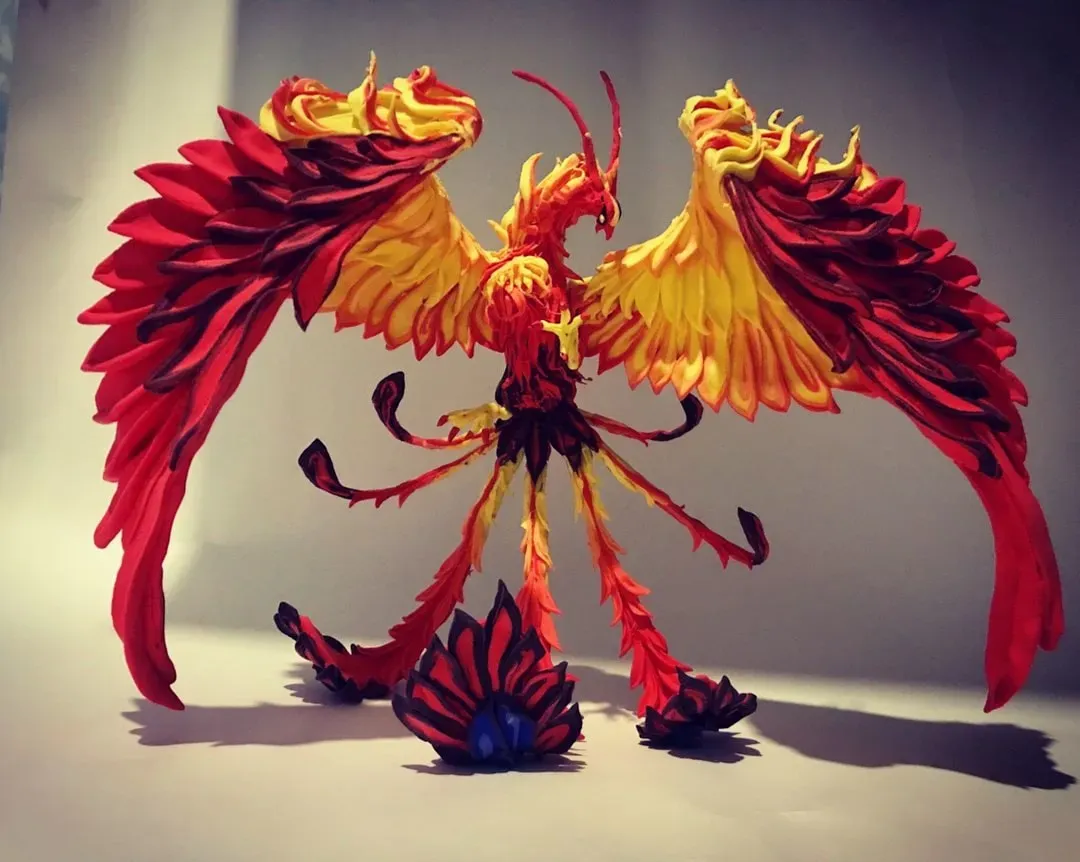
The phoenix represents high virtue and grace. While Western phoenixes are famous for their rebirth from ashes, the Chinese fenghuang carries different but equally powerful meanings. The fenghuang has positive connotations and is a symbol of virtue and grace. Traditionally, while emperors claimed the dragon, empresses and royal women were adorned with phoenix imagery.
Here’s what I find really compelling. The symbolism of a dragon and phoenix together represented a blissful marriage, and it is common today to see the dragon and phoenix pair together at weddings. This pairing transcends mere decoration. It speaks to balance, harmony, and the complementary forces that create wholeness. The phoenix’s enduring presence in modern weddings, from invitations to decorations, shows how ancient symbols adapt to express timeless human desires for love and partnership.
The Snake: Transformation and Hidden Wisdom
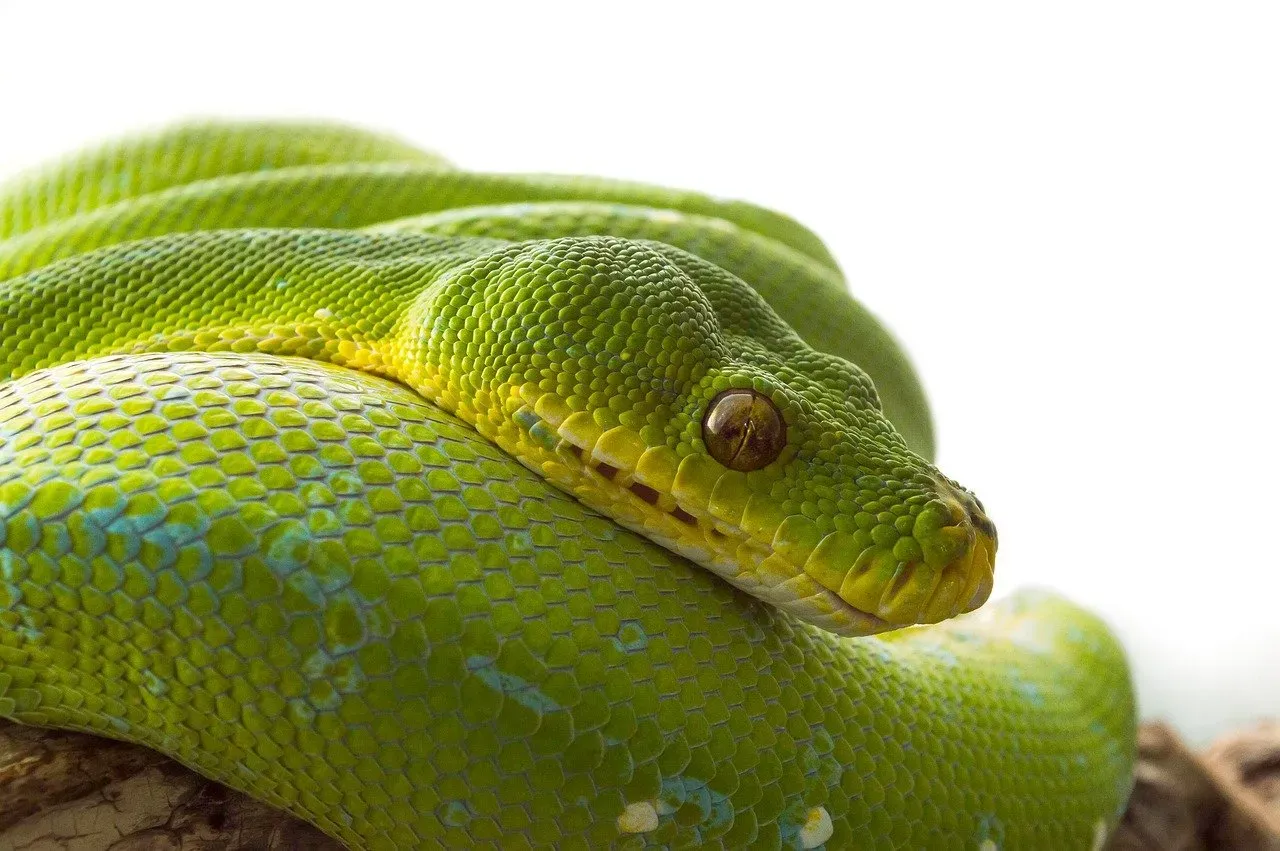
The snake’s ability to shed skin is one of rebirth or transition, with other meanings associated with snake being wisdom and initiation. Snakes occupy a peculiar space in human imagination, simultaneously feared and revered. Across various cultures and historical periods, the serpent has served as a symbol of transformation, renewal and wisdom, perhaps due to the ever-shedding of its skin.
Snakes are popular subjects for Japanese artists, with Shinto belief linking them to water deities, fertility, and rebirth, while in tattoo culture, the snake symbolizes wisdom and protection. That duality is what makes the snake so enduring. It represents both danger and healing, death and rebirth. Even today, medical symbols worldwide feature snakes, connecting ancient associations of transformation and healing to modern medicine. The snake refuses to be just one thing, and maybe that’s precisely why it resonates so powerfully across so many cultures and eras.
The Owl: Keeper of Sacred Knowledge
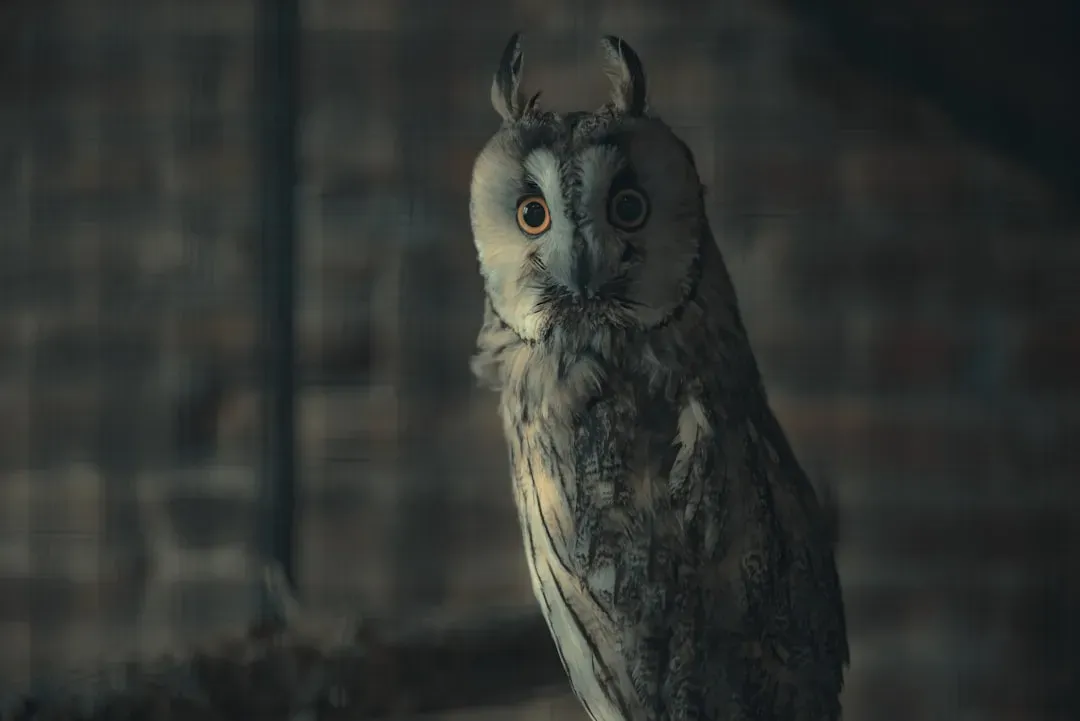
The owl totem can be linked to the Greek goddess of learning, Athena, and to the Greeks, the owl was a symbol of status, intelligence and wealth. This nocturnal hunter has captivated human imagination across continents. In Egyptian, Celtic, and Hindu cultures, the owl means guardianship of the underworlds, protecting the dead; as a keeper of the spirits.
The West African and Aboriginal Australian cultures saw the owl as a messenger of secrets and companions to seers, mystics and medicine people, while Native American culture associates the owl with wisdom, foresight, and the keeper of sacred knowledge. What strikes me about owl symbolism is its consistency. Whether you’re looking at ancient Athens or contemporary indigenous traditions, the owl represents seeing what others cannot. Its ability to navigate darkness becomes a metaphor for navigating life’s uncertainties. Honestly, in a world that often feels chaotic and unclear, the owl’s message about trusting intuition and seeking deeper understanding remains remarkably relevant.
The Elephant: Memory, Wisdom, and Family Bonds
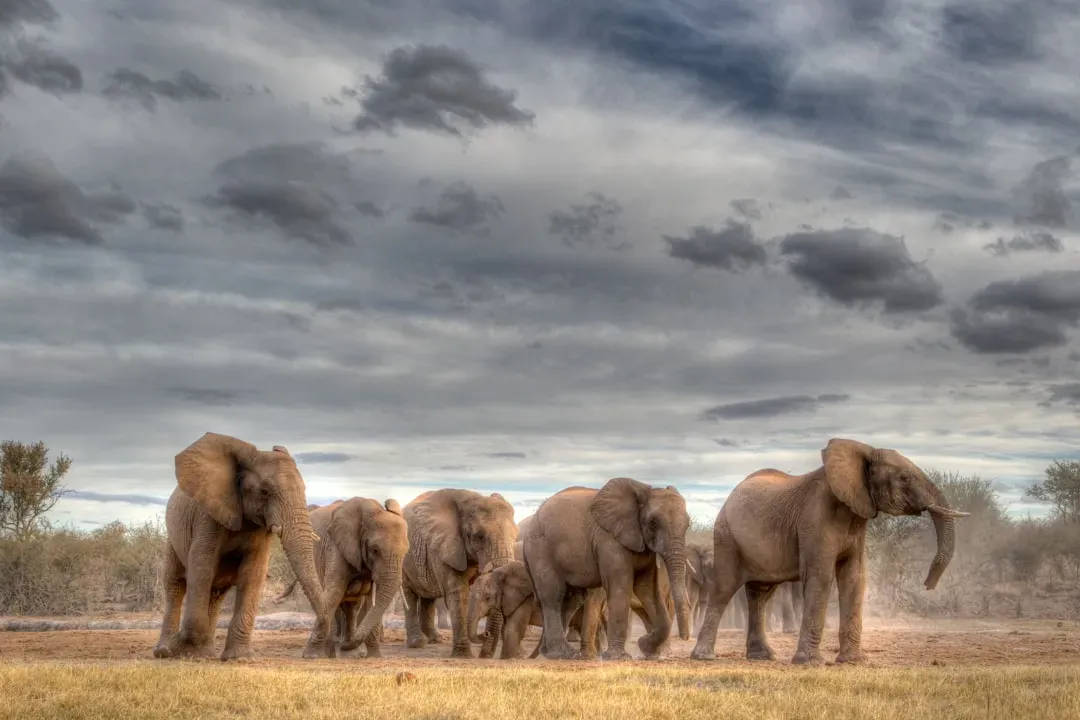
The elephant is a powerful symbol of good luck and wealth in India, and in a sacred Hindu text called Rig Veda, the elephant is described as the only animal which has a hand. Their immense physical presence mirrors their symbolic weight across cultures. Elephants symbolize memory, wisdom, and unbreakable family bonds, with their emotional intelligence making them powerful symbols of ancestral knowledge and community care.
In some African cultures, the elephant is considered a symbol of intelligence and memory, while in other cultures, such as those of the Native Americans, it represents strength and endurance. The elephant’s family structure, with its matriarchal herds and lifelong bonds, mirrors human ideals about loyalty and protection. Today, elephant imagery appears in everything from meditation apps to corporate branding, still carrying those ancient associations of wisdom and stability. Their endangered status has also transformed them into symbols of conservation, adding contemporary urgency to their ancient meanings.
The Wolf: Loyalty and Wild Freedom
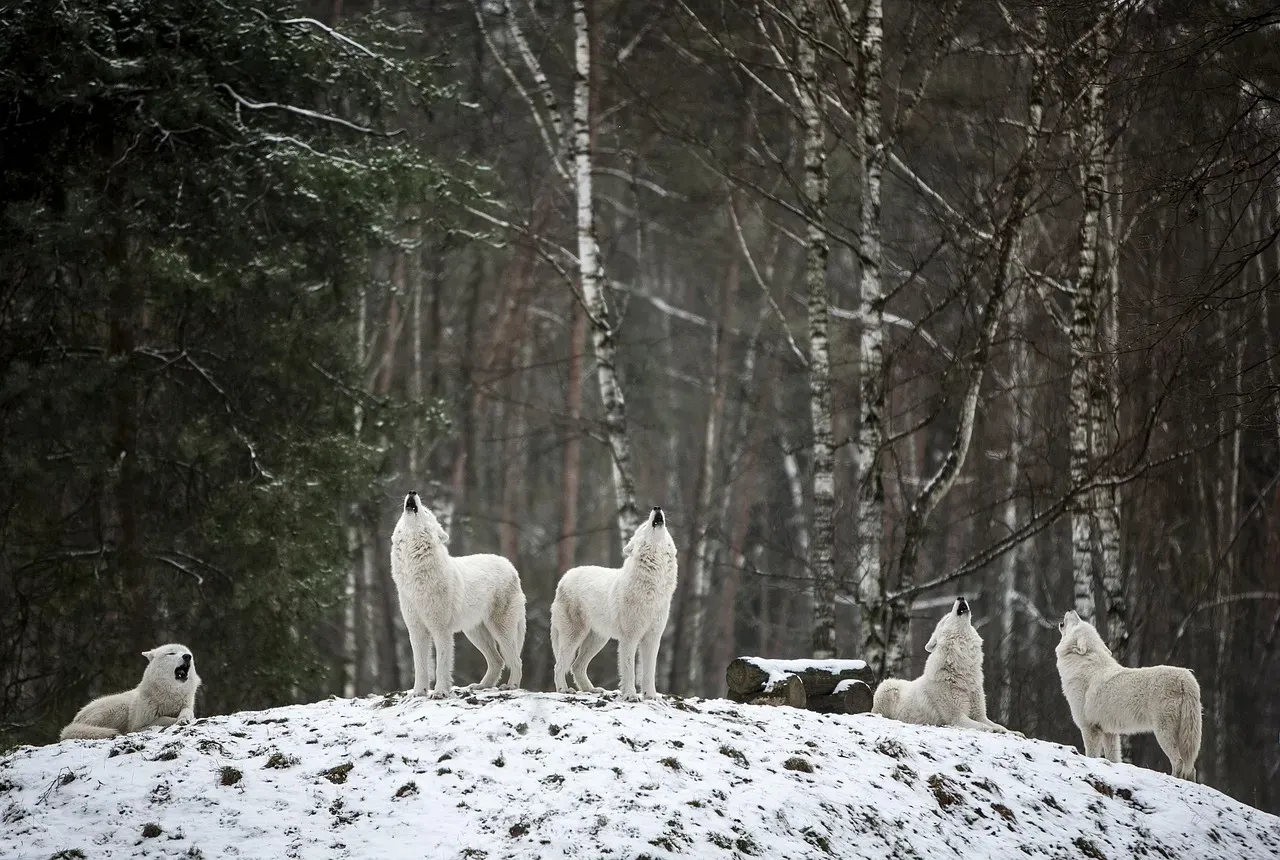
Wolves represent loyalty, teamwork, and wild freedom, teaching us about strength found in unity while maintaining individual spirit and instinct. Few animals embody such apparent contradictions so seamlessly. The wolf is a powerful spirit animal, symbolizing strength, freedom, and individuality, often associated with loyalty, intelligence, and a strong sense of family, and in many cultures, the wolf is considered a symbol of protection and guidance.
Let’s be real, wolves have gotten a bad reputation in many Western stories. Yet their actual behavior reveals creatures of remarkable social complexity and devotion. The pack structure demonstrates cooperation without sacrificing individuality. Today, wolf symbolism appears frequently in contexts emphasizing teamwork and authentic leadership. Sports teams, military units, and businesses adopt wolf imagery precisely because it captures that balance between fierce independence and absolute loyalty to the group. That duality speaks to a very human struggle about belonging while remaining true to yourself.
The Tiger: Courage and Protective Power
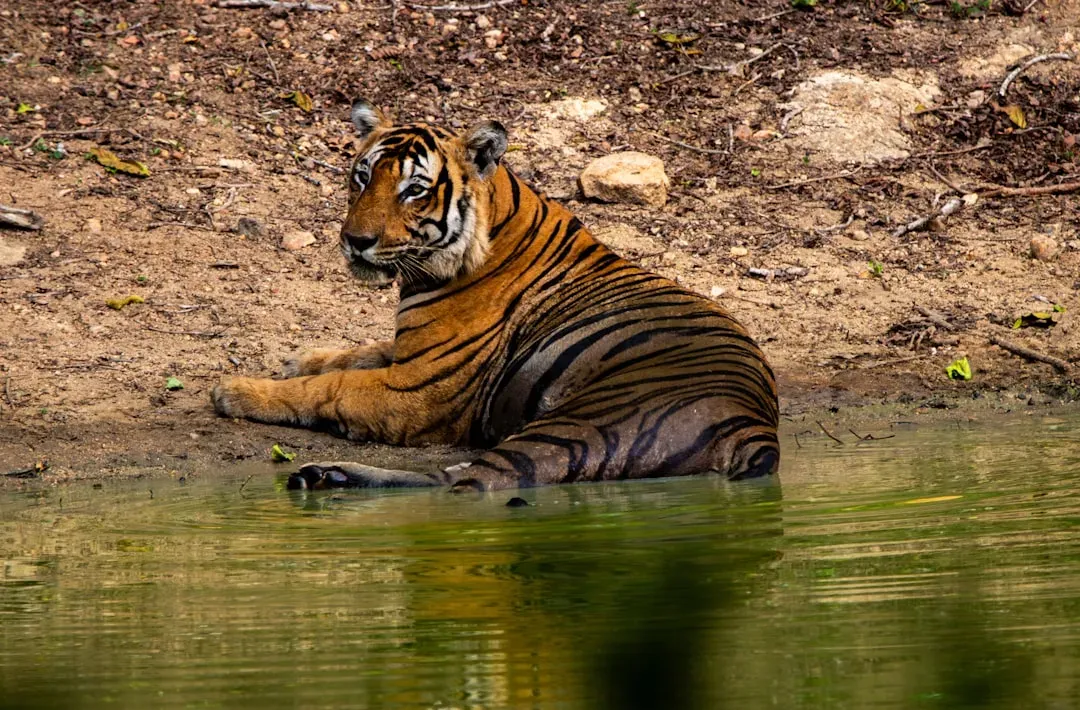
Originating from China, tigers are considered to be the king of all beasts and are seen as a symbol of power and strength, while in India, tigers are seen as a symbol of courage and protection. In Japanese culture, tigers are seen as a symbol of luck and protection from evil spirits. Their striped magnificence has commanded respect and awe throughout Asia for millennia.
Hindus and Buddhists alike consider the tiger to be a divine and sacred animal that symbolizes strength and power, with the majestic tiger often portrayed as being a vehicle of the gods, and in Hindu mythology, the god Shiva is often depicted riding on a tiger or with a tiger by his side. Tigers embody a particular kind of courage. Not reckless bravery, but calculated strength combined with patient waiting. This symbolism translates remarkably well into modern contexts, from martial arts philosophy to business strategy. The tiger reminds us that true power often lies in knowing when to act and when to conserve energy.
The Horse: Freedom, Enthusiasm, and Momentum
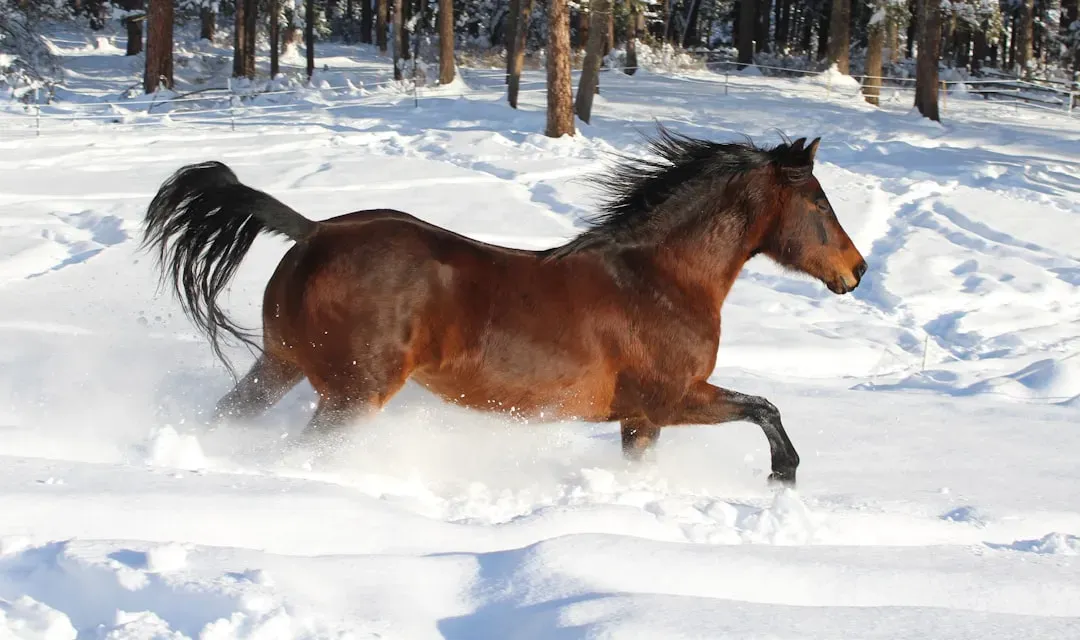
In Chinese culture, horses are seen as energetic, warm-hearted and clever, often thought to be good with people and capable of quick thinking. Horses have been revered in Japan as divine steeds since ancient times, leading to the practice of donating horses to Shintō shrines. Their domestication fundamentally changed human civilization, enabling trade, warfare, and cultural exchange on unprecedented scales.
The horse has long been revered in Native American cultures, with Native American tribes viewing the horse as a powerful being that will bring good fortune and power to the tribe, believing they could only harness the horses’ power by cultivating mutual respect. That last part resonates deeply. The relationship between humans and horses was never about pure domination but partnership. In 2026, even as horses are no longer primary transportation, their symbolic meaning as representing freedom, adventure, and forward momentum remains vibrant. We’re currently in the Year of the Horse according to Chinese astrology, and its energy of bold exploration feels particularly relevant to our rapidly changing world.
The Scarab Beetle: New Life and Solar Power
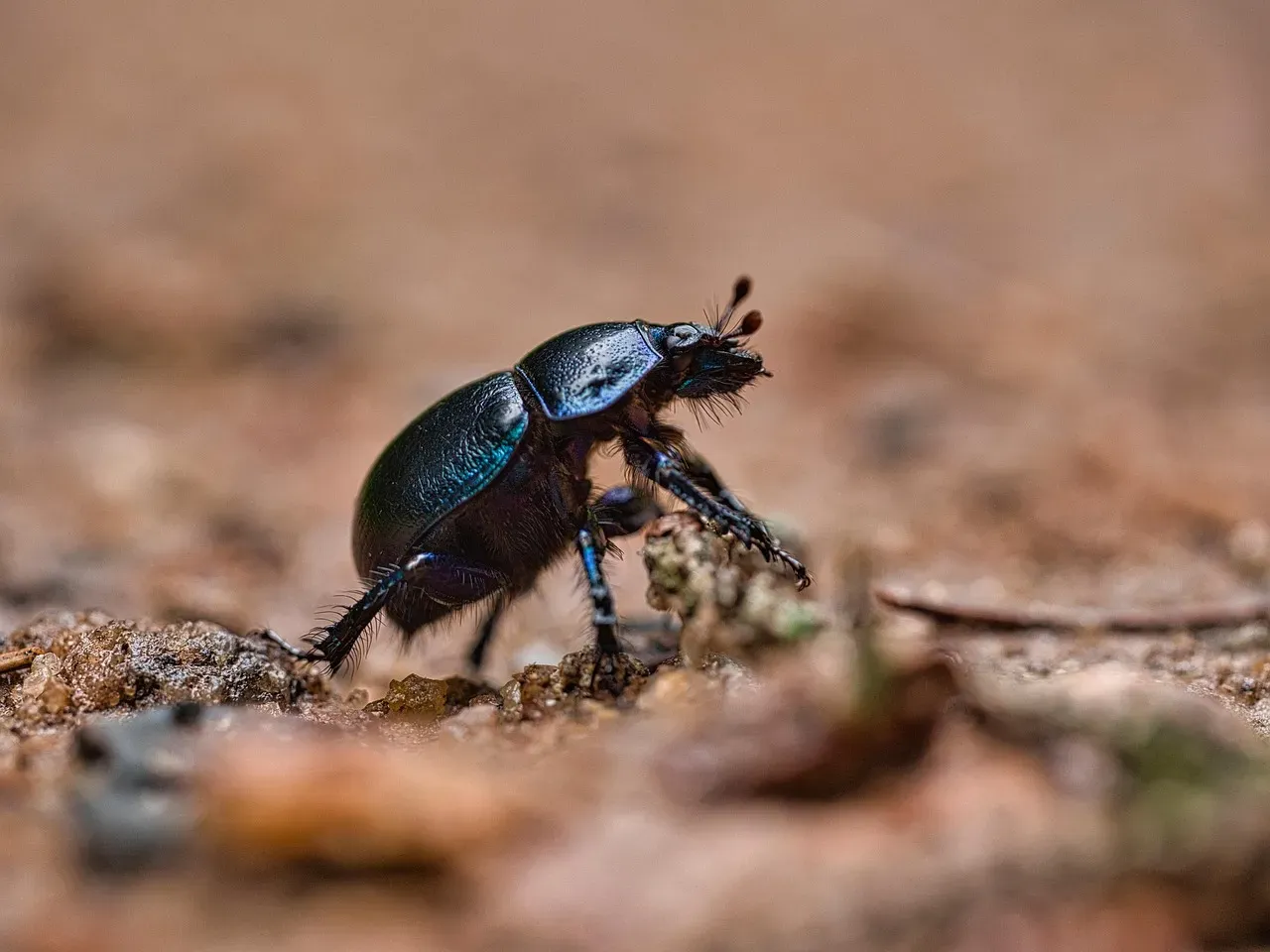
Ancient Egyptians considered scarab beetles to be a sign of good fortune, and in ancient Egyptian culture, the sun was worshipped as a powerful force that could bring forth crops or cause famine. This tiny creature carried enormous symbolic weight. Scarabs use the power of the sun when they lay their eggs in balls of mud or dung, with the sun baking the mud balls and providing warmth and protection for their offspring, thus the beetle also represents new life.
The scarab’s connection to the sun god Ra made it one of ancient Egypt’s most ubiquitous symbols, appearing on jewelry, amulets, and tomb decorations. I know it sounds strange to modern sensibilities that a dung beetle would be sacred, but there’s profound wisdom in recognizing life emerging from decay. It’s the ultimate symbol of transformation and renewal. Today, scarab imagery still appears in jewelry and art, particularly among those drawn to Egyptian symbolism, carrying forward those ancient associations of protection, rebirth, and harnessing natural forces for creation.
The Cat: Protection, Mystery, and Divine Feminine
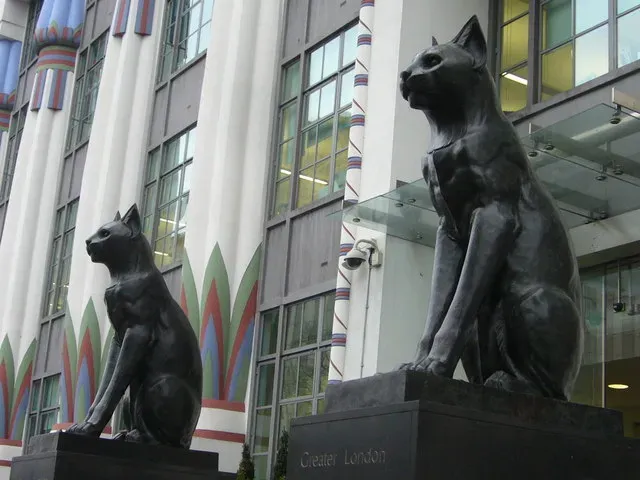
For a mainly agrarian society, the cat was an essential animal and was the guardian of crops and killer of pests that could decimate the harvest, so it’s no surprise that the Egyptians started to regard cats as protective animals and soon, even as a deity. Bastet was a goddess, initially represented by a lioness and later by a cat, depicted either as a woman with an animal head or as a cat head, with her role as a goddess of protection, pregnancy and childbirth related to her feline qualities.
Cats occupy a unique position in human culture. They were never fully domesticated in the way dogs were. That independence, combined with their hunting prowess and mysterious nighttime activities, made them perfect symbols of the divine feminine, intuition, and hidden knowledge. Across cultures from ancient Egypt to Japan, cats appear as both protectors and mystical beings. Today, cat symbolism permeates popular culture in ways both serious and playful. Their association with independence, curiosity, and seeing beyond surface appearances continues to resonate, especially in spiritual and feminist contexts.
Conclusion: Ancient Wisdom in Modern Times
These ten creatures have journeyed through millennia, their meanings evolving yet somehow remaining essentially true to their original power. What’s remarkable is how naturally they’ve adapted to contemporary life without losing their ancient resonance. The dragon still represents aspiration and transformation, whether carved on a temple or printed on a corporate logo. The owl still embodies wisdom, whether depicted in ancient Greek art or chosen as a university mascot.
I think we’re drawn to animal symbols because they help us understand ourselves through reflection. They give form to abstract qualities like courage, wisdom, or transformation that can feel slippery and hard to grasp. These symbols work across cultural boundaries and time periods because they tap into something fundamental about how humans relate to the natural world and find meaning within it.
The persistence of these symbols also reminds us that for all our technological advancement, we’re still seeking the same things humans always have: guidance, connection, protection, and understanding. The animals that walked beside our ancestors still walk through our collective imagination, teaching the same lessons in new contexts. What ancient animal symbol resonates most with you right now, and what might it be trying to tell you about your own journey?
