

You know that sinking feeling when someone crosses to the other side of the street because they see your dog coming? Or when the vet’s office goes quiet as you walk in? Honestly, it’s exhausting trying to explain that your perfectly lovely companion isn’t the monster everyone assumes they are. The truth is, some dog breeds carry reputations that are wildly out of sync with reality.
These misunderstood pups face everything from housing restrictions to outright fear from strangers, all because of outdated stereotypes and sensational media coverage. Let’s be real, though. The problem isn’t the dogs. It’s our perception of them. So what breeds are getting the worst rap these days, and what’s the actual truth behind the myths?
American Pit Bull Terrier – The Gentle Giant Labeled Dangerous

Pit Bulls, Dobermans, Rottweilers, Boxers, and Border Collies are some of the most misunderstood dog breeds out there. Yet when you look at the facts, the majority of Pit Bulls love people. These stocky, muscular dogs were originally bred for bull baiting, but after those barbaric practices ended, they became beloved family companions.
Pit Bulls are not naturally or inherently aggressive towards humans, and the American Temperament Test Society discovered that Pit Bull-type dogs generally scored higher in temperament tests. Think about that for a second. The very dogs everyone fears actually pass temperament tests at higher rates than many popular breeds. Aggression in Pit Bulls, like any other breed, is not a characteristic of the breed but is often caused by environmental factors.
Rottweiler – More Teddy Bear Than Terror

The Rottweiler is, above all, a confident dog, and they are strong, powerful dogs but are generally calmer than the Doberman. Their intimidating size and deep bark make them seem scary, yet these dogs were originally bred as cattle herders and cart pullers in Germany. A well-raised Rottweiler makes a loving and loyal companion.
One of the most common misconceptions about Rottweilers is that they are naturally aggressive and vicious dogs, though they are naturally protective and territorial, this does not mean that they are prone to unprovoked aggression. It’s hard to say for sure, but proper training seems to be the real game changer here. If a Rottweiler is treated with love and patience and consistently shown the correct ways to behave, they can become very gentle and devoted companions. The breed’s intelligence is actually a double-edged sword, requiring responsible ownership rather than fear.
Doberman Pinscher – Loyal Protector With A Soft Side
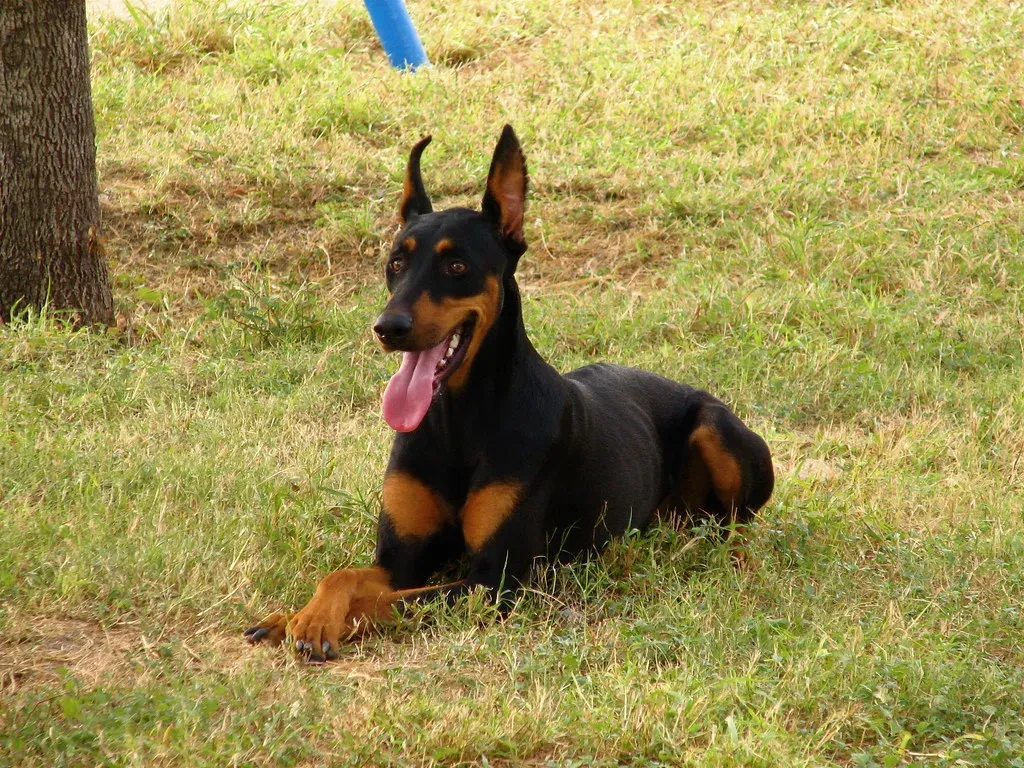
The Doberman was first bred as a protector by German tax collector and dogcatcher Louis Dobermann, who used a selection of stray dogs from the dog pound that he ran. Their sleek, athletic build and alert expression can make them appear menacing. However, Dobermans are highly intelligent and the most loyal of all dogs, and whether you have a puppy or older dog, this breed needs a lot of human contact.
Dobermans are very sensitive, so no aggressive or physical correction should be used, and they will outsmart you if you let them. Let’s face it, a dog that bonds this intensely with their family isn’t exactly a threat. They are protective of the entire family and mistrust all strangers, and they need a lot of intellectual stimulation and love having a job to do. The key word there? Intellectual. These aren’t mindless attack dogs. They’re thinking, feeling companions who thrive on partnership.
Chihuahua – Small Dog, Big Misconception

Here’s the thing about Chihuahuas. Everyone jokes about them being ankle biters or “land sharks,” but despite popular belief, Chihuahuas aren’t aggressive, and while they do have a bad reputation, they don’t go out of their way to attack people, as they are a friendly, intelligent breed with a fierce sense of loyalty.
Unfortunately, many small-breed dogs are considered to be bad tempered because their owners fail to train them properly. Think about it. When a German Shepherd growls, owners rush to correct it. When a Chihuahua does the same thing, people laugh and think it’s cute. When it comes to dogs, time spent encouraging the behavior reinforces it, and instead of teaching the Chihuahua to behave nicely, the owner is inadvertently teaching them that aggression is okay. The dogs aren’t the problem. We are.
German Shepherd – Misunderstood Working Hero
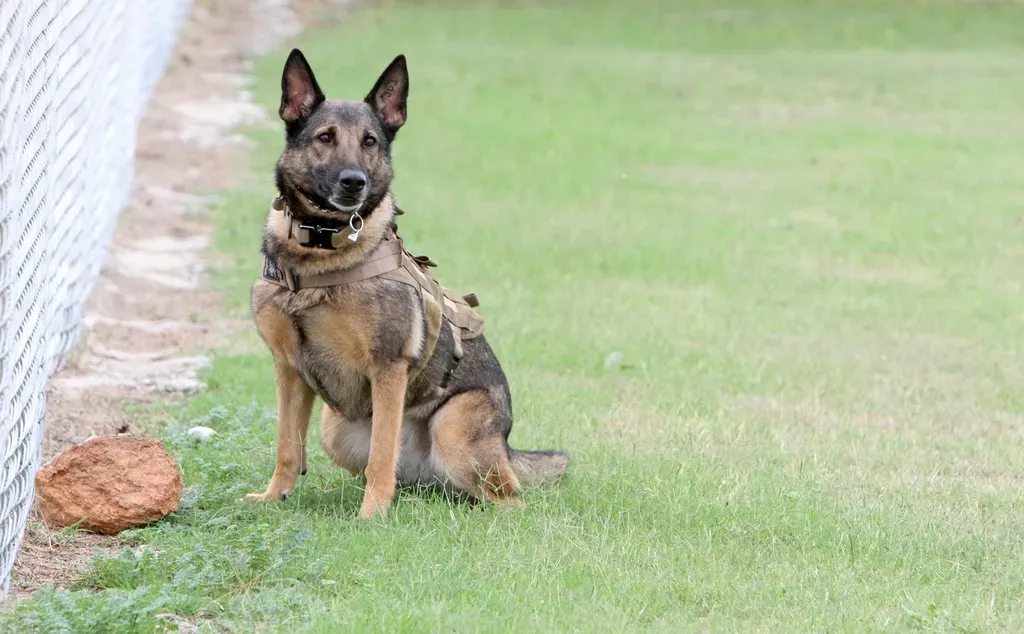
One of the most common misconceptions about German Shepherds is that the breed is inherently aggressive, but in reality, not only do they live to make their humans happy, but their temperament largely depends on factors such as training, socialization, and upbringing. These dogs serve in police forces and military operations worldwide, which contributes to their tough image.
German shepherd owners know that at times their dogs are misunderstood for no other reason than their size and appearance, and the personalities and behaviors of shepherds can vary greatly between dogs. The German Shepherd Dog is a working breed with exceptional intelligence, which sometimes leads to a false misunderstanding that they are inherently destructive, as their high intelligence requires mental stimulation, and recognizing and appreciating their intellect is critical. Without proper outlets, any intelligent breed will find trouble.
Dachshund – More Than Just A Cute Face

Those adorable sausage dogs with their short legs and long bodies might look harmless, but they carry their own set of stereotypes. Rachel Rodgers, a clinical animal behaviorist, told Newsweek that dachshunds are prone to back problems, noting that chondrodystrophic breeds are very common and we clearly like the aesthetic.
Behaviourally both breeds are known for low frustration tolerance and high anxiety so they would need a lot of support to grow into confident, happy adult dogs. People often overlook that these were originally hunting dogs bred to chase badgers into burrows. That independent, sometimes stubborn streak? It’s not bad behavior. It’s literally what they were designed for. The cute factor shouldn’t overshadow their need for proper training and socialization.
Siberian Husky – The Friendly Wanderer
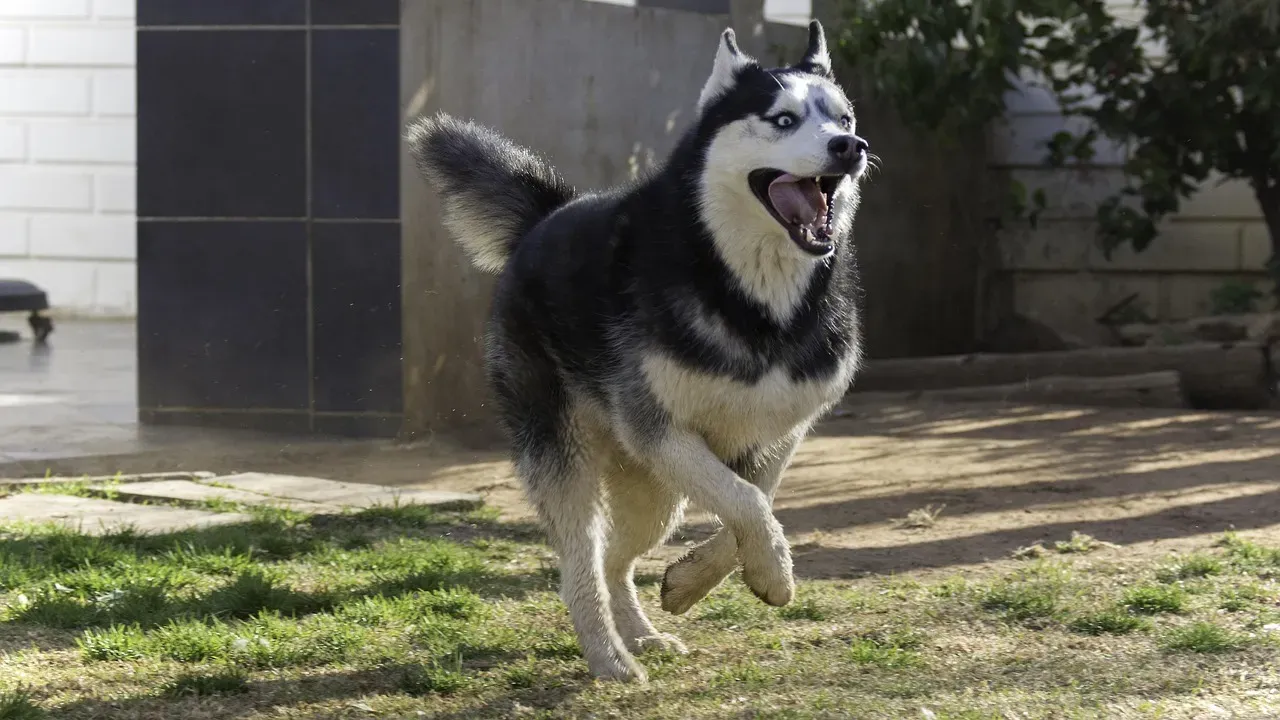
Siberian huskies are known for their intelligence and independence, and they are very affectionate and make great family pets but at the same time, they aren’t needy, although their ability to learn is remarkable, huskies are notoriously difficult to train. Their wolf-like appearance doesn’t help their image, even though they’re one of the friendliest breeds around.
German Shepherds are warier of people they don’t know, whereas Siberian Huskies are more open and friendly toward strangers, and with other dogs, socially, these two breeds generally are easy to get along with. I know it sounds crazy, but a Husky is more likely to lick an intruder than guard against one. The challenge with this breed isn’t aggression. It’s their independent nature and high energy needs that overwhelm unprepared owners.
Border Collie And Boxer – The Misunderstood Workers
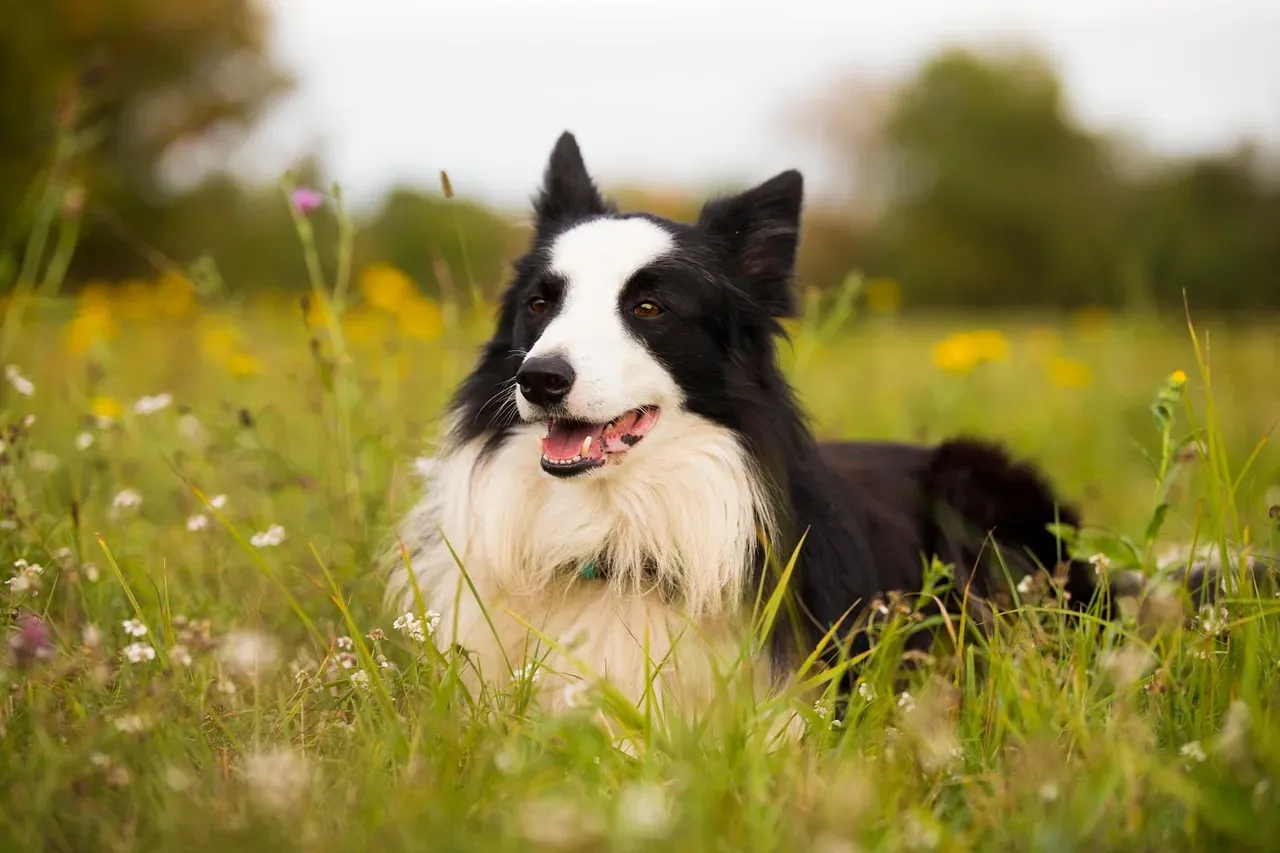
Pit Bulls, Dobermans, Rottweilers, Boxers, and Border Collies are some of the most misunderstood dog breeds out there. Border Collies are often labeled as neurotic or obsessive, when really the Border Collie temperament makes this iconic black and white herding dog a truly extraordinary working breed, as Border Collies are exceptionally clever, hard-working, loyal and resourceful.
Boxers, meanwhile, get lumped in with aggressive breeds despite being developed in Germany to be medium-sized yet powerful and capable guard dogs, but behind this imposing history and appearance is a loving and affectionate pooch that has become a highly popular family animal. Both breeds simply need what they were bred for: work, mental stimulation, and plenty of activity. When those needs aren’t met, behavioral issues emerge, but that’s true of virtually any working breed.
Conclusion
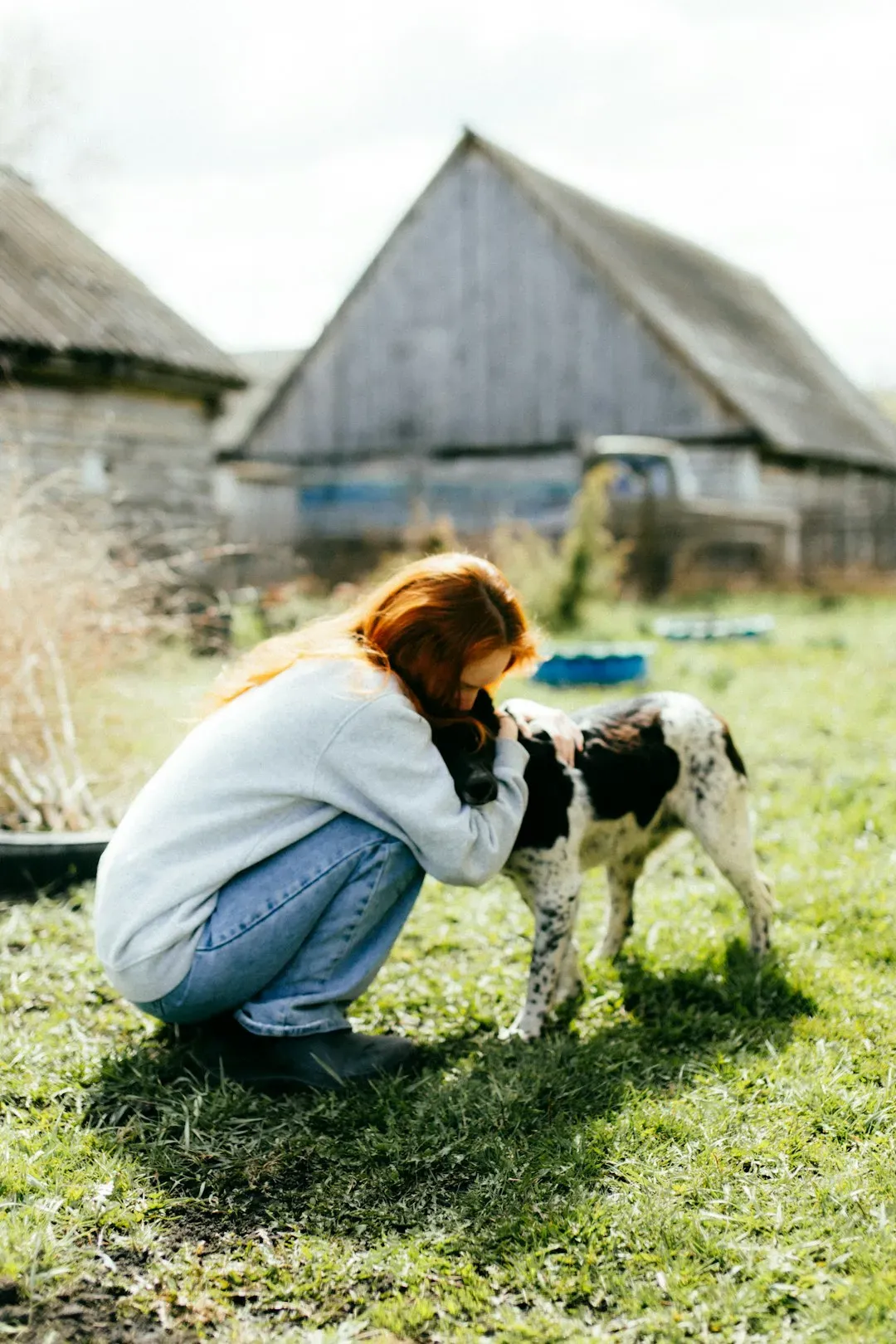
Most dog breeds that find themselves discriminated against time and time again owe their bad rap to humans. The breeds we’ve explored aren’t inherently dangerous or problematic. They’re simply misunderstood, often because of irresponsible ownership, lack of proper training, or sensationalized media coverage. Almost all dogs are not aggressive because of their breed.
Every single one of these dogs can be an incredible companion in the right home with the right training. The question isn’t whether these breeds are safe. It’s whether we’re willing to educate ourselves and look past the stereotypes. What misconceptions have you encountered with your own dog? Did any of these surprise you?
