

When you think about families, you probably picture your own relatives, maybe some awkward holiday dinners, and the people who know you best. Yet out there in the wild, countless animal families are living by codes of loyalty and kinship that would put many human relationships to shame. These creatures form bonds that last lifetimes, care for members who can’t care for themselves, and pass down knowledge through generations like treasured heirlooms.
Here’s the thing: observing animal families isn’t just about cute moments or fascinating trivia. It’s about recognizing that the threads connecting us to one another, the invisible ties of love and duty, aren’t uniquely human at all. They’re woven into the very fabric of life on Earth. So let’s dive in and meet twelve remarkable animal families whose dedication to one another might just change how you see your own connections.
Elephants: The Wisdom of Matriarchs
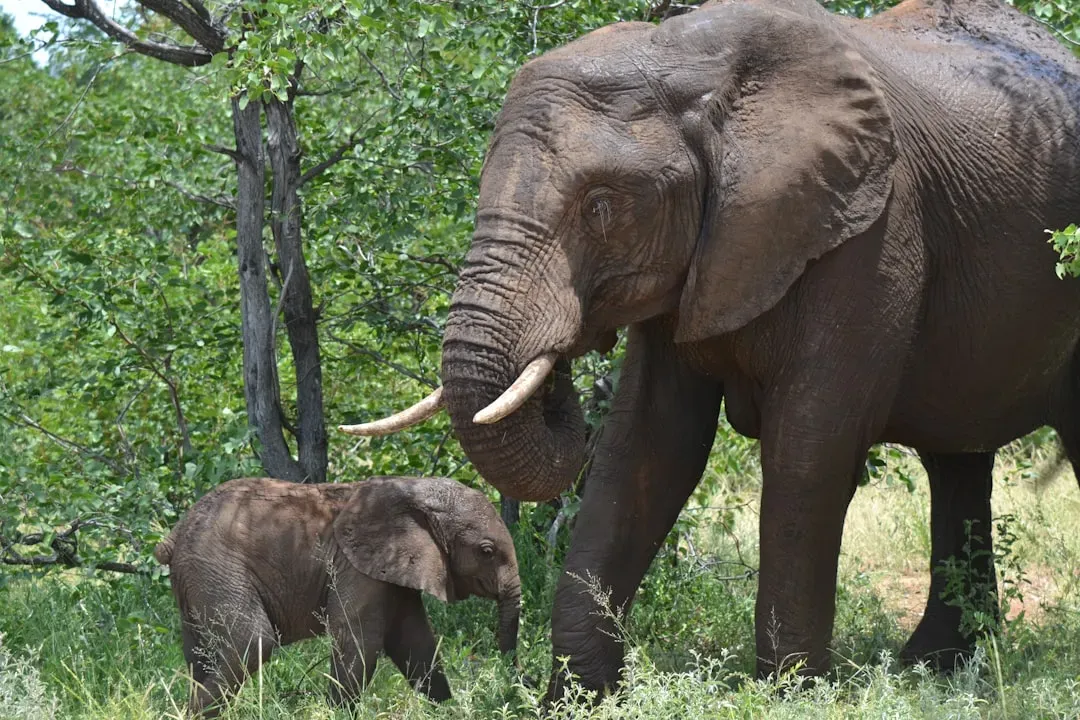
Elephant families are led by older female matriarchs who serve as the central holders of history and knowledge. These aren’t just symbolic leaders. The matriarch must prove herself worthy through displays of courage and wisdom in times of crisis, using her memory of places and individuals in tough or dangerous times. Think about that for a moment: an elderly female elephant remembering a watering hole her grandmother showed her decades ago, knowledge that could mean life or death during a drought.
Family units typically range from three to 25 individuals, including the matriarch, her adult daughters, and their calves. Daughters of the matriarch typically stay with the herd for most, if not all, of their lives. Males eventually leave, starting independent lives around age twelve to fifteen, while females remain bound together in these multi-generational networks.
What strikes me most is how they live in a fluid fission-fusion society with relationships radiating out from the mother-offspring bond through families, bond groups, clans, and beyond. Two or more families that have a special friendly relationship are called bond groups, which can be made up of family members, former family splits, friends, or any combination. It’s like they’ve built entire social networks based purely on trust and memory.
For elephants, there is nothing quite as important as the love provided and bonds created by their families, as they depend extensively on one another for protection, survival, and emotional connections. Elephants develop strong bonds between friends and family members, mourning the death of loved ones and returning to areas where family members have died. Let’s be real: if that’s not loyalty, I don’t know what is.
Wolves: Family Over Fiction
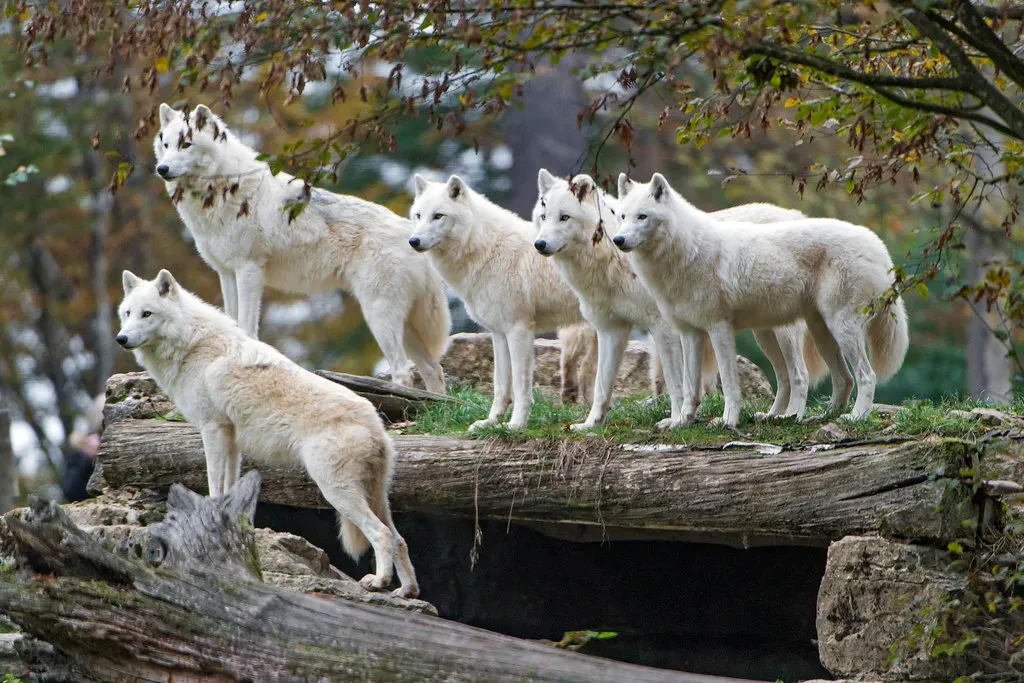
You’ve probably heard the term alpha wolf thrown around to describe dominant personalities. Here’s the twist: in the wild, researchers have found that most wolf packs are simply families, led by a breeding pair, and bloody duels for supremacy are rare. The adults are simply in charge because they are the parents of the rest of the pack members, just like we don’t talk about the alpha male and beta child in a human family.
A pack is considered the base of wolf social organization, typically defined as a cohesive family group consisting of a breeding pair and the current year’s pups, as well as any of the previous year’s surviving pups. Most family groups have between four and ten members, but that number can range from as few as two to as many as 15 wolves. These families work like well-oiled machines, cooperating in ways that benefit everyone.
Alloparenting duties among wolves include provisioning pups with food, pup sitting at rendezvous sites while other adults are hunting, and teaching pups valuable family culture such as hunting techniques and how to navigate the landscape. The entire family pitches in to raise the young, not just the parents. Wolves raise their young as a group and care for injured companions, and when they lose a pack mate, there is evidence that they suffer and mourn that loss.
Like us, wolves form friendships and maintain lifelong bonds, they succeed by cooperating, and they struggle when they’re alone because wolves need one another. A lone wolf is a wolf that is searching, and what it seeks is another wolf, as everything in a wolf’s nature tells it to belong to something greater than itself: a pack. That’s actually pretty profound when you think about it.
Orcas: Grandmothers Who Lead the Way
Resident orcas in the eastern North Pacific live in particularly complex and stable social groups, with whales living with their mothers for their entire lives, unlike any other known mammal social structure. I know it sounds crazy, but fully grown male orcas, some weighing several tons, still swim alongside their mothers. A typical matriline consists of an older female or matriarch and her male and female descendants, with adult sons staying with their mother throughout life.
Each orca family is able to survive thanks mainly to one member, its most knowledgeable hunter: the grandmother, and these matriarchs can live eighty years or more. These matrilines consist of the eldest female and her sons and daughters, and the descendants of her daughters, with an average size of 5.5 animals, and because females can reach age 90, as many as four generations travel together.
In orca pods, offspring stay close to their mothers for their entire lives, even after the mother has passed child-bearing age, and while not birthing new calves, she contributes by guiding the group to good fish-catching spots and shares 57 percent of what she catches. Honestly, that’s the kind of generosity that defines true family bonds. An interesting fact about residents is that while they hunt individually, they prey share amongst their immediate families, with females most likely to share, especially with offspring.
A pod is a group of closely related matrilines that likely share a common maternal ancestor and is made up of mothers, daughters, sisters, cousins and their children. These matrilineal groups are highly stable, with individuals separating for only a few hours at a time, to mate or forage. The permanent separation is so rare it’s been documented only once in research history.
Prairie Dogs: Complex Conversations and Coteries
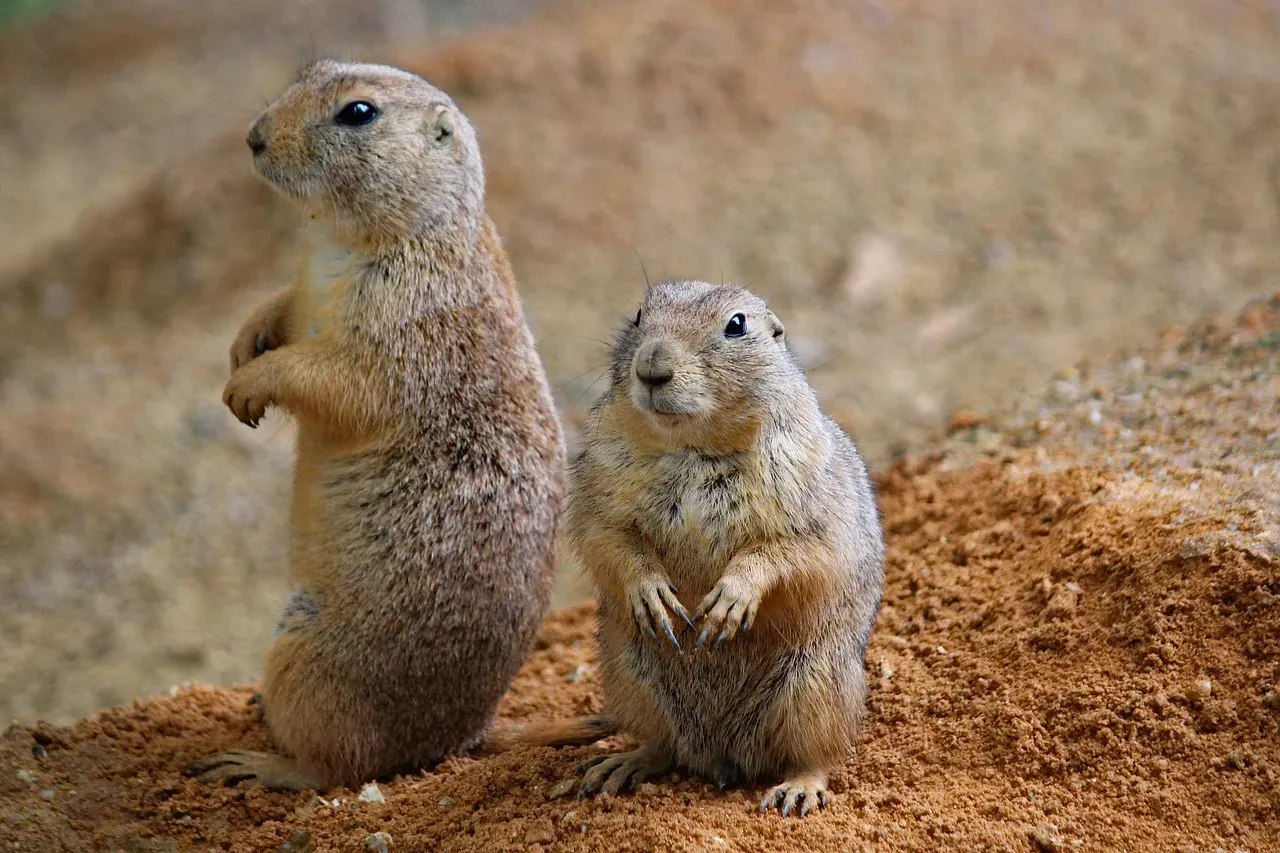
Prairie dogs have some of the most complex systems of communication and social structures in the animal kingdom. They are extremely social animals and live in large colonies that can extend one to two acres, with each colony made up of close knit family groups called coteries that usually consist of one adult male, two to three adult females and all their juvenile pups.
Prairie dogs use a sophisticated system of vocal communication to describe specific predators, with calls containing specific information about what the predator is, how big it is and how fast it is approaching. These calls, with their individuality in response to a specific predator, imply that prairie dogs have highly developed cognitive abilities. It’s hard to say for sure, but this might be one of the most underestimated communication systems in nature.
Female prairie dogs exhibit philopatry, remaining in their birth ward for their entire lives and living with their mothers, sisters, aunts, cousins, and nieces in a matrilocal strategy. Meanwhile, males disperse before becoming sexually mature to avoid inbreeding. As colonial animals, prairie dogs use their strong voices to communicate to clan or coterie members, with territorial calls reinforcing boundaries and alarm calls exposing threats.
Prairie dogs engage in a charming behavior that resembles kissing, touching their front teeth together, a gesture that helps them recognize family members and strengthen bonds. Contagious jump-yips function to assess neighbors’ alertness, soliciting social information to assess effective conspecific group size in real time. The coordination displayed in these behaviors reveals just how tightly knit these little communities really are.
Gorillas: Silverback Protectors
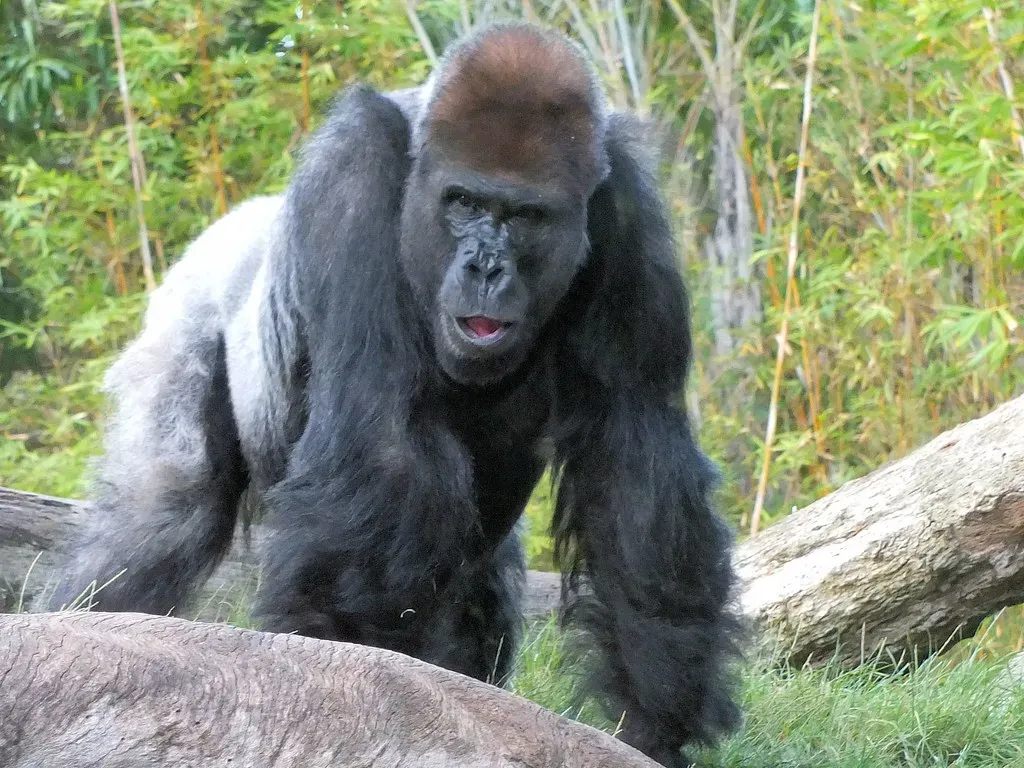
Gorilla families center around a dominant silverback male who acts as protector and decision-maker for his troop. These powerful males aren’t tyrants, though. They’re gentle giants who form deep bonds with their offspring and the females in their group. A silverback will defend his family against any threat, sometimes to the death.
Troops typically consist of one silverback, several adult females, and their young. The females often come from different family groups, having left their birth troops upon reaching maturity. This social structure prevents inbreeding while allowing the silverback to form a cohesive family unit.
What’s remarkable is the gentleness these massive creatures display toward their young. Silverbacks have been observed playing carefully with infants, allowing them to climb on their backs and tumble around. When a silverback dies, the family often fragments, showing just how central his role is to keeping everyone together.
Gorillas also display mourning behaviors when family members die. They’ve been observed sitting vigil beside deceased relatives, refusing to leave the body for extended periods. This emotional depth suggests they understand loss in ways that mirror our own grief.
Meerkats: Cooperative Babysitters
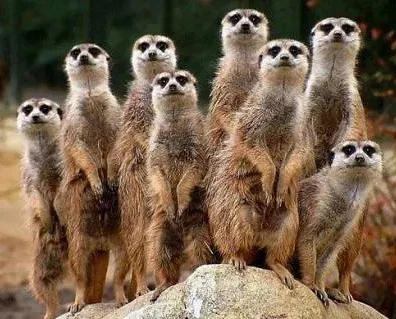
Meerkat families are all about teamwork. These small mammals live in groups called mobs or gangs, typically consisting of around twenty individuals, though some groups can swell to fifty members. Within each mob, there’s a dominant breeding pair, but here’s where it gets interesting: nearly everyone helps raise the pups.
While the dominant female is out foraging, subordinate adults and older siblings stay behind as babysitters. These guards keep watch for predators, ready to sound alarm calls or even sacrifice themselves to protect the pups. It’s an extreme form of cooperative breeding that ensures the family’s survival.
Young meerkats learn by watching older family members. They’re taught how to handle dangerous prey like scorpions, with adults bringing dead or disabled prey for practice. This patient teaching demonstrates a transfer of knowledge across generations.
The social bonds within meerkat families are reinforced through grooming and play. They huddle together for warmth at night and sun themselves as a group in the morning. Even when conflicts arise, they’re usually resolved quickly, maintaining the harmony necessary for group survival.
Bonobos: Peace Through Kinship
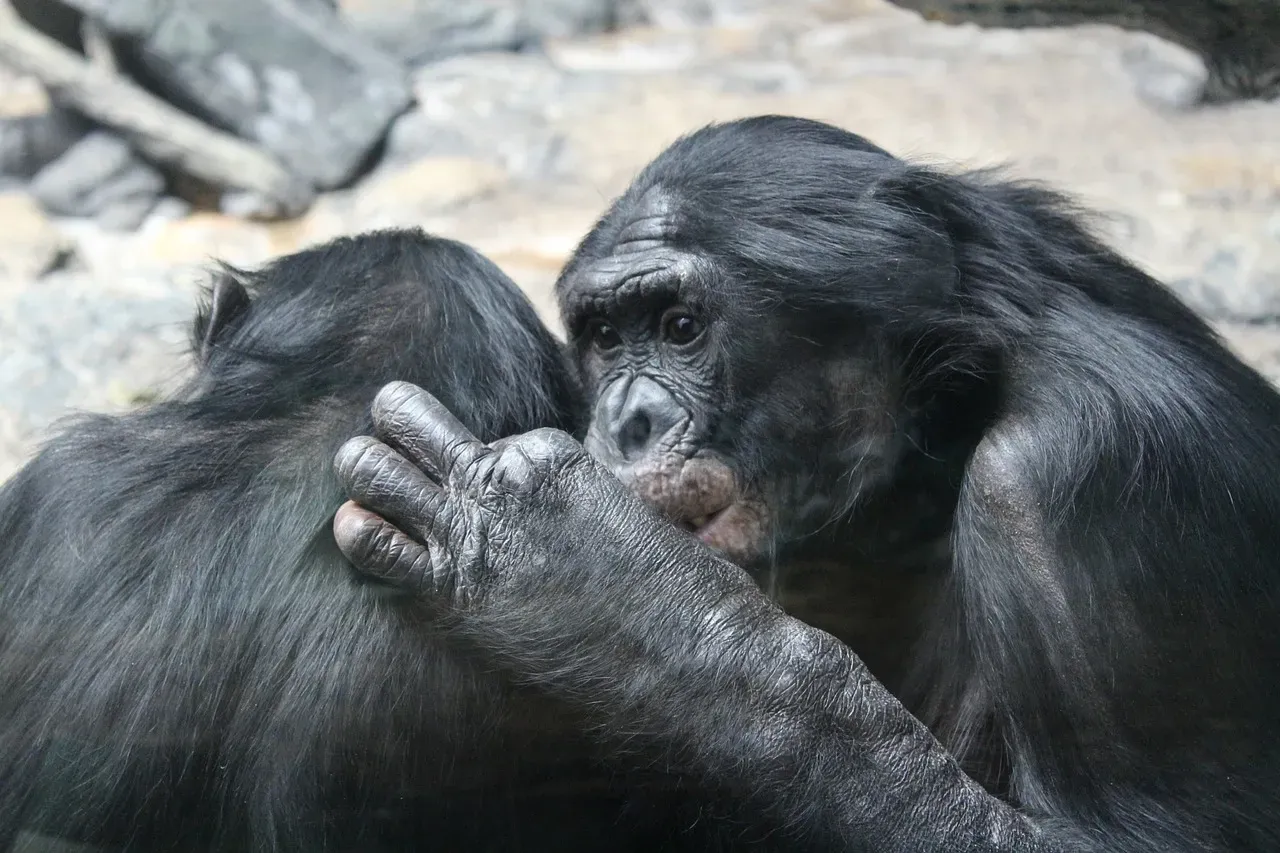
Bonobos are often called the peaceful cousins of chimpanzees, and their family structure reflects this temperament. Female bonobos form strong coalitions that dominate the social hierarchy, quite different from the male-dominated societies of their chimpanzee relatives.
Mothers maintain close relationships with their sons throughout life, often supporting them in social conflicts and mating opportunities. This maternal influence gives sons a significant advantage in the group’s social dynamics. The mother-son bond in bonobos is one of the strongest in the animal kingdom.
Female bonobos who aren’t related often form tight friendships, creating alliances that provide mutual support. These bonds are reinforced through social behaviors that reduce tension and promote cooperation. The result is a relatively peaceful society where conflicts are resolved without the lethal violence seen in some other primate species.
Young bonobos stay close to their mothers for years, learning social skills and developing relationships that will serve them throughout life. The extended childhood allows for complex social learning, teaching them the intricate rules of bonobo society.
Sperm Whales: Female-Led Nurseries
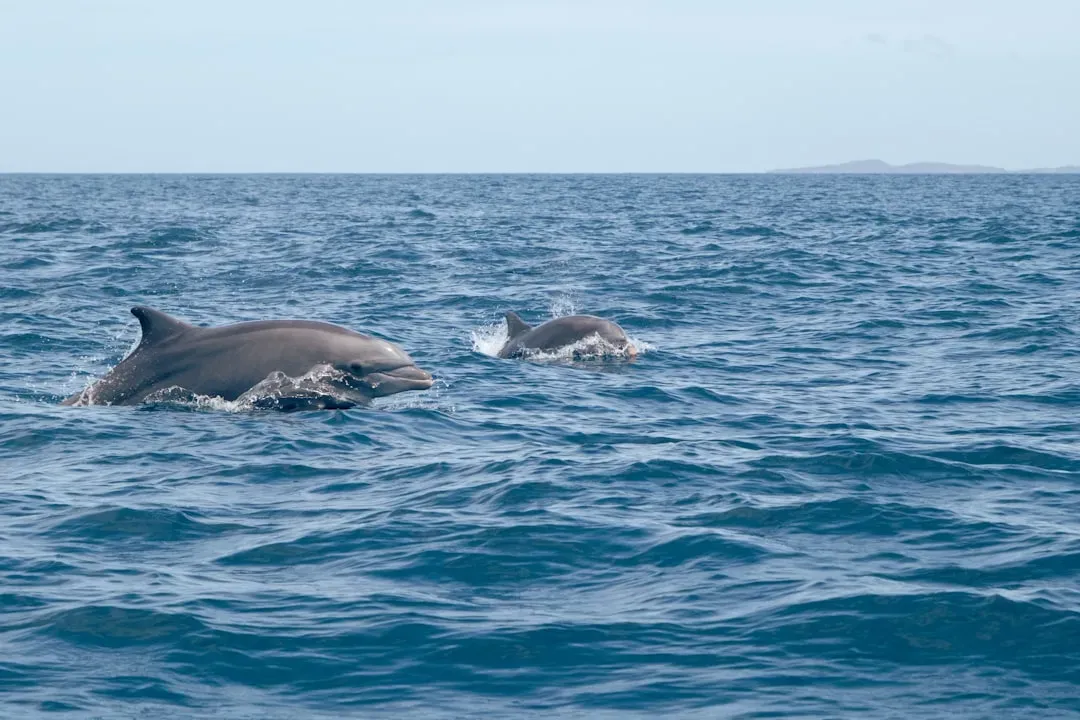
Sperm whales live in complex sexually segregated social structures known as units, which consist of females and offspring that are often but not always related, typically ranging from around 6 to 12 individuals, with most females remaining with their unit for their entire lives while males disperse after reaching maturity. These underwater matriarchies function as tight-knit nurseries where collective care is the norm.
Females in sperm whale units cooperate extensively in raising young. While one mother dives deep to hunt for squid, other females babysit her calf near the surface. This communal caregiving allows mothers to feed efficiently while ensuring their vulnerable young remain protected.
Sperm whale families communicate through complex patterns of clicks, each unit having its own distinctive vocal repertoire. These dialects help maintain group identity and allow family members to recognize one another across vast ocean distances. The sophistication of their communication rivals that of any terrestrial mammal.
Calves learn their unit’s specific click patterns from their mothers and other females, creating a cultural transmission of knowledge. This vocal learning creates distinct family identities that persist across generations. When you hear about culture in animals, sperm whales are among the most convincing examples.
African Wild Dogs: Democracy in Action
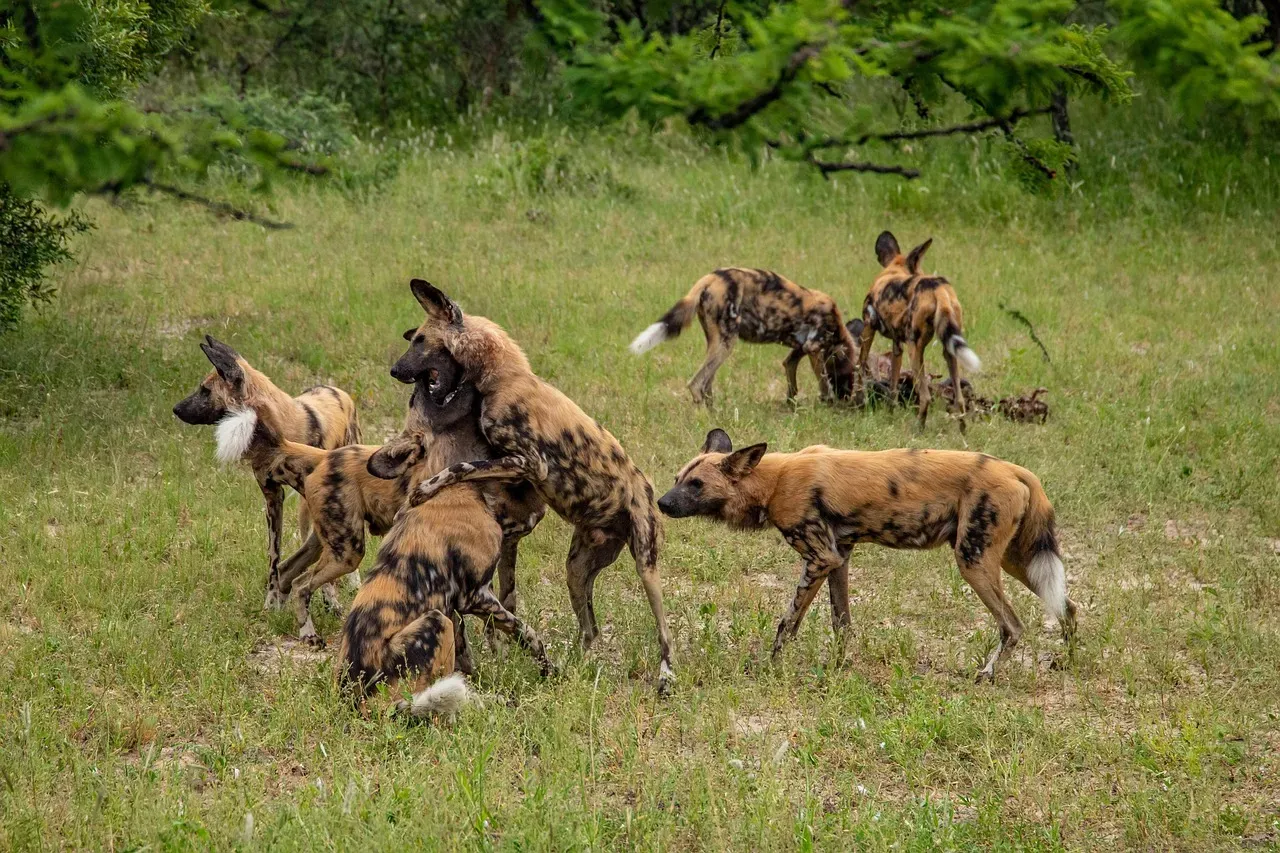
African wild dog packs are remarkably egalitarian compared to many other social carnivores. While there’s typically a dominant breeding pair, pack decisions are often made democratically. Before a hunt, pack members engage in a greeting ceremony involving sneezing, and research suggests the number of sneezes influences whether the pack actually goes hunting.
These canines display extraordinary care for sick and injured pack members. They’ll bring food back to those unable to hunt, sometimes keeping disabled individuals alive for months or even years. This level of compassion extends even to older, less productive pack members.
Wild dog pups are raised communally, with all pack members contributing to their care and feeding. After a successful hunt, adults return to the den and regurgitate food for pups and babysitters. This cooperative breeding ensures high pup survival rates despite the challenges of their environment.
The pack’s loyalty extends to defending one another against much larger predators. Wild dogs have been observed collectively facing down lions and hyenas to protect pack members, demonstrating that their bonds are strong enough to overcome significant size disadvantages.
Beavers: Building Together
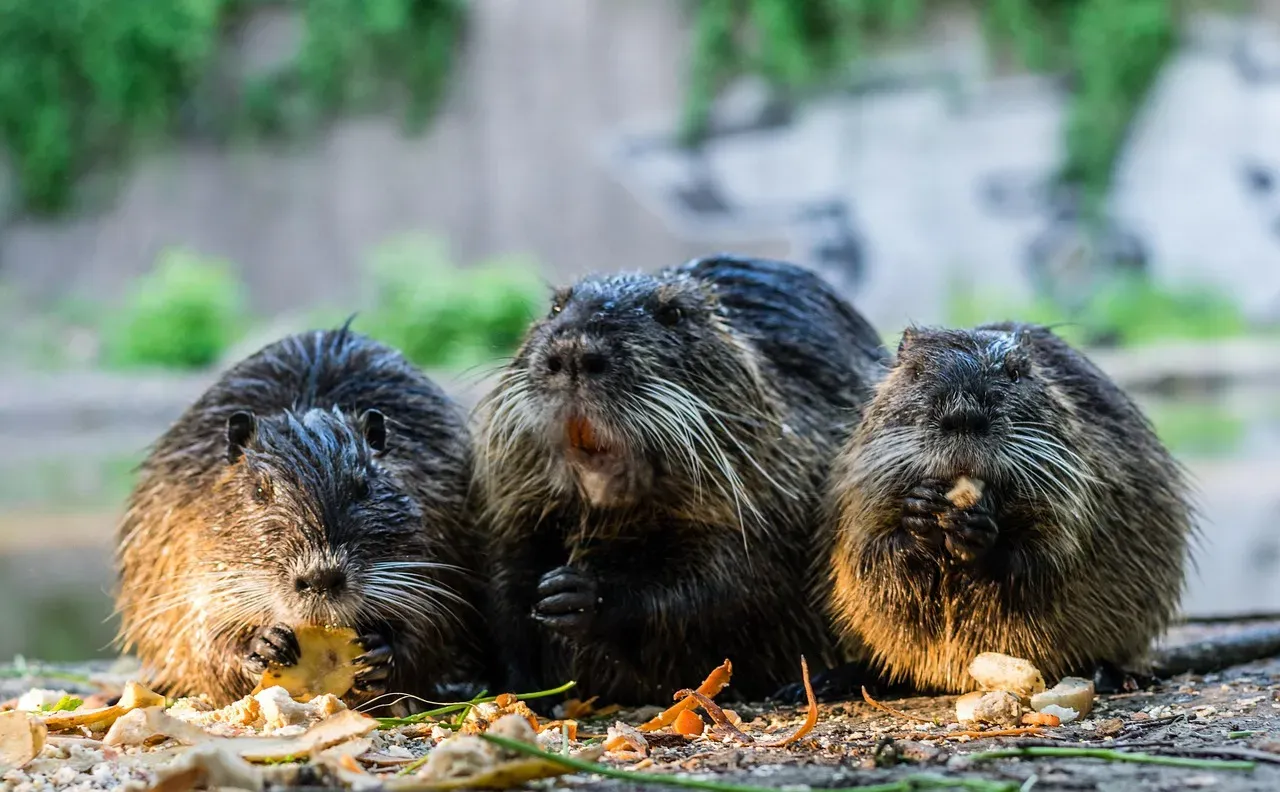
Beaver families, known as colonies, typically consist of a monogamous adult pair and their offspring from the past two years. These industrious rodents are devoted parents who work tirelessly alongside their young to maintain their lodges and dams.
Both parents participate equally in raising kits, which is relatively unusual among mammals. They teach their young how to build and repair dams, how to store food for winter, and how to modify their environment to suit their needs. This hands-on education lasts for two years before the young beavers disperse.
The family’s engineering projects serve everyone in the colony. The lodge provides safety from predators, while the pond created by their dam offers easy access to food and transportation. It’s a perfect example of how family cooperation can transform an entire landscape.
Beavers communicate through tail slaps on the water’s surface, warning family members of danger. Inside the lodge, they maintain close physical contact, grooming one another and huddling together for warmth. These intimate behaviors strengthen the bonds that keep the family functioning as a unit.
Emperor Penguins: Devoted Fathers
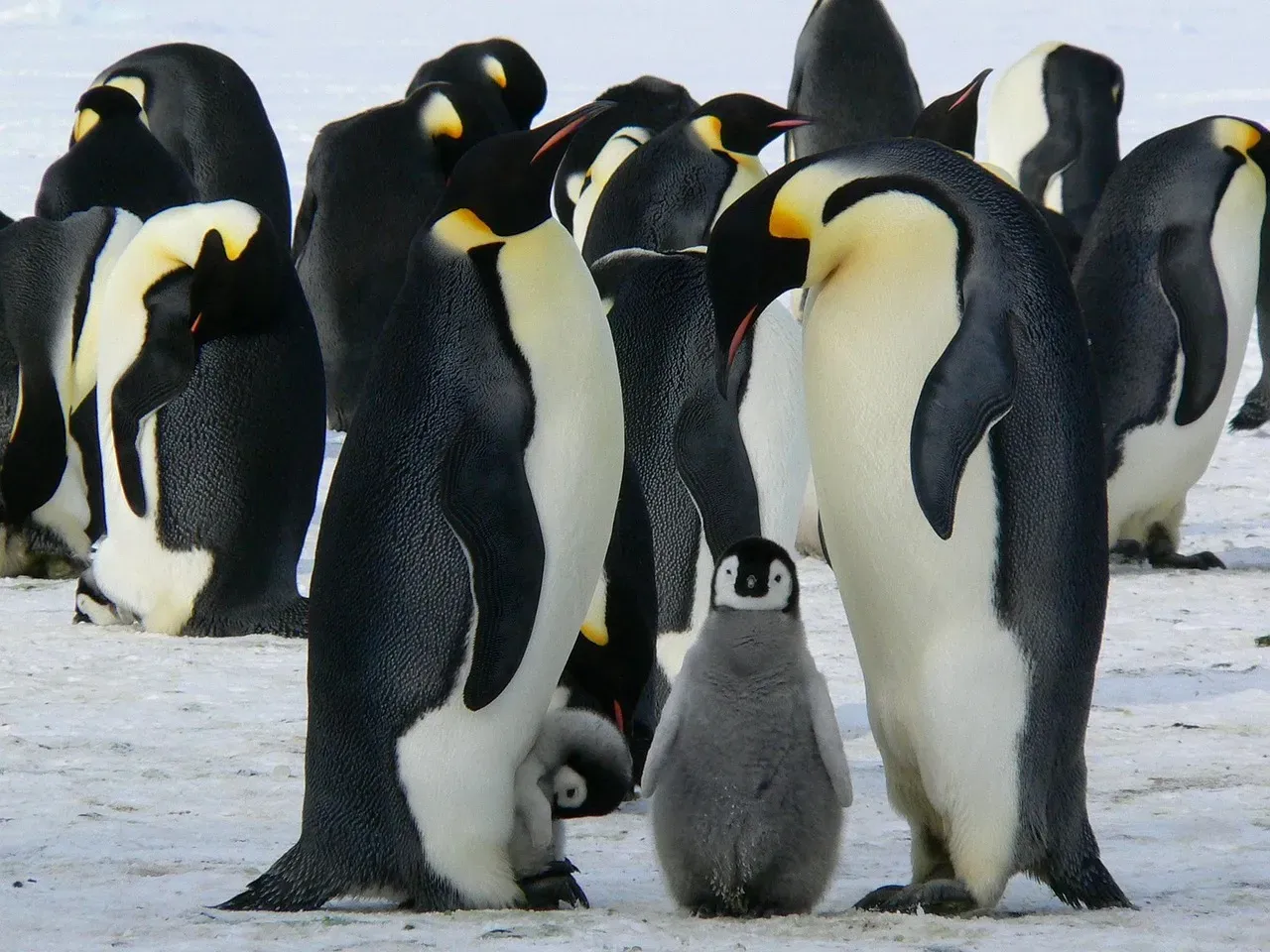
Emperor penguin families demonstrate perhaps the most extreme parental dedication in the animal kingdom. After the female lays a single egg, she transfers it to the male and departs for the sea to feed. The male then incubates the egg on his feet, beneath a warm fold of skin, for about two months through the brutal Antarctic winter.
During this incubation period, males huddle together in massive groups, rotating positions so everyone gets time in the warmer center. They endure temperatures dropping below negative forty degrees and winds exceeding one hundred miles per hour, all while fasting. This collective endurance saves both eggs and fathers.
When the chicks hatch, males feed them with a secretion from their esophagus until the females return. The parents then take turns traveling to the sea to feed and returning to care for their chick. This tag-team parenting continues for months until the chick is ready to fend for itself.
The recognition between parents and chicks happens through unique vocal calls. In a colony of thousands, parents can identify their own chick’s voice and vice versa. This remarkable acoustic recognition ensures that care goes to the right offspring in a crowded, chaotic environment.
Chimpanzees: Lifelong Maternal Bonds
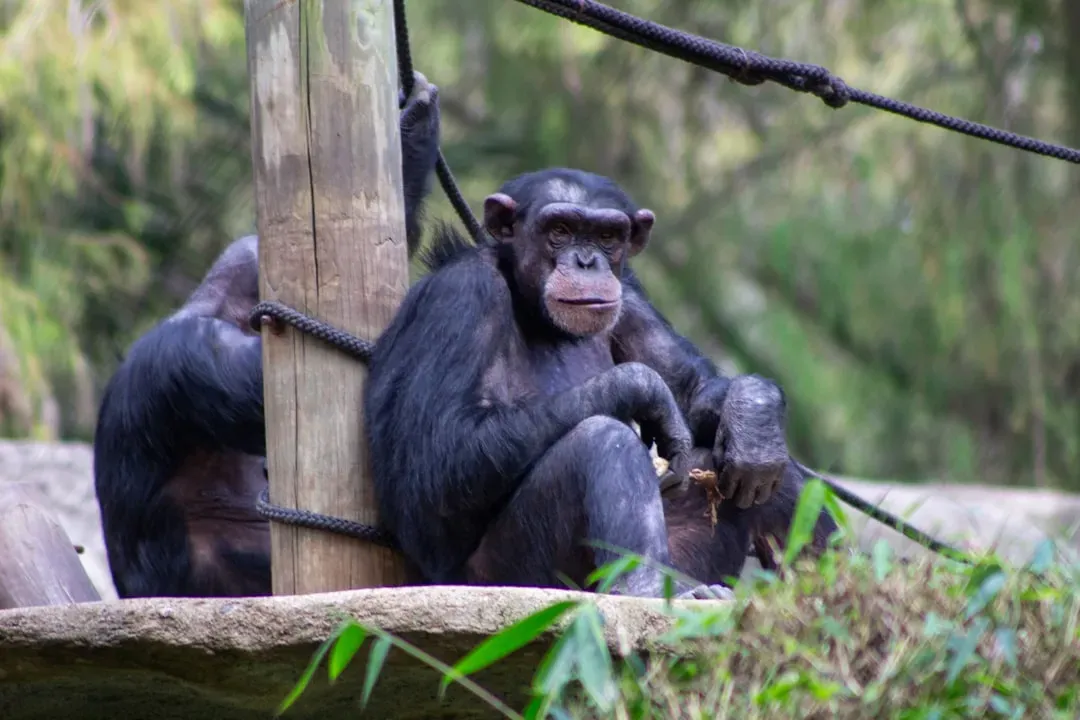
Chimpanzee mothers maintain relationships with their offspring that last decades, long after the young reach independence. Daughters often remain in their birth communities for life, staying close to their mothers and learning parenting skills by observing them with younger siblings.
Sons also benefit from maintaining ties with their mothers. Research has shown that adult male chimpanzees with living mothers achieve higher social status and have greater reproductive success than orphaned males. Maternal support in conflicts and alliances proves crucial even for fully grown males.
Chimpanzee families also display adoption behaviors. When a mother dies, her older offspring, including males, have been observed adopting younger siblings, carrying them, sharing food, and protecting them from danger. This selfless care often comes at a cost to the adoptive sibling’s own interests.
The transmission of tool use and other cultural practices happens within these family lineages. Young chimpanzees watch their mothers for years, learning which tools to use for extracting termites or cracking nuts. Different communities have different traditions, passed down through maternal lines like family recipes.
Conclusion: What Animals Teach Us
After exploring these twelve remarkable animal families, it’s clear that loyalty and kinship aren’t human inventions. They’re ancient patterns woven into life itself, expressed differently across species but recognizable in their essence. Whether it’s an elephant grandmother leading her family to water or a prairie dog kissing its kin in recognition, these behaviors remind us that connection matters.
These animal families teach us that caring for one another, especially across generations, provides survival advantages that go beyond the individual. Knowledge passes down, protection multiplies, and the burden of existence becomes lighter when shared. Perhaps that’s the most profound lesson: we’re not alone in valuing family, and that commonality connects us to the natural world in unexpected ways.
What stands out most is how these families invest in members who can’t immediately reciprocate. Elderly elephants who no longer reproduce still hold value. Injured wild dogs still receive food. Young bonobos learn for years before contributing. This investment in seemingly unproductive members reveals something deeper about the nature of family itself.
So what do you think? Did any of these animal families surprise you with their devotion? Which species’ approach to kinship resonates most with your own experience of family?
