
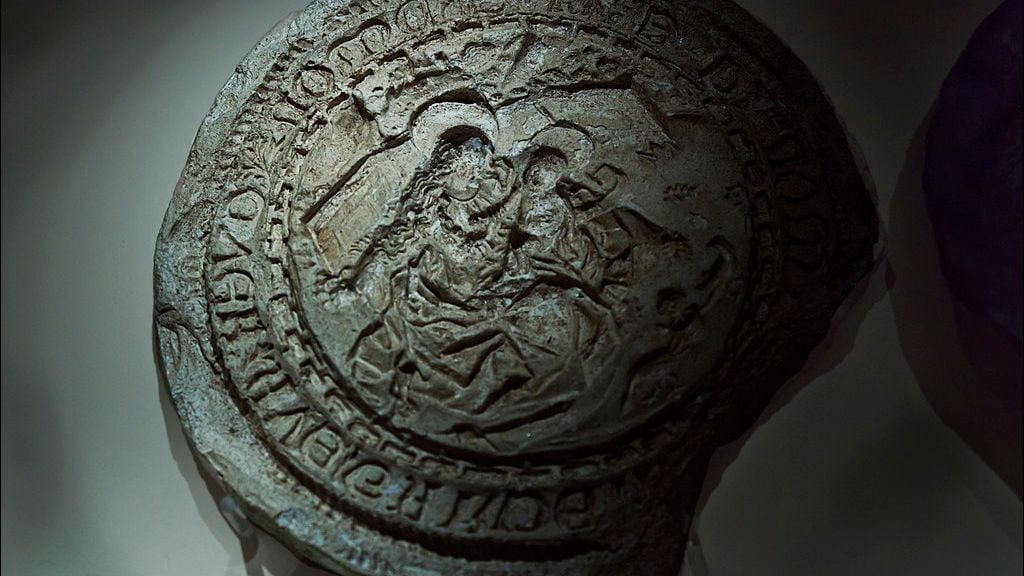
Sometimes the smallest objects tell the biggest stories. When you think of groundbreaking archaeological discoveries, your mind probably jumps to towering pyramids or sprawling ancient cities. Yet occasionally, it’s something as unassuming as a palm-sized piece of carved stone that completely rewrites what we thought we knew about our ancestors.
That’s exactly what happened in eastern Turkey recently. Researchers working at a dusty archaeological site called Tadım Fortress uncovered something extraordinary buried beneath layers of history. What they found challenges our assumptions about how organized and sophisticated people were more than seven millennia ago. The discovery hints at a level of social complexity that scholars didn’t think existed in that time and place.
A Tiny Seal With Massive Implications
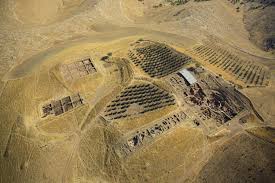
The stone seal discovered at Tadım Fortress in Türkiye dates back around 7,500 years, placing it firmly in the Neolithic period. Let’s be real, that’s an almost incomprehensible amount of time ago. This artifact predates the kingdom of Urartu, which was already known for having complex and organized social structures, suggesting these developments began millennia earlier.
The seal is thought to possibly have served as a marker of property or ownership, or it could have signified personal identity. Think about what that means for a moment. This artifact is evidence of a civilization whose social structure was much more advanced than previously expected.
What Made This Society So Advanced?
Tadım Fortress has been revealing relics of a surprisingly advanced Neolithic civilization in the Elazim region of eastern Türkiye. The evidence keeps piling up, honestly. Stone seals from this period are often interpreted as indicators of emerging economic organization, particularly in relation to grain storage, exchange systems, trade, or household ownership marks, offering rare evidence of early social structure and proto-bureaucratic practices.
Here’s the thing that really gets me. The findings show that the region was not only inhabited since the earliest times, but also developed sophisticated social, economic, and cultural practices that influenced later civilizations. These weren’t just hunter-gatherers scratching out a basic existence. They had systems, organization, maybe even early forms of bureaucracy.
The Sacred Temple Complex and Ritual Life
A temple recently discovered at the site is now some of the oldest evidence of ritual architecture in the region, dating to the Late Chalcolithic and Early Bronze Age around 6,000 years ago. Walking through those excavation sites must feel surreal. The temple features a stone altar with a ritual blood channel, and cut marks on the altar along with animal and human remains suggest blood sacrifice to appease deities.
The temple building contained a sacred hearth and four podiums on which offerings to the gods were once presented, with votives including ceramics, arrowheads, and spindle whorls found strewn around the floor. The temple shows that many aspects of life back then were closely tied to religion and ritual.
Trade Networks and Economic Organization
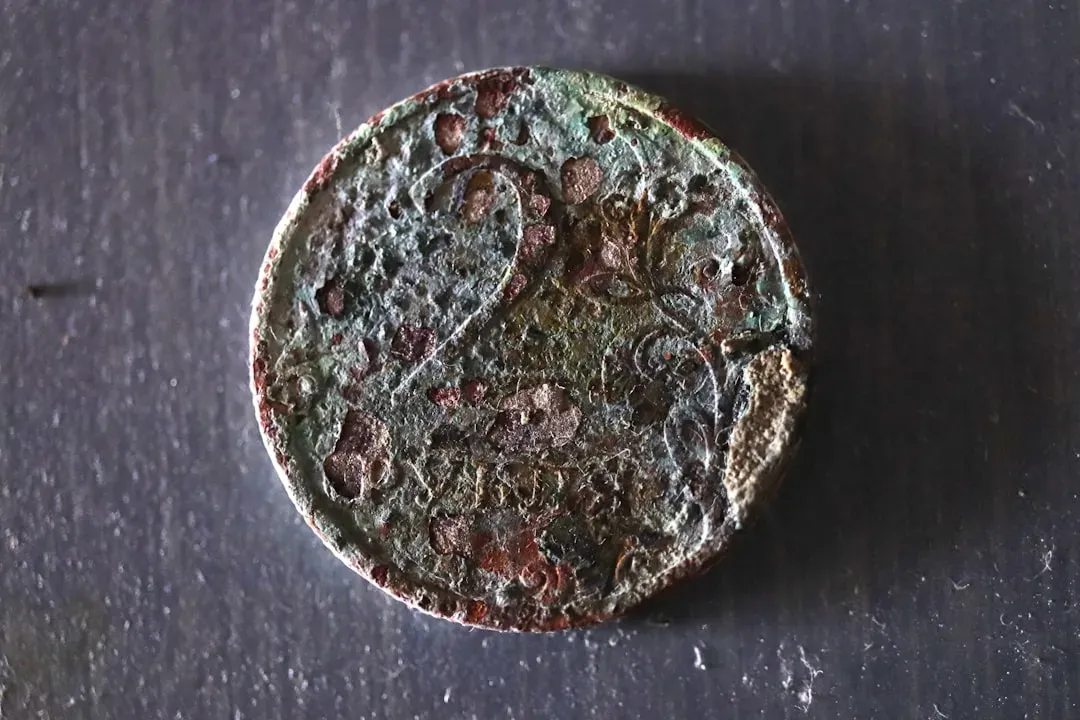
Near the temple are remnants of both ceremonial and everyday items, including tools and seal stamps that were likely used for agricultural trade. That word “trade” is crucial. Another seal locally known as ‘cec damga muhru’ was found to have been used in the trading of grain, reinforcing evidence of a structured society and economy.
Tadım Höyük occupies a strategic location along historical trade and migration routes connecting Mesopotamia, the Caucasus, and Central Anatolia. Location matters in history just as much as in real estate. The presence of specialized pottery styles shared with regions such as Nakhchivan and Erzurum indicates cross-regional interaction and cultural exchange, suggesting the community may have played a role in early agricultural organization and trade networks in the Upper Euphrates Basin.
Layers of History Buried Beneath Empires
The site is buried beneath vessels and other objects left behind by the Byzantine, Roman, Seljuk and Ottoman empires, making excavation a delicate archaeological ballet. Multiple historical layers have been identified at the site, with upper levels containing traces from the Ottoman, Seljuk, Roman, and Byzantine periods, as well as materials dating back to around 3,500 BCE.
Imagine peeling back those layers like an onion made of civilizations. Excavations that led to the discovery were overseen by the Elazig Museum and the Provincial Directorate of Culture and Tourism, with support from the Ministry of Culture and Tourism and the Elazig Governorship. The stone seal is currently preserved at the Elazığ Archaeology and Ethnography Museum, where specialists are conducting detailed analysis to better understand its function, symbolism, and possible administrative role within prehistoric society.
Rewriting the Timeline of Civilization
The discovery sheds new light on the deep cultural history of the Upper Euphrates Basin and confirms the region as one of Anatolia’s earliest settlement centers, indicating that civilization in the region dates back to approximately 7500 BCE. That timeline pushes things back further than many scholars anticipated.
This is a rare example of relatively advanced social organization in such an early culture, and investigations as to what it reveals about Neolithic administration, daily life and social activity are ongoing. Sometimes I wonder what other secrets are still buried beneath our feet, waiting for someone to dig them up. The Tadım Fortress discovery reminds us that human ingenuity and social sophistication might be older than we ever dared to imagine.
Conclusion
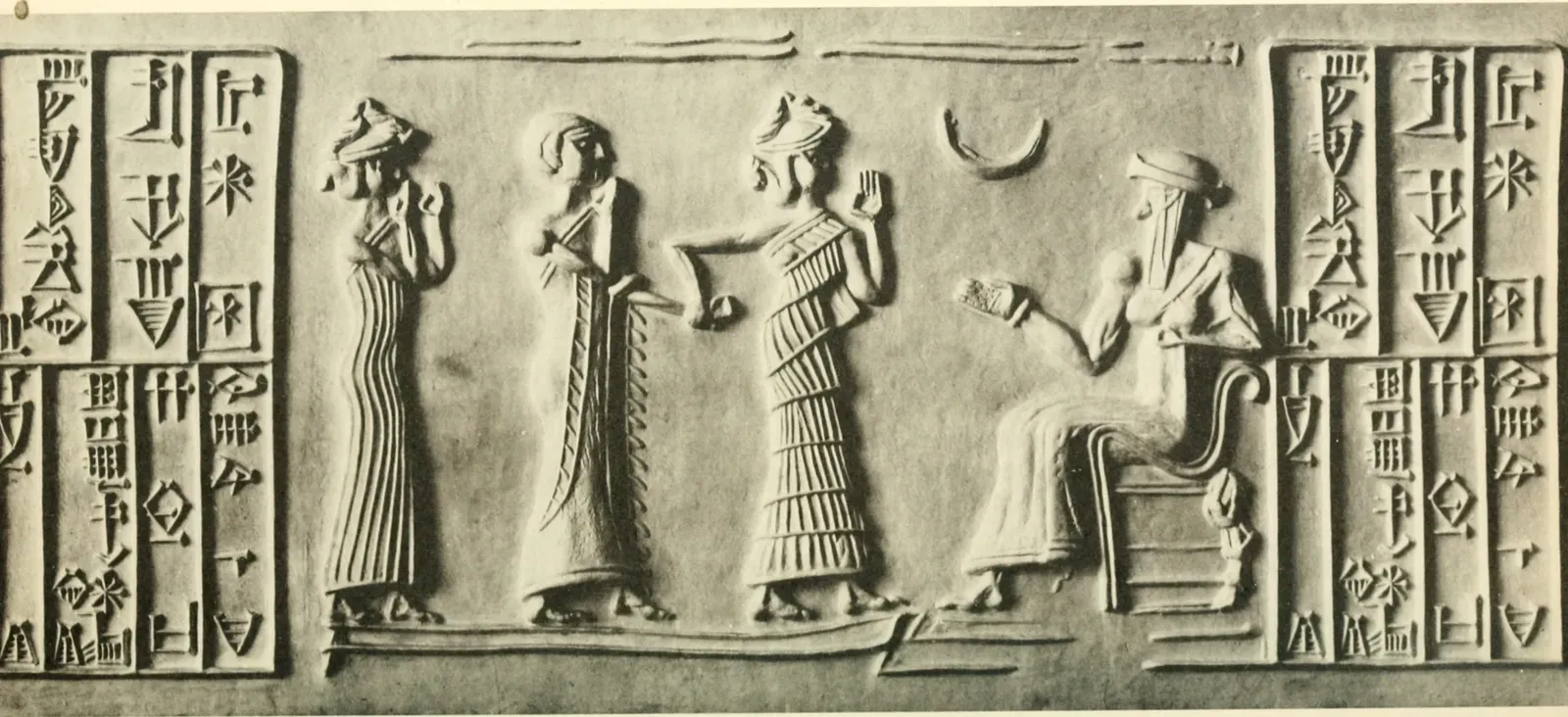
The 7,500-year-old seal from Tadım Fortress is far more than just an ancient artifact. It’s a window into a world we’re only beginning to understand – one where our Neolithic ancestors were organizing societies, conducting trade, marking property, and building elaborate temples for worship. These weren’t primitive people fumbling in the dark. They were creating the foundations of civilization itself.
What strikes me most is how this tiny carved stone challenges our tendency to underestimate the past. We often imagine a linear progression of human achievement, as if complexity only emerged in the last few thousand years. Yet discoveries like this one keep pushing that timeline backwards, revealing that sophistication, organization, and social structure are far older than we once believed. The people of Tadım were solving problems, building communities, and creating meaning in their lives just as we do today.
What other treasures are still hidden beneath the earth, waiting to rewrite history once again? Share your thoughts in the comments.
