
Picture a tiny butterfly leg, smaller than an eyelash, preserved for over a century in a museum drawer. Scientists recently extracted genetic secrets from specimens exactly like this. What they discovered lurking inside the DNA wasn’t just family history. It was something far stranger, a living record of evolutionary paths that split and merged in ways that challenge everything we once thought about species.
Honestly, what makes a species distinct has always been a tough question in biology. Even tougher when the creature in question looks nearly identical to several others living in the same forest patch. That’s the challenge facing scientists who study the dizzyingly diverse butterflies of Central and South American rainforests. These tiny, fragile insects hold DNA that goes back hundreds of thousands of years, preserving clues about ancient forests that may no longer exist.
When Museum Drawers Become Time Capsules
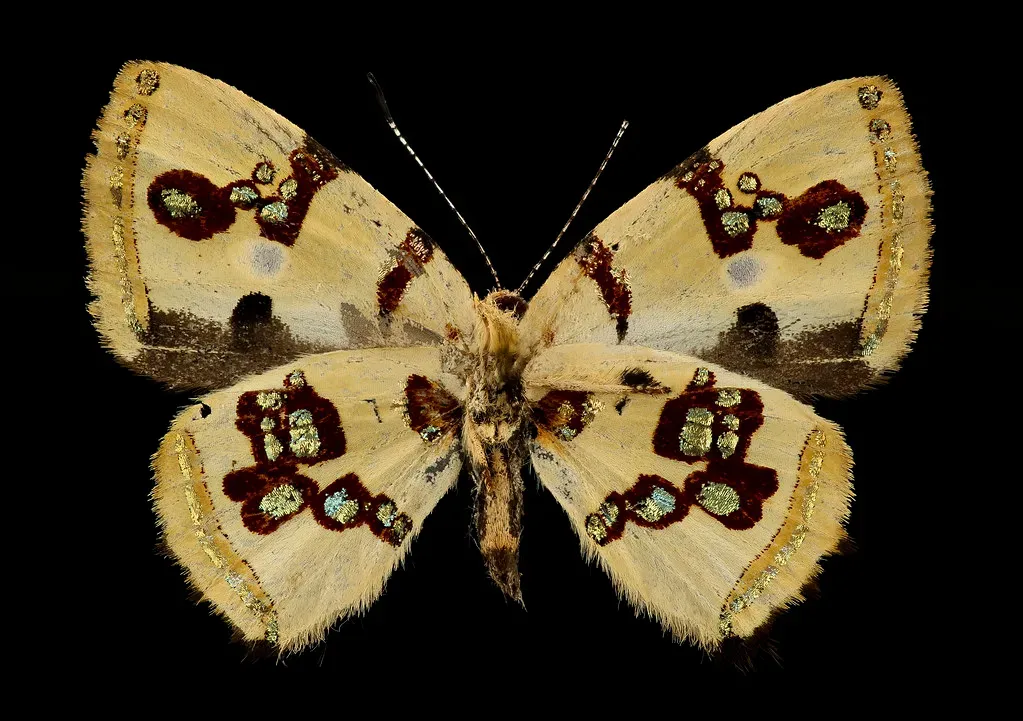
State-of-the-art ancient DNA sequencing can extract genetic material from a single butterfly leg smaller than an eyelash and over a century old, allowing researchers to peer into evolutionary histories previously hidden in plain sight. Scientists analyzed over 1,000 samples taken from collections around the world, combining DNA, morphology and geography to identify nine unnamed species in the Thereus genus, prioritizing butterflies at risk from South America’s rapid deforestation. The specimens studied often came from habitats that existed when no one imagined they would vanish.
Museum collections house millions of butterfly specimens, some dating back to the 1600s. These aren’t dusty relics. The Museum’s collections are an irreplaceable archive of the life of our planet, allowing scientists and researchers to study species that may no longer exist.
The Natural History Museum in London alone cares for five million butterfly specimens. Think about that for a second. Five million delicate creatures, pinned and preserved, each one potentially holding genetic information that could rewrite our understanding of rainforest evolution.
Some newly identified species were collected a century ago in habitats that might no longer exist, putting at risk the existence of these species. It’s a sobering reality. Scientists are essentially racing against time, extracting DNA from specimens whose living counterparts might already be gone from the wild.
The Heliconius Mystery: A Hybrid Hiding in Plain Sight
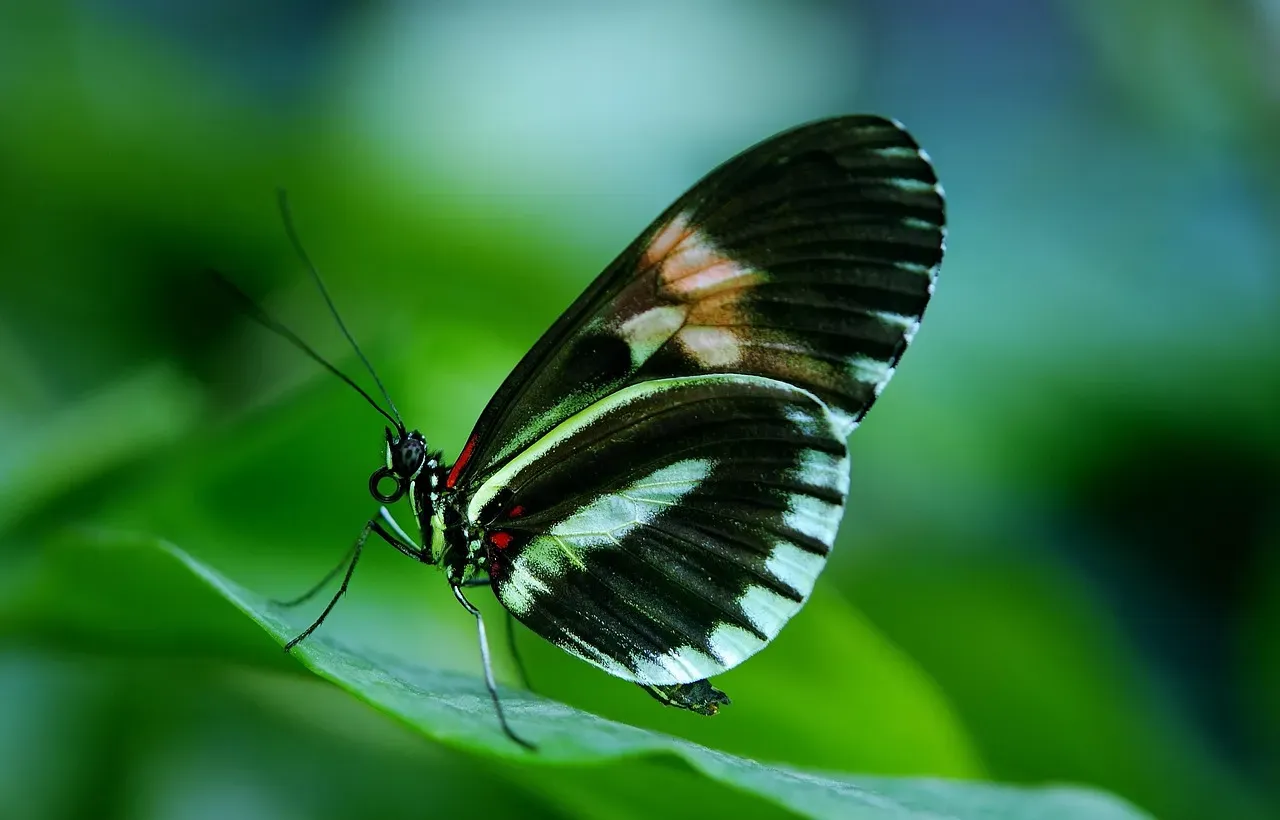
Let’s be real, when you think hybrid, you might picture a mule or maybe a liger. You probably don’t picture a common butterfly fluttering through the Amazon canopy. Yet the Amazonian butterfly species Heliconius elevatus arose from the melding of two others, with its genome being a mixture of 1 percent H. melpomene and 99 percent H. pardalinus.
That one percent matters more than you’d imagine. Although only 1 percent of the H. elevatus genome is derived from H. melpomene, these fragments are spread across the genome in 44 independent genetic islands and control traits crucial to species identity. Wing patterns, sex pheromones, host plant preferences. All dictated by that tiny sliver of borrowed DNA.
The hybridization event happened around 180,000 years ago when the Amazonian rainforest was a biodiversity refugium during a global ice age. Picture ancestral butterflies finding each other in isolated forest pockets as climates shifted. The result was a genetic fusion that persists today, flying alongside both its parent species in the same rainforest.
It’s hard to say for sure, but this discovery suggests something remarkable. Hybridization can sometimes increase, not decrease, the diversity of species within an ecosystem. Rather than blurring the lines between species, it can create entirely new ones with distinct identities.
DNA Tells a Story of Ancient Forests
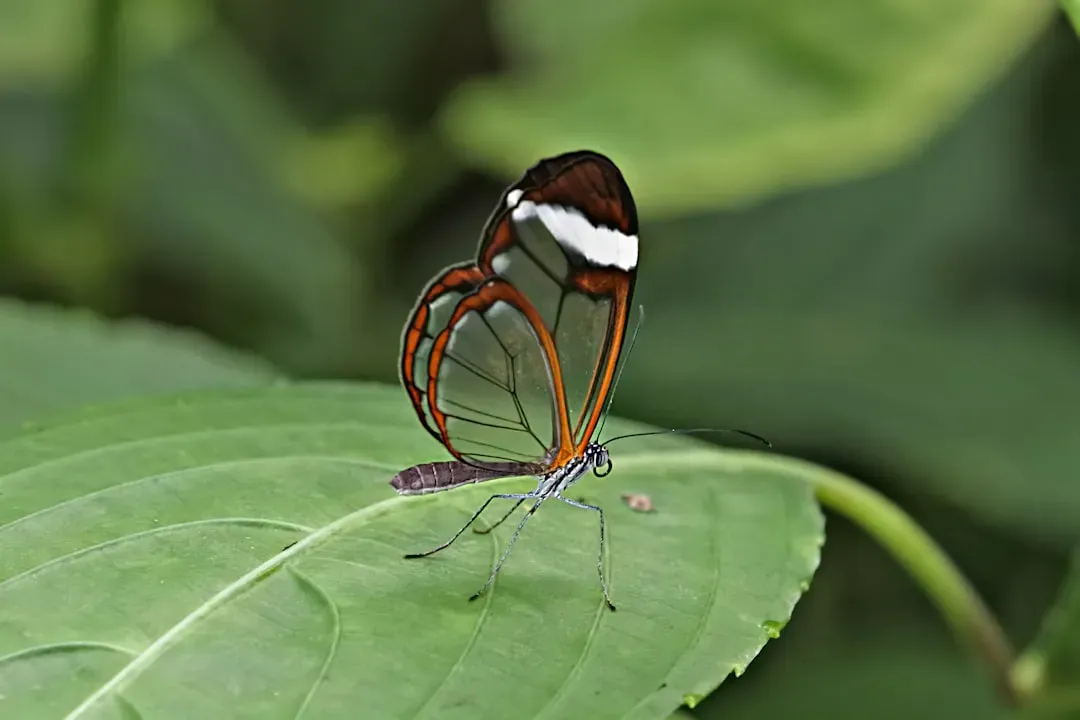
Rainforest butterflies aren’t just pretty insects. Glasswing butterflies are found across Central and South America and make up a substantial part of the butterfly species found there, making them good indicators of biodiversity in incredibly biodiverse areas like the Amazon rainforest. When scientists decode their DNA, they’re essentially reading the history of the forests themselves.
The genetic material preserved in museum specimens acts like a biological archive. By comparing modern DNA with ancient DNA from historical specimens, scientists can resolve long-confused and unnoticed species and uncover greater biodiversity than previously known. Think of it as a genetic fingerprint that survived decades or even centuries, waiting for technology to catch up.
Different types of rainforest butterflies in the Amazon basin are evolving at very different rates, suggesting that idiosyncratic features of the biology of each species, such as competition for food and their individual reactions to the environment dictate the pattern of evolution. The forests themselves shaped these butterflies over millennia, and their DNA carries the record of those ancient pressures.
When habitats that existed a century ago disappear, the butterflies collected from those places become the only evidence those ecosystems ever existed. Their DNA becomes irreplaceable.
Why Butterflies Are So Hard to Tell Apart
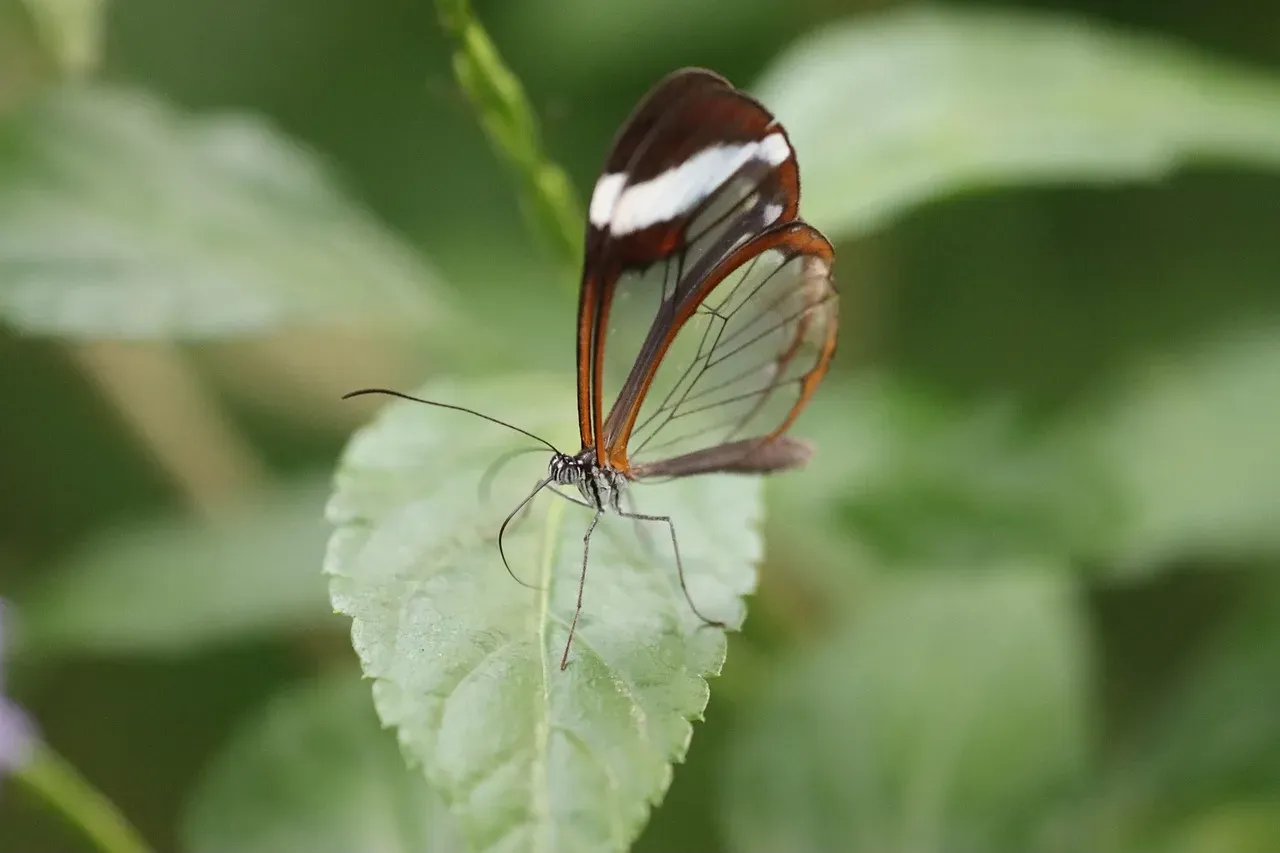
Here’s the thing about tropical butterflies. Butterfly species often copy each other’s appearance, making visual identification maddeningly difficult. Some are masters of mimicry, wearing warning colors that tell predators to back off. Others simply look so similar that even experts get confused.
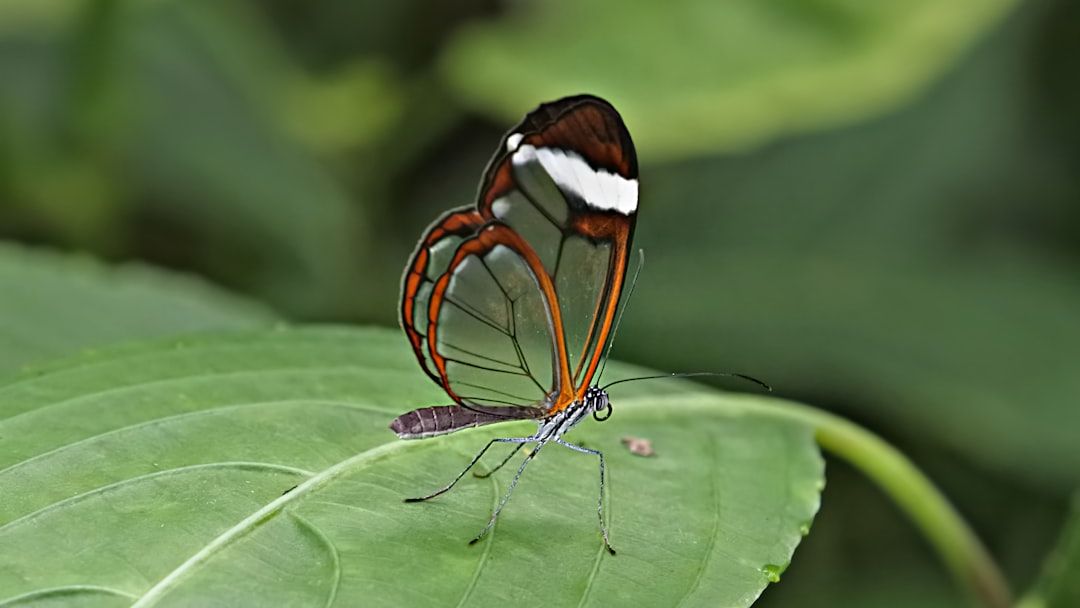
There are over 400 species of glasswing butterfly, and all species in an area look incredibly similar to discourage birds from eating them, with coloring that implies toxicity. Yet despite looking nearly identical, they produce unique pheromones to attract suitable mates from their own species. They can smell the difference even when we can’t see it.
One newly named butterfly, T. confusus, reflects the taxonomic puzzle the team faced in identifying all these different species. The name itself is essentially an admission: these butterflies are confusing.
DNA sequencing cuts through the visual noise. It reveals distinctions hidden beneath wings that look almost identical. Genetic analysis confirmed the distinctions hidden in plain sight, separating species that had been lumped together for decades.
The Rainforest’s Evolutionary Laboratory
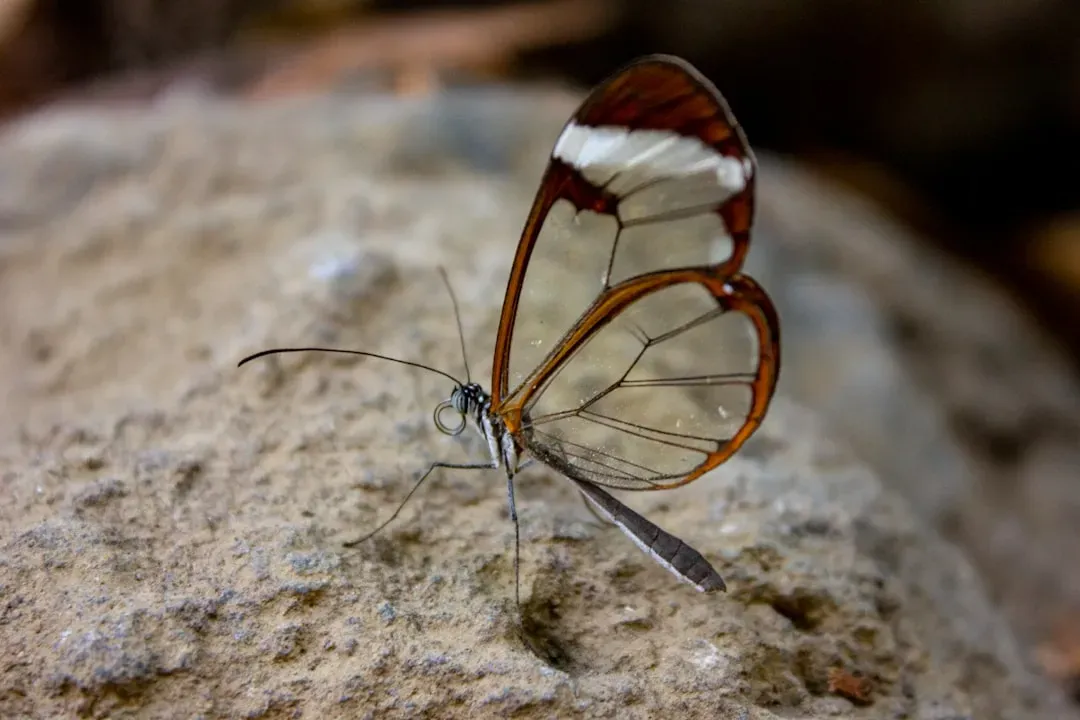
Tropical rainforests are evolutionary hotspots where change happens fast. Glasswing butterflies can undergo rapid radiation, where many new species arise from the same ancestor in a short period of time. This isn’t evolution on a geological timescale. It’s happening in evolutionary blinks.
A massive genetic mapping effort revealed six new butterfly species and uncovered a surprisingly high level of chromosomal rearrangement that helps explain why these butterflies evolve so rapidly. Their genomes are dynamic, shifting and reorganizing in ways that accelerate evolutionary change.
Butterflies that independently evolved the same wing patterns have also evolved similar eyes and brains which are fine-tuned for vision in the shifting light of tropical rainforests, according to research conducted in Ecuador’s Yasuni National Park. The rainforest environment doesn’t just shape wing patterns. It shapes sensory systems, nervous systems, the whole organism.
The light filtering through the rainforest canopy is patchy, shifting, unpredictable. Butterflies adapted to this environment evolved specialized vision to navigate it. Meanwhile, their DNA accumulated mutations, rearrangements, and occasionally entire chunks borrowed from other species through hybridization.
South America’s tropical forests undergo rapid deforestation. The evolutionary laboratory where these butterflies originated is shrinking.
What This Means for Biodiversity and Conservation
We’re living through a biodiversity crisis, no question. Knowing what species exist and how they’re related matters for conservation. Butterflies are indicators of how healthy an ecosystem is, and studying them can uncover the true conservation state of the tropics.
Scientists aren’t even sure if some of these species are still alive in the wild, or if the forests they were caught in many years ago still exist. That’s the urgency driving this research. Museum specimens might represent species that are already functionally extinct, clinging to existence in captive breeding programs or simply gone.
Hybridization between species is likely to increase as climate change and habitat loss force species into new ranges. One outcome is that scientists end up generating novel biodiversity through these mixtures, like what happened with the Heliconius butterflies. Yet existing species could also be lost if two formerly distinct species merge into one.
Understanding how hybridization shapes biodiversity helps conservationists predict what might happen as ecosystems continue to change. It also reveals that species boundaries are more fluid than traditional biology textbooks suggest. Evolution isn’t just a branching tree. Sometimes the branches fuse back together, creating something entirely new.
Protecting rainforests means protecting the evolutionary processes still happening within them. Every butterfly species lost is a genetic library burned, an evolutionary experiment terminated before we understand its results.
Conclusion: Ghosts in the Genetic Code
The DNA of rare butterfly species carries more than instructions for building wings and bodies. It carries echoes of ancient rainforests, evolutionary experiments that succeeded or failed, and hybridization events that happened when ice sheets covered the poles and the Amazon looked different than it does today.
Museum specimens once seemed like static relics of the past. Now they’re revealing dynamic stories written in genetic code, stories about how species form, merge, adapt, and sometimes vanish. The butterflies collected a century ago from forests that no longer exist have become witnesses to ecological change we’re only beginning to understand.
As scientists continue extracting DNA from museum drawers, who knows what other secrets they’ll uncover. Maybe more hybrid species hiding in plain sight. Maybe evidence of evolutionary adaptations we never imagined. The genetic code preserved in these fragile specimens still has plenty to tell us.
What surprises do you think might still be hidden in the DNA of museum specimens? Share your thoughts.
