
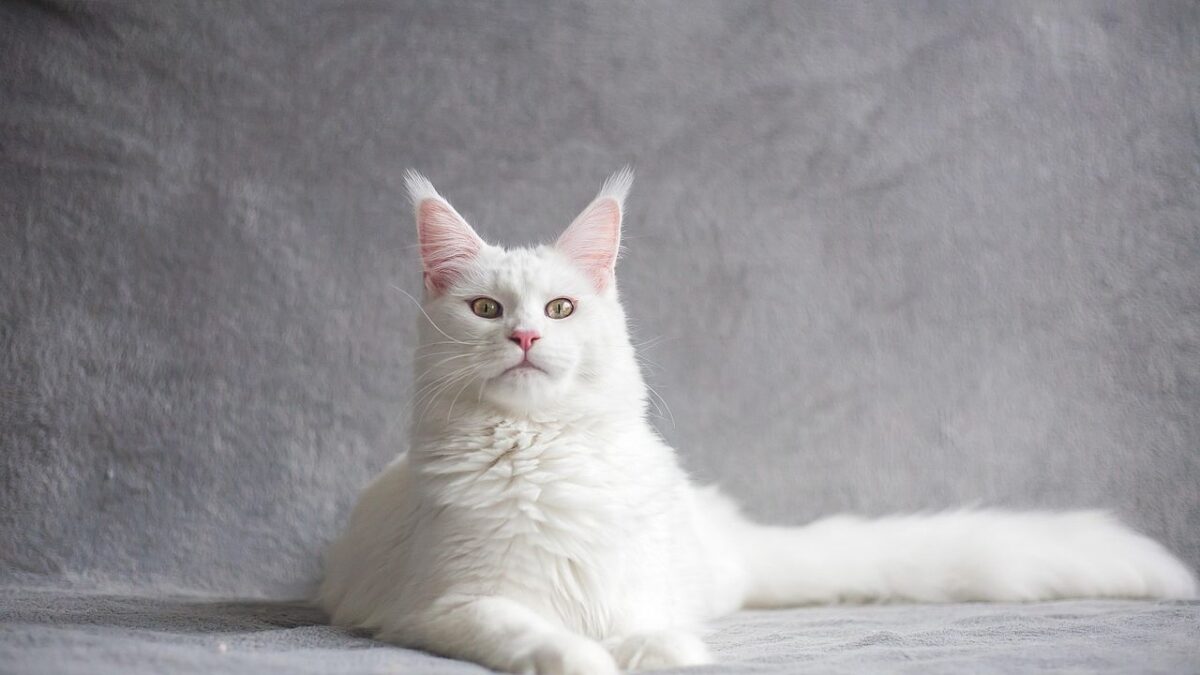
There’s something deeply comforting about living in rural Vermont. The pace is gentler here, almost deliberate. The mountains rise in the distance, the seasons shift with dramatic beauty, and life simply doesn’t rush. If you’re settled in a quiet farmhouse or a cozy cottage surrounded by rolling hills and forests, you might be looking for a feline companion that matches that peaceful rhythm. Not all cats thrive on constant stimulation and energetic play. Some breeds genuinely prefer long afternoon naps by the window, watching snow fall or observing birds from a safe, warm perch.
Choosing the right cat breed for your Vermont lifestyle means finding a companion who won’t climb the walls when life slows down. These aren’t high-energy hunters demanding endless entertainment. Instead, they’re the gentle souls who appreciate quiet routines, cozy spots near the woodstove, and unhurried companionship. Let’s explore seven cat breeds perfectly suited for the slower, more contemplative pace of rural Vermont living.
Ragdoll: The Ultimate Lap Companion
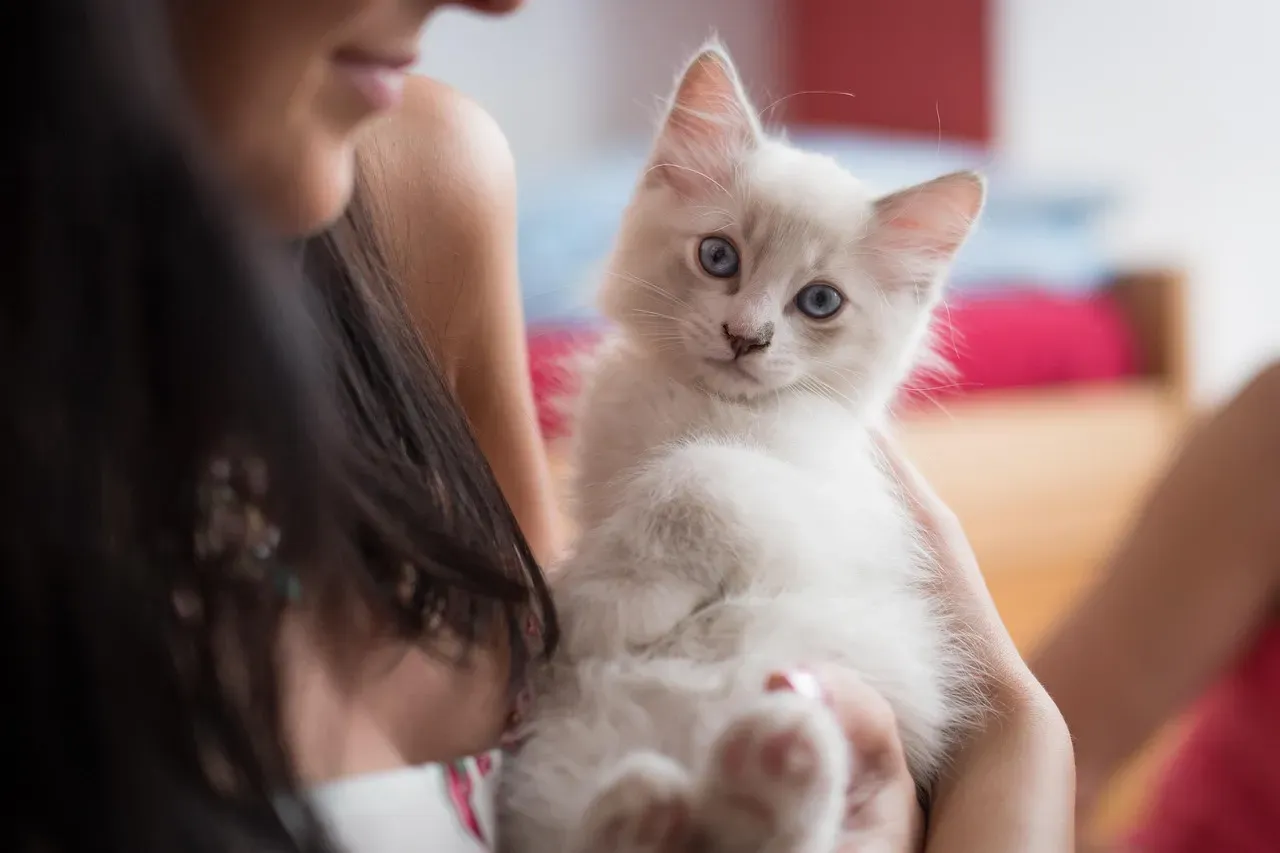
The Ragdoll cat is calm yet extremely affectionate, often going limp in the arms of anyone who holds them. This breed has earned its name for a reason. When you pick up a Ragdoll, they truly do become as floppy as a child’s toy, melting into your embrace with complete trust. For someone living in rural Vermont where winters are long and indoor time is plentiful, this breed offers the perfect snuggle buddy.
Ragdoll cats are friendly and attentive, with moderate activity levels, and are more than happy to snuggle up on the sofa after a long day. They won’t demand constant play sessions or wake you at dawn with chaotic energy. These cats enjoy observing their surroundings quietly, making them ideal for homes where peace is valued. Their semi-long coat requires some grooming, though nothing too demanding.
What makes Ragdolls particularly suited to Vermont living is their adaptability to indoor life. Cold winter months mean staying inside for extended periods, and this breed handles that beautifully. They’re sociable without being overbearing. Ragdolls are relaxed and quiet, and can be very tolerant of being carried around, with semi-long hair that doesn’t require too much grooming.
Their size is substantial, with males reaching up to twenty pounds, yet their temperament remains gentle. Think of them as the golden retrievers of the cat world. They follow you room to room, not out of anxiety but genuine affection. If you spend your days working from home, tending a small garden, or simply reading by the fire, a Ragdoll will be right there with you, silent and content.
This feline breed is perfect for homes with children and other pets as they are very tolerant and gentle. Even in a multi-pet household or if grandchildren visit occasionally, the Ragdoll maintains its calm demeanor.
Maine Coon: Vermont’s Gentle Giant
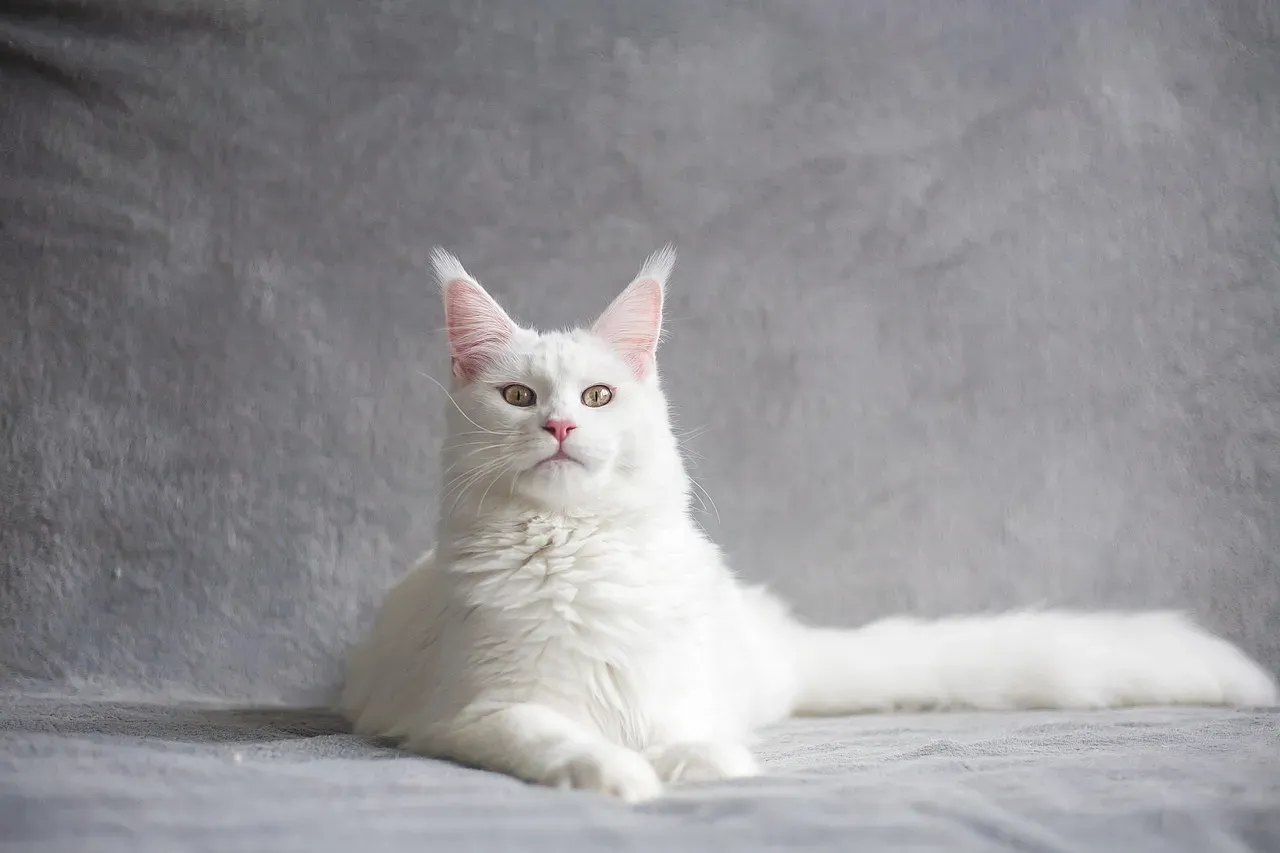
The Maine Coon evolved naturally in Maine, developing a long, thick, weather-proof coat to protect them in the harsh Northeastern climate, and is one of the largest cat breeds. Given Vermont’s similar climate to Maine, this breed is practically made for the region. Their thick, water-resistant fur keeps them comfortable even on the coldest days, and their size helps them retain body heat naturally.
The massive Maine Coon might look intense, but this breed is incredibly laidback, earning the moniker of Gentle Giant, being charming and friendly. Despite their imposing appearance, these cats are remarkably easygoing. They’re curious without being destructive, playful without being hyperactive. Their intelligence means they can entertain themselves quietly when you’re busy with chores or other tasks.
Maine Coons have a reputation for being sociable with everyone, including strangers and other animals. If you live on a farm or homestead with dogs or other cats, this breed integrates smoothly. They don’t demand to be the center of attention but appreciate being part of family activities. Watching a Maine Coon lounge near the woodstove on a snowy afternoon feels exactly right for rural Vermont living.
Their grooming needs are moderate. The coat needs regular brushing to prevent matting, especially during seasonal changes. Think of it as a meditative activity, perfect for those quiet Vermont evenings. The Maine Coon is relaxed and easy going in every area of its life.
These cats also have a soft chirping vocalization rather than loud meowing, which suits a peaceful household. They’ll greet you at the door but won’t disturb your afternoon rest with constant noise.
British Shorthair: The Dignified Observer
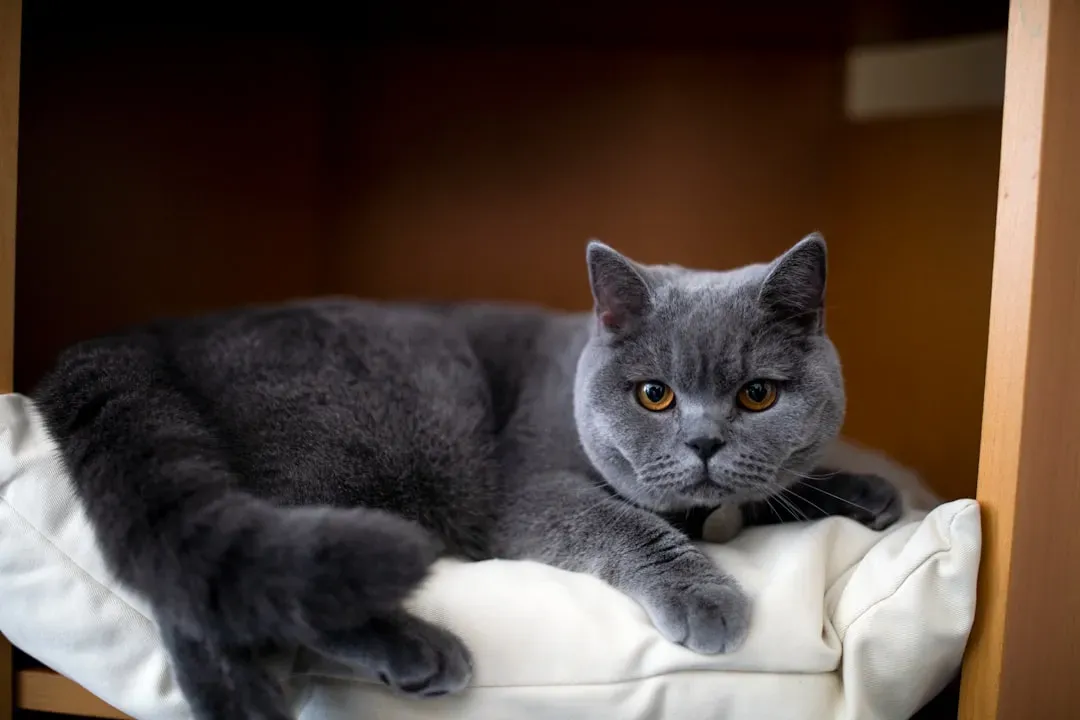
The British Shorthair is not terribly active, preferring to relax and observe all the action of the house. If you want a cat that appreciates a slower pace, this breed delivers. They’re content to find a comfortable spot and watch the world go by, whether that’s snowflakes falling outside or you pottering around the kitchen.
Their round faces and plush coats give them a teddy bear appearance that’s hard to resist. The British Shorthair is a medium to large-sized cat with a short, dense coat and a powerful build, with a kind and gentle disposition ideal for families. They’re sturdy cats with a calm presence that fits perfectly in a rural setting.
What’s particularly appealing about British Shorthairs for Vermont living is their independence balanced with affection. They enjoy being near you but don’t necessarily need to be on your lap constantly. Although they don’t always prefer to lie in your lap, British Shorthairs enjoy positioning themselves close by when you put your feet up. They’ll settle on the couch beside you, offering quiet companionship without demanding attention.
These cats are also quite adaptable. They handle routine changes well, which matters if your Vermont lifestyle shifts with the seasons. Spring planting, summer maintenance, fall harvesting, winter hibernation – the British Shorthair rolls with it all. Their easygoing temperament means they’re not easily stressed by changes in household activity.
Exercise needs are minimal, though encouraging some daily play helps prevent weight gain. A few minutes with a feather wand or laser pointer satisfies them. Otherwise, they’re perfectly happy watching birds from the window or napping in sunny spots.
Persian: The Serene Lounger
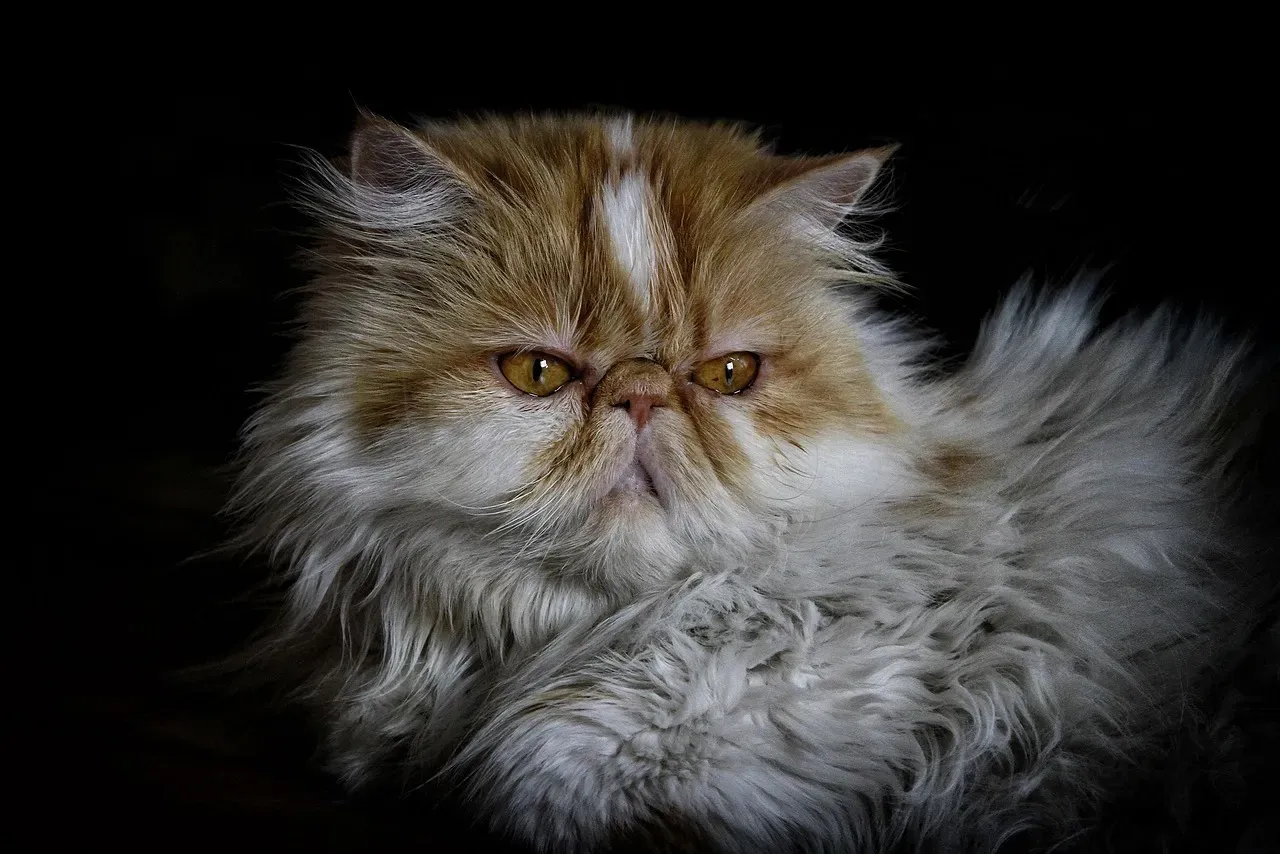
Persian cats are famously relaxed felines and know how to stay chill, more likely to prefer a nice nap and a cuddle to running and climbing. For anyone seeking a truly low-energy cat, the Persian stands out. These are cats that have mastered the art of relaxation, spending much of their day resting comfortably.
Their luxurious long coats and flat faces give them a distinctive appearance. You won’t need to worry about a Persian releasing pent-up energy into destructive outlets, as these cats prefer lounging with their humans over jumping on forbidden surfaces or clawing furniture. This makes them particularly suited to homes where calm and order are appreciated.
The grooming requirements are substantial, honestly. That beautiful coat needs daily brushing to prevent tangles and mats. Their facial structure also requires regular cleaning around the eyes. For someone living a slower Vermont lifestyle, this grooming can become a pleasant daily ritual rather than a chore. It’s quiet time spent bonding with your cat.
Persians thrive in peaceful environments. Loud noises or constant activity stress them, so a rural setting away from traffic and commotion is ideal. They adapt beautifully to indoor living, which matters during Vermont’s harsh winters. Temperament-wise, Persians are calm, gentle, and quietly affectionate, traits that pair well with colder climates where indoor living is preferred, favoring peaceful routines and cozy resting spots.
These cats aren’t playful in the traditional sense. They might bat at a toy occasionally but don’t engage in extended play sessions. Their energy level matches a lifestyle centered on reading, crafting, or simply enjoying quiet days at home.
Birman: The Peaceful Companion
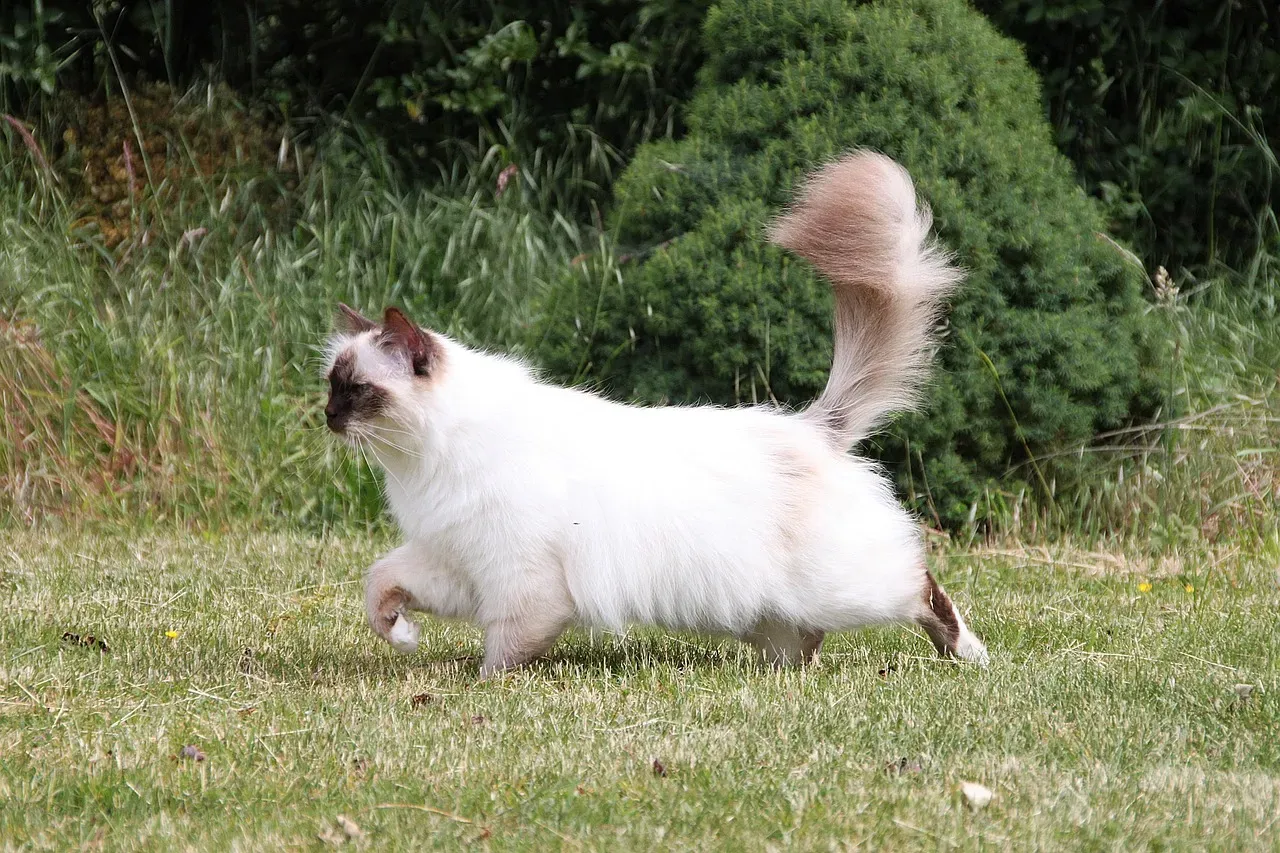
Birman cats are one of the most affectionate and calm cat breeds, with striking blue eyes and soft, silky coats that balance beauty and serenity, being social and friendly. Sometimes called the Sacred Cat of Burma, Birmans bring an almost spiritual calmness to a home. Their temperament is gentle without being timid, affectionate without being clingy.
What makes Birmans particularly suitable for rural Vermont is their balanced personality. Birmans are relaxed and comfortable in a home with kids and other pets, or equally as happy in a less busy, quiet home. Whether you live alone or have a household with occasional visitors, this breed adapts gracefully. They’re social enough to greet guests but won’t become anxious in solitude.
Their appearance is striking – pointed coloring similar to Siamese cats, but with distinctive white paws and a semi-long coat that’s easier to maintain than a Persian’s. The grooming needs are moderate, requiring regular brushing but not daily intensive care. Their coats don’t mat as easily as some long-haired breeds.
Birmans have a quiet voice and use it sparingly. They communicate more through gentle presence and soft movements. If you value tranquility in your home, this breed won’t disrupt it with constant vocalization. They’re content to sit near you while you work, occasionally seeking a gentle pat or head scratch.
While still playful, the striking Birman is less active than many cat breeds, and if you require peace and quiet at home, this low-maintenance feline will happily oblige. They appreciate interactive play but don’t demand it constantly.
Scottish Fold: The Laid-Back Observer
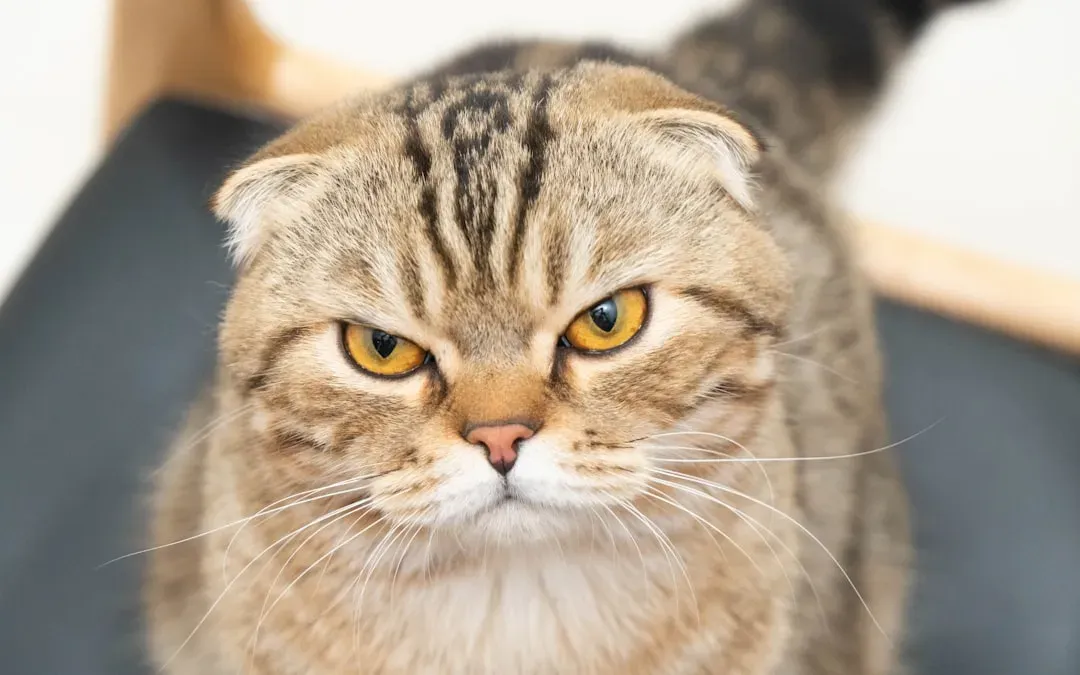
The Scottish Fold is instantly recognizable by its adorable forward-folded ears, but their sweet temperament is what truly makes them shine, being famously gentle, easy-going, and quiet. Their unique appearance is charming, yet their personality is what makes them genuinely special for a slower lifestyle. These cats embody calmness.
The Scottish Fold is a good cat for beginner pet parents because they are so laid-back and relaxed, easily adaptable, and connecting with people around them, not having overly energetic personalities and enjoying cuddling up next to their families. For Vermont living, where winter weather can keep you indoors for days, having a cat that’s content with minimal activity is ideal.
Scottish Folds enjoy observing their environment with those distinctive owl-like eyes. They’ll find a comfortable spot and watch household activities unfold without feeling the need to insert themselves into everything. They’re participatory observers, happy to be near without being in the middle of things.
Their health requires some consideration. The gene causing the folded ears can also affect cartilage in joints, so responsible breeding matters. Routine ear checks help prevent infections. Despite these considerations, their temperament makes them wonderful companions for quieter households.
Scottish Folds tend to be sweet-natured, calm, and quiet cats, usually content just lying around at home, not needing as much exercise as other breeds and preferring a quiet environment. Occasional gentle play keeps them engaged, but they won’t bounce off walls if left to their own devices.
Exotic Shorthair: The Easygoing Beauty
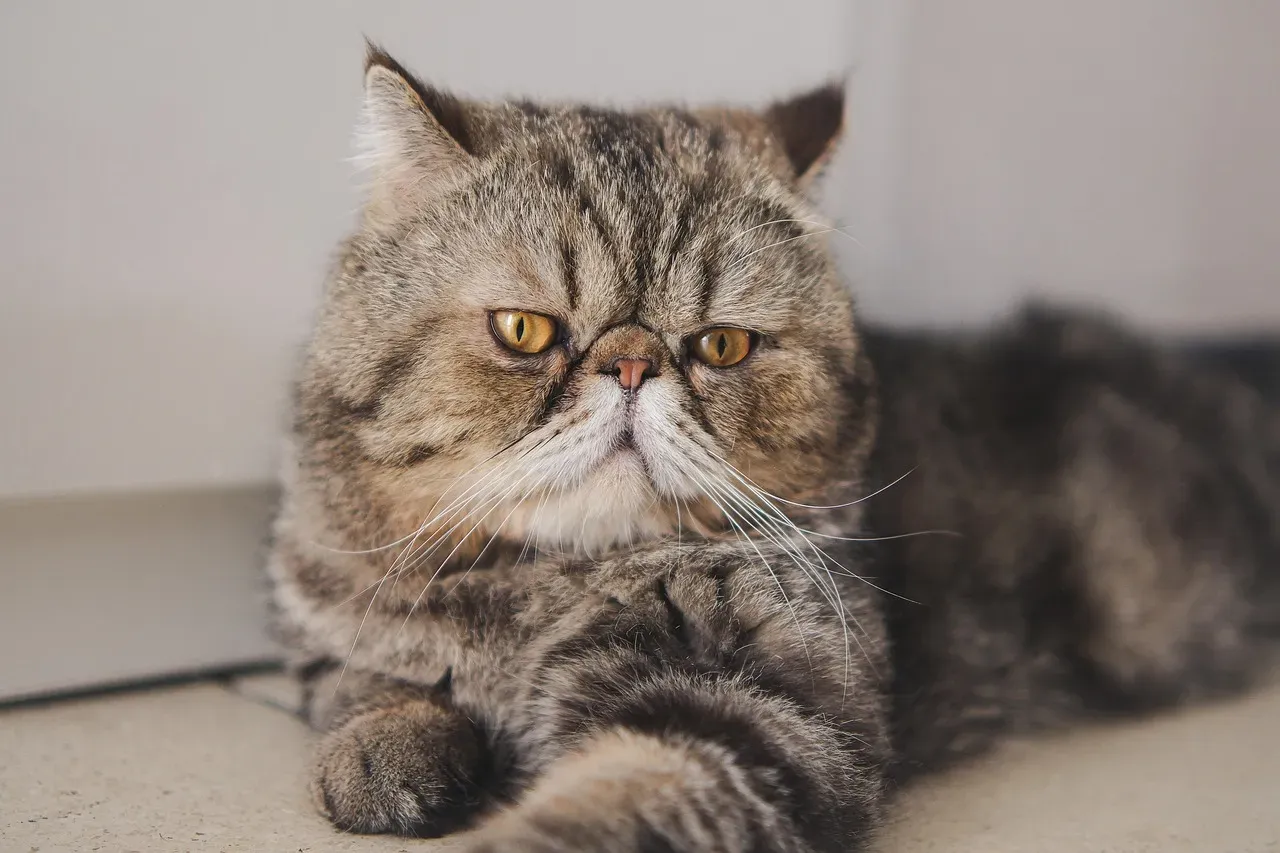
The Exotic Shorthair cat is cherished for their relaxed and easygoing attitude, not rambunctious, but able to entertain themselves with toys or find contentment curling up in the sun. Often called the lazy person’s Persian, this breed offers all the wonderful temperament of a Persian in a more manageable package. Their short, plush coat requires far less grooming.
The CFA considers this breed to be sweet, affectionate, and quiet, loving to relax with owners, with a calming presence, happy to burrow into a warm lap rather than dash about. For someone living in rural Vermont who wants companionship without high maintenance or high energy, the Exotic Shorthair hits that sweet spot perfectly.
These cats have adorable round faces with large expressive eyes that give them a perpetually gentle expression. They’re friendly without being demanding, social without being needy. These cats tend to enjoy all company, being tolerant and laid-back, ideal for families and social people. Whether you live alone or have family around, they adjust easily.
Their activity level is genuinely low. They’ll engage in short play sessions if you initiate them, but they’re equally content to spend hours napping or watching birds from a windowsill. This makes them perfect for Vermont’s long winters when outdoor activities are limited and indoor time stretches endlessly.
Just like Persians, Exotic Shorthairs are sweet, docile, and quiet, loving a good cuddle and making great family pets because they’re so affectionate yet happy to be left alone. This balance of affection and independence is ideal for rural living where you might be busy with outdoor tasks in warmer months but spend considerable time indoors during winter.
Conclusion
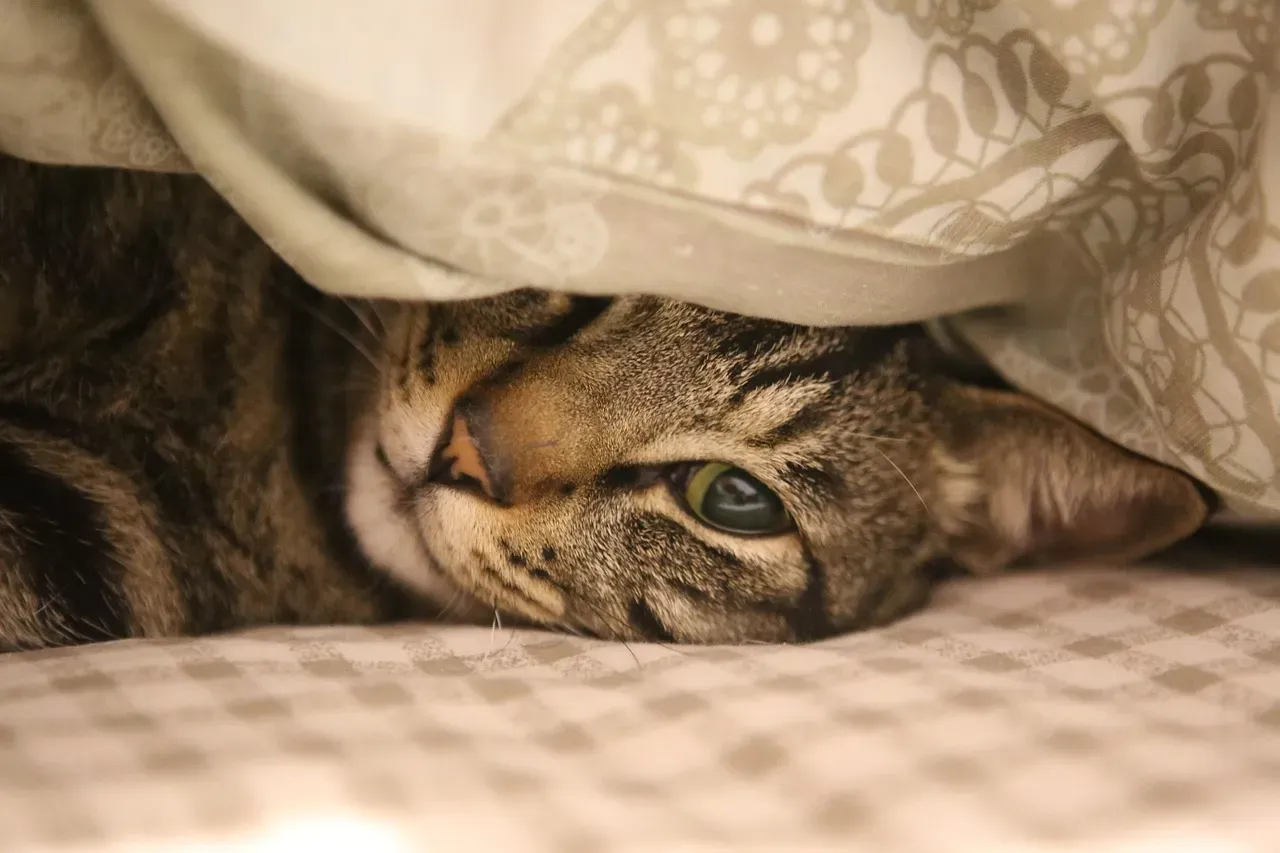
Finding the right cat for rural Vermont living means matching temperament to lifestyle. The breeds we’ve explored share common traits – calmness, adaptability, and contentment with a slower pace. They don’t require constant entertainment or high-energy play sessions. Instead, they offer quiet companionship, gentle affection, and peaceful presence.
Whether you’re drawn to the floppy sweetness of a Ragdoll, the dignified independence of a British Shorthair, or the serene beauty of a Persian, these breeds understand what it means to embrace a gentler rhythm. They won’t disturb your peaceful mornings or demand attention when you’re absorbed in a book. They simply exist alongside you, providing warmth and companionship without overwhelming your space.
Rural Vermont offers something increasingly rare – true quietness, space to breathe, and connection to natural rhythms. These seven cat breeds honor that lifestyle, becoming not just pets but compatible companions for a slower, more intentional way of living. They curl up by the fire, watch snow fall from windowsills, and remind us that sometimes the best company is quiet company.
Which of these breeds speaks to your Vermont lifestyle? The choice might surprise you, revealing not just what you want in a cat but what you value in your own daily rhythm.
