
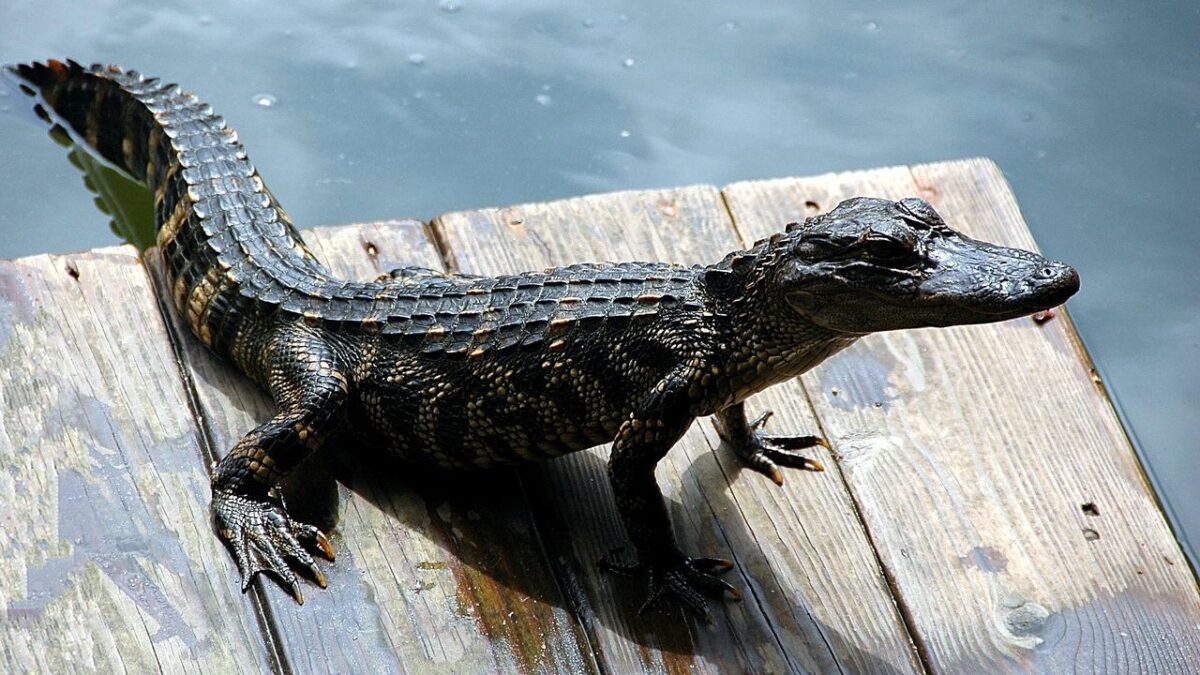
Ever think about where the real danger lurks in America? Forget the crime statistics for a moment. Let’s talk about something more primal, more unpredictable. We’re diving into the states where nature itself can turn deadly in an instant. From gators lurking in murky waters to venomous snakes coiled in the grass, some parts of this country are wildly more dangerous than others when it comes to wildlife encounters. You might be surprised by what’s hiding in plain sight right in your backyard.
Texas: Where Everything Really Is Bigger, Including the Danger
Texas leads the nation for animal attacks, having over 200 more than California, which honestly makes you wonder what’s going on down there. The sheer size of the Lone Star State means there’s plenty of room for dangerous encounters.
Western Diamondbacks in West Texas bite more people than anywhere else in the United States, and these aren’t just little warning nips either. Despite advances in antivenom technology, this results in about one or two deaths per year.
Here’s where it gets really interesting though. Texas had the highest number of contacts with hornets, wasps, and bees, witnessing 196 cases since 2000. Think about that for a second, nearly 200 people dealing with stinging insects that can trigger deadly anaphylaxis. The heat and humidity create perfect conditions for these buzzing threats.
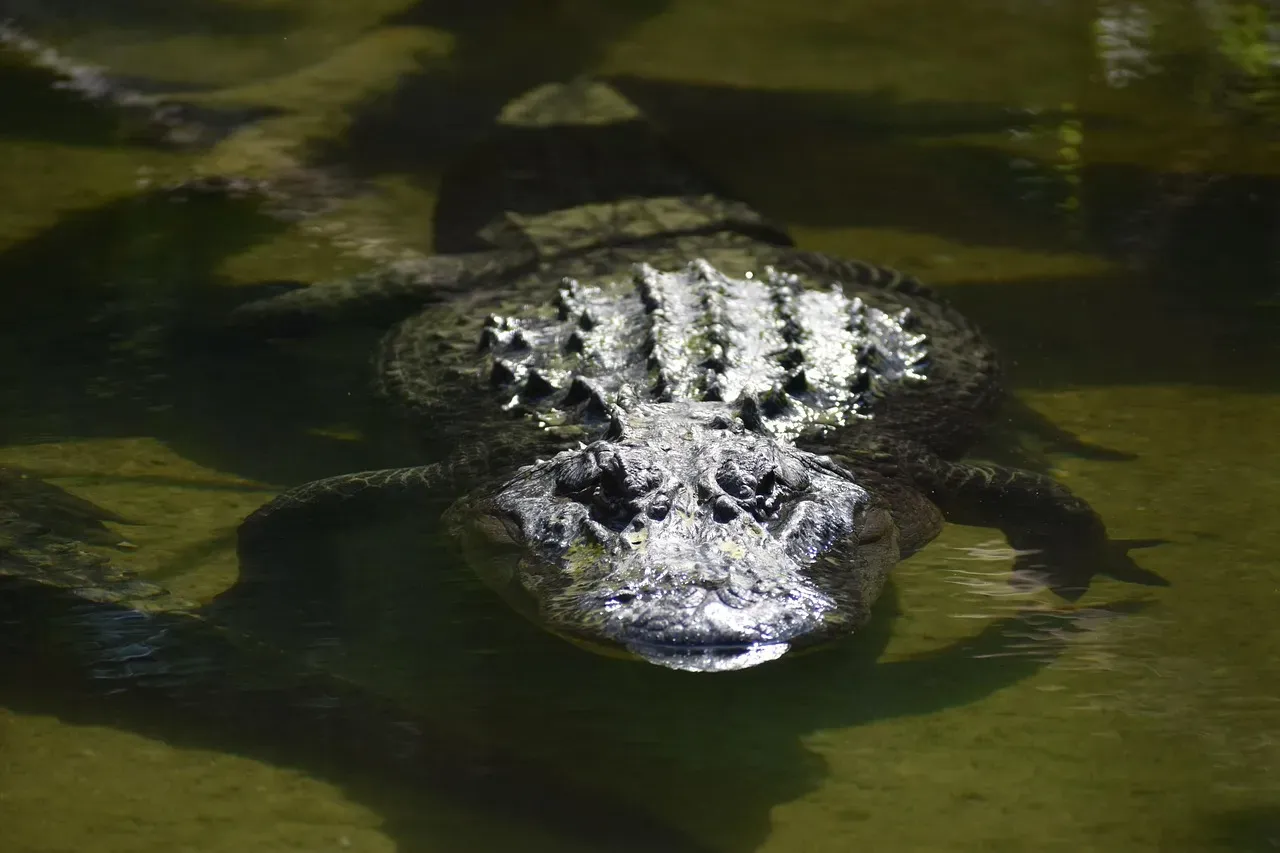
Alligators also call Texas home. The most dangerous animal in the state is the alligator, with 400,000 to 500,000 American alligators living there. That’s a lot of prehistoric predators sharing space with humans. Cattle ranching adds another layer of danger too, since livestock encounters contribute to the state’s wildlife casualty numbers.
Florida: The Bite Capital of America
Florida is considered the bite capital of the country for several species, and that reputation is well deserved. The tropical climate and sprawling wetlands create an ecosystem where dangerous wildlife thrives year round.
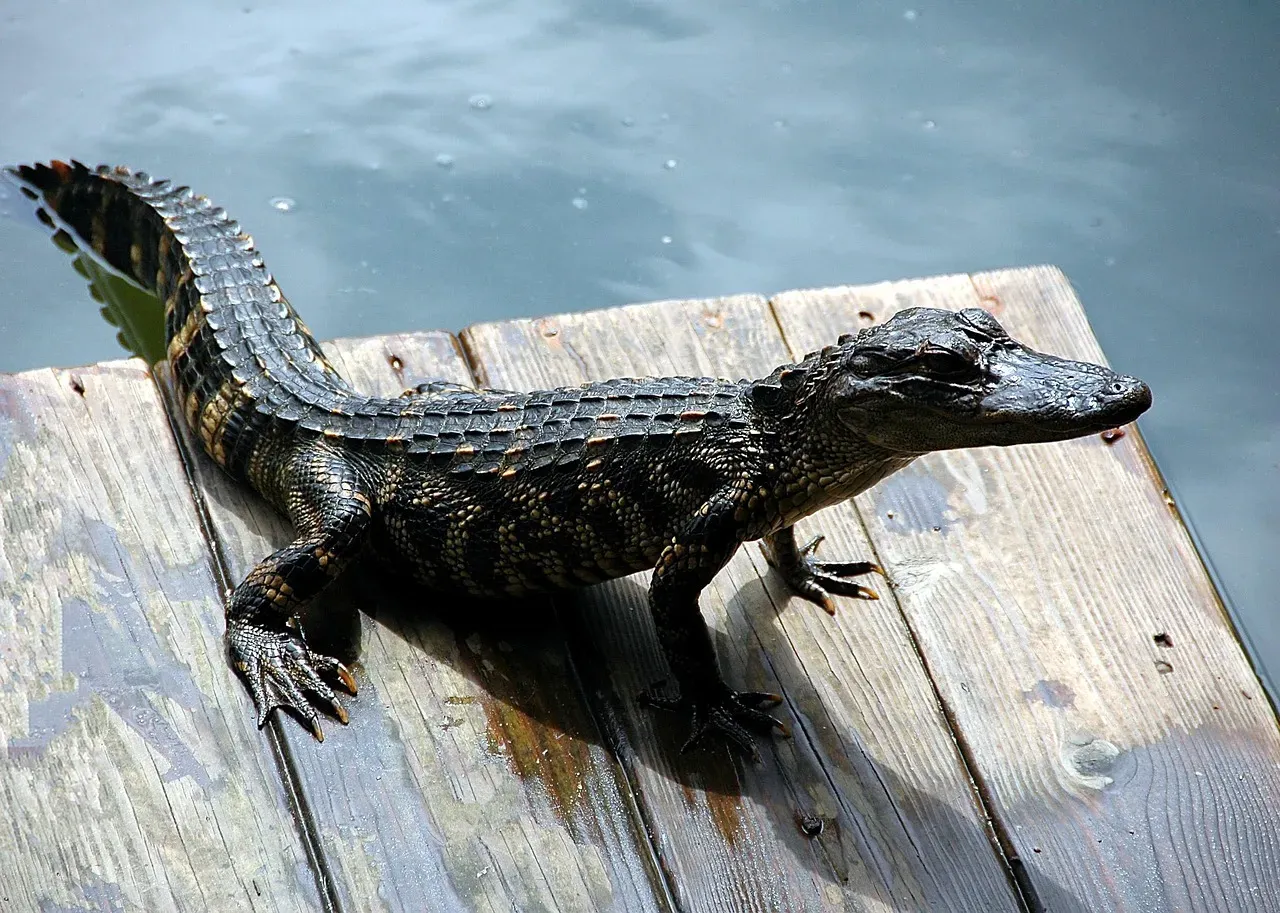
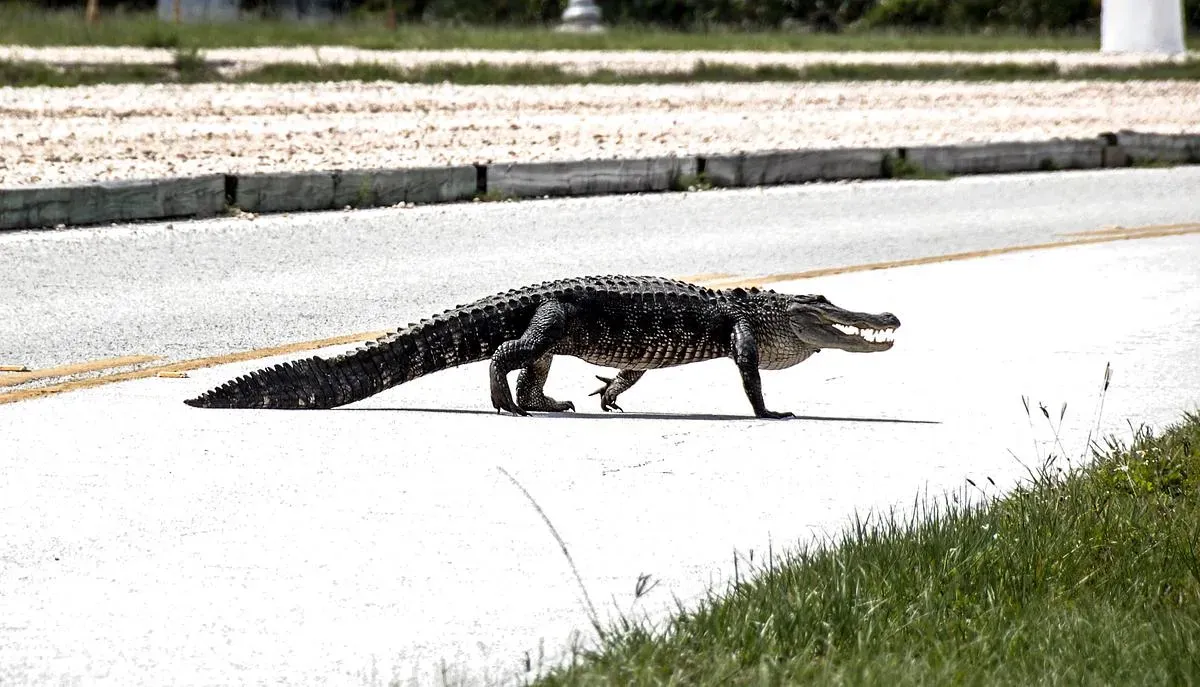
Alligators are a serious cause for concern in the Sunshine State, found lurking in even the smallest pond, attacking several people each year with fatalities often involving young children or elderly individuals near shorelines. It’s hard to imagine a more terrifying scenario than having these ancient reptiles so close to everyday life.
But wait, there’s more. Florida leads the world in unprovoked shark bites, narrowly edging out places like Australia. Whether you’re in the ocean or near a freshwater pond, Florida has you covered with aquatic threats from every angle.
Florida recorded its first fatal bear attack in May 2025 in Collier County, which shows that even animals typically avoiding humans are now encroaching into populated areas. This incident suggests that even normally people-averse species are coming into closer contact with humans, possibly due to changing climates and ecosystems. The state’s explosive population growth means humans and wildlife are constantly bumping into each other, often with tragic results.
North Carolina: Unexpected Venom Haven
North Carolina might surprise you. It doesn’t have the flashy reputation of Florida or Texas, but the danger is absolutely real. North Carolina ranks fourth for the most fatal animal-related attacks with 180 from 1999 to 2019.
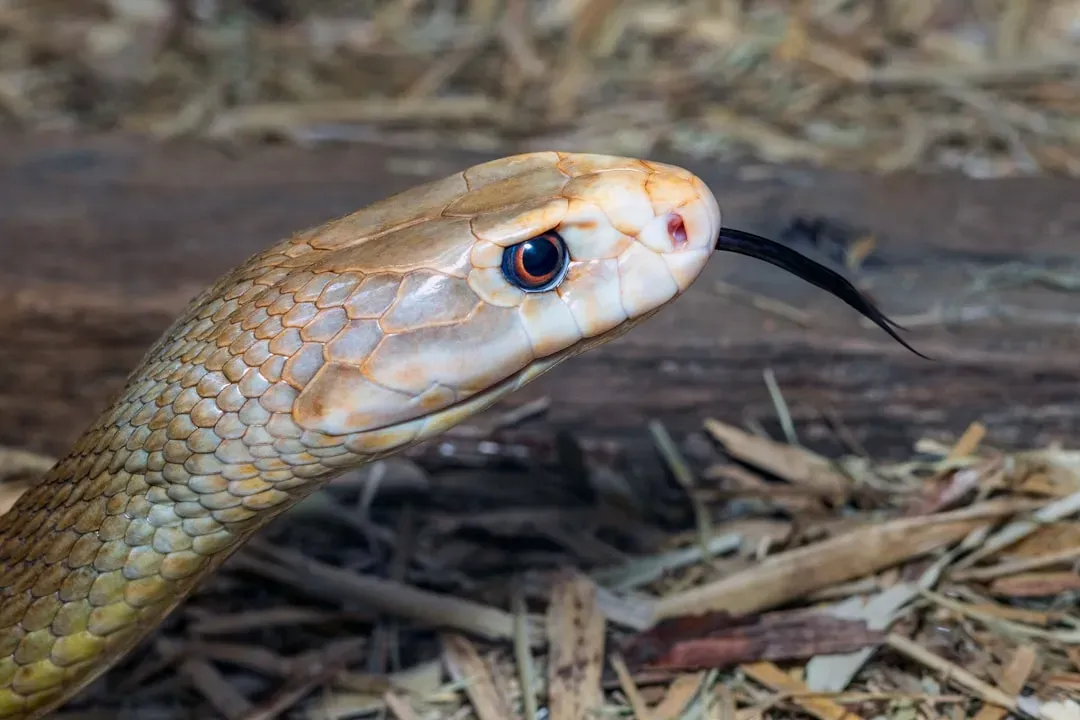
North Carolina has more snakebites per capita than almost any other state, though these attacks are far from deadly as most come from Copperheads. Still, getting bitten by a venomous snake is no joke, even if the venom is weaker than a rattlesnake’s.
The state’s diverse landscape plays a huge role here. Portions of Great Smoky Mountains National Park occupy North Carolina, making it home to a variety of unique wildlife including black bears, alligators, sharks, and even red wolves. That’s an impressive and terrifying roster of potential threats.
Smaller organisms like bees and wasps contribute to some deaths in the state, and experts predict even more deaths from bee and wasp stings in the region as temperatures rise due to global warming. Climate change isn’t just melting ice caps, it’s literally changing which creatures can kill you and where.
Tennessee: Black Bear Territory
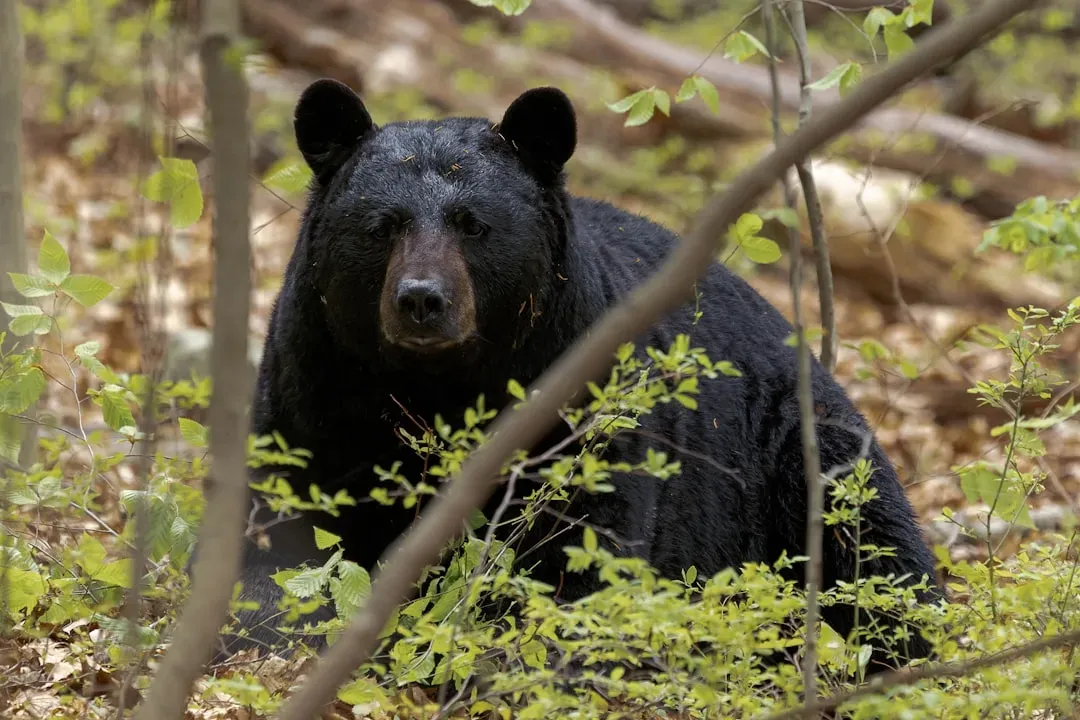
Tennessee doesn’t usually top anyone’s list of dangerous states, but that’s a mistake. The Great Smoky Mountains is the most visited national park in the United States, contributing to an unusually high number of human-black bear encounters, with some resulting in serious injuries or even death.
The problem is visibility. Places like Gatlinburg have so many bears that they have become a tourist attraction, despite the danger. When wildlife becomes a spectacle, people get comfortable, they let their guard down, and that’s when accidents happen.
Black bears might seem less intimidating than grizzlies, but they’re still wild predators capable of inflicting fatal damage. The sheer volume of tourists hiking through bear country increases the odds of a dangerous encounter exponentially. Most incidents occur without injury, sure, but “most” isn’t exactly comforting when you’re the one facing down a 400-pound bear on a trail.
The Smoky Mountains’ dense forests and abundant food sources make it prime bear habitat. Humans wandering through with coolers full of snacks are basically walking invitations for trouble.
California: Rattlesnake Roulette
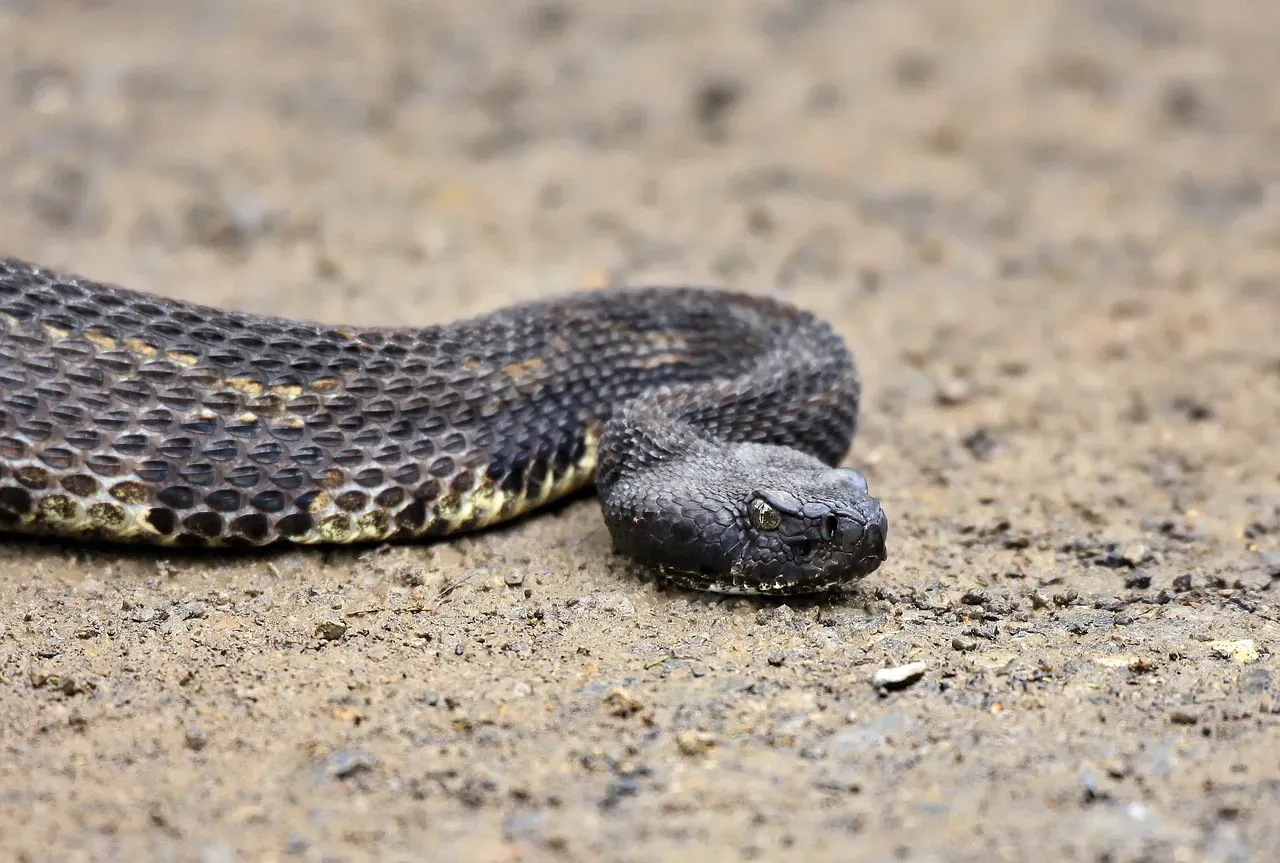
California has everything, beautiful beaches, towering redwoods, and yes, deadly wildlife. The deadliest animals in California are Southern Pacific rattlesnakes, which rarely bite but when they do can inject venom that causes pain, rashes, blisters, nausea, and vomiting.
Around 221 rattlesnake bites are reported each year in California, and prompt treatment is critical as a bite can be deadly if not addressed quickly. The availability of antivenom has drastically reduced fatality rates, but you still need to get to a hospital fast.
These snakes are more active in the warmer months and often seek shelter in cool, shaded spots, including underneath vehicles. Imagine reaching under your car to grab something and coming face to face with a coiled rattler. That’s California living for you.
The state’s massive population means more people are hiking, camping, and building homes in areas where rattlesnakes have lived for millennia. It’s a numbers game, and with millions of residents, encounters are inevitable. The good news is that fatalities remain low thanks to modern medicine, but the fear factor? That’s through the roof.
Conclusion
Nature doesn’t care about your weekend plans or your Instagram photo op. These five states remind us that sharing space with wildlife means respecting their power and unpredictability. Whether it’s a rattlesnake in California, an alligator in Florida, or a black bear in Tennessee, the danger is real and often closer than you think.
The rising numbers of wildlife encounters across these states aren’t just random bad luck. Climate change, urban sprawl, and habitat destruction are pushing animals and humans into closer contact than ever before. As we continue building further into wild spaces, these conflicts will only intensify.
What’s your take on living alongside dangerous wildlife? Have you ever had a close call with nature’s deadliest? The wild isn’t going anywhere, but maybe our approach to coexisting with it needs to evolve.
