
Think about the most exhausting trip you’ve ever taken. Maybe it was a long flight across continents or a grueling road trip that left you drained. Now imagine doing that journey twice a year, every year, for your entire life. Sounds impossible, right?
There’s a bird out there that does exactly this, and it’s about the size of your hand. The Arctic tern undergoes the longest migration of any animal species on Earth. We’re not talking about a few hundred miles here. This feathered traveler racks up distances that would make even the most seasoned pilot blink in disbelief. So let’s dive in and discover what makes this little creature one of nature’s most astonishing athletes.
Meet the Ultimate Globetrotter

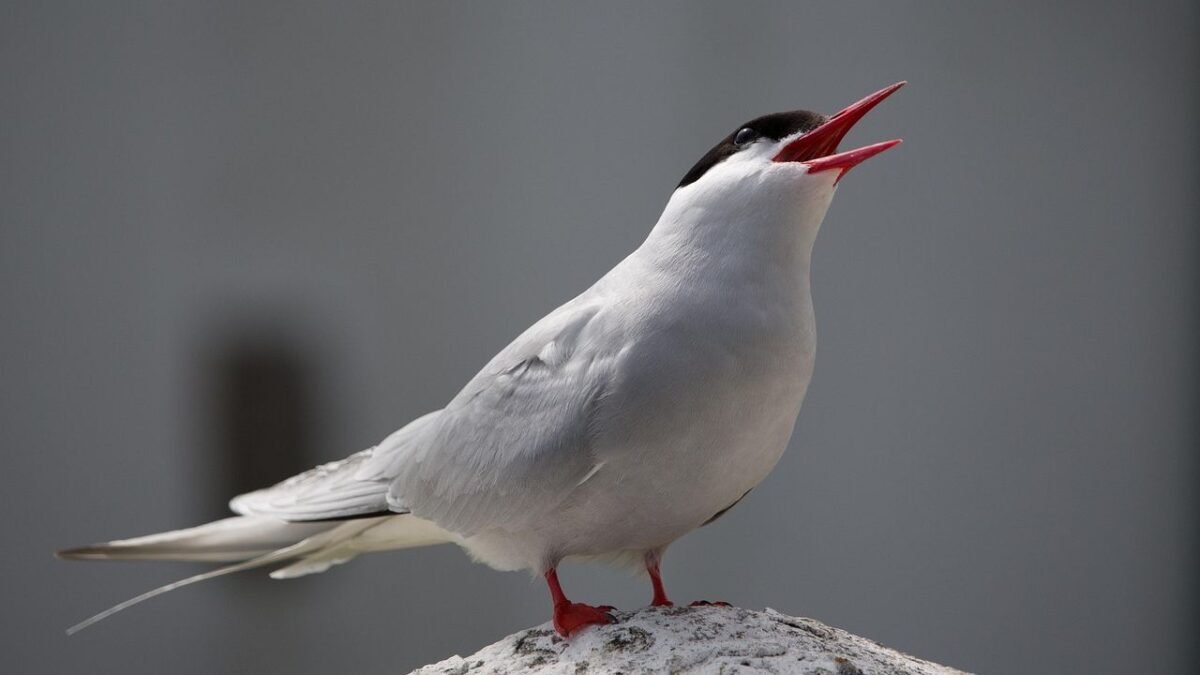
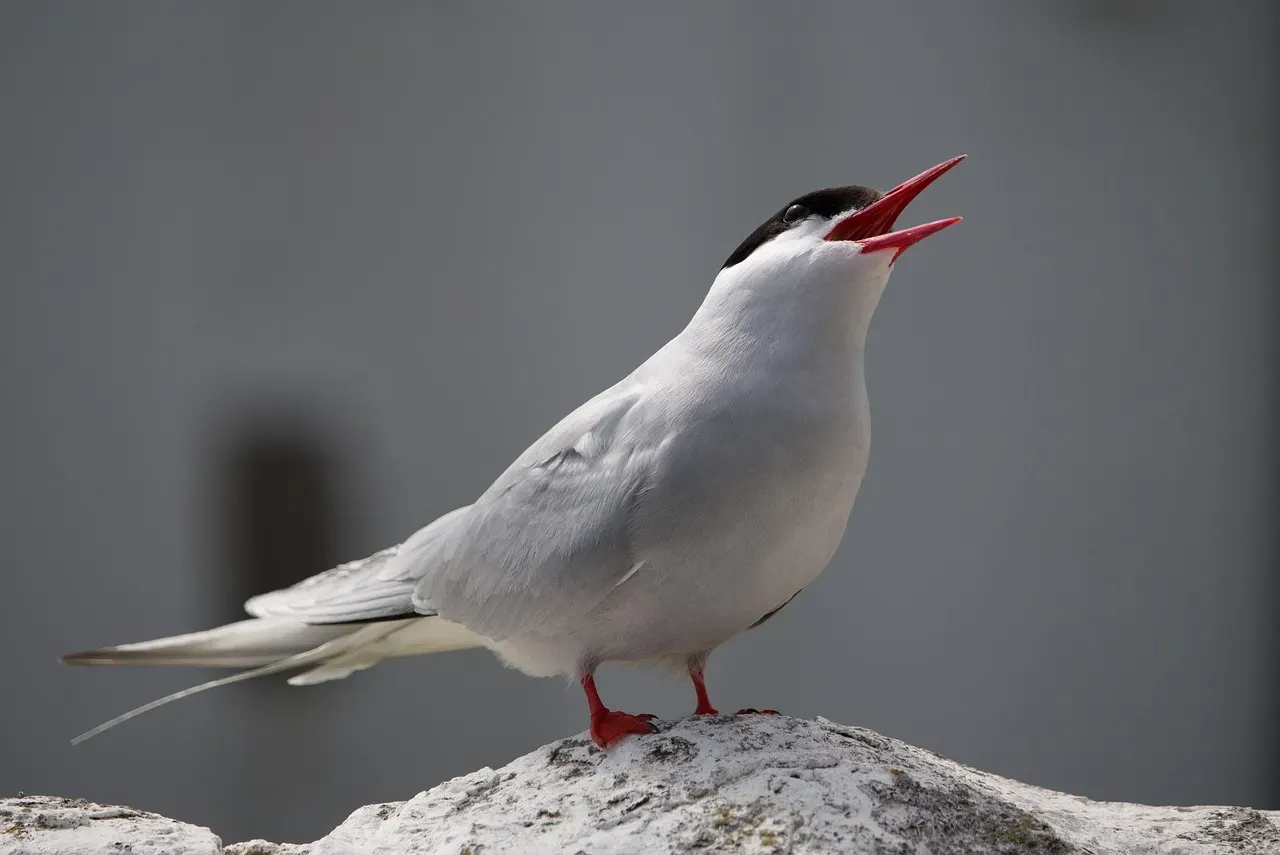
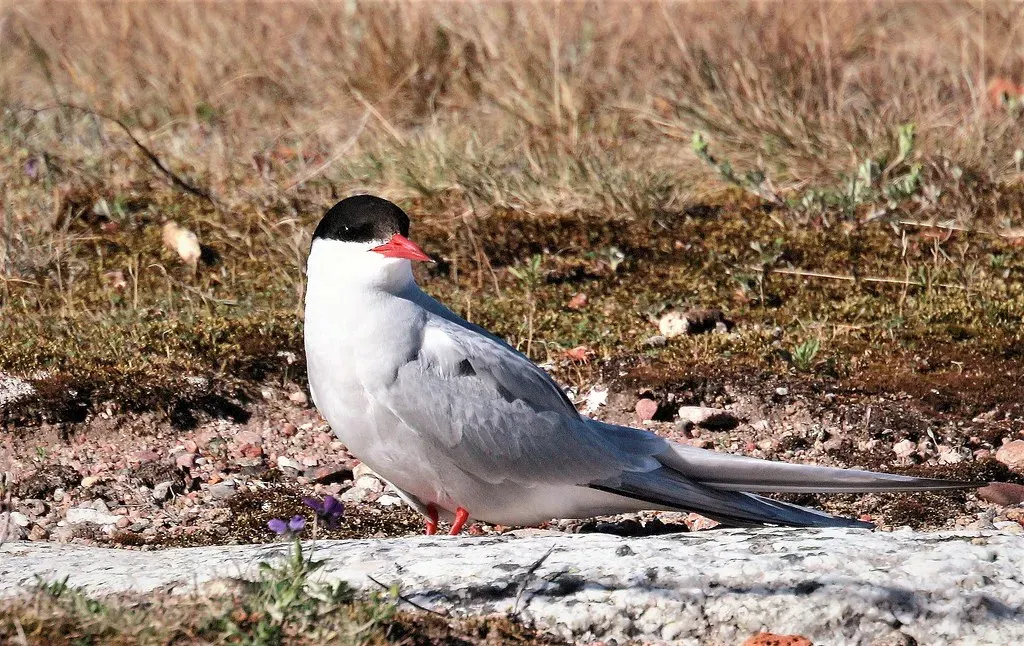
The Arctic tern (Sterna paradisaea) is a tern in the family Laridae with a circumpolar breeding distribution covering the Arctic and sub-Arctic regions of Europe (as far south as Brittany), Asia, and North America (as far south as Massachusetts). It’s hard to believe that something so small could be so remarkable. These medium-sized birds have a length of 28–39 cm and a wingspan of 65–77 cm, and weigh around 100 g with blood red beak and feet, a black crown and nape, and white cheeks during breeding season.
Despite their delicate appearance, Arctic terns are built like flying machines. Their sleek, streamlined bodies aren’t just for show. These graceful birds weigh just 4 ounces or so but have a perfectly streamlined body shape that can be used for both powerful direct flight and effortless long-distance gliding. Honestly, when you look at one up close, you start to understand how evolution can create something so perfectly adapted for one specific purpose. Their wings are long and narrow, designed for endurance rather than speed.
What’s fascinating is their coloring shifts with the seasons. In winter, their brilliant red beaks and legs turn black, and that striking black cap becomes partly white. It’s like they’re changing outfits for different parts of their incredible journey.
The Journey That Defies Belief

Here’s where things get truly wild. The species is strongly migratory, seeing two summers each year as it migrates along a convoluted route from its northern breeding grounds to the Antarctic coast for the southern summer and back again about six months later, with recent studies showing average annual round-trip lengths of about 70,900 km for birds nesting in Iceland and Greenland, while an individual from the Farne Islands in Northumberland covered a staggering 96,000 km in ten months.
Let that sink in. Nearly sixty thousand miles in a single year for one bird. The average Arctic tern lives about 30 years and will travel some 2.4 million km during its lifetime, the equivalent of a roundtrip from Earth to the Moon more than three times. If that doesn’t blow your mind, I don’t know what will.
The truly astonishing part? The difference from previous estimates is due to the birds taking meandering courses rather than following a straight route as was previously assumed, following a somewhat convoluted course in order to take advantage of prevailing winds. These birds aren’t just endurance champions; they’re strategic travelers. They are smart about how they travel, often using tailwinds to save energy, and on their way south after breeding, they don’t appear to be in too much of a hurry, often traveling in meandering routes that take them through good feeding grounds and weather conditions.
Chasing Endless Summer
Why would any creature undertake such an exhausting odyssey? The answer is brilliantly simple: sunshine and food. The arctic tern, going from Arctic summer to Antarctic summer, may experience more daylight than any other animal.
Think about it. While we’re stuck with the changing seasons, Arctic terns have figured out how to live in perpetual summer. Seeing two summers each year as it migrates along a convoluted route from its northern breeding grounds to the Antarctic coast for the southern summer and back again about six months later. When winter starts creeping into the Arctic, they simply head south to catch the Antarctic summer.
This isn’t just about comfort. The primary driver for undertaking this migration is an ecological strategy to maximize access to food resources by chasing continuous daylight, as moving from the Arctic summer to the Antarctic summer allows the Arctic Tern to effectively experience two peak feeding seasons each year. More daylight means more time to hunt, and more time to hunt means better survival. It’s a strategy that’s both exhausting and genius.
How They Actually Pull It Off

You might be wondering how a bird weighing less than a smartphone can fly such incredible distances without collapsing from exhaustion. The secret lies in their remarkable adaptations. Arctic terns can sleep and eat while gliding, and they’re able to hover in midair much like hummingbirds.
They’re essentially aerial nomads. After fitting the birds with trackers, scientists learned that arctic terns fly thousands of miles out of their way to take advantage of the best weather and get the best food, bouncing around every continent instead of flying in a straight line back home. These detours aren’t random wandering; they’re calculated decisions based on wind patterns and feeding opportunities.
The return journey is where things get really interesting. The northbound migration took less than half the time (40 vs. 93 days), despite being three quarters the length of the southbound journey. They seem to be in more of a hurry heading back to breed. The return trip seems to be taken with a little more urgency, and the birds take an S-shaped route up over the Atlantic ocean, with the shape of the route explained by the prevailing winds on either side of the equator.
Tracking the Untrackable

For decades, scientists could only guess at where Arctic terns went during their migrations. Then technology caught up with curiosity. The precise measurement of this immense distance was made possible by the development of lightweight geolocators, which weigh only about 1.4 grams and do not use GPS but instead record ambient light intensity, allowing scientists to calculate the bird’s location based on the time of local noon and the duration of daylight.
An Arctic Tern clocked a whopping 59,650 miles over the course of its yearly migration from its breeding area on an island off the coast of England to Antarctica, and then back again. Still, researchers believe even that staggering number is an underestimate. Researchers call the bird’s journey of 60,000 miles an “underestimate” of how far it actually flew because geolocators only record the daily positions of the birds and will always underestimate the total distance the birds fly.
Some of the routes are downright unexpected. Arctic Terns feed on surface fish so it has always been assumed they would migrate via a coastal route, but instead data has shown their regular route is to travel overland across the UK to the Irish Sea and some are going even further, crossing Ireland to the North Atlantic. Nature, it seems, still has plenty of surprises up its sleeve.
Life on the Edge
Despite their incredible capabilities, Arctic terns face growing challenges. There are already signs that something might be adversely affecting Arctic terns, with the entire Gulf of Maine population declining over 40% in the past 10 years to about 2,500 nesting pairs. Climate change threatens the delicate balance these birds depend on.
The Arctic Tern’s sensitivity to environmental shifts has earned it the moniker of “canary of the sea,” as if anything goes wrong, these birds are the first to be affected, though the location data of the Terns could double as a marker of fish stocks and where they move in response to climate change. Their struggles serve as early warnings about the health of our oceans. When terns start having trouble, it’s often a sign that larger problems are brewing beneath the surface.
Arctic terns, which mate for life, can live to be more than 30 years old, a very long lifespan for such a small bird with such an extreme lifestyle. Yet their long lives depend on a complex network of food sources, weather patterns, and breeding grounds that stretch across the entire planet. Protecting them means protecting the whole journey, not just isolated patches of habitat.
A Final Thought on Feathered Marathoners

The Arctic tern’s story reminds us that Earth’s most incredible feats often come in the smallest packages. Here’s a bird that weighs less than a candy bar, yet accomplishes something no other animal on the planet can match. It experiences more of our world than most of us ever will, touching multiple continents and both polar regions every single year.
Their migration isn’t just a biological curiosity; it’s a testament to the power of adaptation and the interconnectedness of our global ecosystems. Every stopover point, every wind current, every patch of productive ocean matters to their survival.
Next time you see a slender seabird hovering over water, consider the possibility that you might be looking at one of nature’s greatest travelers. Did you expect a bird smaller than a pigeon to be the planet’s ultimate endurance athlete? What other secrets do you think the natural world is still keeping from us?
