
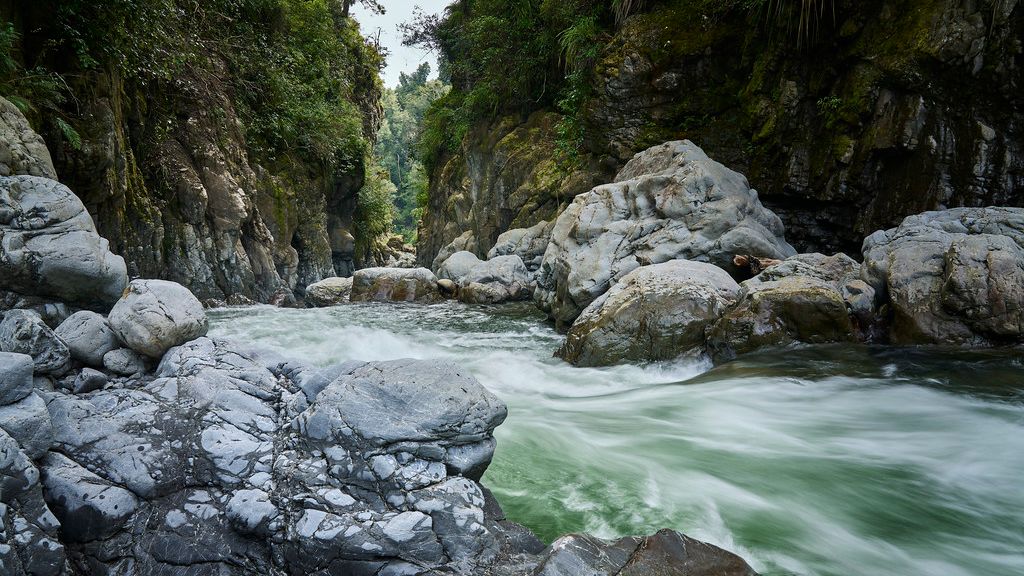
Picture a lazy stream flowing through the English countryside, narrow enough to step across on a sunny afternoon. The moss-covered rocks look inviting. The gentle burble of water sounds peaceful enough for a romantic stroll or a family picnic.
Now imagine that same stream has claimed every single person who’s ever fallen into it. No survivors. No second chances. Just a perfect, terrifying record of death stretching back centuries.
A Deceptive Beauty That Hides Unimaginable Horror
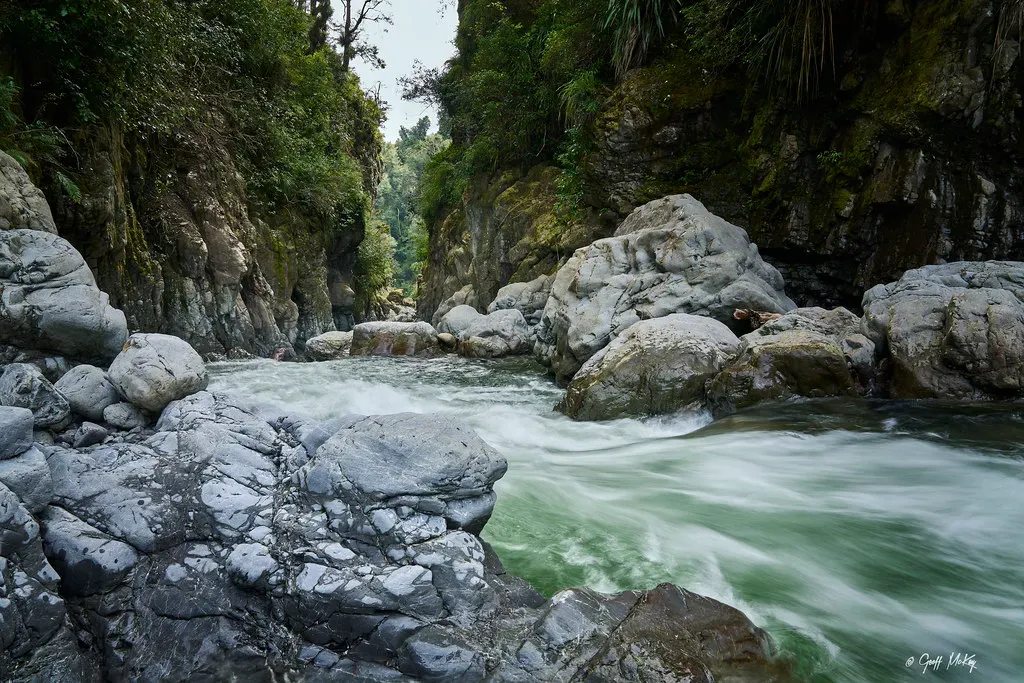
Hidden in Yorkshire, England, the Bolton Strid is part of the River Wharfe and looks like a seemingly placid stretch of water with a shocking history of drownings. What makes this place so unnervingly dangerous is how innocent it appears on the surface. From above, it looks like nothing more than a babbling brook, and the moss-covered rocks and peaceful forest setting give no hint of the violence lurking beneath the surface.
Honestly, it’s hard to believe something so picturesque could be so deadly. Along a section of the River Wharfe known as the Bolton Strid lies what is said to be the most dangerous stretch of water in the world, and it’s just six feet wide. Think about that for a second. Six feet. Most people could jump that distance without breaking a sweat.
When A River Literally Flips On Its Side
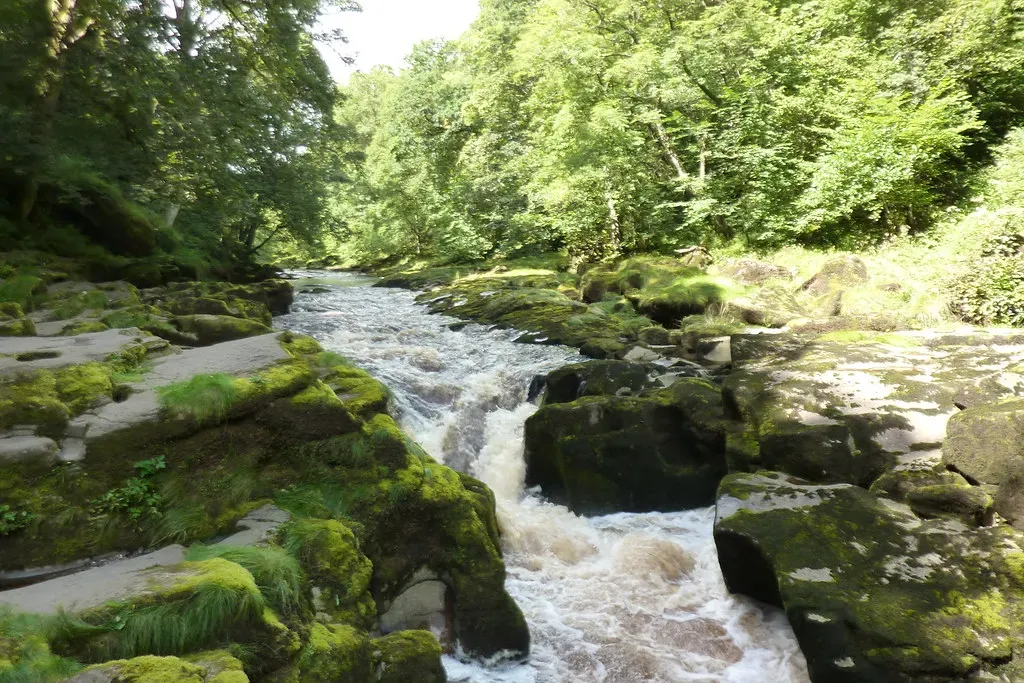
A few yards upstream from the Strid, the river is shallow and wide, about 30 feet from bank to bank, but then the terrain squeezes the river so tightly that it is effectively turned on its side. This is where nature pulls off one of its most brutal tricks. The river flips on its side, going from about 30 feet wide and a few feet deep, to 30 feet deep and a few feet wide.
Let’s be real – this geological transformation is both fascinating and absolutely terrifying. It becomes narrow and deep, a powerful wedge of water racing through a crevasse riddled with underwater caves and overhangs. The water doesn’t just flow faster when compressed into this tight space. It becomes a vertical column of churning force, plunging downward into limestone bedrock.
In 2021, YouTuber Jack a Snacks attempted to measure the depth of the Strid and concluded that at its deepest parts, it was more than 200 feet deep. That’s equivalent to a twenty-story building plunging straight down beneath what looks like a simple creek.
The Underwater Labyrinth Of Death
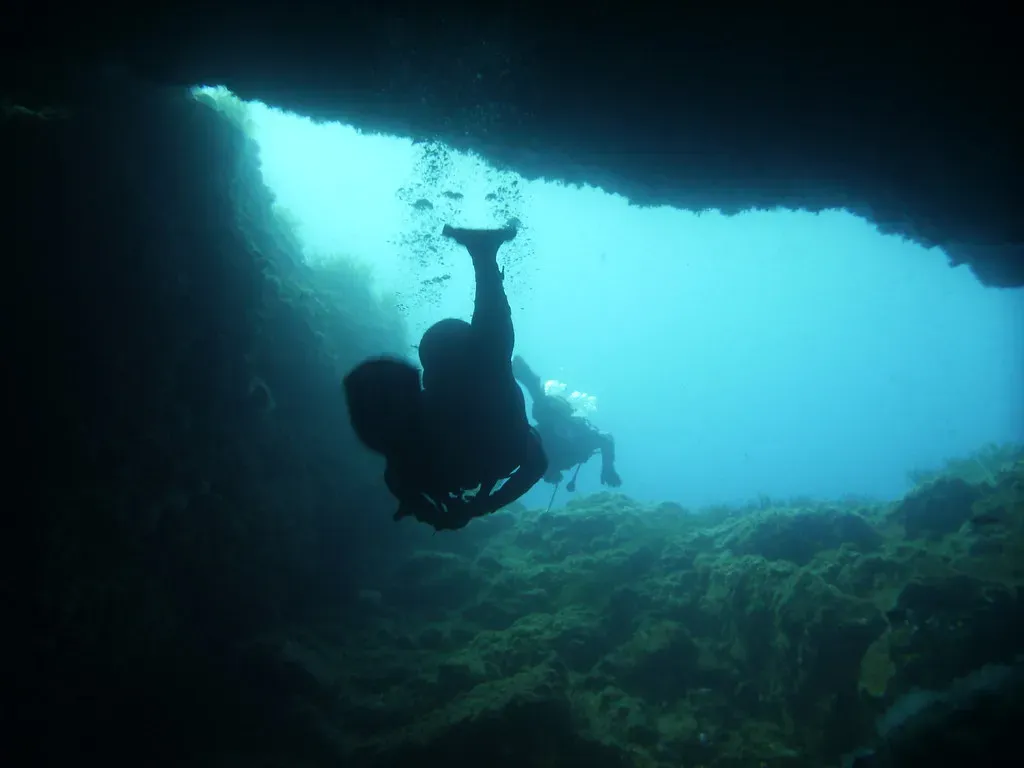
Underneath lies a network of caves and tunnels carrying the rest of the river’s water, the true depth of which remains unknown. Here’s where things get truly nightmarish. The Bolton Strid isn’t just deep – it’s carved out a maze of underwater chambers over thousands of years. These hidden chambers create powerful underwater currents that pull in different directions, forming what experts call a drowning machine, and the turbulence knocks victims unconscious almost immediately while powerful currents pin them against rocky walls or drag them deep into the underwater cave system.
I think what makes this even more disturbing is how the water behaves once you’re in it. Vortices in the flow will trap bodies under the water close to the bed or the sides, whilst the turbulence will render someone unconscious very quickly. There’s no fighting it. No swimming to safety.
Centuries Of Victims And Tragic Tales
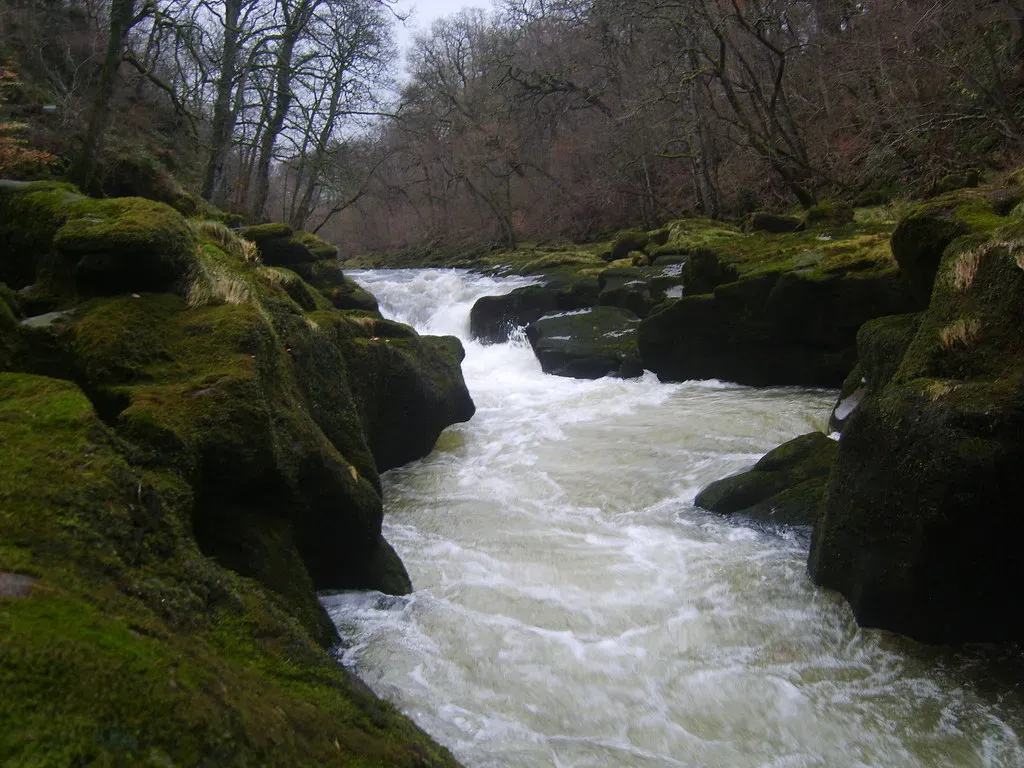
The most famous victim of the Bolton Strid was William de Romilly, known as the Boy of Egremont, who in 1154 went hunting in the woods near the river with his greyhound and decided to leap across the narrowest part of the Strid. His greyhound, showing more wisdom than its master, refused to make the jump and hung back on its leash, and this sudden resistance threw William off balance, and he tumbled into the churning water below. His body was never recovered.
William’s mother, Lady Alice de Romilly, was so devastated by her son’s death that she donated the surrounding land to Augustinian monks, who built Bolton Abbey on the site where they could pray for William’s soul. That’s how powerful the Strid’s impact has been – entire monasteries were built as memorials to its victims.
In 1934, watercolor artist Arthur Reginald Smith drowned when he tried to cross the river while moving locations during a painting session. In 1998, Barry and Lynn Collett were hiking along the Wharfe on the second day of their honeymoon when disaster struck and water levels rose an estimated five feet in less than a minute because of heavy rains over the previous night, and Lynn was found six days later while Barry was not found until over a month later, ten miles downstream.
Even Children Aren’t Spared By The Strid
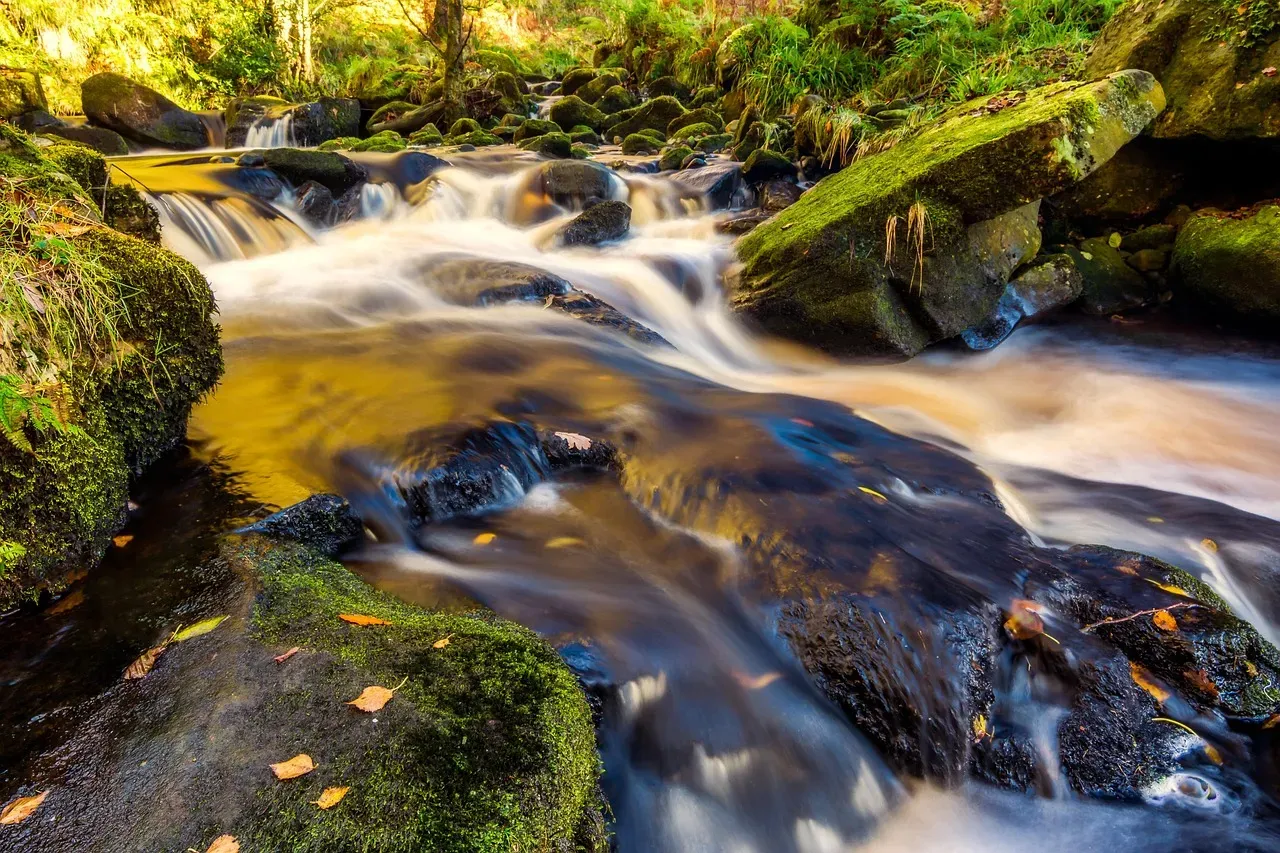
One of the most recent tragedies happened in 2010 when eight-year-old Aaron Page was celebrating his birthday at the River Wharfe, and while walking, Page slipped on the rocks and fell in. It happened on his birthday. A day that should have been filled with joy became a family’s worst nightmare. A firefighter positioned himself at the mouth of the deadly channel, and as Aaron floated closer, the firefighter managed to grab the boy’s hand.
I can’t even imagine the horror of that moment – so close to rescue, yet the current proved too strong. The river has no mercy, no matter the age or innocence of its victims. The moss makes the rocks slippery. One wrong step, one moment of lost balance, and it’s over.
The Legend Of The 100 Percent Mortality Rate
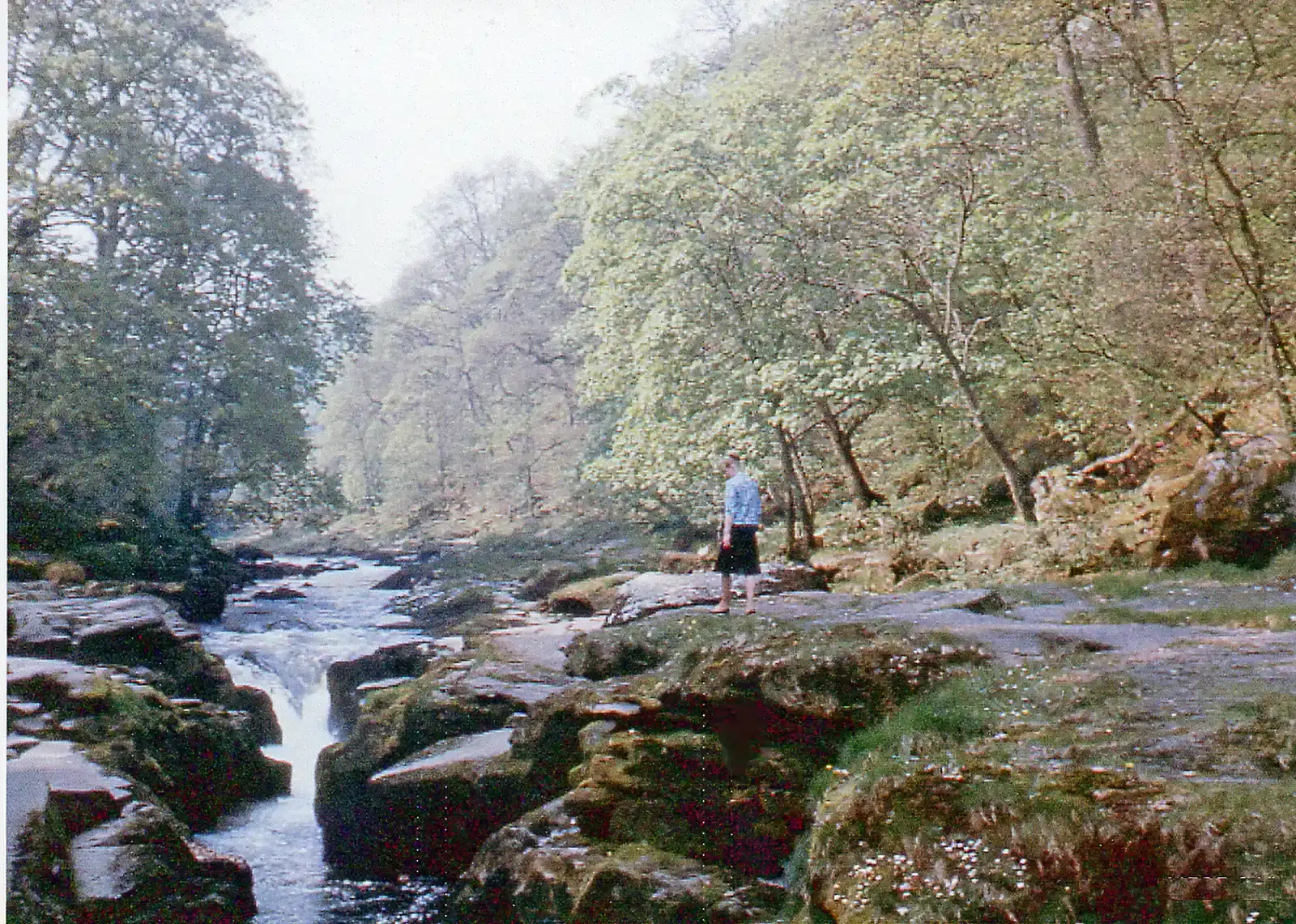
Local legend maintains that 100 percent of those who have fallen into the Bolton Strid have died. Let that sink in. Not most people. Not the majority. Every. Single. Person. Not everybody that falls into the Strid is returned, and by some accounts, victims get sucked under and never resurface.
There’s even a ghostly element to the folklore. Another legend maintains that a ghostly white horse appears trotting down the frothing Strid when the river has claimed another life. Whether you believe in such things or not, the fact remains that this waterway has inspired ghost stories for good reason – too many people have vanished without a trace.
Leaving the nearby village of Bolton Abbey and approaching the river, visitors will see an ominous warning that reads, ‘The Strid is dangerous and has claimed lives in the past. Please stand well back and beware slippery rocks.’ Still, despite all the warning signs and tragic history, people continue to visit. Some even attempt the jump.
Nature’s Perfectly Designed Death Trap
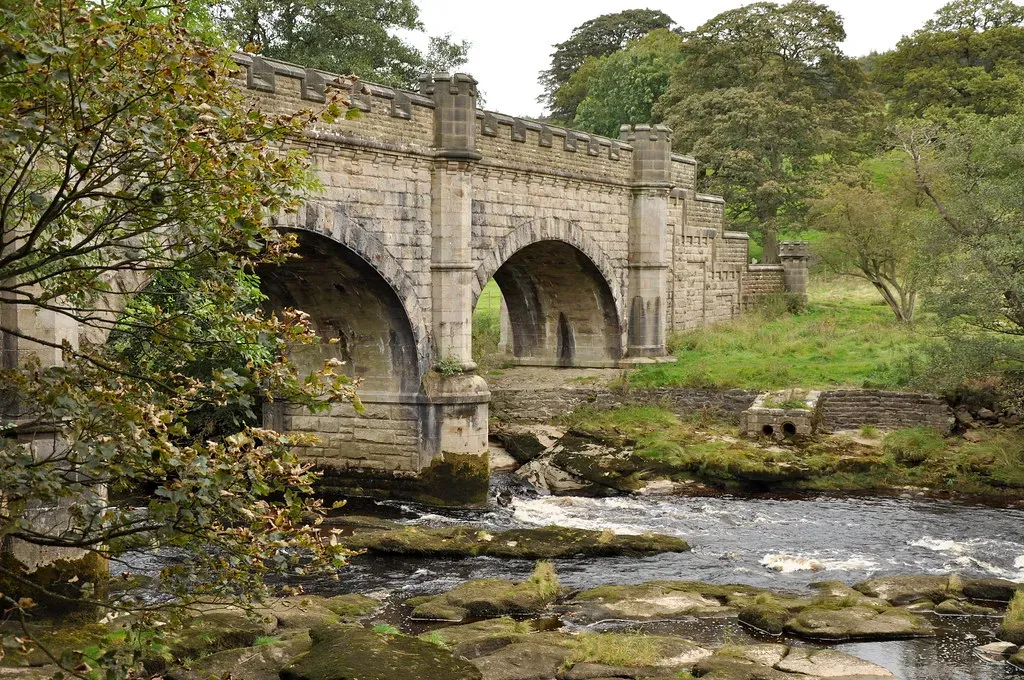
The Strid’s beauty can easily fool travelers who don’t know any better into a false sense of security, and underneath it is a vast network of caves and crevices of sedimentary rock that will rip apart a human body smashed against them in seconds. The scientific explanation doesn’t make it any less terrifying. All of the water rushing from the River Wharfe to the Strid is compressed as it narrows, which creates a bottleneck effect that sees the speed of the water increase dramatically, and additionally, the narrowing causes the water current to change direction – the water no longer moves horizontally, but vertically.
Here’s the thing – even Olympic swimmers wouldn’t stand a chance. With the depth being unknown, this would pull swimmers deep beneath the surface and make it difficult to maneuver out, and you would also be at the mercy of the fast currents, underwater vortices, and whirlpools, making it impossible to swim in any direction. The Strid doesn’t just drown people. It traps them, batters them against rocks, and drags them into underwater caves where they’ll never be found.
Despite warning signs posted around the area, the Bolton Strid continues to attract curious visitors, and the combination of its innocent appearance and deadly reputation draws photographers, thrill-seekers, and tourists who want to see this natural phenomenon for themselves, while local authorities have increased safety measures over the years, installing better fencing and more visible warning signs.
Conclusion
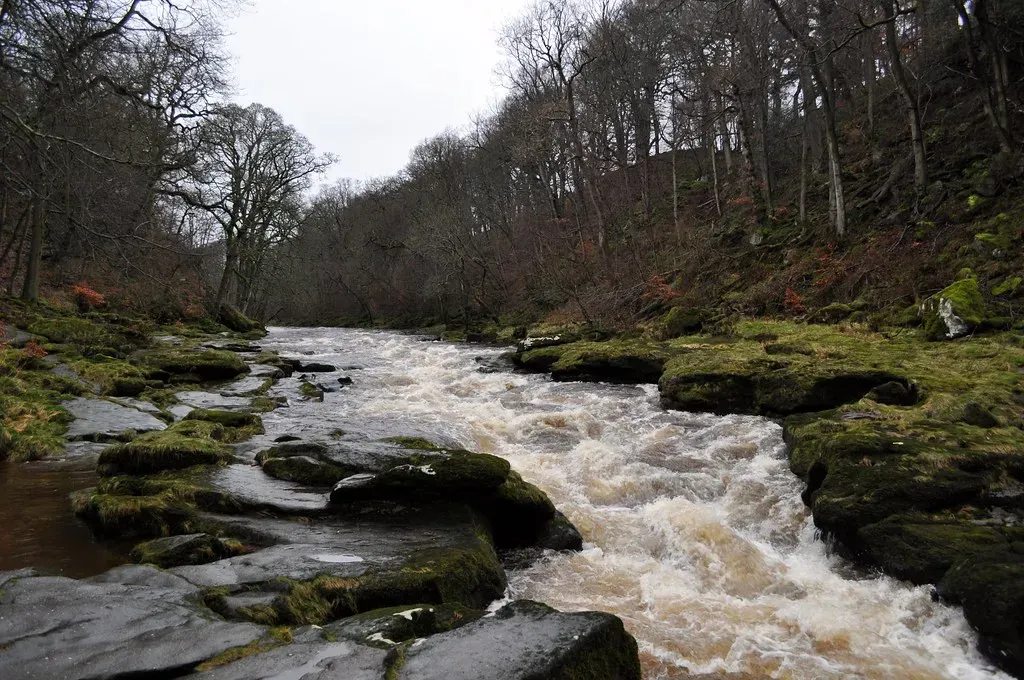
The Bolton Strid stands as a haunting reminder that nature’s most beautiful faces can hide its deadliest secrets. This narrow stretch of water has earned its reputation through centuries of tragedy, claiming lives with ruthless efficiency while maintaining an appearance so serene it could grace a postcard. The contrast between what you see on the surface and the violent chaos beneath makes it one of the most deceptive natural hazards on Earth.
What continues to fascinate and terrify in equal measure is how something so small can be so deadly. Six feet of water shouldn’t inspire the level of fear reserved for raging rapids or towering waterfalls. Yet the Strid has proven time and again that size means nothing when geology conspires to create the perfect trap. The next time you encounter a peaceful stream in the countryside, remember the Bolton Strid. Sometimes the most dangerous places are the ones that don’t look dangerous at all.
Would you dare to stand at the edge of the Bolton Strid and peer into its churning depths? Share your thoughts in the comments below.

- 14 Signs the Backyard Birds That Left Your Yard Are Quietly Coming Back - July 21, 2026
- 12 Cat Breeds Vets Refuse To Recommend to First Time Owners - July 21, 2026
- 6 US States With the Most Alligators - July 21, 2026