

Every year, somewhere in the quiet corners of scientific assessments, a devastating truth emerges. Species vanish. Not with fanfare or headline grabbing drama, but through decades of silence, through exhaustive searches that yield nothing, through bureaucratic processes that confirm what conservationists have long feared.
In 2025, the International Union for Conservation of Nature finalized extinction declarations for several species, marking a grim milestone in our biodiversity crisis. These weren’t sudden disappearances. Some had been missing for nearly a century, their absence slowly hardening from hope into certainty. Let’s be real, though: seeing these names officially added to the extinct category hits differently than reading about potential losses. It’s the final stamp on irreversible failure.
Slender-Billed Curlew: The First Bird Lost From Europe
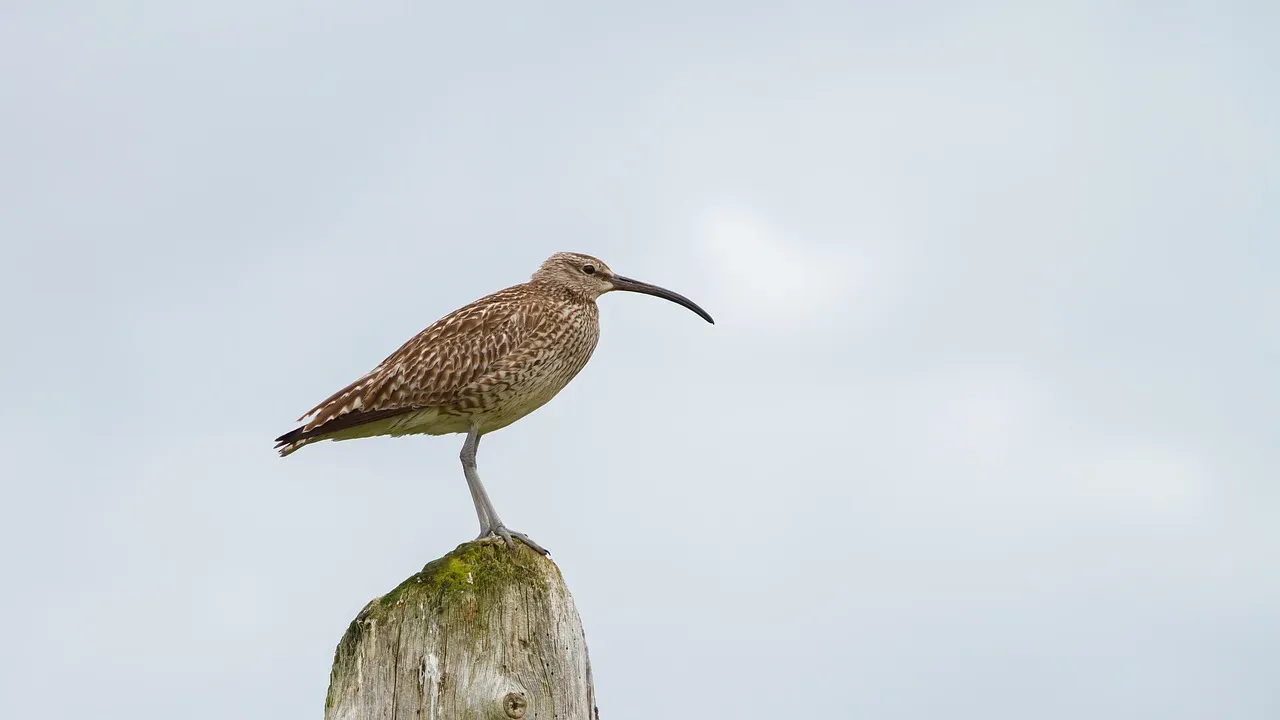
The slender-billed curlew, a grayish-brown migratory waterbird once breeding in Siberia and migrating across Europe, North Africa and the Middle East, was last photographed in February 1995 on Morocco’s Atlantic coast. After decades of fruitless searches across 35 countries, scientists finally declared what many had suspected. The IUCN cites habitat loss and hunting as two main threats to this elegant shorebird’s demise.
Here’s the thing that makes this particularly haunting: we watched it disappear. Conservation scientist Geoff Hilton noted that “we arguably spent too much time watching the bird’s decline and not enough actually trying to fix things.” The species lingered in that awful uncertainty for years, sustained by rumors and unconfirmed sightings that never materialized into real hope. Sometimes knowing what we could have done makes the loss sting even more.
Christmas Island Shrew: A Tiny Victim of Island Invasions
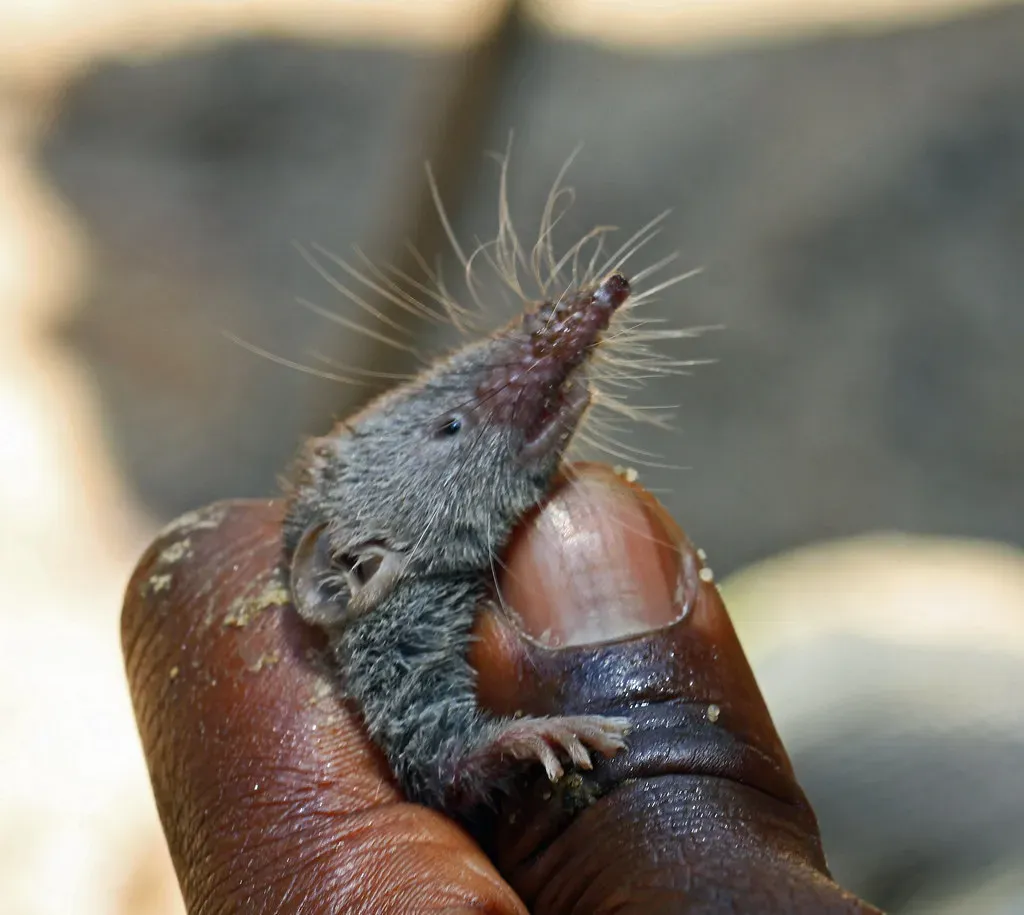
The Christmas Island shrew was a tiny, mouse-sized mammal found only on Australia’s remote Christmas Island, known for its nighttime twittering calls echoing through rainforest litter, where it fed on small beetles and other invertebrates. Although a handful of live specimens were captured as late as 1985, extensive surveys since then failed to find any individuals, prompting the IUCN to move it into the Extinct category in 2025.
Its decline began soon after humans settled in the late 1800s, bringing with them invasive black rats, which introduced blood-borne parasites and fierce competition that decimated native small mammals. It’s a story repeated across island ecosystems worldwide. Small, isolated populations stand no chance against introduced predators and diseases. The shrew’s extinction highlights how quickly biodiversity collapses when delicate island ecosystems face human disruption.
Conus Lugubris: The Cape Verde Cone Snail
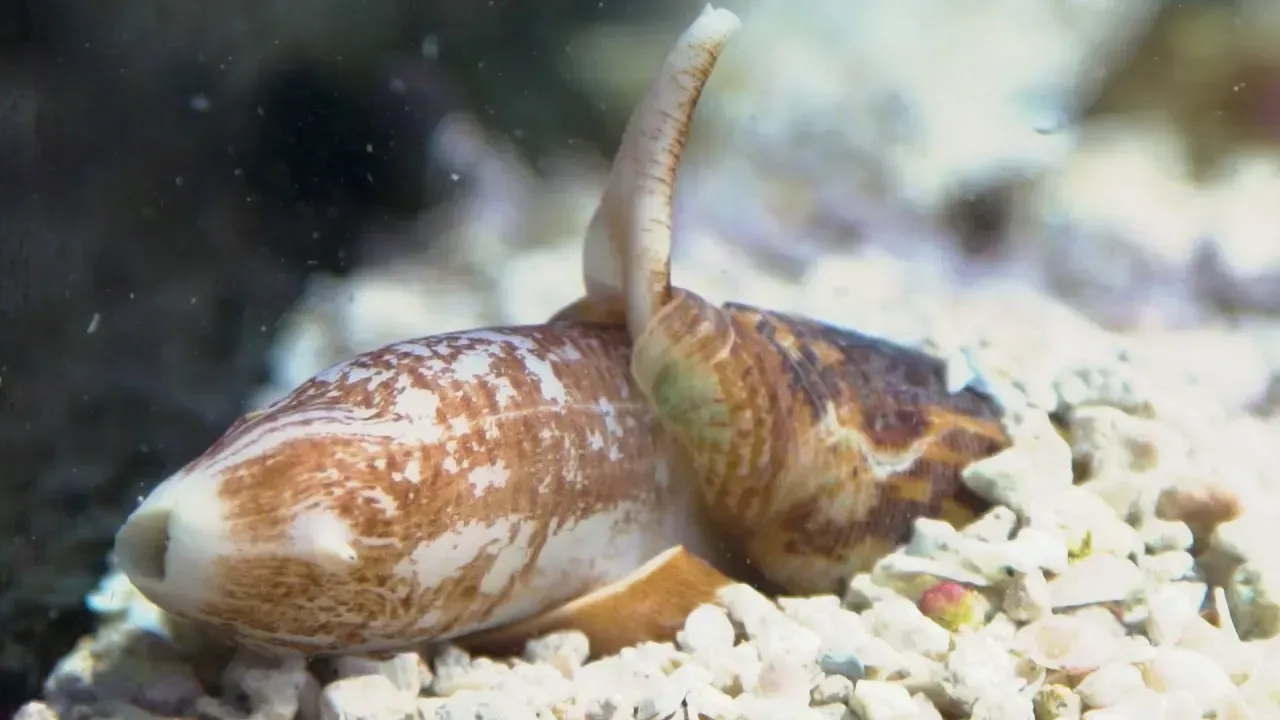
This marine cone snail was once unique to the north shore of São Vicente in the Cape Verde Islands, known for its complex venom and beautifully patterned shell, with a very limited geographic range that made it especially vulnerable to habitat changes. The species was once abundant in a small part of the Cape Verde Islands off West Africa, but by the turn of the 20th century, it likely went extinct as much of its habitat was degraded by coastal development, and was last observed in 1987.
Think about this for a moment: an entire species with unique venom chemistry, potentially holding compounds science never got to study, wiped out by coastal development in a tiny geographic area. The cone snail’s plight underscores how endemic species with restricted ranges face existential threats from even modest human activity. Once their singular habitat disappears, there’s nowhere else to go. No backup population. Just gone.
Nullarbor Barred Bandicoot: Lost to Australia’s Predator Crisis
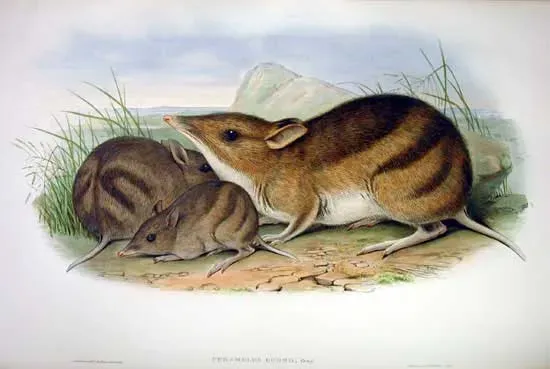
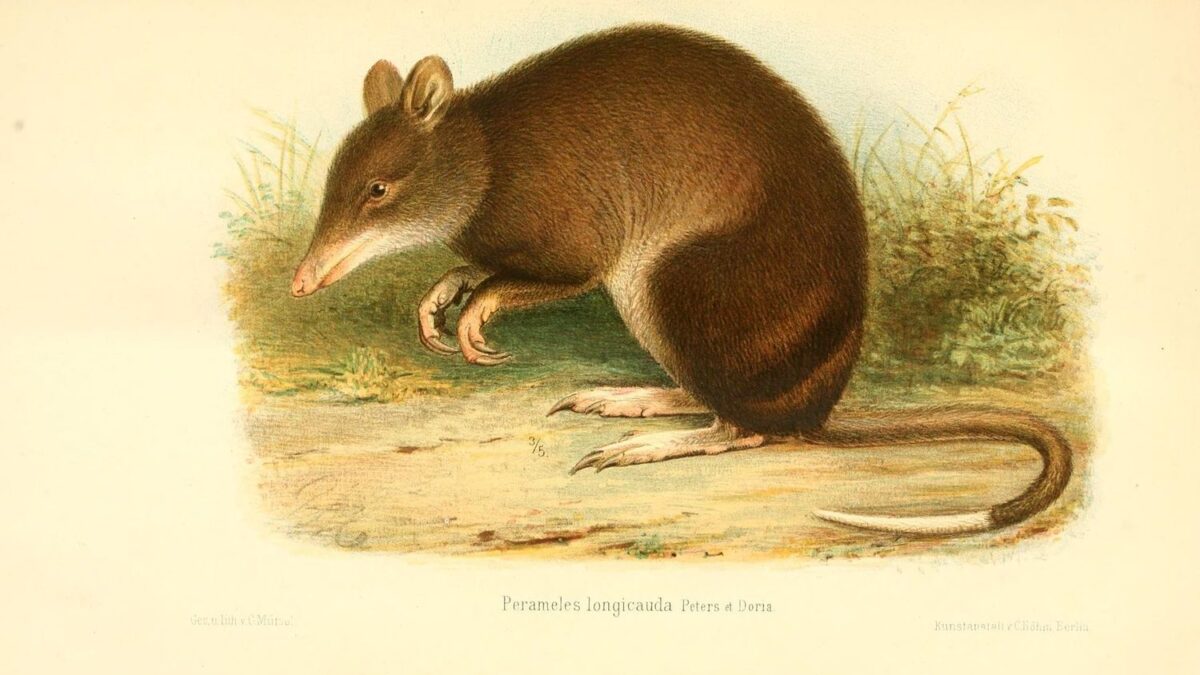
Native to southern Australia’s Nullarbor Plain, this bandicoot was known nearly exclusively from museum specimens collected until 1928, remaining a mystery in many respects until its extinction was formally assessed. Its demise is linked to introduced predators such as feral cats and foxes, habitat degradation from non-native rabbits and livestock grazing, and changes in fire regimes.
The last known record of the Nullarbor barred bandicoot was from the 1920s. Honestly, it’s hard to grasp how an entire mammal species can vanish so completely that we barely knew it existed before it disappeared. The loss of this species is particularly poignant in Australia, which has now seen more mammal extinctions than any other region since colonial settlement. Australia’s extinction record stands as a cautionary tale about the devastating combination of habitat destruction and introduced predators.
Southeastern Striped Bandicoot: Gone Before We Knew It
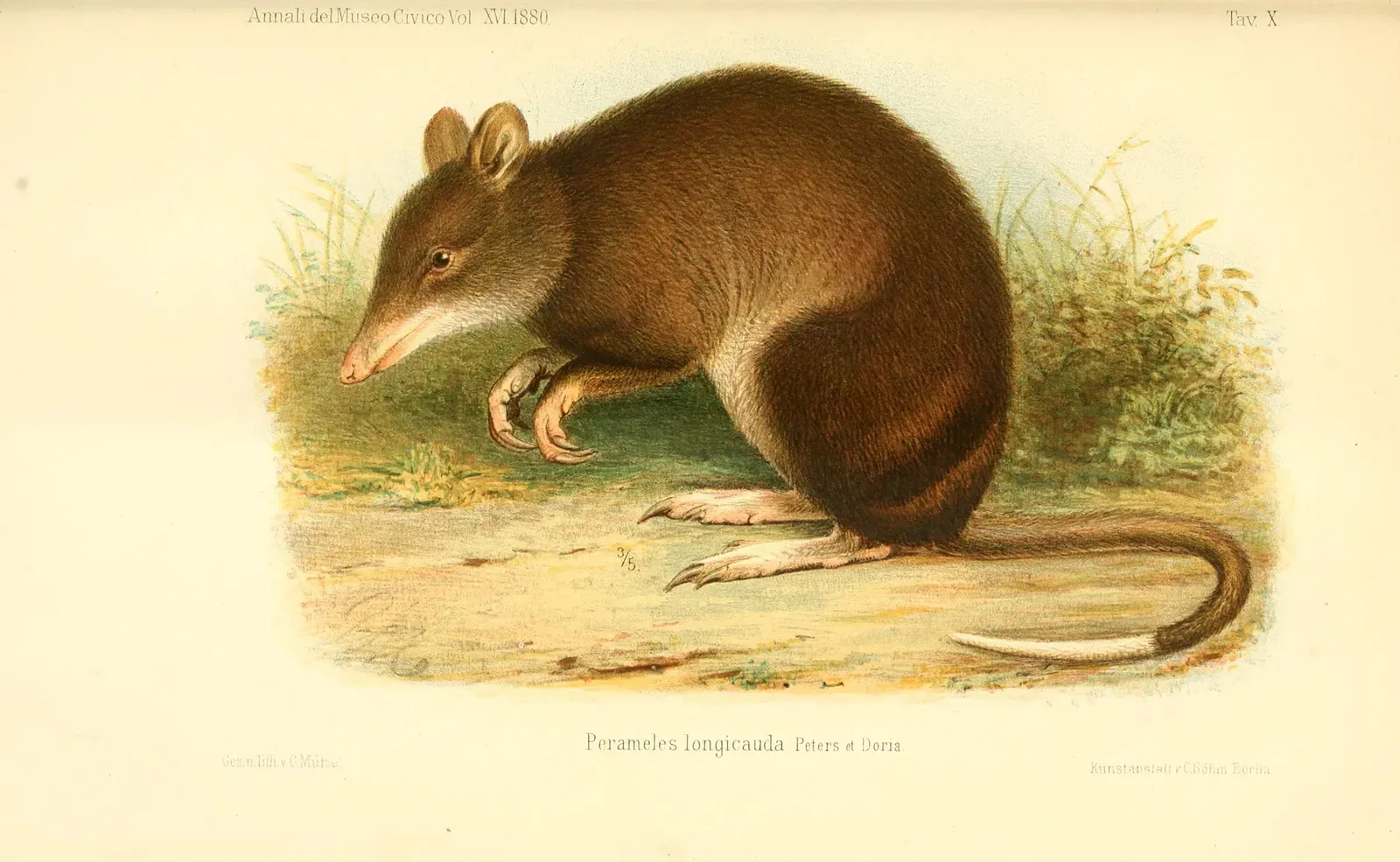
The southeastern striped bandicoot is a small, mostly nocturnal, insect-eating mammal found in Australia, New Guinea and nearby islands, likely wiped out by the loss of habitat and the spread of feral cats. Despite not being officially categorized as extinct by the IUCN until October 2025, the species has gone unsighted since the late 1800s.
All known specimens were collected between 1839 and 1860, a period of profound transformation following European settlement, and within a single human generation, habitat clearing for agriculture, cat predation, and frequent burning of remnant vegetation erased entire colonies. The southeastern striped bandicoot exemplifies how rapid environmental change overwhelms species before conservation measures can even be considered. Science barely had time to document its existence before it slipped beyond recovery.
Marl Bandicoot: Southwestern Australia’s Silent Loss
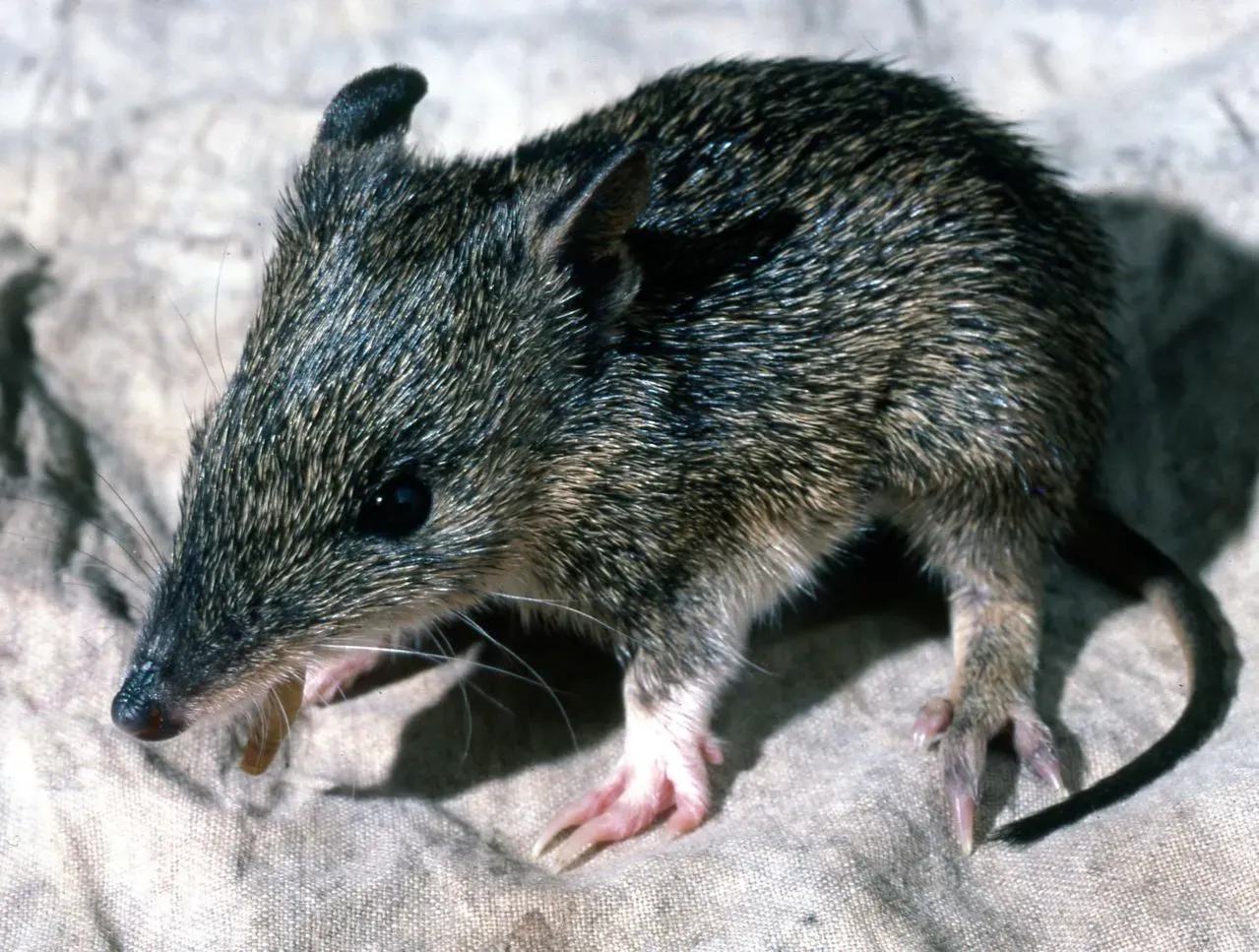
The marl, or south-western barred bandicoot, is a recently extinct species of bandicoot that was native to the southern parts of Western Australia. The last known marl specimen was collected in 1907, and researchers suspect the species was likely extinct by 1910. It is unclear when the marl became extinct due to poor data collection and confusion between the different species, however the last specimen was collected in 1906, and probable causes for extinction include predation by feral cats and foxes, and habitat loss and fragmentation.
What makes this extinction particularly tragic is the confusion surrounding its taxonomy. For decades, scientists lumped it together with other bandicoot species, only recognizing its uniqueness through later genetic analysis of museum specimens. By then, of course, it was far too late. The marl represents not just a species loss but a missed opportunity, gone before we even understood what we were losing.
Conclusion
The official extinction of species like the Christmas Island shrew and the slender-billed curlew is a sad reminder that biodiversity loss isn’t an abstract future threat but is happening right now in real time with irreversible consequences, yet the broader data from the 2025 IUCN Red List also show that decline doesn’t have to be inevitable, as where conservation is adequately funded, sustained, and guided by science, species can and do recover.
These six extinctions share common threads: invasive species, habitat destruction, hunting, and most devastatingly, delayed action. For every species formally declared extinct, dozens more remain precariously close to the same fate, and what happens next will depend on how urgently governments, institutions, and individuals act, as the window to prevent further losses is narrowing, but it hasn’t closed. Did we learn anything from these losses? What do you think needs to change?

From exploring the marine wonders in the Azores and witnessing the vast savannas of Kenya, to delving deep into the rich biodiversity of South Africa and traversing iconic landscapes in Australia and the US like Yellowstone, Chris's experiences are vast.
With a penchant for diving alongside sharks, the ocean holds a special place in his heart.
Through his academic insights, he champions wildlife conservation, striving with 'Animals Around The Globe' to cultivate a profound connection between humans and animals, enhancing our mutual appreciation.
Connect with him at Feedback@animalsaroundtheglobe.com.
- What Happens If Coral Reefs All Disappear? - July 22, 2026
- Penguins Are Moving North—What This Means for the Arctic - July 22, 2026
- The Bull as a Symbol of Power in Minoan and Hindu Stories - July 22, 2026