

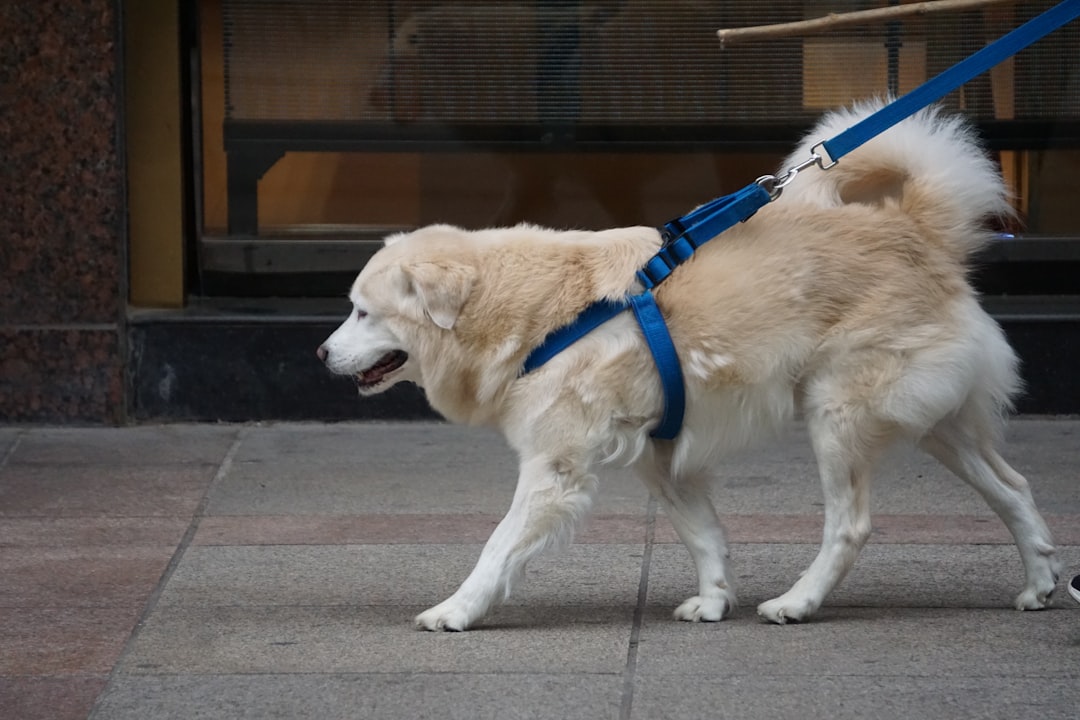

Why a Well-Fitted Harness Changes Everything (Image Credits: Unsplash)
Pet owners often overlook the details of selecting a harness, yet a proper fit transforms routine walks into secure and enjoyable outings for dogs and their companions alike.
Why a Well-Fitted Harness Changes Everything
Improperly sized harnesses contribute to thousands of escapes and injuries each year, underscoring the need for precise fitting from the start. Owners who prioritize this step report fewer behavioral issues during walks and greater overall confidence in handling their pets.
Harnesses outperform collars by spreading pressure across the chest and shoulders, which minimizes strain on the neck – especially vital for brachycephalic breeds prone to respiratory challenges. This design promotes better posture and reduces the likelihood of tracheal damage during pulls. Experts emphasize that a secure fit enhances control without compromising mobility, allowing dogs to explore freely while staying safe.
Beyond safety, comfort plays a central role. A harness that aligns with a dog’s body prevents chafing and hotspots, encouraging longer, more relaxed strolls. When fit correctly, it becomes an extension of the pet rather than a hindrance.
Navigating Harness Types for Your Dog’s Needs
Dogs vary widely in size, strength, and habits, so matching the harness type to these factors ensures optimal performance. Back-clip models suit calm, well-trained pets by attaching the leash at the spine for straightforward use.
Front-clip options redirect pulling dogs toward their owner, fostering gentler leash manners over time. These prove particularly effective for energetic breeds that lunge forward, as the design naturally discourages forward momentum. No-pull variants combine elements of both, often with padded straps and multiple adjustment points for versatility across activities.
| Harness Type | Key Benefit | Best Suited For |
|---|---|---|
| Back-Clip | Easy attachment and even pressure | Relaxed, non-pulling dogs |
| Front-Clip | Reduces forward pulling | Trained or strong pullers |
| No-Pull | Versatile control options | Active or variable behavior |
Selecting the appropriate type involves assessing your dog’s walking style and physical build. Adjustable models accommodate growth spurts in puppies or weight fluctuations in adults, extending the harness’s usability.
Step-by-Step Measuring for Precision
Accurate measurements form the foundation of a reliable fit, yet many owners skip this, leading to returns or discomfort. Begin with a soft cloth tape measure, your dog’s weight, and a calm environment to capture true dimensions.
Focus first on the chest girth: encircle the area just behind the front legs at the widest point, keeping the tape snug but not compressing the fur. Note the neck circumference at the base, above the shoulders, and consider back length from withers to tail base for longer styles. These figures guide size selection across brands, where variations occur due to material stretch or design.
- Position your dog standing naturally on a flat surface.
- Wrap the tape around the chest, allowing two fingers’ space for comfort.
- Repeat for the neck, ensuring even tension.
- Record in inches or centimeters and compare to the manufacturer’s chart.
- Factor in weight for reinforced options in larger breeds.
This methodical approach prevents common sizing errors and supports long-term adjustments as your dog matures.
Avoiding Pitfalls and Ensuring Lasting Fit
Fitting extends beyond initial purchase; ongoing checks reveal subtle shifts that affect safety. Loose straps invite slippage during sudden movements, while overtightening causes restricted breathing or irritation.
Test the harness by observing your dog’s gait – it should allow full shoulder rotation without riding up or pinching. Introduce it gradually indoors with treats to build positive associations, then progress to short leashed trials. Maintenance involves spot-cleaning with mild soap after muddy adventures and inspecting for frays that weaken integrity.
Reevaluate fit quarterly or after life changes like seasonal weight gain. Brands offering multiple sliders provide flexibility, reducing the need for frequent replacements.
- Measure chest and neck precisely to match brand-specific charts for a secure, comfortable hold.
- Choose harness types based on pulling habits to improve control and reduce injury risks.
- Regular testing and cleaning extend usability, ensuring walks remain safe and stress-free.
A properly fitted harness not only safeguards your dog but also deepens the trust between you during every outing – what adjustments have worked best for your pet? Share in the comments.

- Urban Coyotes Show Remarkable Adaptability, Learning to Thrive in City Environments - July 22, 2026
- Beavers Are Nature’s Engineers, Creating Vital Habitats for Other Wildlife Species - July 21, 2026
- The Recovery of the California Condor Offers Hope for Other Critically Endangered Birds - July 21, 2026