

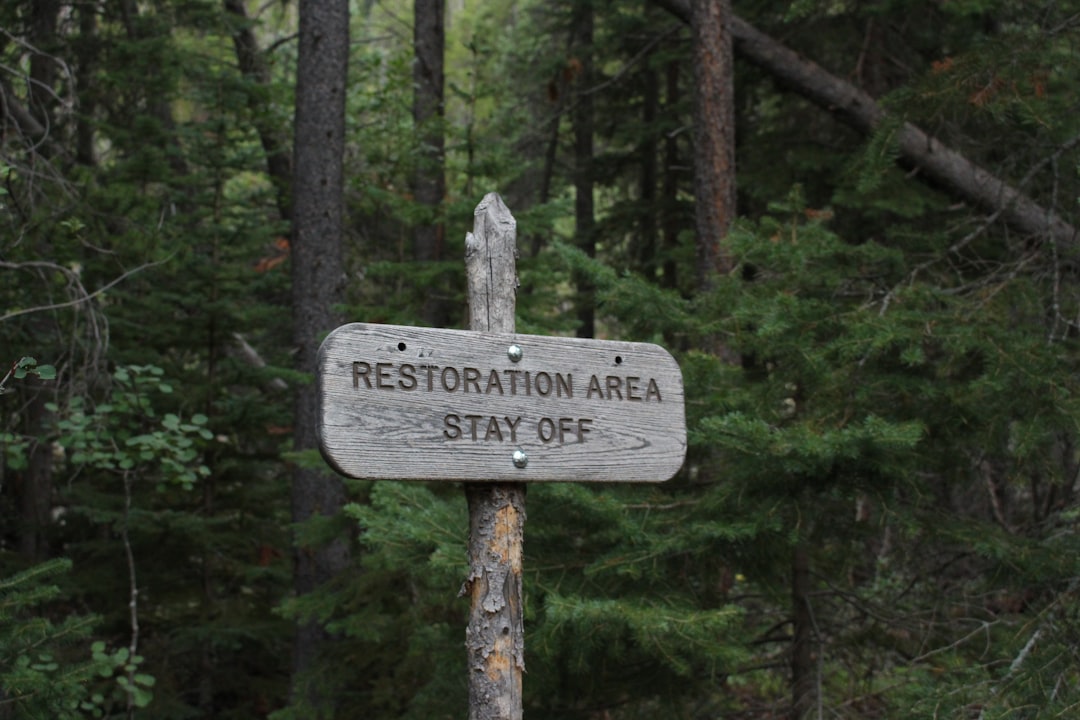

Launch and Core Principles (Image Credits: Unsplash)
Forest restoration efforts worldwide have gained a vital tool in the Tree Global Biodiversity Standard, marking its first anniversary with promising strides toward integrating biodiversity into large-scale reforestation projects.
Launch and Core Principles
The TGBS emerged as a response to the limitations of previous restoration initiatives, which often prioritized carbon sequestration over ecological diversity. Launched exactly one year ago, the standard sets clear benchmarks for selecting tree species and monitoring outcomes to ensure restored forests support a wide array of wildlife and plants. Developers of the TGBS emphasized that with around 60,000 known tree species globally, restoration must go beyond monoculture plantations to foster resilient ecosystems.
Key to its framework is the requirement for projects to use native species suited to local conditions, avoiding the pitfalls of generic planting schemes that can harm existing habitats. In its inaugural year, the benchmark has influenced dozens of initiatives, prompting organizations to reassess their approaches. Early adopters reported challenges in sourcing diverse seeds but noted quicker establishment of understory vegetation as a result. This shift aligns with broader calls from experts to treat biodiversity as a primary goal rather than an afterthought in restoration work.
Real-World Applications and Early Wins
One striking example from the benchmark’s first year involved a project in Southeast Asia, where degraded lands once covered in invasive grasses now host mixed-species plantings that attract pollinators and birds within months. The TGBS guided planners to incorporate at least 10 native tree varieties per hectare, leading to measurable increases in insect populations essential for food webs. Such outcomes demonstrate how the standard’s metrics – tracking species richness and habitat connectivity – provide actionable data for ongoing adjustments.
Across continents, the benchmark has spurred collaborations between governments, NGOs, and corporations aiming to meet climate and nature targets. In Latin America, a corporate-funded effort restored 5,000 hectares using TGBS protocols, resulting in the return of small mammals previously absent from the area. Participants highlighted the standard’s role in securing funding, as investors increasingly demand verifiable biodiversity benefits. However, implementation varied, with remote regions facing logistical hurdles in compliance monitoring.
Challenges and Lessons Learned
Despite its successes, the TGBS rollout revealed gaps in global capacity for biodiversity assessments during the past year. Many projects struggled with baseline surveys to gauge pre-restoration diversity, underscoring the need for affordable tools like remote sensing. Critics pointed out that while the benchmark excels in technical guidance, it requires stronger integration with local communities to avoid unintended displacements.
Adaptations emerged quickly, such as simplified scoring systems for smaller-scale efforts. Data from the first year showed that sites adhering closely to TGBS saw 20-30% higher diversity scores compared to non-compliant analogs. These insights have refined the standard, with updates planned to address tropical versus temperate forest nuances. Overall, the benchmark’s flexibility has encouraged wider adoption, even in voluntary programs.
Broader Implications for Global Initiatives
The TGBS aligns with international commitments like the UN Decade on Ecosystem Restoration, amplifying efforts to reverse deforestation’s toll on the planet’s 80% of terrestrial biodiversity housed in forests. By embedding biodiversity metrics into restoration, it supports corporate goals for sustainable supply chains and regulatory compliance on nature loss. Initiatives influenced by the benchmark now contribute to targets set by high-profile pledges, such as the Bonn Challenge, which aims to restore 350 million hectares by 2030.
Looking ahead, the standard’s influence extends to policy, with several countries incorporating its principles into national strategies. This evolution promises to bridge the gap between ambitious targets and tangible ecological gains.
- Native species selection to match local ecosystems.
- Monitoring protocols for species diversity and connectivity.
- Community involvement in planning and maintenance.
- Adaptive management based on annual assessments.
- Integration with carbon and livelihood goals.
Key Takeaways
- The TGBS has boosted biodiversity outcomes in over 50 projects in its first year.
- Focus on diverse planting yields faster habitat recovery for wildlife.
- Ongoing refinements address implementation barriers for broader impact.
As forest restoration scales up, the TGBS stands as a blueprint for balancing human needs with nature’s complexity, ensuring that replanted landscapes thrive for generations. What steps can we take locally to support such initiatives? Share your thoughts in the comments.

- Urban Coyotes Show Remarkable Adaptability, Learning to Thrive in City Environments - July 22, 2026
- Beavers Are Nature’s Engineers, Creating Vital Habitats for Other Wildlife Species - July 21, 2026
- The Recovery of the California Condor Offers Hope for Other Critically Endangered Birds - July 21, 2026