

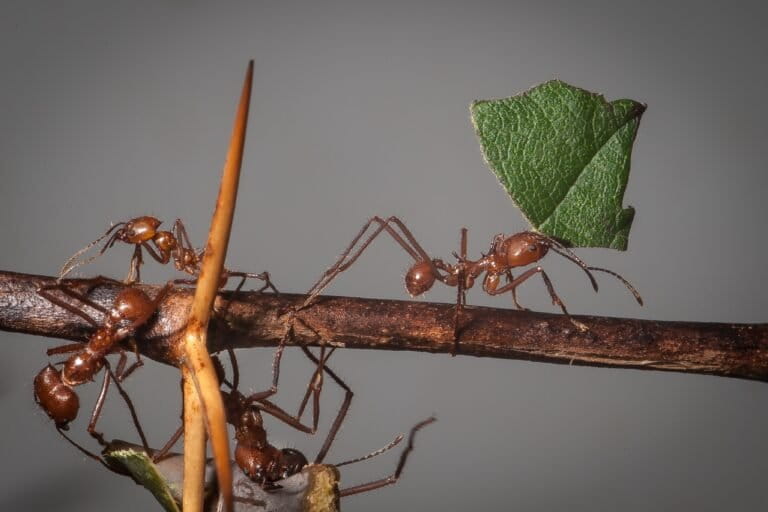
The Unexpected Boom in Ant Collecting (Image Credits: Imgs.mongabay.com)
Kenya – A dramatic bust uncovered more than 5,000 endemic ants bound for international markets, exposing how these insects have quietly entered the lucrative world of wildlife trafficking.
The Unexpected Boom in Ant Collecting
Enthusiasts worldwide have turned ants into prized pets, housing them in specialized setups to watch their intricate social behaviors unfold. This hobby, once niche, now drives demand for rare species from remote ecosystems. Traffickers exploit this interest by harvesting colonies from the wild, often in regions where ants play crucial roles in soil health and pest control.
The Kenya seizure marked a stark example of this trend. Officials intercepted the shipment at a major port, preventing the ants from reaching buyers in Europe and Asia. Such operations reveal how hobbyists unknowingly fuel a supply chain that depletes natural populations. Conservation groups noted that prices for exotic ants can reach hundreds of dollars per colony, incentivizing risky collection methods.
Ecological Threats from Invasive Spread
Beyond overharvesting, the trade poses severe risks through accidental introductions of non-native species. Many traded ants exhibit strong invasive traits, capable of outcompeting local fauna once established outside their home ranges. This disruption can cascade through food webs, harming native insects, plants, and even agriculture.
Experts highlight that ants contribute to biodiversity by aerating soil and dispersing seeds, yet their removal for trade undermines these functions. In tropical areas like Kenya, endemic species face heightened vulnerability due to limited habitats. The global movement of these insects amplifies the potential for ecological imbalances, with long-term consequences for forest stability and crop yields.
A Push for Stronger International Safeguards
Conservationists recently outlined their concerns in a formal letter to key wildlife bodies, urging immediate regulatory action. They emphasized the absence of protections under major treaties, leaving ants exposed to unchecked exploitation. This gap allows smugglers to operate via online platforms and mislabeled packages, evading detection.
The call targets the Convention on International Trade in Endangered Species of Wild Fauna and Flora, known as CITES. Proponents argue that listing vulnerable ant species would enable monitoring and quotas, similar to measures for birds and mammals. Without such steps, the letter warned, entire lineages could vanish before their importance is fully grasped.
Challenges in Monitoring and Enforcement
Authorities face steep hurdles in curbing this trade, as ants’ small size makes them easy to conceal in luggage or shipments. Informal networks thrive on social media, where sellers advertise rare finds without scrutiny. In source countries, limited resources hamper patrols in biodiverse hotspots.
Recent incidents, including the Kenya case, demonstrate growing awareness but also the scale of the problem. International cooperation has led to some successes, yet gaps persist in tracking online sales. Strengthening border controls and educating collectors could reduce demand, but experts stress the need for global standards to match the trade’s borderless nature.
Key Takeaways
- Ant trade endangers endemic species through overcollection and invasive risks.
- No current CITES listings leave insects unprotected in international markets.
- Conservation letters demand urgent action to safeguard biodiversity hotspots.
As ants silently sustain ecosystems, their exploitation underscores a broader crisis in wildlife commerce. Protecting these unassuming architects of nature requires swift, unified efforts from governments and treaties alike. What steps do you believe should prioritize insect conservation? Share your thoughts in the comments.

- Urban Coyotes Show Remarkable Adaptability, Learning to Thrive in City Environments - July 22, 2026
- Beavers Are Nature’s Engineers, Creating Vital Habitats for Other Wildlife Species - July 21, 2026
- The Recovery of the California Condor Offers Hope for Other Critically Endangered Birds - July 21, 2026